Learning News 3/4
Mrs Amy Phillips

Learning News 3/4
Mrs Amy Phillips
Term 3 has been an active and productive term as our students explored Aboriginal culture and history, focusing on the ingenuity and innovation of Australia's First Nations people. Rather than treating history as static, we looked closely at how Aboriginal people engineered complex, sustainable systems such as the ancient dry-stone Brewarrina fish traps (Baiame's Ngunnhu), cultural burning practices, aerodynamic hunting tools, and traditional bush medicines. To build on this learning, students are planning to create an artwork using traditional ochre.
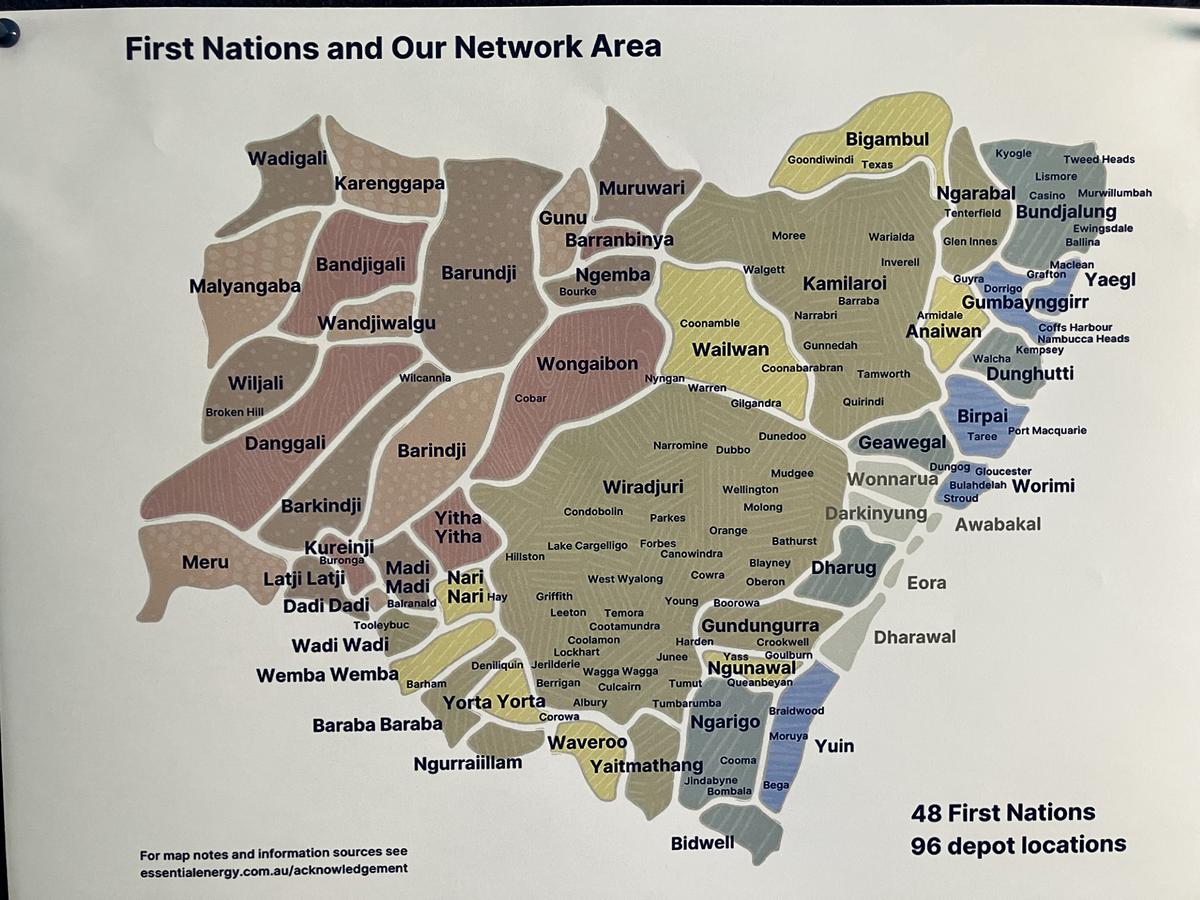
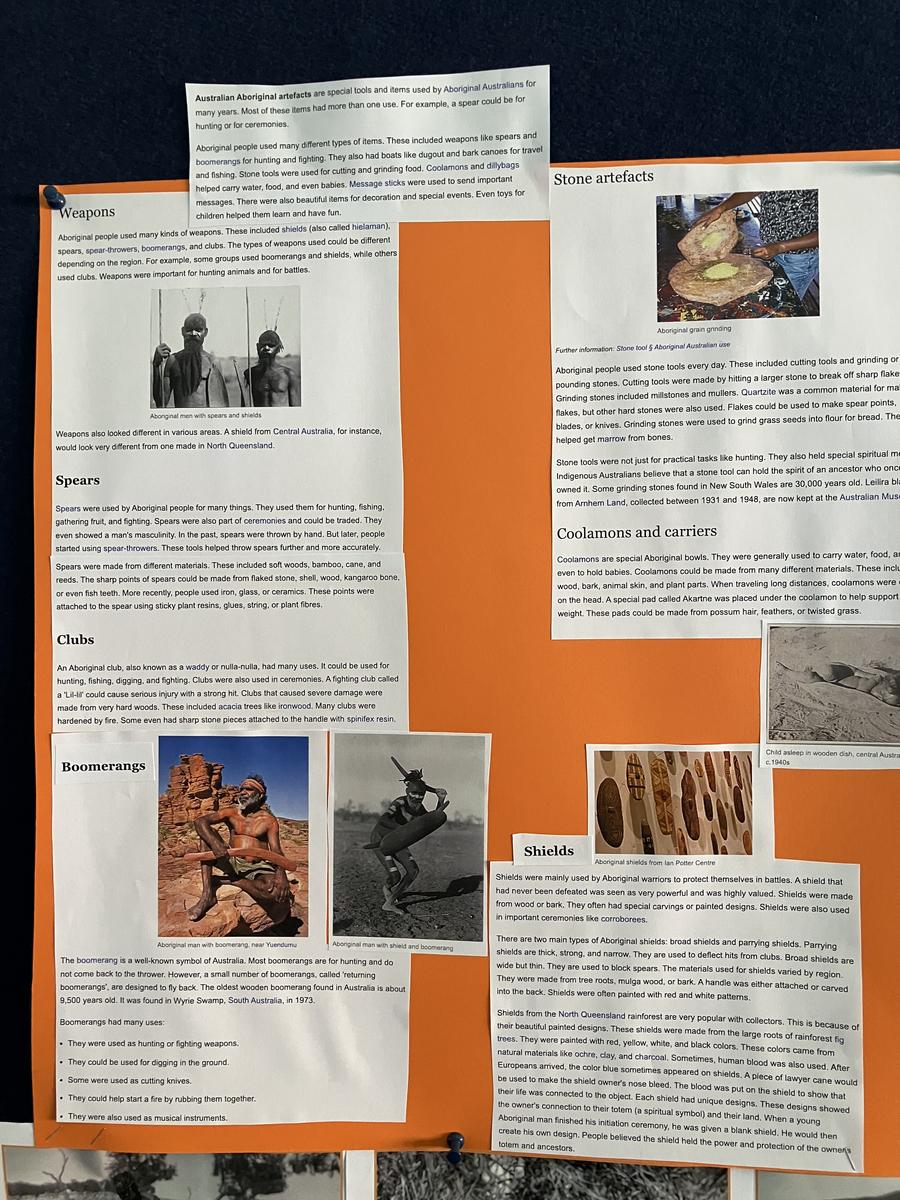
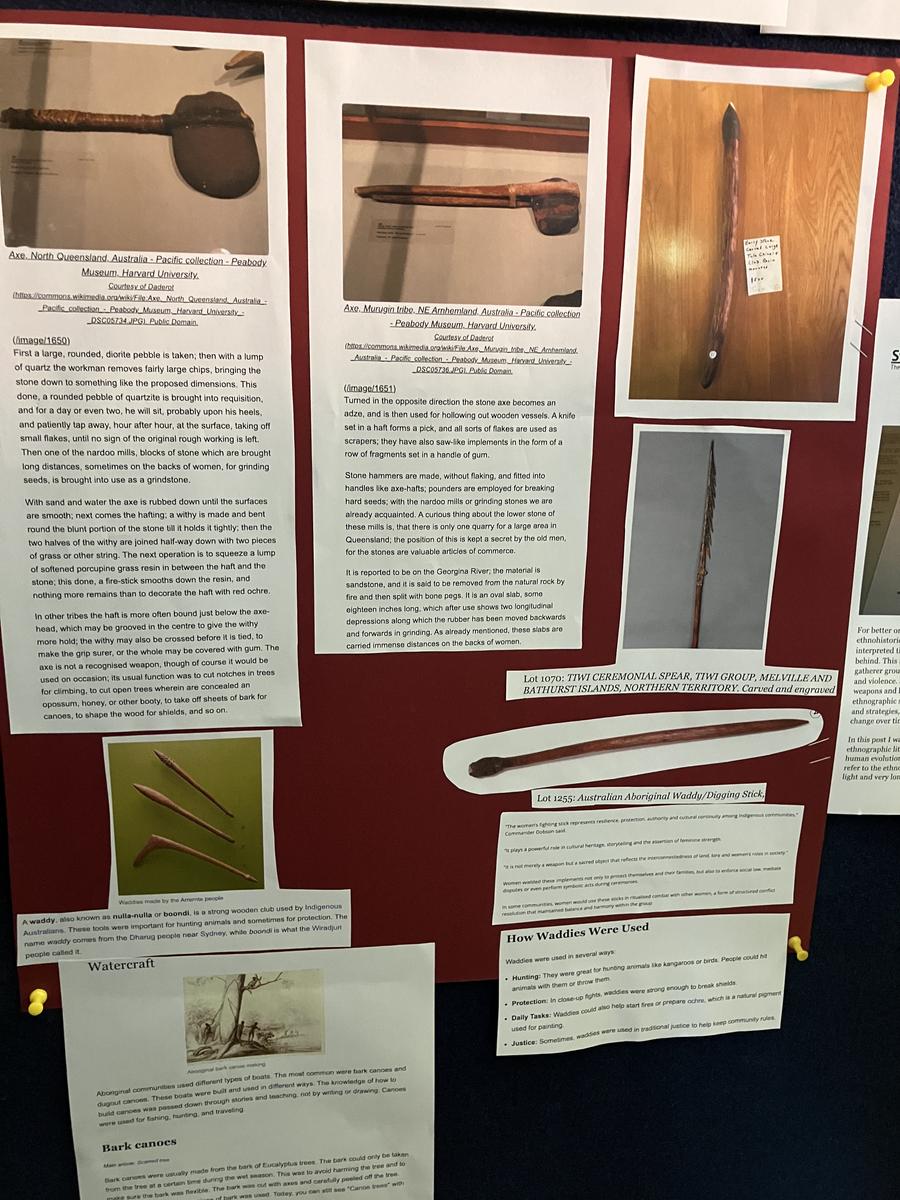
A major highlight of this unit was learning the Kamilaroi (Gamilaraay) language with Ms Rhodes. We extend a huge thank you to Ms Rhodes for her incredible efforts in translating our regular classroom prayers into Gamilaraay, allowing the students to connect with the language in a meaningful daily routine. She also brought in many Aboriginal artefacts so the students could examine them closely, which greatly enhanced their understanding of traditional technology and craftsmanship. Through these lessons, the students learnt cultural songs and mastered the translated prayers, showing great respect throughout the term.
In writing, our focus has been on mastering narrative conventions, and the growth has been fantastic to see. Students have done a great job incorporating complex elements like dialogue, figurative language, tense, point of view, time connectives, and descriptive language into their work. I am incredibly proud of the effort they have put into every draft, and the students themselves should take great pride in their progress. By confidently weaving these new skills into their writing, they are now crafting engaging and interesting narratives. For their current project, they are creatively developing stories that feature a meaningful moral, using their voices to teach their audience a valuable lesson.
In mathematics, we covered a lot of ground across both Number and Space.
3D Spatial Structure (3D Objects): Students investigated the physical properties of objects like prisms, pyramids, cylinders, and cones, learning to identify and describe their faces, edges, and vertices.
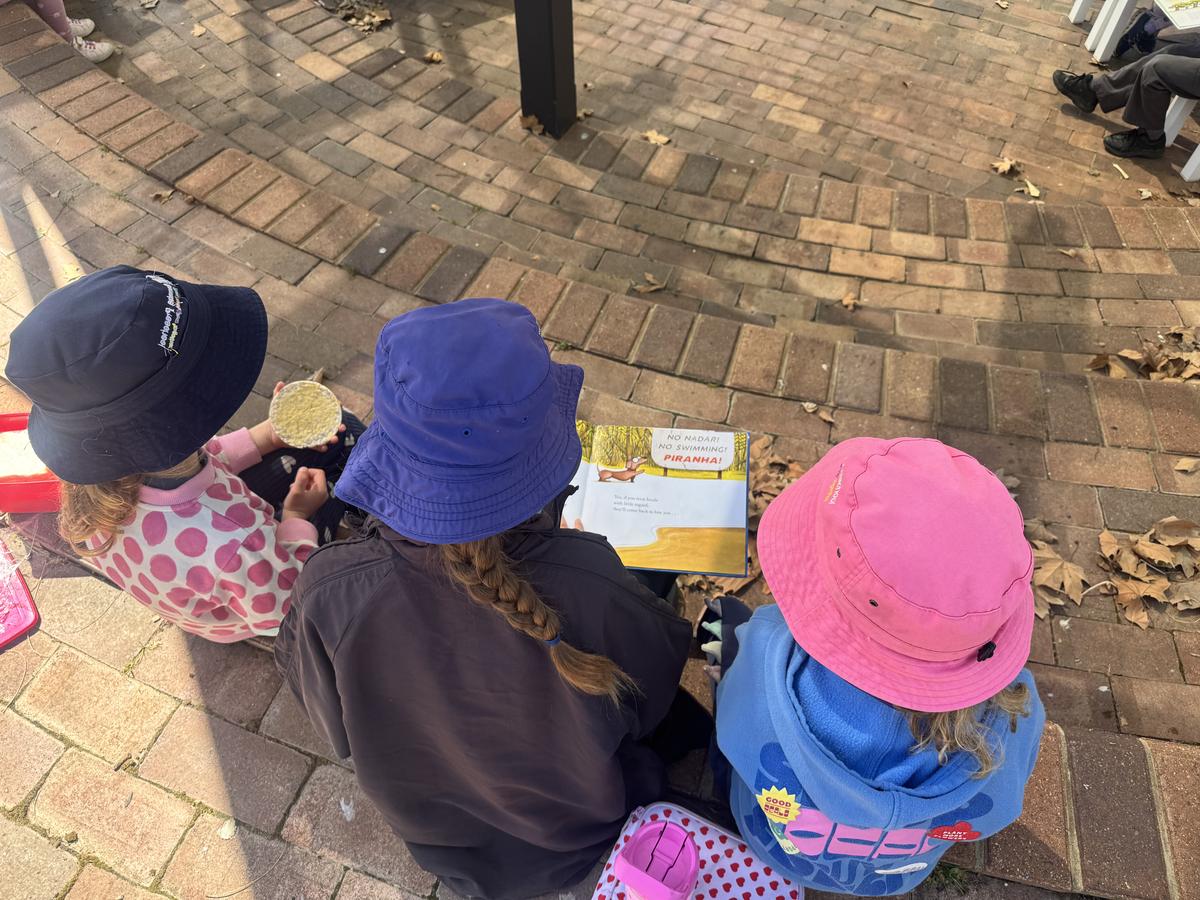
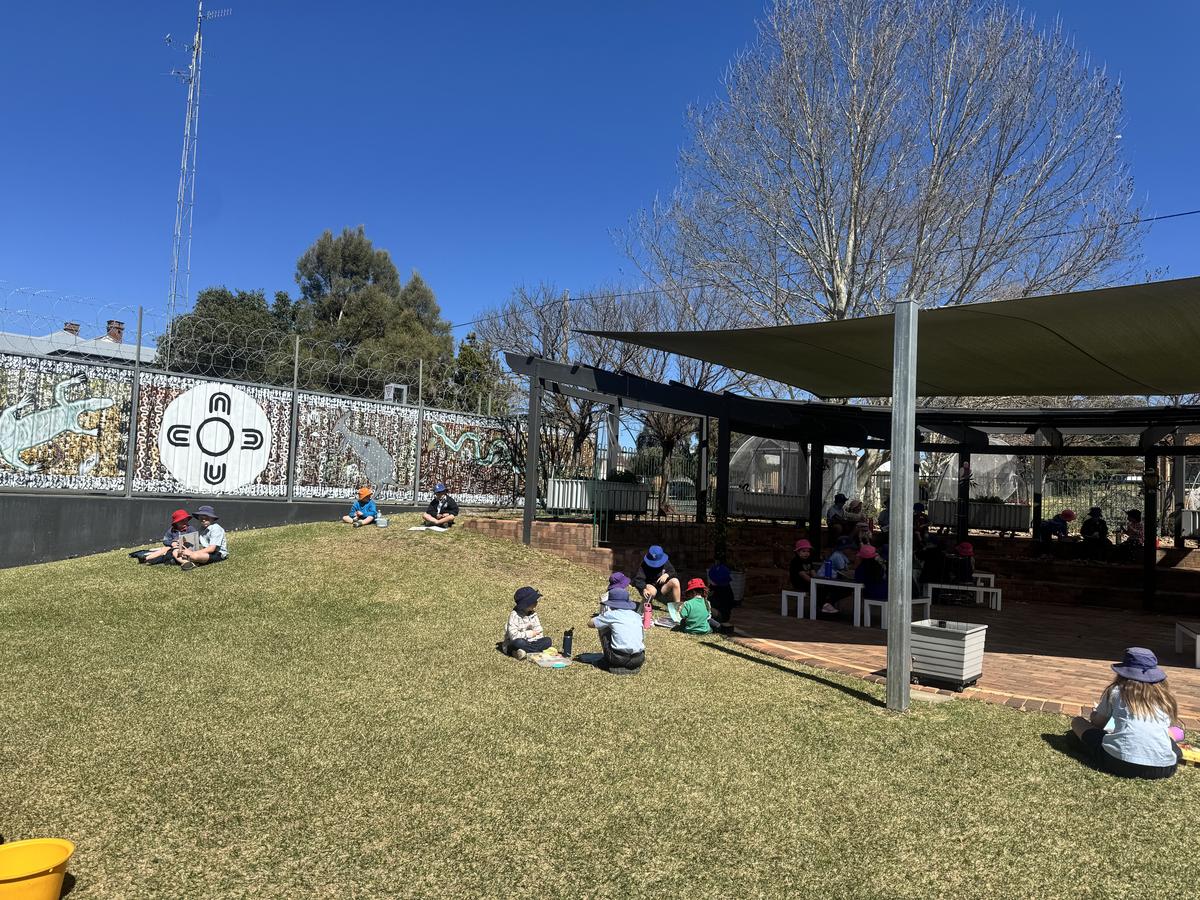
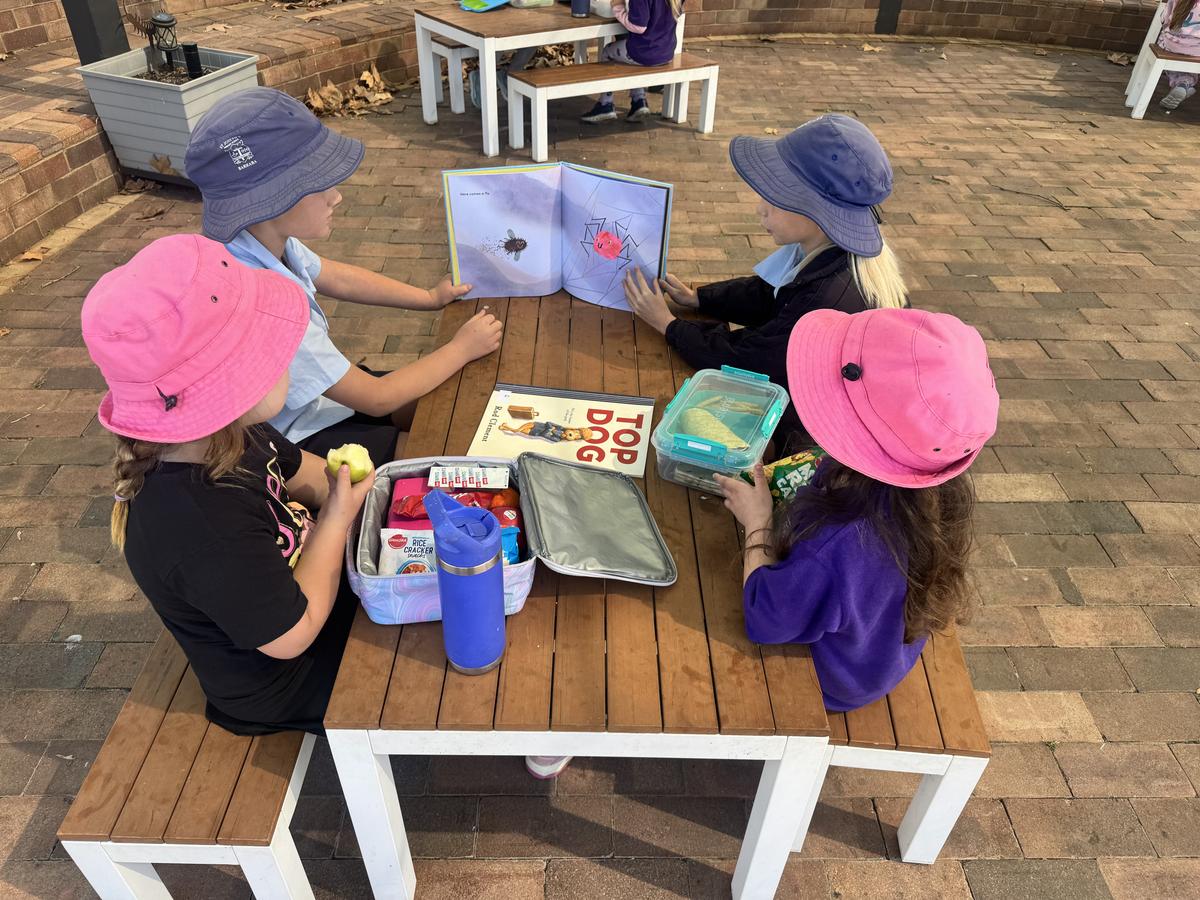
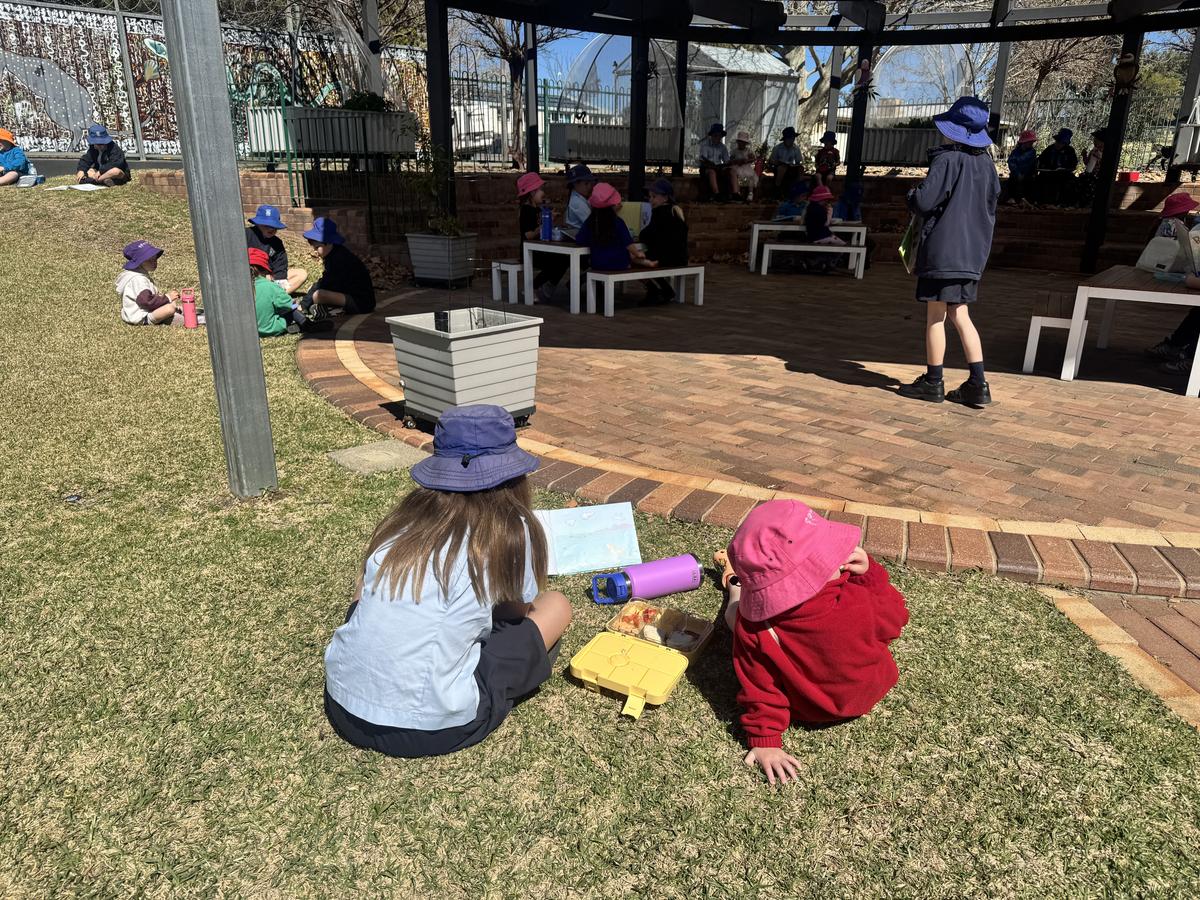
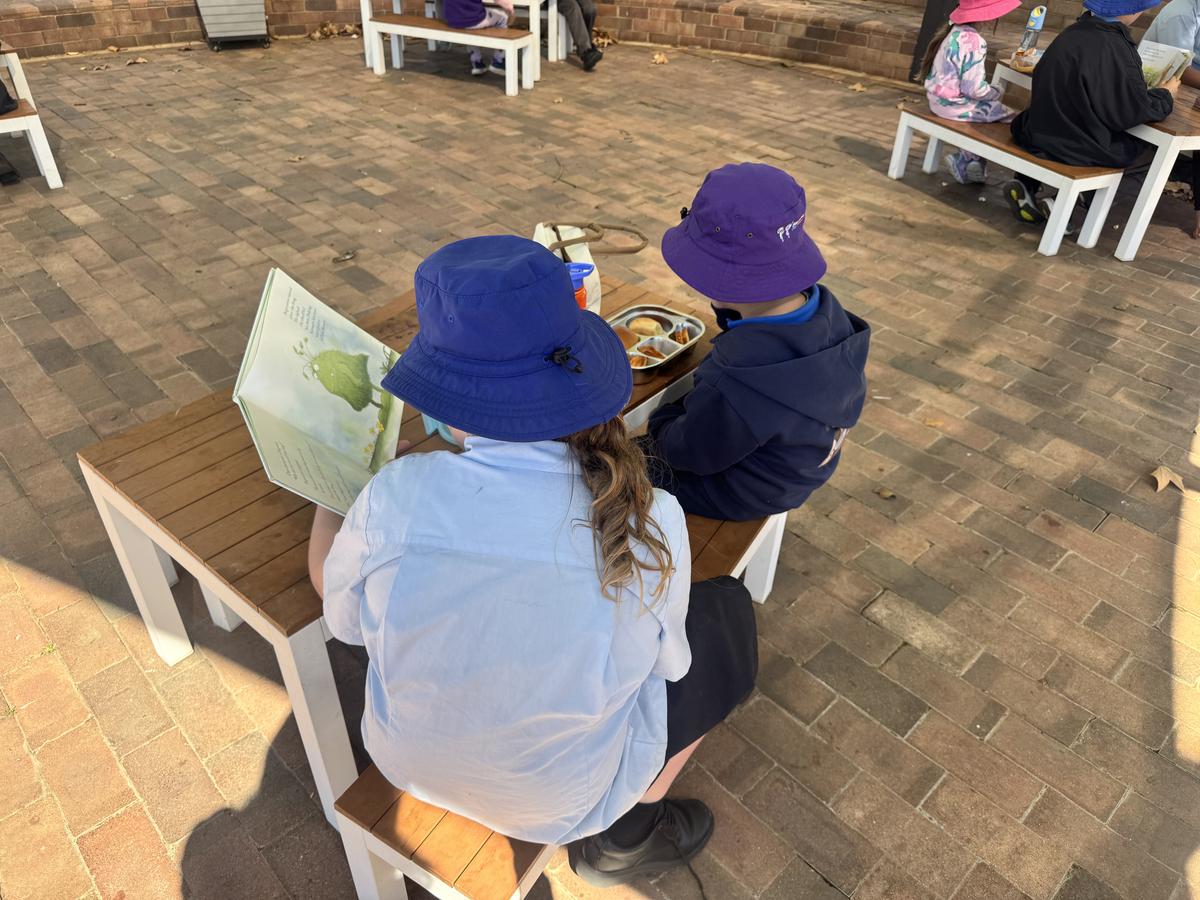
Finally, we have continued our community involvement with regular visits to Richardson House, Garvin House, and the local Preschool. 3/4 students have spent time reading to the preschoolers and sharing games and activities with the elderly residents. These visits have allowed the students to develop strong, positive relationships with both the younger and older generations in our community.
How You Can Help at Home
Writing Activities:
Maths Activities: