
Wellbeing
Fiona Dandie & Robert Pain
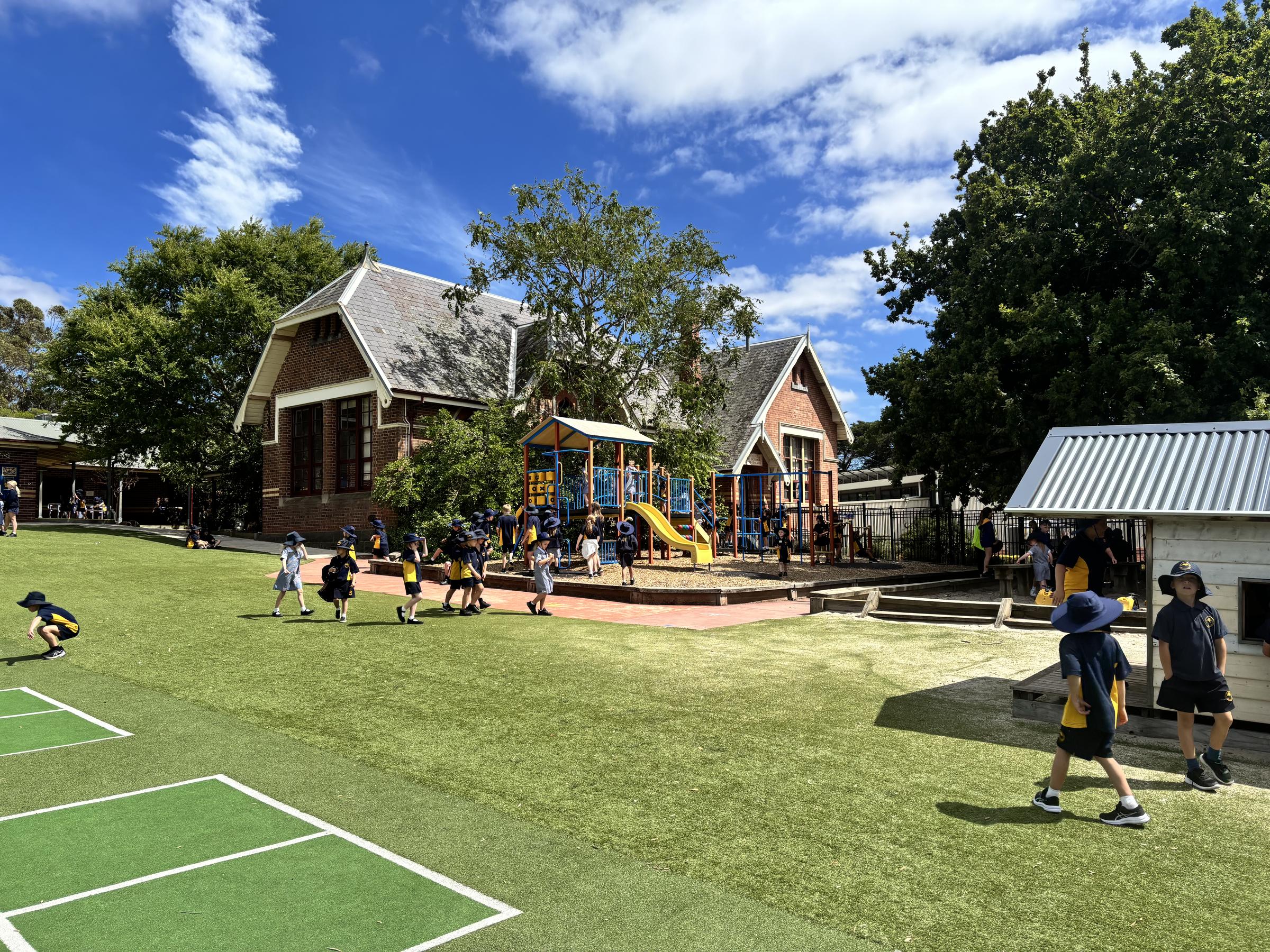
Wellbeing
Fiona Dandie & Robert Pain
Whittlesea World: Term 4, Week 3
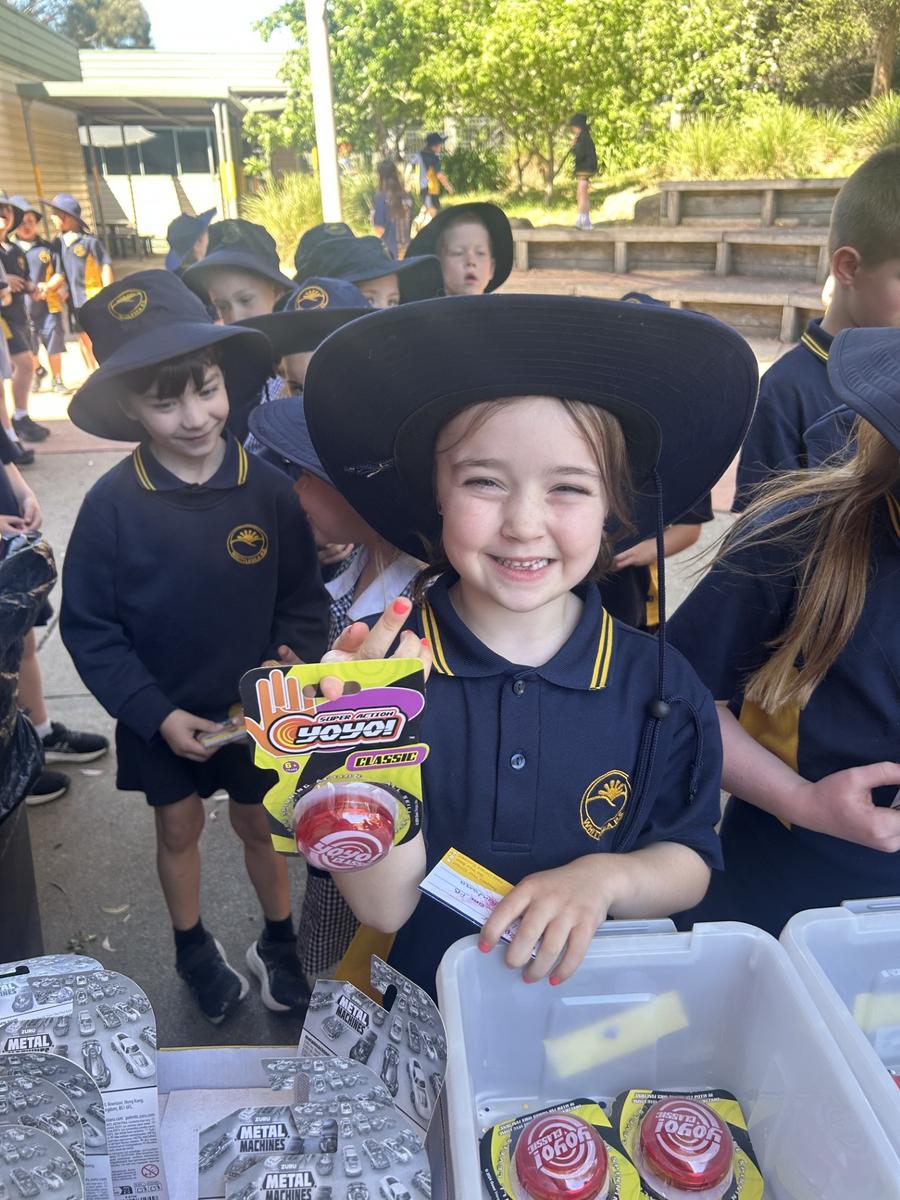
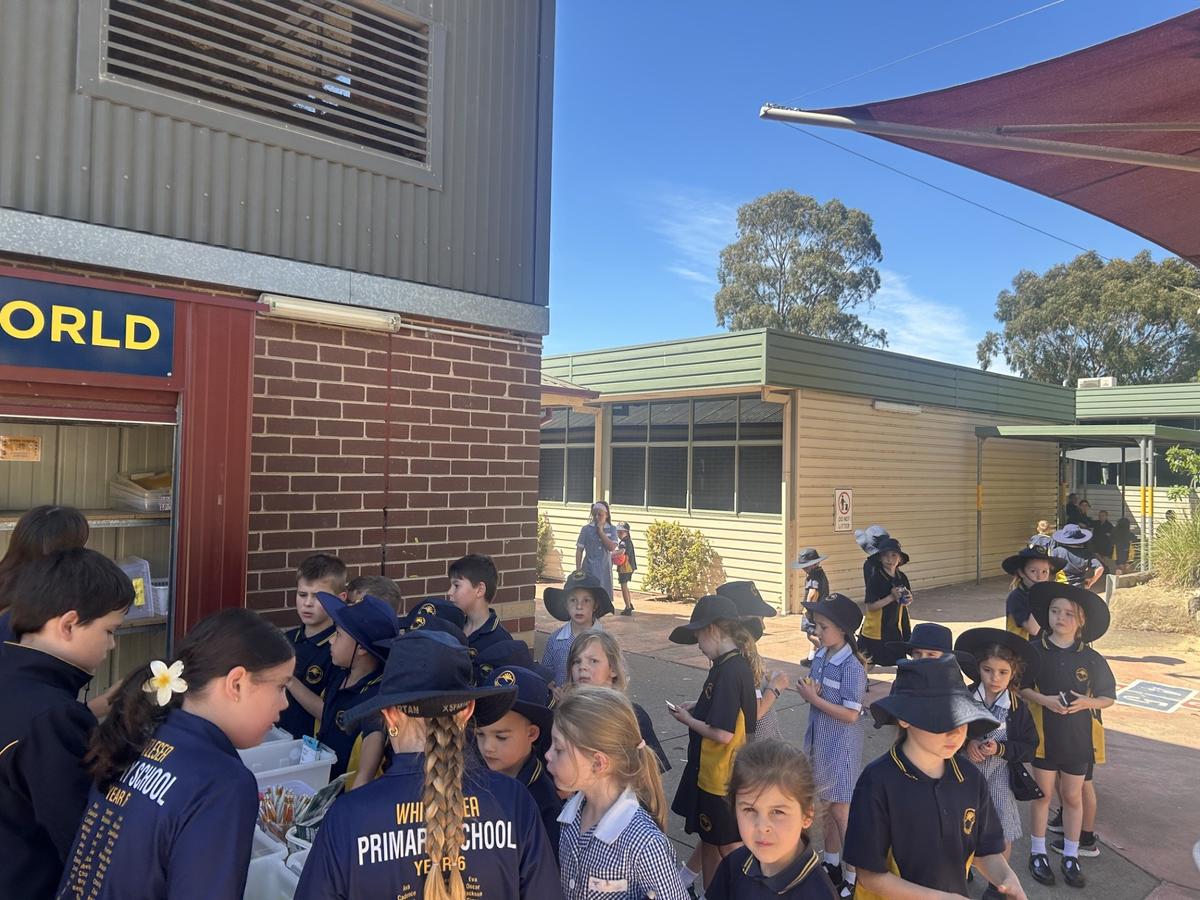
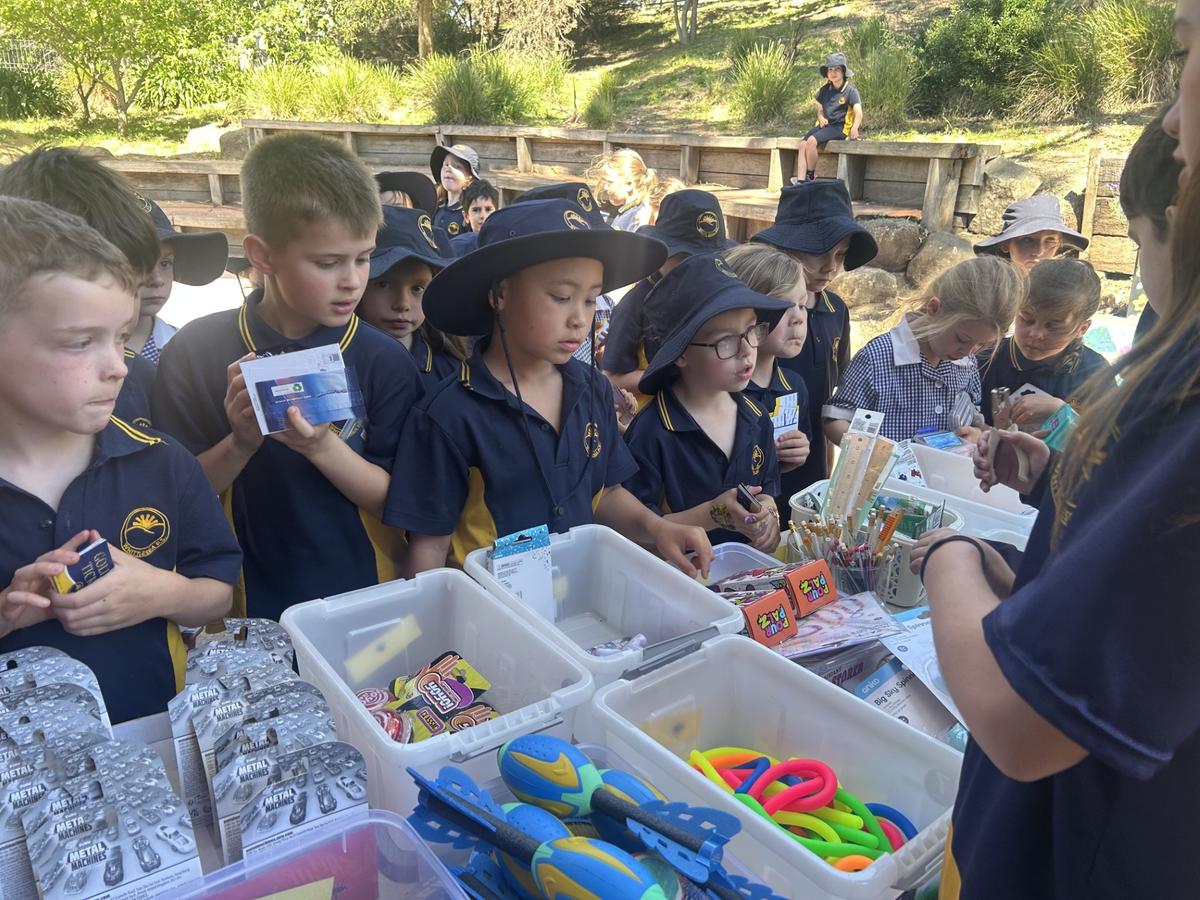
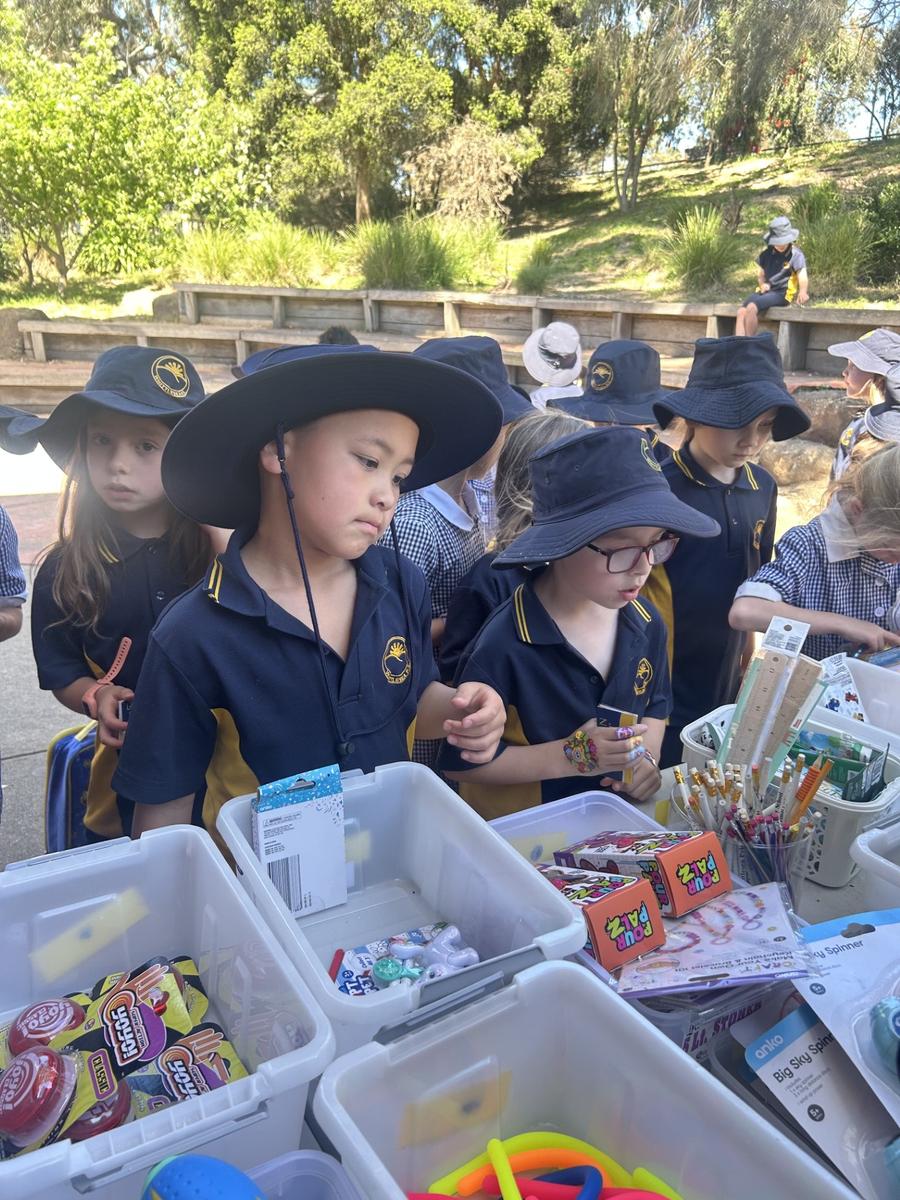
This week, we held our first Whittlesea World for Term 4. It was fantastic to see many students trade in their Golden Tickets for a variety of items, including sports cards, texta packs, fidgets, notebooks, trinkets, and soccer balls. Well done to all students who have continued to receive Golden Tickets for demonstrating our school expectations of 'Do Your Best', 'Respect Your School', and 'Help Others Succeed'. A big thank you also to our school leaders for their continued support in helping run Whittlesea World.
Whittlesea World will be open in Wk 7, with a final Whittlesea World in Wk 10.
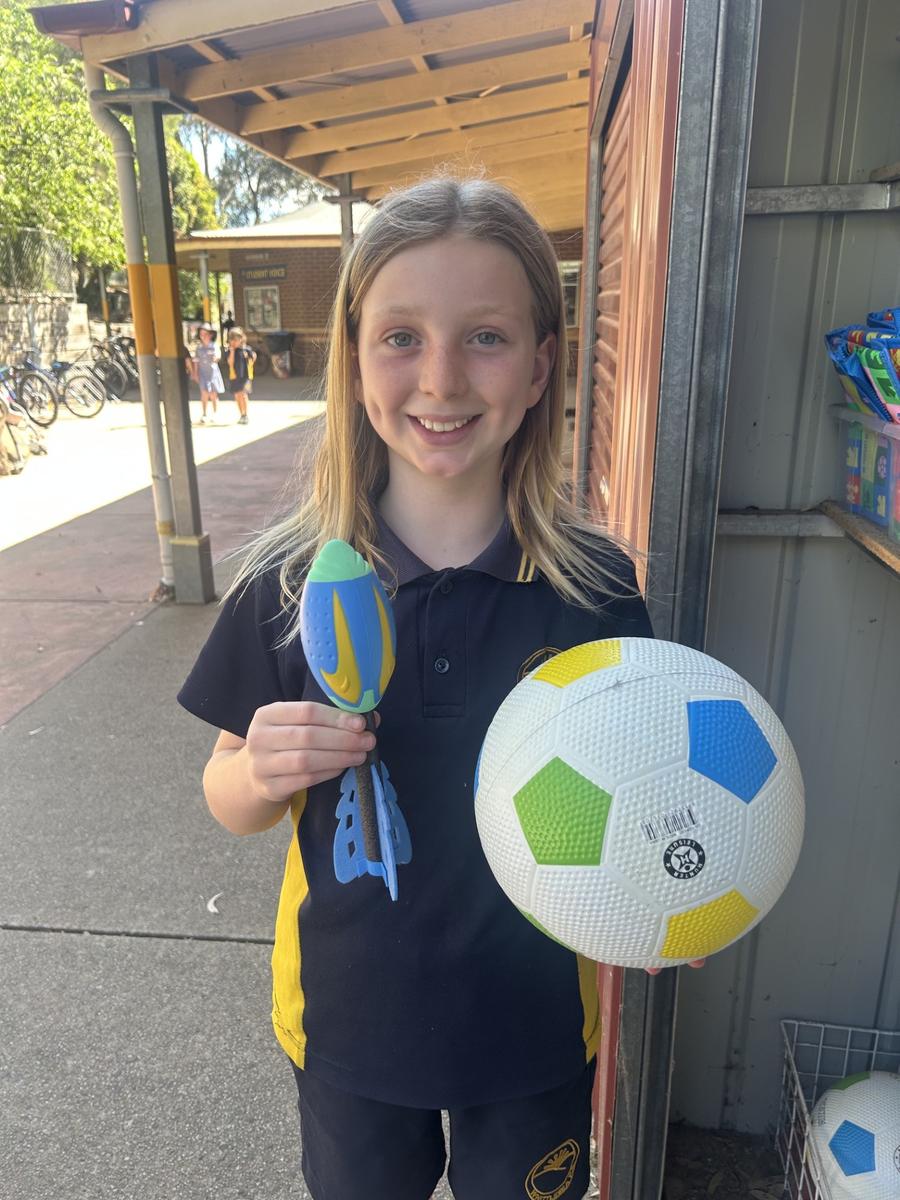
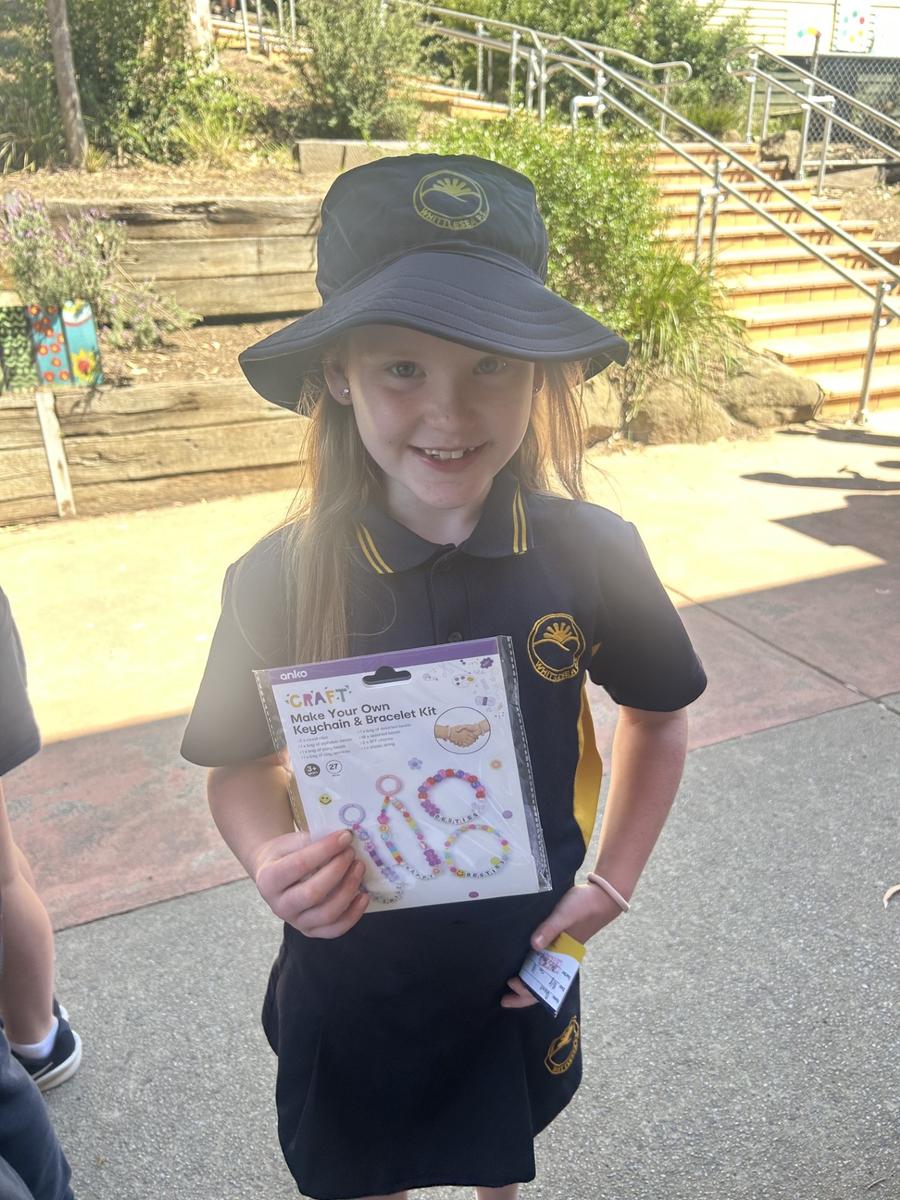
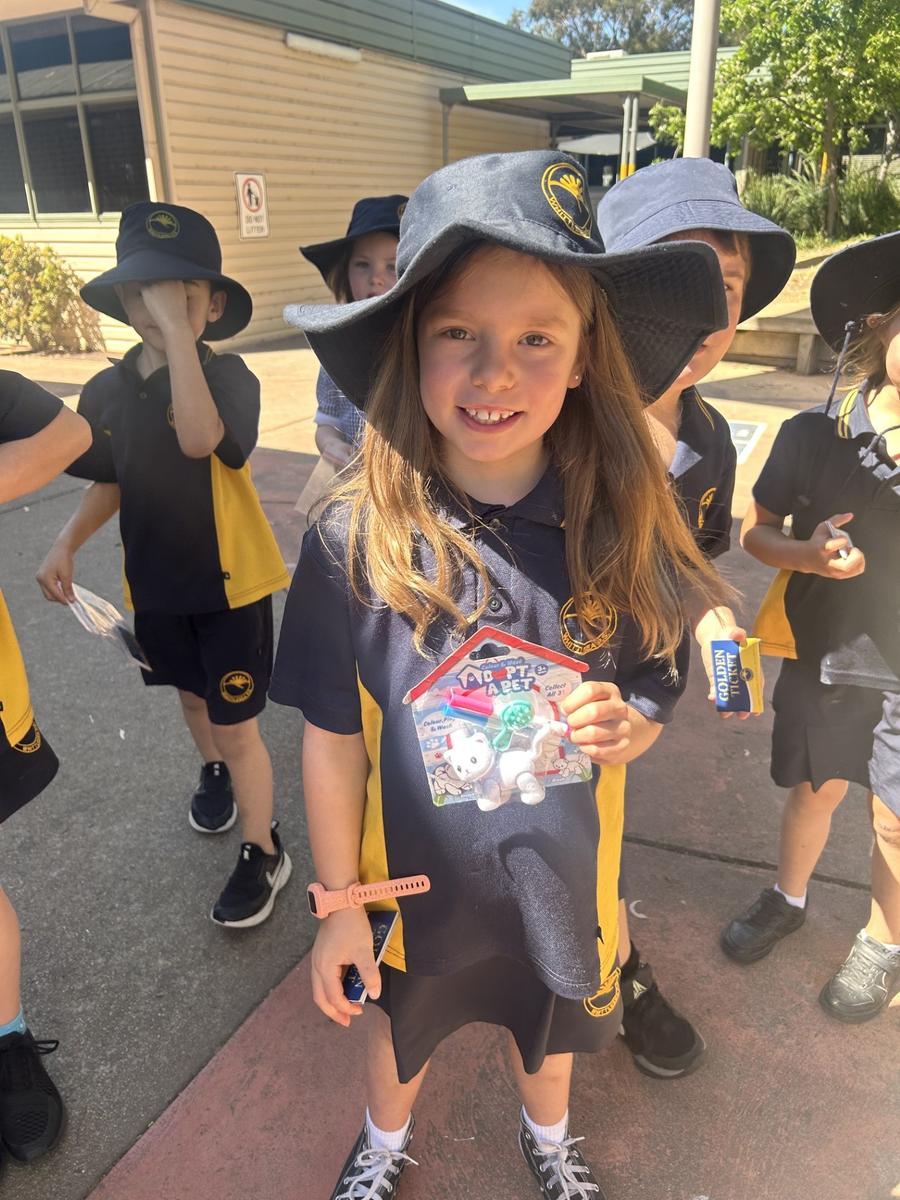
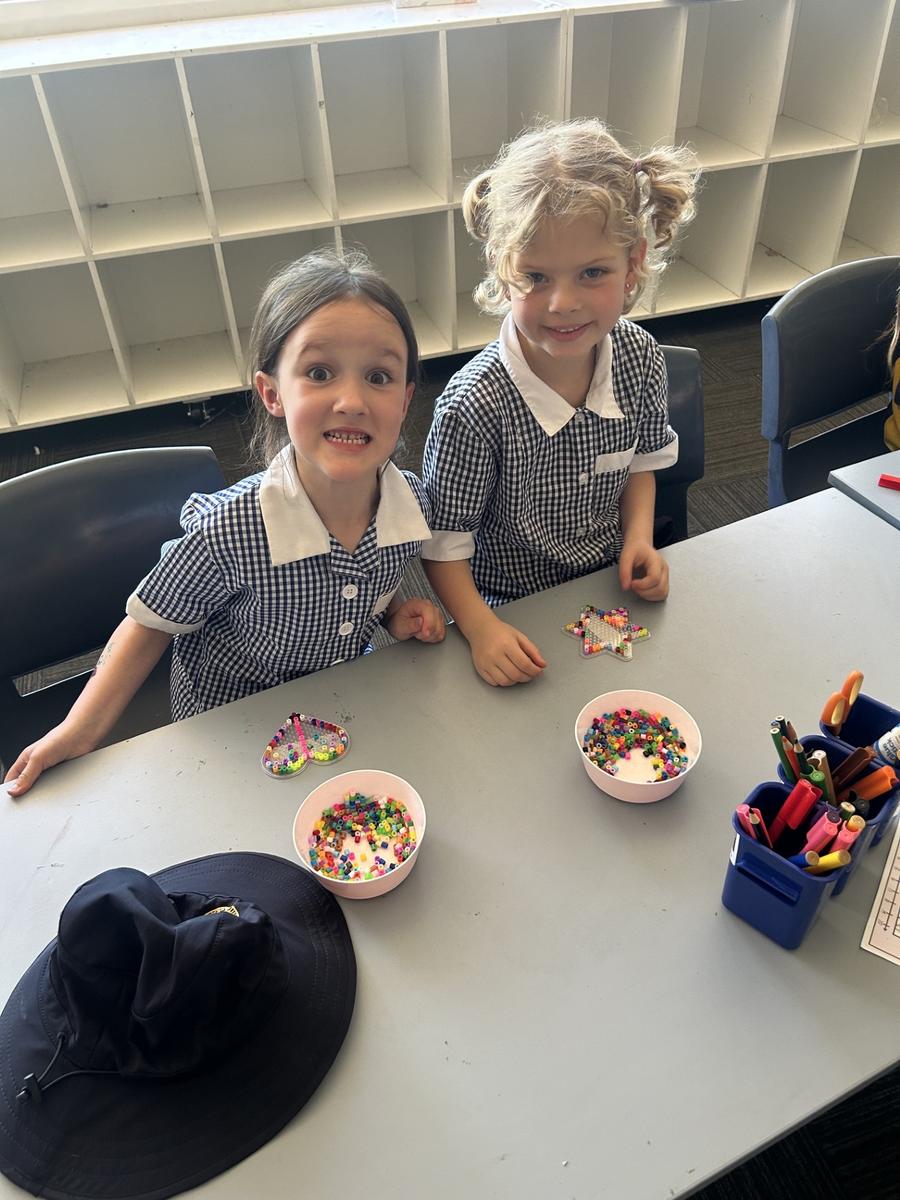
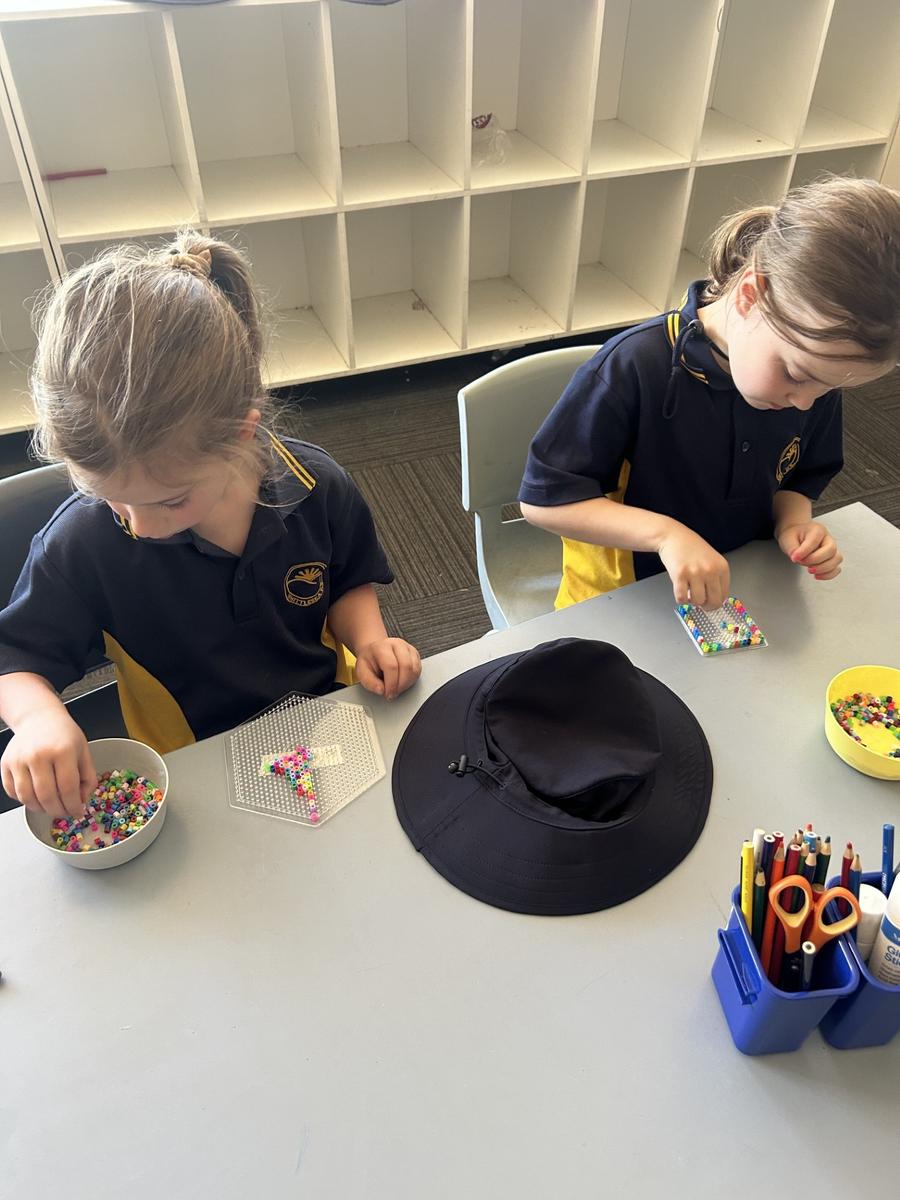
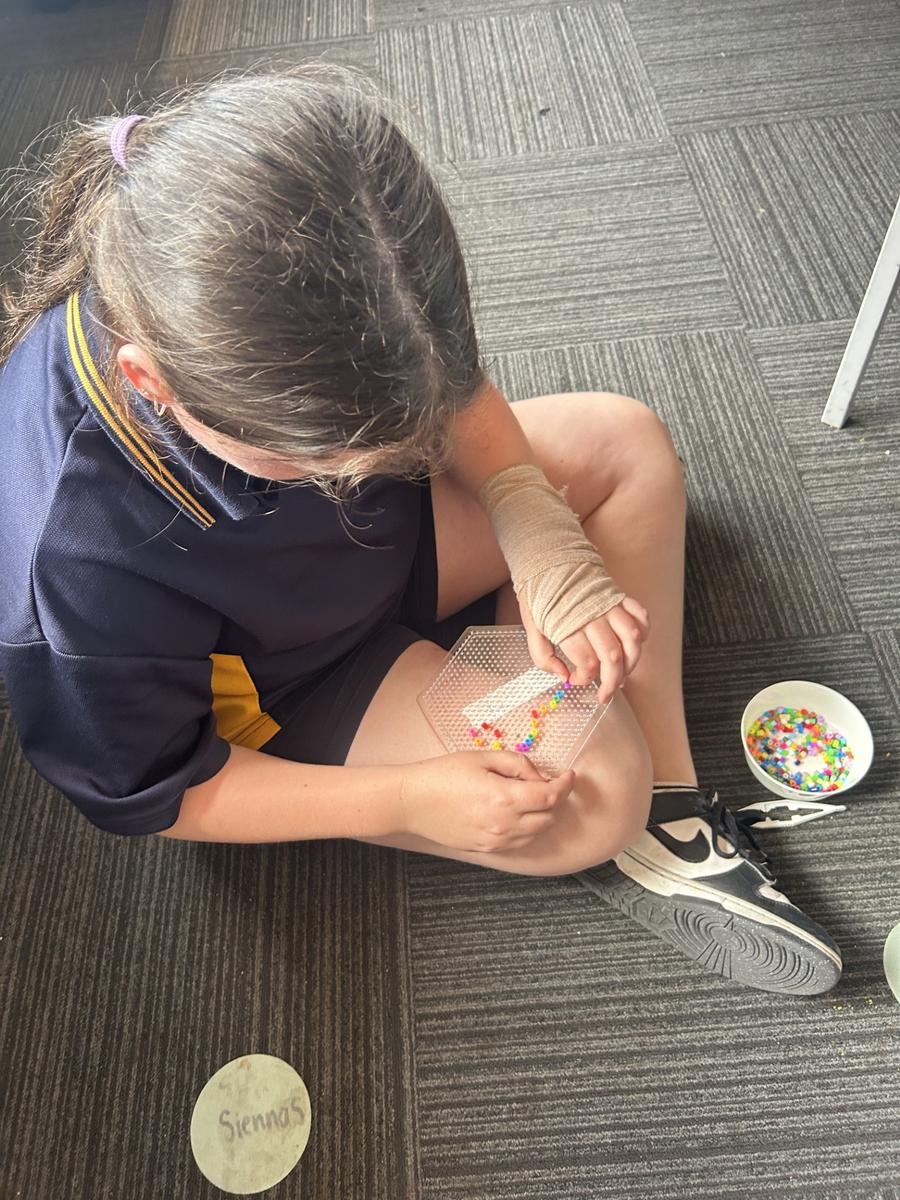
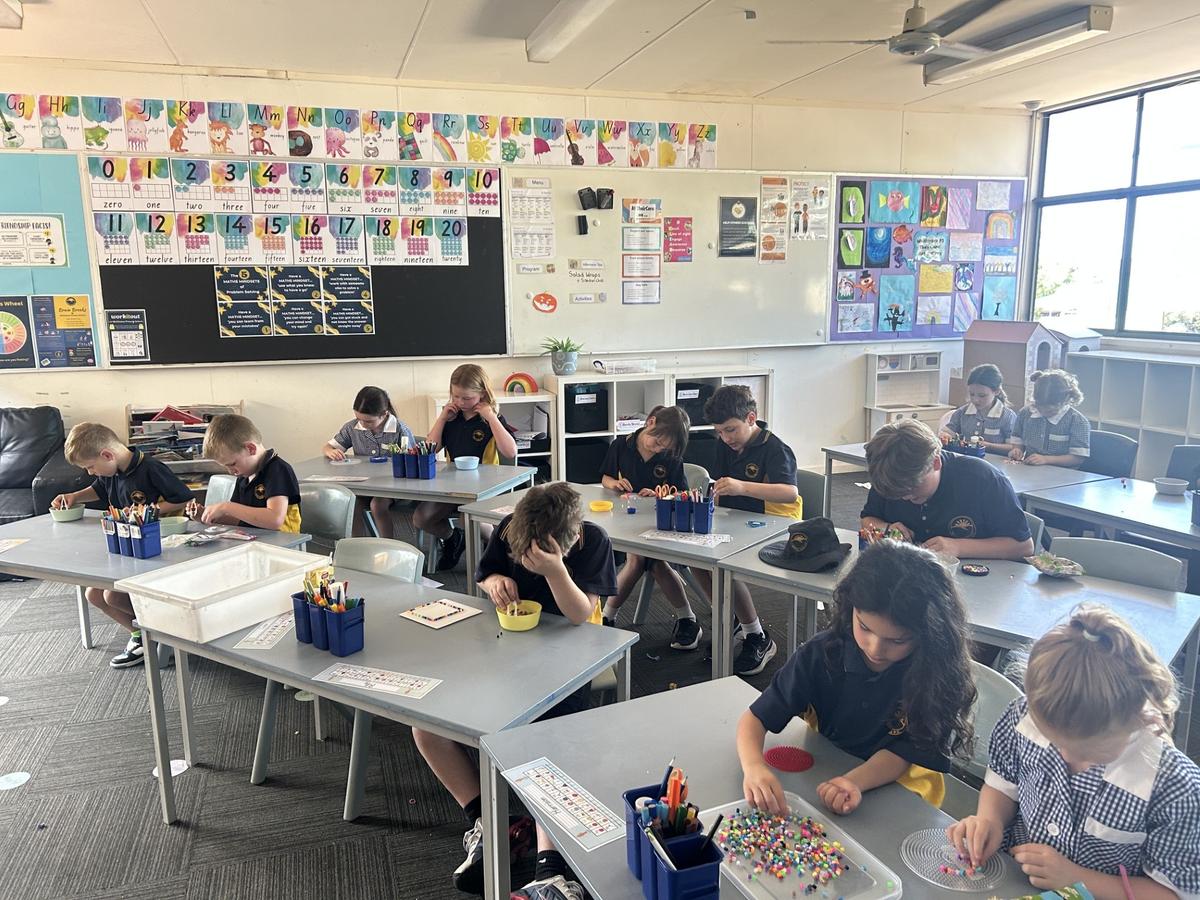
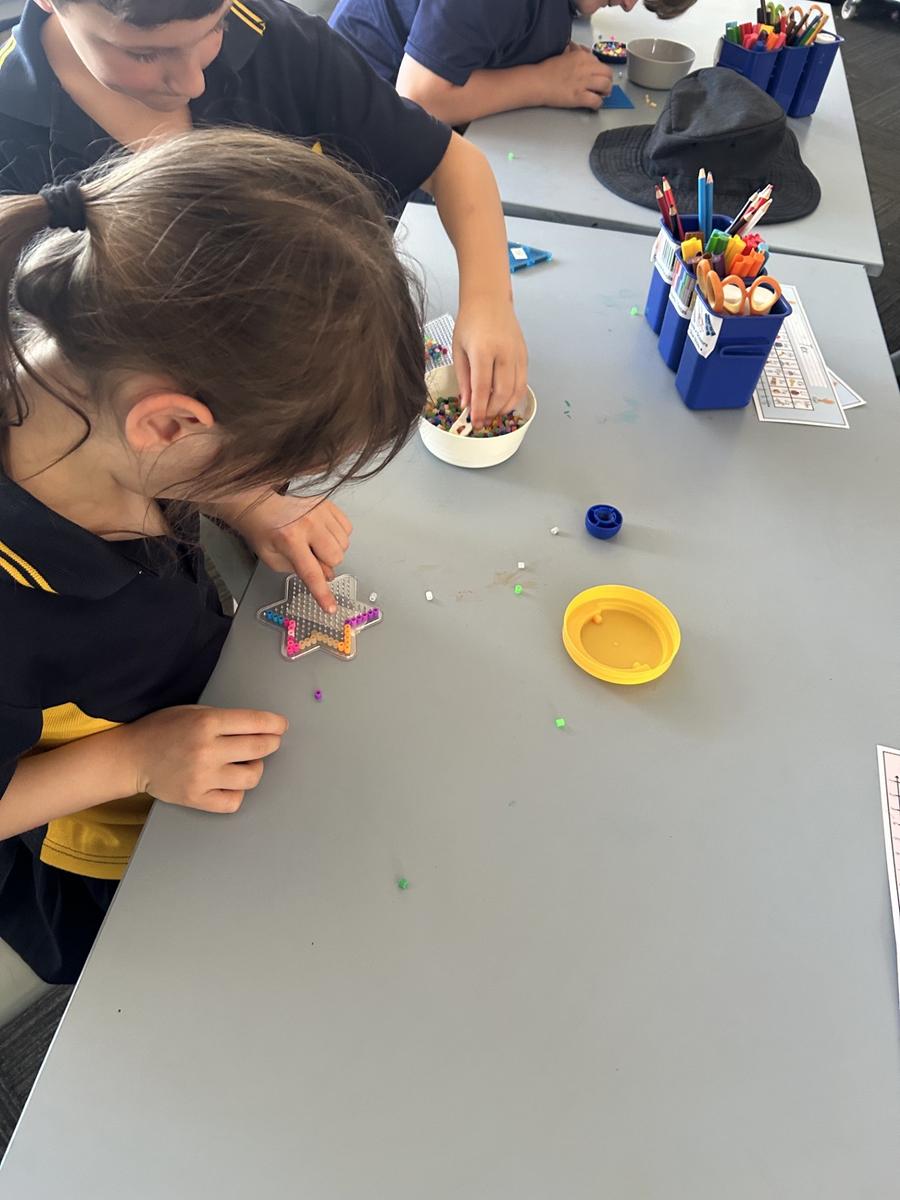
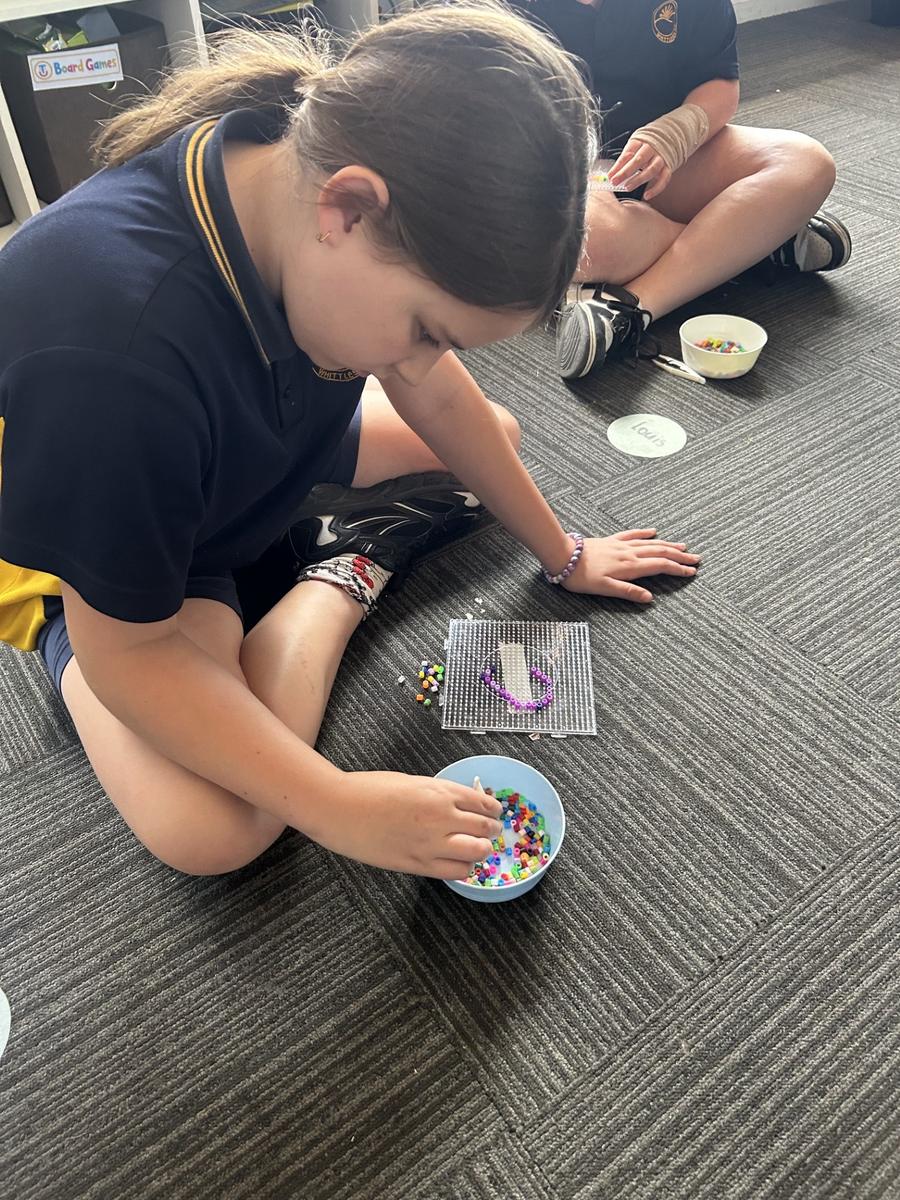
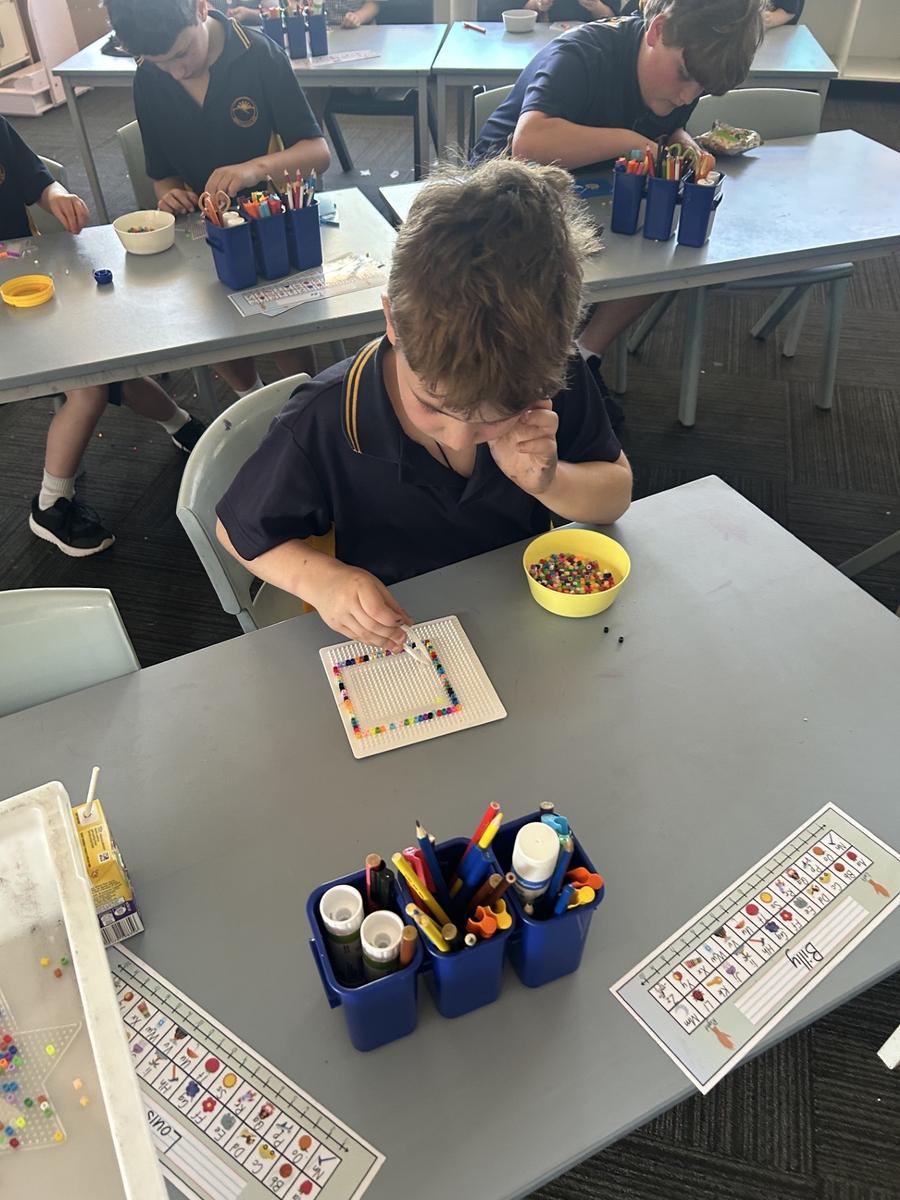
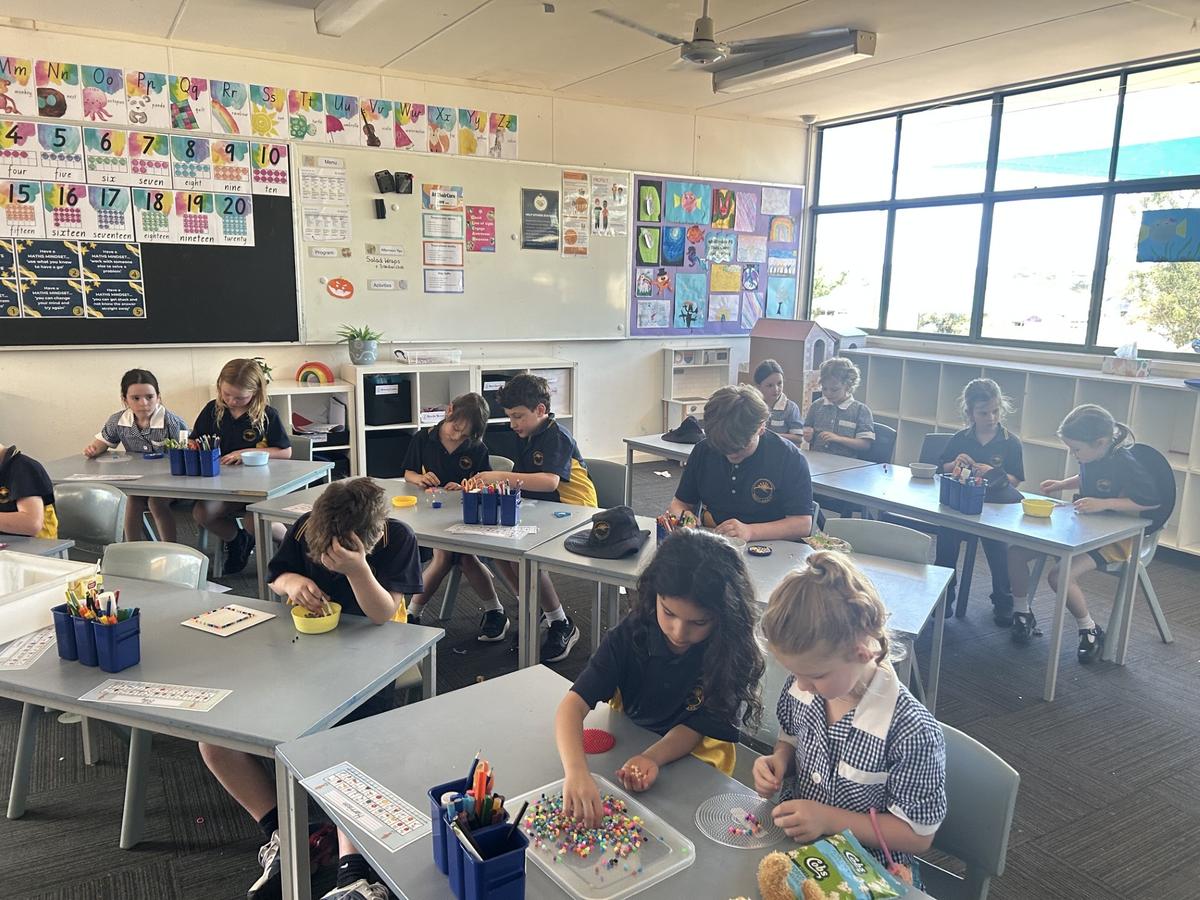
Bead Club:
Our lunchtime clubs are now in full swing for this term. One popular club is Beading Club with Mrs Dandie. It is certainly a calm, creative and challenging experience for all students who attend every Tuesday during second break.
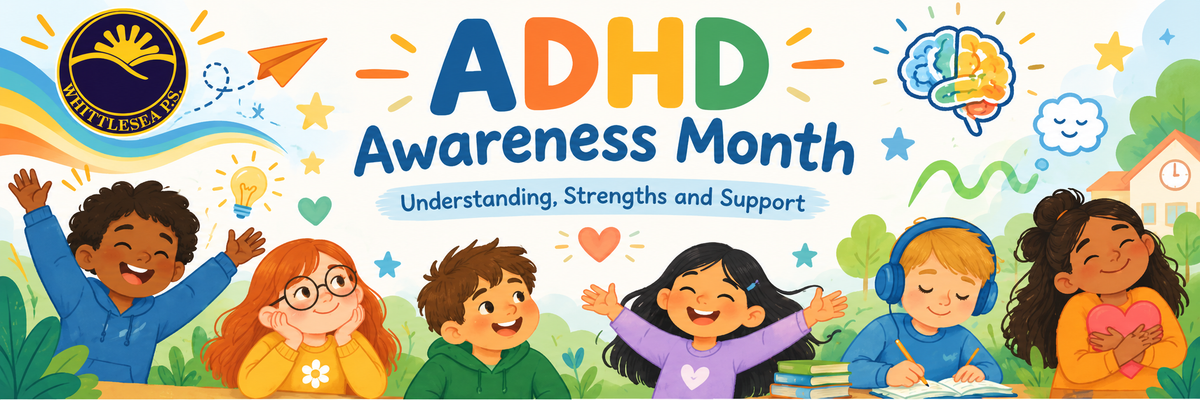
Understanding, Supporting and Celebrating Different Minds
October is ADHD Awareness Month, an opportunity to increase understanding, challenge common misconceptions and celebrate the strengths of people with Attention Deficit Hyperactivity Disorder (ADHD).
ADHD is a neurodevelopmental condition that affects approximately 1 in 20 Australians. It influences how the brain manages attention, activity levels, impulses and emotions. ADHD is not caused by poor parenting, too much screen time or a lack of discipline. It is simply one of the many ways brains can develop and work differently.
When we think of ADHD, we often picture a child who is constantly moving or has difficulty sitting still. However, ADHD can present in different ways. Some children may:
Every child's experience is different, and not all children with ADHD will show the same characteristics.
ADHD can present differently across genders, which can influence how easily it is recognised. While every child is unique, some patterns are more commonly observed:
These patterns are not rules. Boys can experience inattentive ADHD, and girls can be highly active and impulsive.
By looking beyond what we see on the surface, we can better recognise each child's individual needs and ensure they receive the understanding and support they deserve.
While ADHD can bring challenges, it is important to recognise the strengths and individuality of children with ADHD. Many demonstrate wonderful creativity, curiosity, enthusiasm, humour and an ability to think outside the box. Some develop deep knowledge and passion for their favourite interests.
The goal is not to change how a child's brain works, but to help them understand themselves, develop skills and thrive.
Small adjustments can make a big difference to a child's confidence, wellbeing and independence.
Children with ADHD are not choosing to be distracted, forgetful or impulsive. Sometimes the things that look like "won't" are actually "can't yet, without support."
At school, we recognise that fairness does not always mean everyone receiving exactly the same support. Some children need movement breaks, visual reminders, additional processing time or adjustments to help them participate successfully.
By replacing judgement with curiosity, patience and understanding, we create an environment where all children feel valued, included and capable of success.
If you have concerns about your child's attention, activity levels, emotional regulation or learning, begin by talking with their classroom teacher and your GP. Your GP can discuss whether further assessment by an appropriately qualified health professional may be helpful.
Helpful Australian resources:
Healthdirect Australia – Trusted health information about ADHD and assessment.
This ADHD Awareness Month, let's move beyond awareness towards understanding, acceptance and inclusion. Every child deserves to feel that their differences are understood, their strengths are recognised, and they belong.