
Assistant Principals' Report
Rae Gittos & Matt Kirkright

Assistant Principals' Report
Rae Gittos & Matt Kirkright
We have almost reached the halfway point of our $20,000 target. Well done everyone! The class with the most profiles by next Friday will enjoy a hot chip lunch! Remember, you don't need to have raised any money, just create a profile. See our top 5 classes below.

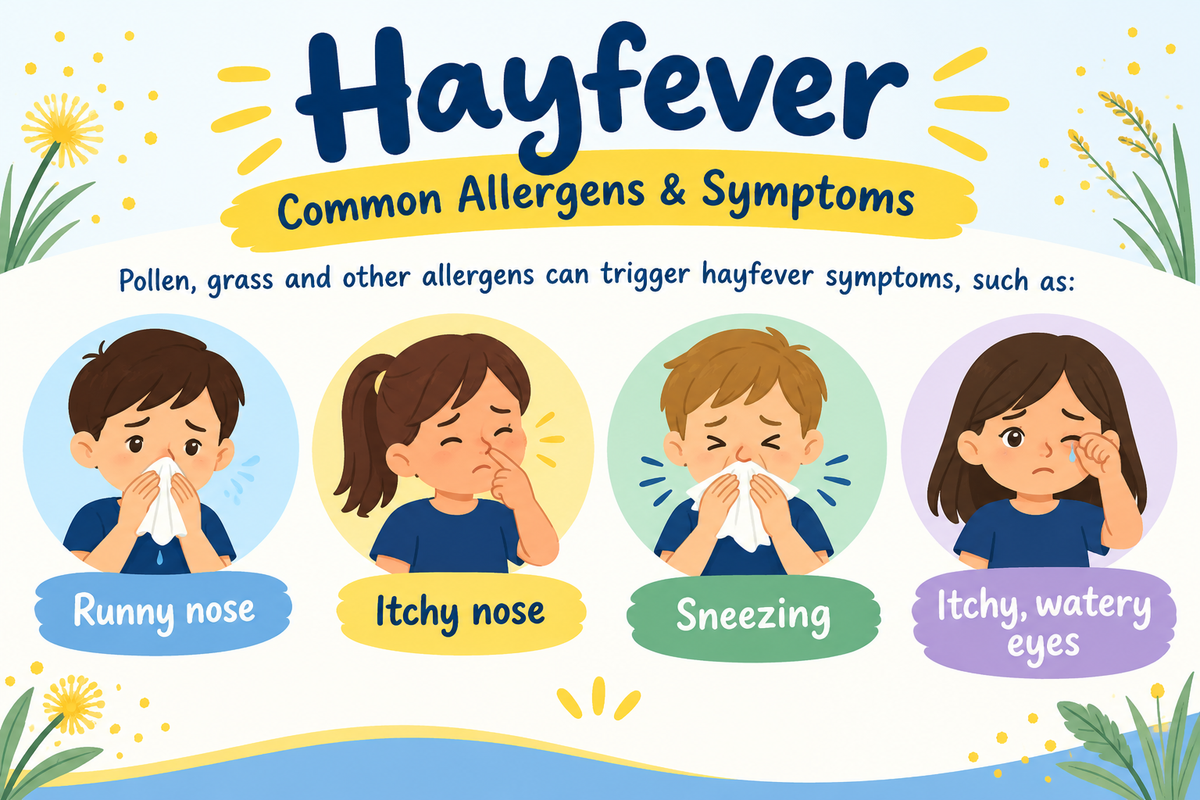
As we move through spring, we would like to remind families about the importance of managing allergies, hay fever and asthma, particularly during Melbourne’s grass pollen season.
For some children, exposure to pollen can trigger hay fever symptoms such as sneezing, itchy or watery eyes and a runny nose. For children with asthma, pollen and changes in weather can also trigger asthma symptoms. Springtime hay fever is a risk factor for epidemic thunderstorm asthma, particularly when high grass pollen levels coincide with certain thunderstorms.
If your child suffers from hay fever
Over the past few weeks, we have noticed an increase in students presenting at the office with hay fever symptoms, including sneezing, itchy or watery eyes and a runny nose. Good management of hay fever is important, particularly during spring. Children with springtime hay fever can be at increased risk of thunderstorm asthma.
If your child requires antihistamines while at school, please provide the medication to the school office in its original packaging and complete the required Medication Authority Form at the office.
Please ensure your child's medication is up to date and that the school is advised of any changes to your child’s medication or health needs.
If your child has asthma
Please make sure the school has a current Asthma Action Plan for your child. Asthma Australia recommends that every person with asthma, including children, have a written Asthma Action Plan that identifies relevant triggers, such as pollen.
Please also ensure that:
Thunderstorm asthma
The Victorian epidemic thunderstorm asthma risk forecast runs from 1 October to 31 December each year. The forecast combines grass pollen levels with the likelihood of particular thunderstorm conditions and is published through VicEmergency.
Families are encouraged to regularly check the forecast during this period. You can also set up a Watch Zone through the VicEmergency app to receive relevant advice and warnings for your area.
On days of increased risk, people who are at risk should avoid exposure to thunderstorms, particularly the strong winds that can occur before a storm, and have their reliever medication available if advised by their doctor or pharmacist.
More information
For reliable information about asthma, hay fever and thunderstorm asthma, families can visit:
If your child experiences difficulty breathing, asthma symptoms that are rapidly worsening or symptoms that are not improving, seek urgent medical assistance. In an emergency, call Triple Zero (000).
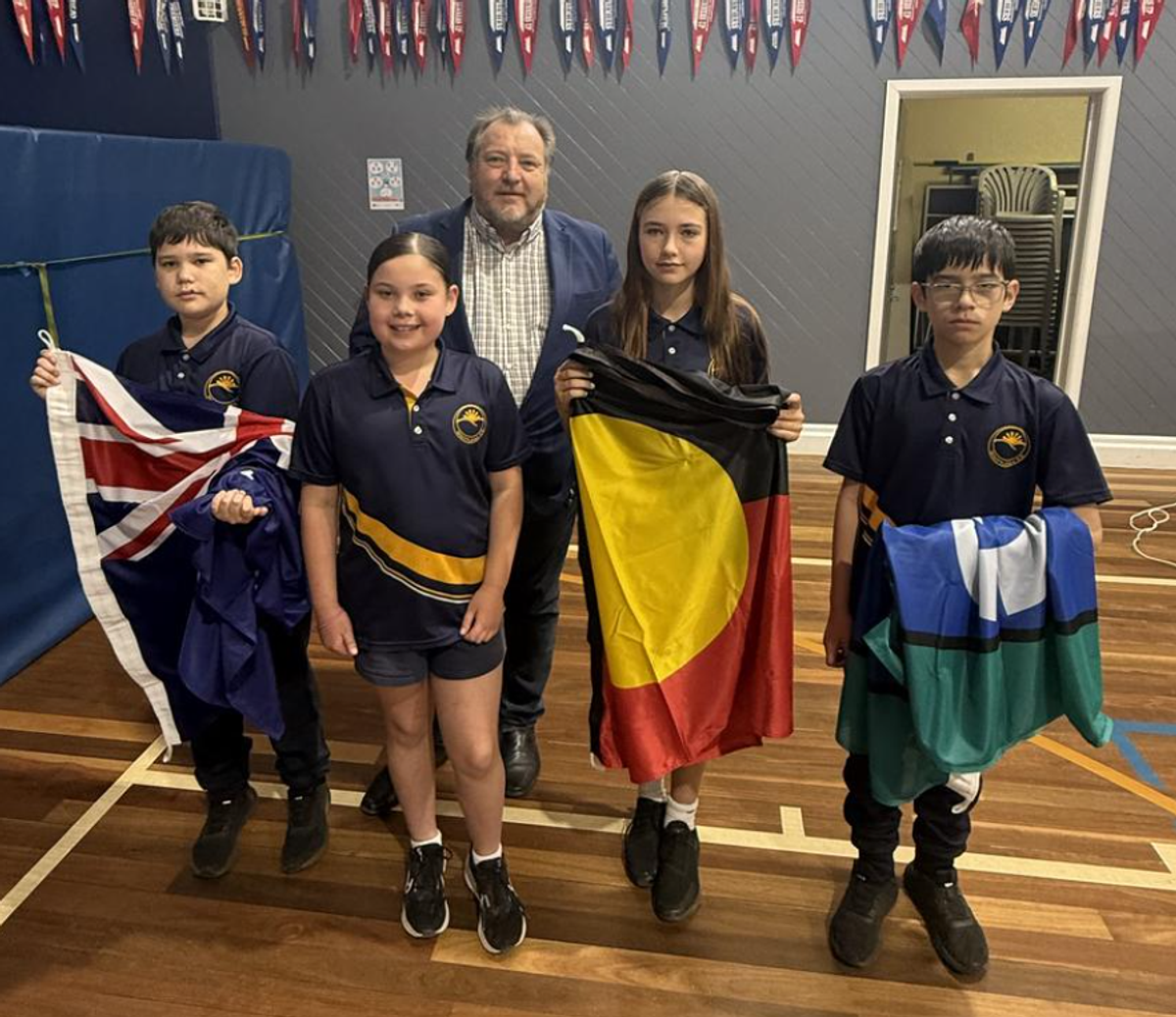
We would like to extend our thanks to Mr Rob Mitchell for his generous donation of a new set of flags for our school, including the Australian, Aboriginal, and Torres Strait Islander flags. Rob visited our students to explain the significance of each flag and why it is important. He also spoke about the importance of treating the flags with care and respect, helping students understand the responsibility we have when displaying and handling these important symbols.
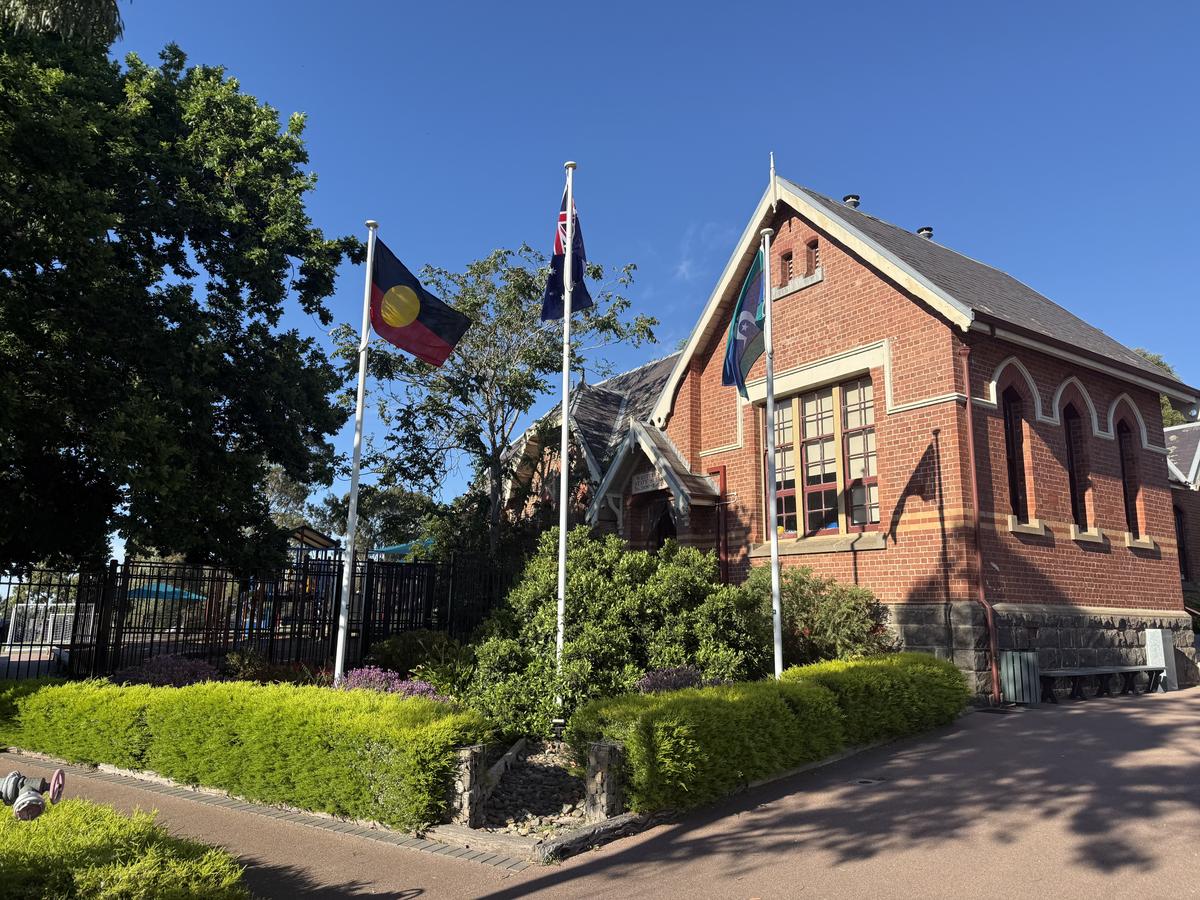
We are grateful to Rob for taking the time to help our students deepen their understanding of Australia's history, cultures and identity.