
Wellbeing

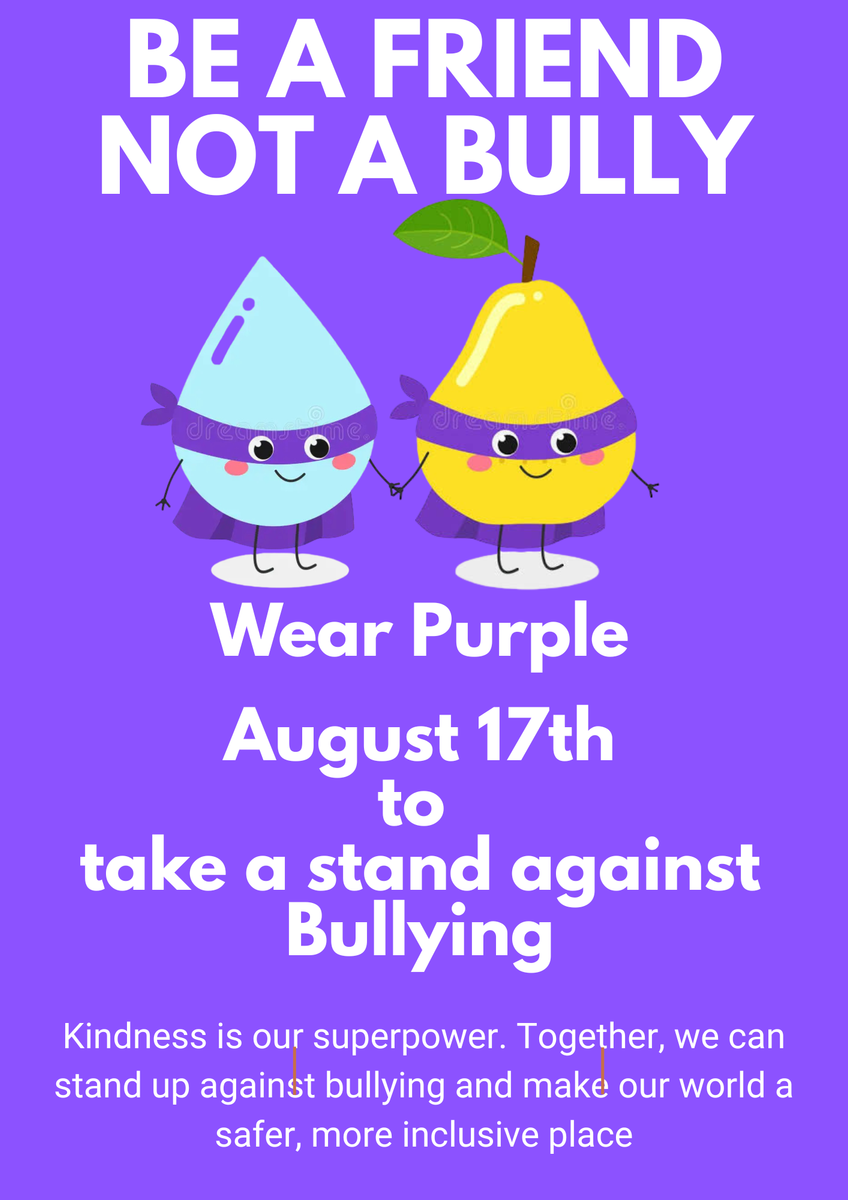
National Week of Action Against Bullying
This year’s theme for Bullying No Way Week, “Small Acts, Big Impact.” It reminds us that actions don’t need to be big to change someone’s world.
Small actions – like including someone, speaking up or showing kindness – can create meaningful change. In our schools and communities, our goal is to build environments where everyone belongs, diversity is celebrated and bullying is never accepted.
We are asking all students to join in our Wear a ‘pop of purple’ free dress day on Monday August 17th
Purple is the Bullying No Way hero colour. It represents peace, strength and empowerment to take a stand against bullying behaviour.
Child Safe Standards
Overview
The Victorian Child Safe Standards are a set of 11 minimum requirements that all organisations working with children must meet. These standards are designed to:
- Prevent child abuse and harm.
- Make child safety a shared responsibility.
- Support the wellbeing of all children, including Aboriginal and Torres Strait Islander children and children with disabilities.
- Promote the participation and empowerment of children and young people.
These standards apply to all school staff, volunteers,contractors, and anyone working with
children in schools.
Child Safe Standard 2
“Child safety and wellbeing is embedded in organisational leadership, governance and culture.’’
When staff across a whole school environment model a child safe culture we can observe the following outcomes:
• Child safety becomes part of everyday thinkingand actions.
• Early identification and prevention of harm.
• Shared responsibilities and accountability.
• Children thrive academically, socially and spiritually asthey feel safe and protected.
Child Safe Standard 2 relates to “Child safety and wellbeing being embedded in organisational leadership, governance and culture.’’
What does this look like in a school environment?
- Leadership commitment: School leaders actively promote child safety and wellbeing as a priority in decision-making and daily operations.
- Ongoing trainingand professionaldevelopment: Staffare provided with ongoing training and professional development opportunities that increase capacity and confidence surrounding all aspects of child safety.
- Clear governance: Policies and procedures reflect child safety responsibilities and are regularly reviewed, updated and publicly available.
- Staff modelling safe behaviours: Expectations of staff are clearly defined. All staff demonstrate respectful, inclusive, and protective behaviours towards children. All staff are encouraged and empowered to speak up if any unsafe behaviours are observed.
Ongoing culture building: Child safety is embedded in school values, professional development, and community engagement with the objective to continually improve
practice
Thorough recruitment processing: Applicable to all staff working in a school context, extending to volunteers and contractors. Valid credentials, references and Working with Children Checks apply. Ongoing monitoring and supervision of all staff and intervention if required.
Here’s how you can support:
- Familiarise yourself with the school’s child safety policies and understand how they support student wellbeing.
- Provide feedback when you notice something that may impact a child’s safety or wellbeing.
- Support your child when they express their views and let them know that their opinions are valued and heard.
- Join in on school activities, parent committees or forums that promote child safety and wellbeing.
Positive Behaviours for Learning
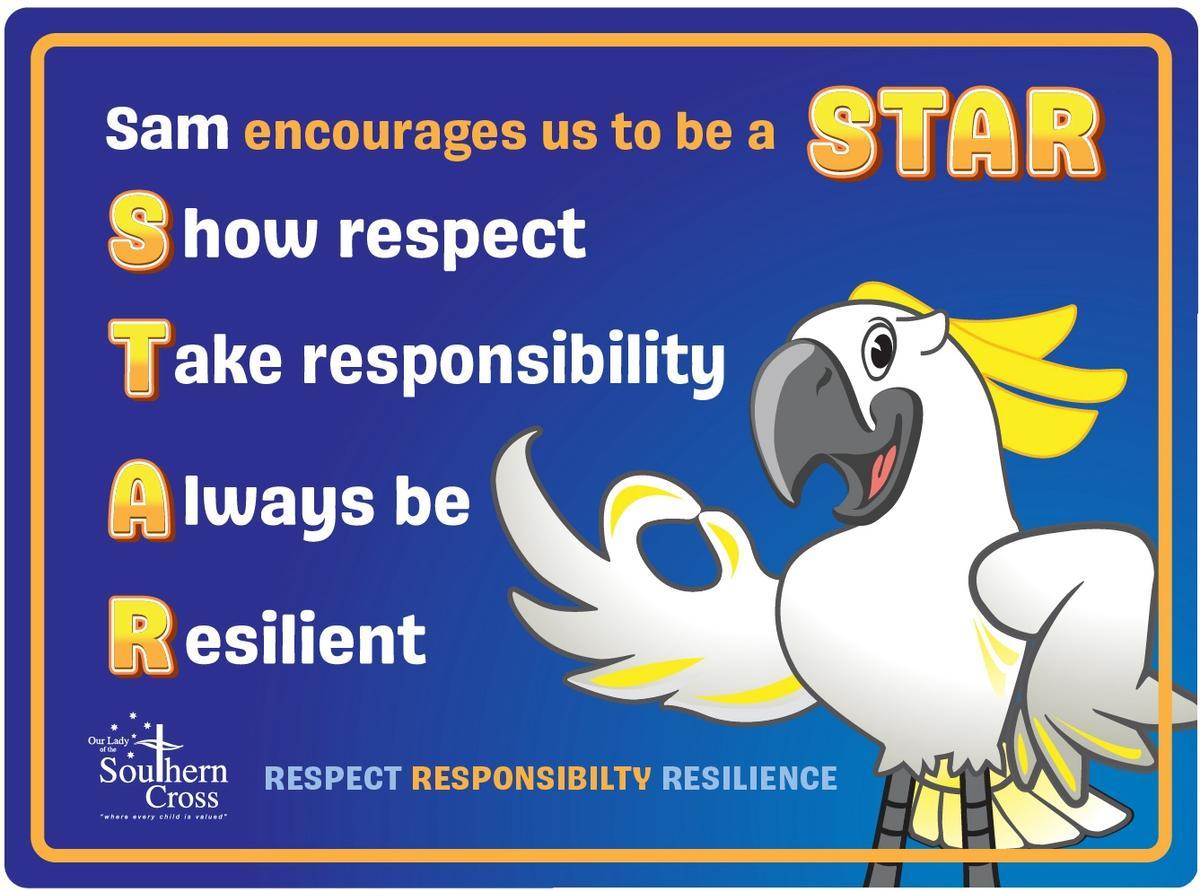
As part of our ongoing development as a PBL school we continue to explicitly teach & model expectations from our matrix. Our data has shown that we need to reteach the following expectations from our matrix.
Respect
- We think before we speak
- We speak using appropriate word & tone
- We listen to & follow instructions of all staff
Responsibility
- We move to our line calmly and on time
- We take ownership for our choices
Resilience
- We talk through our disagreements with others
We learn from our mistakes
We encourage all families to talk to their children about these expectations...what they look like, sound like & feel like.
Feel free to email Sandy or Kiah or call the school office if you have any concerns or need help at any time.
Sandy: shenderson@olscwyn.catholic.edu.au Kiah: kmiles@olscwyn.catholic.edu.au
Cheers
Sandy & Kiah