Middle School
Head of Middle School - Jodi Fitzgerald-Tate
Middle School
Head of Middle School - Jodi Fitzgerald-Tate

Article by Jodi Fitzgerald-Tate, Head of Middle School
As children move through the Middle Years, friendships become increasingly important. Peer relationships help shape identity, confidence and a sense of belonging. They can also become more complex. These issues can often present after periods of absence – such as school holiday breaks.
It is not uncommon for parents to hear about friendship challenges at home. A disagreement, exclusion from a group, hurtful comments or misunderstandings can feel significant to a young person and, understandably, can be difficult for families to witness.
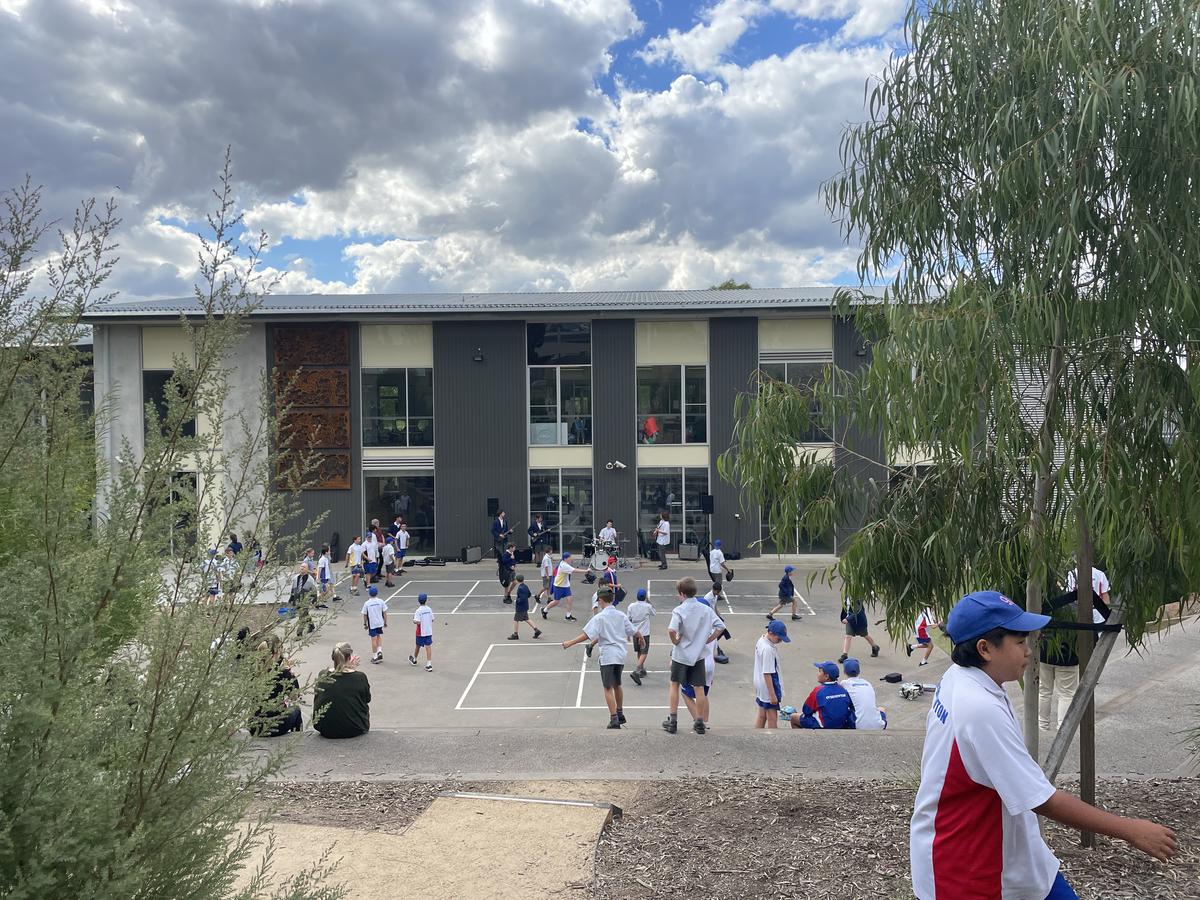
While our instinct as adults is often to step in and solve the problem, one of the most important skills we can help young people develop is the ability to navigate conflict respectfully and constructively.
Conflict itself is not the problem. In fact, learning how to manage disagreements, repair relationships and communicate effectively are essential life skills. The friendships our children build today provide opportunities to practise empathy, perspective-taking, resilience and problem-solving.
As parents, we can support this growth by:
Listening before offering solutions.
Encouraging our children to consider different perspectives.
Helping them identify what they can control and what they cannot.
Coaching them to have respectful conversations rather than avoiding difficult situations.
Reinforcing that disagreements do not always mean the end of a friendship.
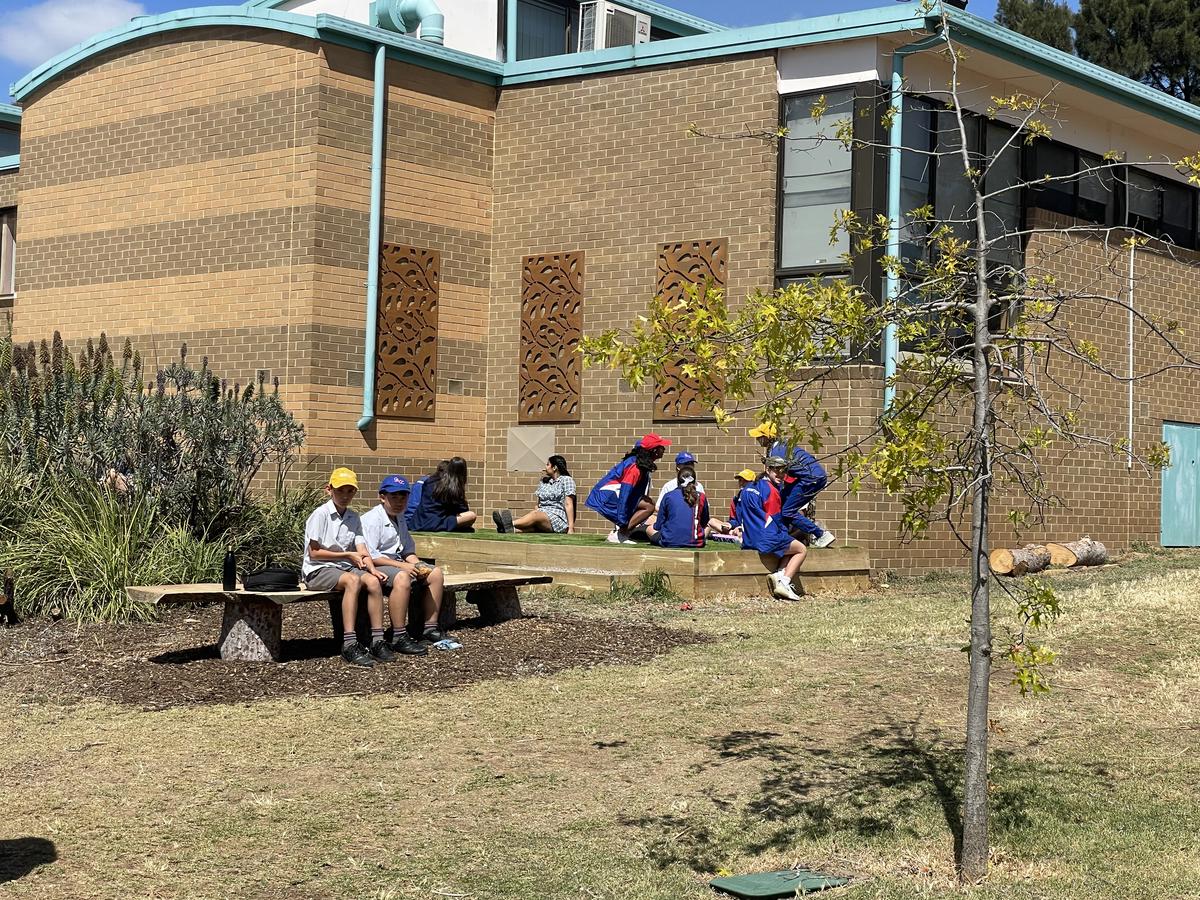
At school, we work closely with students to build these skills through our daily interactions, wellbeing programs and the expectations we hold for respectful behaviour within our community. Our Fundamental 5 and Follow Up 5 provide students with a framework for positive relationships, personal responsibility and respectful communication. These are not simply school expectations; they are skills and habits that help young people navigate relationships, resolve conflict and contribute positively to their communities.
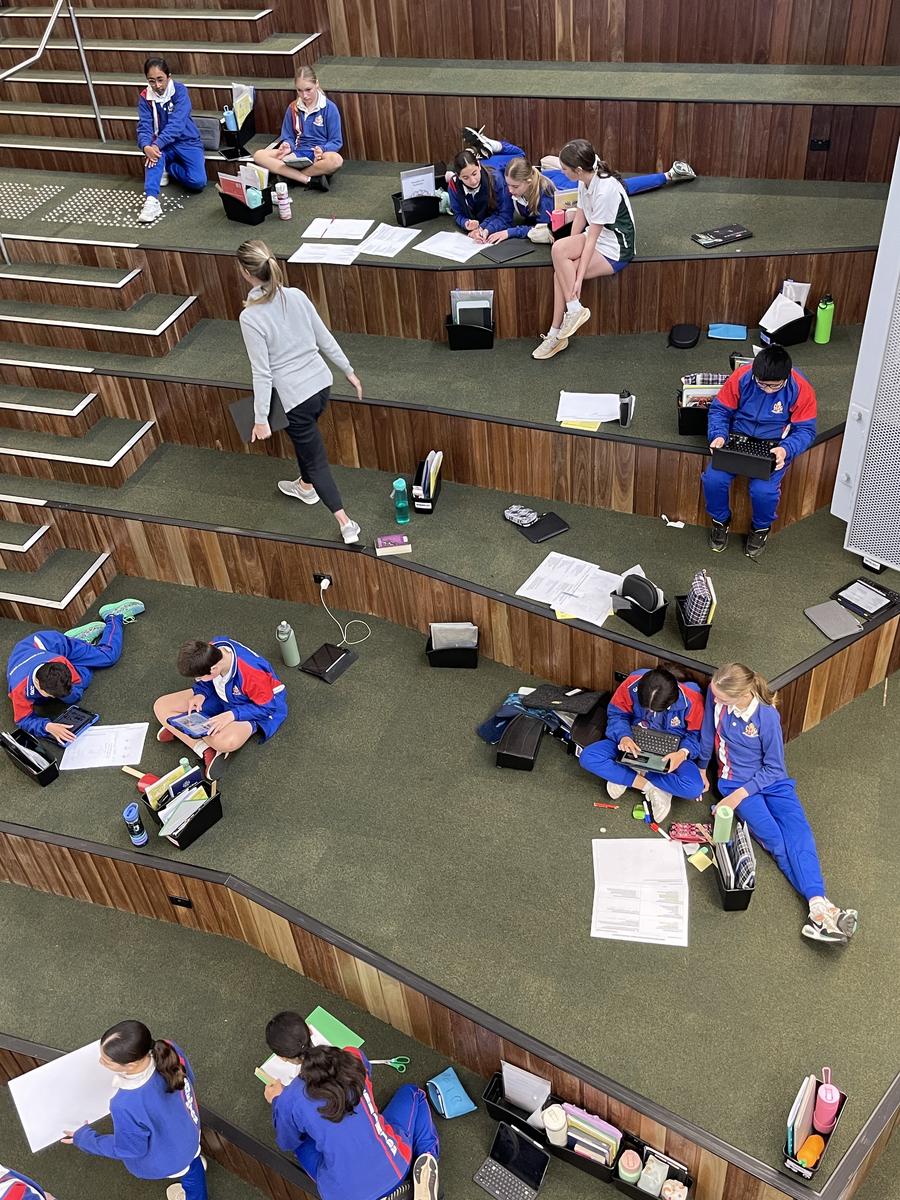
There will be times when adult support is required, particularly where there are concerns regarding safety, wellbeing or ongoing patterns of behaviour. However, many friendship challenges can become valuable learning opportunities when young people are supported to work through them with guidance and encouragement.
As a parent, it can be tempting to ask, "Who are your friends?" A more powerful question might be, "Who makes you feel comfortable being yourself?" This simple shift moves the conversation beyond popularity and encourages young people to reflect on the qualities that underpin healthy relationships: trust, kindness, respect and authenticity.
Conversation Starters for Home
Middle Years students often provide more insight when we move beyond the traditional "How was your day?"
Try one of these questions instead:
Who made you smile today?
Who did you enjoy spending time with this week?
Who makes you feel comfortable being yourself?
What is something kind you saw someone do today?
Did you help someone today, or did someone help you?
Was there a challenge in a friendship this week? How did you handle it?
What is one quality you value in a good friend?
Is there someone at school who might need a friend at the moment?
What is something you are proud of in the way you treated others this week?
If you could replay one conversation from today, would you do anything differently?
Questions like these help young people reflect on relationships, develop emotional awareness and recognise the role they play in creating positive friendships.
One of the greatest gifts we can give our children is not a life free from conflict, but the confidence that they can navigate challenges with courage, kindness and respect. By working together, school and home can help our young people develop the skills and character that will serve them well beyond the school gates.
If you would like to learn more about supporting your child through the social and emotional challenges of adolescence, the following Australian resources provide practical, evidence-based guidance:
Articles, tools and parent coaching covering friendships, resilience, wellbeing, social media and parenting adolescents.
eSafety Commissioner – Parent Resources
Practical advice on online friendships, cyberbullying, digital communication, gaming, social media and respectful online behaviour.
Free webinars for parents covering online safety, emerging technologies, AI, social media and supporting young people in a digital world.
Raising Children Network – Pre-teens and Teenagers
Trusted Australian parenting information on adolescent development, friendships, wellbeing, behaviour and family relationships.
As we begin a new term, we encourage families to continue partnering with us in helping our students develop not only academically, but also as capable, compassionate and resilient young people.

Article by Jiaqi Li, Middle School Languages Leader
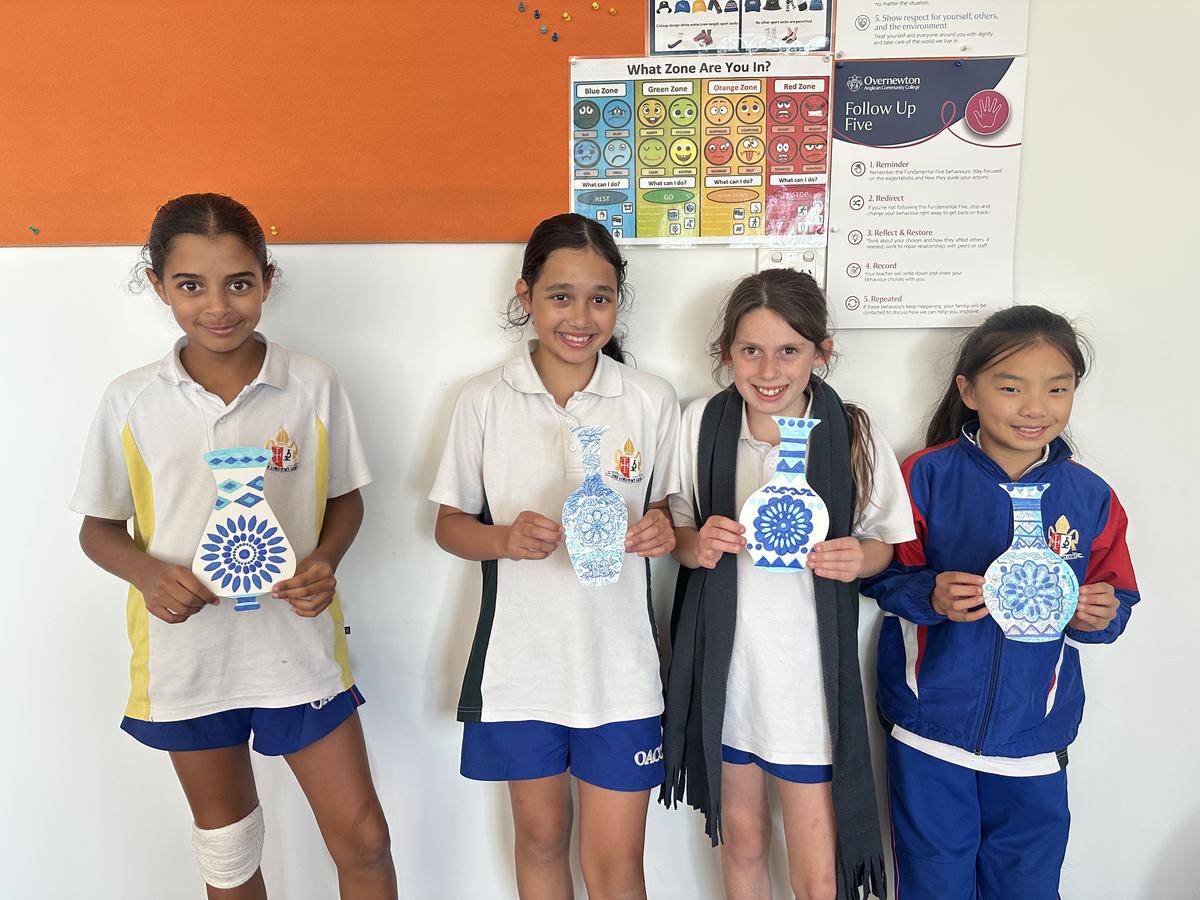
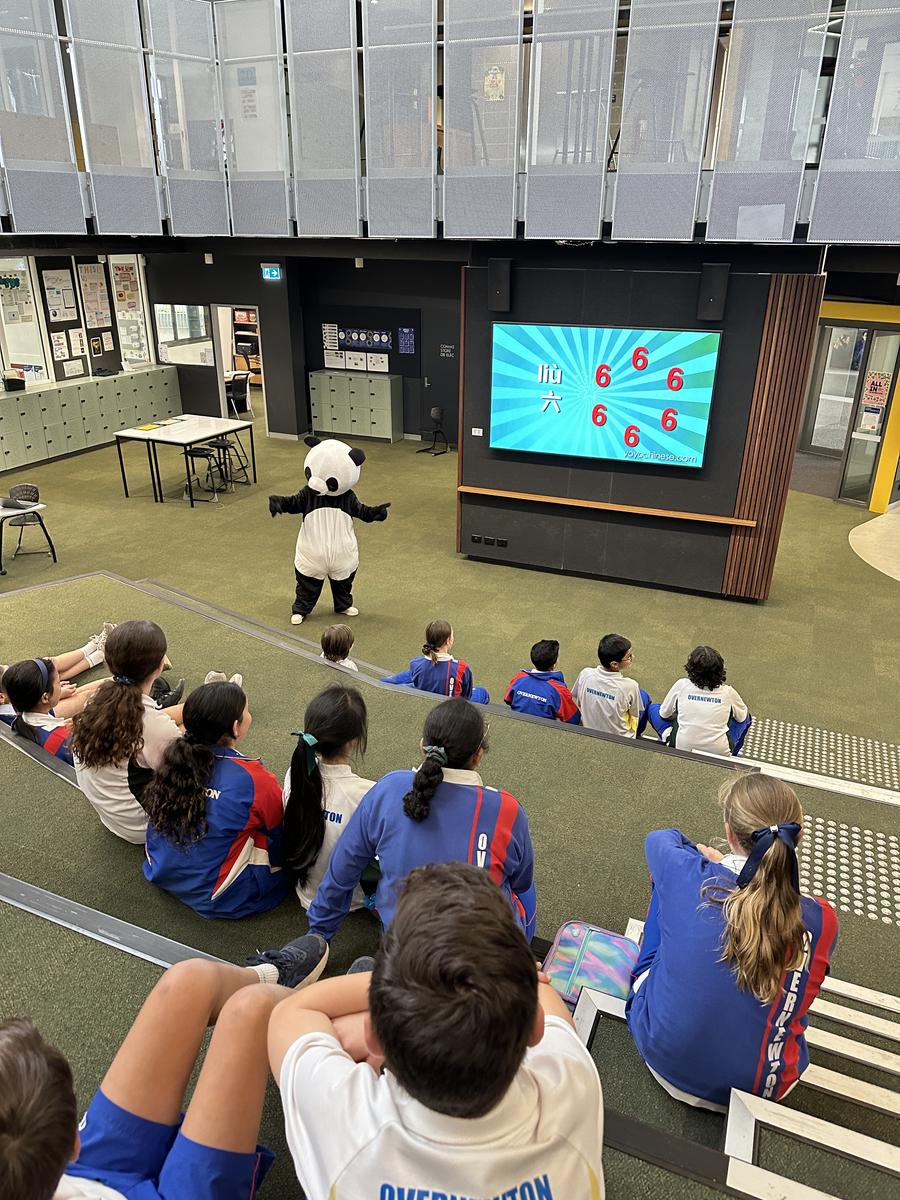
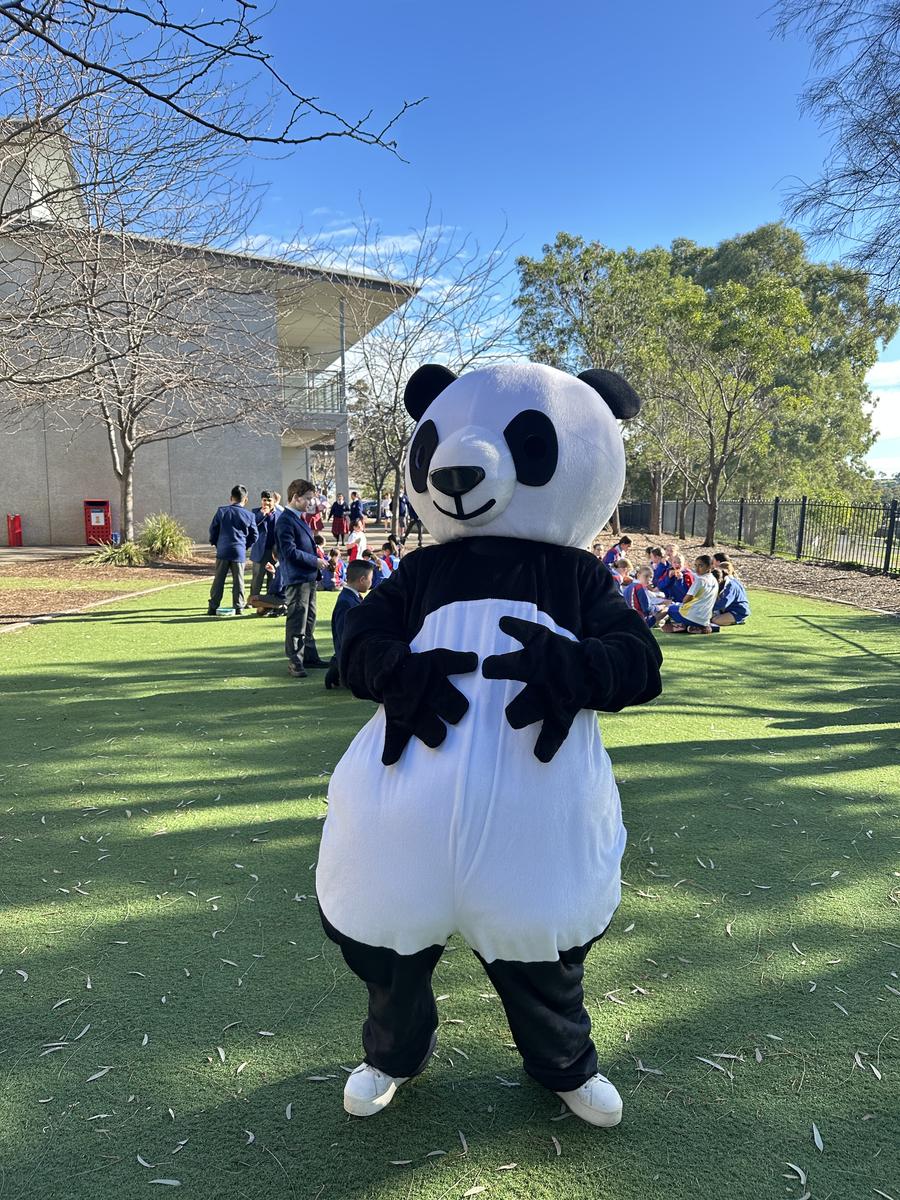
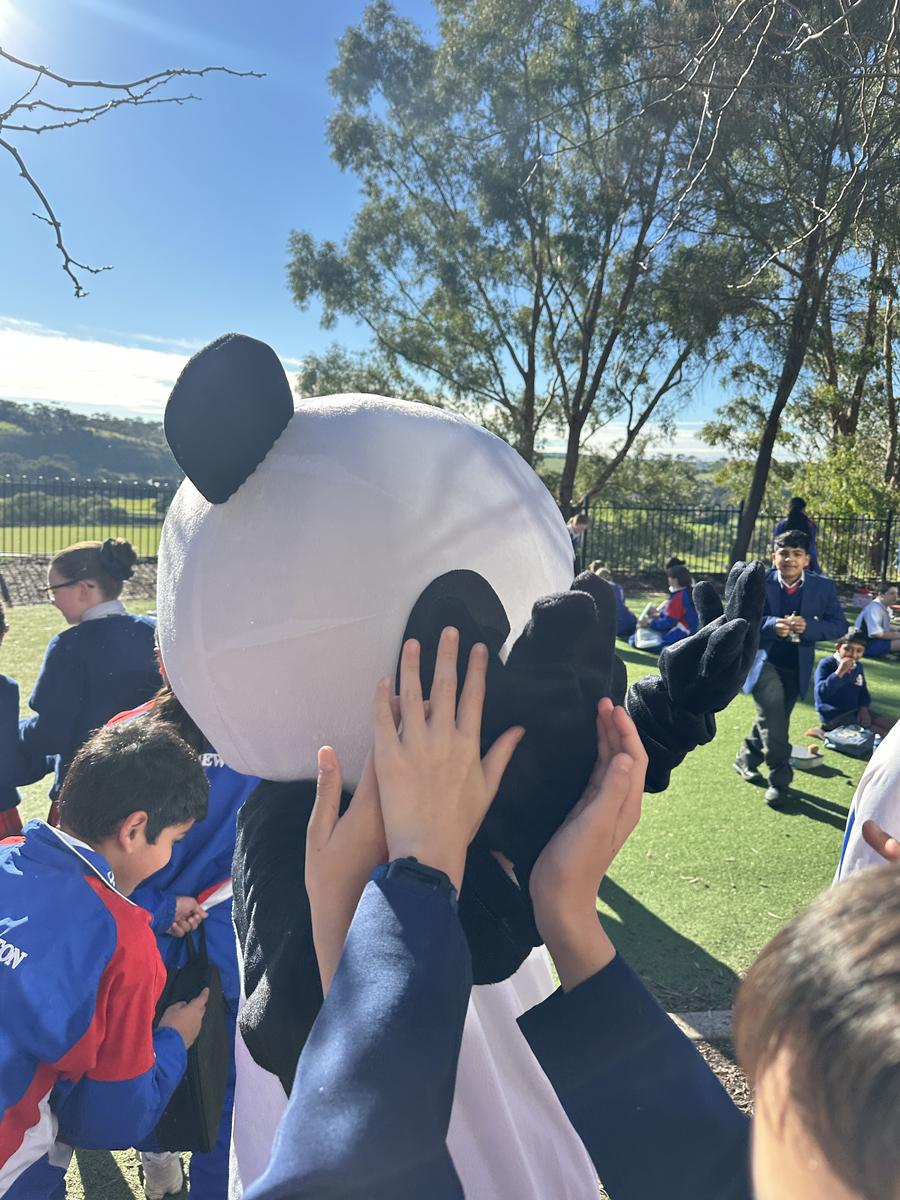
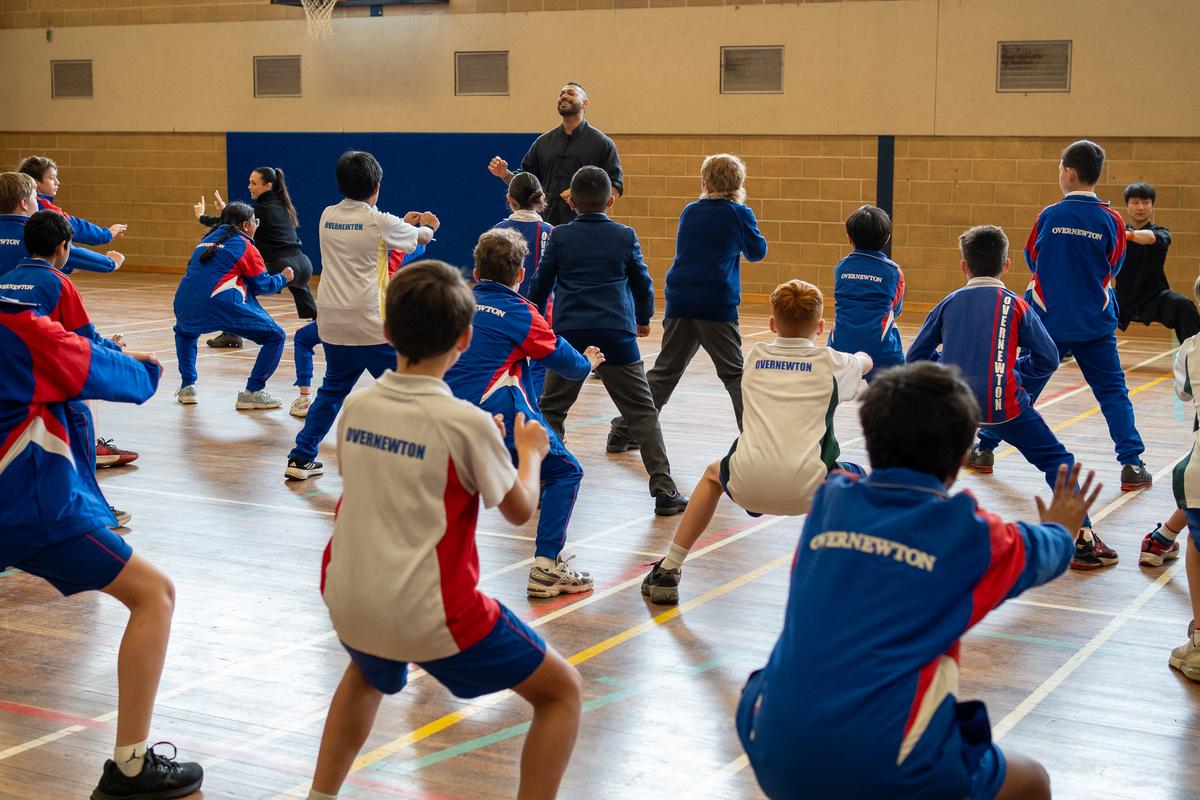
In the last week of Term 2, Middle School students enthusiastically celebrated Languages and Cultures Week through a variety of engaging and hands-on activities. Year 5 students enjoyed a Kung Fu Panda incursion, where they learnt Kung Fu techniques and explored the traditions of Chinese martial arts. They also designed and decorated their own blue and white porcelain pieces, bringing Chinese cultural art to life in a creative way. Year 6 students discovered the colourful world of Peking Opera and designed their own opera masks. Year 5 and 6 students also joined in the lunchtime karaoke activity, “Show Your Voice,” adding extra fun and energy to the week.
Year 7 students explored traditional Chinese room divider screens, made and tasted bubble tea while learning about Chinese tea culture, and researched German cities to develop their intercultural understanding. Year 8 students investigated the diversity of Chinese cuisines and chopstick etiquette, while German students explored the history of East and West Germany during the Cold War and Car industry.
To celebrate the week, the canteen also served special lunch dishes from around the world, bringing global flavours to the school community.
These fun and interactive experiences encouraged students to develop a deeper appreciation of languages, cultures, and global perspectives beyond the classroom.