
Child Safe & Wellbeing
Safety, Respect and Learning
Child Safe & Wellbeing
Safety, Respect and Learning
Students juggle extremely busy schedules, with ever-increasing responsibilities at school and at home. Many young people, especially adolescents, are going to bed later and later and are at risk of sleep deprivation. This affects three areas of development: psychological, physiological and psychosocial. All three are essential to a young person's growth, learning ability and overall wellbeing. Sleep is vital to their overall development and is as important as diet and exercise.
Sleep also strengthens the immune system and supports their ability to function properly on a daily basis. Children who do not get enough sleep may show increased levels of aggressive behaviour, reduced attention and lower energy levels. Trying to catch up on sleep on weekends is not the answer and can still contribute to ongoing sleep deprivation.
In this edition, we explore the importance and power of sleep and how sleep deprivation can adversely affect overall health and wellbeing.
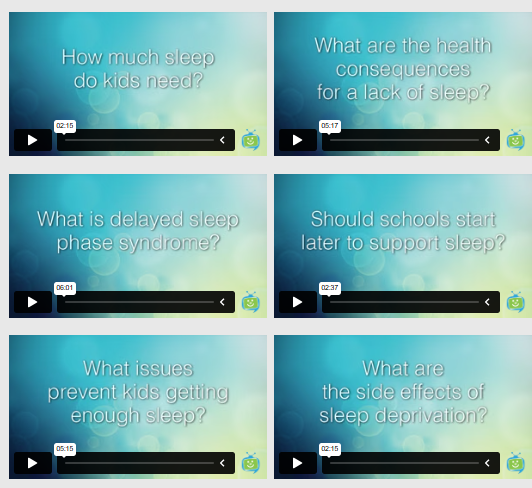
Watch the helpful videos on our SchoolTV site to learn more:
https://cranbourneeast.catholic.schooltv.me/newsletter/sleep
In the lead up to National week of action agaist bullying, students at St Thomas the Apostle have been revising their
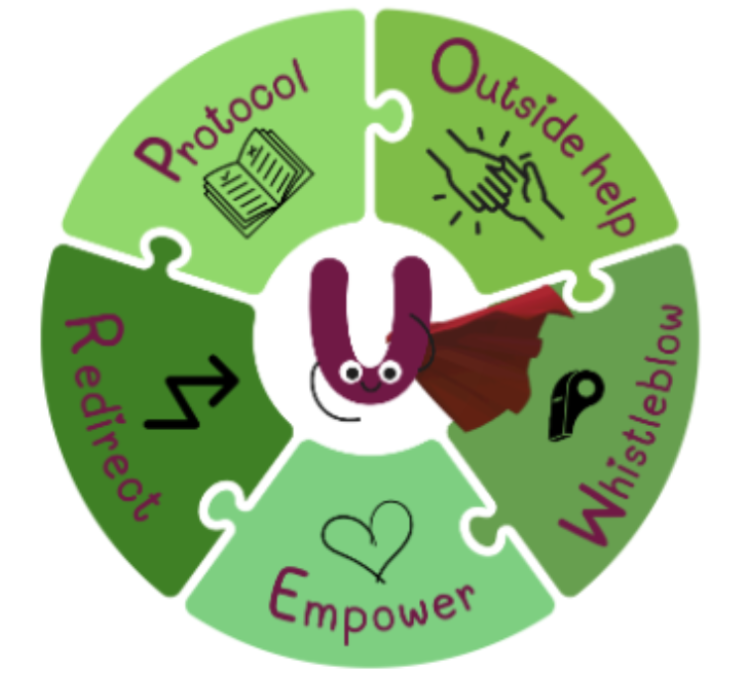
understanding of our whole-school bullying prevention initiative, “Upstanding U: Have the POWER.” This week, the focus is on the next letter of the POWER framework:
R- Redirect
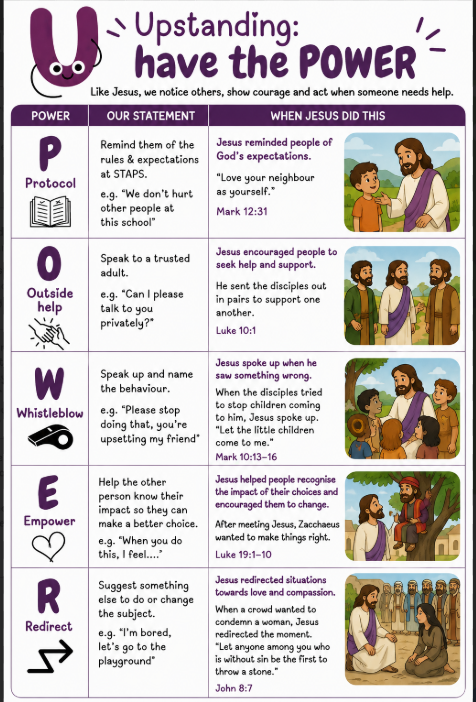
Redirect means guiding a situation away from unsafe, unkind or unhelpful behaviour and towards a safer, calmer and more respectful choice. Students learn that being an upstander can involve changing the direction of a situation before it becomes more harmful.
Across the year levels, students will explore Redirect through age-appropriate classroom discussions, practical scenarios, role-play and reflection. Younger students may practise using simple phrases such as, “Let’s do something kinder instead.” Older students will consider how they can calmly interrupt teasing, exclusion or unsafe behaviour and suggest a positive alternative.
Students will learn that redirecting is not about arguing, embarrassing others or making a situation worse. It is about helping people pause, think and move towards a better choice. They will practise using calm words, respectful body language and practical alternatives that support the safety and dignity of everyone involved.
Our learning will continue to be explored through a Catholic lens. Students will reflect on John 8:7, where Jesus redirects a crowd away from judgement and harm:
“Let anyone among you who is without sin be the first to throw a stone.”
This Scripture reminds us that Jesus responded with mercy, compassion and wisdom. Rather than allowing the situation to continue towards shame and punishment, he encouraged people to reflect on their own actions and choose a more compassionate response.
When students redirect others, they follow Jesus’ example by guiding situations away from harm and towards kindness, dignity and reconciliation.
Families can support this learning by discussing how children can calmly change the direction of an unsafe or unkind situation and encourage others to make a better choice.
We look forward to seeing our students use all five POWER strategies as they continue to grow as courageous, compassionate and responsible upstanders within our school community.