Middle School
Head of Middle School - Jodi Fitzgerald-Tate

Middle School
Head of Middle School - Jodi Fitzgerald-Tate

Article by Matt Hill, Deputy Head of Middle School
When parents talk to us about classroom concerns, a recent trend has been for the notion of "safety" to be brought into question. But typically, when we look closely at what's happening for students, be it the impact of a poor behaviour choice, a friendship group fracture, or receiving disappointing test scores, the word “unsafe” doesn't quite fit. What's usually going on isn't danger, it's discomfort. When students are sad, frustrated, or embarrassed, it's not easy for parents or teachers to witness that discomfort. However, to reach for the language of safety to describe a student’s experience of feelings that are really just hard is problematic.
It is a natural feature of caring to want a magic wand approach that makes problems go away instantly. However, Psychologist Dr. Tracy Dennis-Tiwary makes the argument that a well-meaning instinct to eliminate every hard feeling quickly can impede emotional growth. In her essay "Help Children Suffer," she makes the case that in promoting resilience, our job isn't to protect kids from struggle. Rather, it's to help them move through it well. We agree, and we need parents as partners in this approach.
Why we build in appropriate challenge
Good mental health is not the same thing as constant happiness. It is the capacity to cope with life's normal stresses and keep growing. For students navigating shifting friendships and harder academics, that discomfort isn't a warning sign. It's the work of growing up, and it's why our curriculums are intentionally designed to include productive struggle rather than remove it. Just as students learning cannot progress unless they experience some academic stretch, we cannot expect students to mature if all social and emotional issues are solved for them.
There's a developmental reason for this. The brain's emotion-regulation center (prefrontal cortex) develops slowly through adolescence, and it develops through use. Every time a student sits with the sting of a disappointing grade, the embarrassment of a social misstep, or the sadness of an argument among friends, they're practicing the skills that will serve them for life. Remove the discomfort too quickly, at school or at home, and we remove the opportunity for that practice.
This is why our Fundamental 5, Point 3: “Have a growth mindset, embrace challenges, learn from mistakes, and always look for ways to improve” is a pillar of what we teach. A growth mindset isn't built by avoiding difficulty; it's built through repeated, tolerable exposure to it. Students cannot learn from mistakes that are smoothed away before they're felt.
How We Can Partner
Of course, we're not asking families to ignore a struggling child, and nor will we. We will always hear and take seriously concerns raised by parents. We're asking to be aligned: present with students in hard moments, without rushing to erase the feeling. In practice, that partnership might look like:
At school, just as we don’t hand out the answers to Math problems 5 minutes into a lesson, when they encounter a social or emotional challenge, we don’t rush to solve the problem for the child, we might provide a scaffold, support or questions to guide them in resolving it themselves.
At home, naming a feeling accurately can be important for children's understanding of what is normal to experience. "That sounds like it’s been hard" rather than escalating normal emotions to a safety concern helps students trust their own resilience.
Together, we can resist solving problems for students immediately, asking instead what they've already tried and offering appropriate supports.
On both sides, we reserve the word "safety" for genuine safety concerns. Matters such as ongoing bullying or physical altercations deserve the full weight of the term, and will always be handled with the appropriate level of intervention and partnership between families and the College.
The Reframe
A student's disappointment or temporary upset isn't always evidence that something has gone terribly wrong, even when that feeling can be felt incredibly acutely by a child. Often, it’s evidence that something bigger is going right. A student feeling an emotion that allows them to mature and take different approaches in the future, practicing the growth mindset we're all asking of them. When we hold that line together, we give students the steadiest possible foundation for resilience.
Based on "Help Children Suffer" by Dr. Tracy Dennis-Tiwary.
Article by Matt Hill– Deputy Head of Middle School
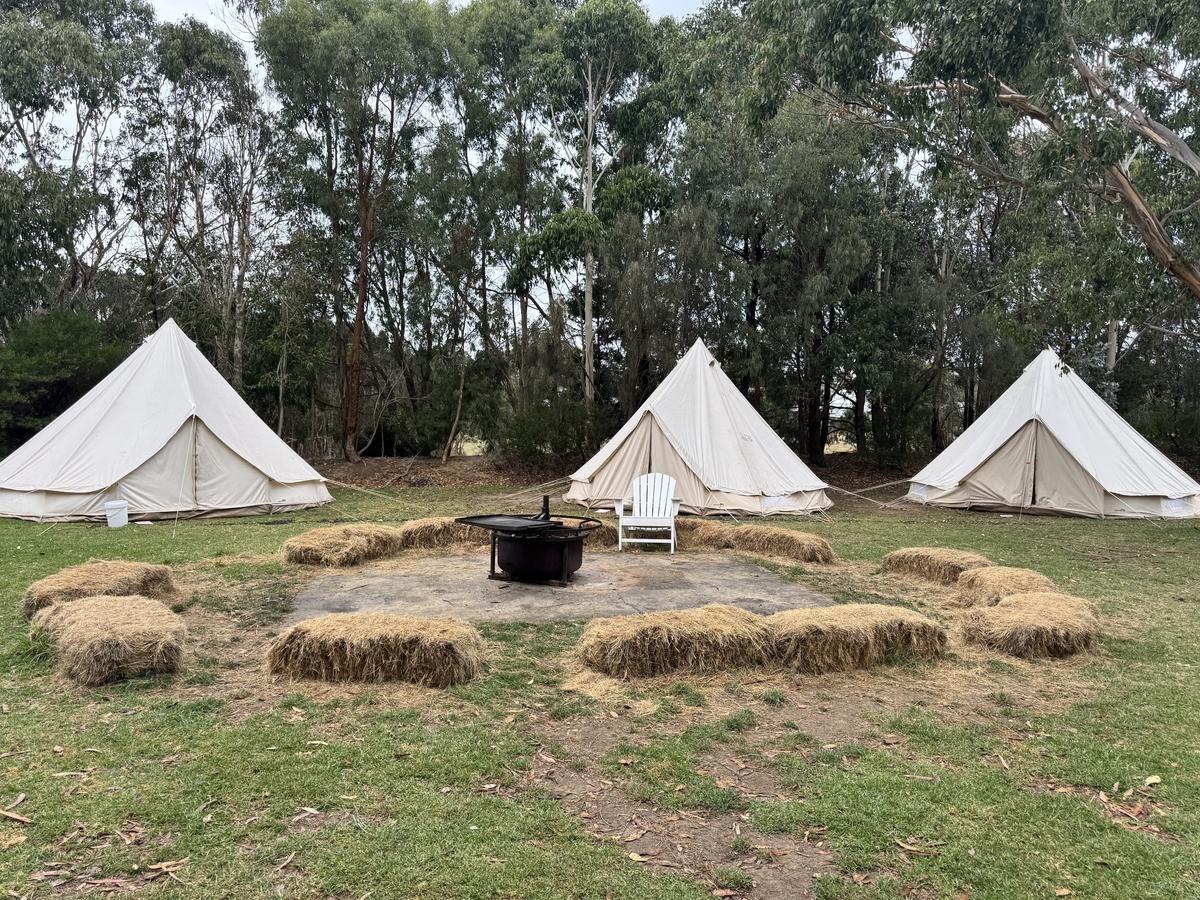
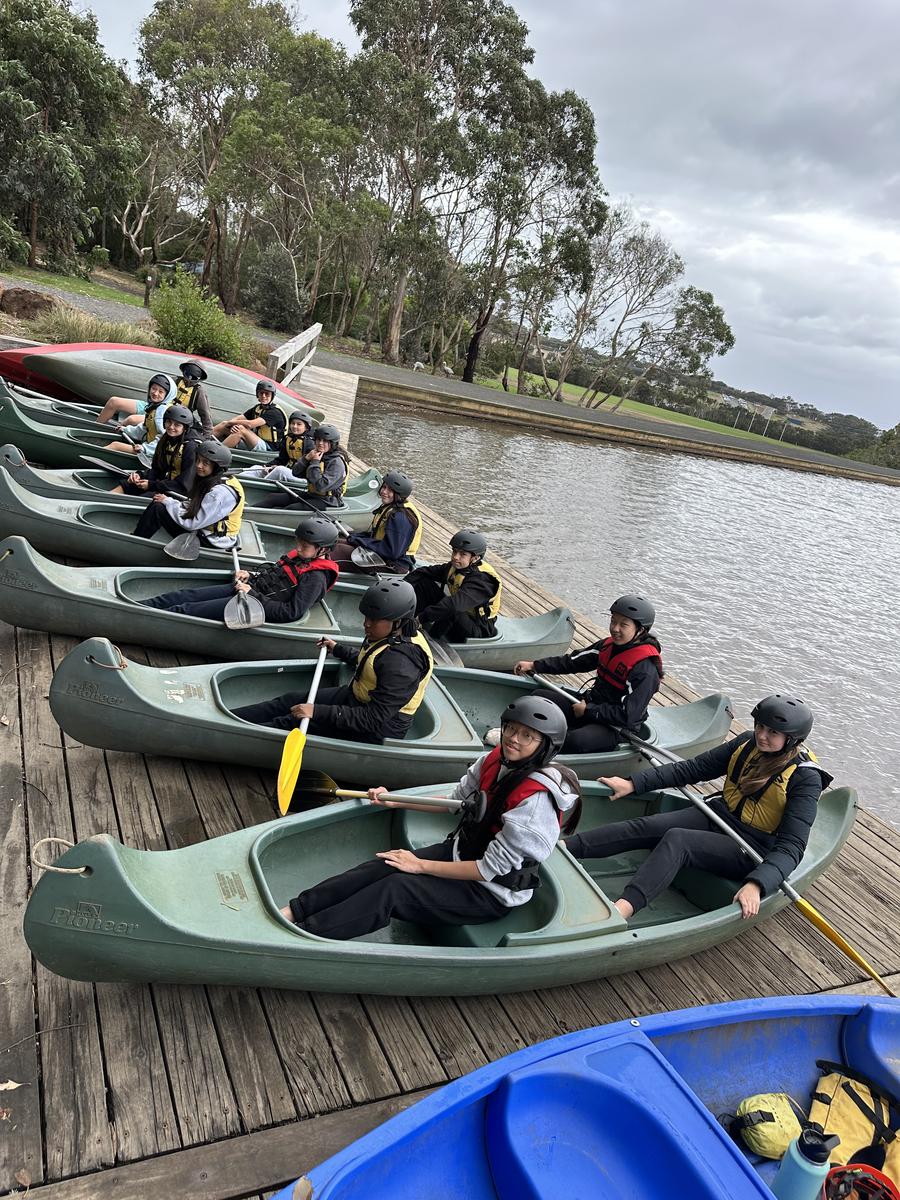
Each year, our students look forward to school camp, and for good reason. Camp is often one of the most memorable parts of the school experience, but it’s also one of the most valuable. While it might look like a few days of fun and adventure away from the classroom, school camp plays a key role in helping students grow academically, socially, and emotionally.
Learning Beyond the Classroom
School camp is a chance to take learning outdoors and make it hands-on. Whether students are exploring the environment, solving group challenges, or reflecting around a campfire, the learning is real and meaningful. Camp supports key curriculum outcomes such as collaboration, problem-solving, resilience, and leadership.
Building Confidence and Independence
For many students, camp may be their first time away from home overnight. Navigating new experiences—like making their own bed, choosing activities, or speaking up in a group helps them build independence and self-confidence. These small moments of growth add up in big ways.
Strengthening Friendships and Teamwork
At camp, students form stronger bonds with their peers and teachers. Activities are designed to build teamwork, communication, and trust. Students learn to listen to one another, encourage each other, and solve problems together skills that carry over into the classroom and beyond.
Supporting Wellbeing and Resilience
School camp provides a break from routines, screens, and academic pressure. Time spent in nature, being active, and enjoying unstructured play supports mental health and emotional wellbeing. Camp also provides safe opportunities to face challenges, take risks, and build resilience.
Creating a Stronger School Community
Perhaps most importantly, school camp helps build a stronger sense of community. Students return feeling more connected not just to each other, but to their school. They carry with them shared memories, a sense of achievement, and a deeper understanding of their role in the school environment.
As we prepare for this year’s school camp, we’re excited about what it will offer your child not just in terms of fun and adventure, but in valuable life lessons that will support their growth for years to come.
If your child has any concerns about attending camp, please don’t hesitate to reach out to their teacher for support and guidance. We're here to help ensure every child feels comfortable and excited about their camp experience.