Teaching and Learning Principal
Zachary Parr

Teaching and Learning Principal
Zachary Parr
Welcome to the Teaching & Learning section of our newsletter. Each edition is designed to give families a clear and meaningful window into what students are learning, how we are supporting their growth, and the many opportunities available to them both inside and beyond the classroom.
In this space, you’ll find:
Key Teaching & Learning priorities for the term
Snapshots from classrooms, showcasing engaging learning moments across year levels
Updates on whole‑school initiatives, instructional practices, and innovations
Highlights from co‑curricular programs that enrich learning beyond the timetable
Practical tips to help families support study habits, wellbeing, and engagement at home
Celebrations of effort, progress, and achievement across our student community
By sharing these insights, we aim to strengthen the partnership between school and home—something consistently shown to improve student connection and outcomes. Effective school newsletters help families feel informed, included, and confident about their child’s learning journey, and that is exactly what we strive for here.
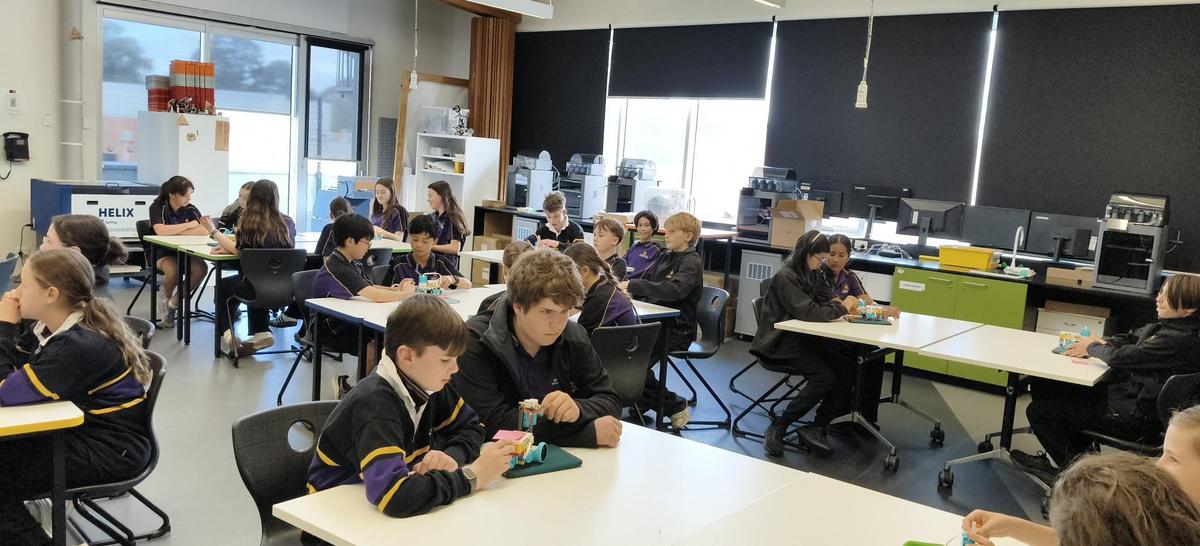
A group of our high-achieving students recently had the exciting opportunity to attend the Knox Innovation, Opportunity and Sustainability Centre (KIOSC) as part of a special reward and recognition excursion. Students were selected based on their hard work, positive classroom achievements and, for many, their successful participation in the Victorian High Abilities Program (VHAP).
The day provided students with an engaging and hands-on STEM learning experience, where they explored the worlds of robotics, engineering and problem-solving through a series of interactive workshops.
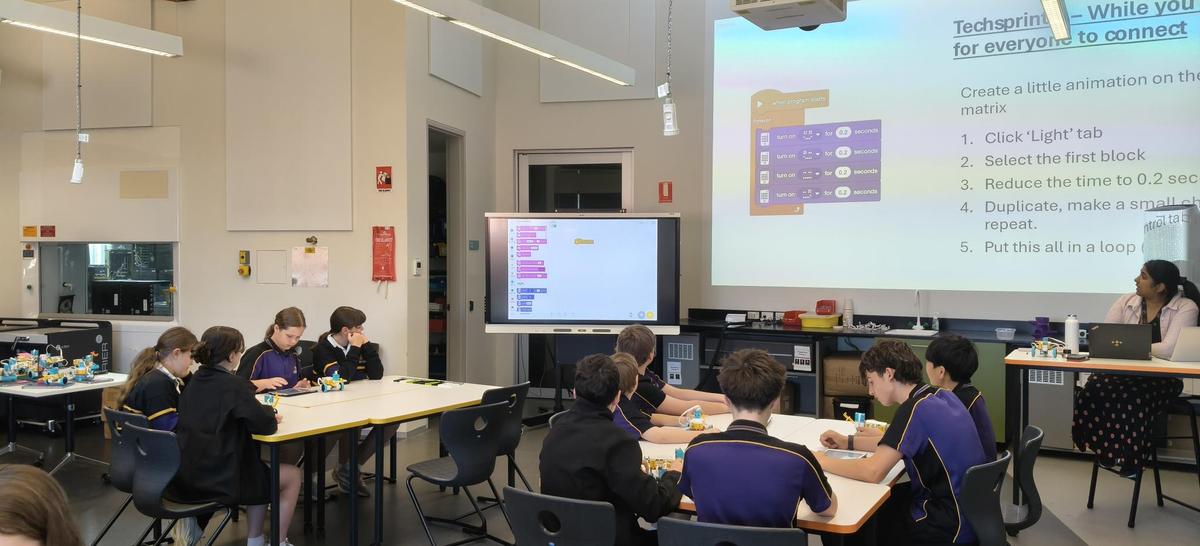
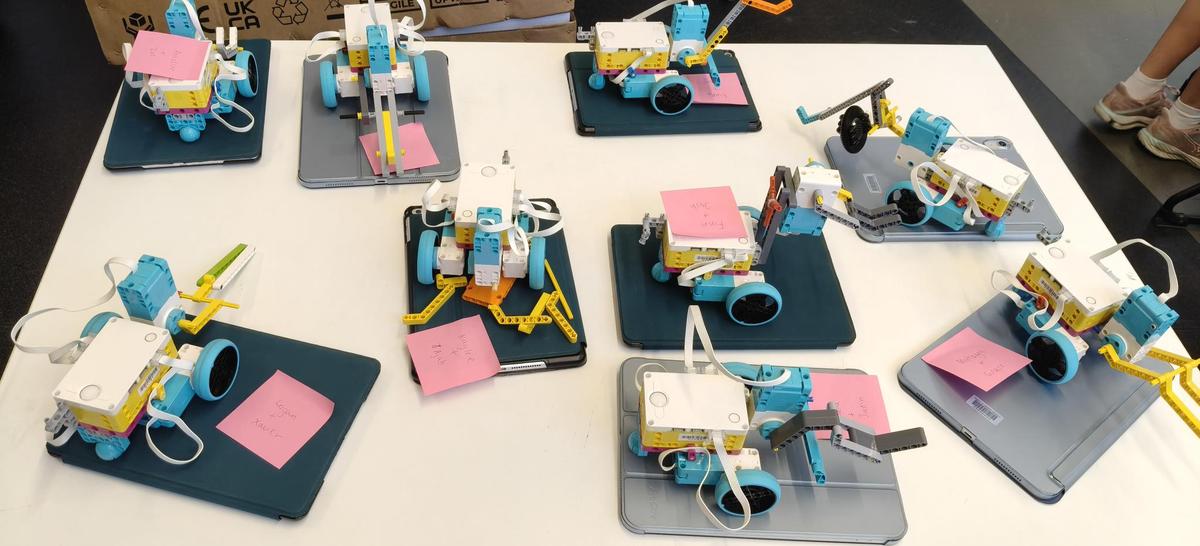
Students began by learning the fundamentals of programming using LEGO EV3 Mindstorm Robots, developing an understanding of how robots can be programmed to complete specific tasks and movements. They then moved into a design challenge, building and testing their own robot attachments to perform functions such as pushing, pulling, lifting and lowering objects.
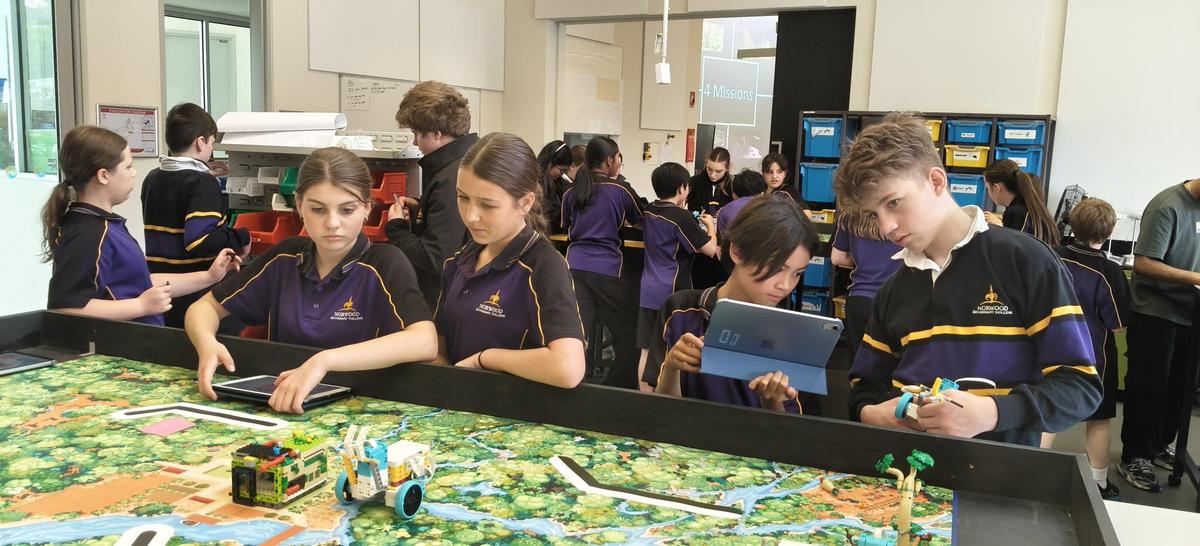
The highlight of the day was the LEGO Challenge Mat, where students applied their newly developed skills to solve real-world challenges. Working collaboratively, they tackled a range of tasks inspired by themes including Animal Allies, Into Orbit, and City Shaper. Students demonstrated impressive creativity, teamwork, resilience and problem-solving throughout the challenges.
This excursion was a fantastic opportunity for students to extend their learning beyond the classroom while celebrating their academic success and commitment to excellence. We are incredibly proud of the way our students represented the school and embraced every challenge with enthusiasm and determination.
A special thank you must also go to Ms Collins and Mr Macafee, whose leadership, organisation and dedication made this opportunity possible. Their commitment to providing enriching learning experiences for our students ensured the day was both educational and highly engaging. We greatly appreciate the time and effort they invested in planning and supporting the excursion.
On Wednesday 2 September, our Year 12 VCE Physics students had the exciting opportunity to visit the Australian Synchrotron in Clayton
The Australian Synchrotron is one of the nation's most impressive scientific facilities,
housing a particle accelerator the size of a football field that produces light millions of times brighter than the sun. This incredible technology supports world-leading research across fields including medicine, materials science, engineering, and archaeology.
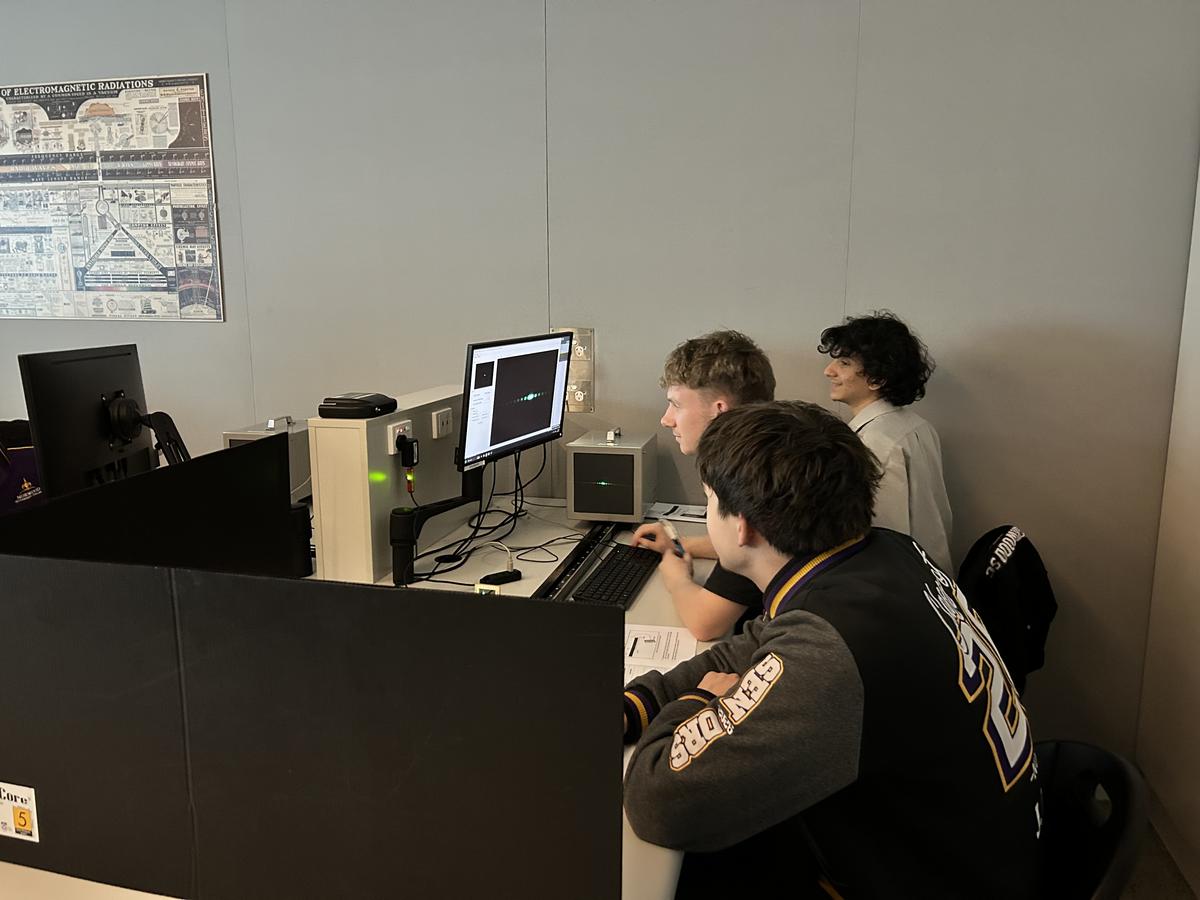
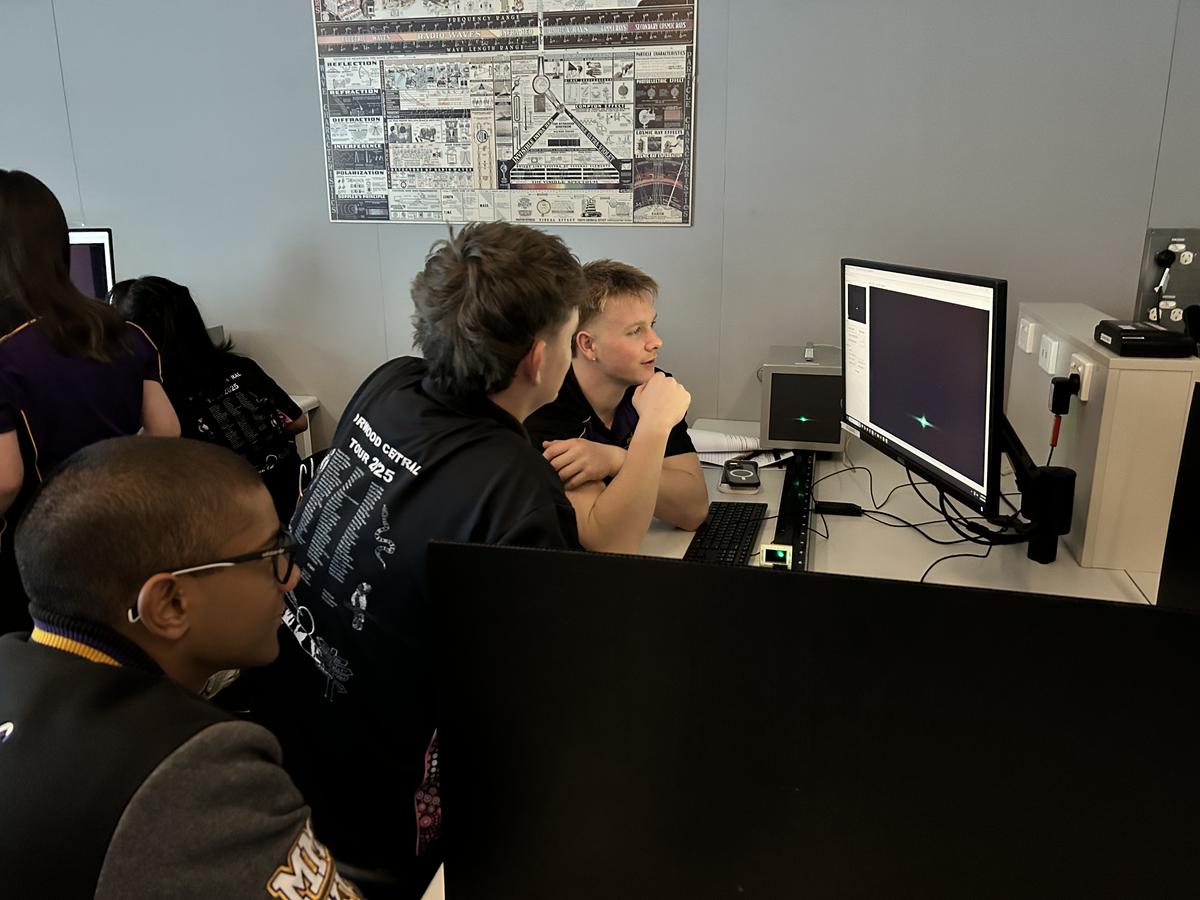
Throughout the day, students worked in a purpose-built teaching laboratory alongside ANSTO scientists, completing a series of experiments directly linked to their Unit 4 Physics studies.
Students investigated concepts such as single and double slit diffraction and interference, explored the photoelectric effect by varying the intensity and frequency of light, and used diffraction gratings to analyse the emission spectra of different gases.
The excursion provided students with a unique opportunity to see complex theoretical concepts come to life. Ideas such as wave-particle duality, quantised energy levels, and Planck's constant moved beyond the classroom and became measurable quantities through genuine scientific investigation and data collection.
Students also participated in a guided tour of the Synchrotron facility, providing a
fascinating insight into the cutting-edge research being conducted on-site and the many career pathways available within the fields of science, technology, engineering, and mathematics (STEM).
A special thank you goes to Mr Bohni for organising and leading this valuable learning experience. His dedication to providing authentic, real-world learning opportunities continues to enrich our students' educational journeys and inspire the next generation of scientists.
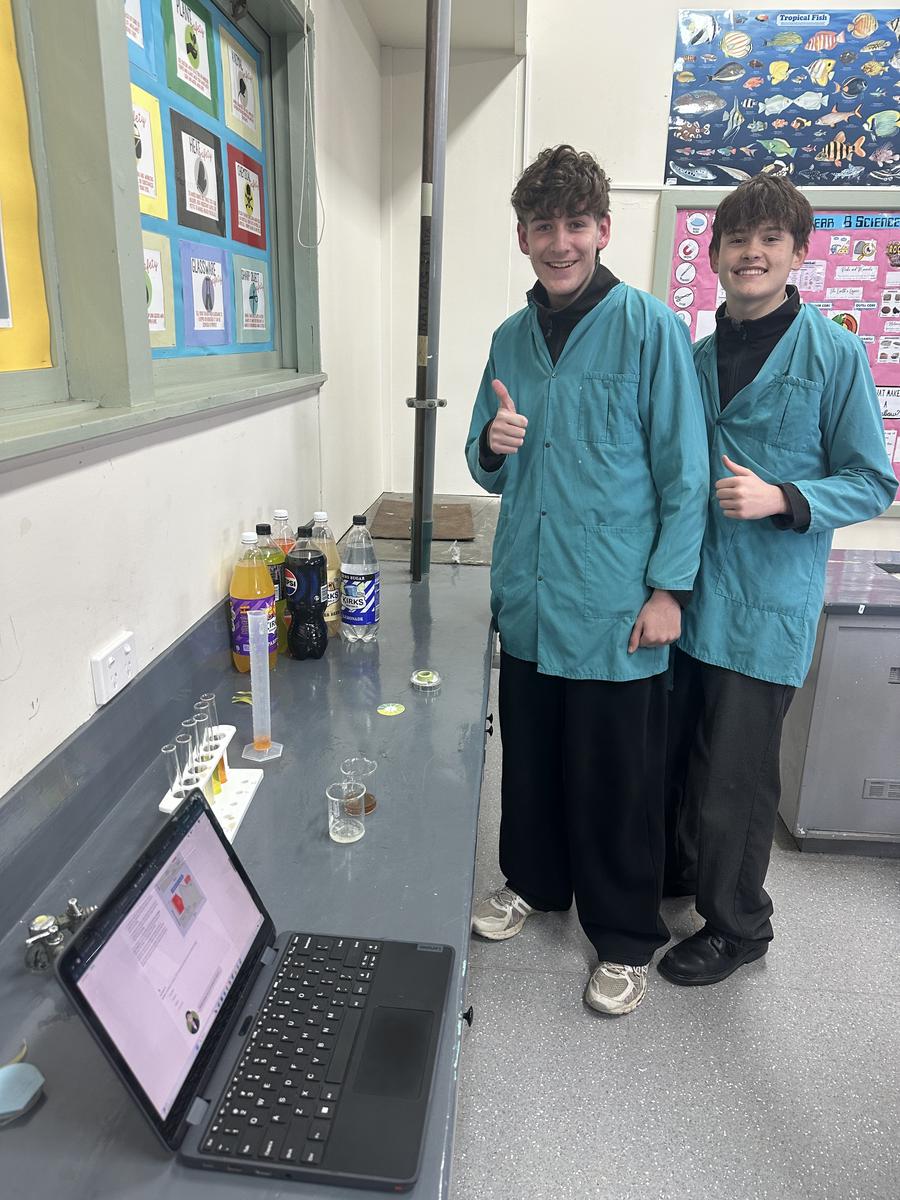
This week, Year 9 Science students in Ms Milnes' class conducted their experiments and focused on collecting accurate and reliable data. Students reviewed important safety procedures before finalising their experimental setups and creating data tables to organise their results.
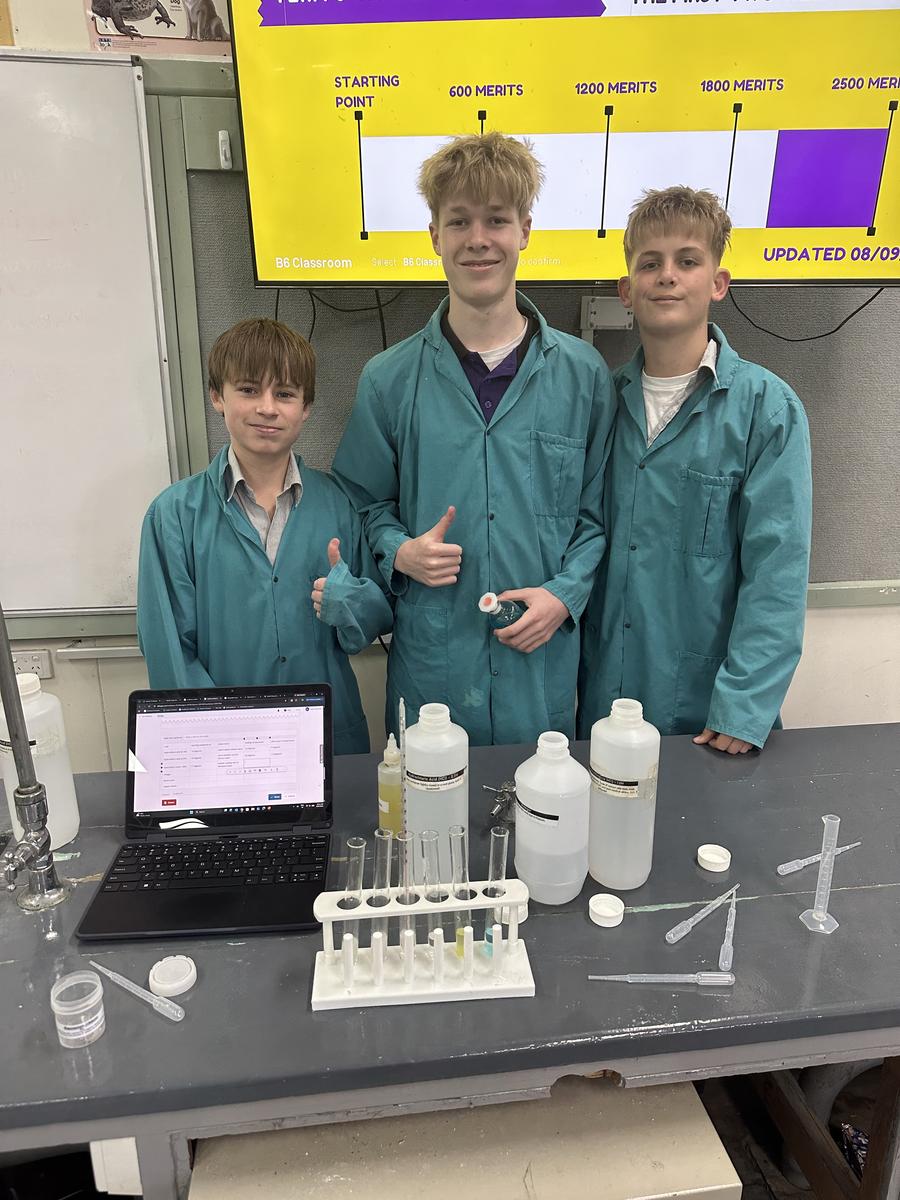
Using the Stile platform, students designed data collection tables tailored to their investigations before carrying out their experiments and recording observations. Throughout the lesson, students demonstrated strong scientific skills by working safely, collaborating effectively, and ensuring their data was recorded accurately.
To conclude the lesson, groups shared their data collection methods and completed their Stile work through to Step Seven, preparing them for the next stage of analysing their findings and drawing conclusions from their results.
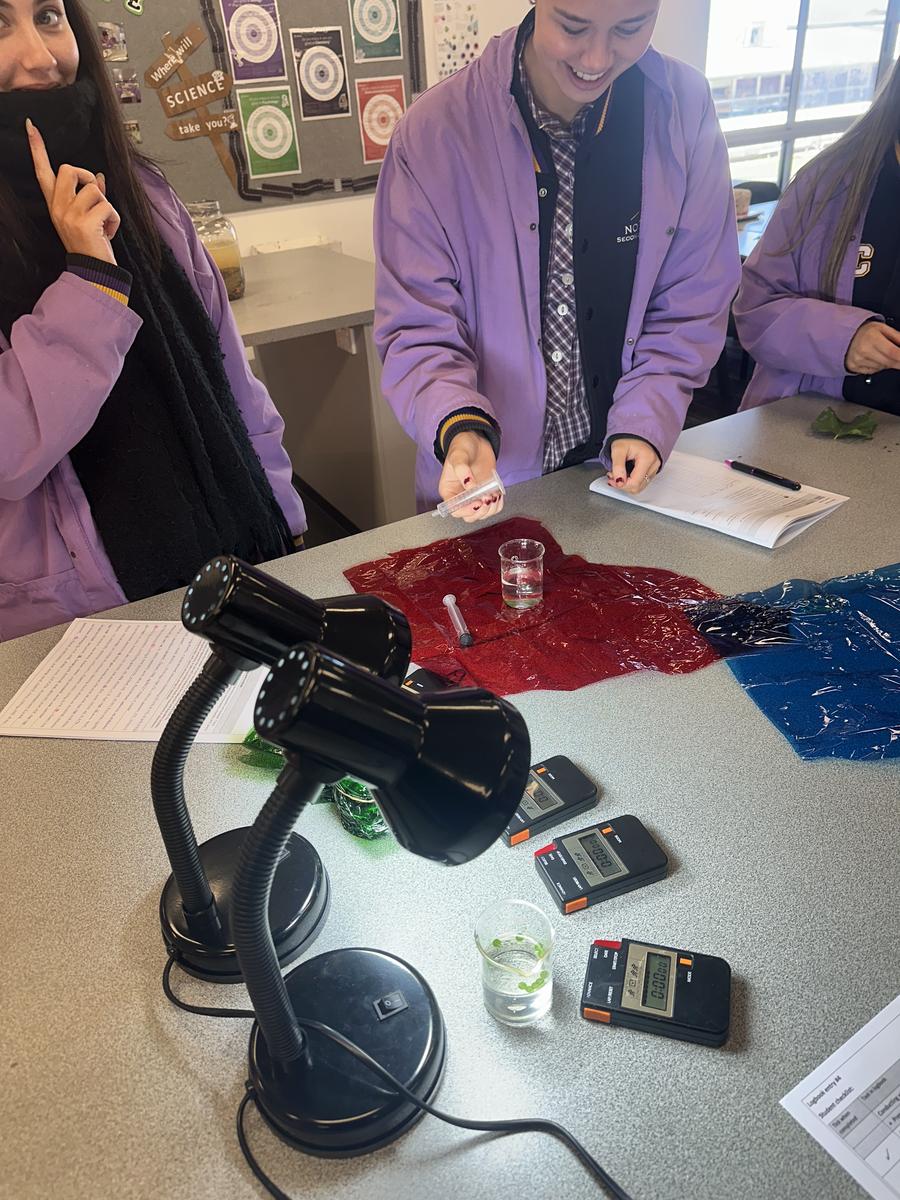
This week, Year 12 Biology students in Mr Sheehan's class continued their practical investigations into Unit 3, Area of Study 2: How are biochemical pathways regulated? Students designed and conducted experiments to explore key biological concepts, applying their understanding of variables, methodology, and experimental design.
Throughout the lesson, students collected and recorded raw data in their logbooks, carefully documenting their procedures and observations. They also reflected on any changes made to their methodology and identified potential sources of error that may have influenced their results.
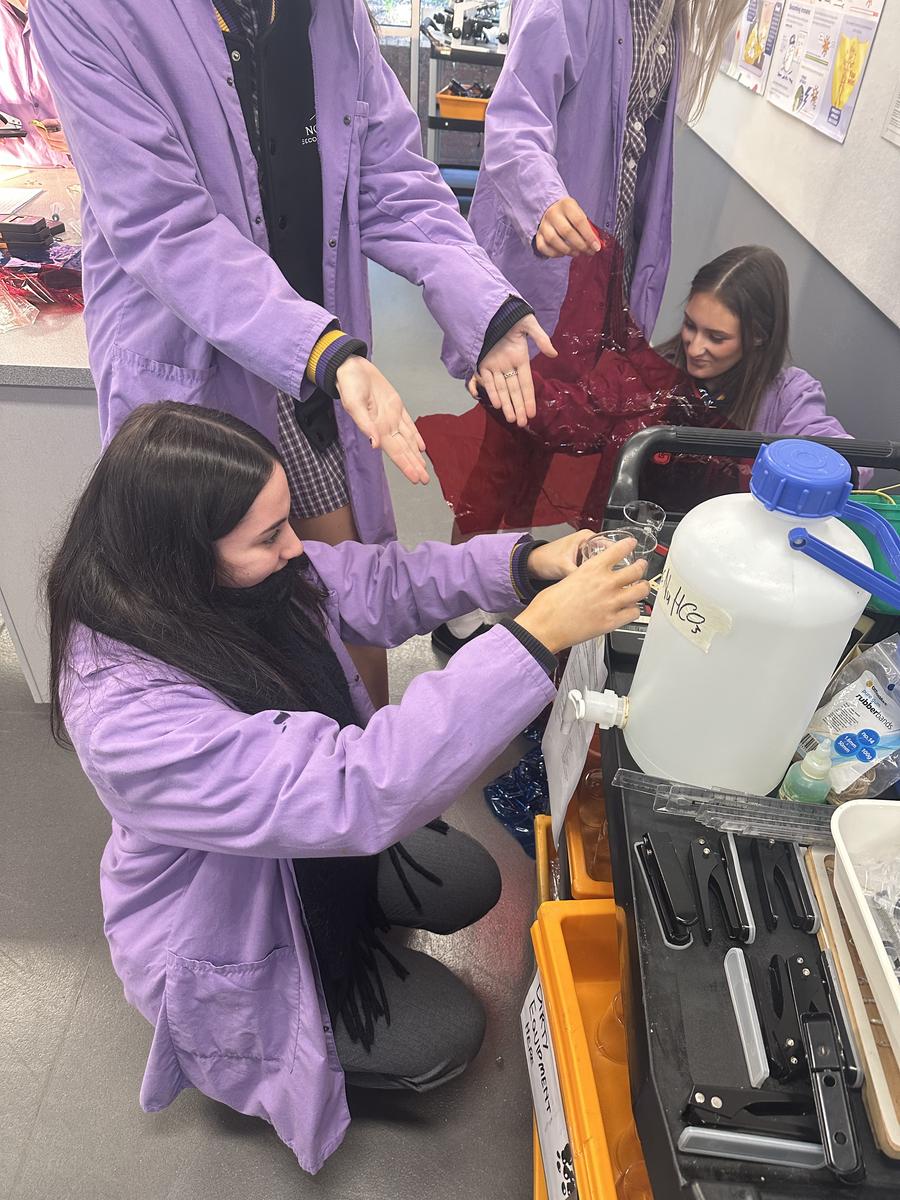
As part of the scientific inquiry process, students analysed their data by calculating averages and began presenting their findings through graphs created in Excel. The lesson provided valuable experience in collecting, organising, and interpreting biological data, while further developing the practical and analytical skills required for success in VCE Biology.
Students finished the session by completing their experiment and ensuring their logbook entries were up to date, preparing them for the next stage of evaluating and discussing their findings.
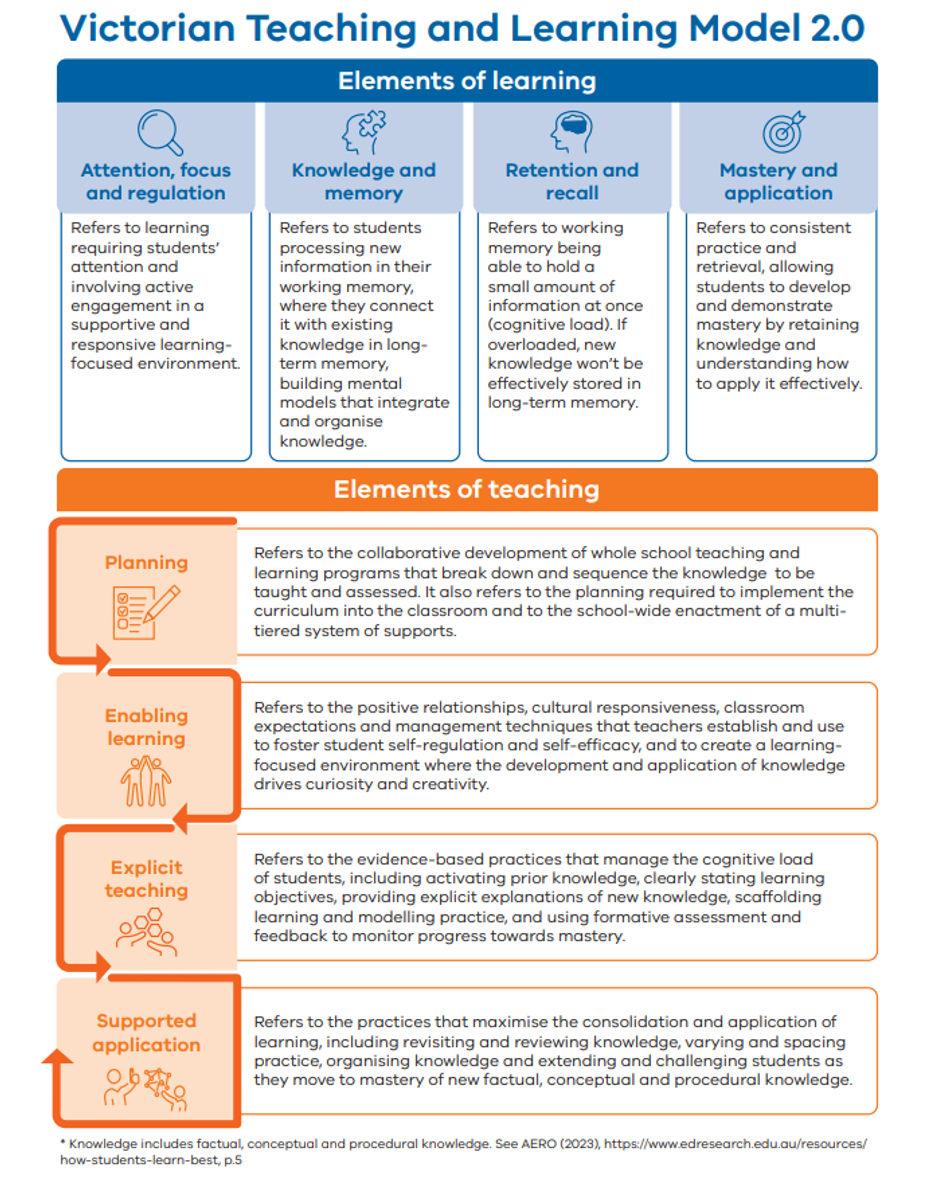
Understanding the new Victorian Teaching and Learning Model 2.0
As parents/carers, staying informed about the direction of state education is a helpful way to support your child’s learning journey. Government schools have been introducing the Victorian Teaching and Learning Model (VTLM) 2.0. This model focuses on fostering student engagement, personalisation and collaboration to ensure each child can thrive at school.
What is the VTLM 2.0?
This model is different to previous models because it takes into consideration the ‘elements of learning,’ or what some might call the science of learning.
The model (see below) identifies 4 elements of learning:
Attention, focus and regulation
Knowledge and memory
Retention and recall
Mastery and application
We will be sending more information about this model out over the next term or so, but more importantly, this model will help us determine the professional learning direction for our teachers to ensure we can continue to provide an outstanding educational program at our college.
Norwood Secondary College understands that students have different learning strengths, preferences and interests and may approach learning activities and homework differently. If parents/carers are concerned their child may not understand the homework tasks that have been set, or if their child is spending a long period of time completing their homework, we encourage parents/carers to speak to their child’s teacher.
Students who may benefit from support completing their homework tasks are encouraged to attend Homework Club held in the College Library on Wednesday and Thursday afternoons between 3.15 and 4.15pm. Homework Club resumed this week and parent/carer permission is required to attend. Please complete the form below and return it to the General Office.
*For information on the school's Homework Policy, visit the Junior and Senior School Handbooks.