Health Centre









 Nazareth College

Hay Fever Season Is Upon Us
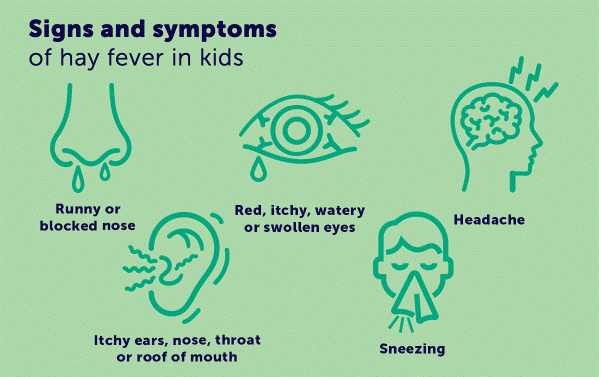
Melbourne’s grass pollen season is underway, with ryegrass pollen a major trigger for hay fever. Sneezing, a runny or blocked nose and itchy eyes can affect students’ comfort, sleep and concentration at school.
Find further information here: https://www.rch.org.au/kidsinfo/fact_sheets/hay_fever/
Key points
🤧Hay fever is a common allergic reaction to a harmless substance known as an allergen.
🤧It affects the nose, eyes, throat, ears and sinuses.
🤧Pollen causes seasonal hay fever; it is most common in spring and summer.
🤧Allergens like dust mites, mould spores, animal fur or dander can trigger perennial hay fever any time of year.
🤧Avoiding triggers is the best way to prevent and reduce hay fever symptoms in children.
🤧Medicine may help manage your child’s symptoms.
What we recommend:

Check the forecast: Download the Melbourne Pollen Count app
or visit Melbourne Pollen for daily pollen counts and forecasts.
☀️Manage symptoms early: If your child experiences hay fever, where appropriate, take an antihistamine before school. This may help manage symptoms throughout the day.
☀️Be asthma-aware: Grass pollen can contribute to thunderstorm asthma risk. If your child has asthma, ensure their asthma management plan is up to date, and they have access to their prescribed medication.
For more information seek assistance from your local pharmacist or general practitioner.
Health Centre Team