
Science News
Prep
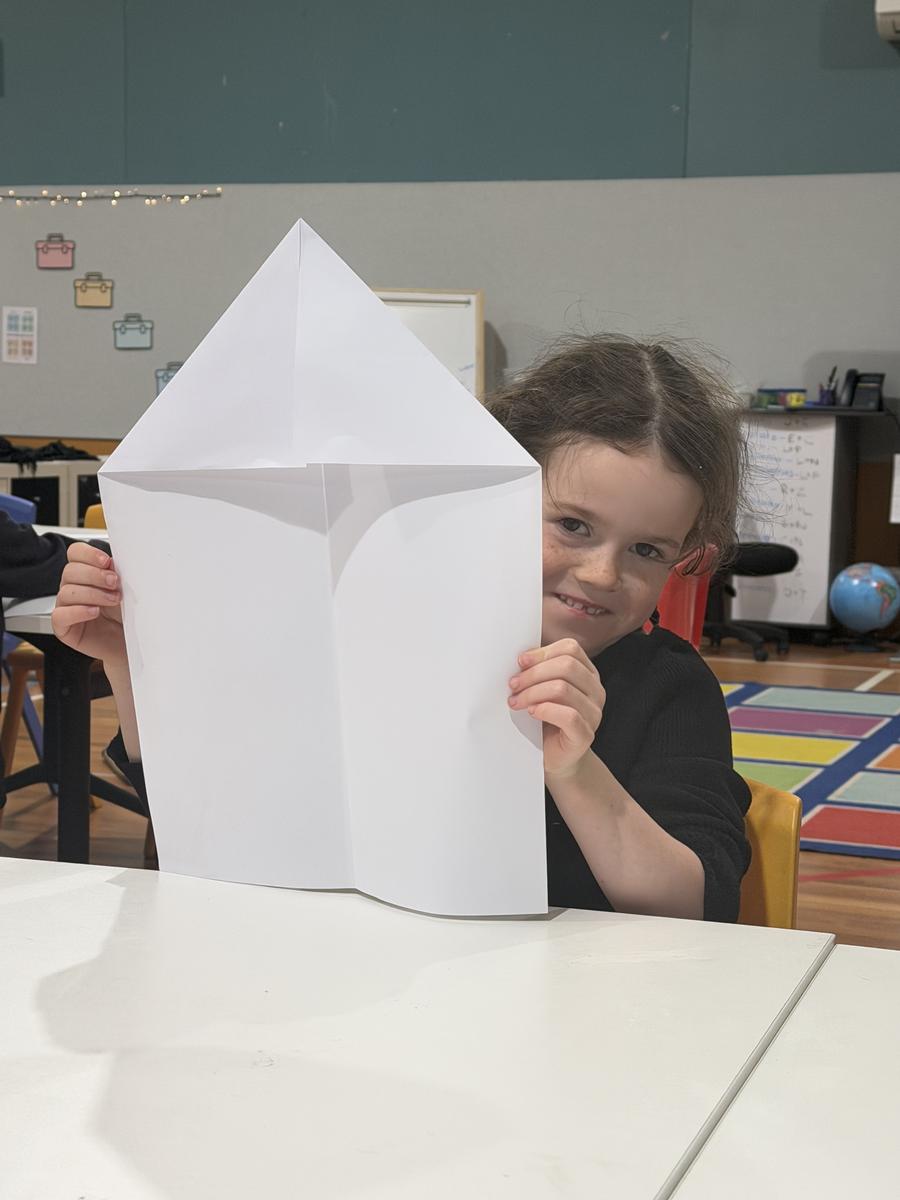
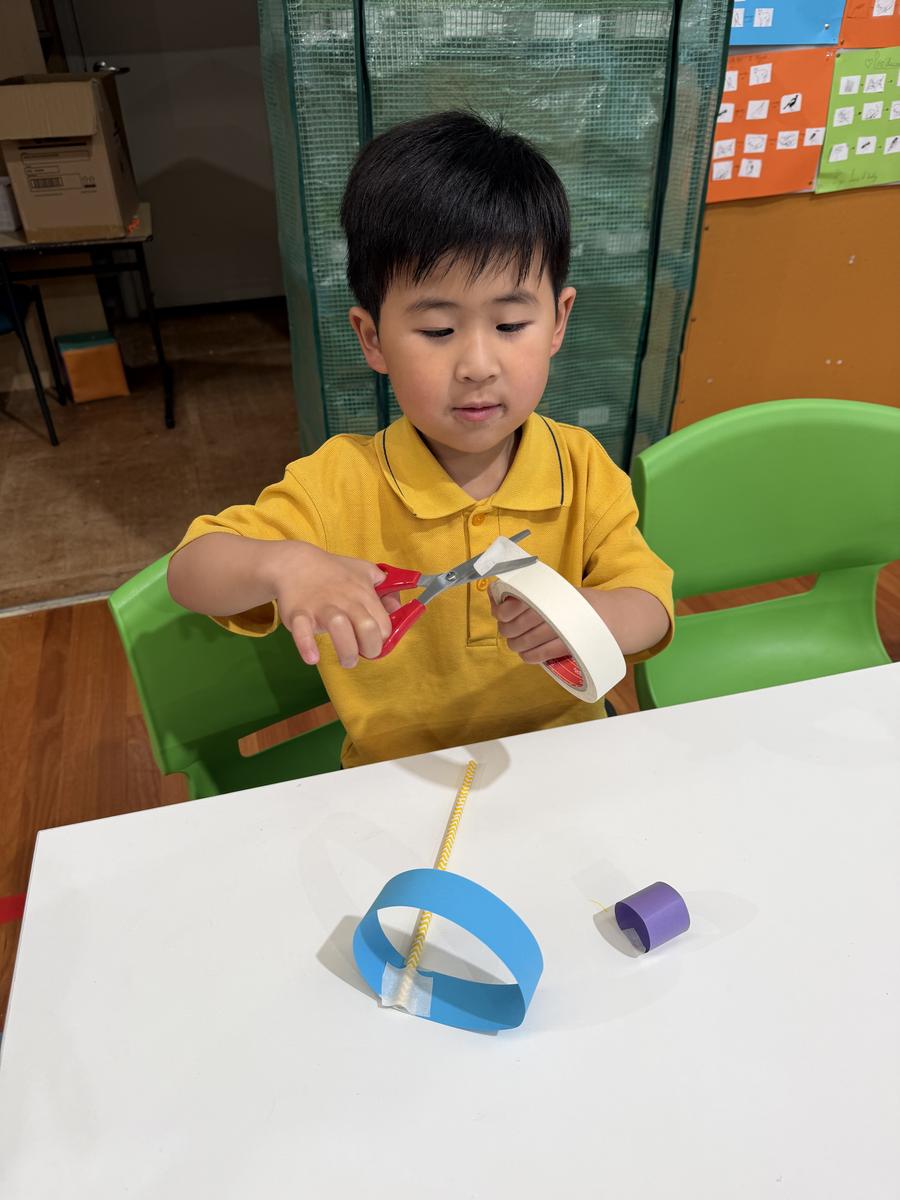
Over the past four weeks, the Preps have finished their Make It Move! unit, continuing to investigate the different ways objects can move. They explored how changing an object’s shape and material can affect how it moves, and finished the unit by making and testing a paper plane and a glider. Students compared how the two designs moved through the air and considered what helped them travel successfully.
The Preps have now begun a new unit called Any Day Outdoors, where they are turning their attention to the weather and the world around them. They have started exploring how daily and seasonal changes affect our everyday lives and how the weather can influence the things we choose to do outdoors.
Years 1 & 2
The Year 1s and 2s have completed their Survive and Thrive unit, continuing to investigate what plants and animals need to survive. They explored the importance of food, water, air, space and shelter and considered how different environments provide living things with the things they need.
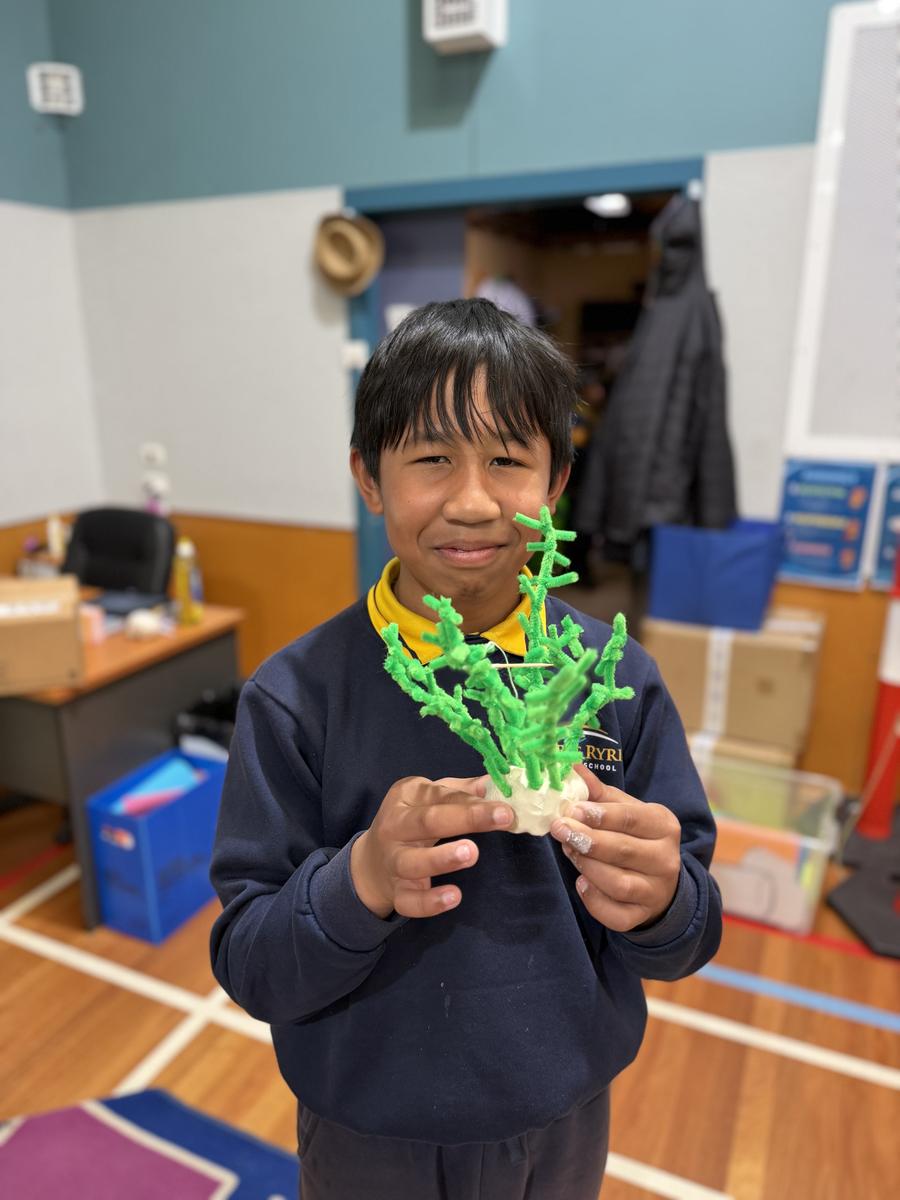
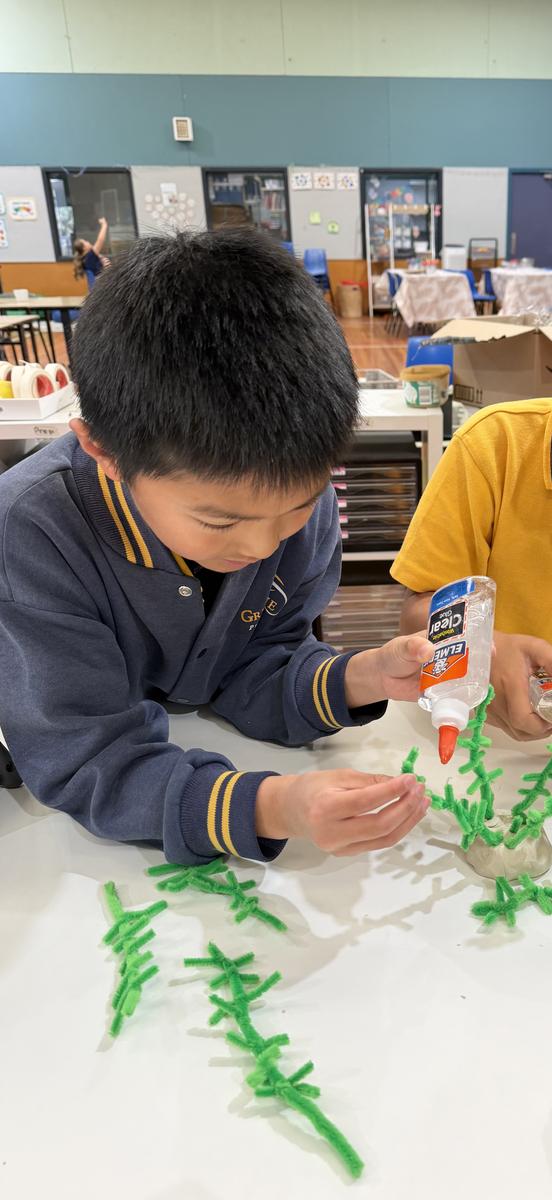
To bring their learning together, students focused on the needs of plants and designed and created plant dioramas. Their dioramas showed the important features of an environment that help plants grow and survive, including access to water, sunlight and suitable space.
Years 3 & 4
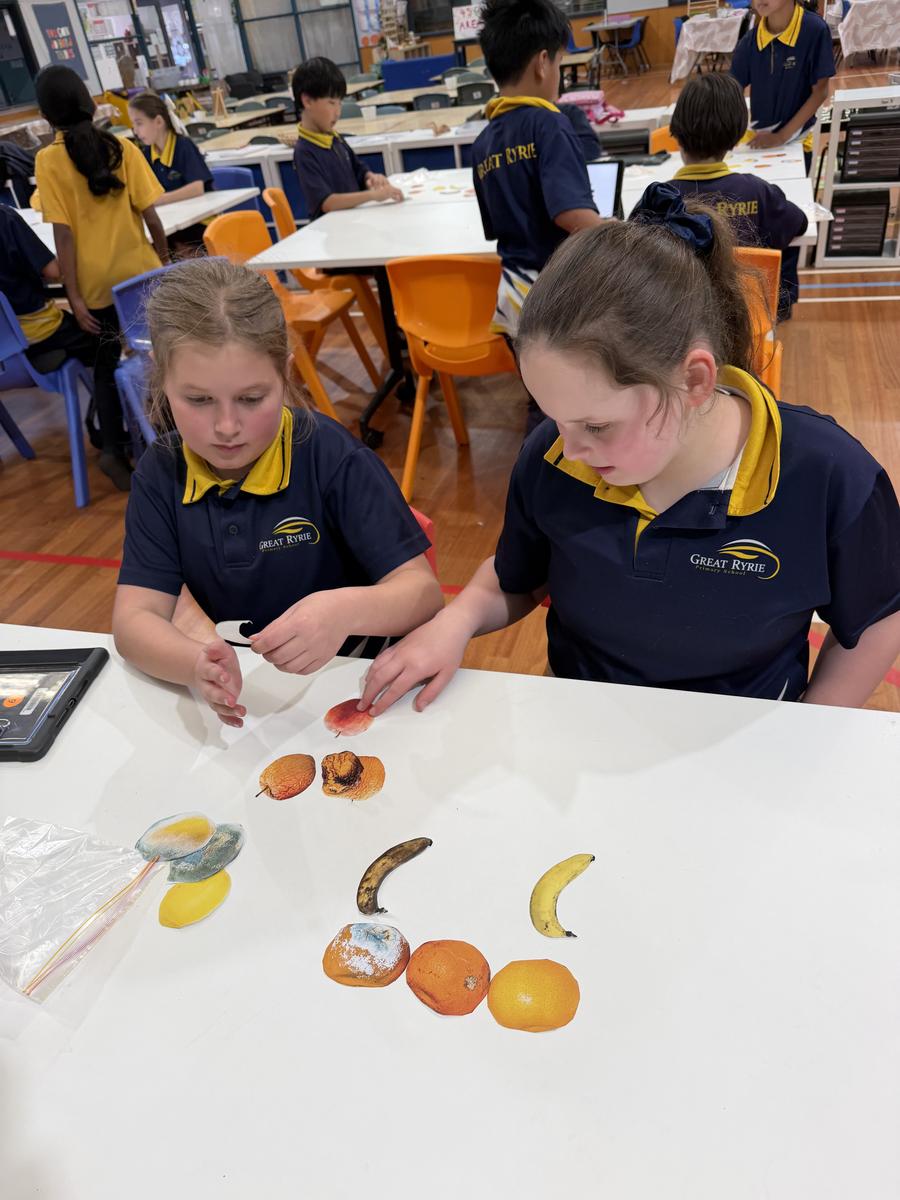
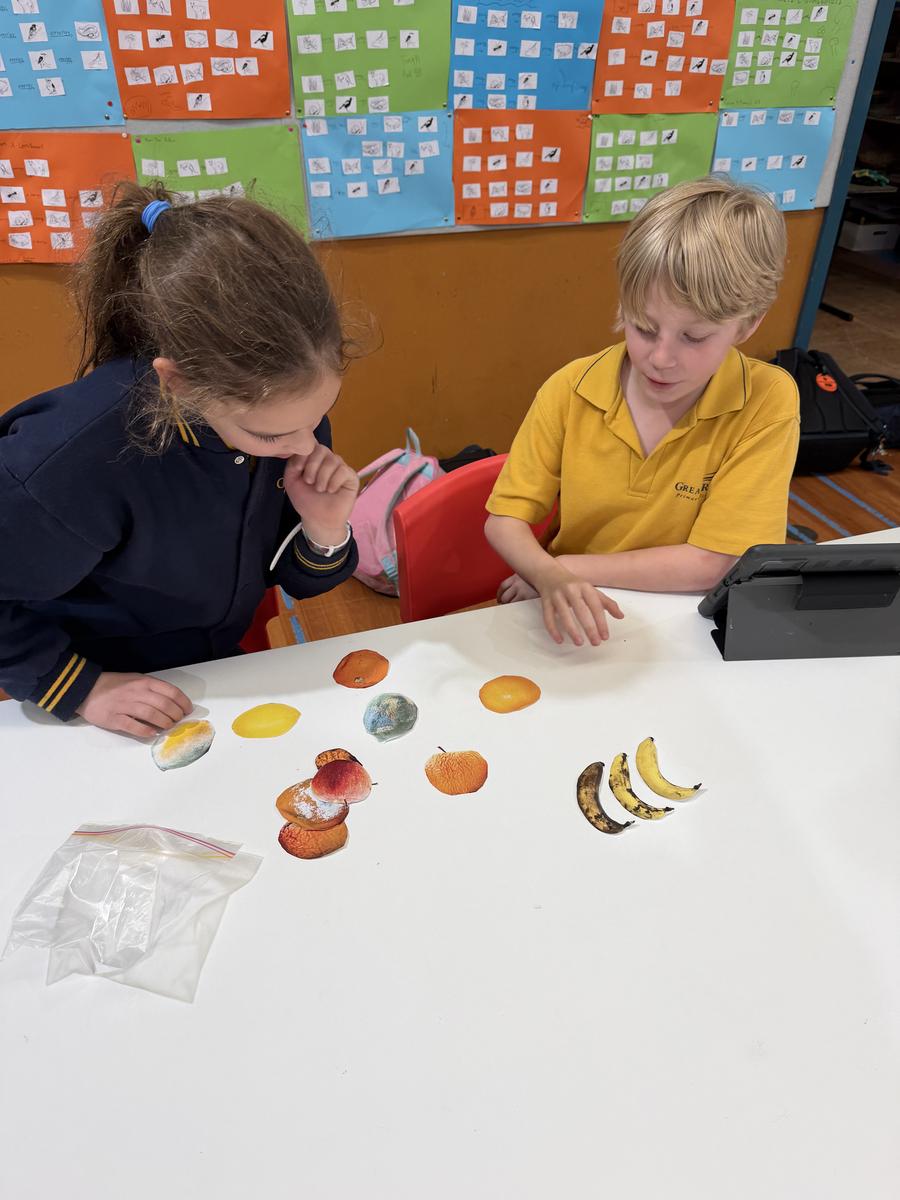
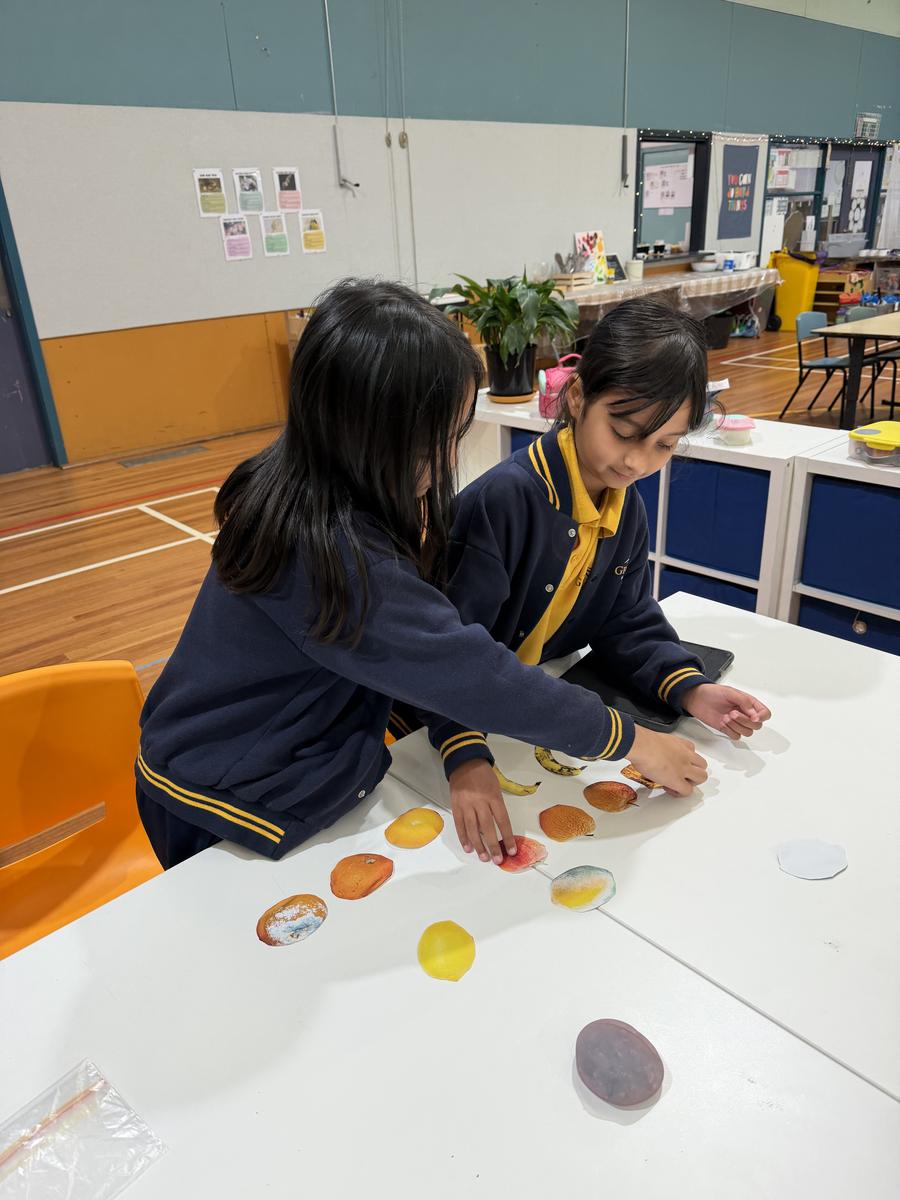
The Year 3s and 4s have completed their Sustain the Chain unit, continuing to investigate the relationships between living things within a habitat. They explored food chains, decomposers and detritivores, and learned about the important role these organisms play in breaking down dead material and returning nutrients to the environment.
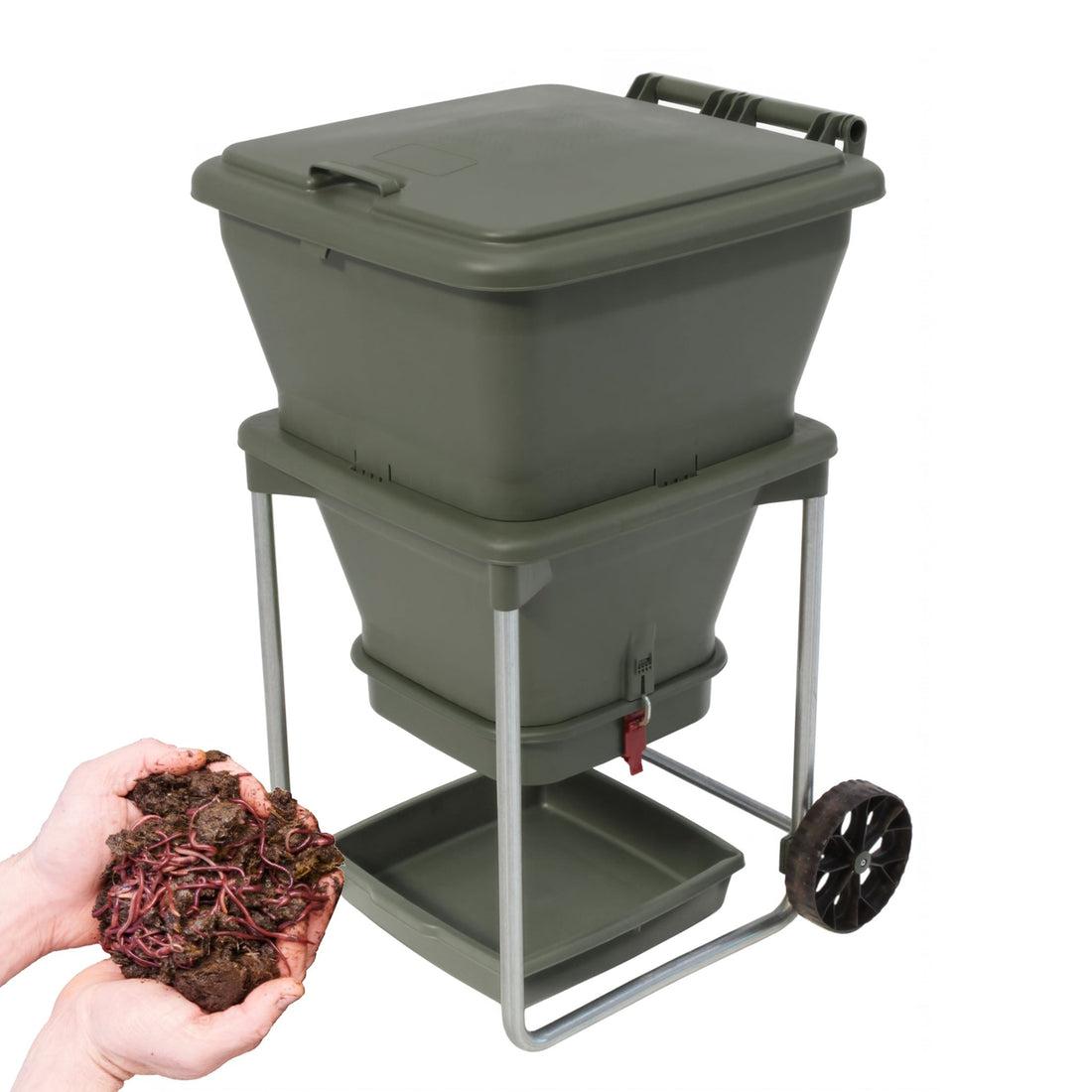
To finish the unit, the students set up their very own worm farm and learned how worms can help turn food scraps into nutrient-rich compost. The Year 3s and 4s will now take on an important ongoing role in helping Great Ryrie become more waste free, by collecting suitable food scraps from around the school and composting them in the worm farm. This will give students the opportunity to put their Science learning into action while helping to reduce the amount of waste going to landfill.
Years 5 & 6
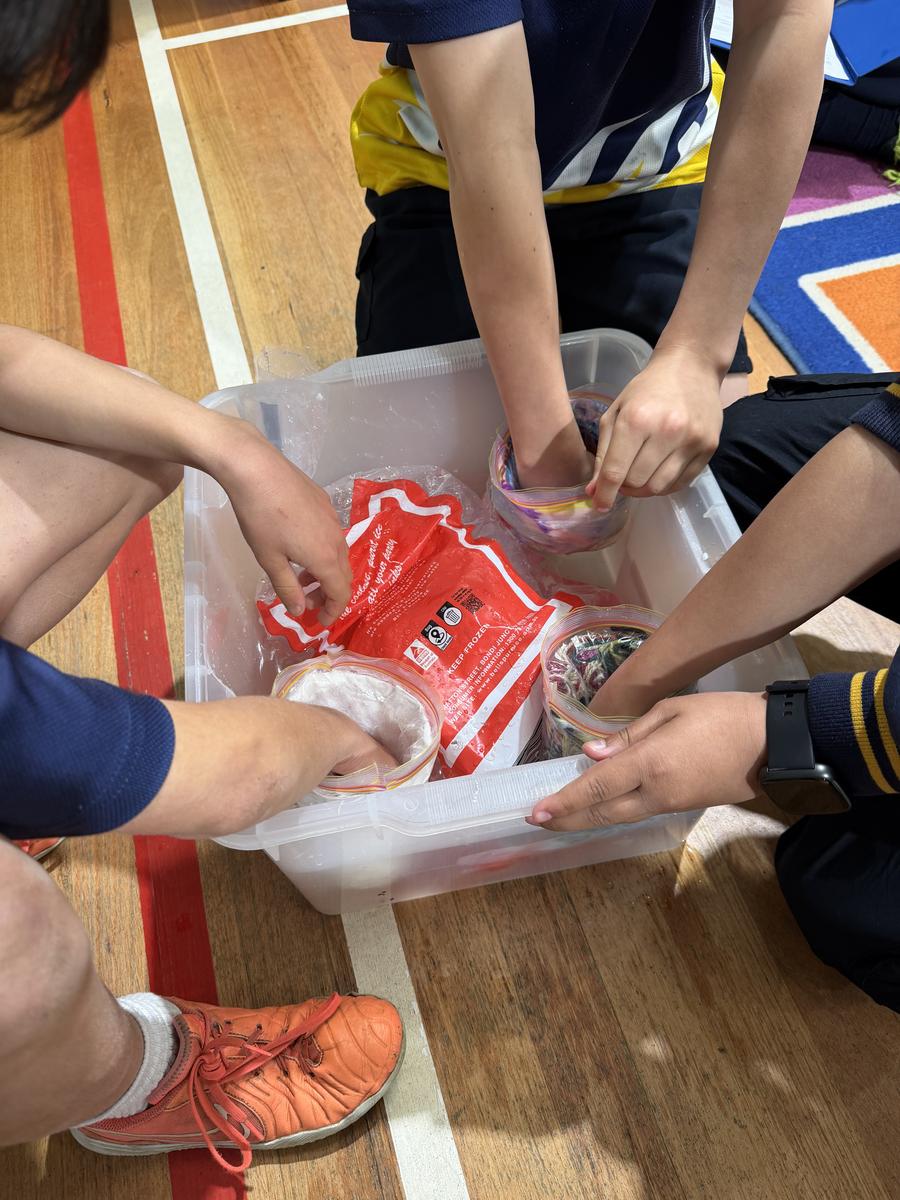
The Year 5s and 6s have finished their Adapt to Survive unit by investigating some fascinating structural and behavioural adaptations. They explored animal adaptations including camouflage and mimicry, and investigated how animals survive cold conditions using insulation such as feathers, fur and blubber.
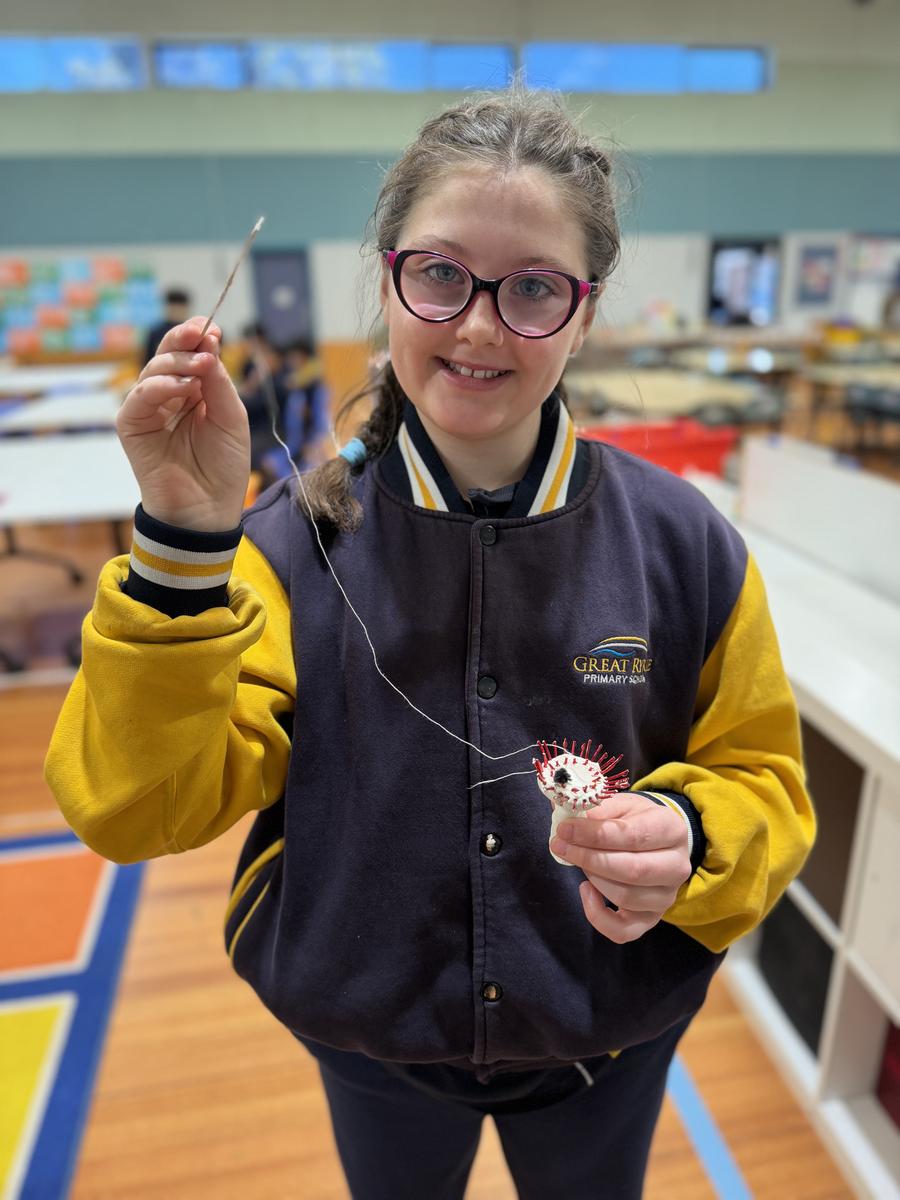
Students also discovered seasonal survival strategies such as migration, hibernation and aestivation, and explored the adaptations of some incredible carnivorous plants. A highlight was creating models of plants such as sundews and pitcher plants to demonstrate how their specialised structures help them trap insects and survive in environments where nutrients can be difficult to obtain.