
Wellbeing Moments
Week 8: Your Wellbeing Moment – Building Resilience
This week’s focus is: Building Resilience
Bouncing Back When Things Get Tough
Life at school moves fast. One moment you're coasting, the next you're drowning in assignments, friendship drama, sport commitments and a hundred other things demanding your attention.
What actually is resilience?
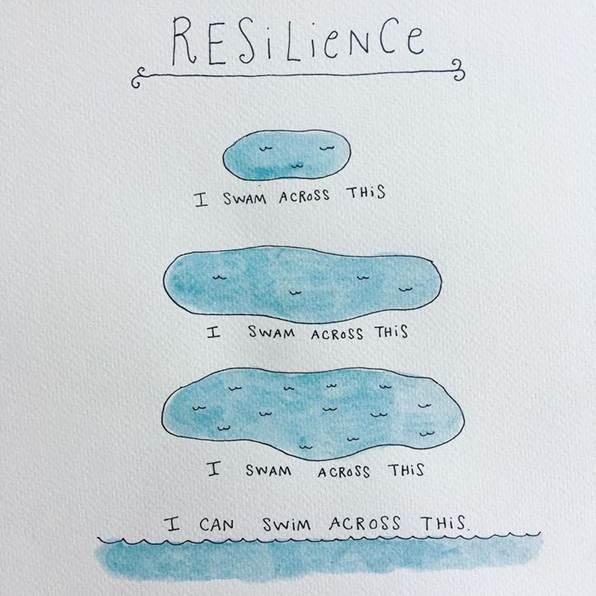
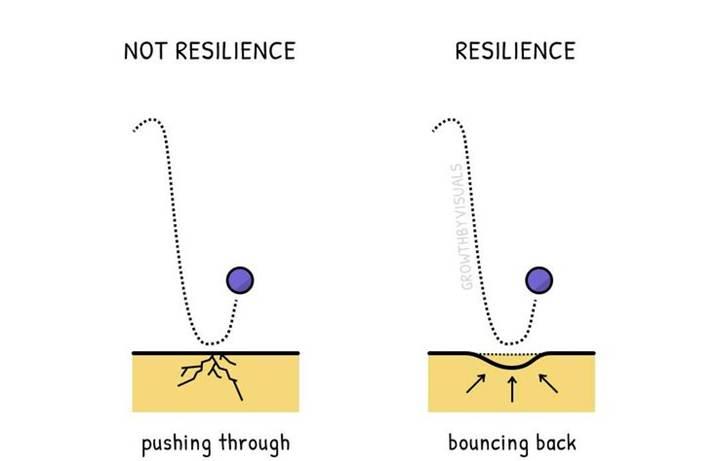
Here's what most people get wrong: resilience isn't about toughing it out or white-knuckling your way through. It's about knowing how to recover and recharge.
Resilience isn’t something you're born with. It builds gradually, through small moments where you get back up after falling down. Importantly, having resilience doesn't mean you never struggle. It means you know what to do, when you do.
The Real Shift
Most of resilience comes down to one thing: how you talk to yourself about what's happening. Instead of "I'm failing" or "I can't handle this," the resilient move is asking: "What's one thing I can actually do about this right now?"
That's the difference.
What Resilience looks like in practice
- Sit with discomfort instead of avoiding it and give yourself permission to feel difficult emotions.
- Ask for help when you need it and recognise that seeking support is a strength, not a weakness.
- Try again or take a different approach after failure and learn from what didn’t work.
- Find what helps you reset such as talking to someone, moving your body or taking a break.
- Focus on what you can control and put your energy into your actions and choices rather than things you cannot change.
- Give yourself time to recover because resilience doesn’t mean immediately bouncing back, resilience takes time.
- Learn from setbacks and ask yourself what the experience can teach you.
- Practise self-compassion when things go wrong and treat yourself with the same understanding and kindness you would give to someone else.
- Take small steps forward and focus on what you can do today
If R U OK? Day (Thursday 10 September 2026) resonated with you this week, remember: resilience isn't built alone. Check in on your mates and be willing to let them check in on you. This is part of what makes you stronger.
Community Spotlight
A wonderful parent from our Mazenod community recently shared The Resilience Project initiative (read more at: https://theresilienceproject.com.au/), a program that offers valuable insights into building resilience in everyday life. The key message is that resilience isn't about avoiding challenges, but learning how to navigate them through practical habits including gratitude, connection, emotional awareness, asking for help, and focusing on what we can control.
See the table below to see how these strategies for resilience from The Resilience Project directly align with our core Mazenod College values and Oblate charism:
| Resilience Project | Mazenod College Values | Strategy for Resilience |
|---|---|---|
| Gratitude | Personal Excellence | Reflecting daily on positive moments and blessings to stay optimistic to help you strive to achieve your personal best. |
| Connection & Emotional Awareness | Compassion, Charity & Respect | Looking out for mates, listening when someone is having a tough day, building empathy and honouring the dignity of ourselves and others by treating one another with respect. |
| Focusing on What You Can Control & Asking for Help | Courage & Passion | Directing energy toward what we can influence and having the courage to reach out when we need support. |
This wonderful resource can be adapted into the lives of young men to support them in growing into resilient Mazedonians.
If you ever want someone to talk to, please check in with your Head of Year or our College Psychologists.
Pia Kagi
Psychologist