
Prep/1 Mainstream
Well done to all of our Foundation and Year One students on completing their swimming lessons! Students have had the opportunity to build their swimming skills, confidence and safety in the water, whilst demonstrating independence by getting themselves dressed after swimming, ensuring they have all of their belongings and helping others.
During our last week of discovery learning for the term, students will explore the movement between the sun, Earth and the moon. They will make models of this relationship and learn about how different types of eclipses occur.
Literacy
In Reading, students will continue to focus on phonics, including sounding out words, reading fluency and spelling words. Students in both Foundation and Year One are revising spelling patterns with a spelling word list. Students in Foundation have been practicing ‘ng’, ‘ph’ and ‘wh’ (Sing a Song, Elephants and dolphins. Where are the whales?). Year One students have been looking at ‘or’ as in sports shorts and ‘aw’ as in Mr. Shaw.
In Writing, students continue to focus on developing their writing stamina. They have continued to work on their story writing, making sure there is a beginning, middle and end to their stories, as well as developing the characters and setting. They have also looked at adverbs (quickly, happily, beautifully) and how we can use them to make our writing more interesting. Students will continue to focus on the following secretarial skills:
- Writing the sounds they hear in each word
- Starting a sentence with a capital letter
- Putting a finger space between each word
- Ending a sentence with a full stop, question mark or exclamation mark.
- Forming letters correctly
Maths
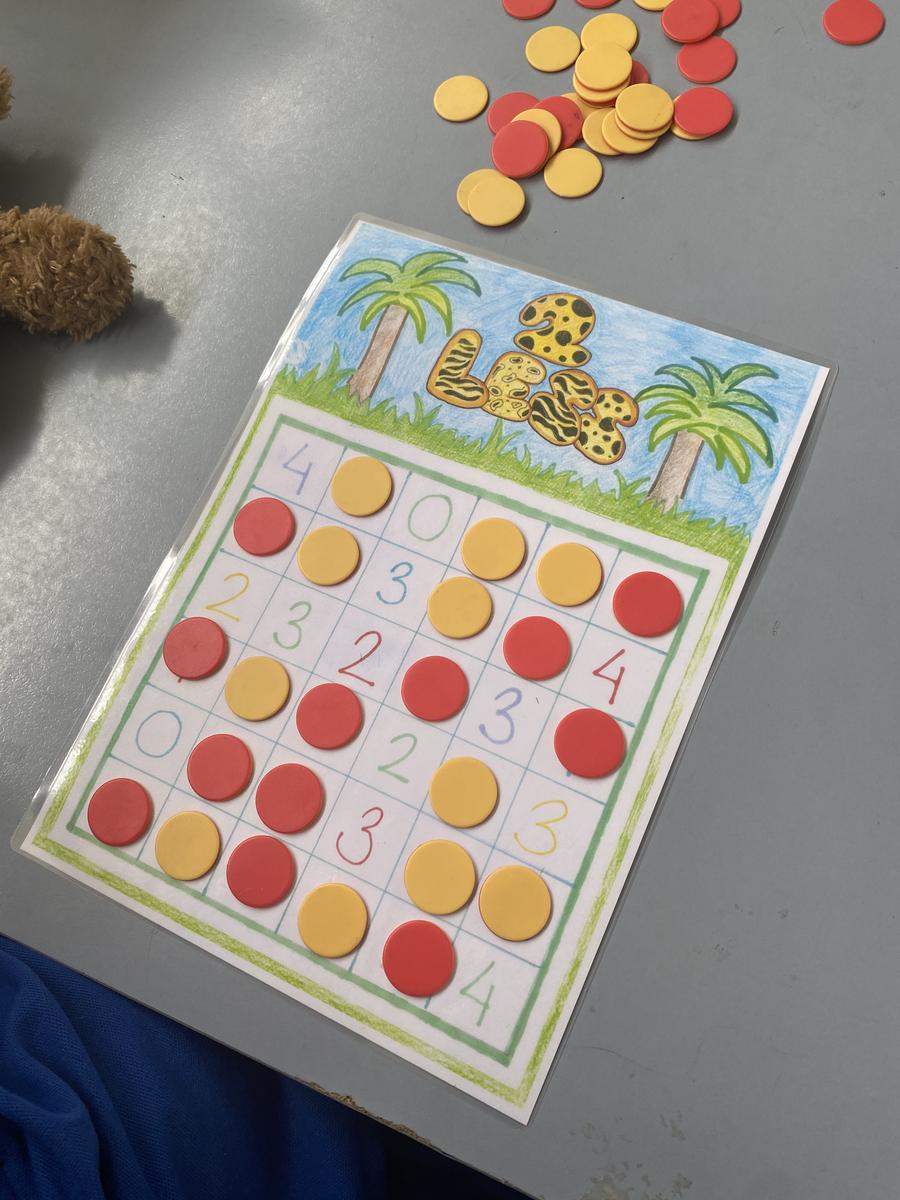
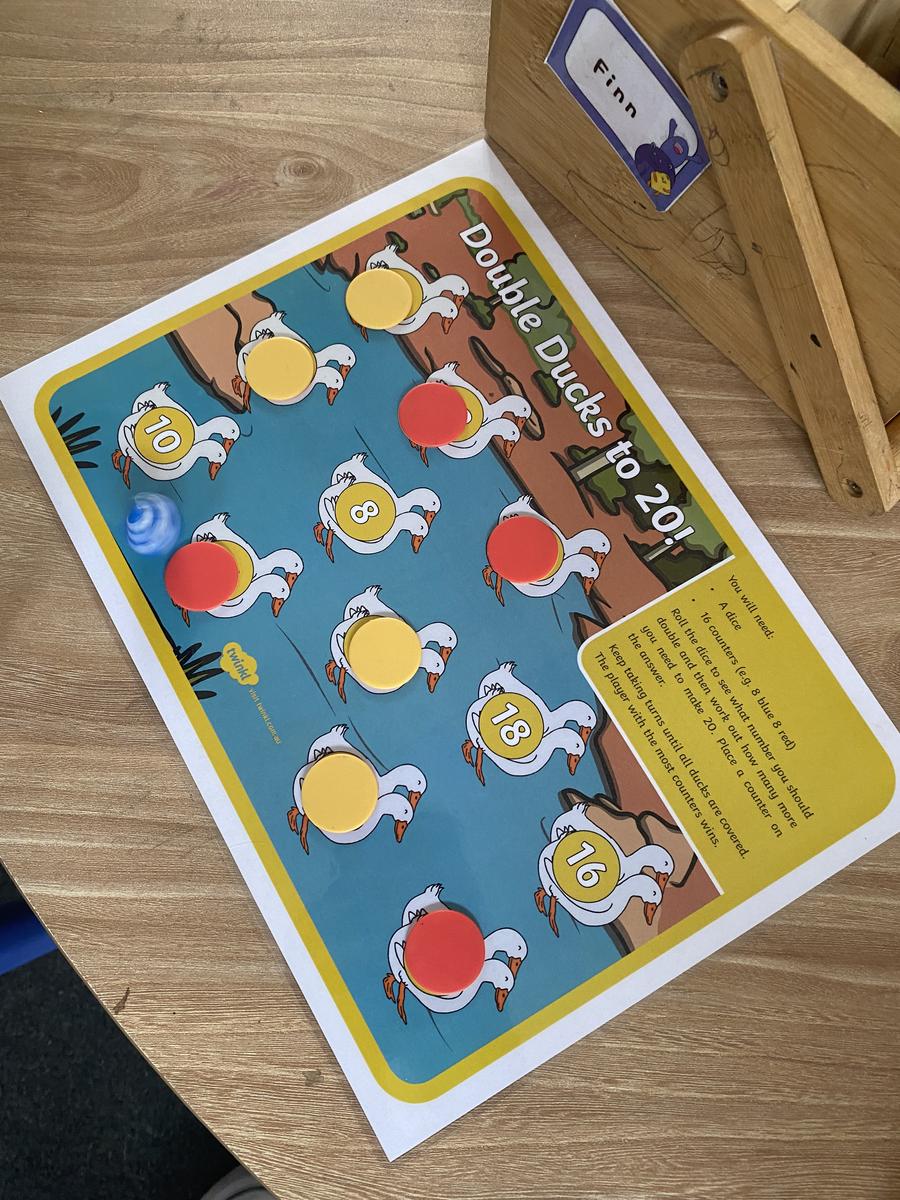
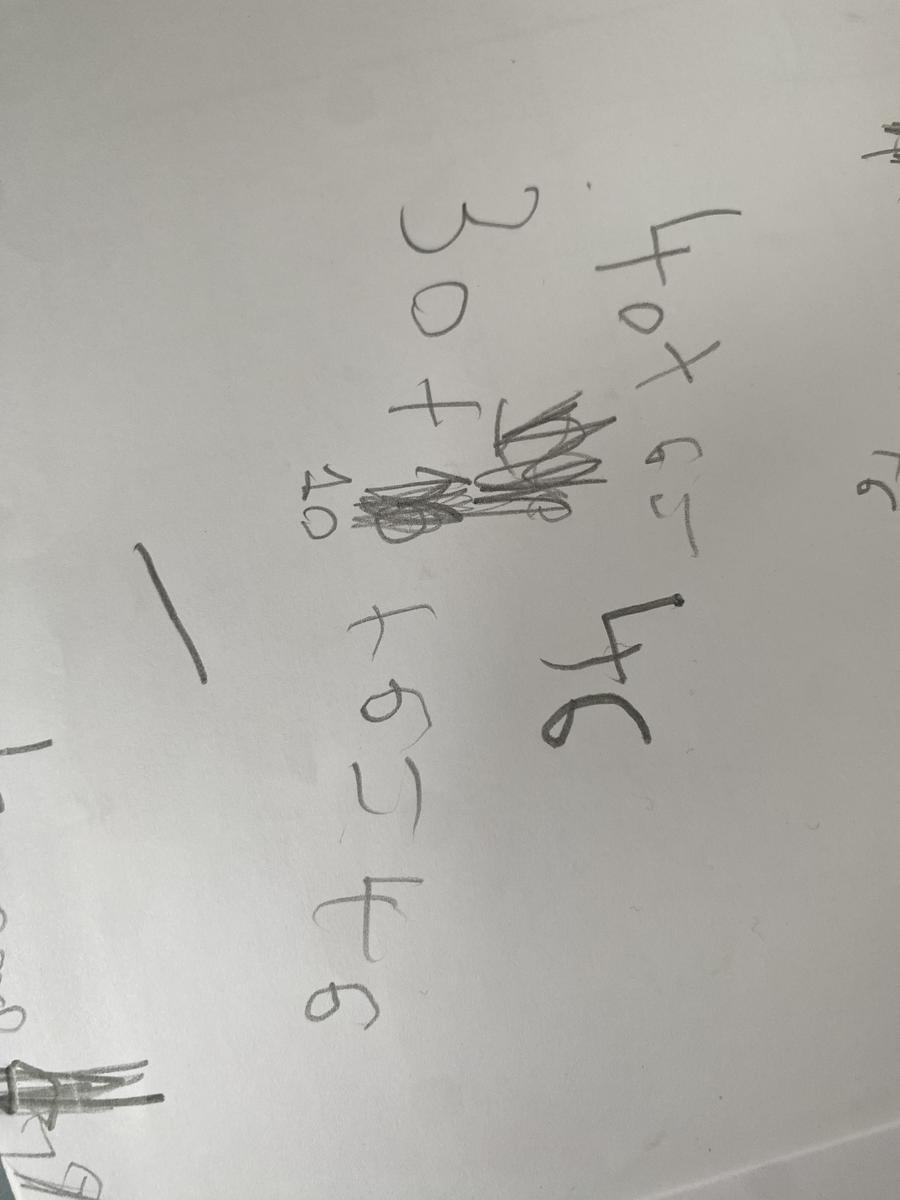
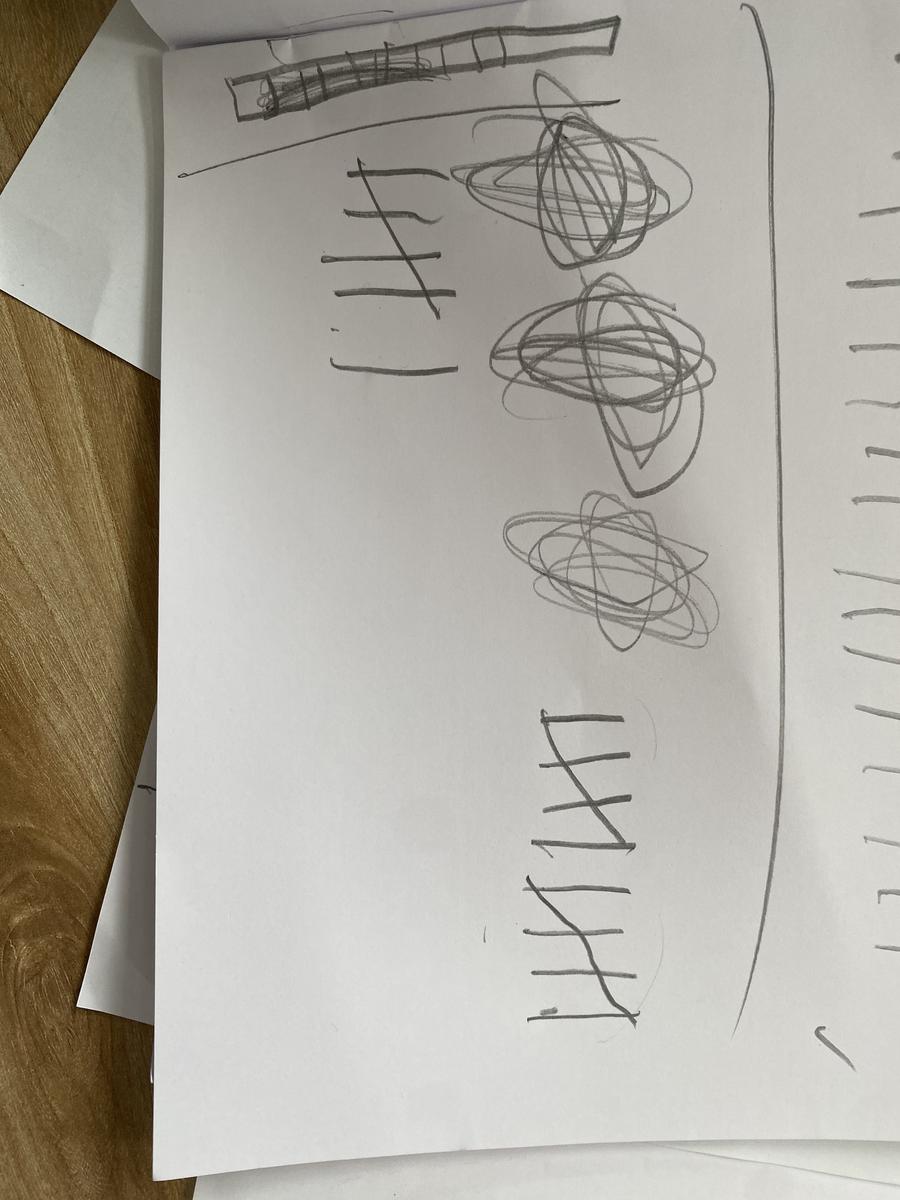
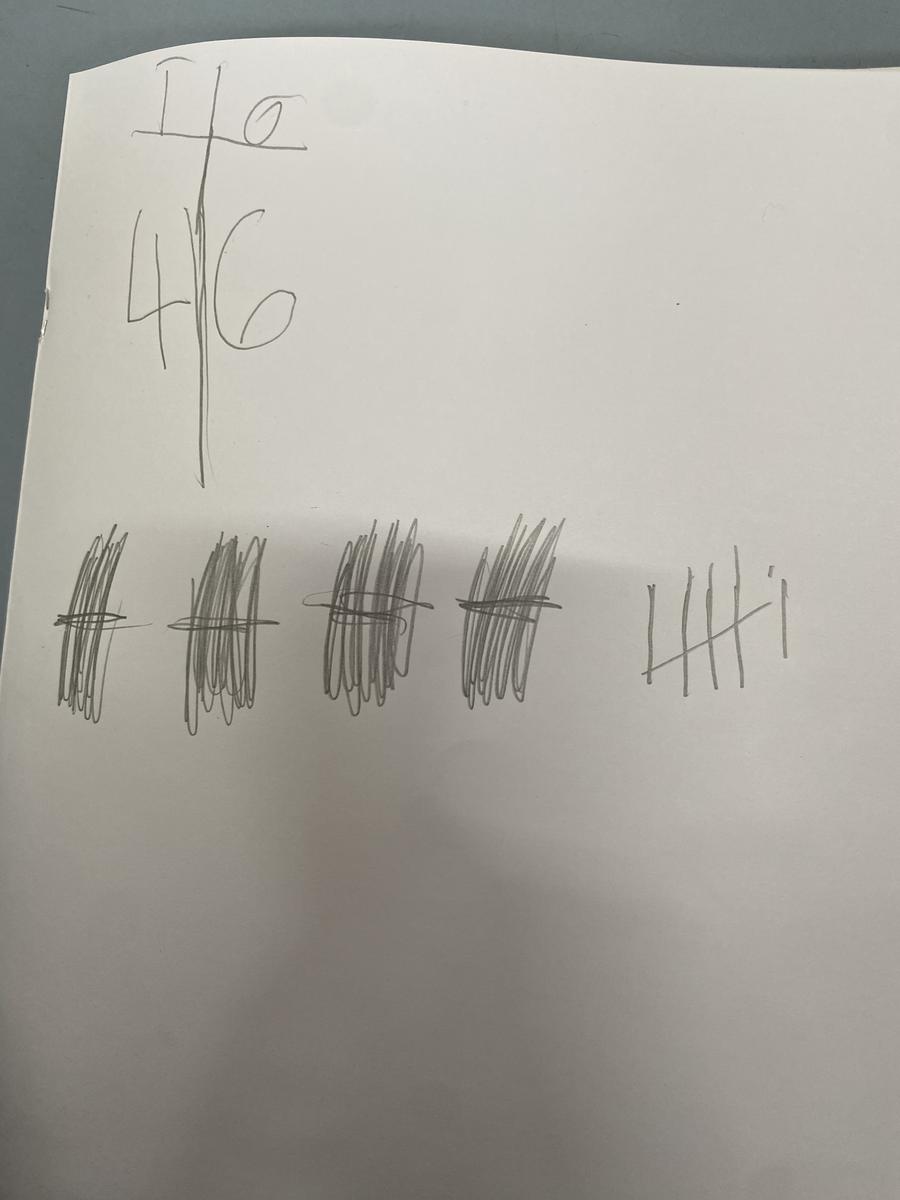
In Mathematics, students continue to explore ways to collect, sort and interpret data. They have also been building problem solving skills, including exploring ways we can represent our thinking. This includes using number lines, tens frames, bundles of ten/singles, and other maths drawings. They have been building independence by perseverating through ‘sweaty brain time’ and developing their understanding that problems can have more than one solution!
We encourage families to continue practising maths at home. Here are some simple games and activities that you might like to try:
Game 1: Kolap
An Australia Indigenous game traditionally played with seed pods from trees.
You will need at least two players, two hoops (or drawn circles), and 5 small objects (beanbags, sticks of a similar size or natural materials).
- Player 1 stands approximately 5 metres from the hoop (increase or decrease this depending on throwing ability). They throw each of their objects to land in the hoop.
- Record how many of your objects land in the hoop using tally marks.
- Player 2 has a turn. They then record tally marks for the number of successful throws into the hoop.
- Repeat approximately 5 times each, count the tally marks, then create a bar graph to show who threw the most objects into the hoop.
- The player with the longest bar is the winner!
Challenge: What would your bar graph look like if two tally marks was equal to one increment on your scale?
Game 2: Tens or Hundred Facts Memory!
This is an easy and fun game to play on your own or with a partner. Remove the picture cards from your card deck. Ace is worth 1.
- Spread all of your cards out and place them face down.
- Turn over any two cards at a time and try to find as many sets of ten as you can! Eg. 9 and 1, 8 and 2, 7 and 3, etc.
Challenge: Pretend each card is a multiple of ten (eg. 9 = 90). How many hundreds facts can you find?
See if you can record ALL of the number sentences for your tens and hundreds facts!
Game 3: Addition Snap!
This is an easy and fun game to play with a partner. Remove the picture cards from your deck. Ace is worth 1.
- Divide your cards into two piles face down. One for your partner and one for you.
- Say “Ready, set, go!” Both partners place a card from their own pile down in the middle. The first person to add the cards together keeps the set.
- Repeat until all cards are gone. The person with the most cards at the end is the winner!
Challenge: Pretend the cards are multiples of ten. 6 + 3 becomes 60 + 30.