Wellbeing
Building Emotional Literacy
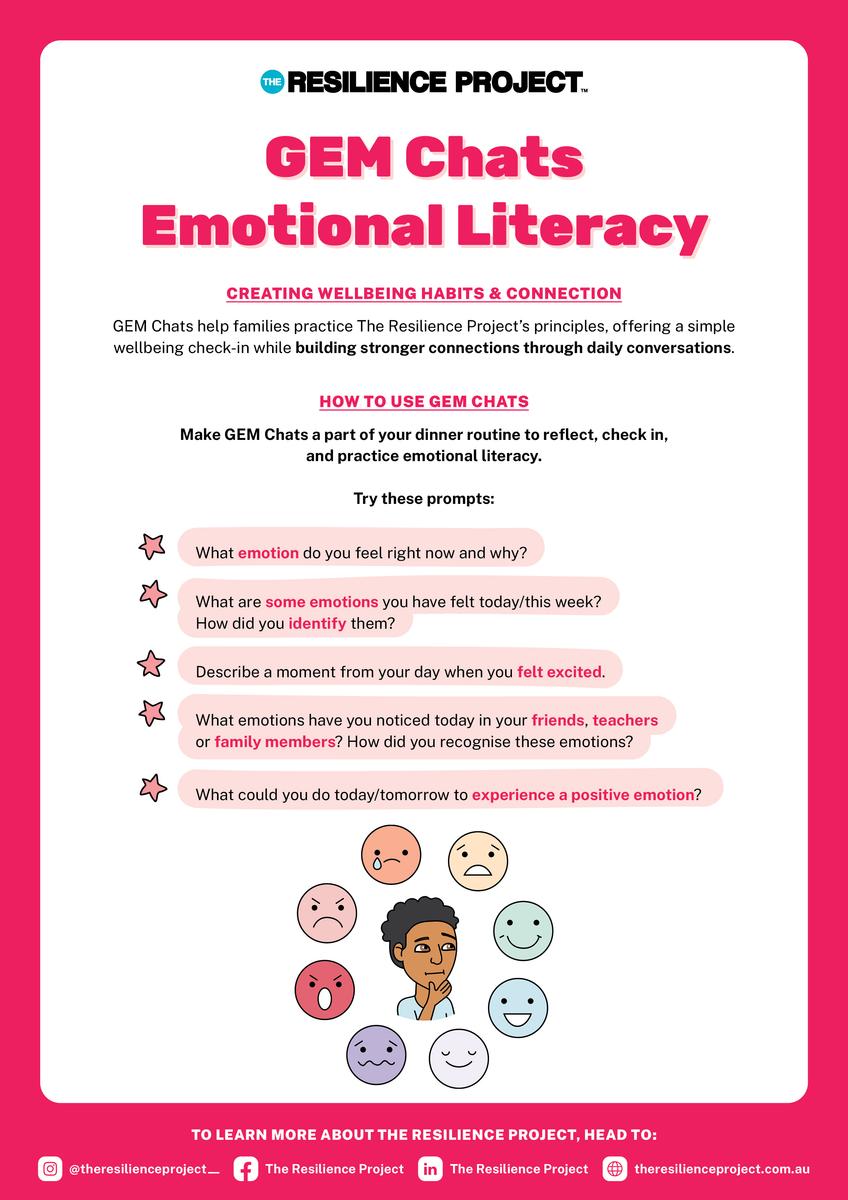
As part of our wellbeing learning at school, students have been developing their emotional literacy. Emotional literacy is the ability to recognise, understand and communicate our feelings, as well as recognising how others may be feeling.
Helping children develop emotional literacy gives them the skills to better manage their emotions, communicate their needs and build positive relationships with others. We encourage students to identify and name their emotions and understand that all feelings are okay. We also talk about how emotions can affect our thoughts, behaviour and actions.
In the classroom, students are encouraged to use words to describe how they are feeling and to consider what may have caused an emotion. We practise strategies such as deep breathing, mindfulness, taking a break, talking to a trusted adult and using positive self-talk to help manage big feelings.
Families can support emotional literacy at home by regularly talking about emotions. Try asking questions such as “How are you feeling today?”, “What made you feel that way?” or “What could help you feel better?” Reading books together and discussing how characters are feeling is also a wonderful way to build these skills.
By developing emotional literacy, we are helping our students become more confident in understanding themselves, showing empathy towards others and making positive choices.