
Science
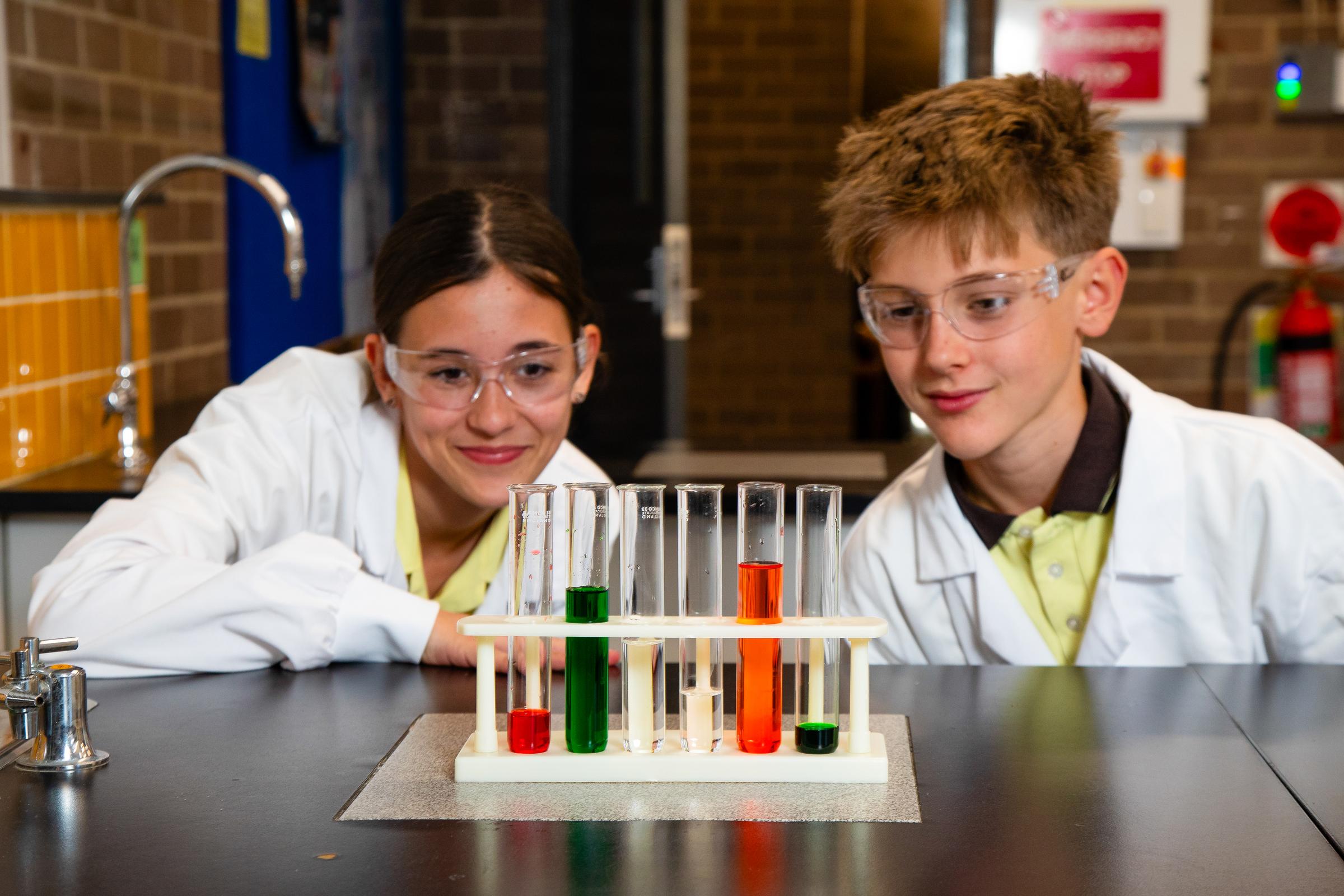
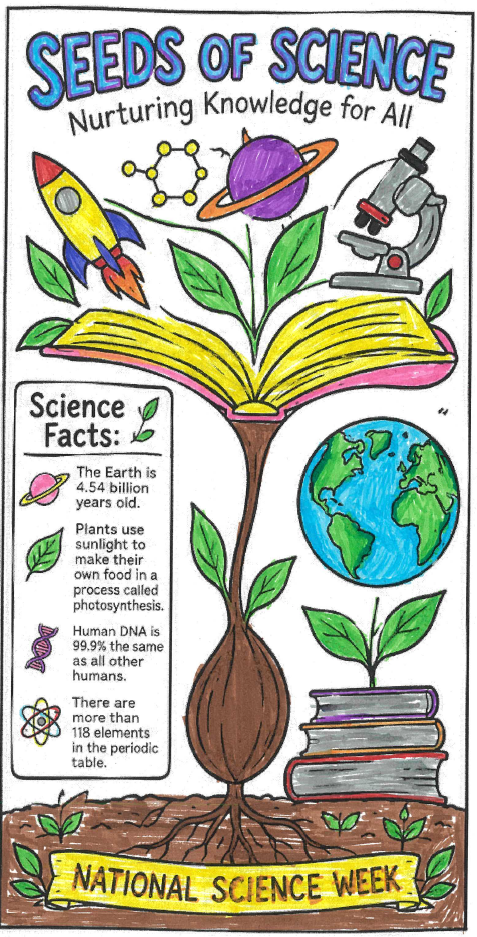
Science Week 2026: Seeds of Science – Nurturing Knowledge for All
This year’s Science Week at Elderslie High School embraced the theme Seeds of Science: Nurturing Knowledge for All, celebrating curiosity, discovery, and growth. The Science Faculty organised a fantastic range of interactive and engaging activities throughout the week that captured the imagination of our students.
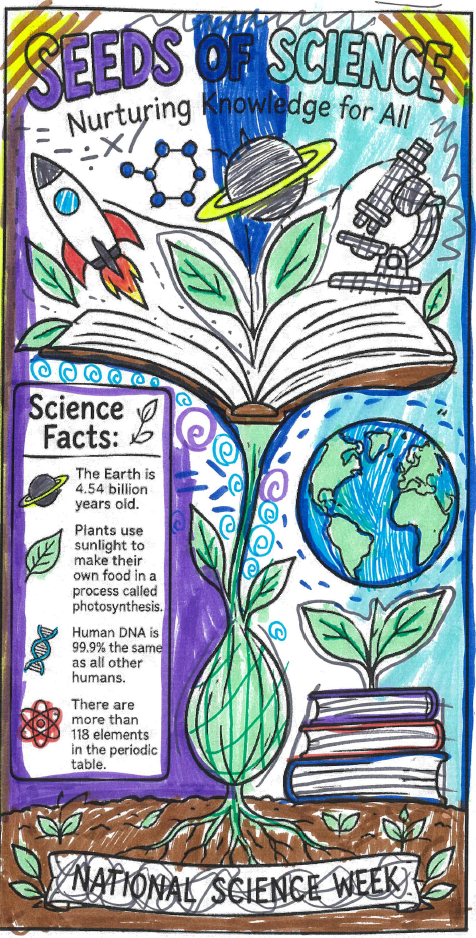
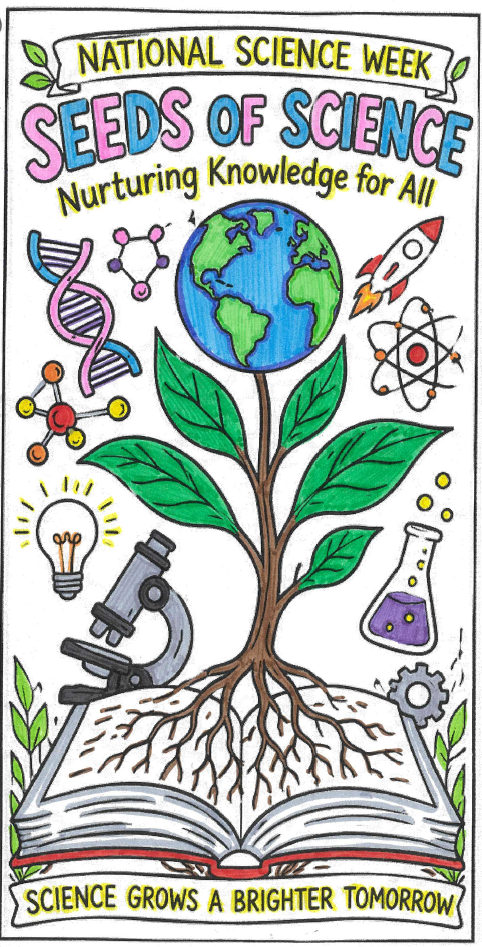
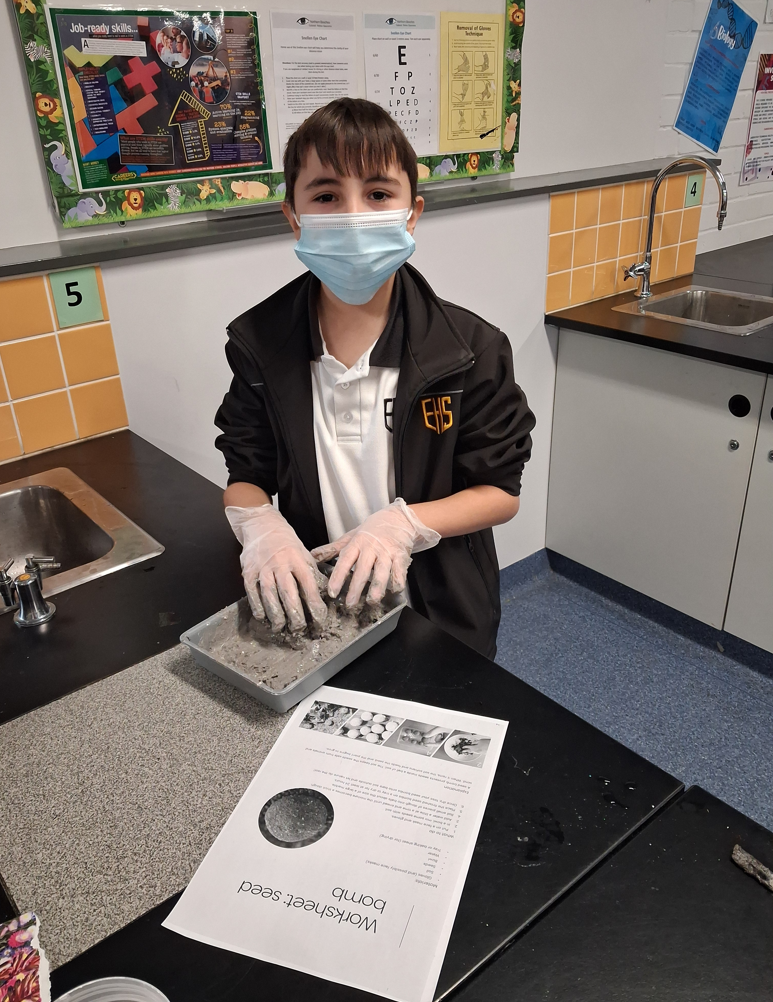
Highlights included an exciting excursion to the Sydney Water Purified Recycled Water Discovery Centre, where students gained real world insights into sustainable water management. Senior Biology students delved into body systems with fish dissections, exploring the specialised body systems. Back at school, students took part in a STEM building challenge using spaghetti, tested their knowledge in a fiercely competitive lunchbreak science trivia quiz completed by over 150 eager participants, and got creative by entering a vibrant colouring competition. Many also had fun making seed bombs to beautify their home gardens, seeding a greener future!
Speaking of science trivia, here’s an intriguing fact: In 2023, scientists were awarded an Ig Nobel Prize for investigating whether geologists should lick rocks. Curious about the verdict? (See the answer at the end of this article.)
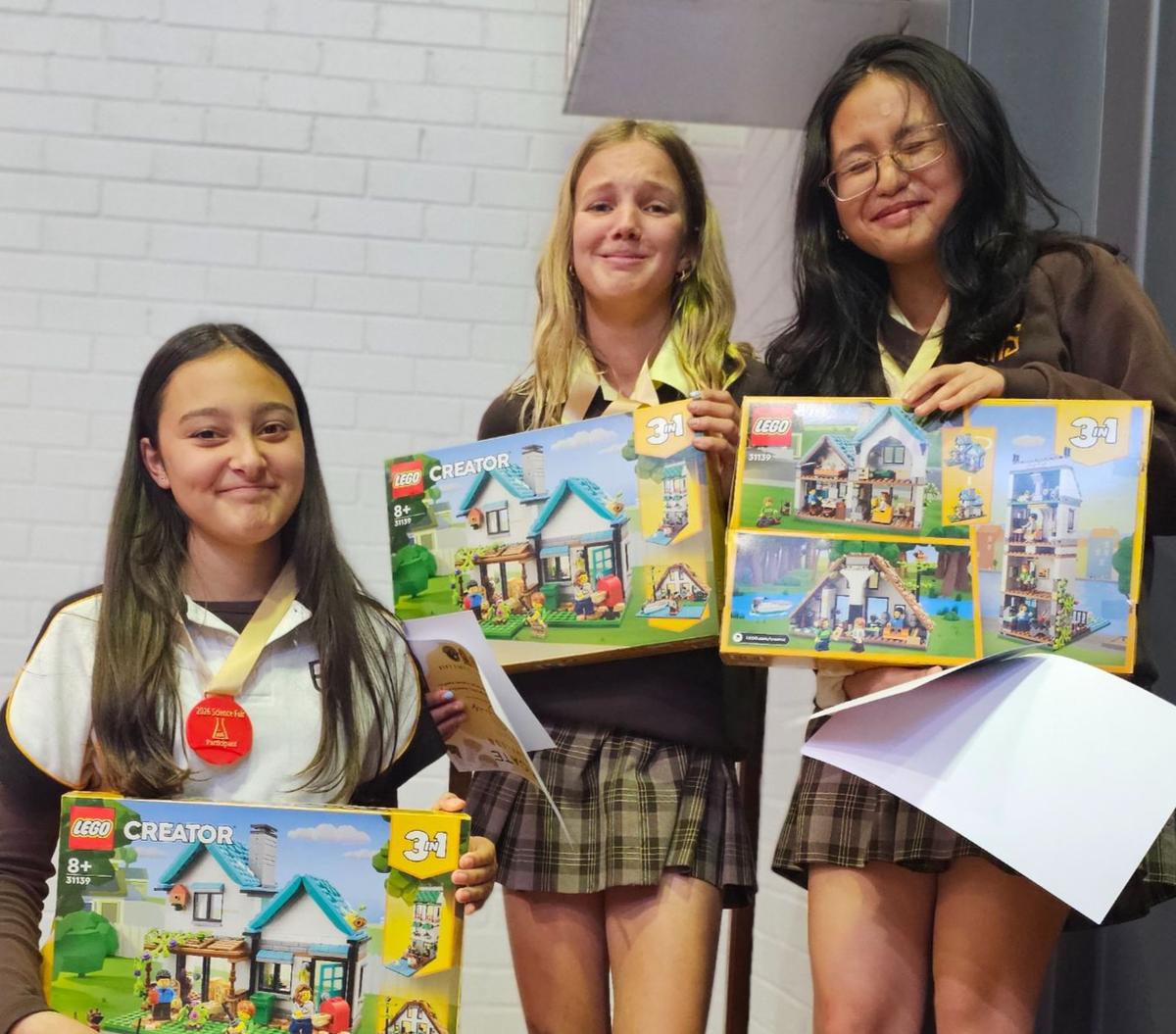
It was wonderful to see so many budding scientists eager to learn and participate. To celebrate their enthusiasm and achievements, several movie vouchers were awarded to top scorers across each year group.
Science Week 2026 was a success, hopefully inspiring the next generation of explorers and innovators at Elderslie High School.
Answer: Licking rocks is a legitimate field technique. A wet tongue highlights the rock surface, allowing fossil and mineral textures to stand out. This dates to the 18th-century Italian Giovanni Arduino, who wrote descriptions of a multitude of flavours experienced by tasting the burnt, boiled or dissolved remains of his rock specimens. But don’t try this at home, as some rocks can contain harmful materials, like lead.
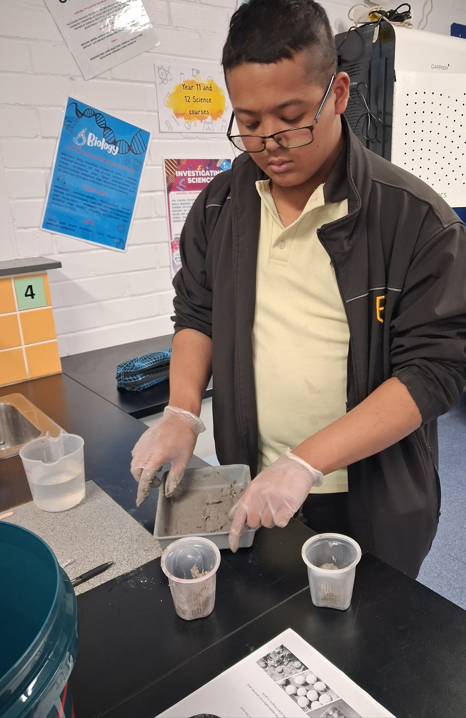
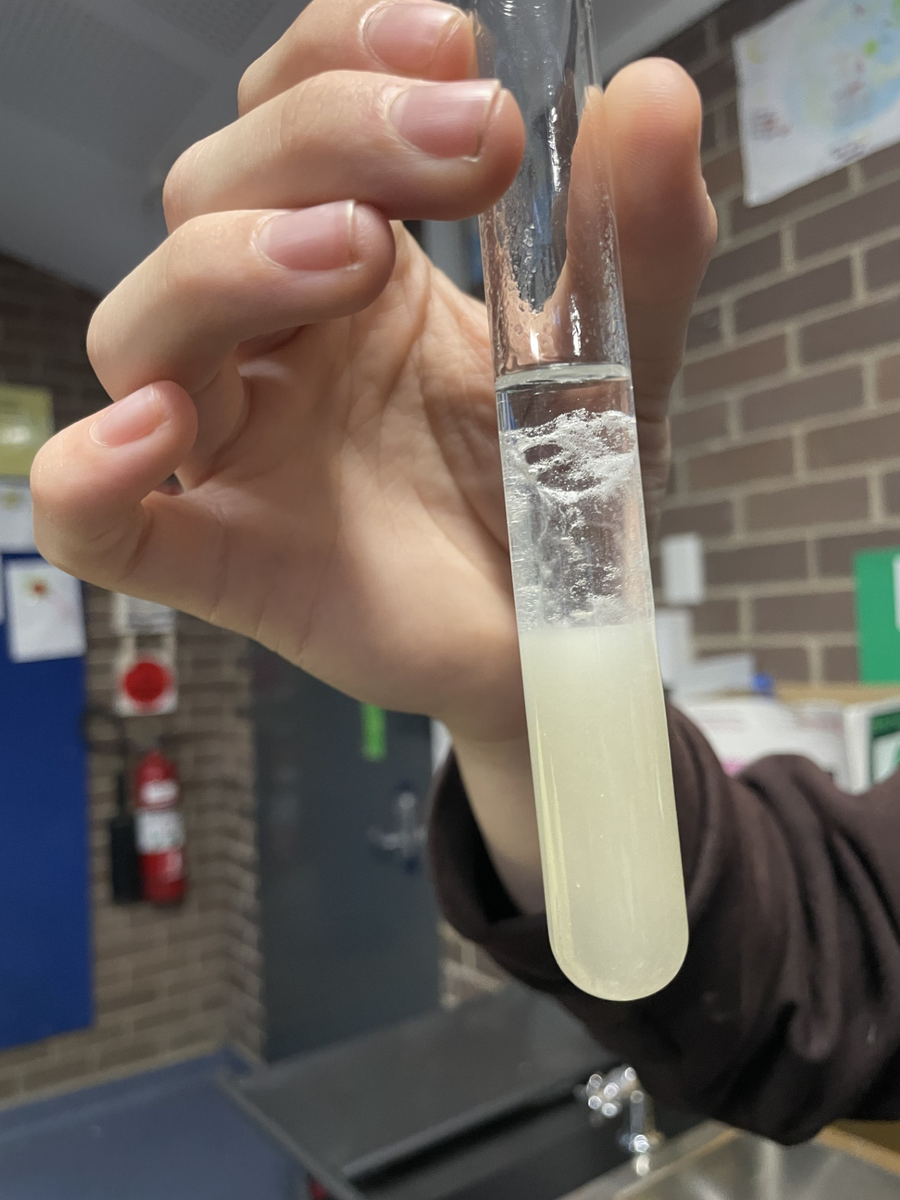
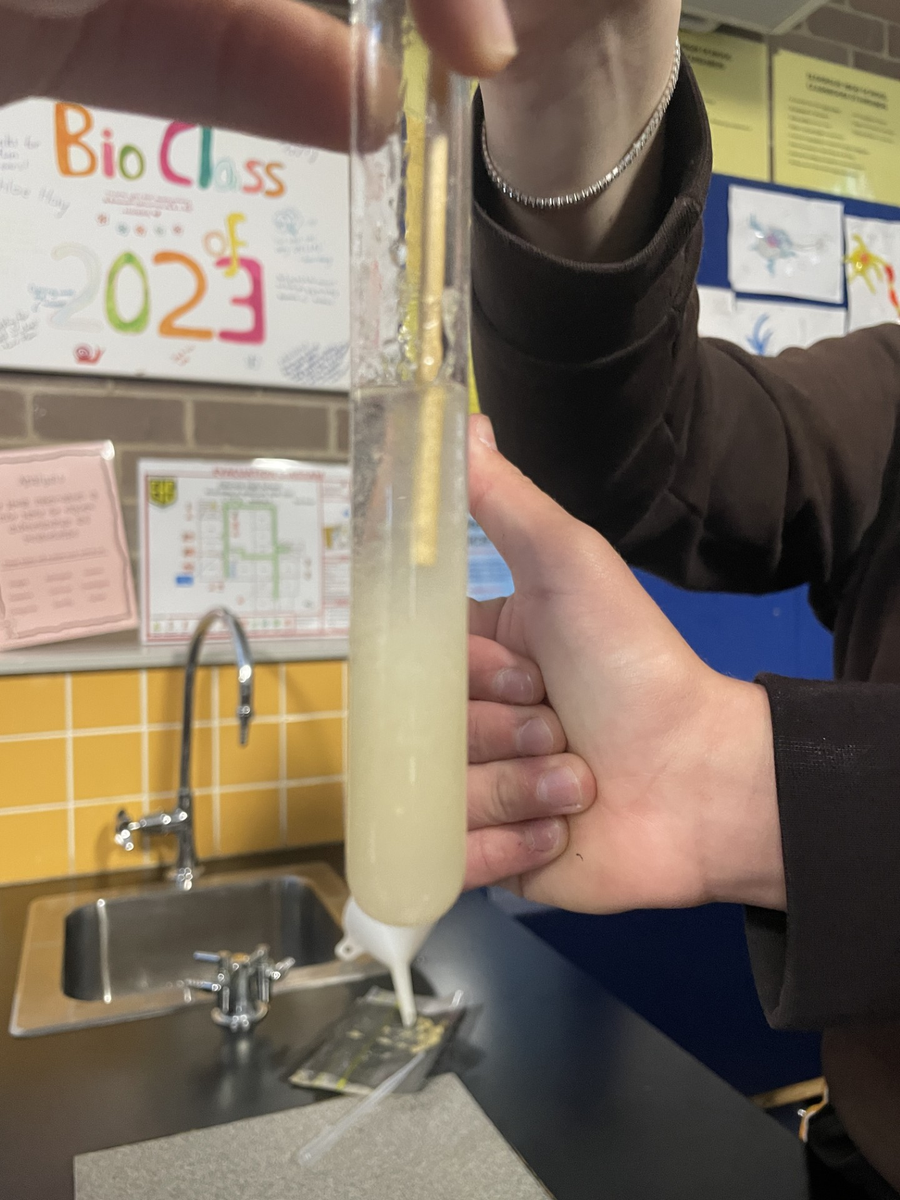
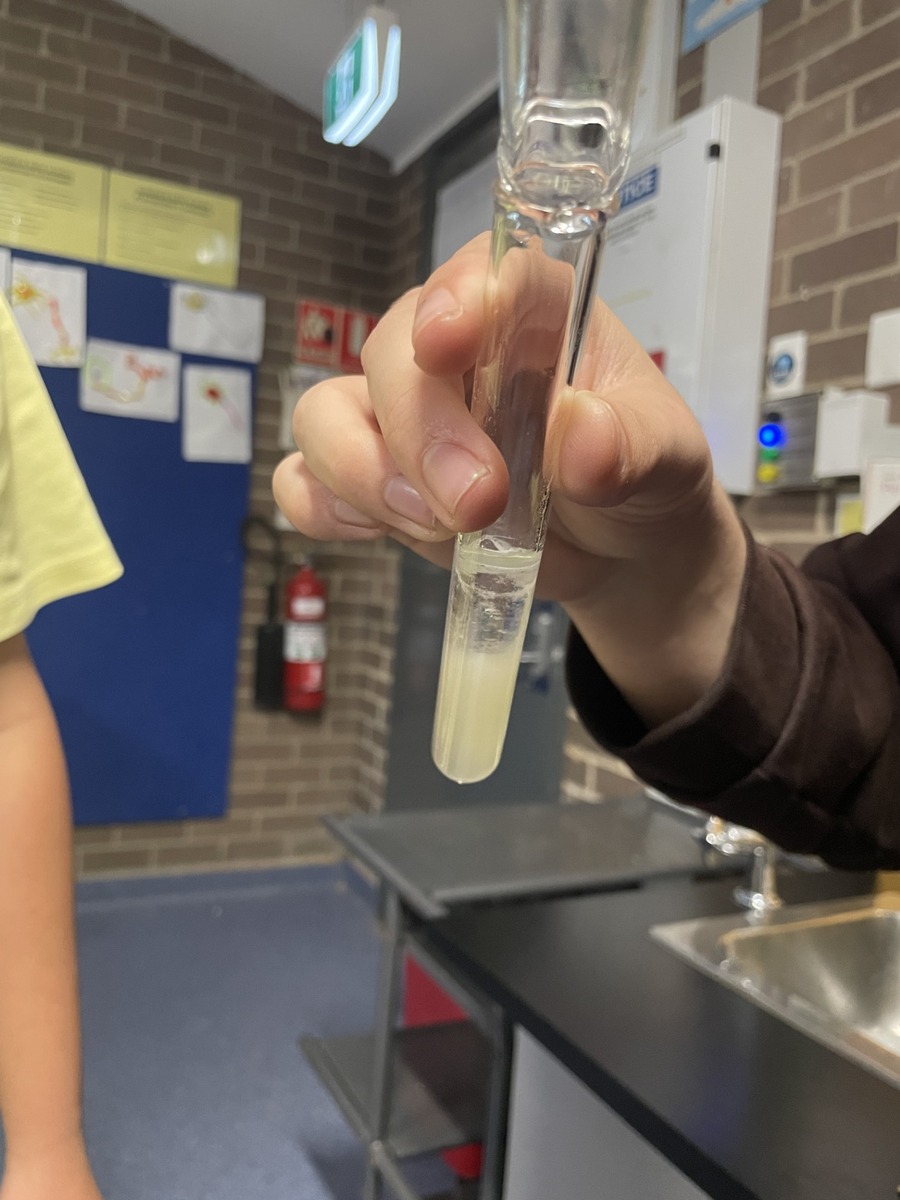
Our 10SCIO Science students recently took part in an exciting hands-on investigation, extracting DNA from banana. Students were able to isolate and observe the long, white strands of DNA that carry the genetic instructions for all living organisms.
This practical experiment brought classroom learning to life, allowing students to explore the structure and function of DNA while developing their scientific investigation skills. Students followed experimental procedures, made observations, and discussed how DNA extraction is used in real-world fields such as forensic science.
The activity was a fantastic opportunity for students to apply their knowledge in a practical setting and experience the excitement of scientific discovery firsthand.
Community of Schools Science Fair:
Celebrating Curiosity, Innovation, and Achievement
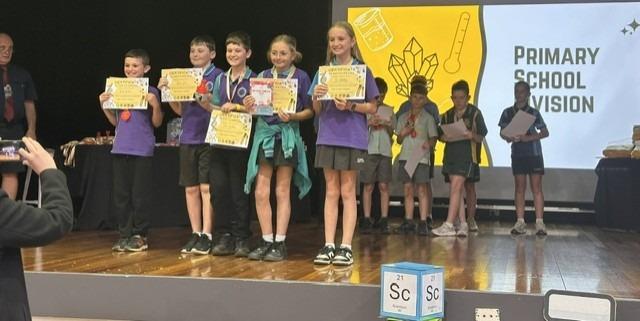
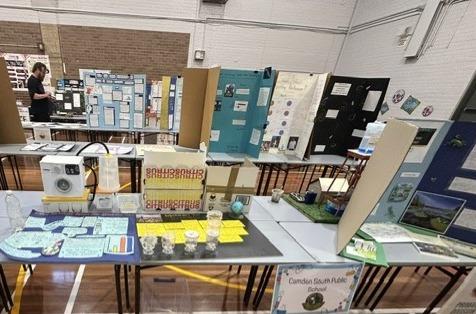
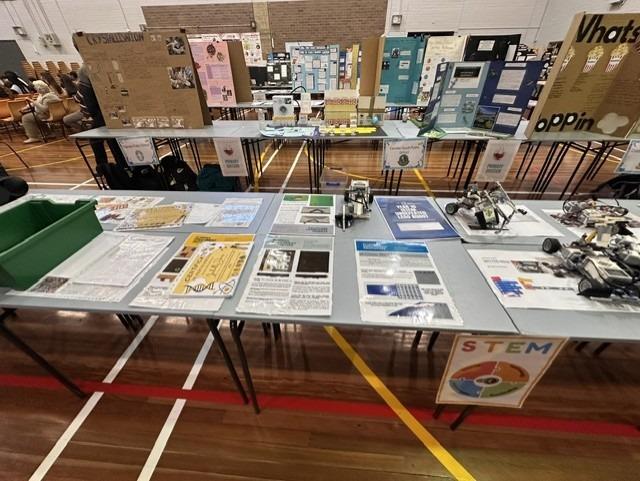
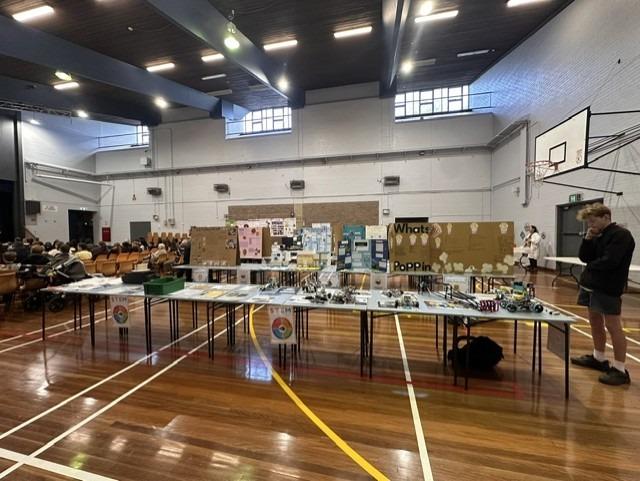
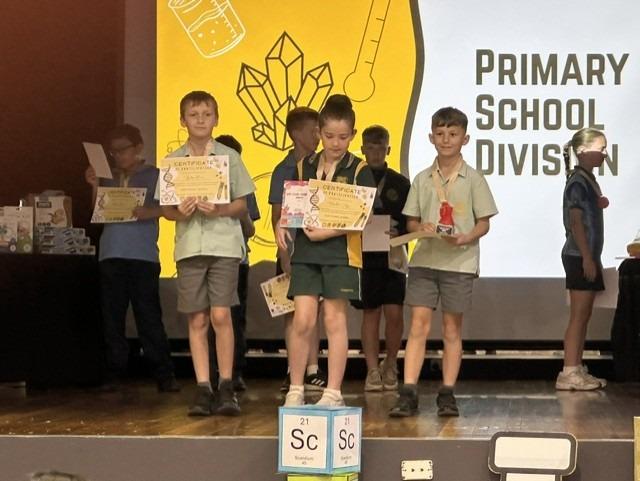
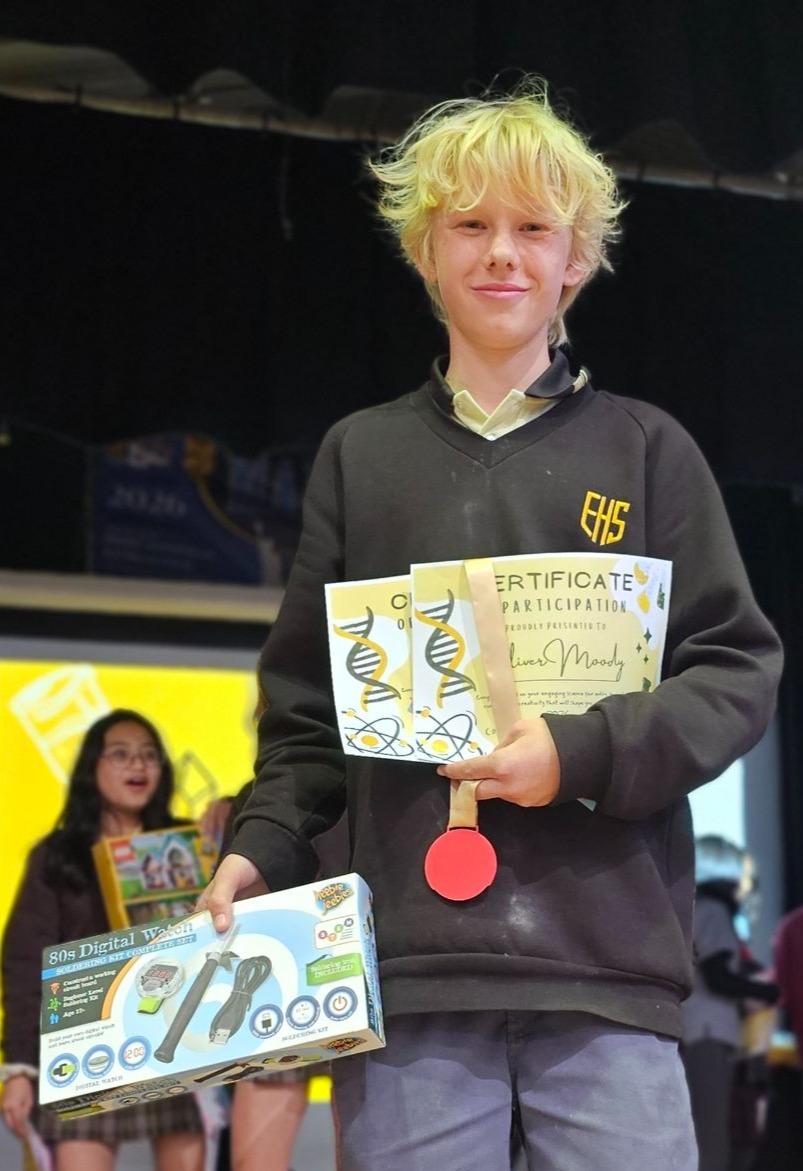
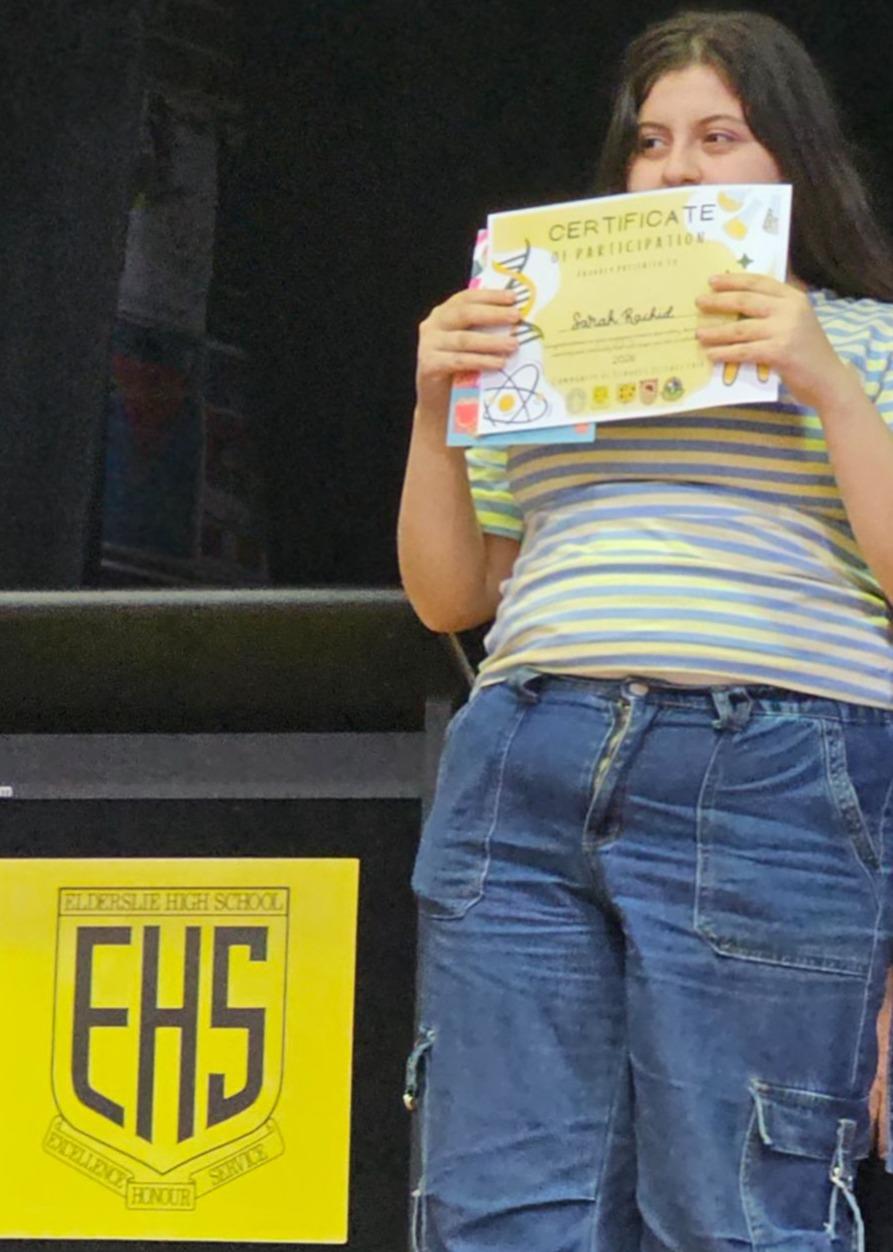
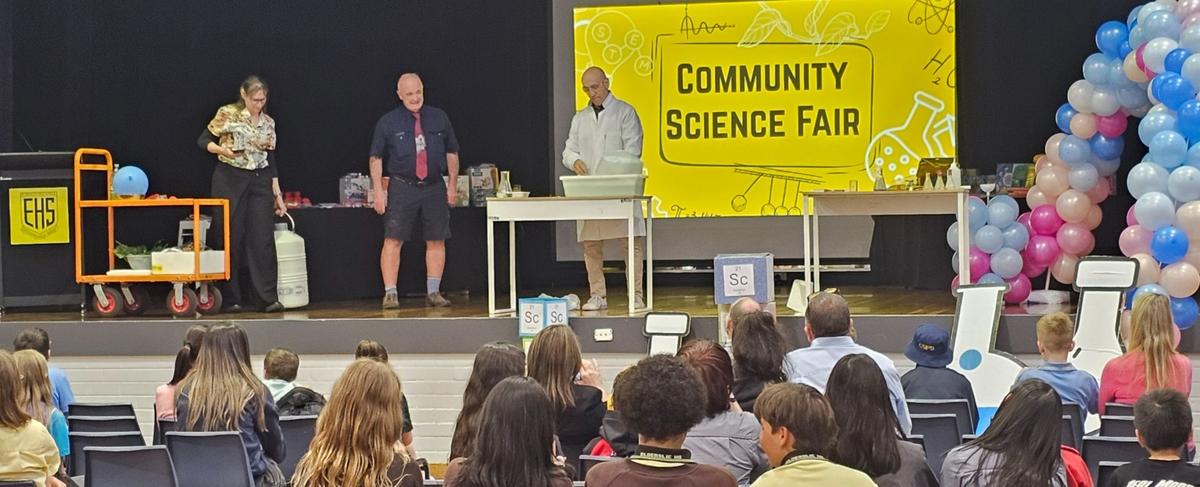
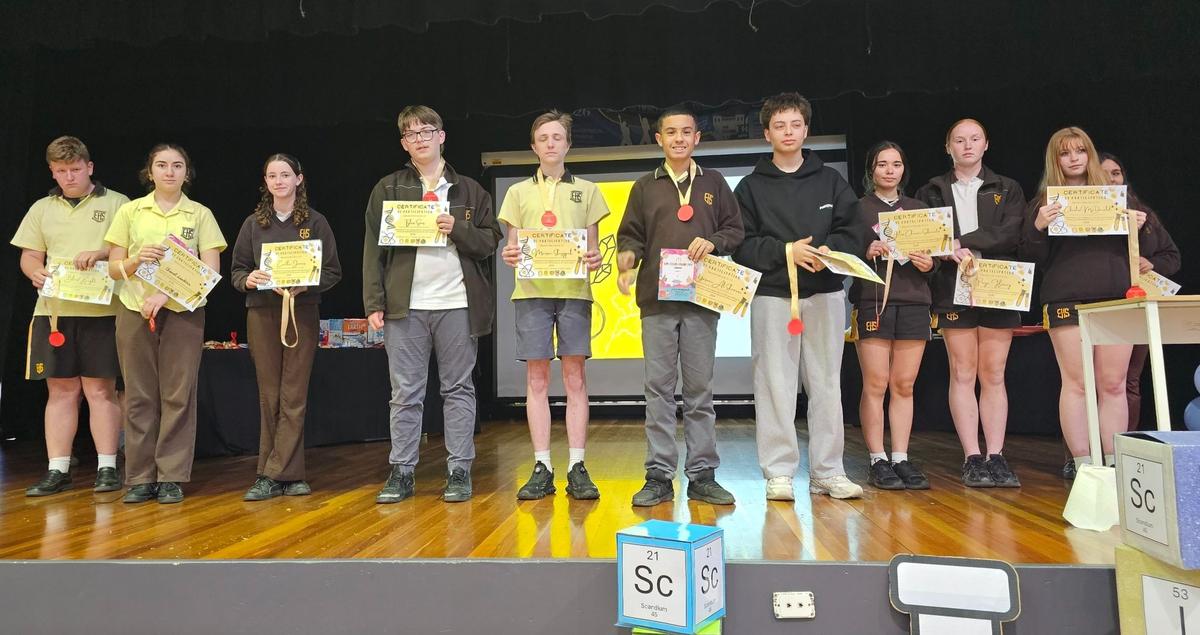
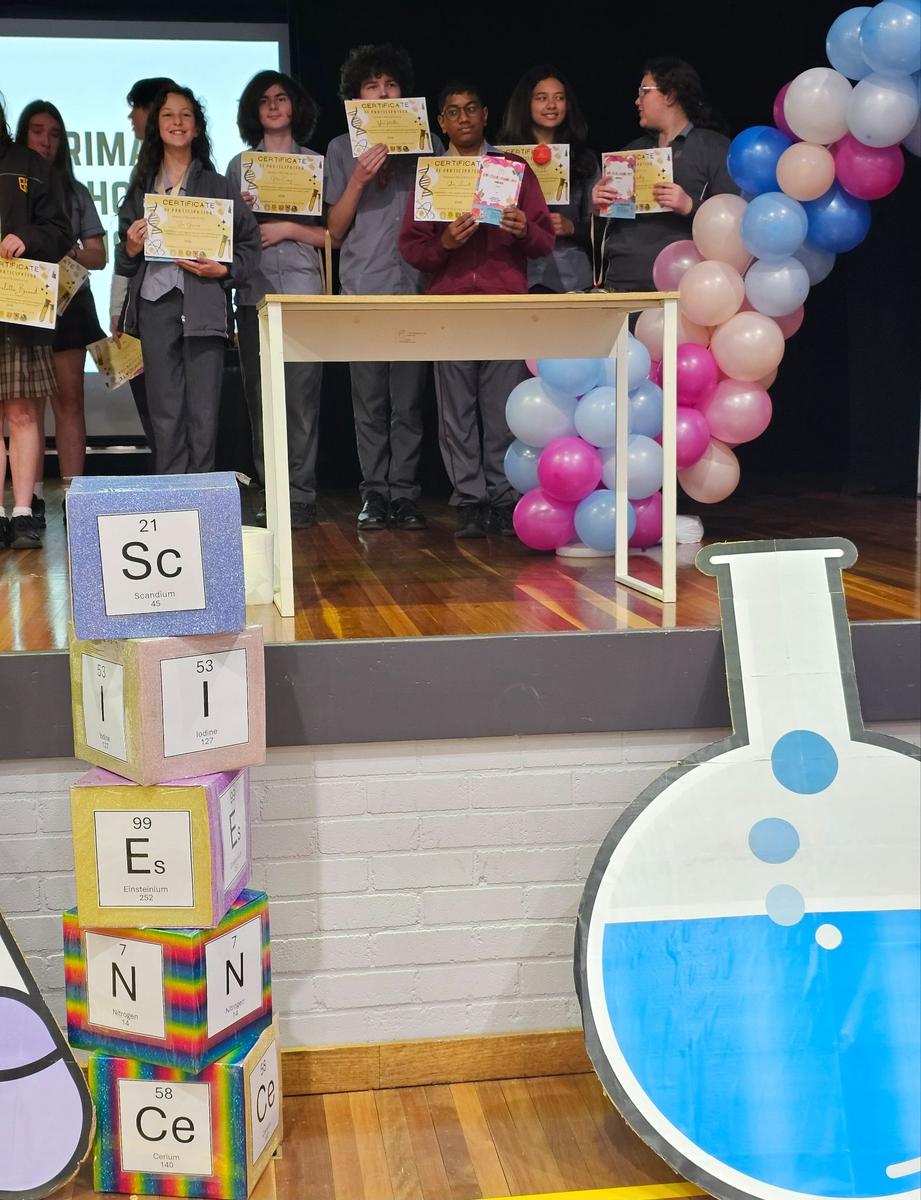
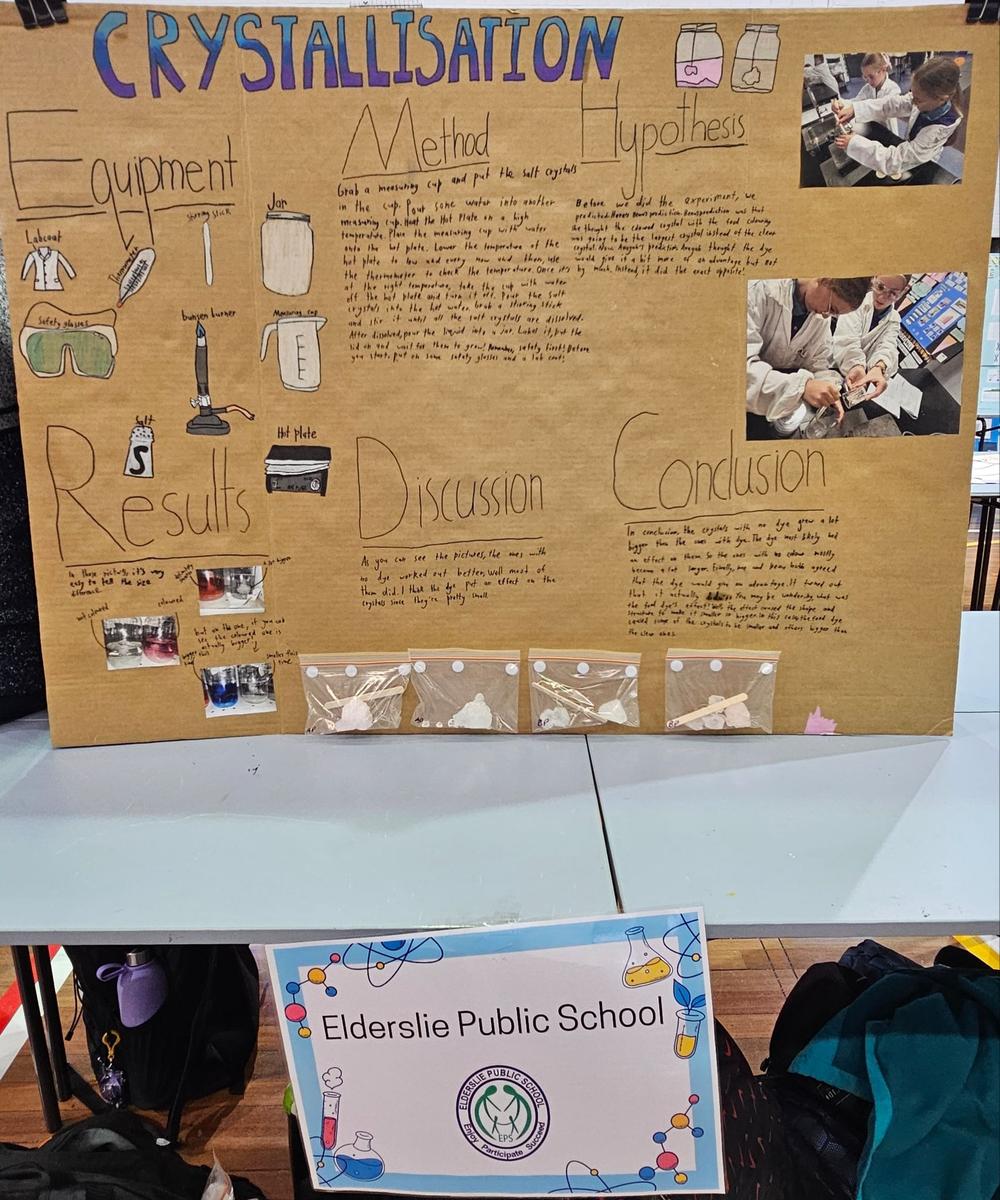
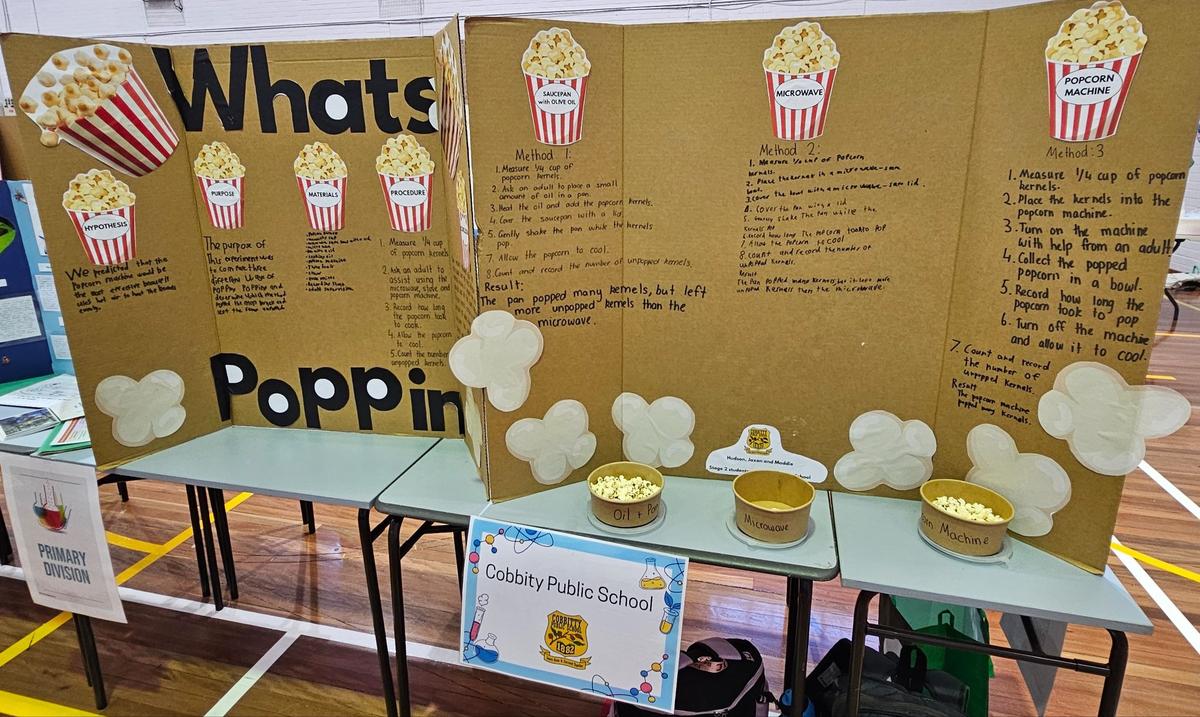
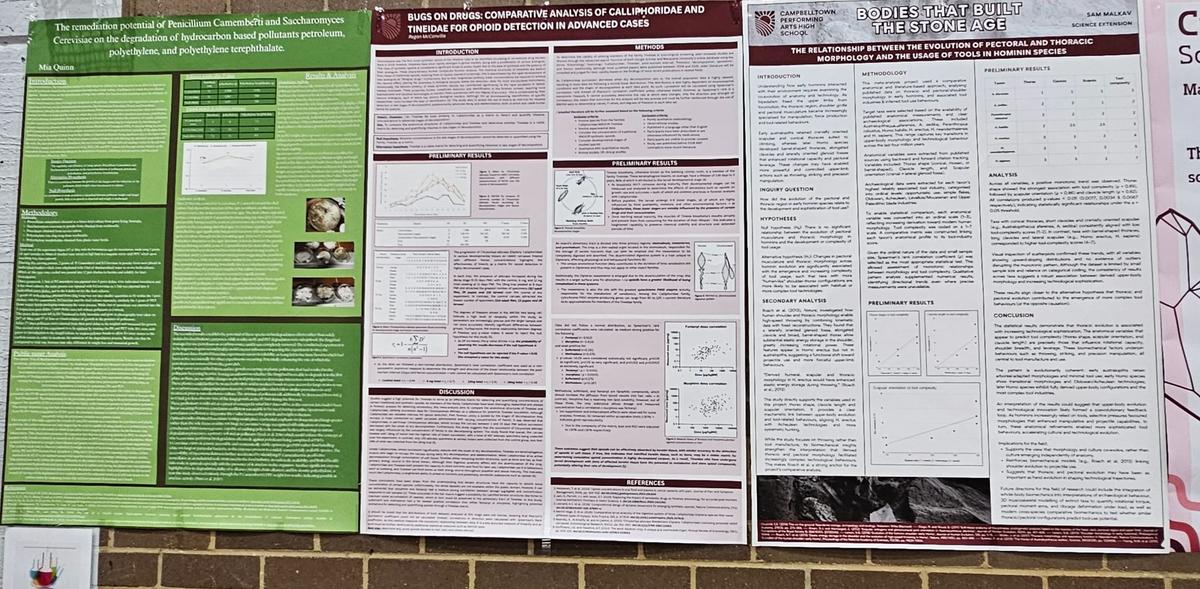
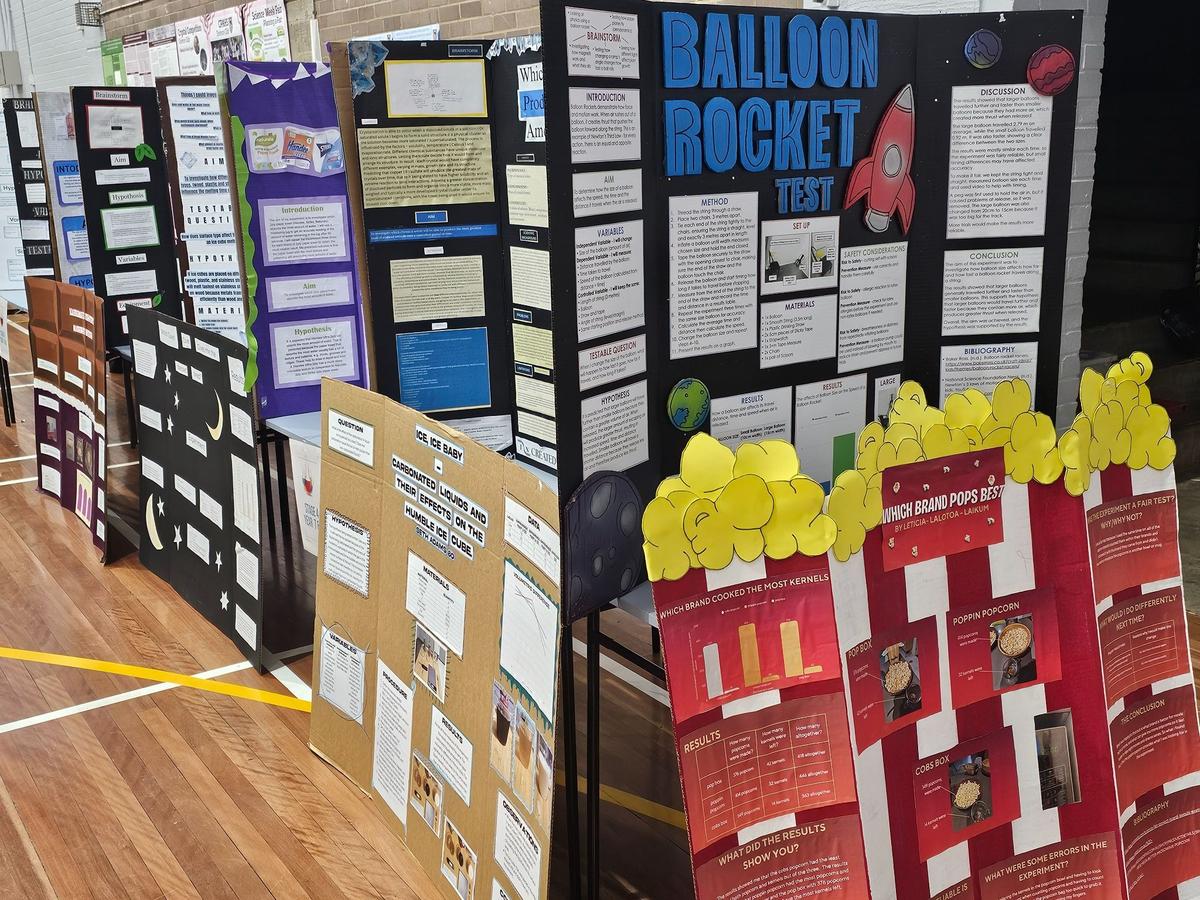
The annual Community of Schools Science Fair once again cast a brilliant spotlight on the curiosity, innovation, and remarkable achievements in science and STEM within our local community. This year’s vibrant and engaging event brought together enthusiastic students, carers, and staff from Elderslie High School, Campbelltown Performing Arts High School, Camden South Primary School, Cobbitty Public School, and Elderslie Public School to celebrate learning and discovery in a truly collaborative atmosphere.
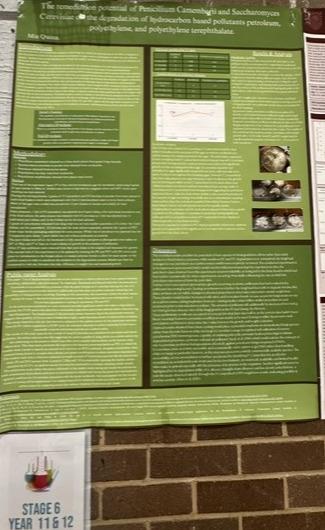
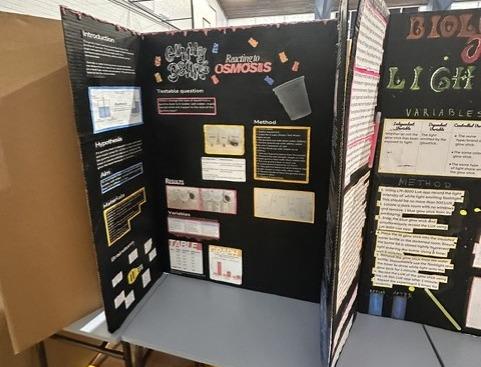
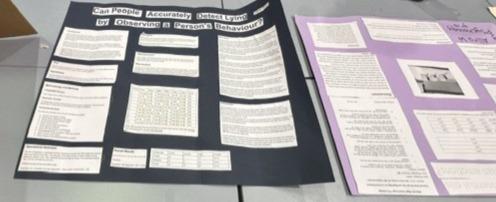
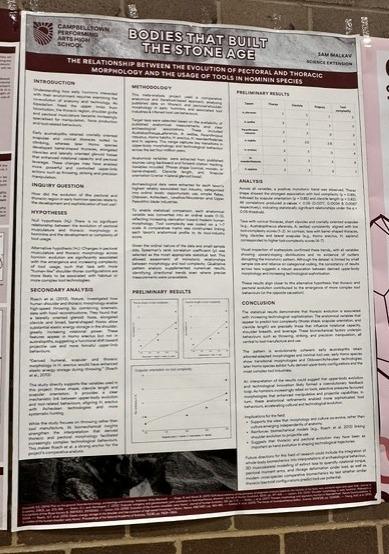
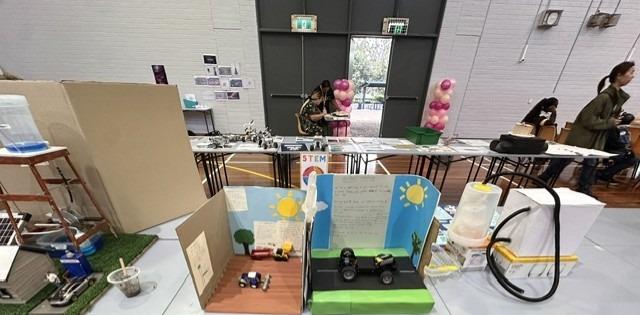
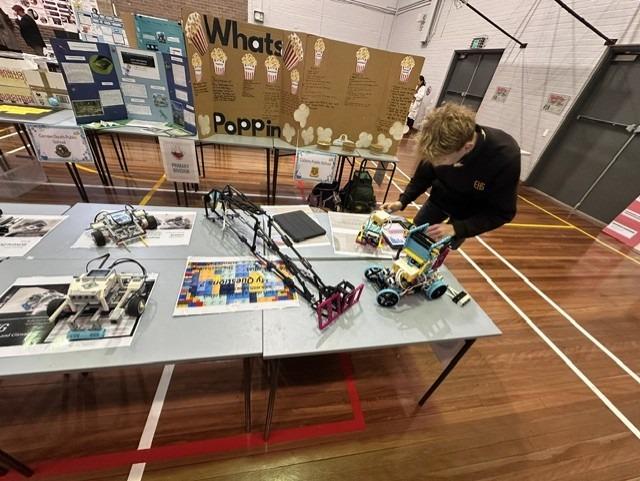
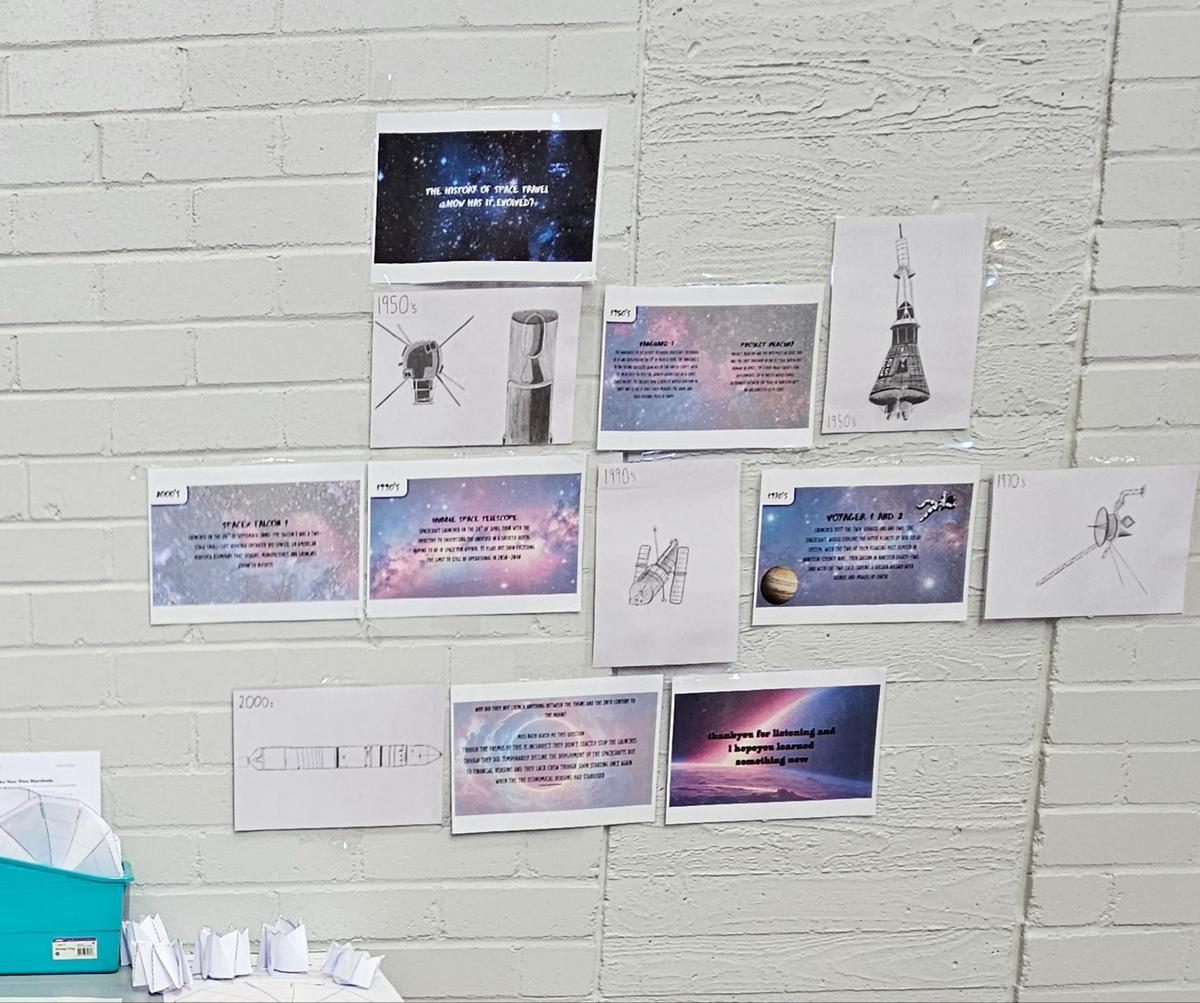
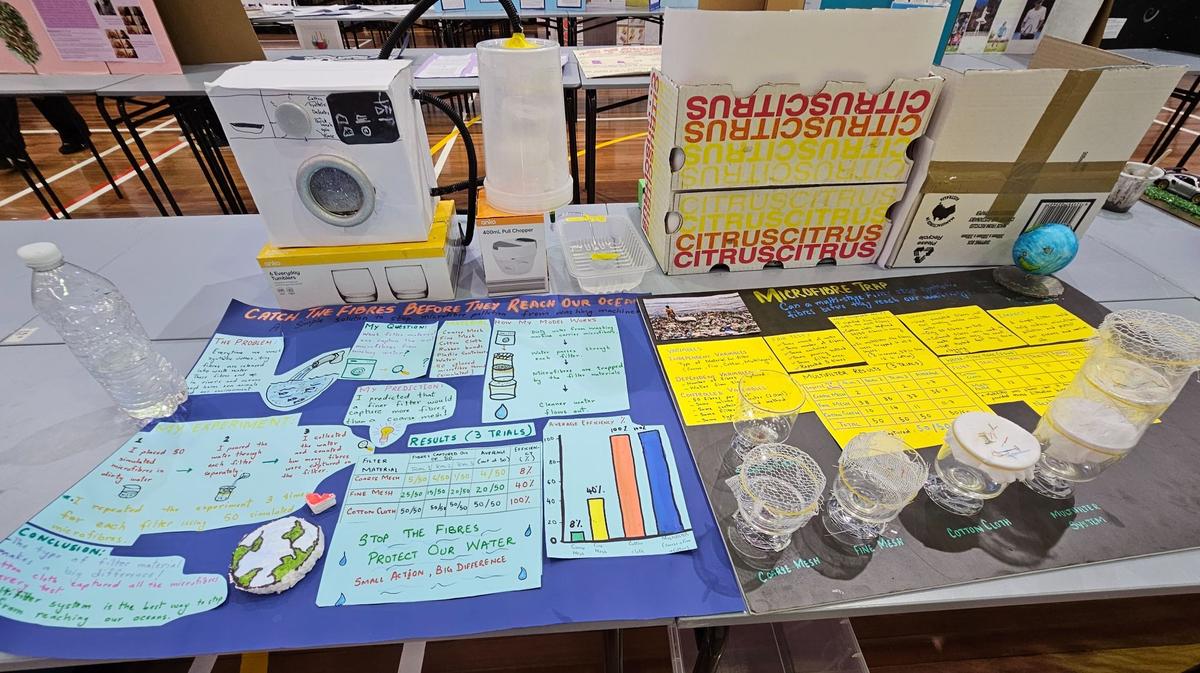
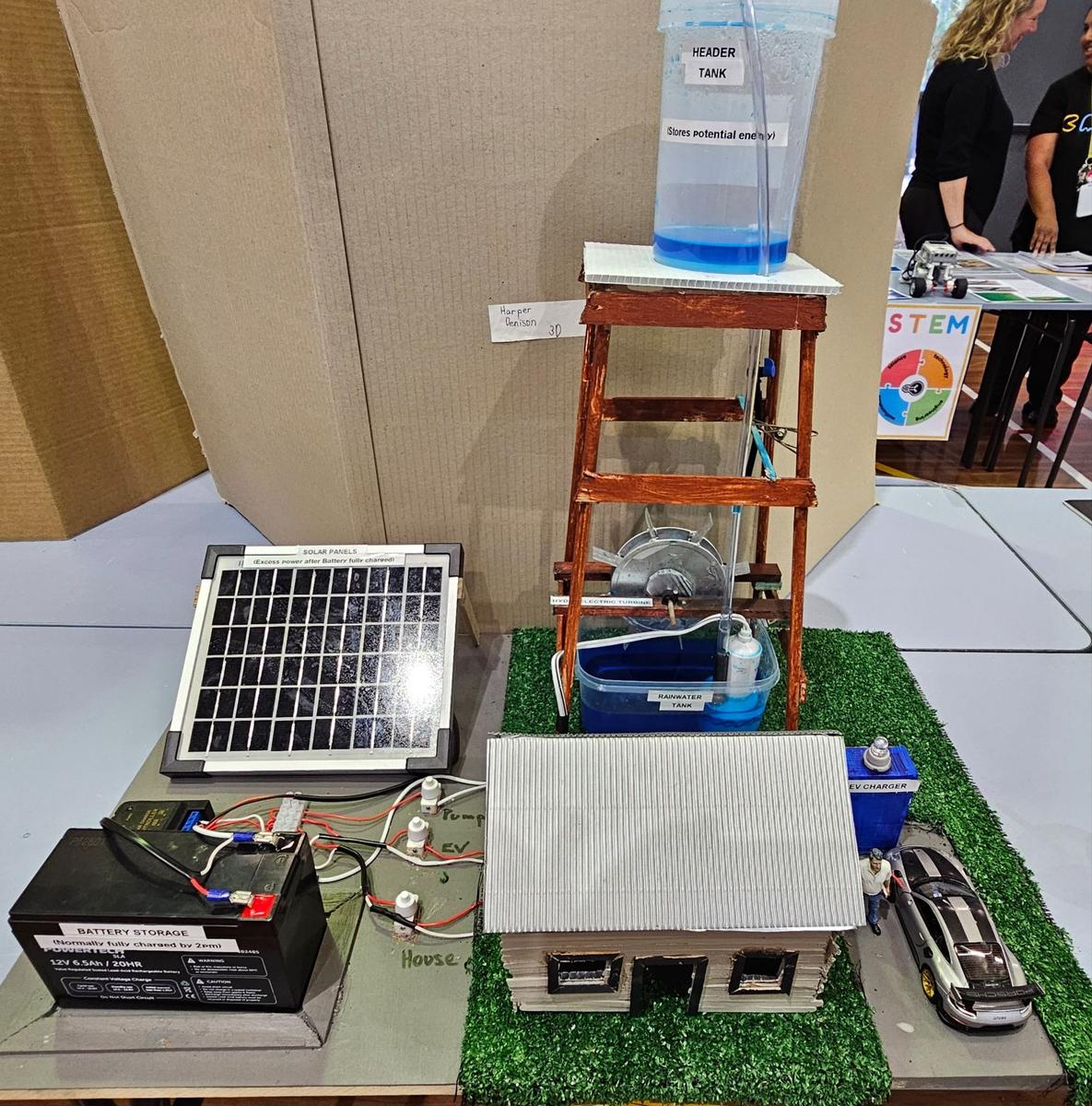
The hall buzzed with excitement as students presented an impressive variety of projects ranging from detailed research poster boards and science extension reports to inventive STEAM (Science, Technology, Engineering, Arts, and Mathematics) and STEM prototypes. The primary school entries were particularly noteworthy, showcasing their thorough inquiry processes with pride.
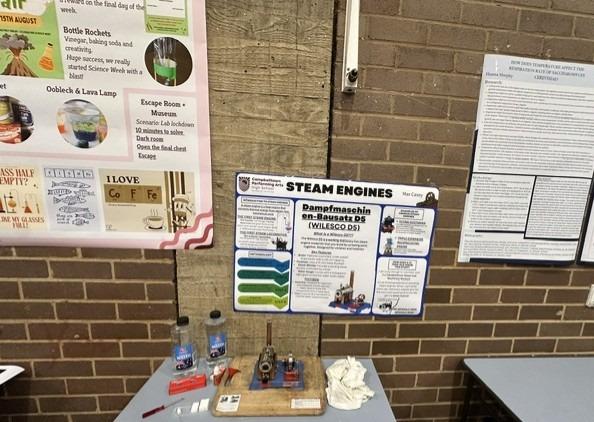
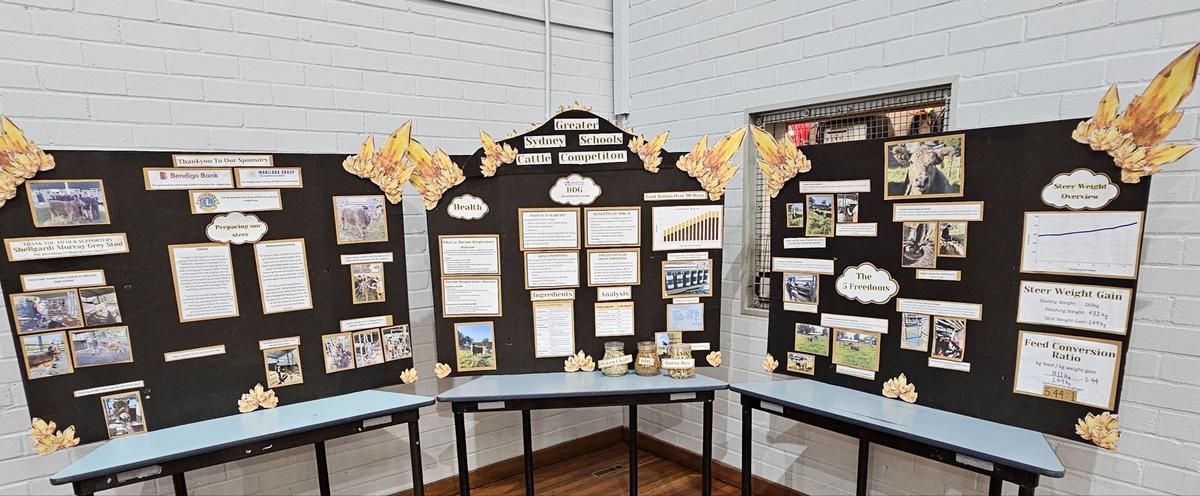
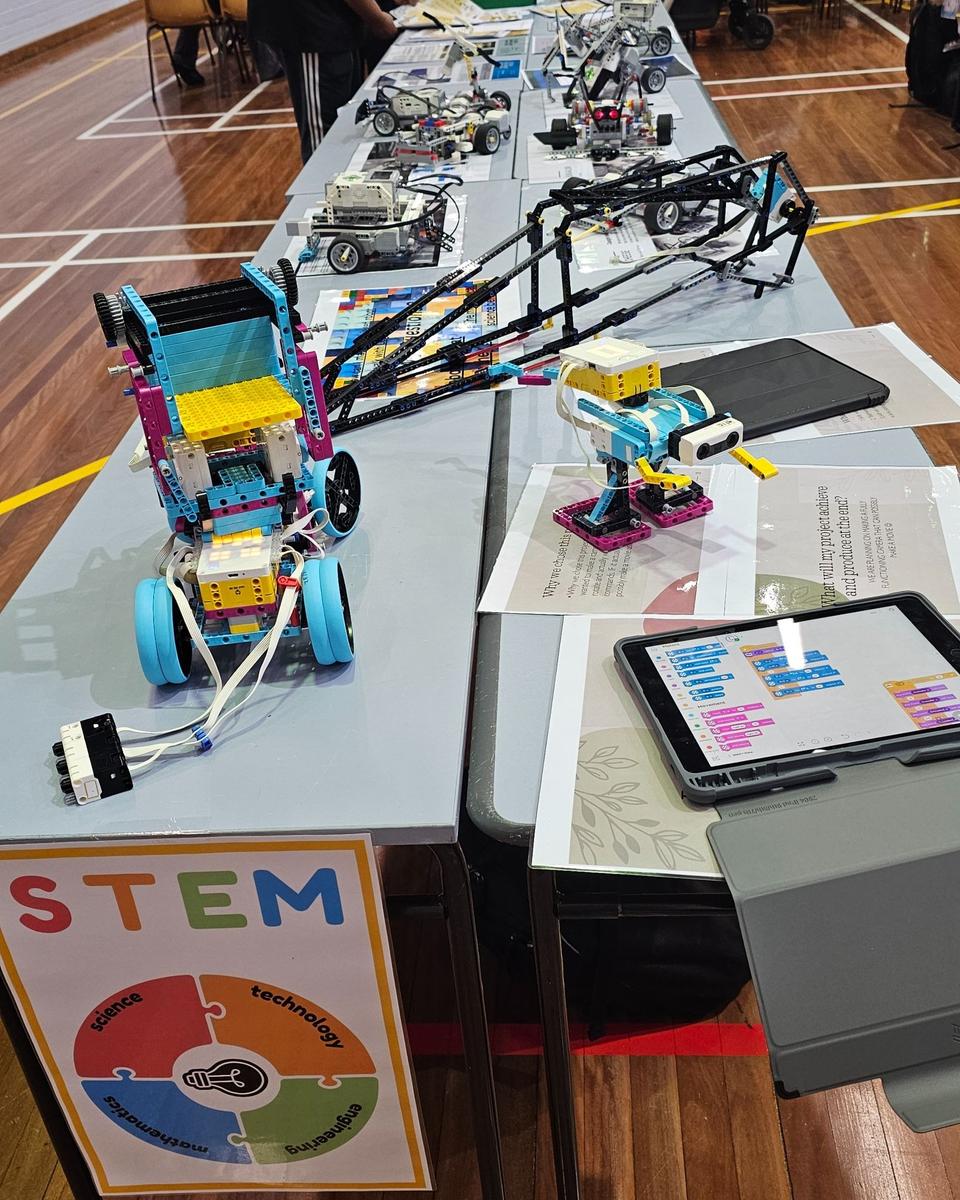
STEM prototypes drew plenty of attention, featuring a steam engine, creative roller coasters, and coded robots. A standout agricultural student presentation skillfully linked industry applications to STEM learning. Hands-on interactive activities energised the fair, including a sherbet-making experience that demonstrated chemical reactions and taste testing of alternative food sources such as mealworms and ant lollies. Guests also experimented with seed bombs designed to add an explosive bloom of native flowers to our local ecosystem, blending science with environmental stewardship.
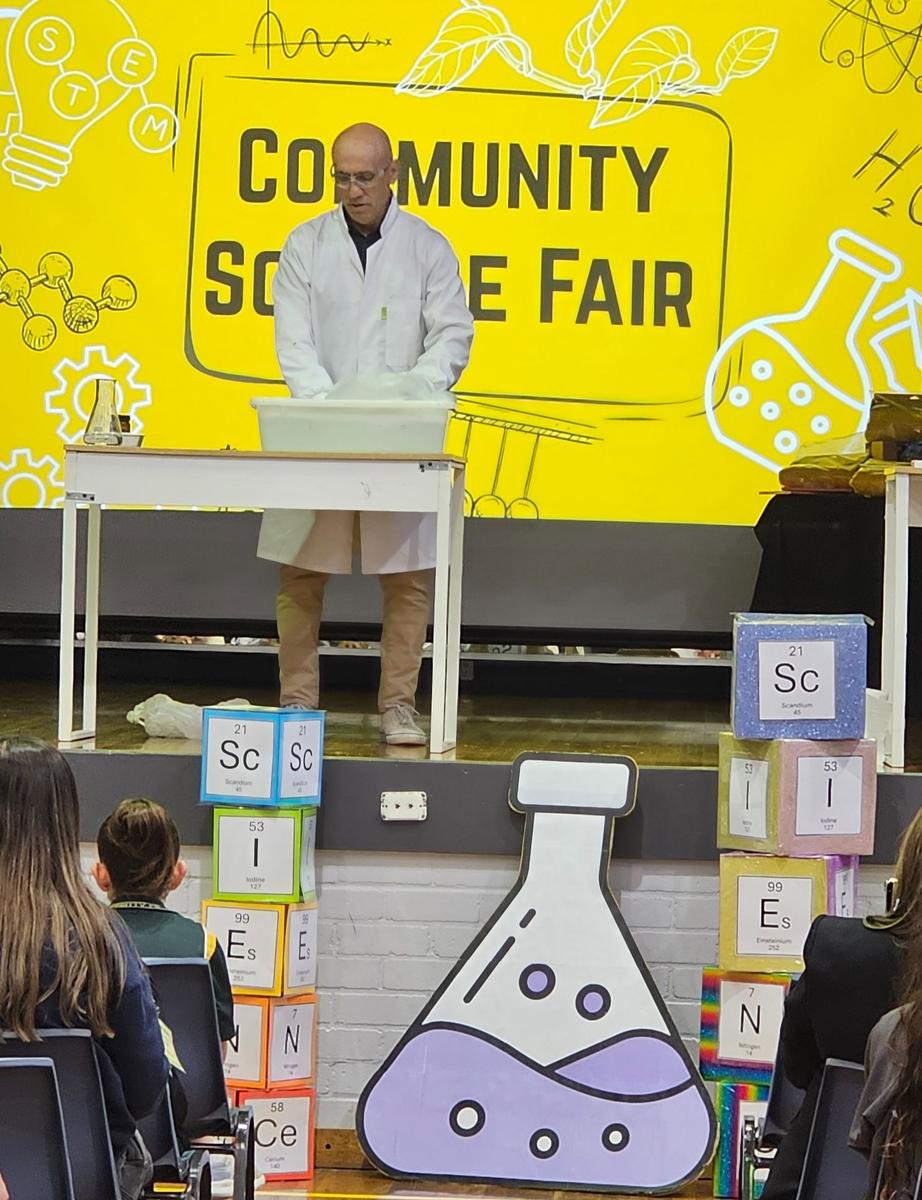
One of the evening’s highlights was a spectacular chemistry demonstration led by Mr Kairouz from Elderslie High School, alongside his assistant Mr Buckley. Attendees were mesmerised by explosive and colourful experiments, from methane bubbles to dramatic reactions between sodium and water, capped off with fascinating liquid nitrogen displays, that enthralled the audience with an unforgettable bang.
It was inspiring to witness so many students proudly participating, supported enthusiastically by carers and staff from all five schools. Events like the Community of Schools Science Fair provide invaluable opportunities for our high potential students to showcase their talents, deepen their engagement with STEM, and explore exciting pathways to future careers in science and technology.
Macarthur Region Lab Techs Meet for Innovation and Exploration
On September 12, twenty five enthusiastic laboratory technicians from high schools across the Macarthur region gathered for the much anticipated Lab Tech Network meeting. The event proved to be an inspiring afternoon of professional development, networking, and hands-on scientific exploration.
A highlight was our guest presenter from Tiny Science Lab, who showcased an exciting array of new equipment designed to make classroom experiments engaging and accessible. Throughout the session, participants were invited to try out these innovative tools, sparking conversation and curiosity among the group.
The featured experiment for the day, the paper Cone Drop, encouraged lab techs to examine variables within a simple yet fascinating investigation. Working in teams, attendees constructed paper cones with varying angles and observed how the degree of each affected the time it took for the cone to fall. This exercise provided valuable insight into the scientific method and reinforced the importance of precision and creativity in experimental design.
The meeting fostered a collaborative spirit, with lab techs sharing tips, resources, and ideas for supporting science teaching in their schools. Many left inspired, eager to introduce new equipment and experiment concepts into their own labs.
We extend our thanks to Tiny Science Lab for their engaging presentation, and to all attendees for making the event a wonderful success. We look forward to our next meeting and continuing to support innovative science education in the Macarthur region!
Exploring the Mind: Stage 5 Psychology Students Dive Deep into Human Behaviour and Cognition
Our Stage 5 Psychology students have been enthusiastically applying their scientific research skills to investigate a wide array of intriguing psychology concepts. Throughout the term, students embarked on a depth study selecting diverse topics such as emotions, intelligence, persuasion, and profiling behaviours. Their dedication and insightful work were proudly showcased, with several projects selected for exhibition at the recent Community Science Fair.
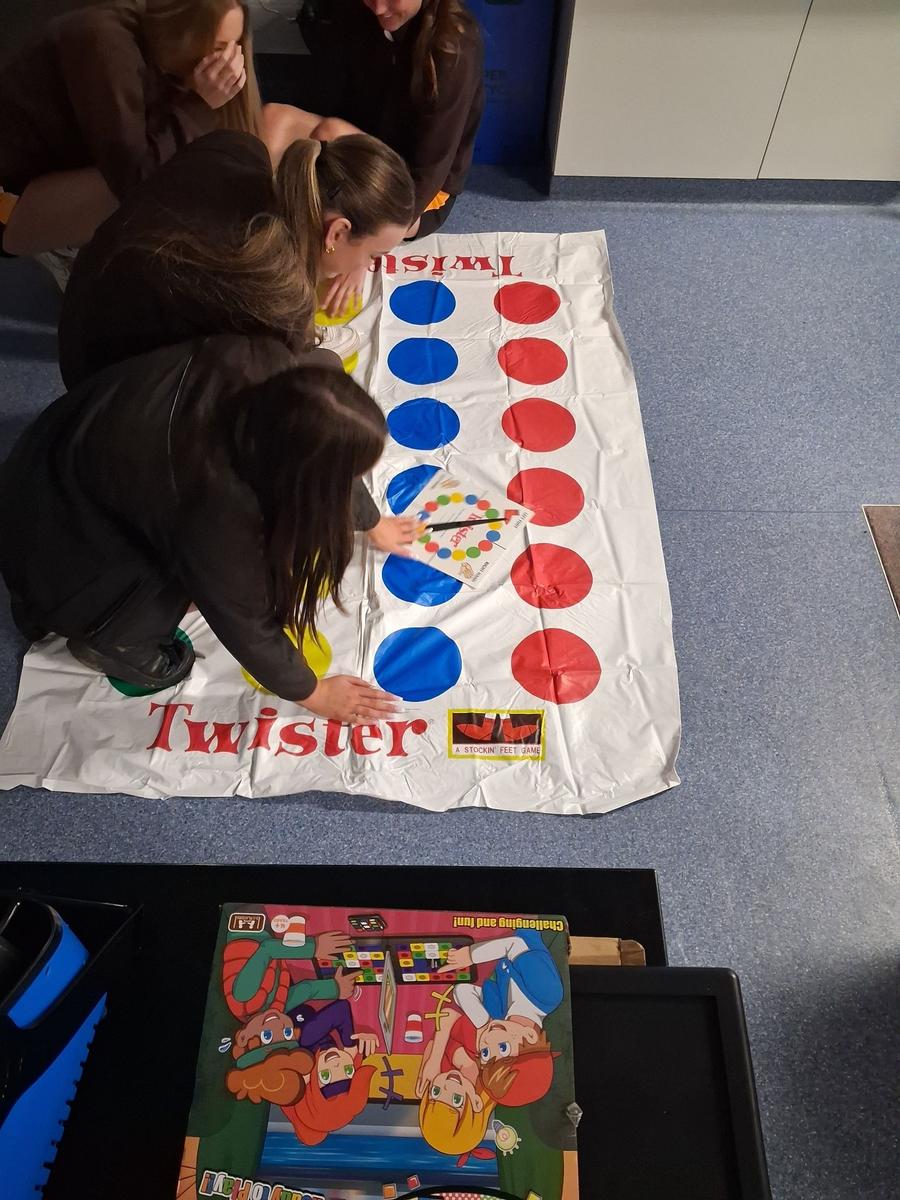
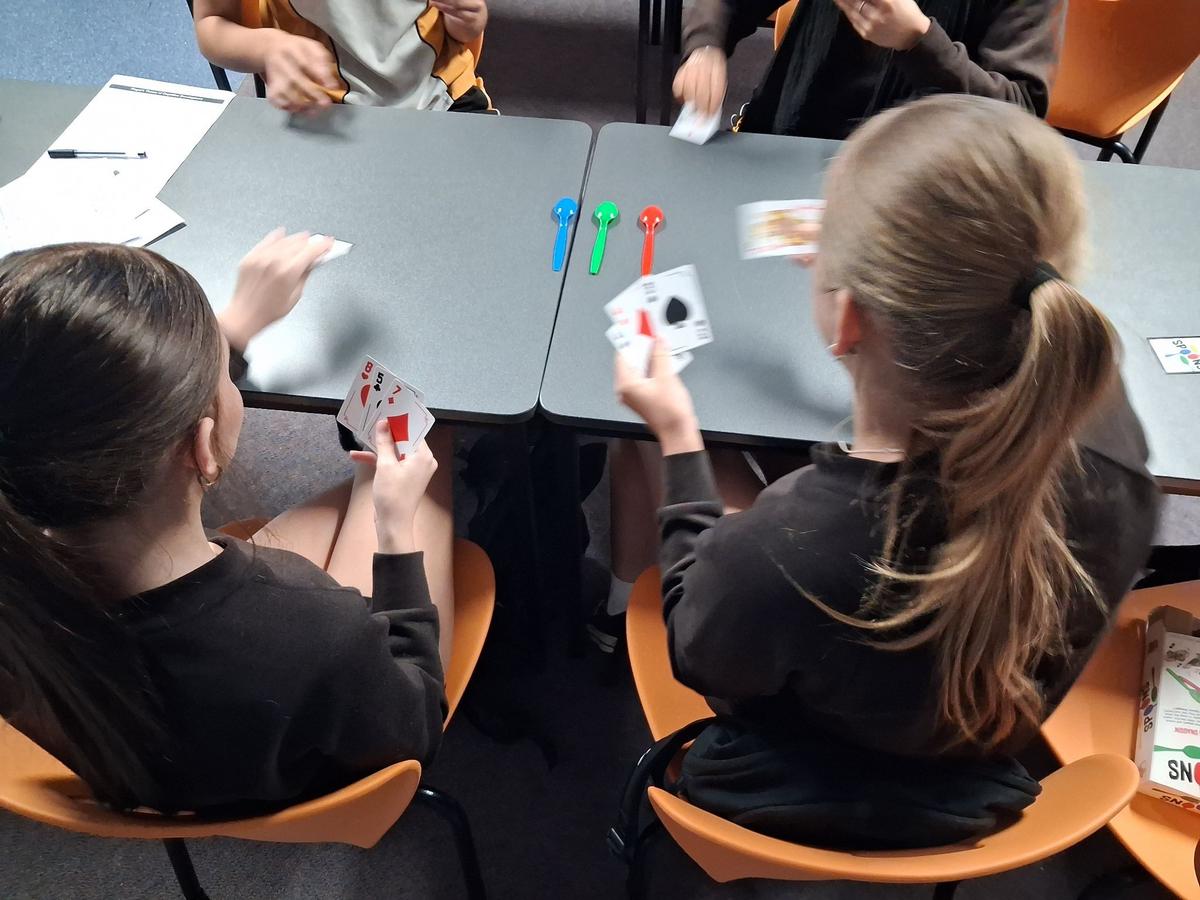
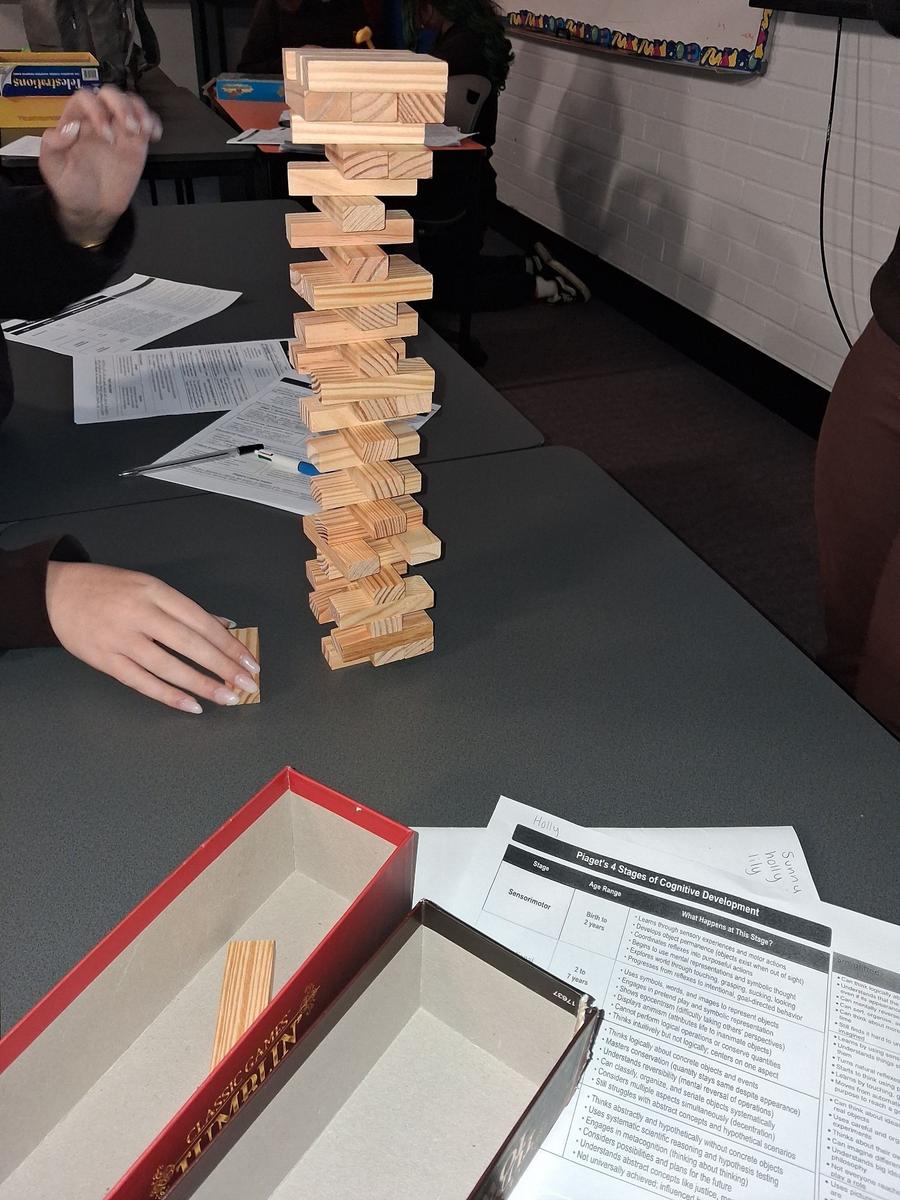
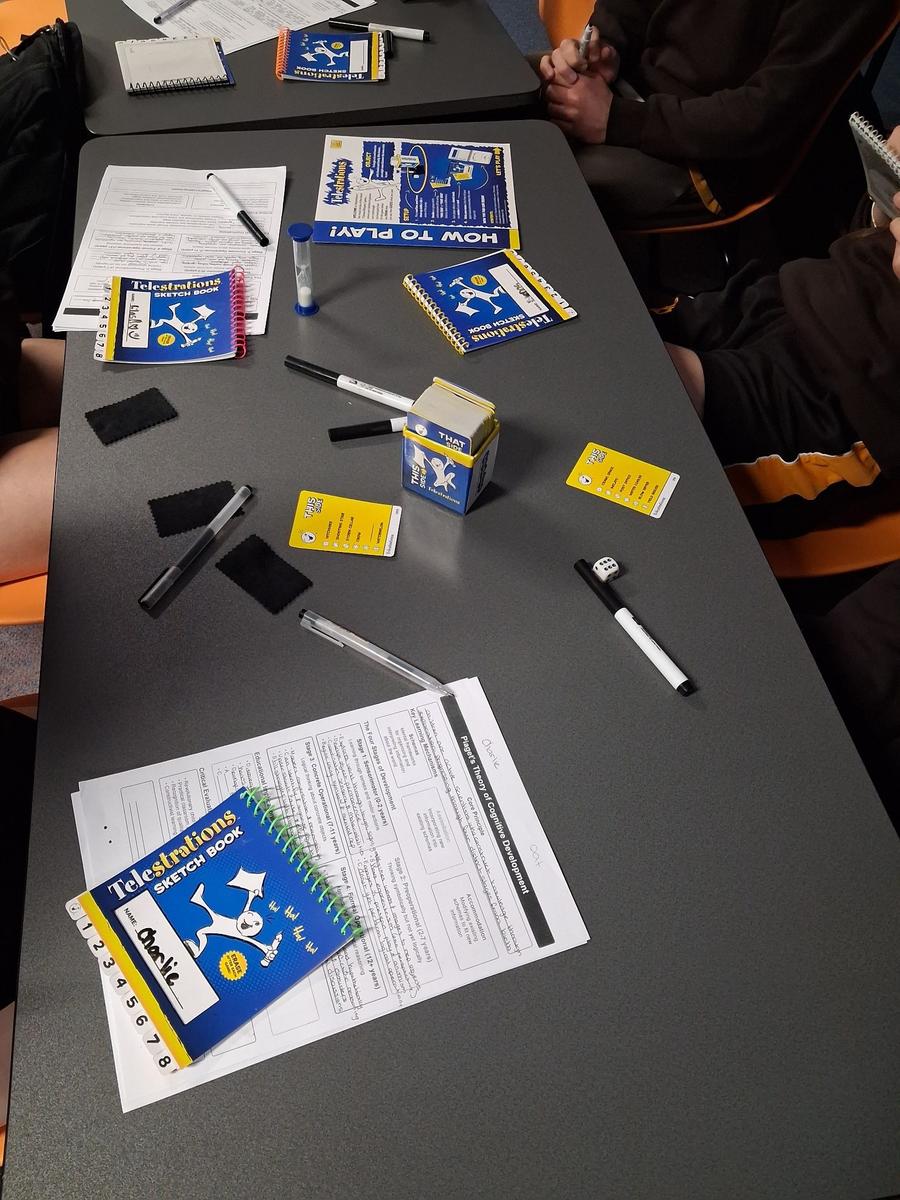
Continuing their exploration, students have recently focused on intelligence and cognition, diving into the foundational theories of cognitive development. They studied Piaget’s stages of cognitive development, gaining an understanding of how cognitive abilities evolve from childhood through adolescence. This knowledge was applied in a practical analysis of various games, where students evaluated the skills and cognitive demands made on players, linking these to the appropriate developmental stages outlined by Piaget.
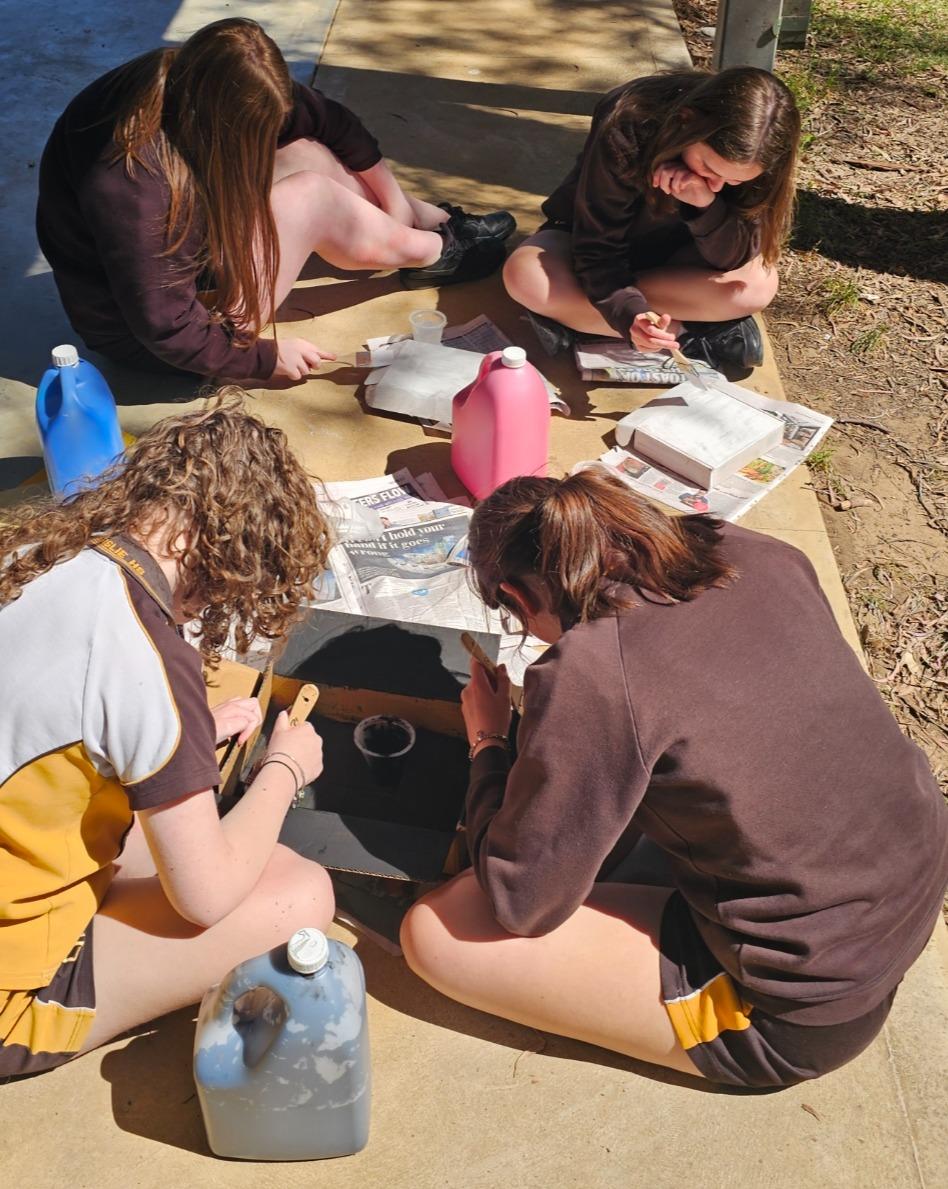
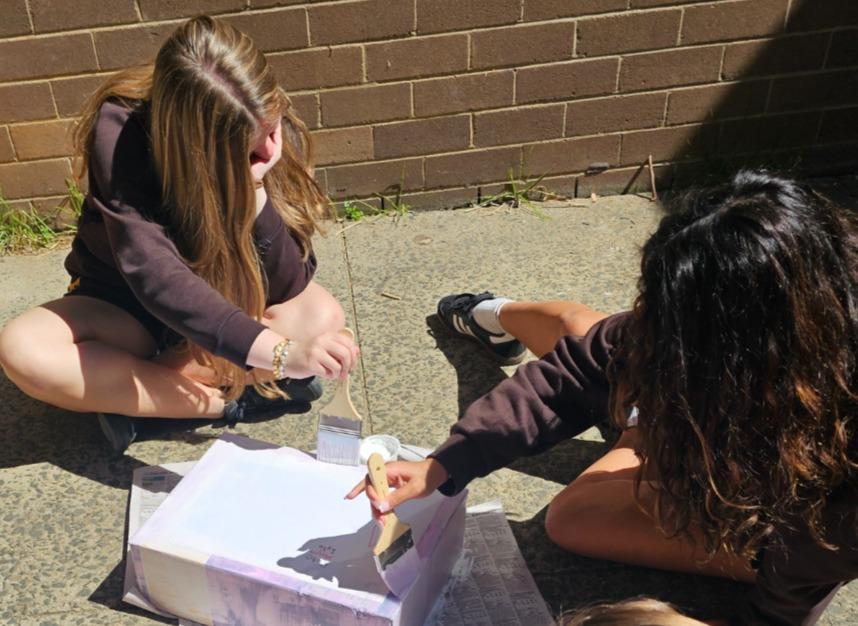
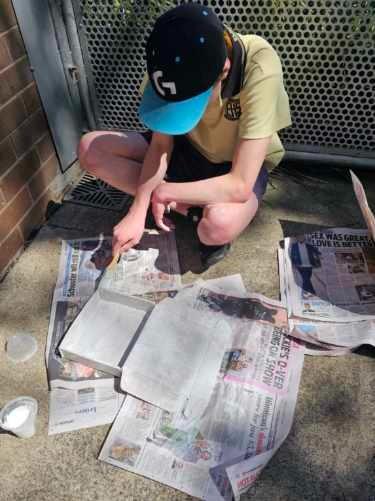
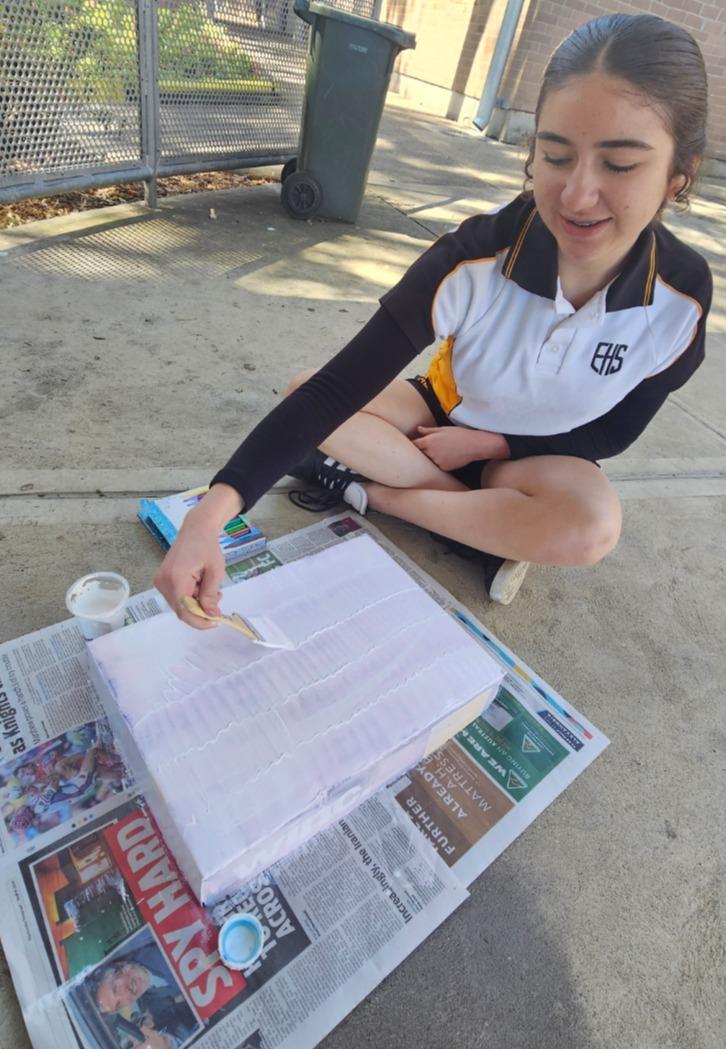
Currently, students are channeling their learning into a creative and critical task- designing a game complete with a box and instructions tailored to a specific age group. This project challenges them to justify their design choices from a psychological perspective, ensuring that the game and its instructions suit the cognitive abilities of their chosen audience. Additionally, students are exploring the psychology of advertisement in their box designs, thoughtfully considering how text, phrasing, and colour can effectively engage and attract their target demographic.
We look forward to the unveiling of these innovative games and anticipate lively evaluations through game play. This hands-on project not only cements the students’ understanding of psychology concepts but also hones their skills in research, design, and communication, preparing them for future academic and real world challenges.
Stay tuned for more updates on our students’ psychological adventures.
Science Faculty