From the 5/6 Classrooms
English – Girl on Wire
Throughout Term 3, students have been exploring the beautifully illustrated picture book Girl on Wire by Lucy Estela and Elise Hurst. This thought-provoking story provided students with many opportunities to explore themes of bravery, resilience, overcoming fear and facing challenges.
Students began the unit by carefully examining the book’s front cover and making predictions about the story. They considered how the use of colour, imagery, body language and symbolism could give clues about the character and the challenges she might face. Students also explored the significance of the title Girl on Wire and discussed how the idea of walking on a wire could represent facing something that feels difficult, uncertain or frightening.
As students read the story, they developed their visualising and inferencing skills, considering the character’s emotions and how these changed throughout the story. They identified and discussed a range of emotions and tracked the character’s feelings as the events unfolded, using evidence from both the words and illustrations to support their thinking.
Students were introduced to the concept of allegory, exploring how a story can have both a literal meaning and a deeper meaning. They looked closely at the events, characters and symbols within Girl on Wire and considered the bigger ideas the author may have been communicating about fear, courage, resilience and overcoming adversity.
A major focus of the unit was exploring semiotic systems. Students explored the different ways that meaning can be created through visual, gestural, audio, linguistic and spatial elements. They closely examined Elise Hurst’s illustrations, considering the use of colour, lighting, viewpoint, texture, facial expression and posture. Students discussed how these choices helped them understand the character’s emotions and added meaning to Lucy Estela’s words.
Students also explored figurative language, particularly personification, similes and metaphors. They experimented with personification to describe emotions without simply naming them, using powerful language to show rather than tell how a character might be feeling. Students then carefully edited their writing, focusing on making their word choices more powerful, varying sentence beginnings and checking their spelling and punctuation.
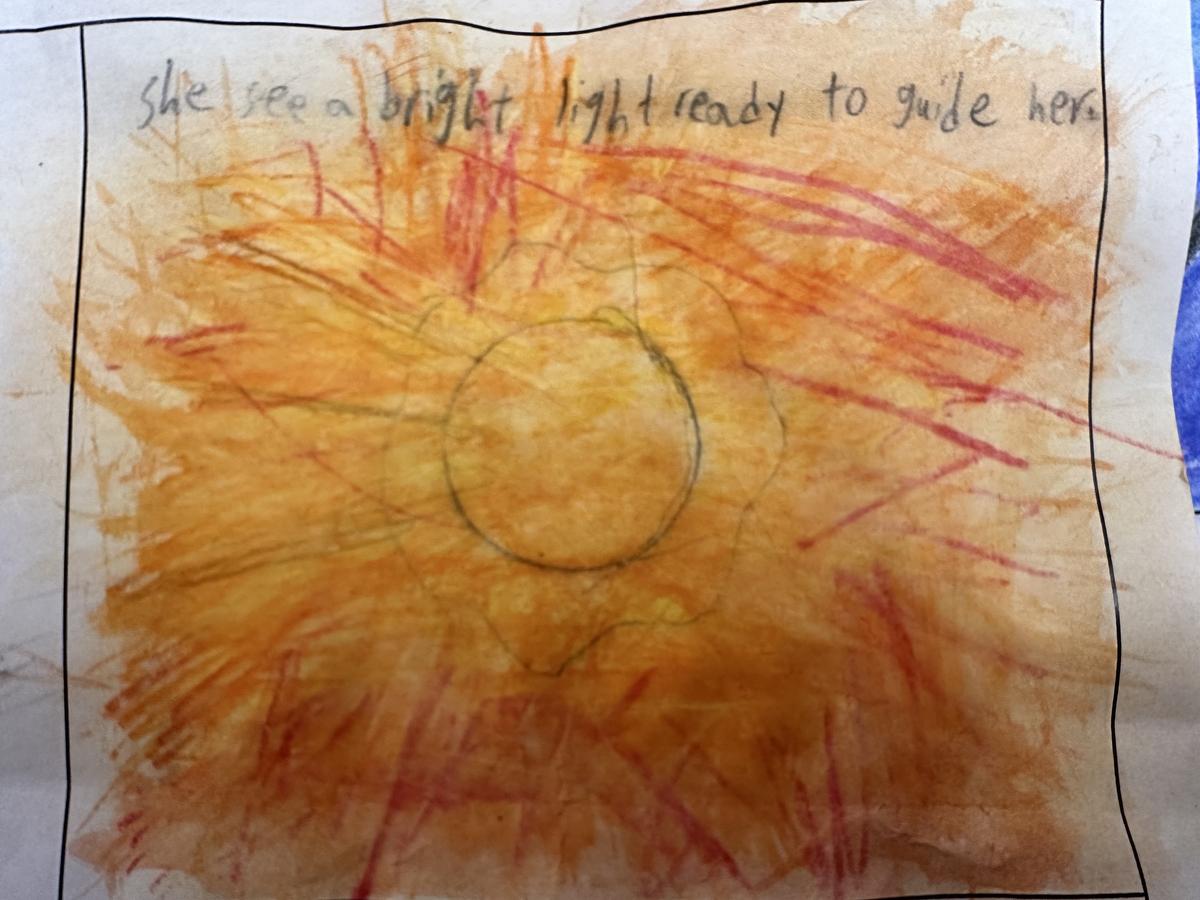
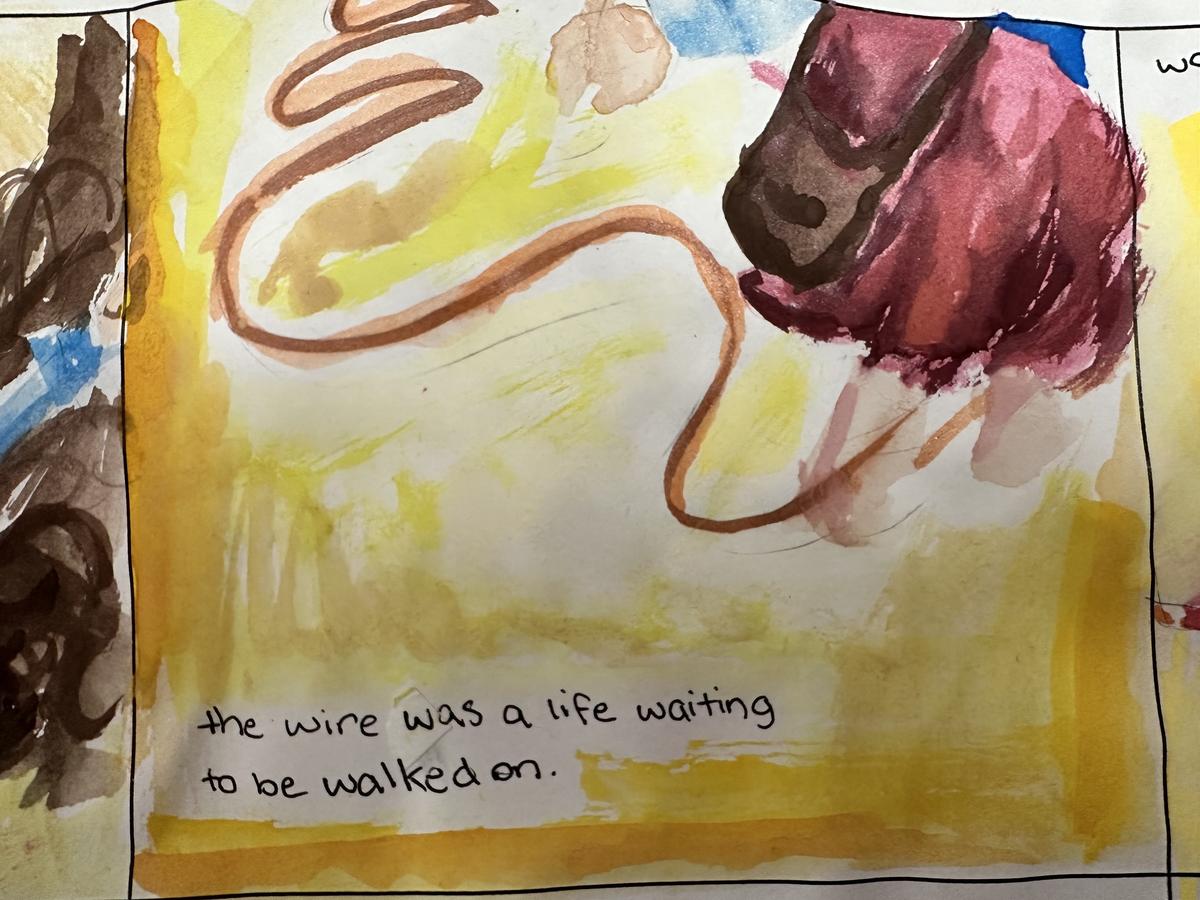
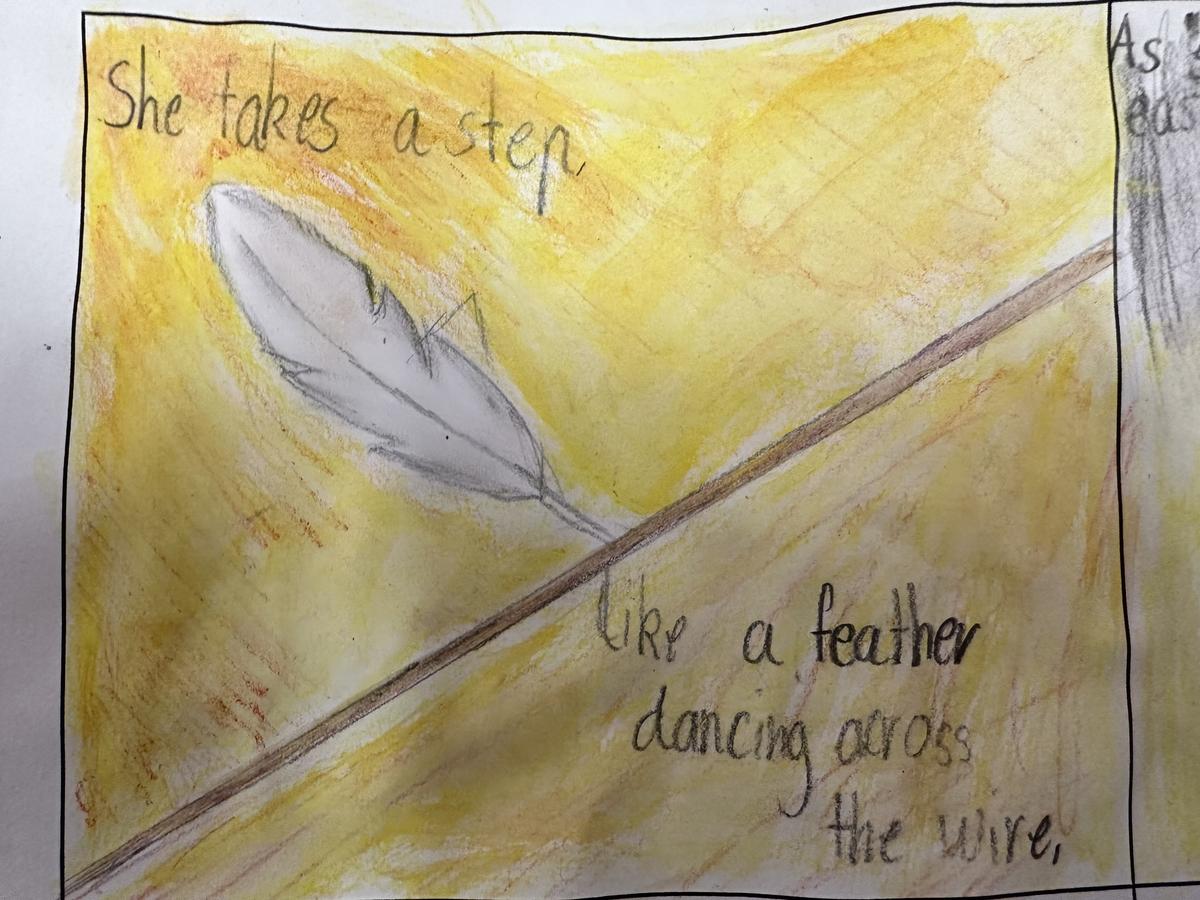
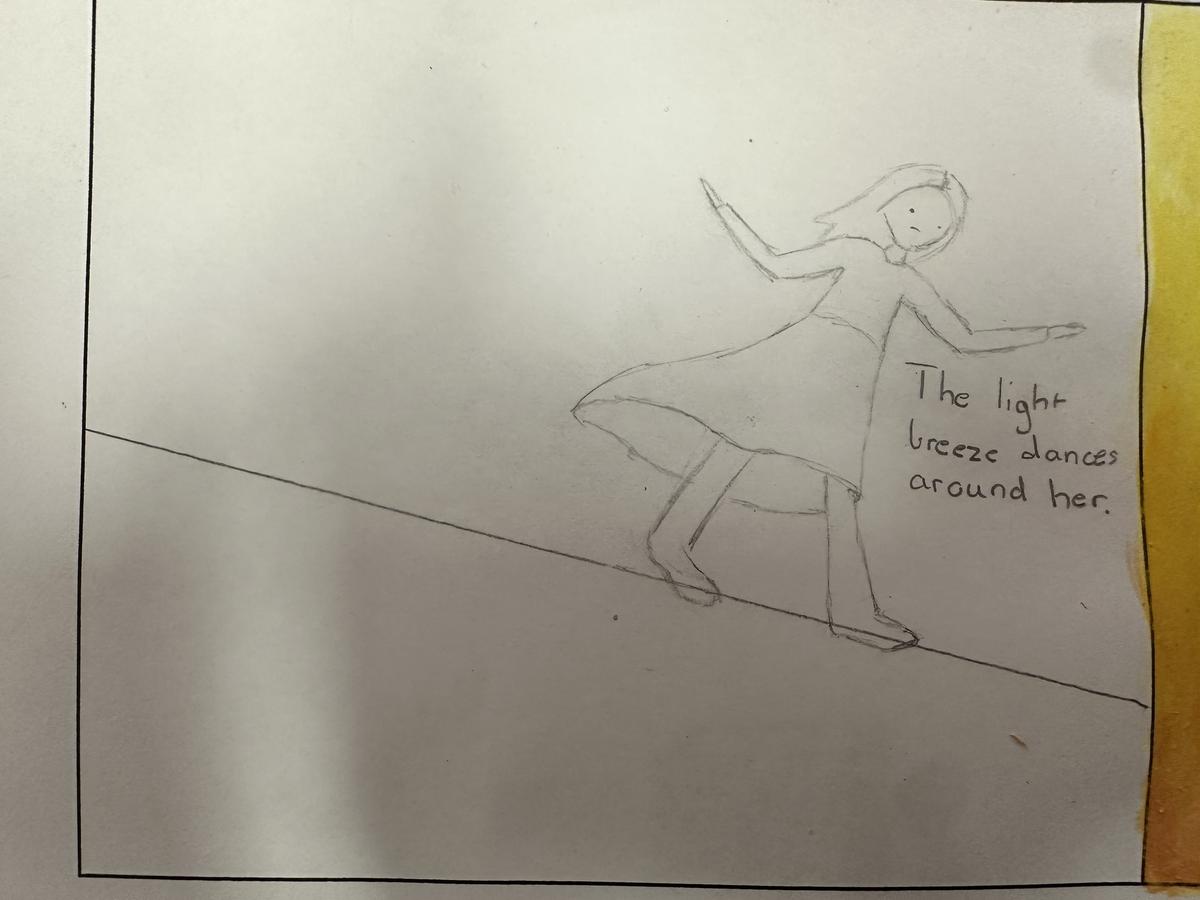
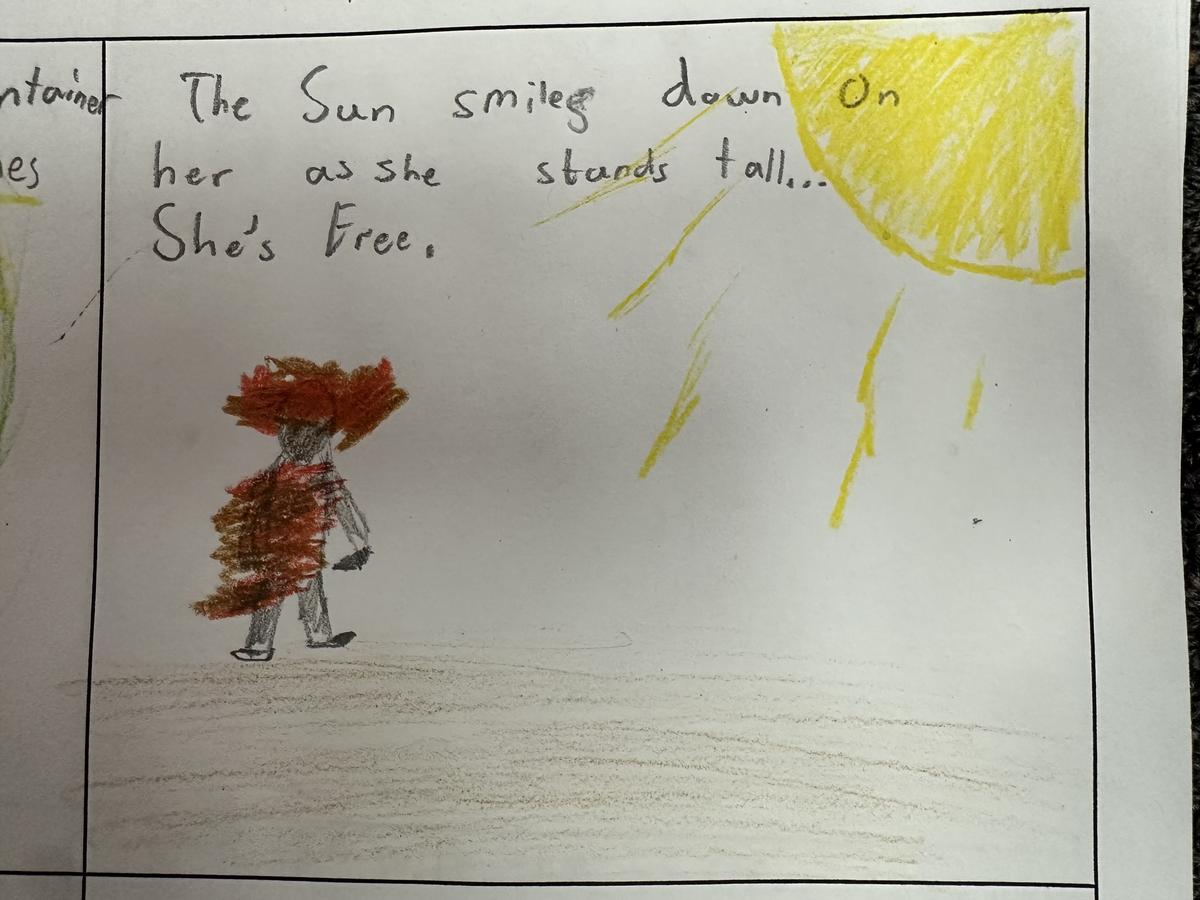
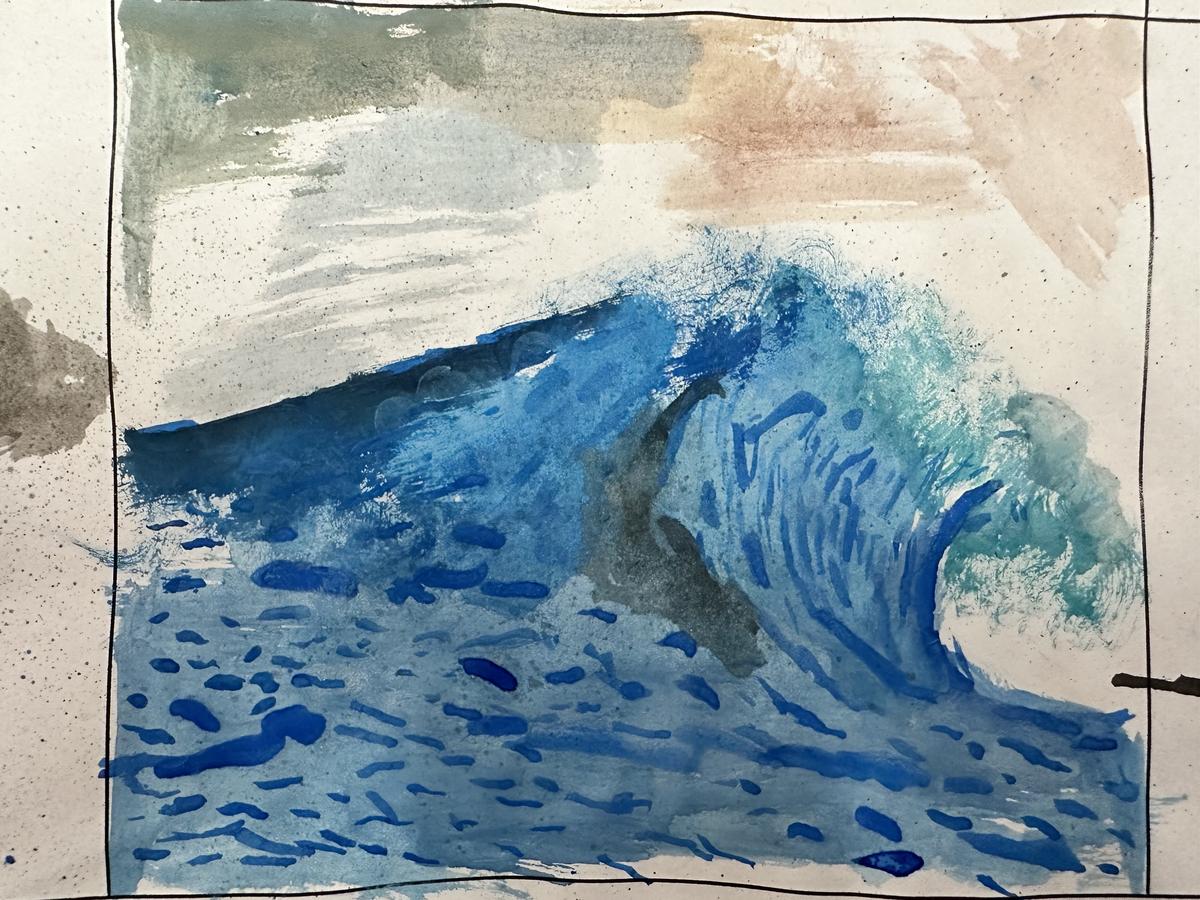
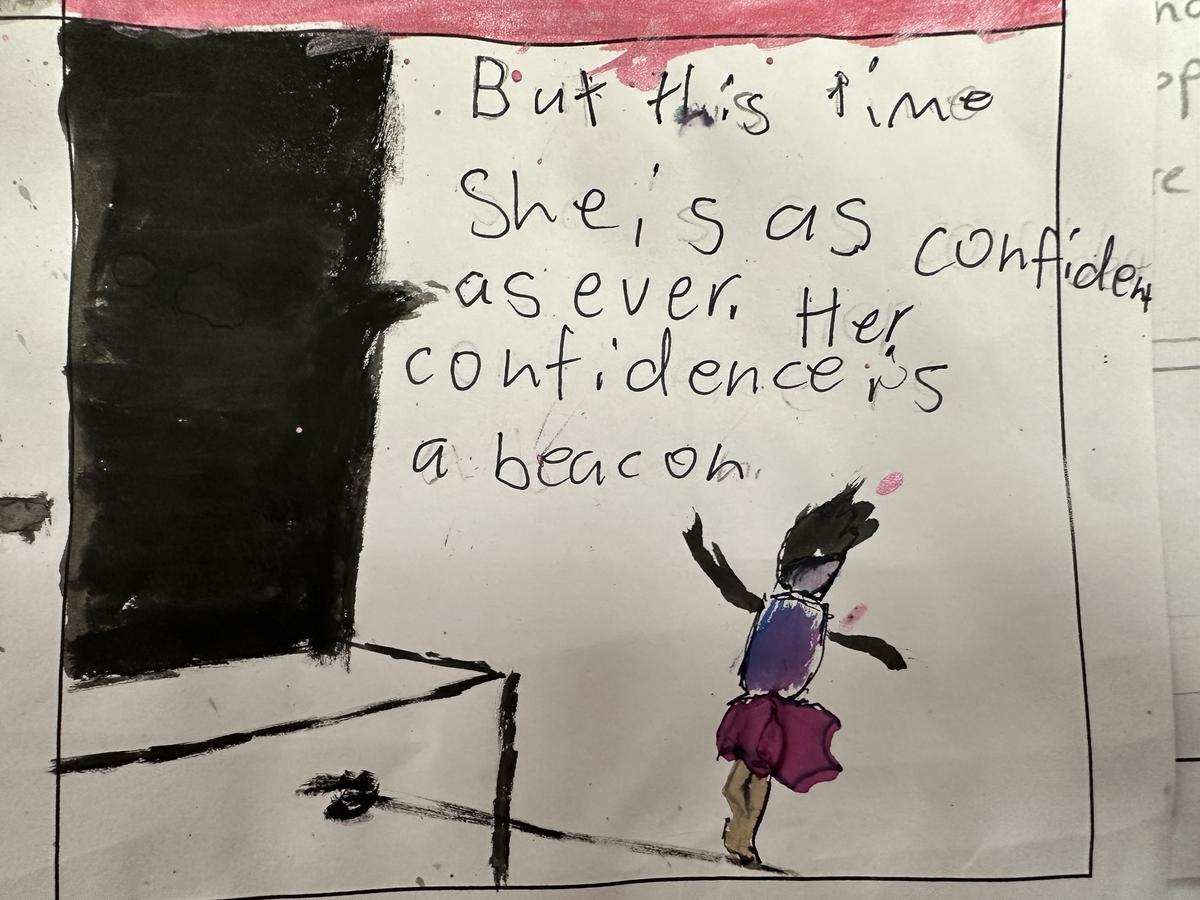
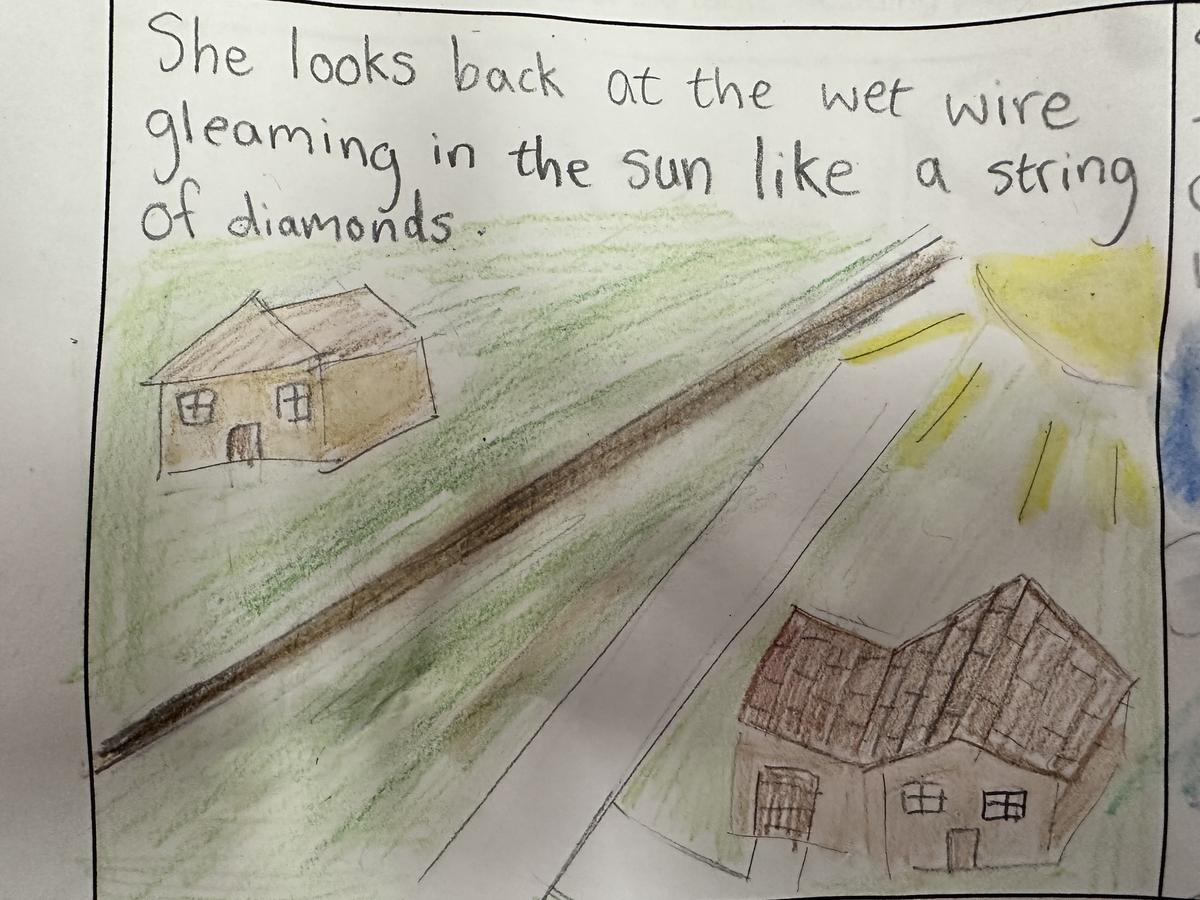
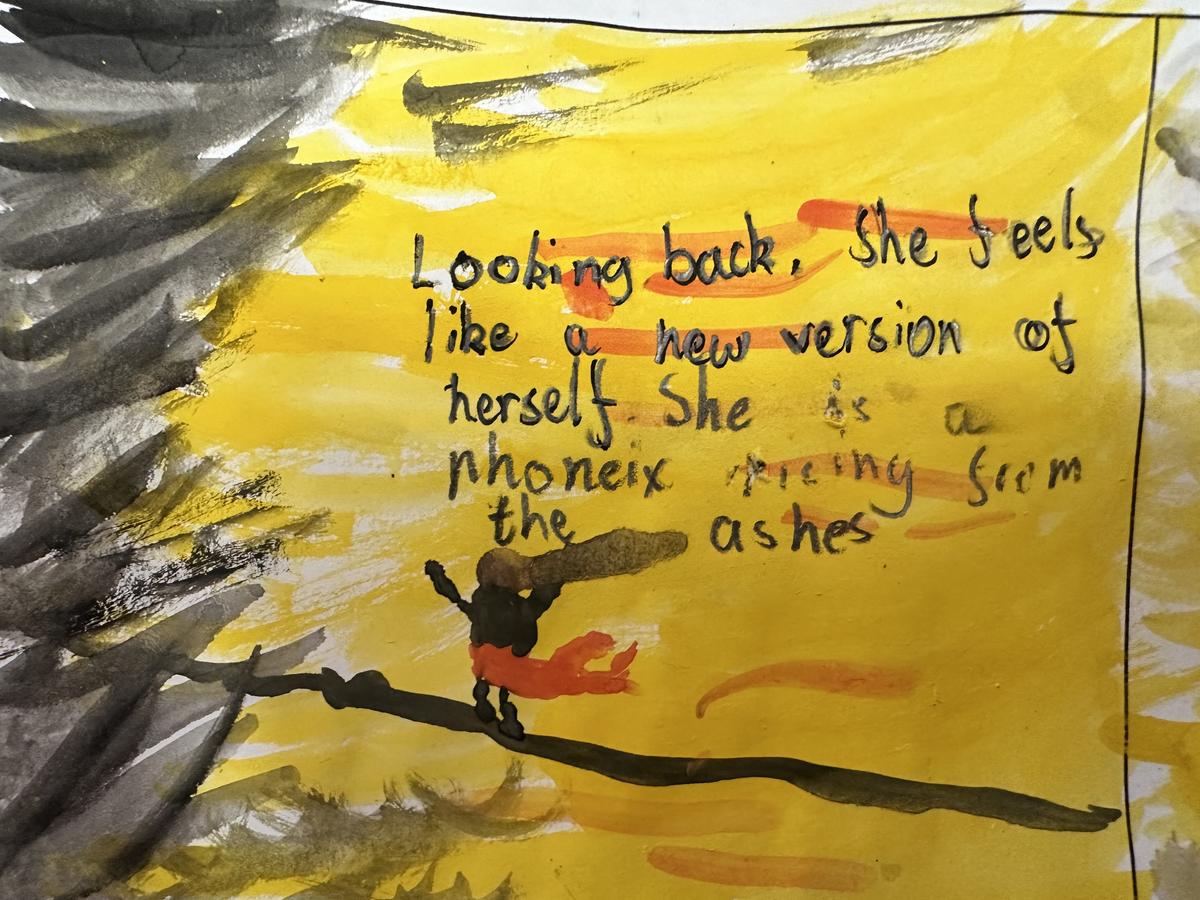
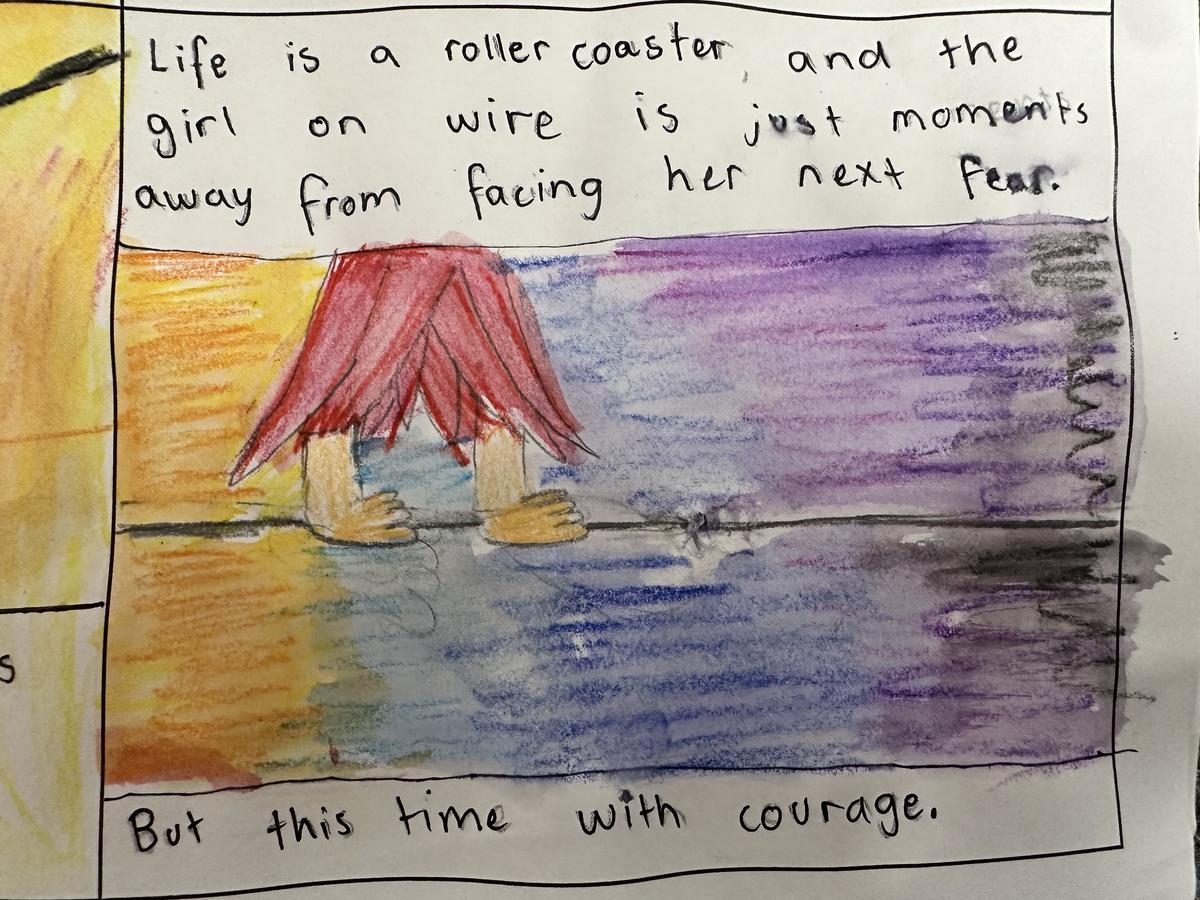
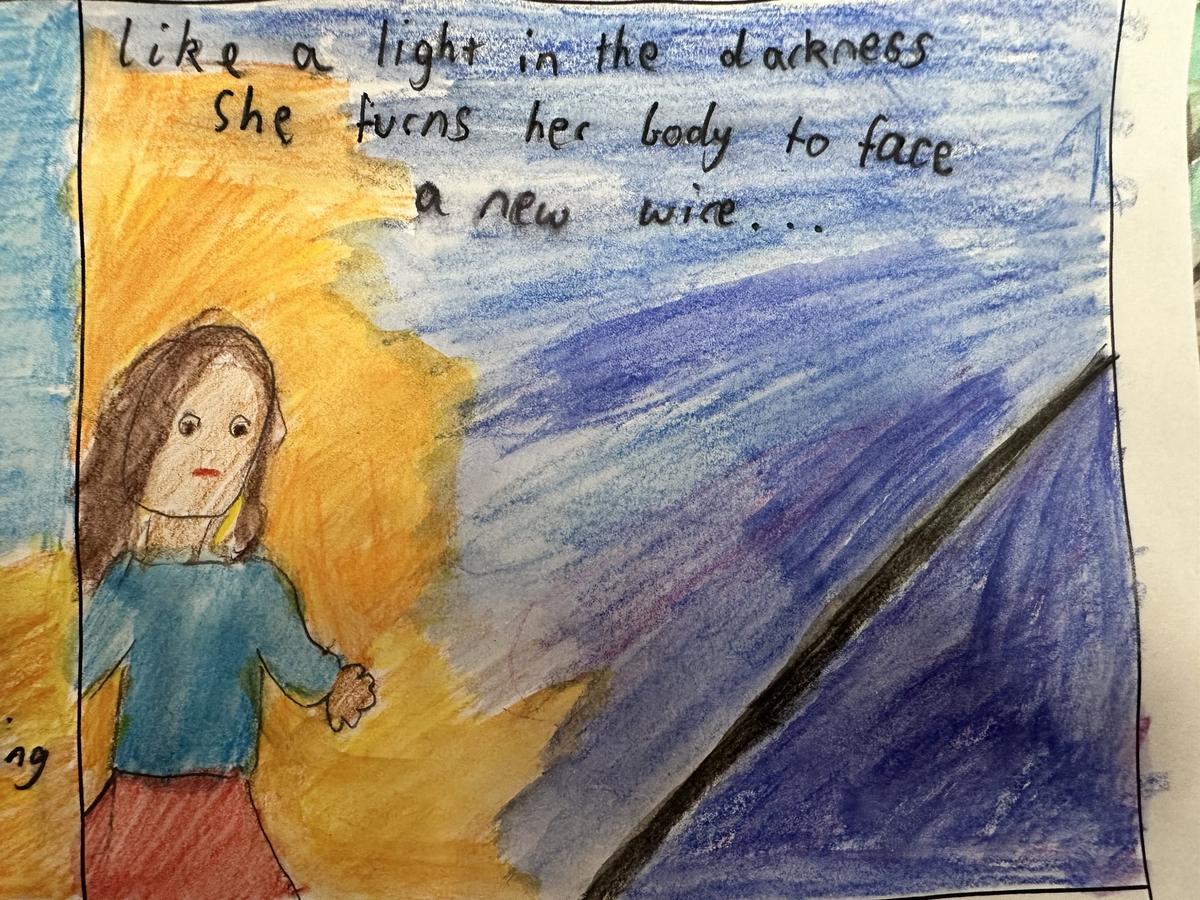
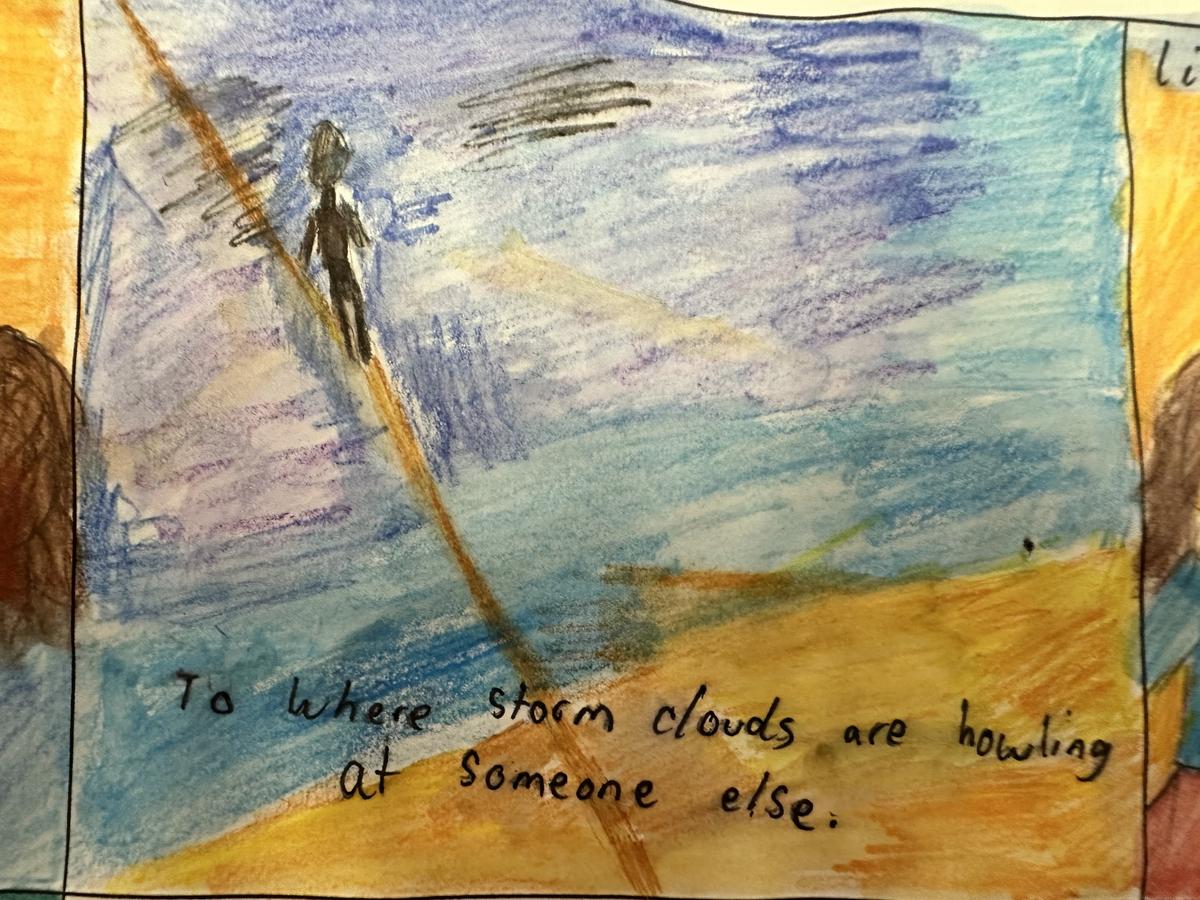
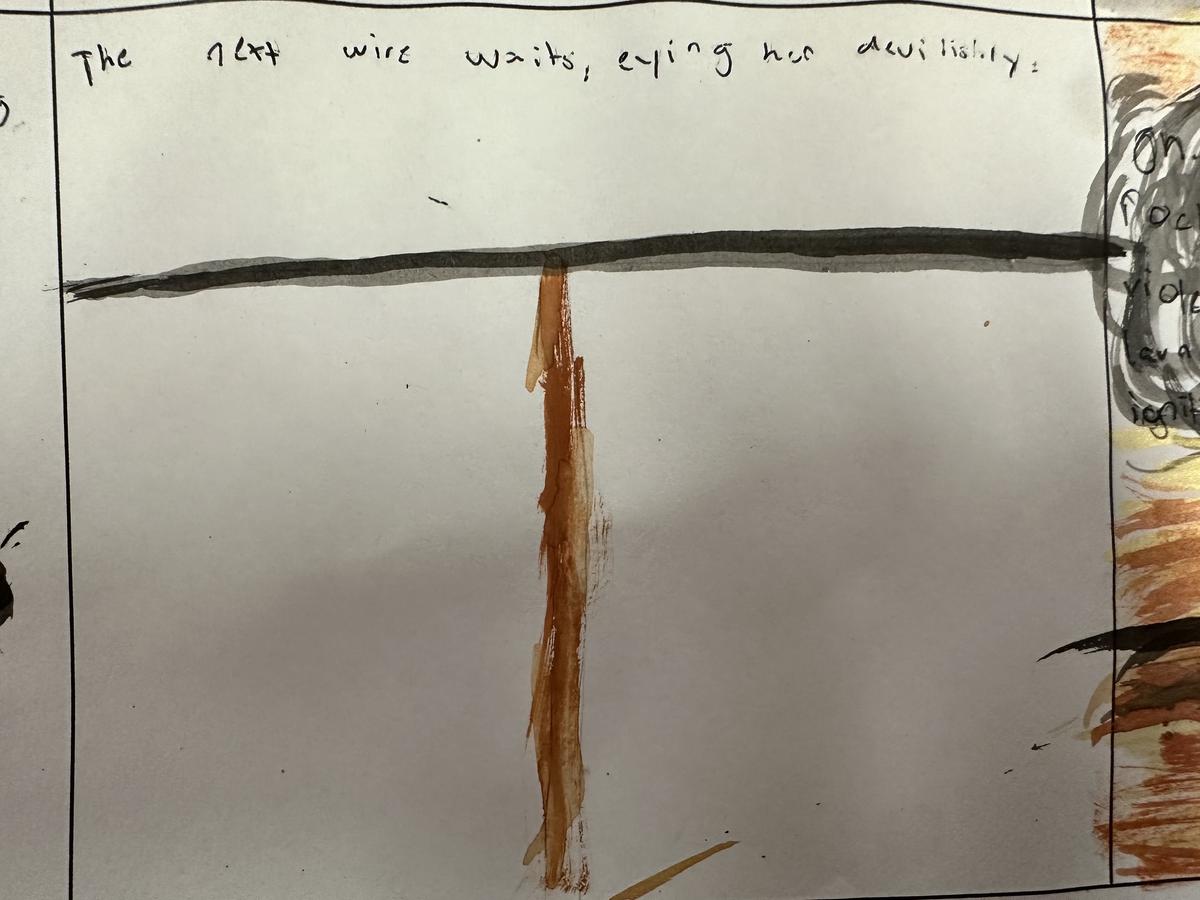
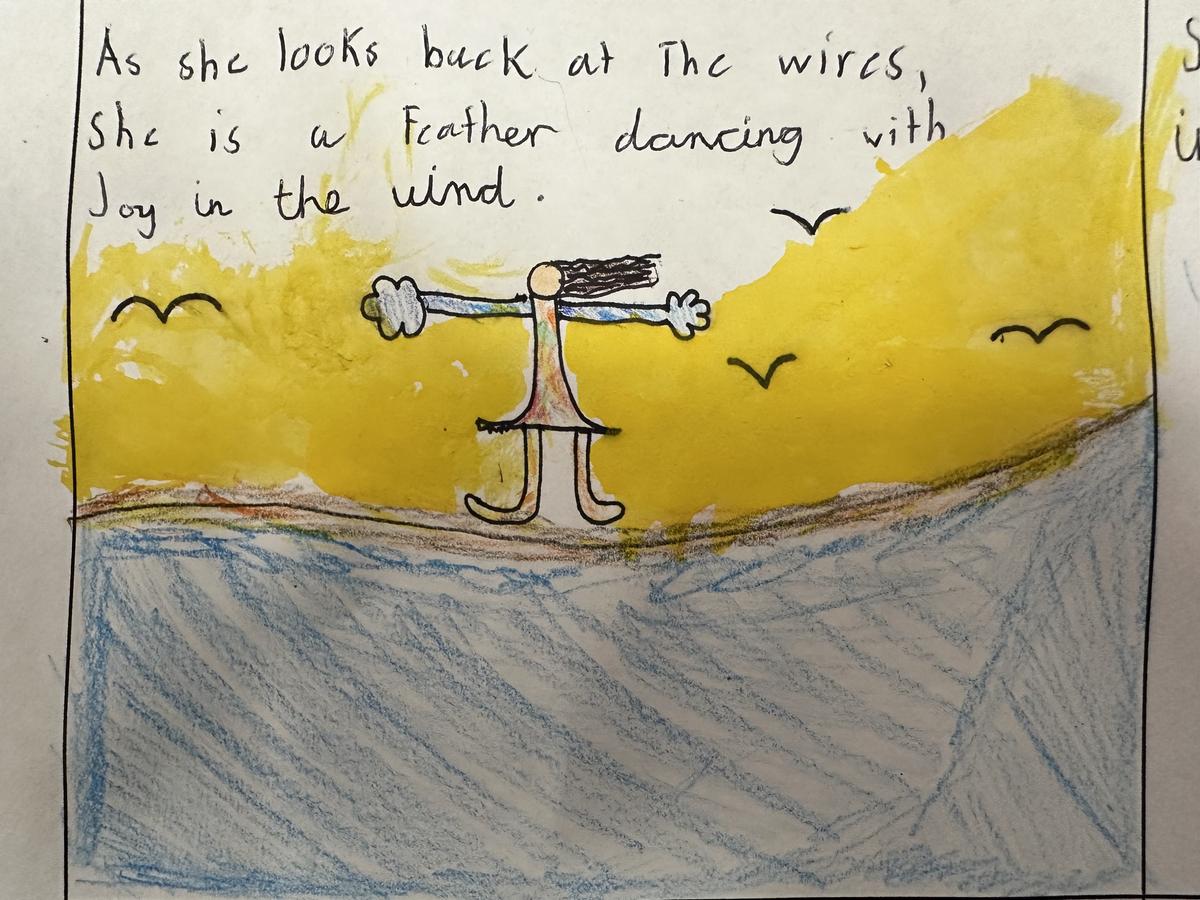
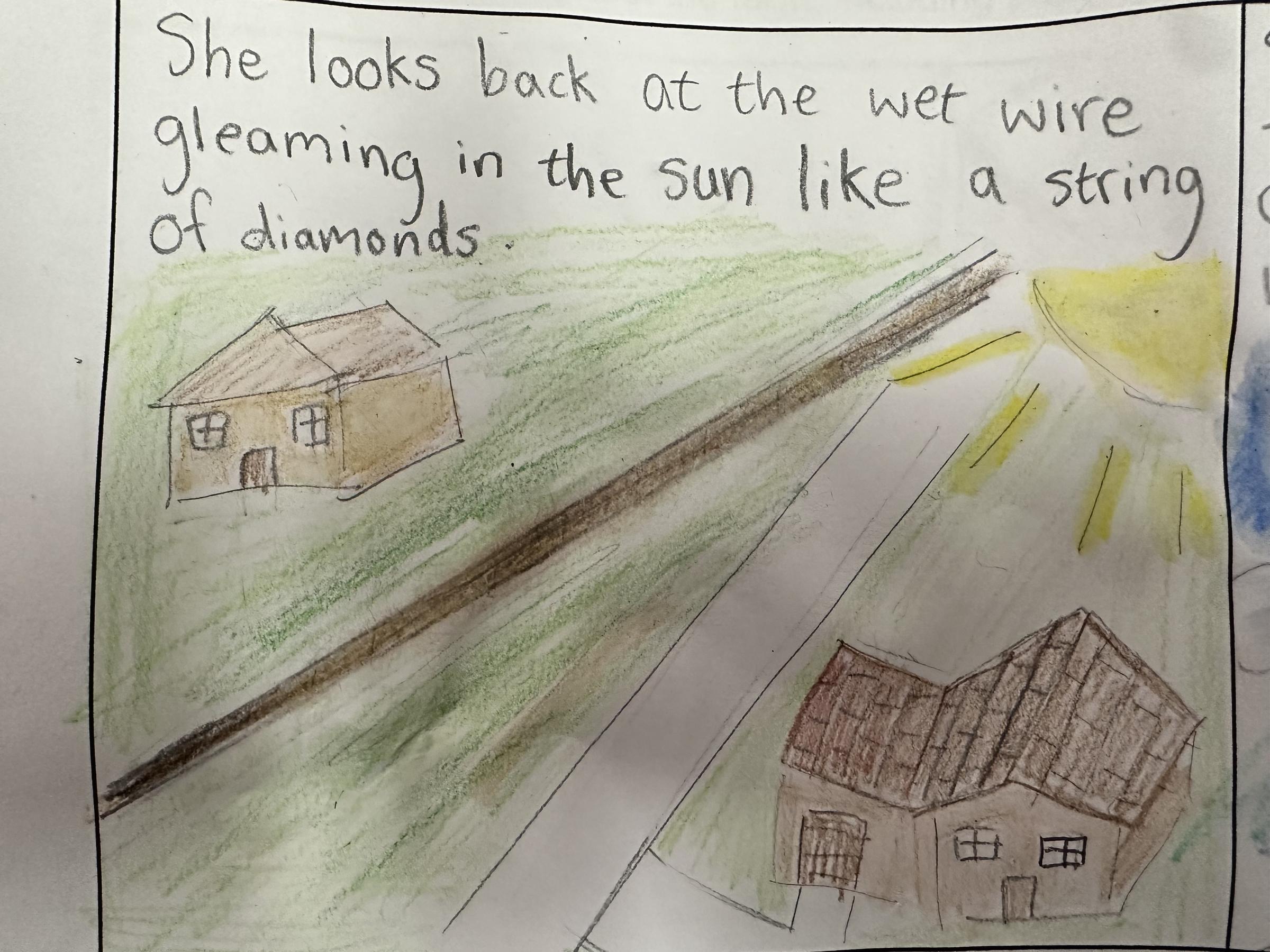
To finish the unit, students became authors and illustrators themselves. After analysing Lucy Estela’s writing style, they created their own six-page storyboards, imagining what might happen after the girl has safely crossed the wire. Students incorporated figurative language, varied sentence lengths and carefully chosen words to create mood and meaning. They then illustrated their stories, making deliberate choices about colour, visual elements and character body language to complement their writing.
Students edited and refined their work, gave and received peer feedback, and published their final pieces. They also reflected on how the different semiotic systems they used in their illustrations helped communicate the meaning and emotions within their stories.
Throughout the unit, students have developed their ability to read deeply, support their ideas with evidence, analyse how authors and illustrators create meaning, and use these techniques in their own writing and multimodal texts. Most importantly, Girl on Wire encouraged students to think about the challenges they face, the courage it takes to begin, and how they can find the strength to keep moving forward.