From the Director of Diversity and Inclusion K–12
Mrs Deearne Spaulding

From the Director of Diversity and Inclusion K–12
Mrs Deearne Spaulding
A new autism diagnosis can bring a mix of emotions for young people and their families, including relief, validation, uncertainty, grief and hope. The most helpful support begins with understanding, acceptance and practical guidance.
KEY MESSAGES FOR FAMILIES
Focusing on strengths and inclusion leads to better outcomes than focusing solely on deficits.
SUPPORTING YOUR YOUNG PERSON
Talk about autism positively
Messages that reinforce identity and acceptance can make a significant difference:
2. Help them understand their diagnosis
Use age‑appropriate language:
For younger children:
“You might notice things that others miss.”
For older children and adolescents:
3. Validate their experiences
Many autistic young people have spent years feeling misunderstood. Simple statements can build trust and confidence:
4. Support identity and belonging
Where appropriate, help them connect with community and positive representation:
These connections can reduce feelings of isolation and strengthen self‑esteem.
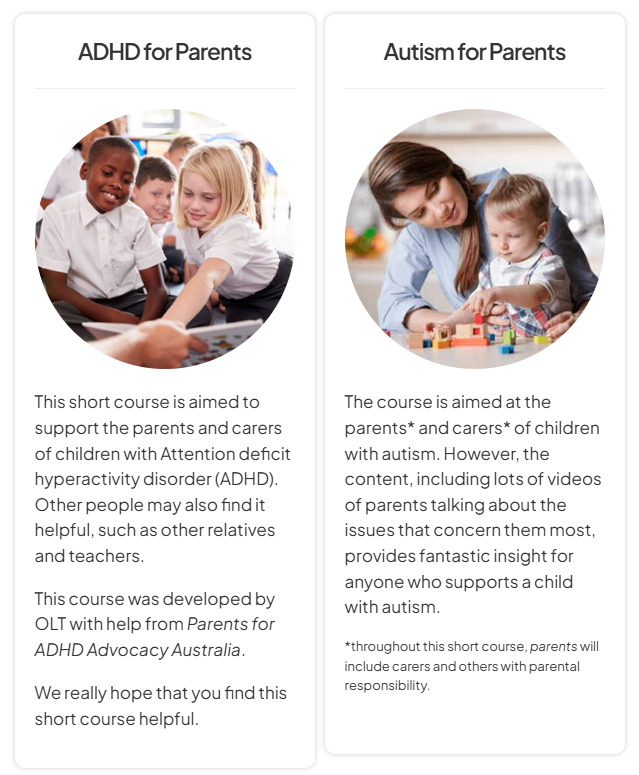
OLT is an evidence-based platform offering professional learning for Australian schools and staff supporting students with disabilities, including autism, ADHD and dyslexia. Their programs – including tutored courses, STEPS modules and short courses – are co-designed with expert practitioners and focus on practical classroom impact.
SMC staff are currently completing several OLT courses. Free parent courses are also available to help families better understand their child’s needs.
If you are interested in completing a short course, please visit the following link: https://aus.oltinternational.net/free-parents-courses