
Creating Digitally Responsible Citizens
Deepfakes
According to the eSafety Commissioner, “a deepfake is a digital photo, video or sound file of a real person that has been created with AI (Artificial Intelligence) to make an extremely realistic bus false depiction of them doing or saying something that they did not actually do or say.” (eSafety Commissioner, 2026) There is a variety of software that can help to create these images and some of the software is placed in social media apps such as SnapChat, Instagram and Messenger.
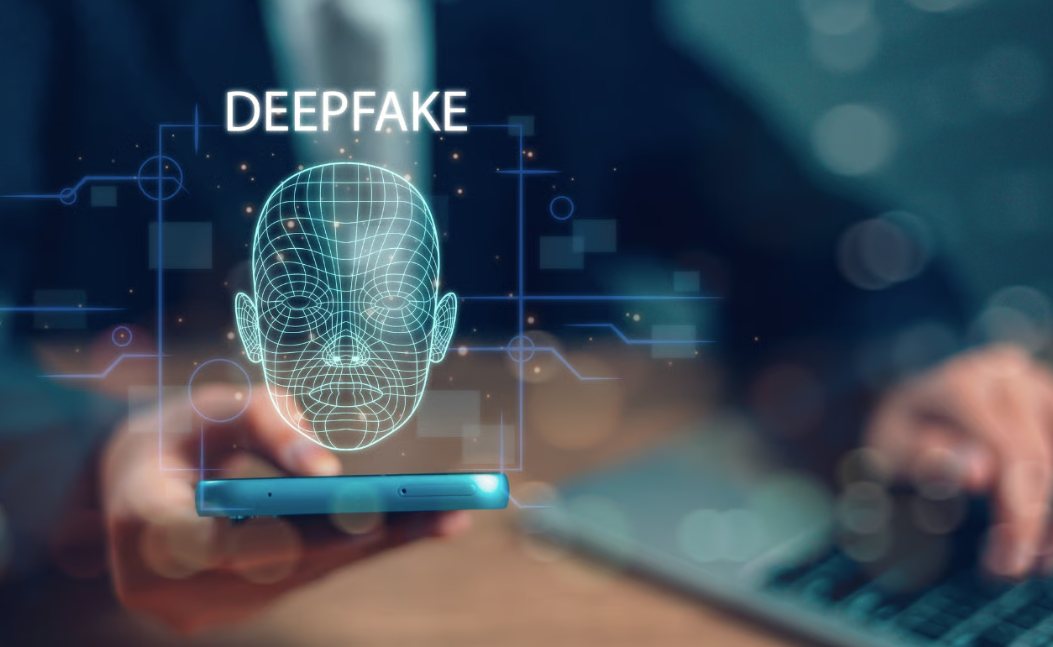
Students need to be mindful of the images and videos they are creating and sharing with others as they can cause significant harm if created and shared in the wrong way.
If students receive a deepfake, they should check for:
blurring, cropped effects or pixilation (small box-like shapes), particularly around the mouth, eyes and neck
skin inconsistency or discoloration
inconsistency across a video, such as glitches, sections of lower quality and changes in the lighting or background
badly synced sound
irregular blinking or movement that seems unnatural or irregular
gaps in the storyline or speech.
If a student is involved in a deepfake or receives a deepfake from someone else, they should report this to:
- a parent or guardian to receive support and help,
- the school - if the incident involves other students,
- the local police - especially if a crime may have occurred or
- the eSafety Commissioner- using the Report Abuse portal.
The eSafety Commissioner can help families to remove deepfakes from an online platform and they advise that students should never share or save explicit content, instead they should make a written record of links (URLS), account names, and descriptions for evidence.
Parents and carers can support their children by having open communication about what deepfakes are, how they could be harmful and who they can turn to if something goes wrong.
More information can be found here.
(eSafety Commissioner, 2026)
Mrs Courtney Freebody | Leader of Learning - Digital Technology and STEM