From the Deputy Principal
Mrs Caroline Wilson-Haffenden
From the Deputy Principal
Mrs Caroline Wilson-Haffenden
Welcome back to Term 3.
A warm welcome back to all students, parents and carers, staff, and to the new members of our College community who have joined us this term. I hope you enjoyed a restful and refreshing break and are ready for a rewarding and productive term ahead.
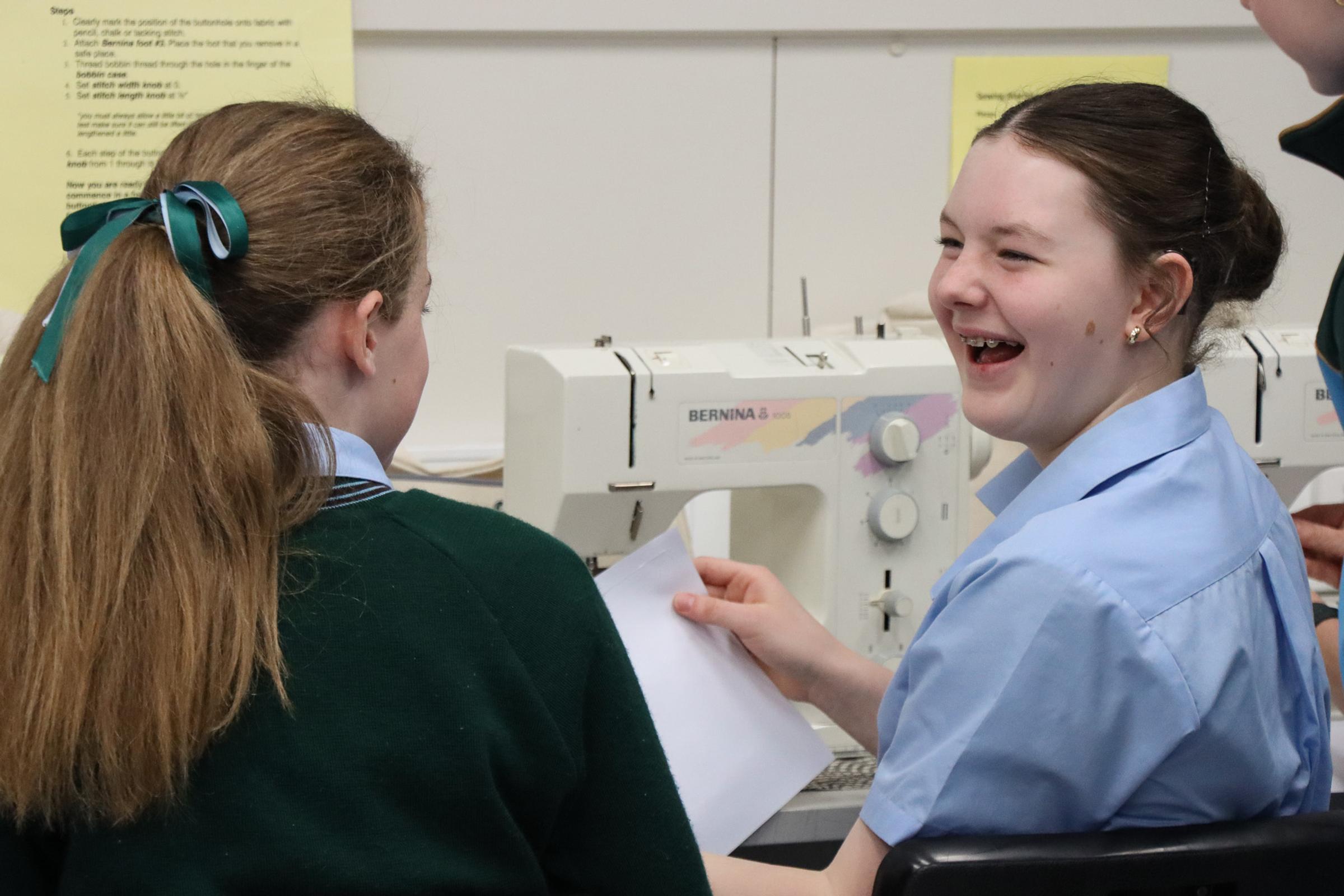
There is always a wonderful sense of energy and optimism at the beginning of a new term, and it has been a pleasure to see students reconnecting with their peers, teachers and learning support staff.
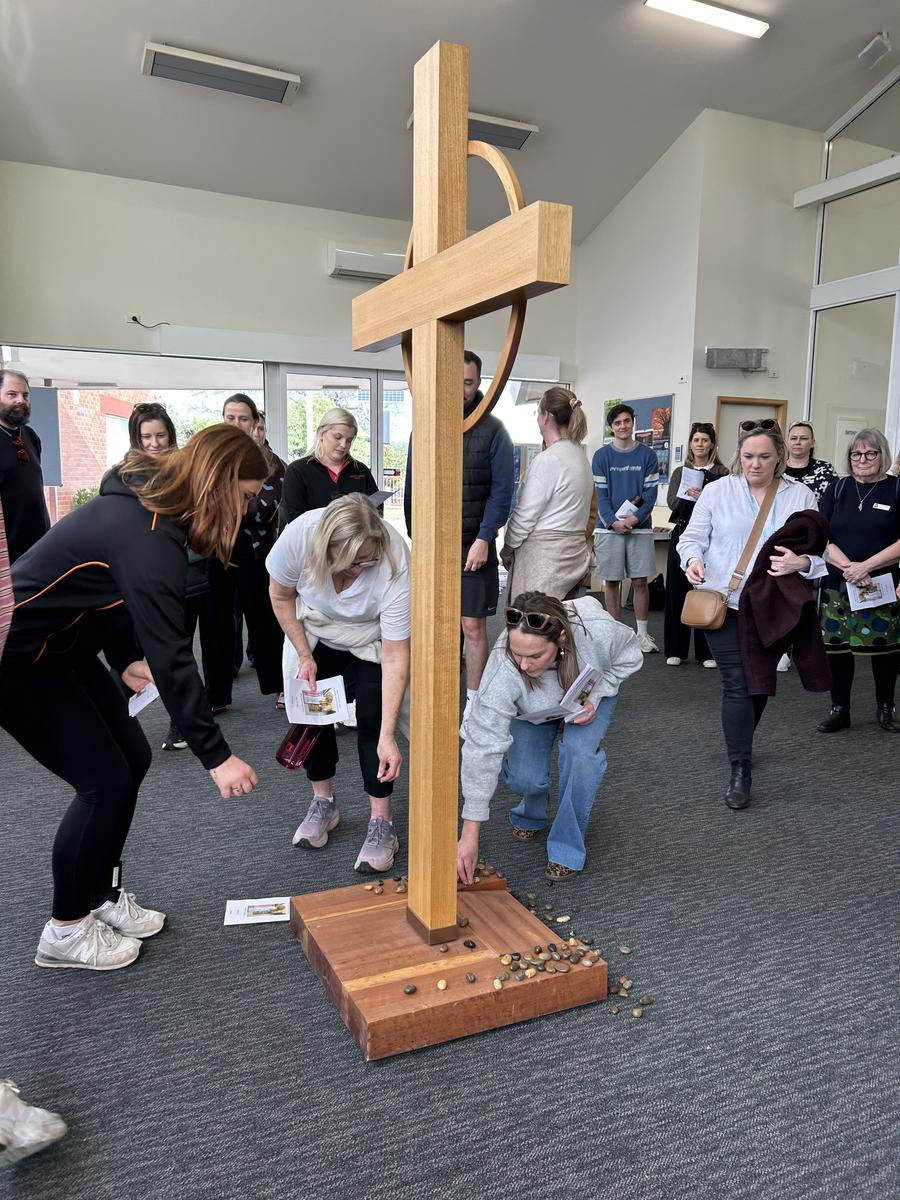
The first day of the term was an opportunity for staff from St Cuthbert’s Catholic School, Corpus Christi Catholic School, St Brigid’s Catholic School and St Mary’s College to come together and celebrate our shared Presentation heritage and charism. Throughout the day, staff were invited to reflect on a series of questions:
As this year marks the 250th anniversary of the Presentation Sisters, it was fitting that we could collectively look back with gratitude, celebrate the rich legacy of the Presentation tradition and look forward with renewed purpose to the future.
The Term 3 calendar is filled with exciting events and opportunities for students and families to become involved in College life, including Book Week, Science Week, Retreats, Wellbeing Week, the Canberra Trip, Footy Colours Day and our Cocktail Fundraiser and Auction. I encourage students and families to regularly check the College calendar on Connect and the College website to stay informed about upcoming activities and events.
At the conclusion of Term 2, students received their Mid-Year Reports. They should be justifiably proud of the effort, commitment and growth they demonstrated throughout Semester 1. These reports provide an opportunity to celebrate achievements while also identifying areas for further development.
As we begin a new term, students are encouraged to reset, refocus and establish new SMART goals (Specific, Measurable, Achievable, Relevant and Time-bound) that will support both academic success and active engagement in their learning.
I encourage all students to embrace a growth mindset. While we want our students to develop the knowledge and skills they need to succeed academically, we also seek to nurture the character, resilience and values that will help them lead successful and fulfilling lives.
Personal growth does not happen by accident. It requires self-awareness, effort, perseverance and a genuine commitment to becoming the best version of ourselves. Growth often occurs when we step outside our comfort zone, learn from our mistakes and remain open to feedback and new experiences. It is a lifelong journey that challenges us to continually improve, both as learners and as people.
Students are encouraged to:
By embracing these principles, students can continue to grow in confidence, character and capability, becoming the very best version of themselves.

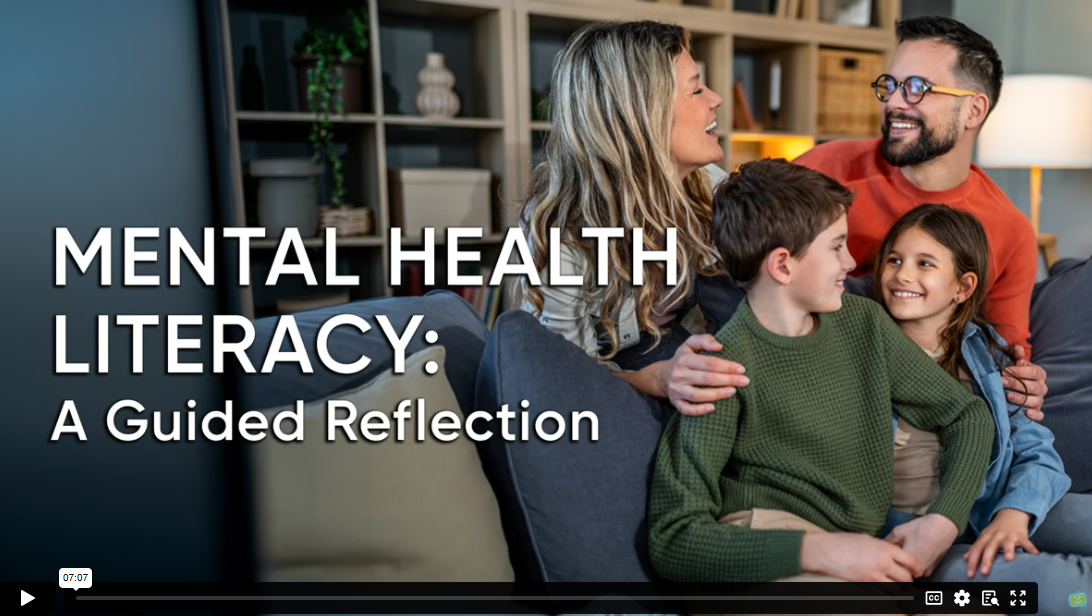
Special Report - School TV: Mental Health Literacy
Mental health is an essential part of a young person's overall wellbeing, influencing how they think, feel, learn and interact with others. Yet many of us can feel uncertain about how best to identify concerns, start conversations or access appropriate support.
Mental health literacy is not about becoming an expert. It's about recognising when something isn't right, knowing how to respond and understanding where to seek help when needed. By building this awareness and capability, we can play an important role in supporting wellbeing, reducing stigma and encouraging early help-seeking.
The below Special Report explores ways to strengthen our mental health literacy and includes a Mental Health Literacy Reflection Tool. Through a series of questions, you can reflect on your own understanding, confidence and readiness to support the mental health and wellbeing of young people.
It offers an opportunity to identify your strengths, recognise areas where you may wish to build your knowledge and take positive steps towards feeling more confident in supporting children and young people.
Here is the link to this topic: SPECIAL REPORT: Mental Health Literacy – A Guided Reflection