
Deputy News
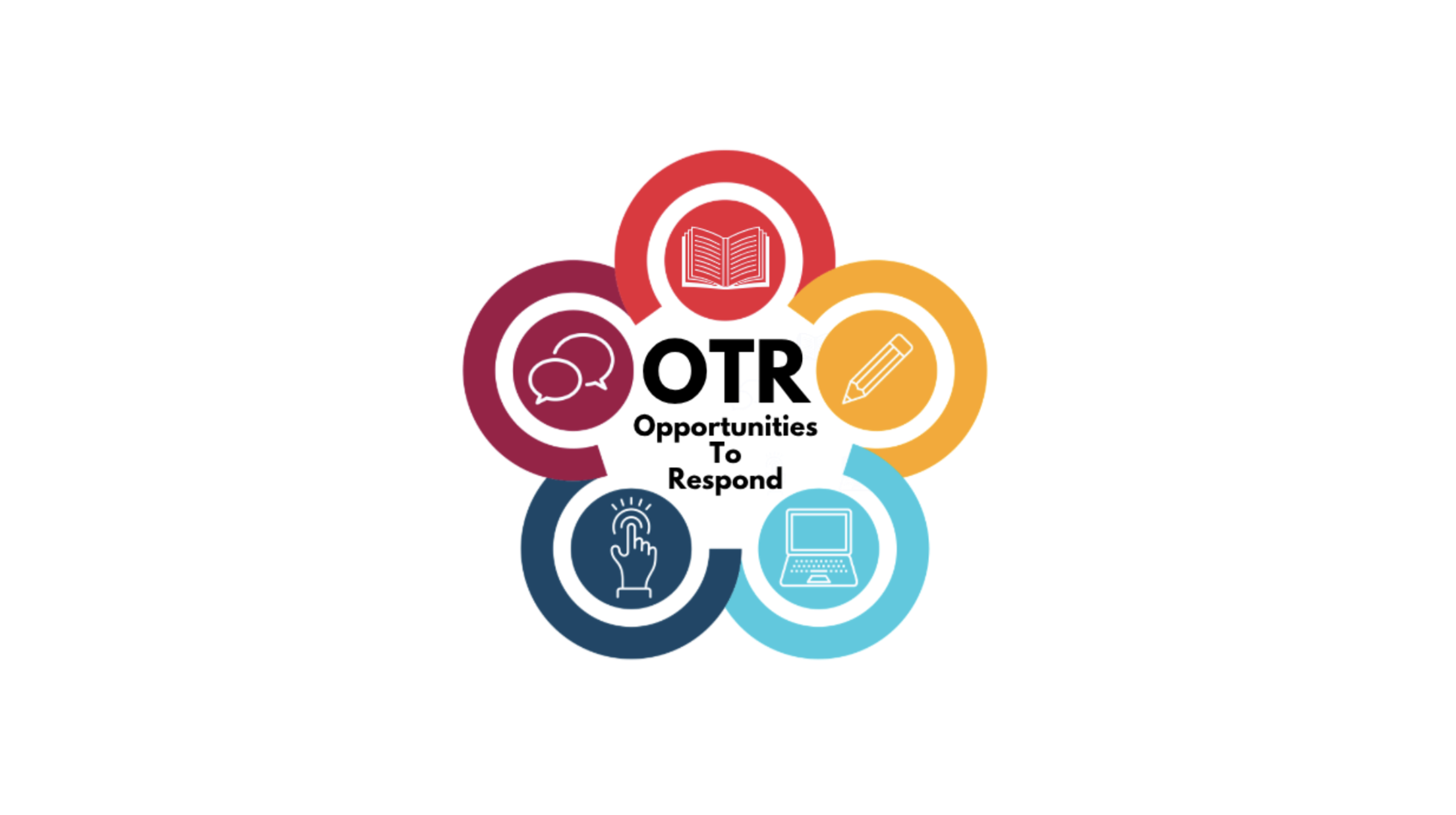
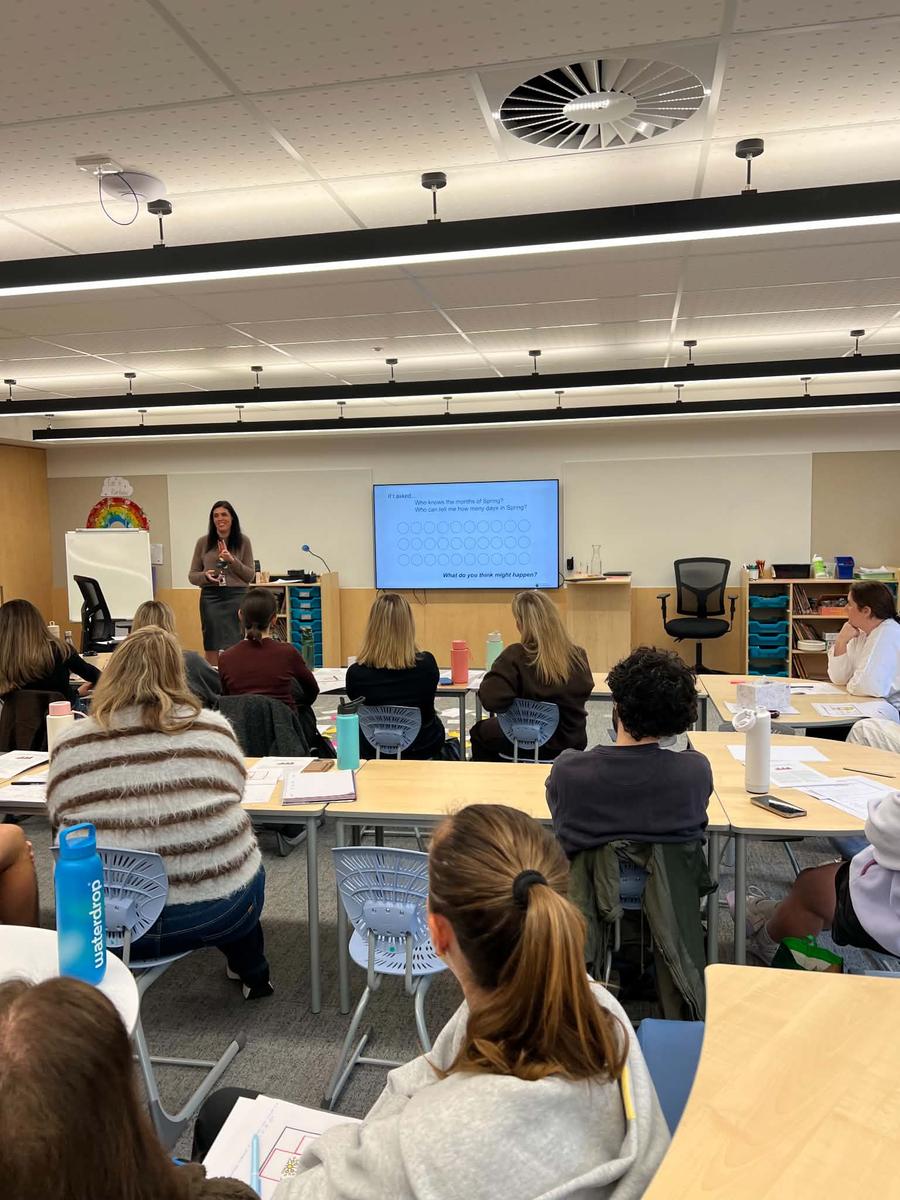
Have you ever wondered how teachers keep a classroom of 25 students focused, excited, and learning all at the same time? One of our favorite tools is a strategy called Opportunities to Respond (OTR).
Simply put, an OTR is any time a teacher asks a question, presents a task, or requests a reaction that requires every student to actively participate. Instead of calling on just one student who raises their hand, teachers use OTRs to make sure everyone is thinking and responding.
Why Cognitive Engagement Matters
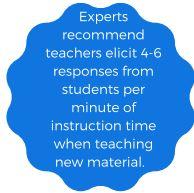
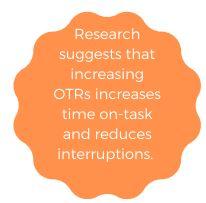
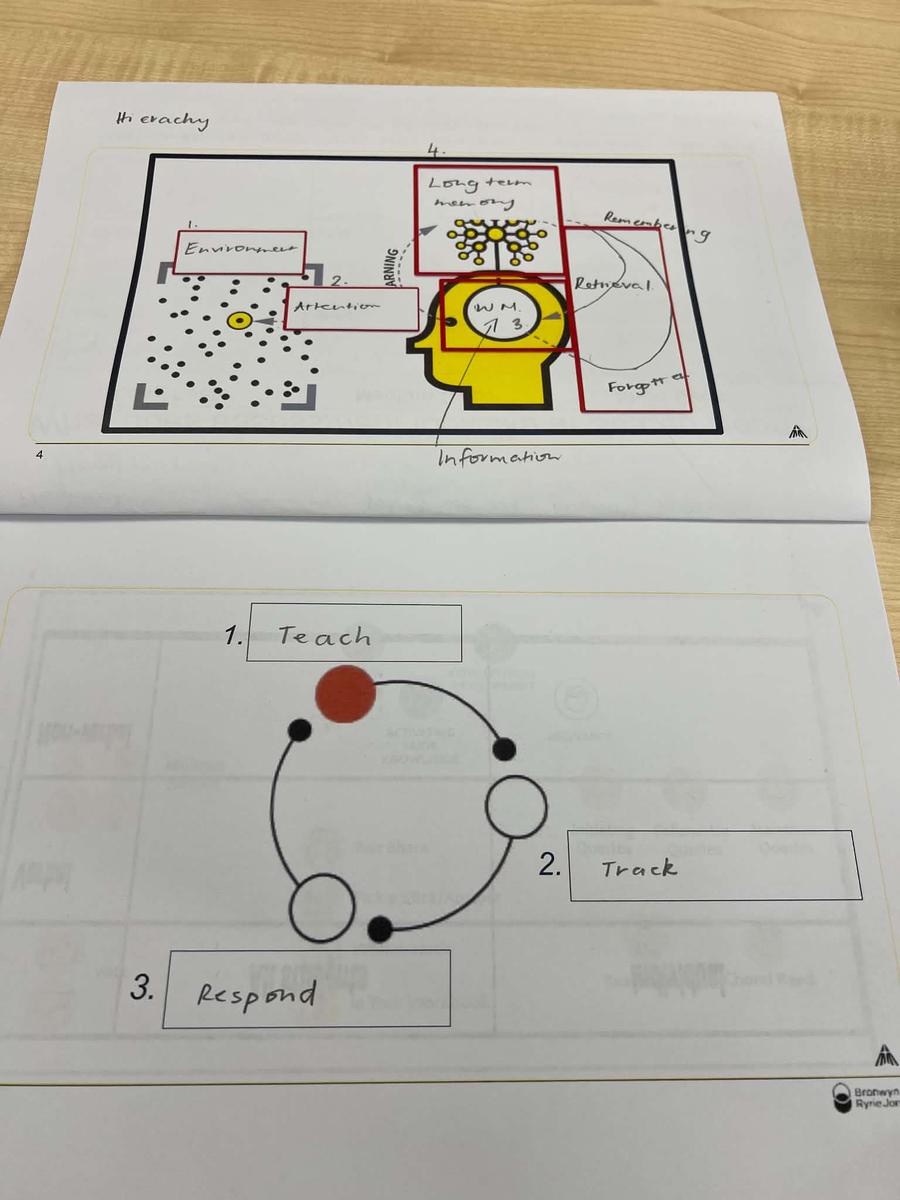
Opportunities to Respond (OTRs) support learning by keeping students’ attention focused on the content and requiring them to actively think about, retrieve and apply knowledge.
Because working memory can process only a small amount of new information at once, frequent OTRs allow teachers to:
- check that students are attending and understanding;
- activate and connect to prior knowledge;
- provide manageable opportunities to process new information;
- identify misconceptions and respond immediately; and
- strengthen learning through frequent retrieval and practice.
OTRs make students’ thinking visible, helping teachers determine whether meaningful cognitive engagement, and therefore learning is taking place.
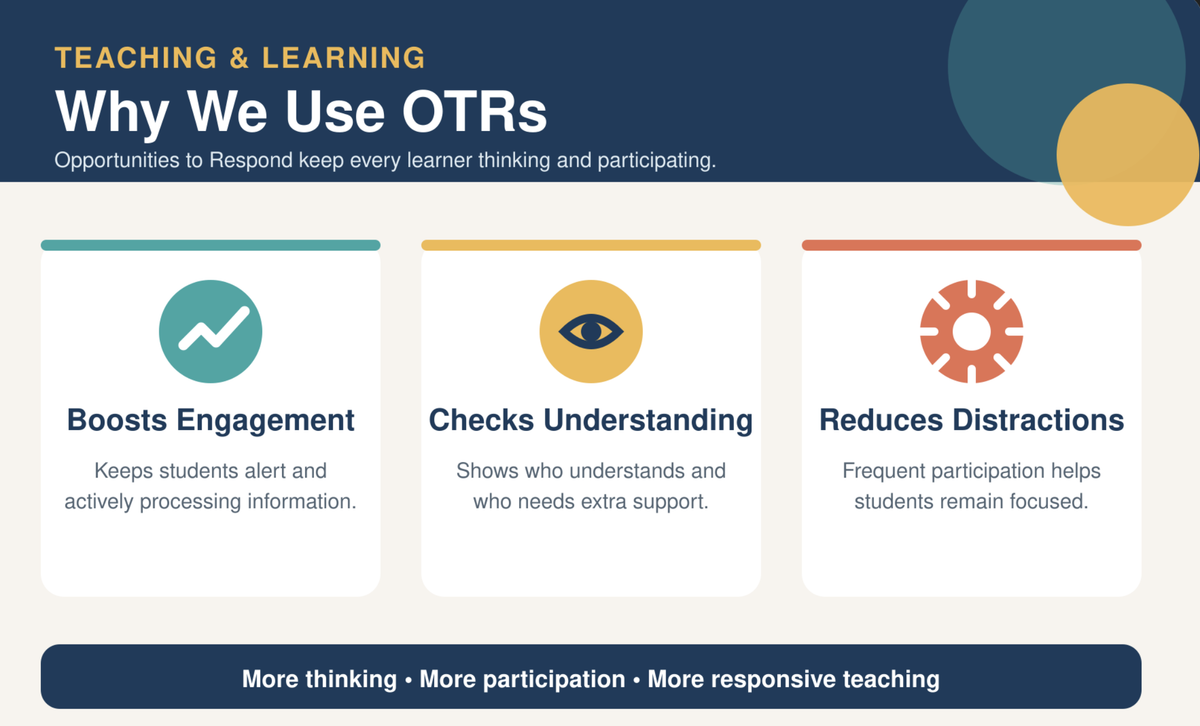
Why We Use OTRs
What OTRs Look Like in the Classroom
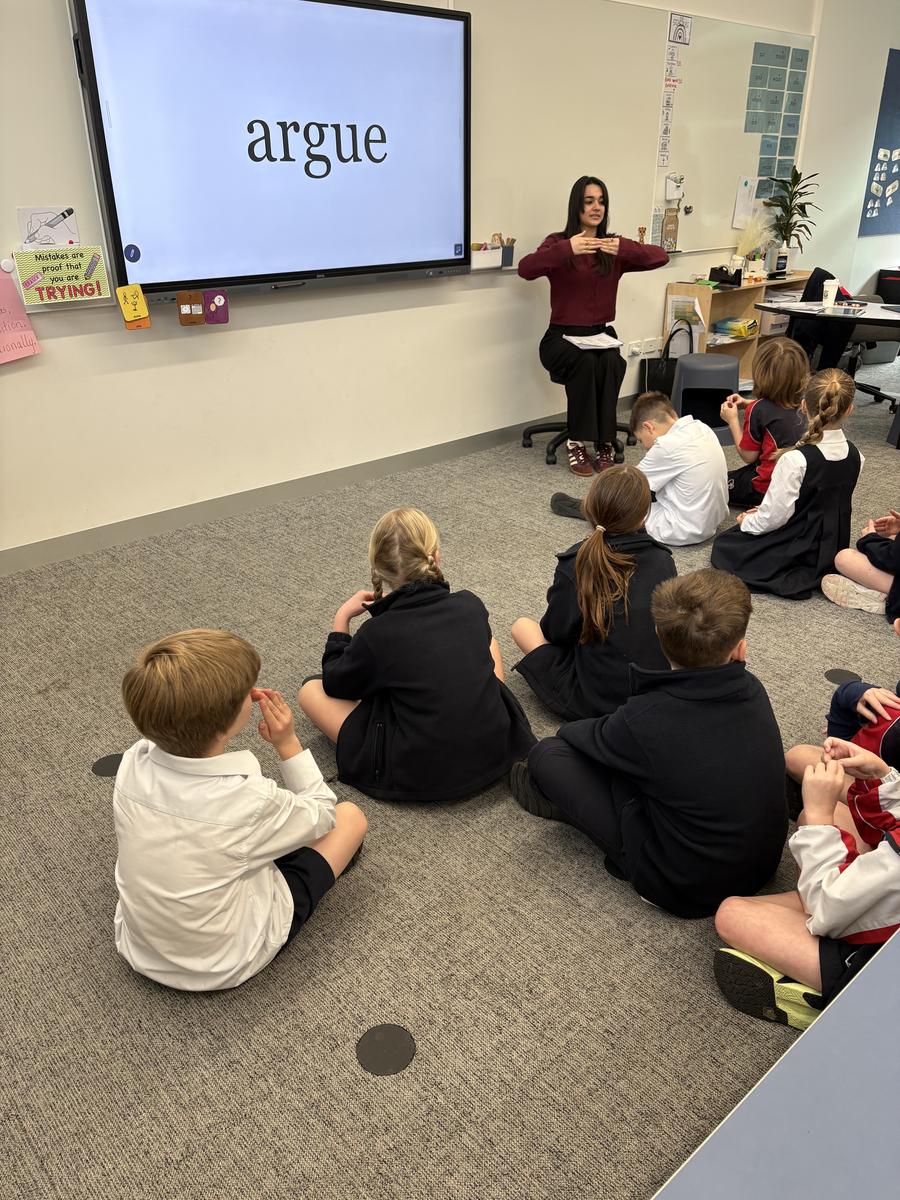
Teachers mix verbal, non-verbal, and digital strategies depending on the lesson:
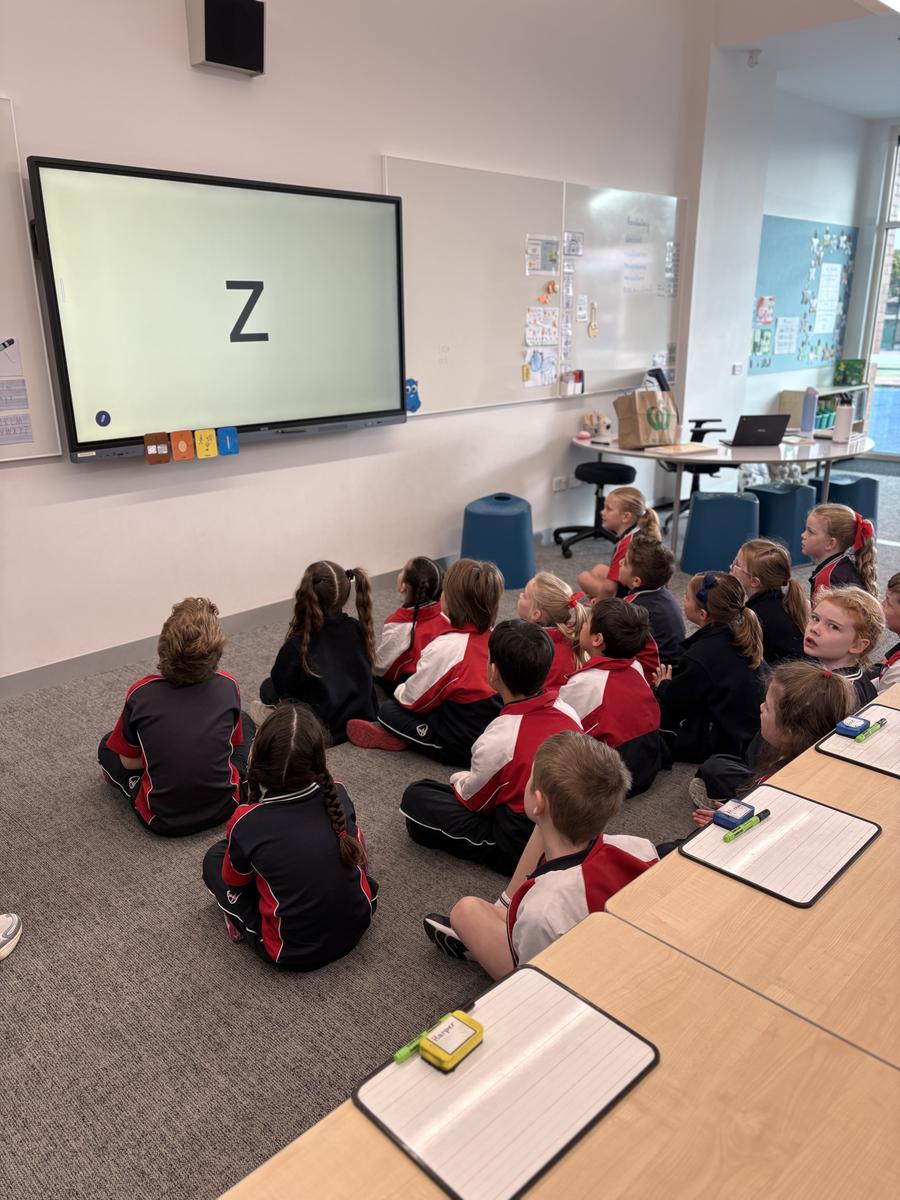
- Choral Responding: The teacher asks a question, and the whole class answers out loud together on a cue (e.g., "On three, what is 5 times 5? 1, 2, 3... 25!").
- Thumbs Up / Thumbs Down: A quick visual check where students show if they agree, disagree, or are still confused.
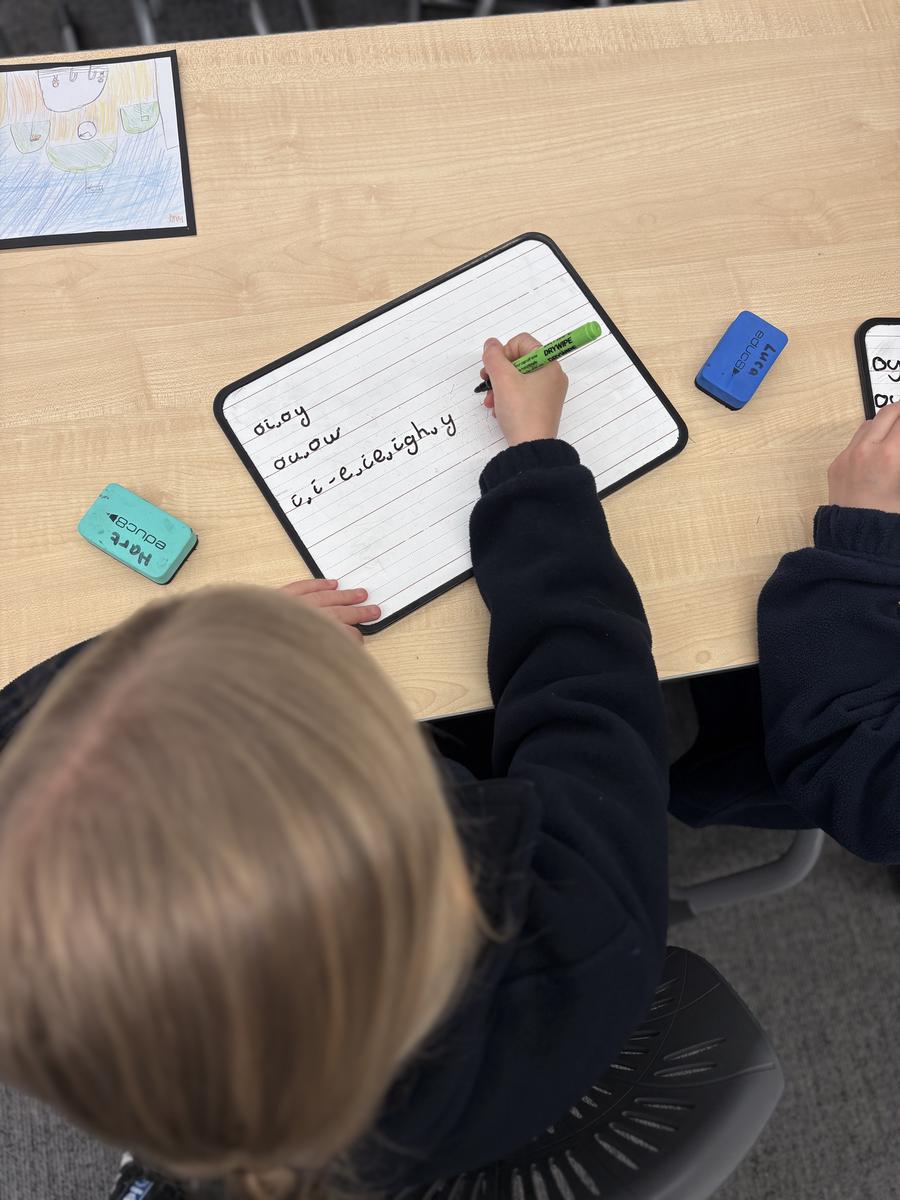
- Whiteboards: Every student writes their answer on a mini-whiteboard and holds it up at the same time.
- Think-Pair-Share: Students think about a question individually, discuss their thoughts with a partner, and then share with the class.
- Cold calling
- Randomised Questioning
Kate and Sarah