
Middle School
Head of Middle School - Jodi Fitzgerald-Tate
Middle School
Head of Middle School - Jodi Fitzgerald-Tate
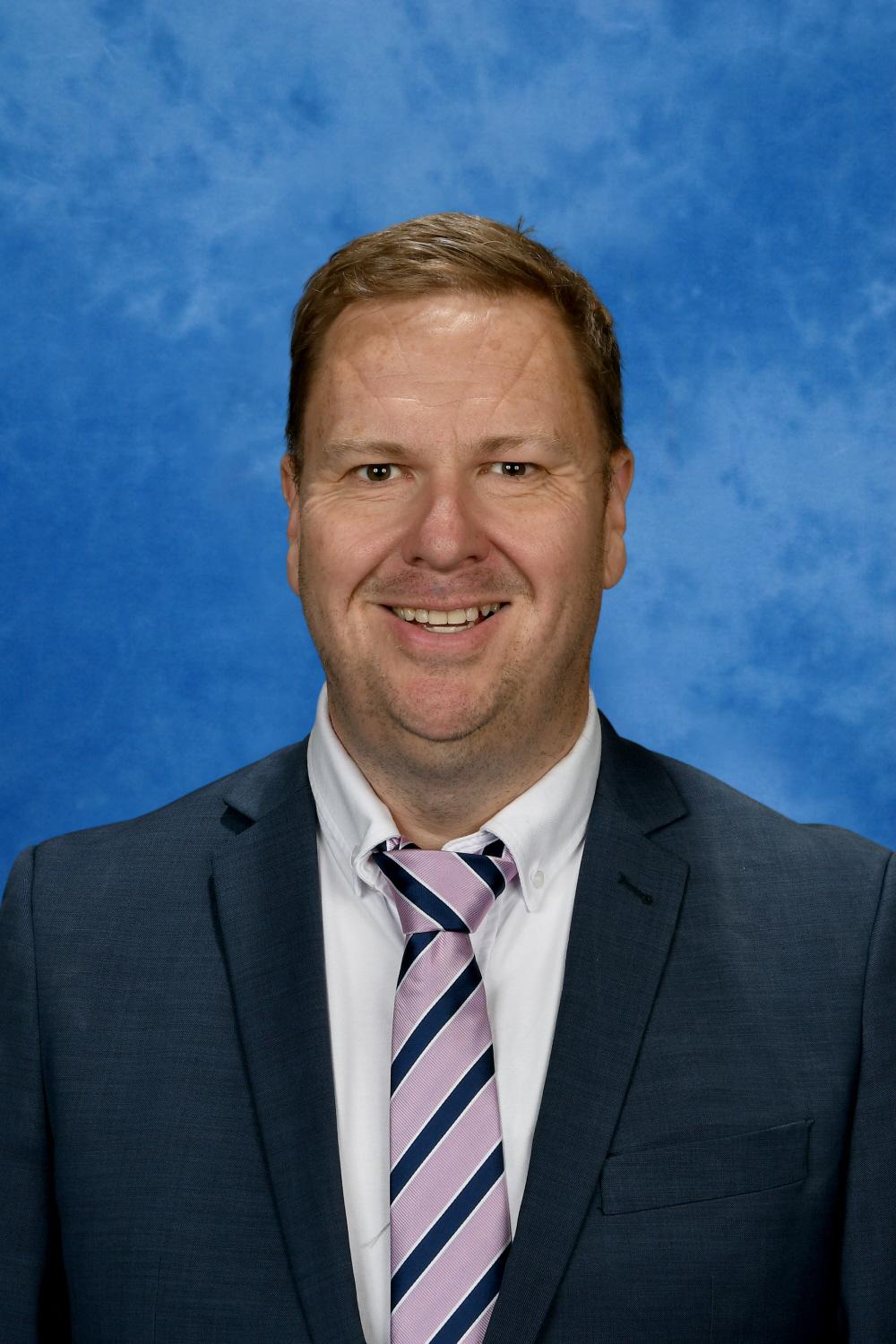
Article by Richard Meats
Professional learning is an essential part of being an educator. It allows us to strengthen our knowledge, reflect on our practice and respond more effectively to the changing needs of the young people in our care.
As Year 8 Leader, my role has a strong pastoral focus. Year 8 is a significant stage of adolescence, bringing considerable social, emotional and developmental change. Schools are often an important point of connection for young people, and staff can play a vital role in recognising when a student may need additional support.
I recently completed the Youth Mental Health First Aid course. This valuable professional learning strengthened my ability to recognise and respond appropriately when a young person may be experiencing a mental health problem or crisis. The course covered areas including anxiety, depression, eating disorders, substance use, self-injury, and suicidal thoughts and behaviours.
The course does not seek to turn educators into mental health professionals. Instead, it equips us with practical, evidence-informed strategies to provide initial support, respond calmly and confidently, and connect a young person with appropriate professional assistance.
For me, meaningful professional learning should have a direct and positive impact on students. By continuing to develop our knowledge and skills, we are better placed to create a school environment in which young people feel noticed, supported and safe, and where they know that asking for help is always a sign of strength.
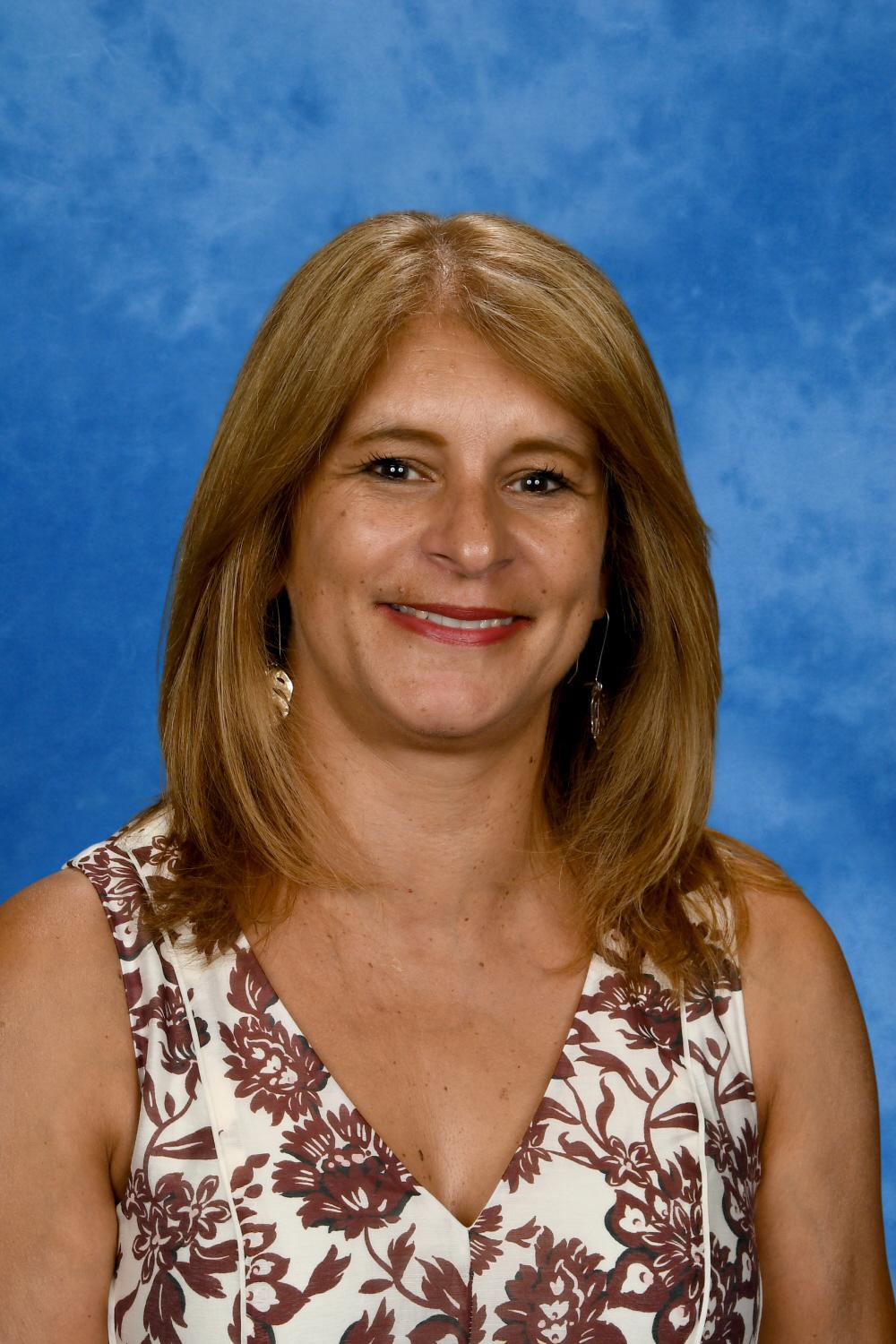
Article by Jacqui Garkel
R U OK? Day is a reminder that asking a simple question and taking the time to genuinely listen can make a meaningful difference to someone’s wellbeing. While R U OK? Day is an important annual reminder, checking in with our children and young people is something we can do every day.
For parents and carers, these conversations are not always easy. Children and teenagers may not always have the words to explain how they are feeling, or they may be reluctant to open up. Often, it is through small, everyday moments of connection that we create the safety and trust that allows them to talk when they are ready.
This is closely aligned with the work we do through Student Services, including our parent programs Tuning In To Kids/Teens and Circle of Security.
Tuning In To Kids and Tuning In To Teens
Tuning In To Kids and Tuning In To Teens focus on developing emotional intelligence and strengthening the relationship between parents and their children.
The programs provide parents with practical strategies to:
recognise and understand their child’s emotions;
respond to feelings in ways that build connection rather than conflict;
help children and teenagers manage strong emotions;
develop communication and problem-solving skills;
support resilience and emotional wellbeing.
At the heart of these programs is the idea that when children feel understood, they are more likely to feel safe enough to share what is happening for them. Sometimes, being available to listen without immediately trying to fix the problem is one of the most powerful things we can do.
Circle of Security
Circle of Security helps parents understand their child’s behaviour through the lens of their underlying emotional needs. It encourages parents to consider, “What might my child be communicating through this behaviour?” rather than focusing only on the behaviour itself.
The program supports parents to become a secure base for their children — someone they can return to for comfort, reassurance and support, while also encouraging them to explore, develop independence and navigate life’s challenges.
Connection is the foundation
R U OK? Day reminds us that meaningful conversations don't have to be complicated. Sometimes it is as simple as noticing a change, asking “Are you okay?”, putting our phones down and being genuinely present.
The skills explored through Tuning In To Kids/Teens and Circle of Security help us create the relationships where these conversations are more likely to happen naturally. When children and young people know they are listened to, understood and supported, they are more likely to seek help when they need it.
This R U OK? Day, we encourage all families to make time for connection. Ask the question, listen without judgement, and let your child know that you are there — not just today, but every day.
Student Services offers Tuning In To Kids, Tuning In To Teens and Circle of Security programs for parents and carers throughout the year. Please contact Student Services for further information about upcoming programs.