Early Years News
Pre-Kindy to Year 2
























 Salvado Catholic College
Early Years News
Pre-Kindy to Year 2
Children quickly learn to behave in positive ways when they get consistent, encouraging guidance from you. This means giving praise and attention when you notice your child behaving well and using consequences when you need to guide them towards more positive behaviour.
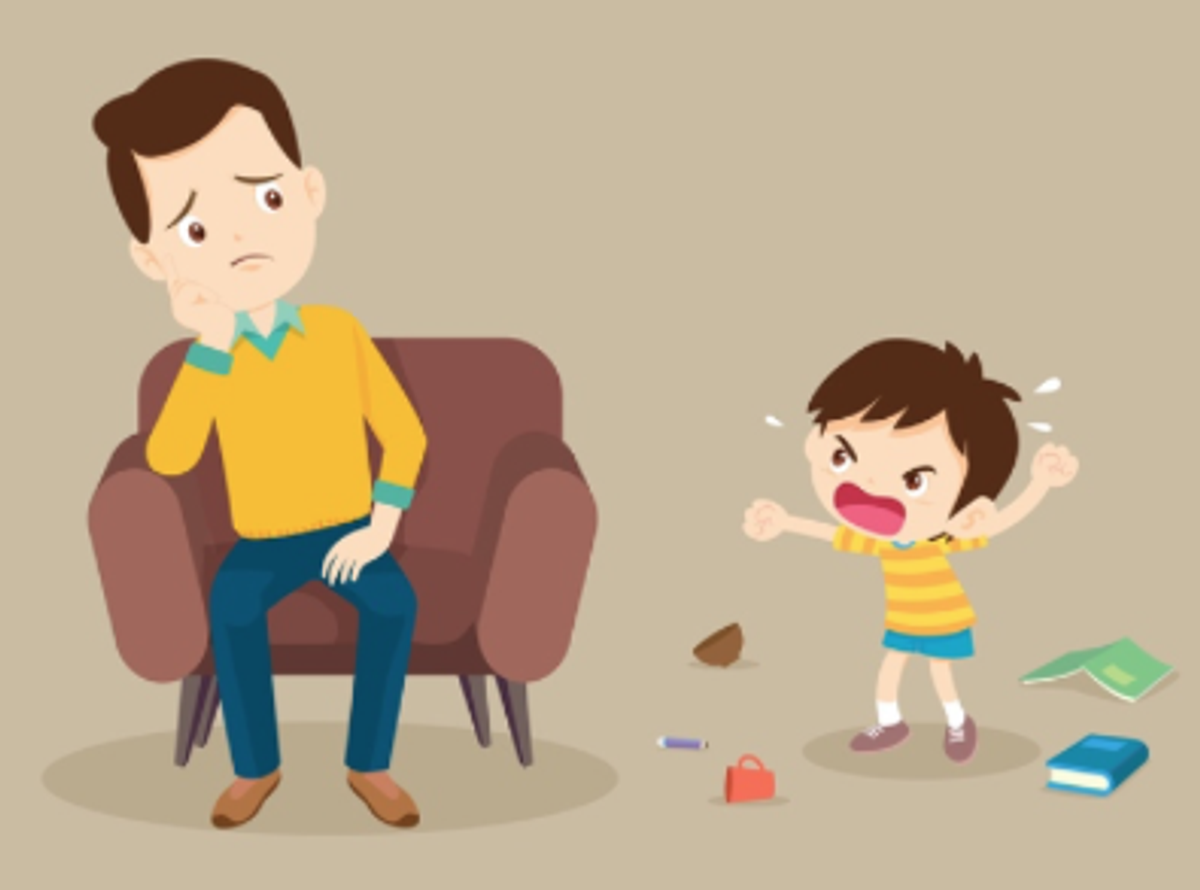
Here are practical tips for putting this positive approach into action.
1. Give your child positive attention and spend quality time together
Your relationship is key to guiding your child towards positive behaviour. You can build a close and loving relationship by spending time with your child playing, reading or chatting. Giving your child positive attention like hugs, smiles and encouragement is also important.
2. Be a role model
Use your own behaviour to guide your child. Your child watches you to get clues on how to behave – and what you do is often much more important than what you ask them to do. For example, if you say ‘please’ yourself, it will encourage your child to say ‘please’ too.
3. Tell your child how you feel
Telling your child honestly how their behaviour affects you helps your child see things from your perspective. For example, ‘I can’t hear Nonna when you yell in my ear’. It’s best to talk about feelings when you’re both calm.
Helping your child understand their own and other people’s emotions helps them cope with strong emotions like frustration, which sometimes lead to behaviour like tantrums.
4. Notice your child being ‘good’
When you notice positive behaviour, praise your child. For example, ‘Wow, you’re playing so nicely. I really like the way you’re keeping all the blocks on the table’. Praise makes positive behaviour more likely and challenging behaviour less likely. Try to focus more on positive behaviour than challenging behaviour. It’s always better to give many more positive comments than corrections.
5. Get down to your child’s level
When you get close to your child, you can tune in to what they’re feeling or thinking. Being close helps your child focus on what you’re saying about their behaviour. It also makes it easier for your child to follow your instructions.
6. Listen actively
To listen actively, you can nod as your child talks and repeat back what you think your child is feeling. For example, ‘It sounds like you felt really sad when Amit wouldn’t let you join his game’. This helps your child feel heard, respected and comforted.
7. Keep promises
When you follow through on your promises, your child learns to trust and respect you. Your child learns that you won’t let them down when you’ve promised something nice, and your child also learns not to try to change your mind when you’ve explained a consequence. So when you promise to go for a walk after your child picks up their toys, make sure you have your walking shoes handy. If you tell your 3-year-old that they’ll have quiet time if they don’t stop throwing dirt, be prepared to follow through.
8. Create an environment for positive behaviour
The environment around your child can influence their behaviour, so you can shape the environment to encourage positive behaviour. This can be as simple as making sure your child’s space has plenty of safe, stimulating things to play with. Also make sure that your child can’t reach things they could break or that might hurt them.
9. Decide what’s important
Before you get involved in anything your child is doing – especially to say ‘no’ or ‘stop’ – ask yourself if it really matters. By not giving attention to behaviour that isn’t important and by keeping instructions, requests and negative feedback to a minimum, you create fewer opportunities for conflict and bad feelings. You can use family rules to let everyone know what’s important in your family.
10. Keep instructions simple and positive
Instructions should be clear, short and appropriate for your child’s age, so your child can understand and remember them. And positive instructions are usually better than negative ones, because they guide your child’s behaviour in a positive way.
For example, ‘Please shut the gate’ is better than ‘Don’t leave the gate open’. If you need to tell your child to stop doing something, always tell them what to do instead. For example, ‘Stop jumping on the bed. Please sit on the bed’.
11. Give children responsibility – and consequences
As your child gets older, you can give your child more responsibility for their own behaviour. You can also give your child the chance to experience the natural consequences of that behaviour. For example, if it’s your child’s responsibility to pack for a sleepover and your child forgets their favourite pillow, the natural consequence is that your child will have to manage without the pillow for the night.
At other times you might need to provide consequences for challenging behaviour. For these times, make sure that you’ve explained the consequences and your child has agreed to them in advance.
12. Give your child the chance to succeed
Set up your child to behave positively, and then praise them for it. For example, give your child some simple chores or things that they can do to help the family. Praising your child’s behaviour and effort will encourage your child to continue. And giving your child a lot of practice doing a chore helps them get better at it, feel good about doing it, and want to keep doing it.
13. Prepare for challenging situations
There are times when meeting your child’s needs and doing things you need to do will be tricky – for example, when you’re shopping, in the car or at an appointment. If you think about these challenging situations in advance, you can plan around your child’s needs. Give your child a 5-minute warning before you need them to change activities. Talk to your child about why you need their cooperation. Then your child is prepared for what you expect.
14. Keep your sense of humour
It often helps to keep daily life with children light. You can do this by using songs, humour and fun. For example, you can pretend to be the menacing tickle monster who needs the toys picked up off the floor.
Humour at your child’s expense won’t help, though, because young children are easily hurt by ‘teasing’. It’s also best to avoid jokes when your child is behaving in challenging ways. This can accidentally reinforce the behaviour by giving it too much attention.
Regards,
Mrs Sarah Wohlsein
Head of Early Years (Pre-Kindy to Year 2)