Thriving in Year Three
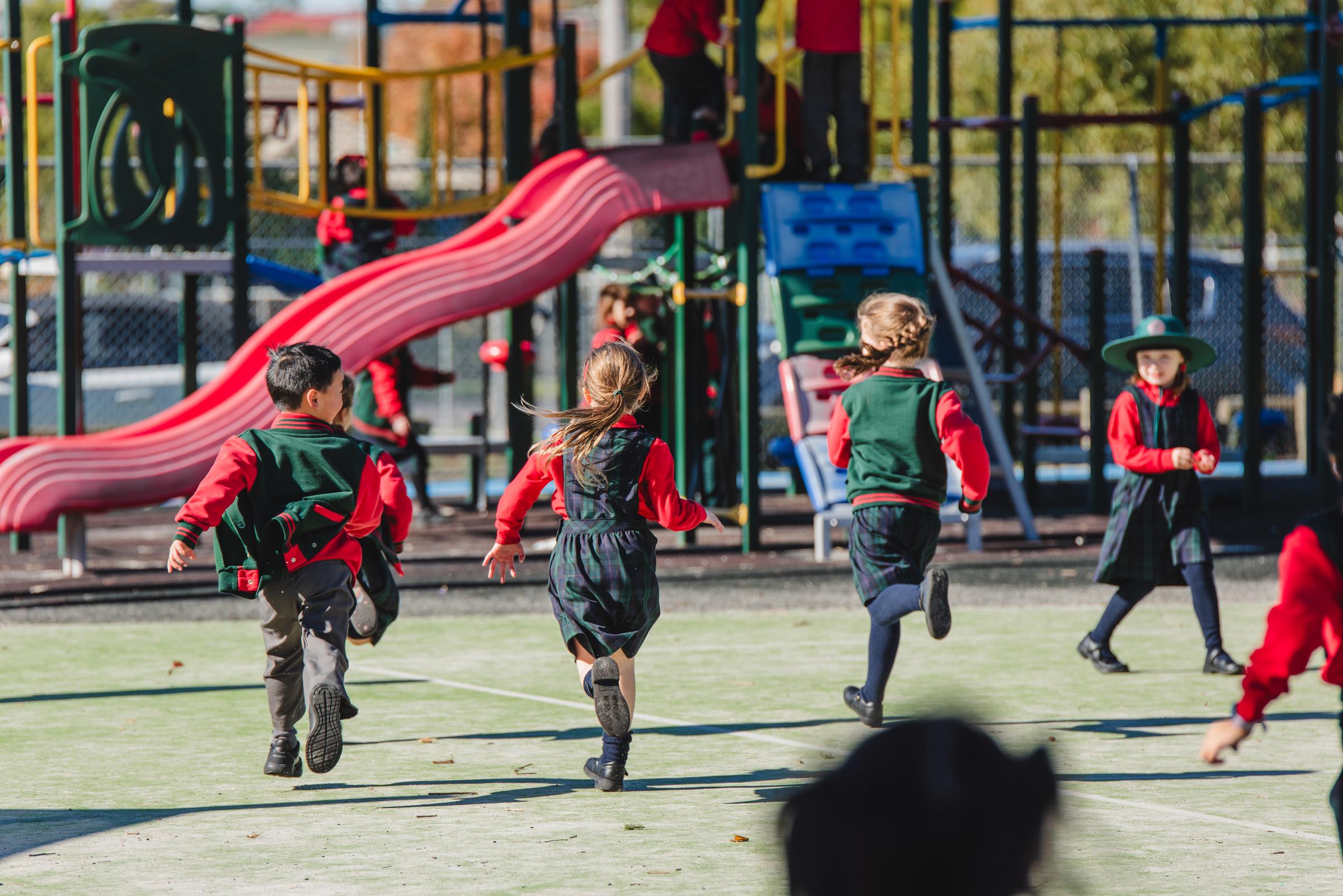
Design and Technologies
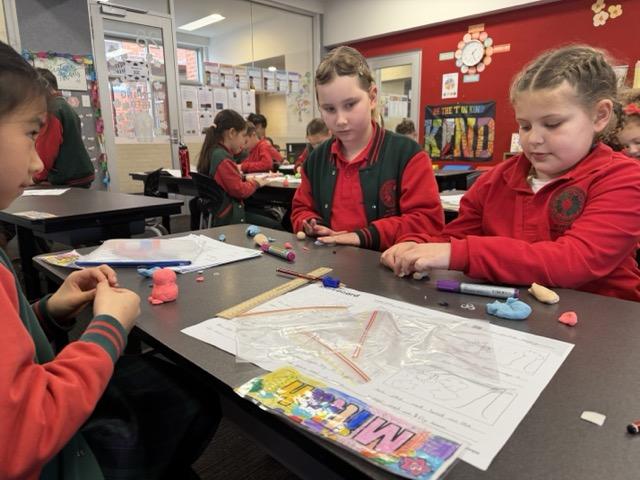
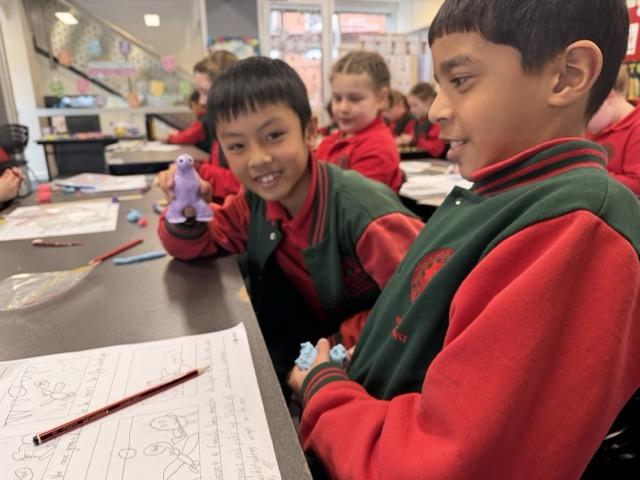
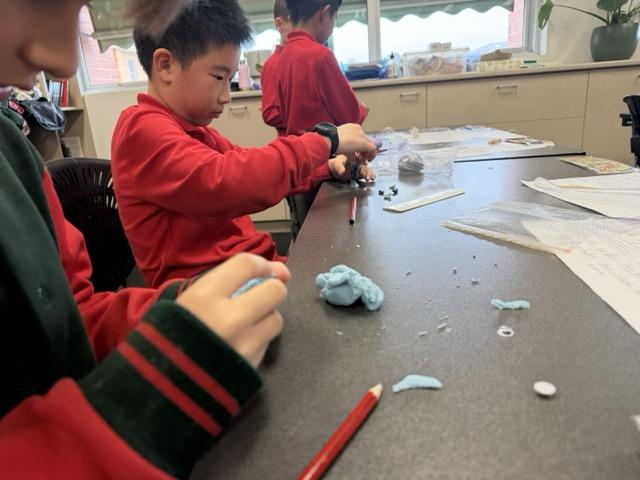
Over the last and next few weeks, our classrooms are turning into mini studios! As part of the Design and Technologies Victorian Curriculum (part of what you may hear us referring to as "Inquiry"), the students are getting their hands dirty in the world of stop motion animation.
It is, however, more than just iPads and plasticine. This project is a hands-on way for the students to build critical design and thinking skills. Here is a quick look at what your children are actually learning behind the scenes:
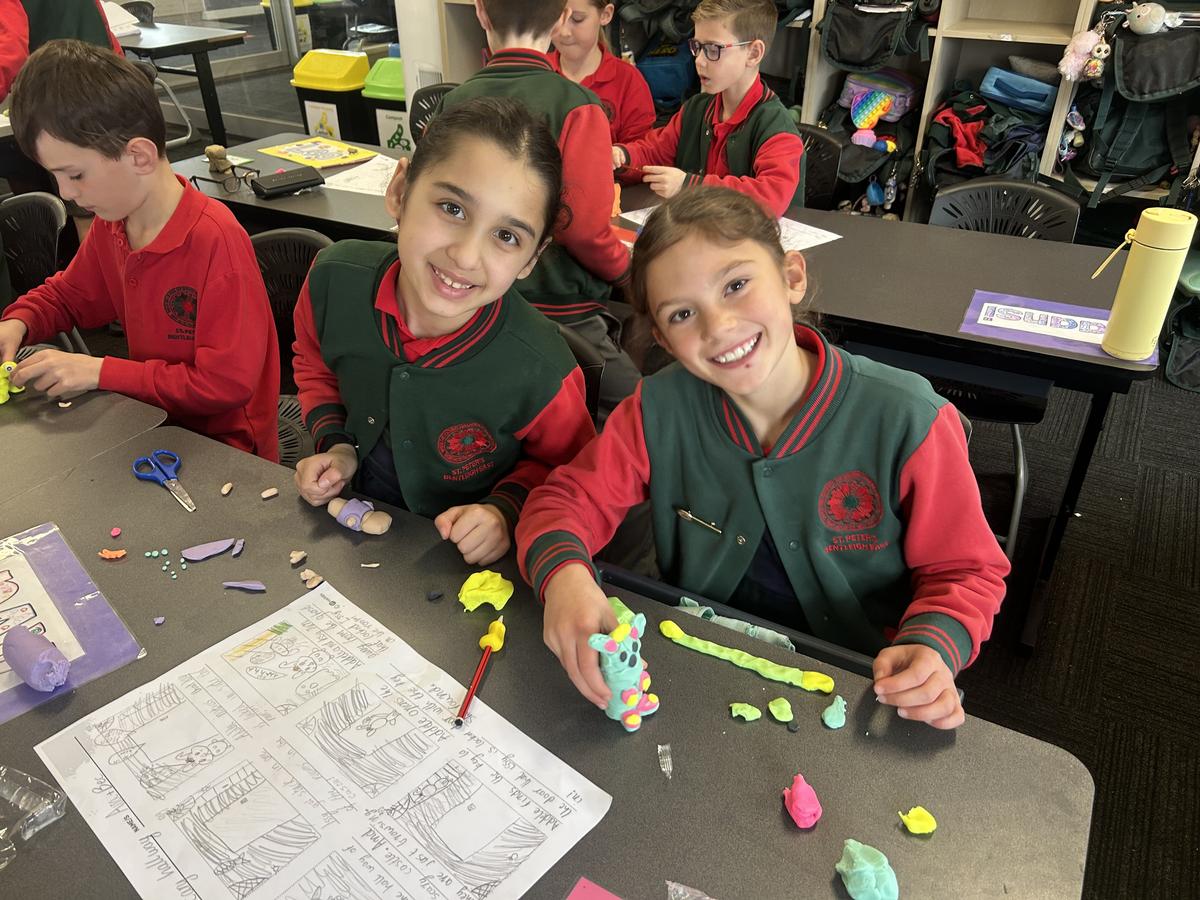
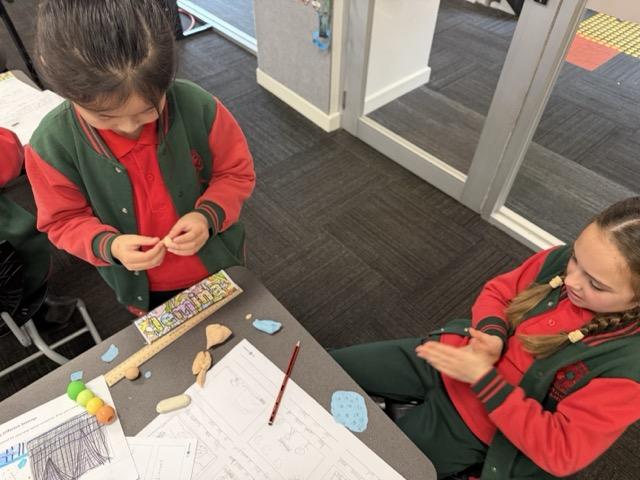
- Planning and Sequencing: Before we even touched the clay or camera, the students had to create their characters and setting, and to storyboard their ideas. Breaking a story down into small, logical, step-by-step sequences is brilliant for their procedural thinking.
- Problem-Solving on the Fly: Stop motion requires patience and problem solving. When a figure falls over or the camera accidentally gets bumped, the kids have to troubleshoot, adapt and figure out how to stabilise their setup.
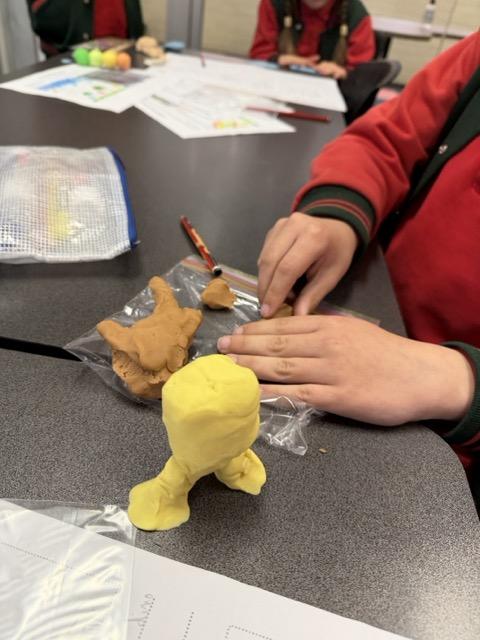
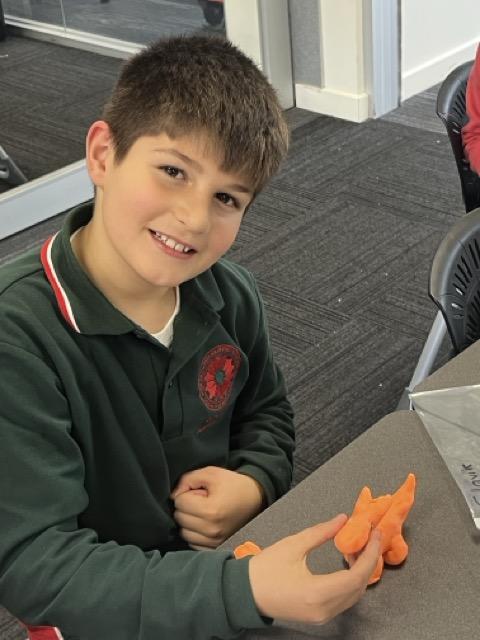
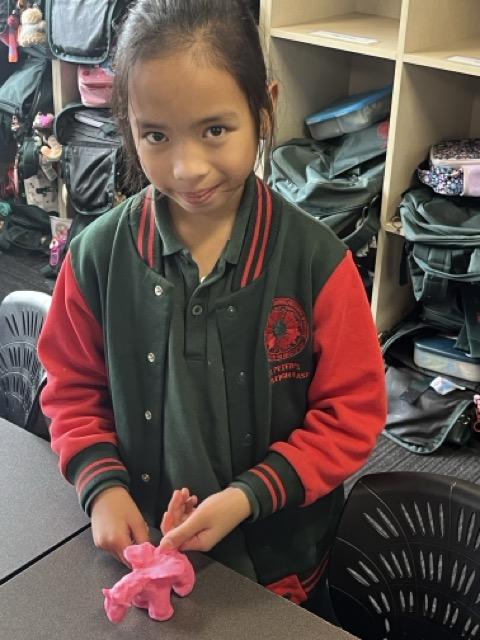
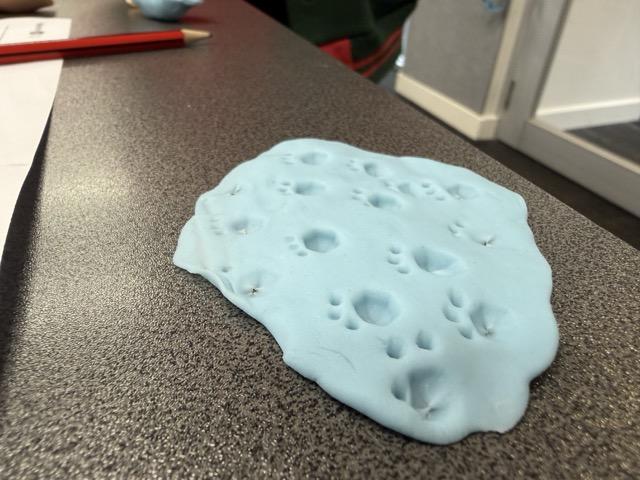
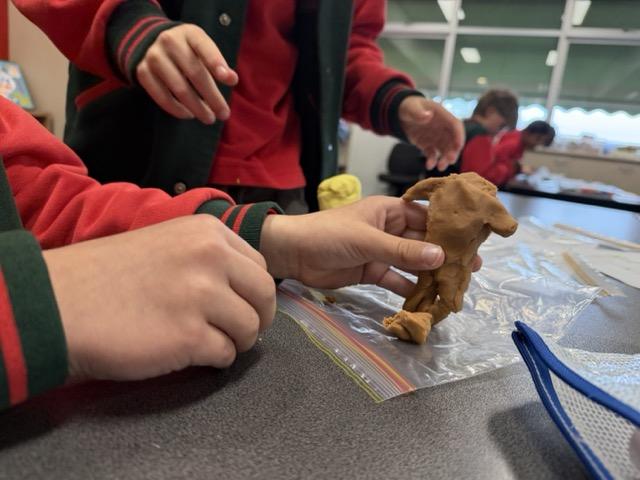
- Working with Materials: We are experimenting with how different materials like modeling clay behave and how they can be manipulated to create the illusion of movement.
- Digital Literacy: While separate to the digital side of Technologies in the required curriculum, in this project students are also getting practical experience with digital tools, learning how to capture, edit, carefully sequence their images with app based iPad camera tools and evaluate their final product against their original plan.
How you can reinforce Design and Technologies lessons at home:
While the kids are loving the animation process, the core of Design and Technologies is learning how things are made for a specific purpose. This was one of the motivating factors behind the Billy Carts activity and the "Ruby Shelter" activity at the Year 3 Camp Day (more on that in our next newsletter!)You can help reinforce these broader concepts at home through simple, everyday conversations:
- Spot the Design: When you are out and about, point out how everyday objects are designed for their specific job. Why does a spatula have slots? Why are playground slides made of plastic instead of wood? Chatting about how things are made for a purpose helps them see design in the real world.
- Talk About Jobs: Discuss the different careers that rely on design and technology solutions. From the architects who design our houses to the software engineers creating apps, and even the people designing the packaging for our groceries, design is everywhere.
- Ask 'Why' and 'Who': If your child builds something with Lego or recycled materials at home, ask them who it is for and what problem it solves. Getting them to think about the "end user" is a massive part of the design process.
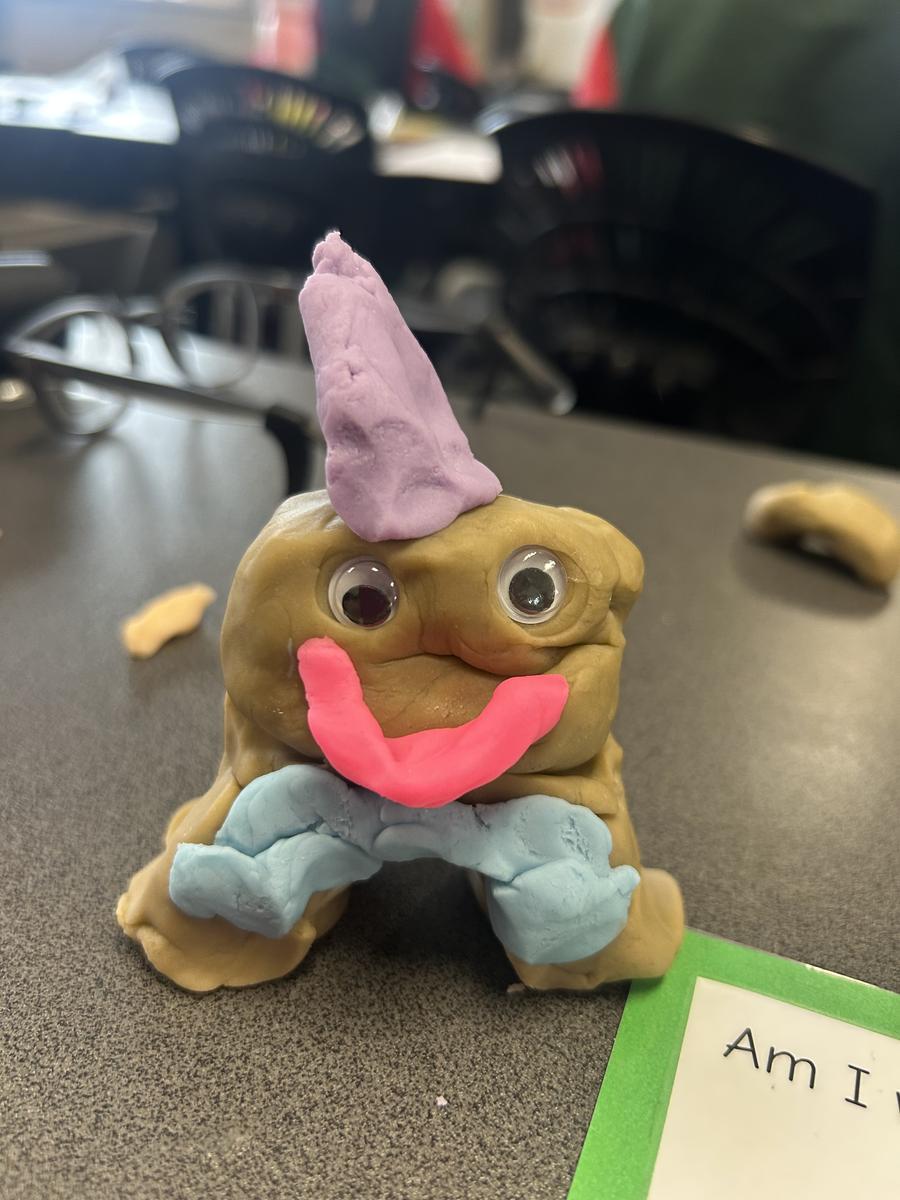
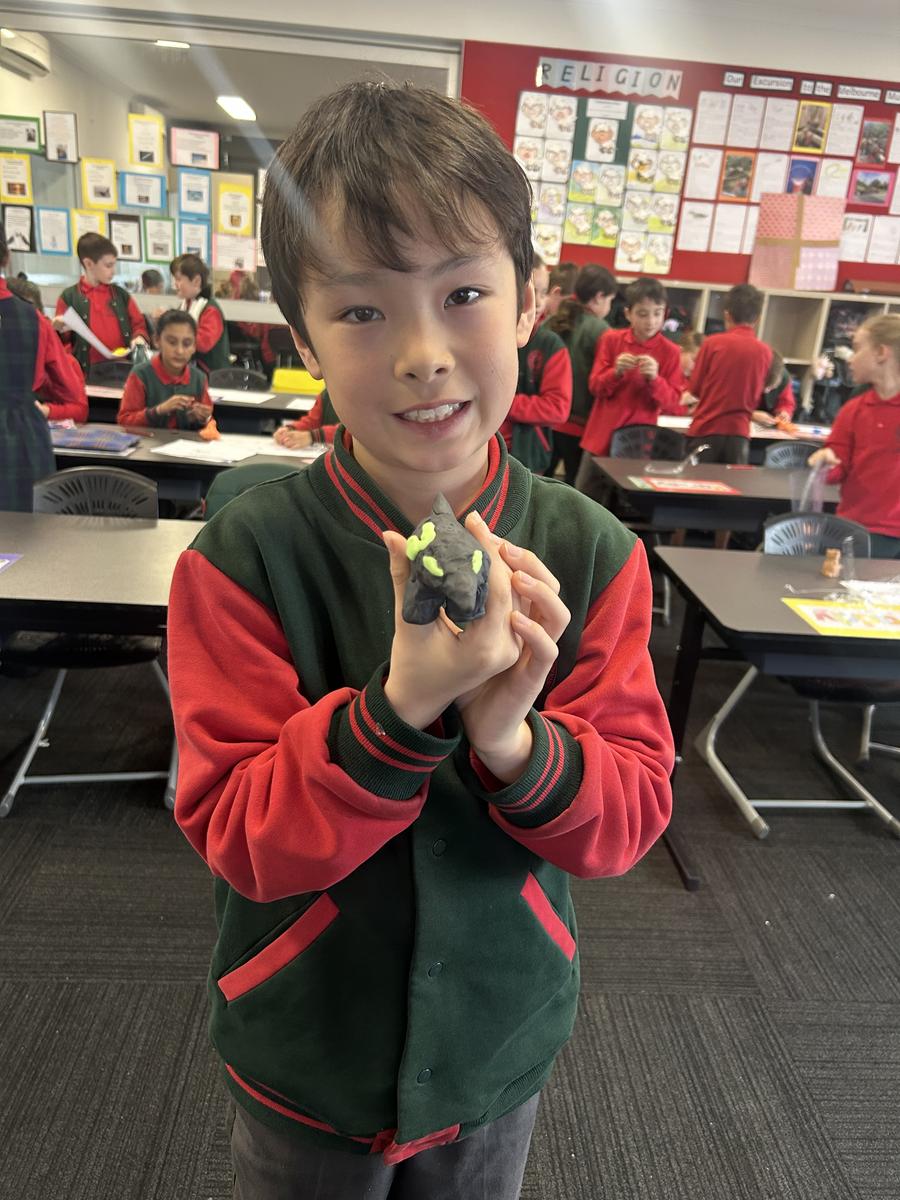
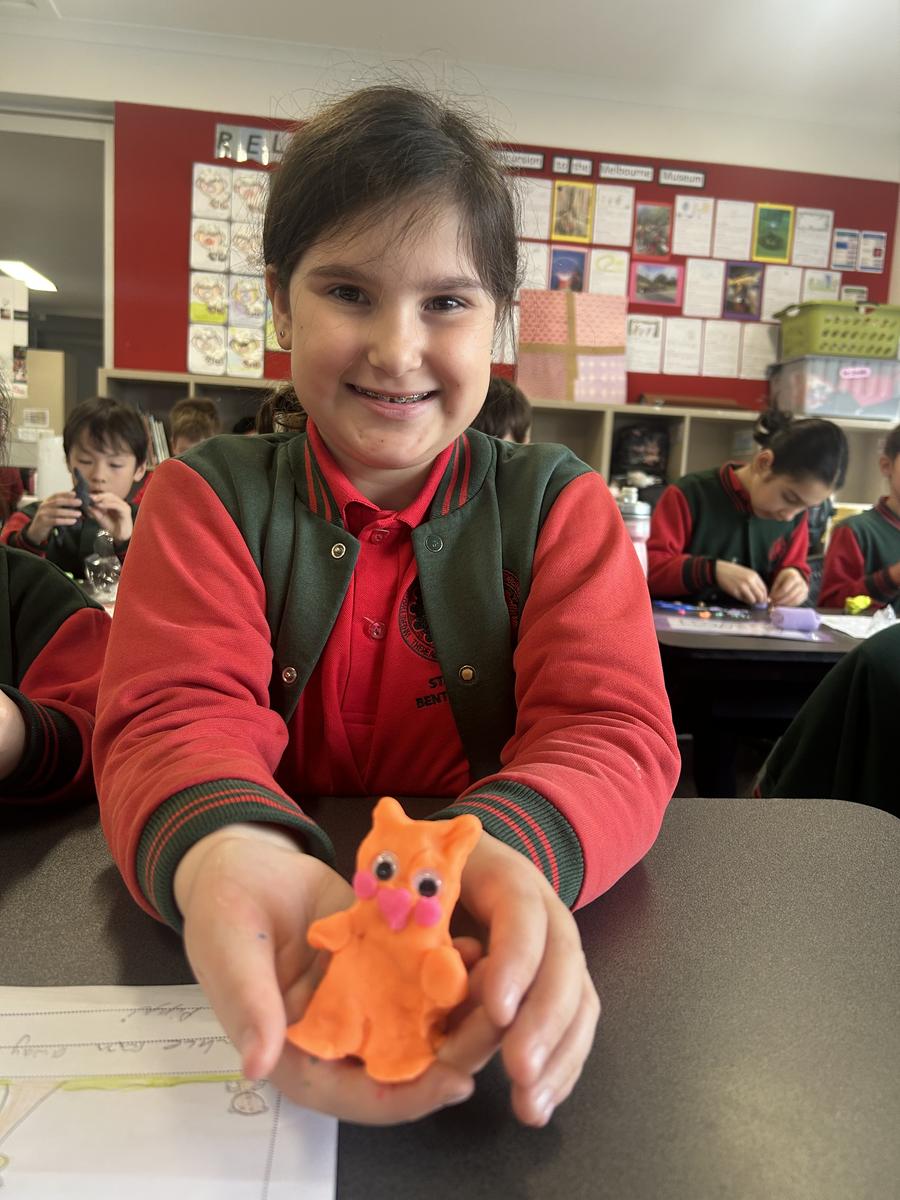
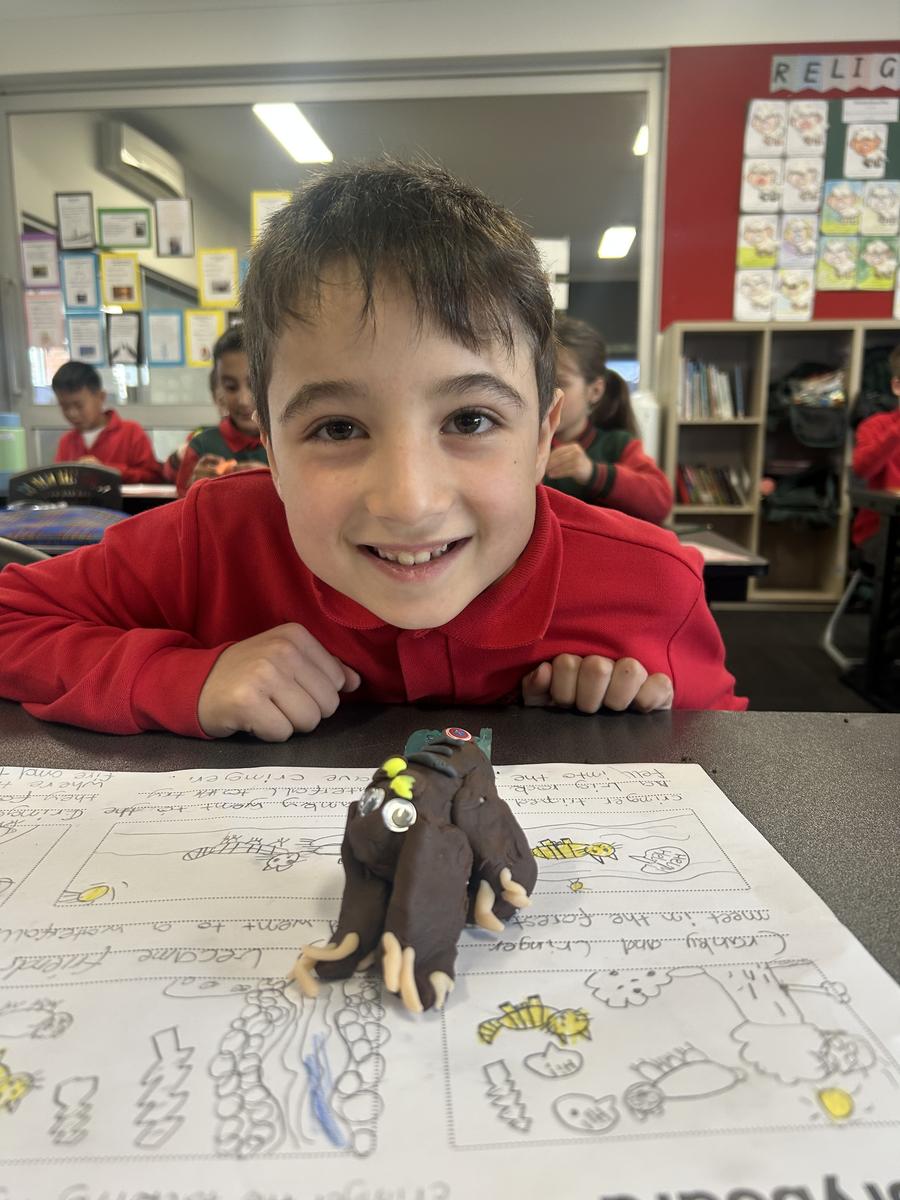
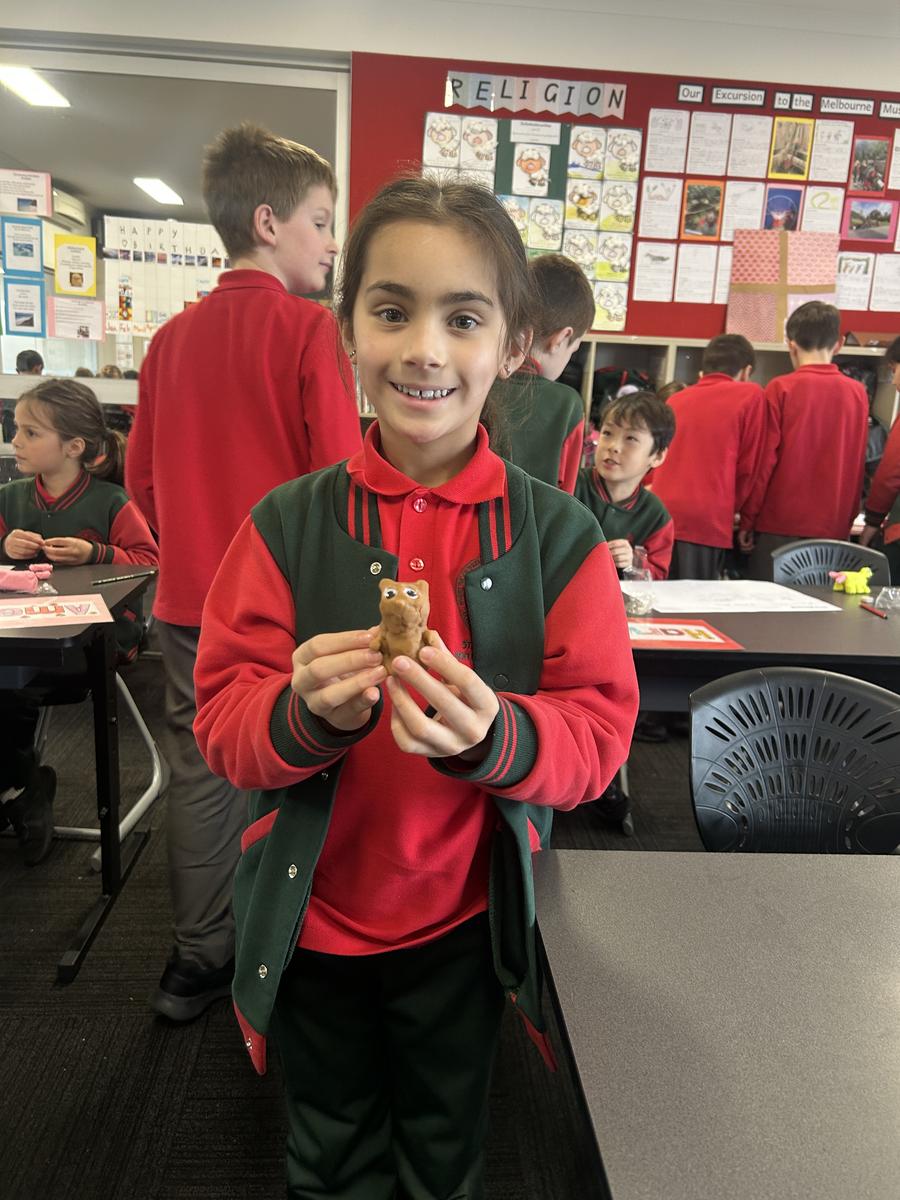
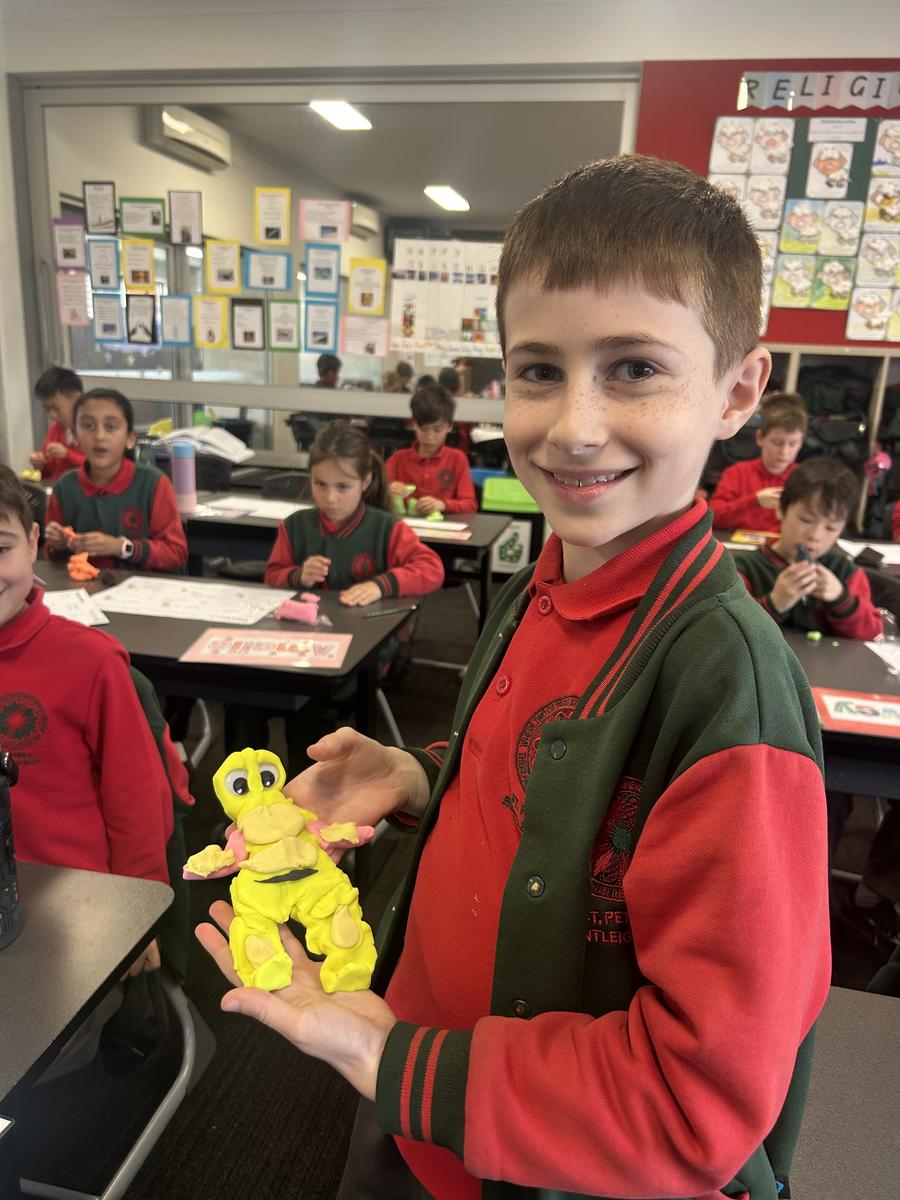
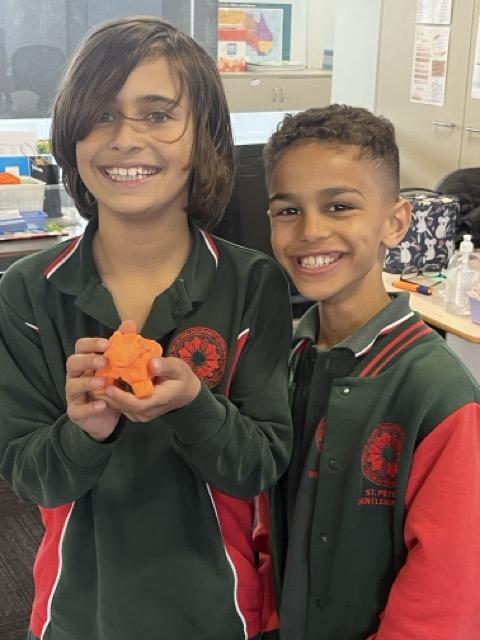
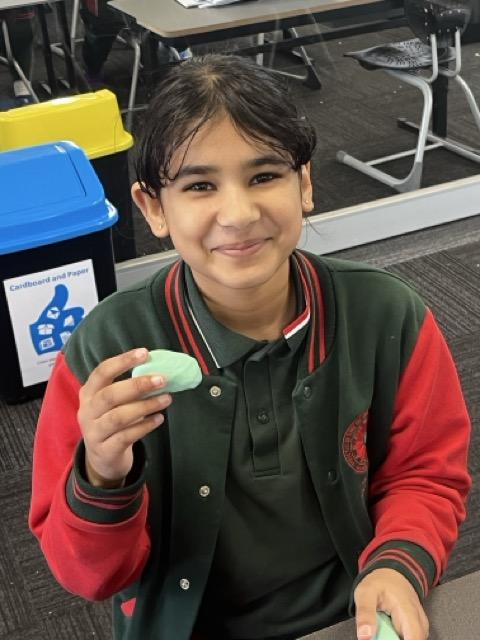
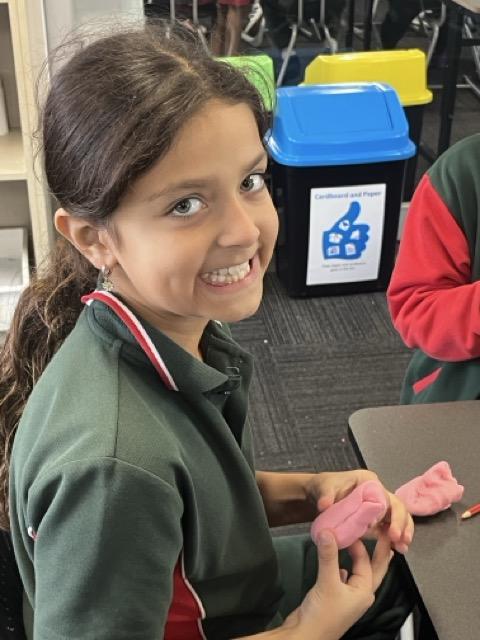
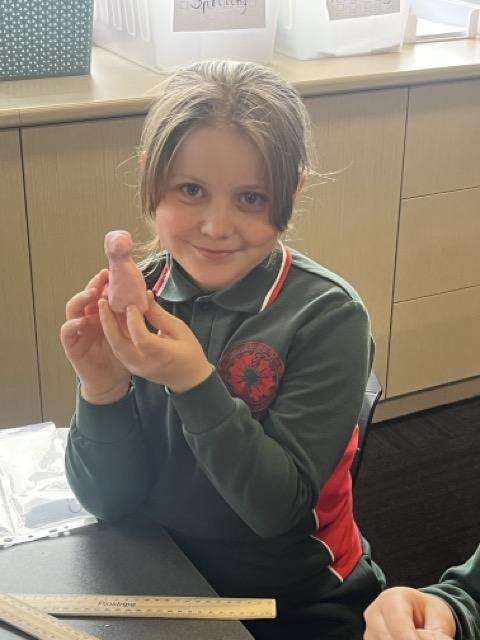
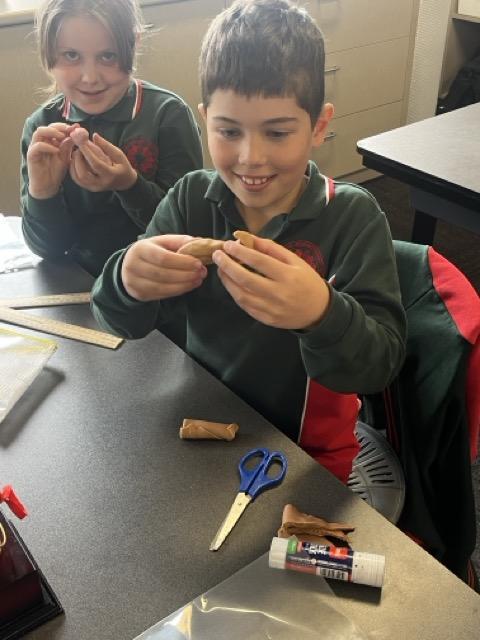
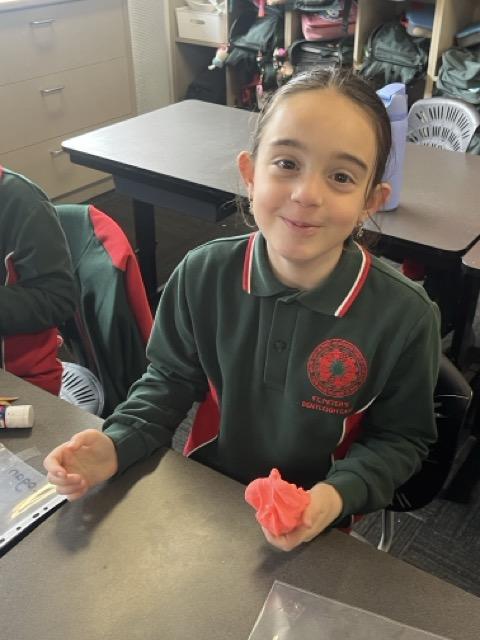
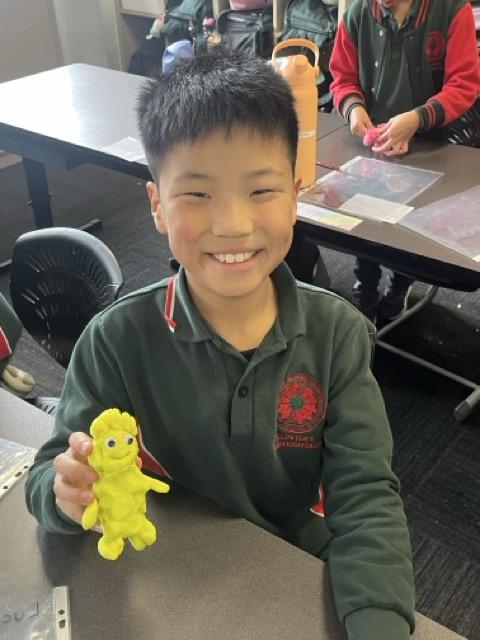
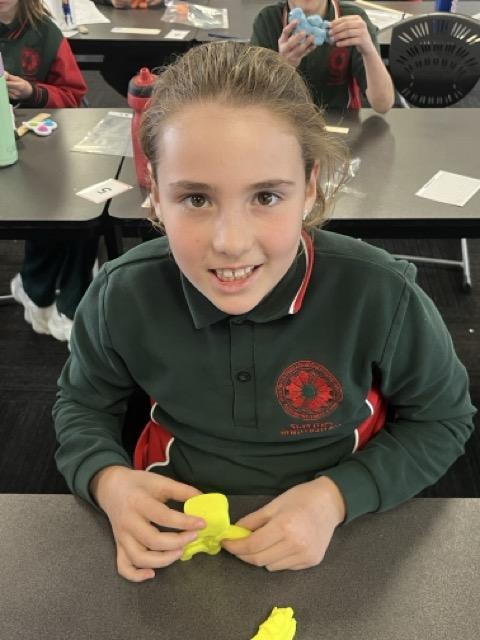
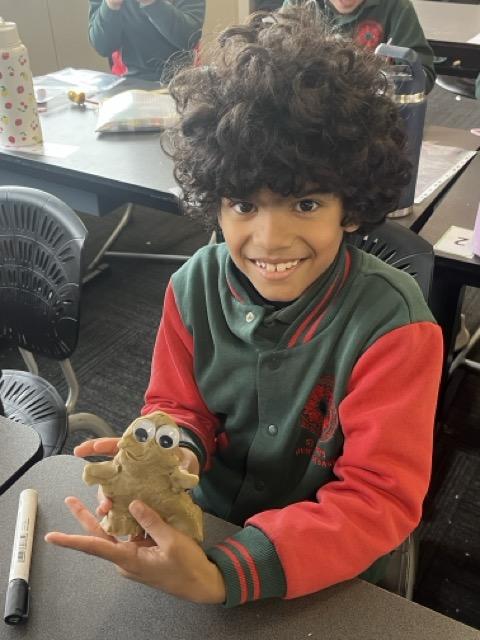
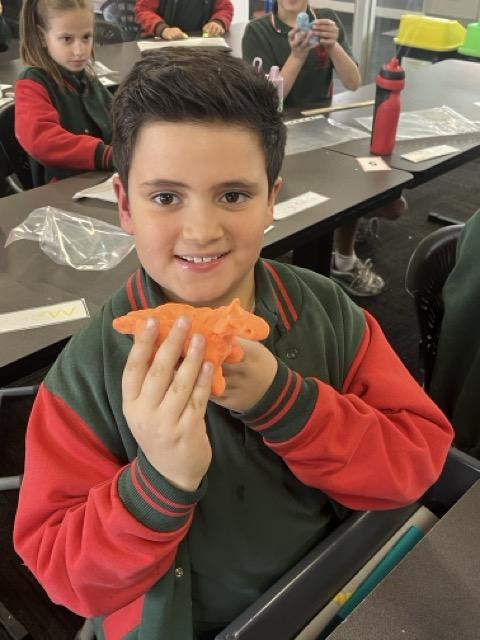
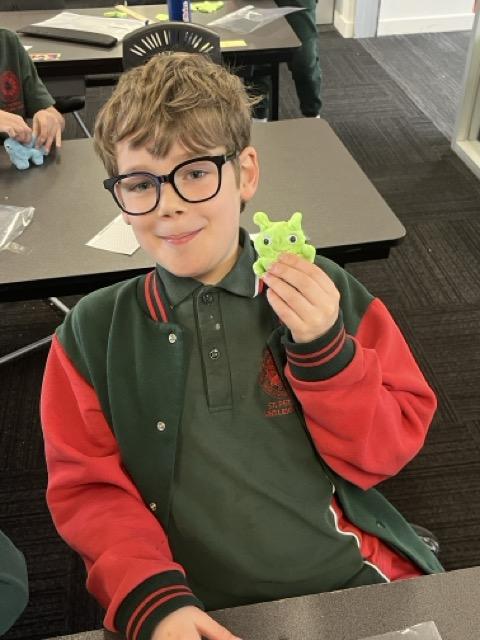
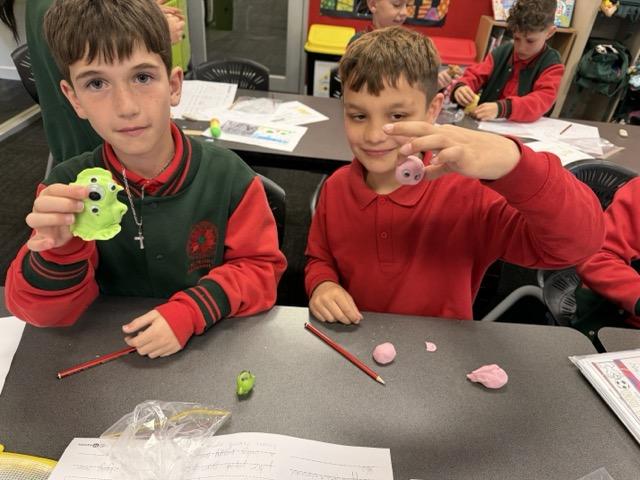
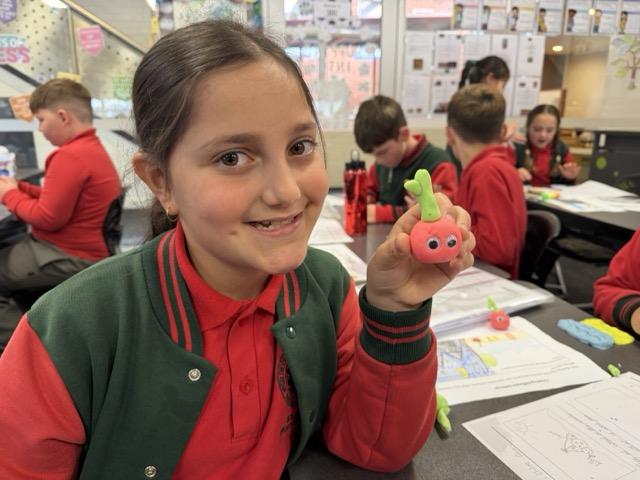
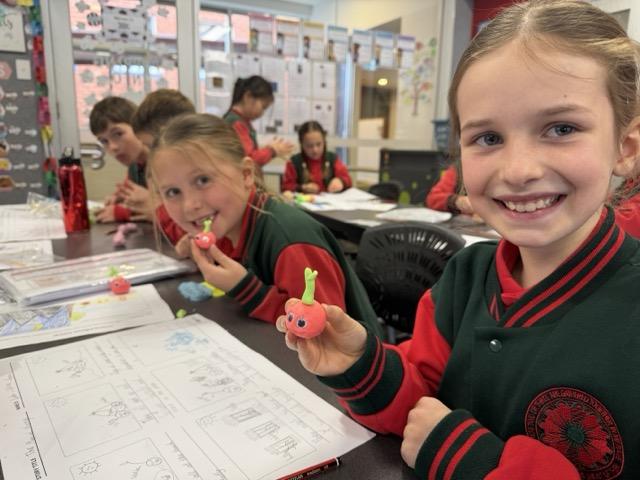
We can't wait to share their final animated masterpieces with you all soon! Here is a sneak peek at some of their characters:
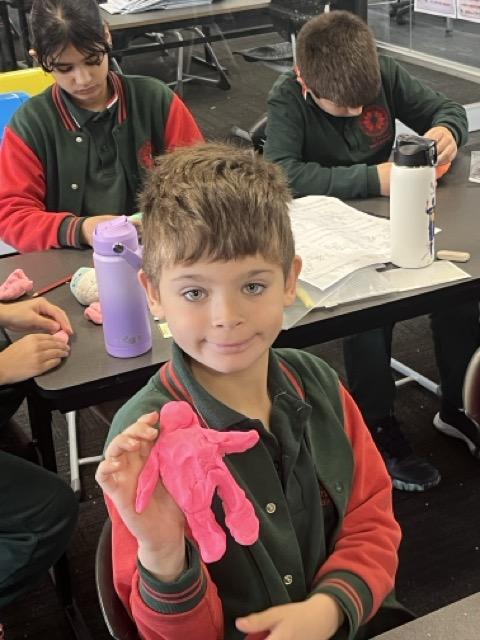
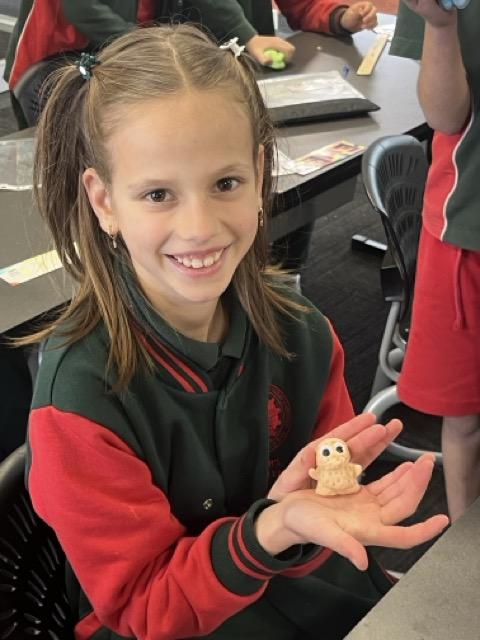
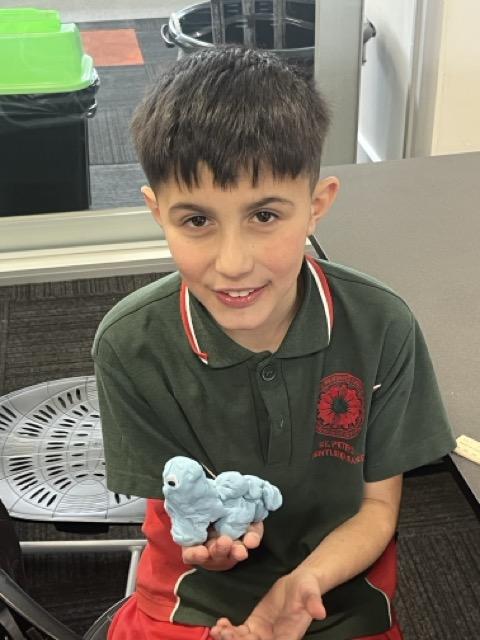
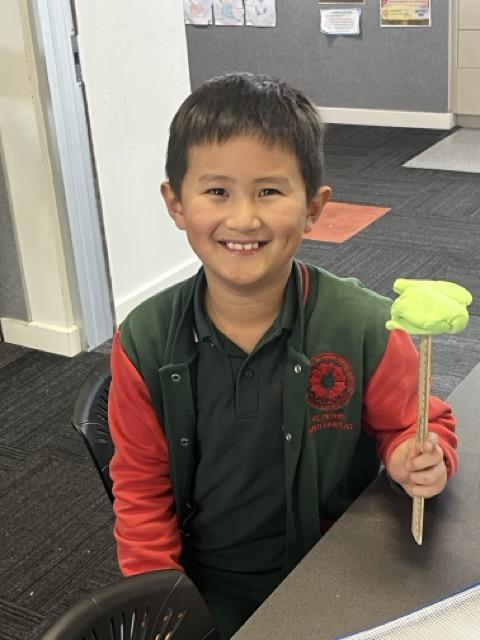
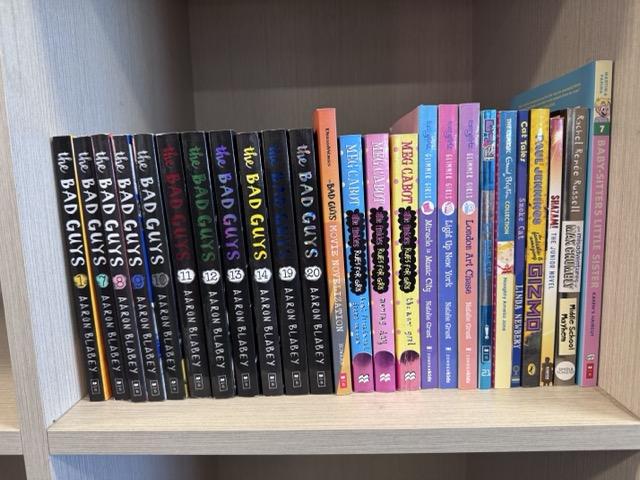
PS Don't forget to update your Victorian Premiers' Reading Challenge lists; the challenge ends 2 September. Check your child(ren)'s diary for their username and passcode.