
Primary School News
Mr Gareth Kolkenbeck-Ruh - Assistant Head of College - Primary School (Acting)

Primary School News
Mr Gareth Kolkenbeck-Ruh - Assistant Head of College - Primary School (Acting)
Effort, Persistence and Excellence
Last Friday, the St Marcellin Centre was buzzing with energy and anticipation as we welcomed 195 Year 4 boys to the college for our Year 5, 2027 Orientation Day. These are our future Marist young men, and they arrived ready to take on their literacy and numeracy tasks, and some team-building activities, with enthusiasm and heart. It was encouraging to see these young learners put their best foot forward, embracing each challenge with a ‘can do’ attitude. Their effort was a good reminder of what it means to strive for your best, even when the path ahead is unfamiliar.
At Marist College Ashgrove, we hold close the Marist Characteristic of Love of Work. This isn’t just about being busy. It’s about approaching tasks with purpose, persistence, and a belief that effort matters. Whether it’s preparing for an assessment, contributing to a group project, or simply showing up with a positive attitude, the way we work reflects who we are becoming.
To our Year 5 and 6 boys: as we approach the final stretch of the term, now is the time to dig deep. The finish line is in sight, and the effort you put in now will shape not only your results, but your character. Let’s finish the term with strength, focus, and pride in our work. Because in the Primary School at Marist College, we have a love of work and we are encouraged to do our best at all times.
Connections Across the College
Last Thursday, it was wonderful to see our Primary boys come together with their Year 12 buddies for their final catch-up. This long-standing Marist tradition provides a wonderful opportunity to build relationships and foster connections across the College. The Primary boys are now busy creating graduation posters for their Year 12 buddies, which will be proudly displayed as the Year 12s walk through the Guard of Honour at Graduation later this year.
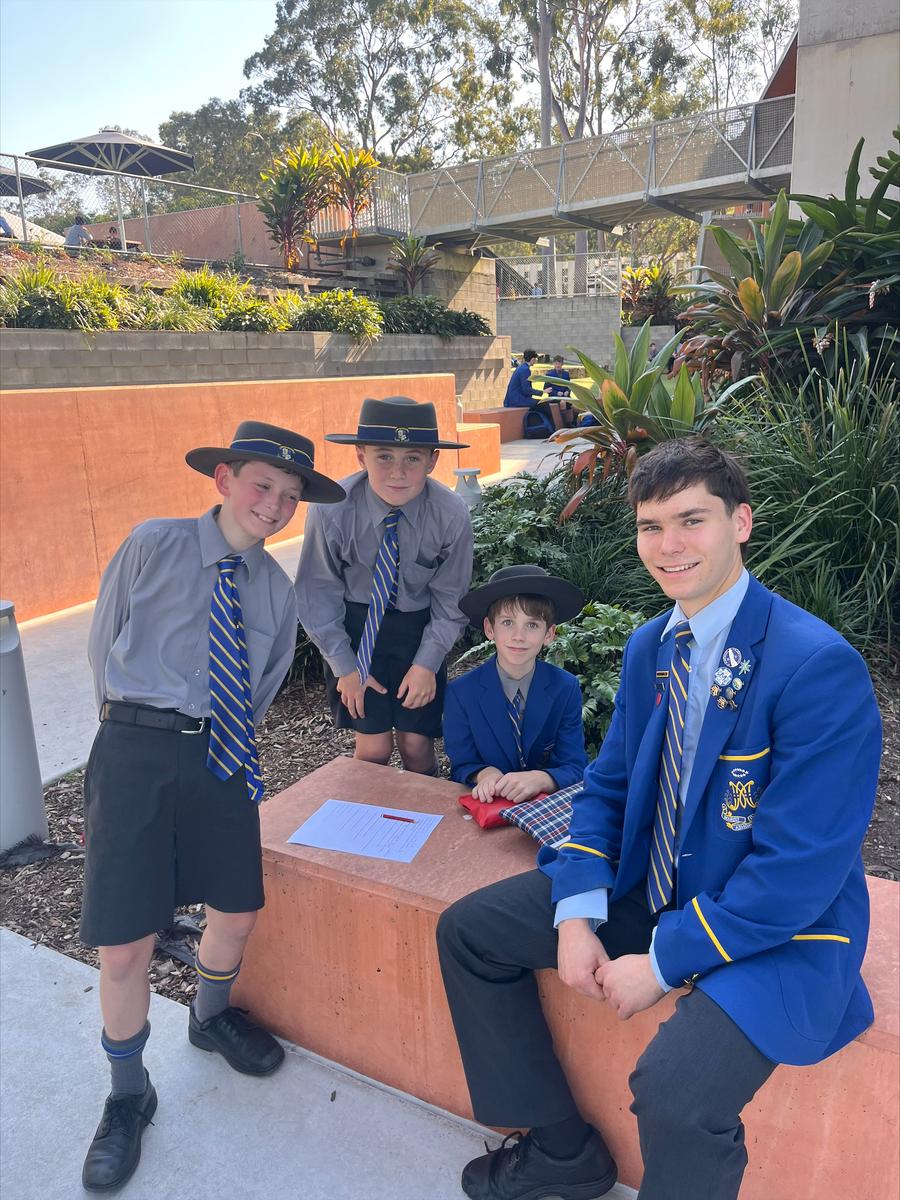
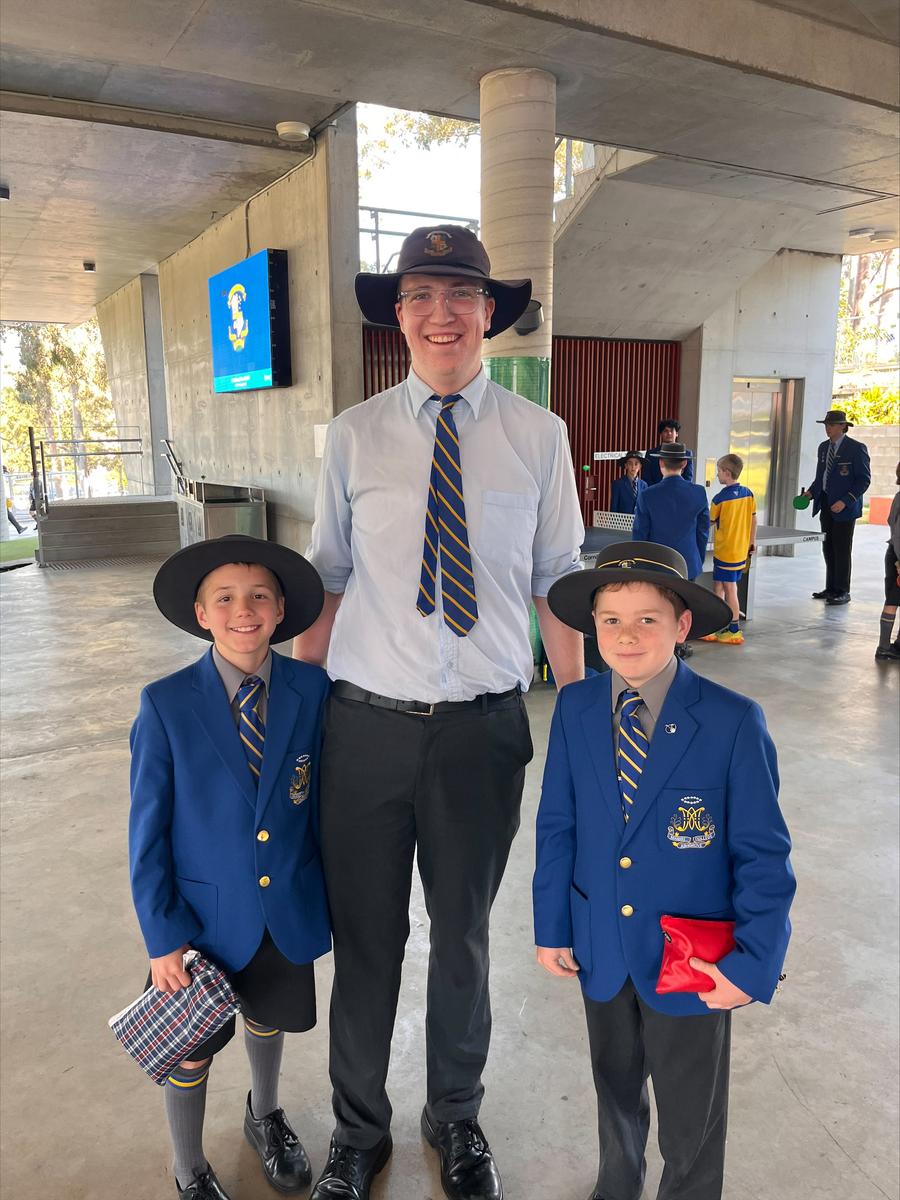
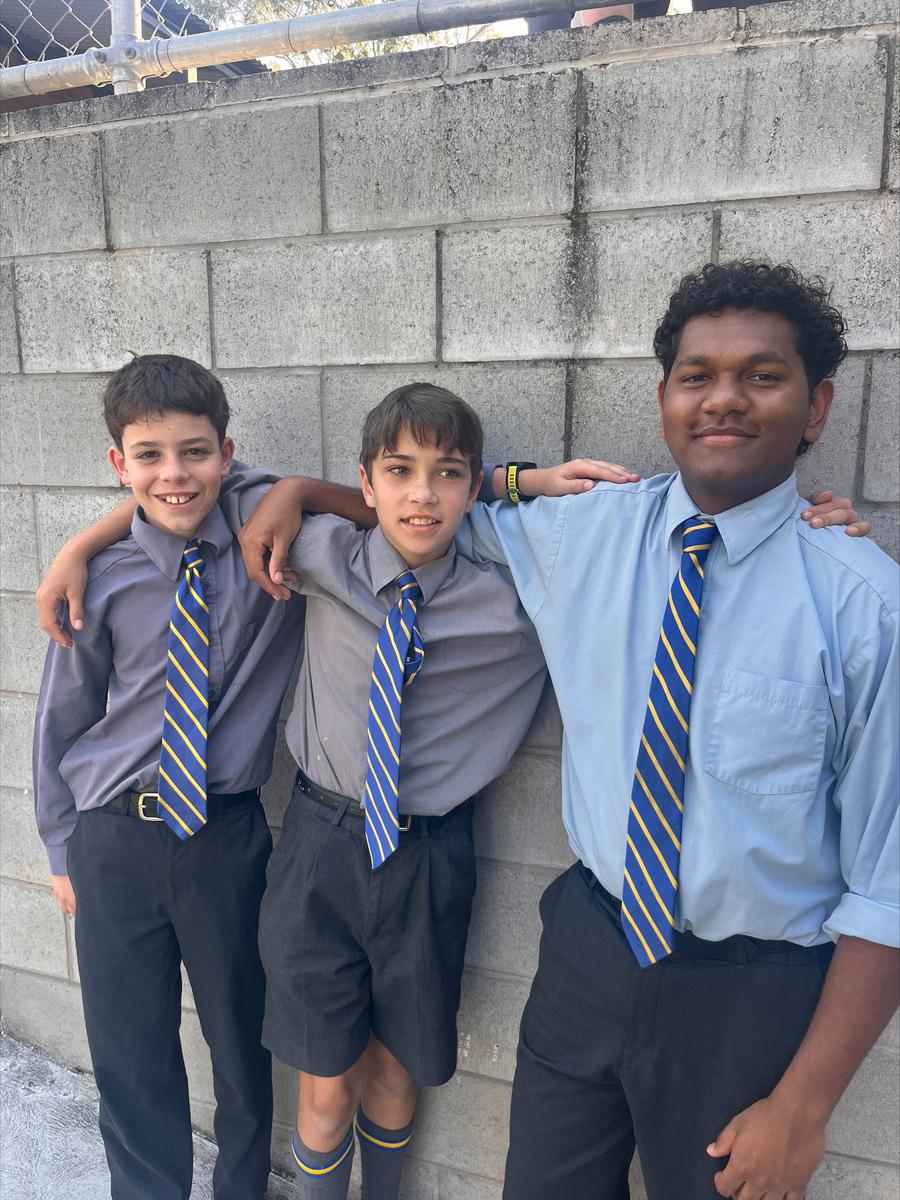
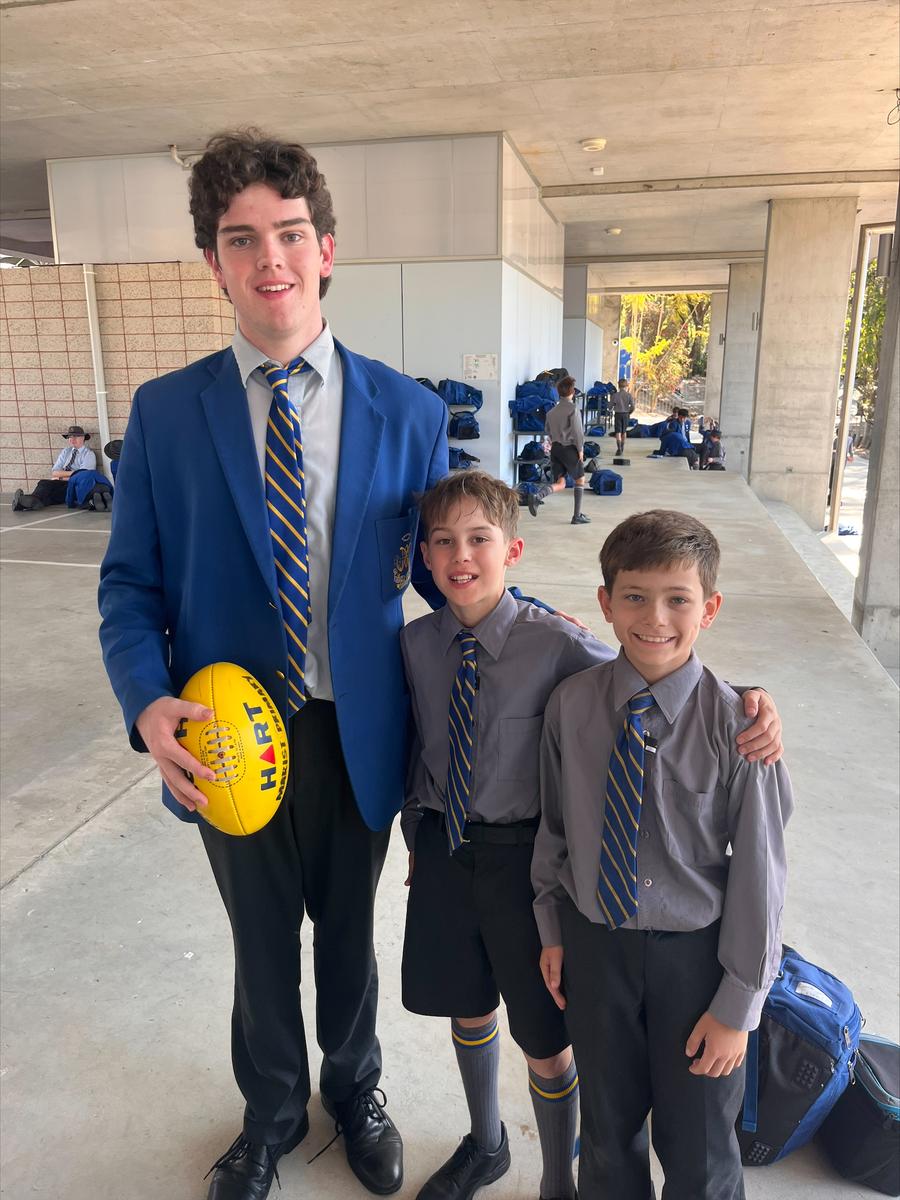
Welcoming our Year 5 Students for 2027
On Friday last week, we welcomed 195 excited incoming Year 5 students for their 2027 Orientation Day as they began their journey at Marist. It was fantastic to see the energy and excitement of our newest Marist boys. I would particularly like to acknowledge our Year 6 Primary Leaders who volunteered their time and represented our Primary School so well, along with the large group of Year 11 boarders who generously gave their time to assist throughout the day. Their welcoming presence certainly helped make the day a special one for our new students.
Celebrating our Primary Boys
On Tuesday, we held our Term 3 Primary Awards Assembly. It was another opportunity to pause and celebrate the many wonderful achievements within our Primary School, particularly recognising our Men of Courage and Love of Work award recipients. Congratulations to all boys recognised and thank you to the families who joined us for the morning.
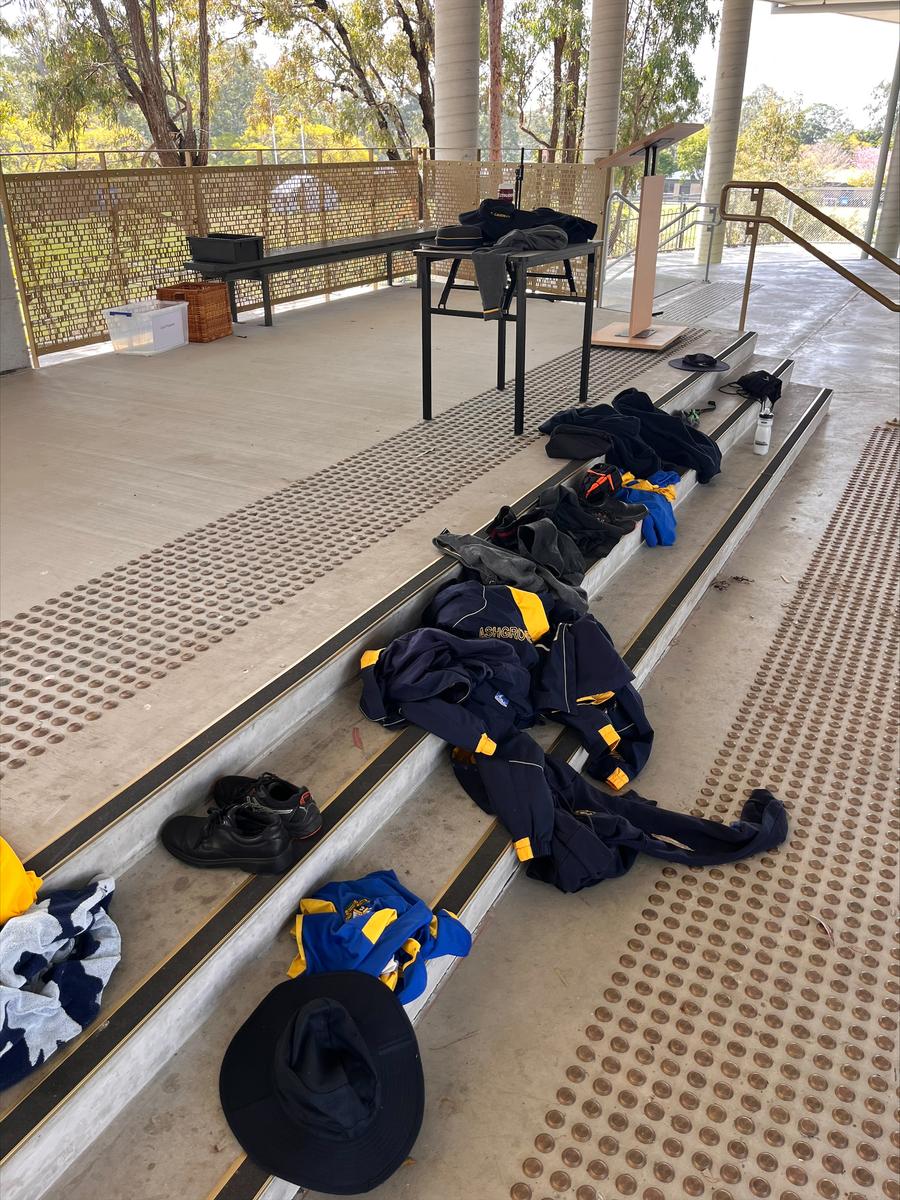
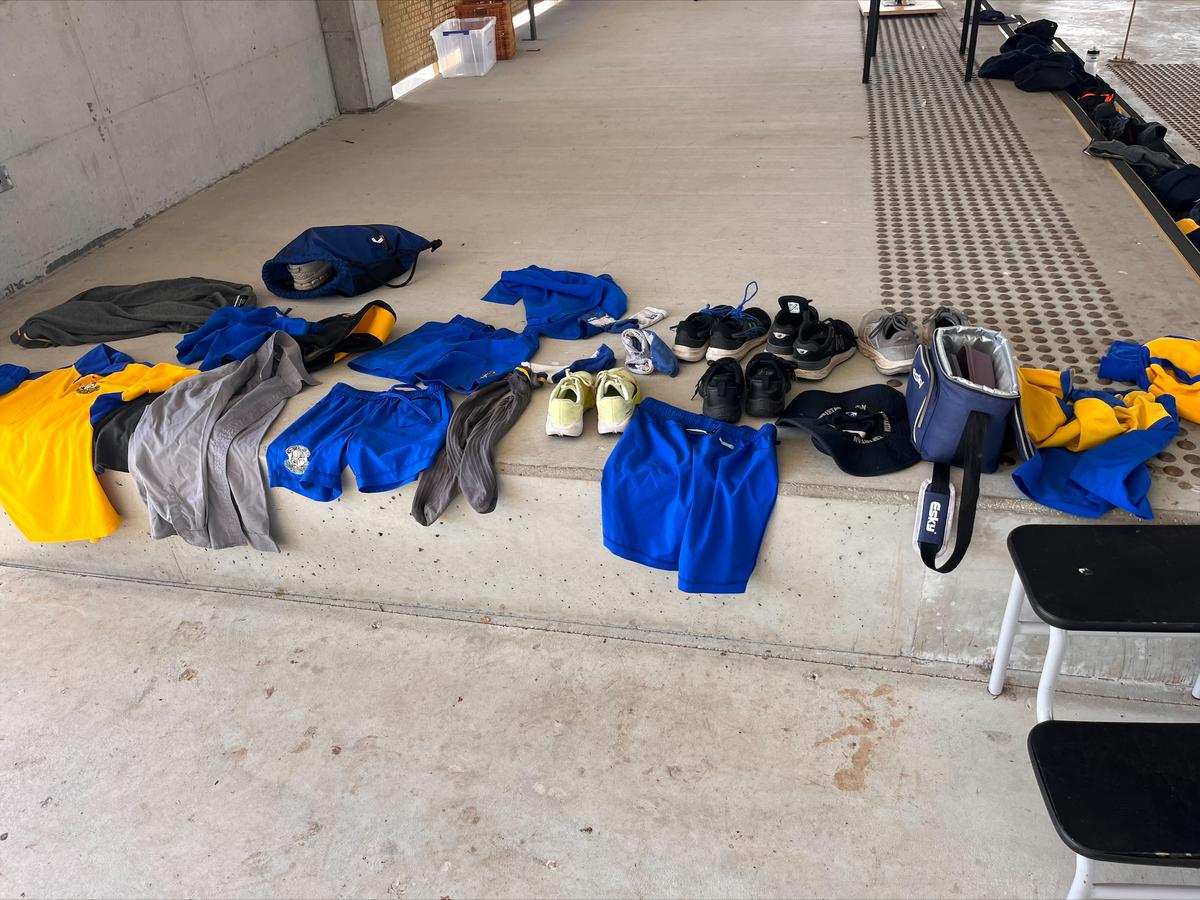
Lost Property – Help Us Get to Zero!
A quick reminder regarding lost property as we approach the holidays. Pleasingly, we managed to return more than 20 items to their owners across Monday and Tuesday, and our goal is to have nothing left behind when the holidays arrive! Please ensure all clothing, hats, shoes and other belongings are clearly named. Unfortunately, the vast majority of items still sitting in lost property have no name on them, making them very difficult to return.
Finishing Strong
With just eight school days remaining, the holidays are certainly getting close – but there is still plenty of Term 3 ahead of us. This is an important time for boys to finish well. Maintaining the usual routines around sleep, organisation, homework, uniform and arriving ready for the day will help the boys remain settled and focused right through to the final bell.
The holidays will be at our doorstep before we know it, but until then, we encourage the boys to keep working hard, making good choices and looking after one another as we finish Term 3 strongly.
Technology: Blessing vs Curse
As educators in Australia’s ever-evolving primary landscape, we find ourselves navigating a big question: Is technology in our schools a blessing that enhances learning and prepares students for a digital future or a curse that distracts, isolates, or complicates early education? The reality lies somewhere in between. Technology is neither inherently good nor bad—it is how we use it that makes the difference.
Technology has become a powerful enabler of learning in today’s classrooms—enhancing engagement, promoting inclusion, and supporting personalised learning experiences. It has also opened doors to greater teacher innovation, broader access to global resources, and better preparation for a digitally connected future.
In an increasingly diverse Australian classroom landscape, digital tools play a vital role in supporting differentiated instruction. Programs such as Mathspace, Write That Essay Online Tool, and Read Theory help meet individual student needs and learning styles. Additionally, platforms like ClickView, Google for Education, and AI tools like Class Companion are empowering teachers to innovate more than ever before. These technologies not only reduce administrative tasks but also enable educators to design more targeted lessons, freeing up valuable time to focus on building strong, meaningful relationships with students.
Importantly, the integration of technology also strengthens the development of digital literacy, a key component of the Australian Curriculum. Through activities like coding, research, and online collaboration, students are not just learning how to use digital tools, they are learning how to think critically, act ethically, and participate responsibly in a global digital society.
While the benefits of integrating technology into the classroom are widely acknowledged, many experts have raised valid concerns about its impact on young learners. Key issues include excessive screen time, inequitable access, and the premature introduction of digital tools, particularly touchscreens and online assessments.
Dr Kristy Goodwin, a leading Australian researcher in digital wellbeing, warns that too much screen time in early childhood can negatively affect attention span, sleep patterns, and creativity. Balance is essential. When not managed thoughtfully, technology can begin to displace essential developmental experiences such as imaginative play, physical activity, and face-to-face social interaction.
Inequity is another significant concern. While we are fortunate at Marist College Ashgrove that every student has access to a personal learning device, this is not the case across all schools or communities. The digital divide became especially evident during COVID-19 lockdowns, when students in rural, remote, or socioeconomically disadvantaged areas were disproportionately impacted by a lack of access to reliable technology and internet.
A further issue is the increasing pressure to introduce digital assessments and screen-based learning activities before children have developed foundational skills in literacy, communication, and emotional regulation. Early childhood education specialists strongly advocate for play-based, relational learning as the most appropriate and effective approach in the early years.
As educators and families, we have all witnessed moments where students—and adults for that matter—sit together yet remain disconnected, absorbed in individual screens rather than engaging with each other. This shift away from meaningful interpersonal interaction is one of the most concerning trends we must address with both care and urgency. Given this, below are some useful tips for parents when managing expectations at home:
What can parents do at home to support balanced use of technology:
1. Set Boundaries & Routines
If necessary, organise a lock box in which devices are stored after a certain time. Make sure the key is not accessible to children.
2. Model Healthy Tech Habits
Avoid being on your phone during key connection moments like drop-off, pick-up, or meals.
3. Create Tech-Free Zones
Have “unplugged” family time regularly—board games, cooking, reading, or outdoor play.
4. Be Involved
Ask open questions like, “What did you build in that game?” or “What was your favourite part of the video?”
5. Prioritise Non-Screen Activities
Help children discover hobbies that do not involve a screen.
6. Use Educational & Age-Appropriate Content
Ensure children are not on social media platforms before they reach the required recommended age.
7. Teach Digital Safety & Responsibility
Use parental controls and monitor online activity where appropriate.
8. Talk About Balance
Use language like “digital nutrition” (what is healthy vs. unhealthy screen time).
9. Stay Informed
Attend school workshops or information nights about digital wellbeing, if offered.
10. Build Connection First
Final Thought
As a Primary Learning Leader, I believe technology is not the enemy of education; it is a tool. Like any tool, its effectiveness depends on how we use it. In Australian schools, we must be intentional, inclusive, and evidence-informed in our approach. Technology should enhance, not replace the human connections that are at the heart of great learning.
Primary Debating
We wish the best of luck this Thursday night to our 4 Primary debating teams who will be debating the topic, "That all Australians should have to travel in Australia before being issued with a passport." At present, the 4 teams remain undefeated in the competition. All the best boys!
Morning Study
Please note the time for our supervised Morning Study arrangements. Morning Study will operate in the Primary CLE from 7:40–8:10am, Monday to Friday. This space provides a quiet environment for students to complete homework and/ or study.
Morning Study is open to all students; however, the level of support offered will vary depending on the number of students attending on any given day. Students who wish to enhance their learning through a regular weekly study routine, particularly by using resources from their OneNote, will find this an ideal venue.
Literacy and Numeracy Trophy Winners
Literacy and Numeracy continue to be a focus in the Primary. Congratulations to the following classes for their success last week.
| Subject | Year 5 | Year 6 |
| Literacy | 5 Violet – 87.57% | 6 White – 93.88% |
| Numeracy | 5 Gold– 94.35% | 6 Silver– 83.71% |
Congratulations to the following classes who achieved more than a 90% average in last week's testing.
Literacy - 6 White – 93.88%
Numeracy – 5 Blue – 91.07%; 5 Violet – 92.14%; 5 Silver – 93.7%; 5 Gold 94.35%
Draws for this weekend’s upcoming fixtures can be found here.
U12 Futsal Veto Cup
Congratulations to the following boys who have been named in the U12 Futsal Veto Cup squad.
Reuben Hodgson | Roman Kaminski | Jimmy Scalongne |
Sebastian Baker | Anderson Wild | Rylann Boyter |
Xavier Fruk | Dylan McKenzie | Ryan Wallington |
The selected squad will have the following training sessions ahead of the Veto Cup:
Wednesday 9th September and Monday 14th September
Further information for the tournament will be available in the co-curricular portal in the coming days.
Track & Field
There are 2 remaining AIC T&F practice meets scheduled at the end of Term 3.
These meets are conducted as time trials for boys wishing to qualify for AIC Championships. Please check the parent portal for further information and accept the invitation for your son to participate. Students will travel to and from these meets at QSAC via bus from school, departing at 1:50 pm, returning following the last primary school event. Estimated time of arrival back at school is approximately 5:30pm.
AIC Championships – Thursday, 8 & Friday, 9 October – QSAC.
Uniform: Marist Athletics singlet, Marist Sport shorts & white Marist Sport socks
Boys wishing to be considered for AIC selection should also be aware that there will be training and meets conducted over the Term 3 holidays.
Track & Field
Sunday Sessions
Sunday sessions are an excellent introduction to Marist Track & Field. We have some exceptional coaches leading these sessions and creating an environment of learning and enjoyment.
Some benefits include:
1. Improvement in technique and speed.
2. Technical development for throws.
3. Improved repeat speed / conditioning.
WHEN: Sunday afternoons
WHERE: Hayden Oval
TIME: 3:15-4:45pm
DRESS: Marist Sport shirt, Marist Sports shorts, Marist Sport white or blue socks.
Sports Training and Clashes
With a myriad of opportunities on offer for the students, clashes are unavoidable but never a problem if communicated.
Families are reminded that cocurricular activities should not impede on any student’s academic performance.
If sports training clashes with music or morning tutoring it is asked that boys alternate from week to week.