Level 3 & 4
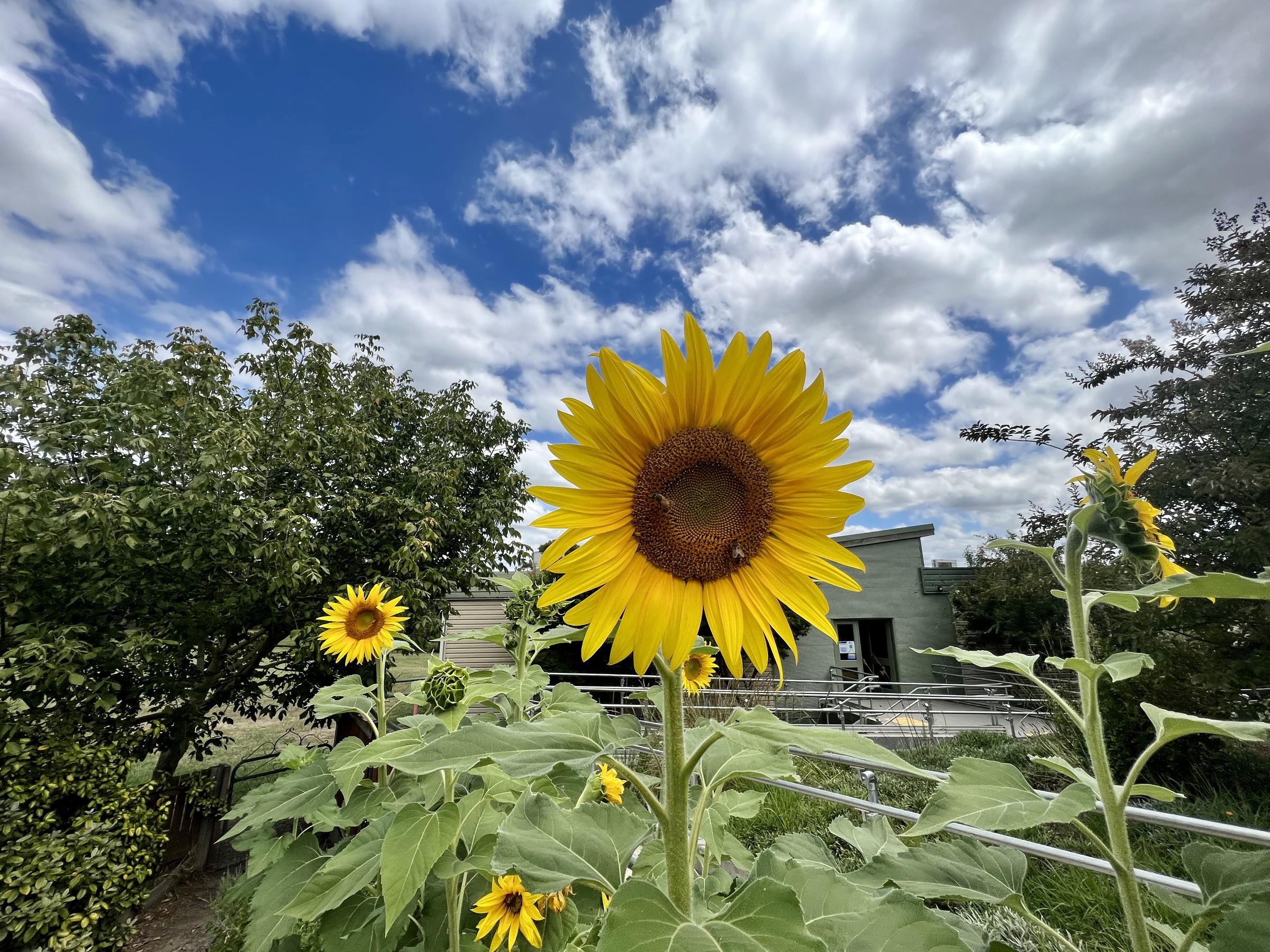
Welcome to Week Three! The weather is warming up this week and we look forward to hearing all about the Year 4 students adventures on camp.
CURRICULUM
Literacy
Reading
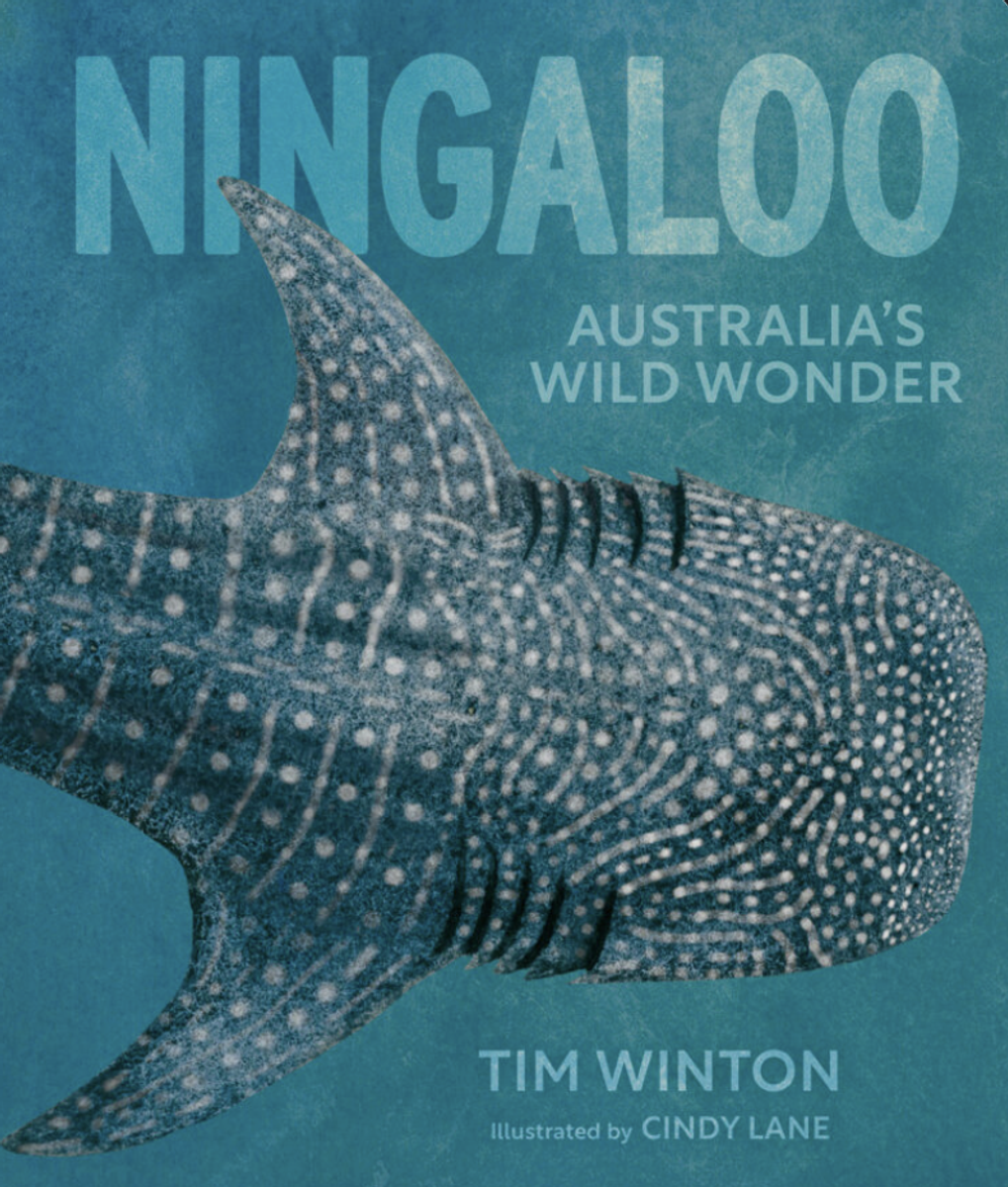
This week, students will explore the beautiful text Ningaloo by Tim Winton, developing their literacy skills through learning about the unique marine environment of Ningaloo Reef in Western Australia.
Our literacy focus will be on reading comprehension, vocabulary development and visual literacy. Students will investigate how authors communicate information through written language and visual features, including photographs, illustrations, maps, diagrams, symbols and legends.
WHAT YOU CAN DO AT HOME:
- Explore maps, diagrams and photographs, discussing what information they communicate.
- Ask your child to share facts about Ningaloo Reef and explain how marine animals survive in their habitats.
Writing
In writing, Grade 4 will share their camp highlights and experiences through a Camp Reflection, while the Grade 3's will revise, edit and publish their Once I was... writing from week 2.
After learning about Ningaloo Reef through our mentor text and documentary, students will apply their learning by researching and writing an informative text about an animal that lives within one of Ningaloo’s ecosystems. Students will write about their chosen animal’s physical features and behaviours, habitat and survival status, and ways people can help protect it. They will focus on using detailed descriptions, a variety of verbs and scientific vocabulary to communicate facts clearly and accurately.
WHAT YOU CAN DO AT HOME:
- Discuss and research the different animals that live in Ningaloo Reef
Encourage your child to choose a marine animal, such as a whale shark, sea turtle, manta ray or dugong, and share interesting facts about its appearance, behaviour, habitat and survival.
Maths
Grade 3 - Location
Students will be exploring maps and navigation linking to our mentor text on Ningaloo. They will learn to represent familiar objects and landmarks using drawings and symbols from different perspectives. Students will develop their skills in creating maps, designing legends, and transferring details from three-dimensional models onto two-dimensional maps. They will also practise matching symbols to map legends and using positional language to describe the location of objects.
WHAT YOU CAN DO AT HOME:
- Encourage your child to draw a simple map of their bedroom, home or backyard, using symbols to represent objects such as furniture, trees and pathways.
Explore maps of your local area together, identify familiar landmarks and discuss how to describe the location of places using words such as beside, between, opposite, north, south, east and west.
Grade 4 - Data Investigations
Students will continue exploring different types of graphs, including pictographs and column graphs. They will develop their ability to represent data, interpret information and answer questions using the data displayed. Students will practise identifying patterns, comparing results and drawing conclusions from graphs.
WHAT YOU CAN DO AT HOME:
- Talk about different types of data you have encountered in real life scenarios, such as the Census, and how it might be used.
Keep an eye out for Bogong Moths and record the data on Invertebrates Victoria/Zoos Victoria – Moth tracker
CBL (Challenge Based Learning)
This term, we will be beginning an exciting new Challenge Based Learning (CBL) topic focused on, "Survival". Throughout this unit, students will investigate what it means for living things to survive and the different factors that can help or hinder their survival. Our essential question for the unit is: What is survival?
This week students will explore the guiding questions: How do species depend on each other for survival? Working with a partner they will research their chosen animal, it's habitat and threats, food chain, it's relationships within habitats and what current supports are in place to help it's survival.
Wellbeing
SWBPS
In SWPS students will focus on self-regulation, stopping when asked, listening to others and waiting for their turn. These skills will help students build positive relationships, participate cooperatively in group activities and create a safe and respectful learning environment.
Respectful Relationships
We will be focusing on gender norms and stereotypes. Students consider how these can influence the way people think, behave and interact with others. They will discuss how interests, abilities, emotions and responsibilities are not determined by gender, and recognise the importance of treating everyone fairly and respectfully.
Kitchen Garden
We continue to rely on the support of our wonderful parent helpers to ensure this program is safe and successful. We also warmly welcome help from extended family such as grandparents, aunts, and uncles. If you or a family member can spare some time to support the program, the sign-up link is:
We post our recipes on Showbie for students who would like to recreate the amazing dishes they make in our cooking classes.
Please use the Showbie code below if your child would like to access these recipes:
9JYVE
Volunteer Requirements:
- A current Working with Children Check
- Completion of the school's Child Safety Volunteer Training
No special cooking or gardening skills are needed, just a willingness to lend a hand!
All help is welcome and greatly appreciated.
INFORMATION & REMINDERS
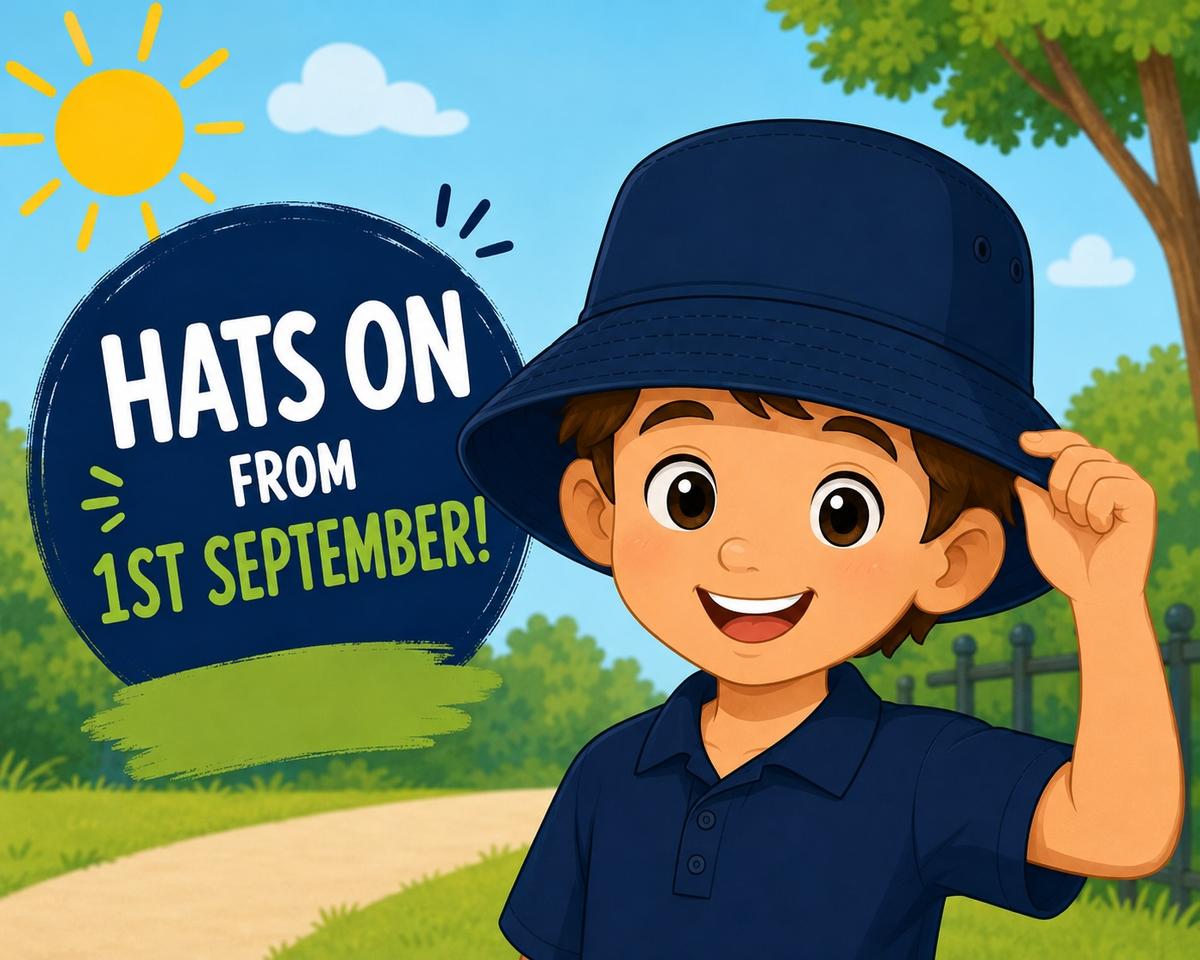
-With spring here it’s time for hats to come back to school!
Grade 3 and 4 students are reminded to bring their school hat back to school if they haven’t already and to make sure they are wearing it during outdoor activities and break times.
-Please help support your child to make sure their iPad is charged and ready to use each day.
HOLIDAYS
If your family is planning a holiday during the school term, we kindly ask that parents communicate this directly with their child’s teacher and Julie Crawford, rather than relying on students to pass the information on. A quick email letting us know the dates your child will be away is all that is needed and helps us plan for their absence and return to learning.
Thank you for helping us stay informed and ensuring clear communication between home and school.