
Assistant Principal's Report
Wellbeing Update
School Wide Positive Behaviour Support (SWPBS)
Our team at Whitehorse has been working with Stephen Christofakakis, and SWPBS Coach to continually strengthen our systems and approaches to support positive learning environments for our students.
Stephen gave us some really positive feedback about our classroom climate after visiting our school to observe our classroom environments and how our teachers and ES work with students to support learning and wellbeing.
Some of the highlights from Stephen’s feedback were:
- Frequent praise, encouragement and positive feedback.
- Calm and orderly classrooms, including examples of students working productively together.
- Clear verbal expectations and calm teacher redirection.
- Visual support and instructions that make expected behaviour easier to understand.
- Established routines such as hands-up expectations, quiet/mute signals and whole-body listening prompts.
- Positive examples of collaboration, active engagement and students listening to one another.
- Teachers responding to individual student needs while maintaining learning for the wider group.
Our next focus as a school is to:
- Increase student awareness of being ‘ready to learn’
- Using visuals to support instructions and learning
It has been really positive to celebrate our strengths as a school. We will keep families updated about our work in this area as we continue to develop consistency and strengthen our teaching and wellbeing approaches.
Daily Mindfulness
Each class across the school participates in daily mindfulness practice after lunch to regulate before learning. This might look like mindfulness activities or grounding techniques, mindful colouring, breathing exercises, calming music, or reading independently.
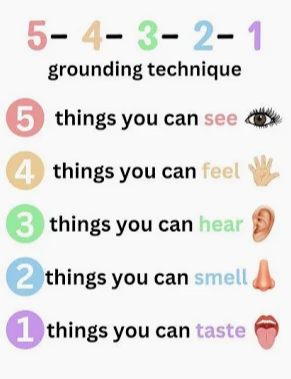
After lunch, students are often coming back from a busy and energetic part of the day. They may be excited from playing with friends, tired, distracted, or carrying lots of thoughts and emotions. A short mindfulness practice helps create a calm transition between lunchtime and learning. It also provides teachers an opportunity to check in with students as needed and support them to resolve any friendship or social challenges that may have arisen over the break. This means that when teaching begins, students can focus on their learning.
If students have a specialist class after lunch, they might only engage in mindfulness if needed. This is so their lesson time is not cut short. Due to the nature of the learning in these classes, students are often able to engage more quickly even after a busy and active lunchtime! In this way, mindfulness can be used as a tool to support individuals or small groups of students.
Teaching and Learning Update
On our Curriculum day last Monday 31 August, we continued our ongoing professional learning about how students learn. This included reviewing and strengthening our understanding and implementation of retrieval practices, the model of memory and techniques for responsive teaching. Responsive teaching involves teachers regularly checking for understanding and using this information to adjust their teaching. This might be done through the use of mini whiteboards, true or false questions, turn and talk, stop and jot etc. This approach ensures we teach our students at their point of need, supporting both extension and support of our learners.
Teaching for how students learn
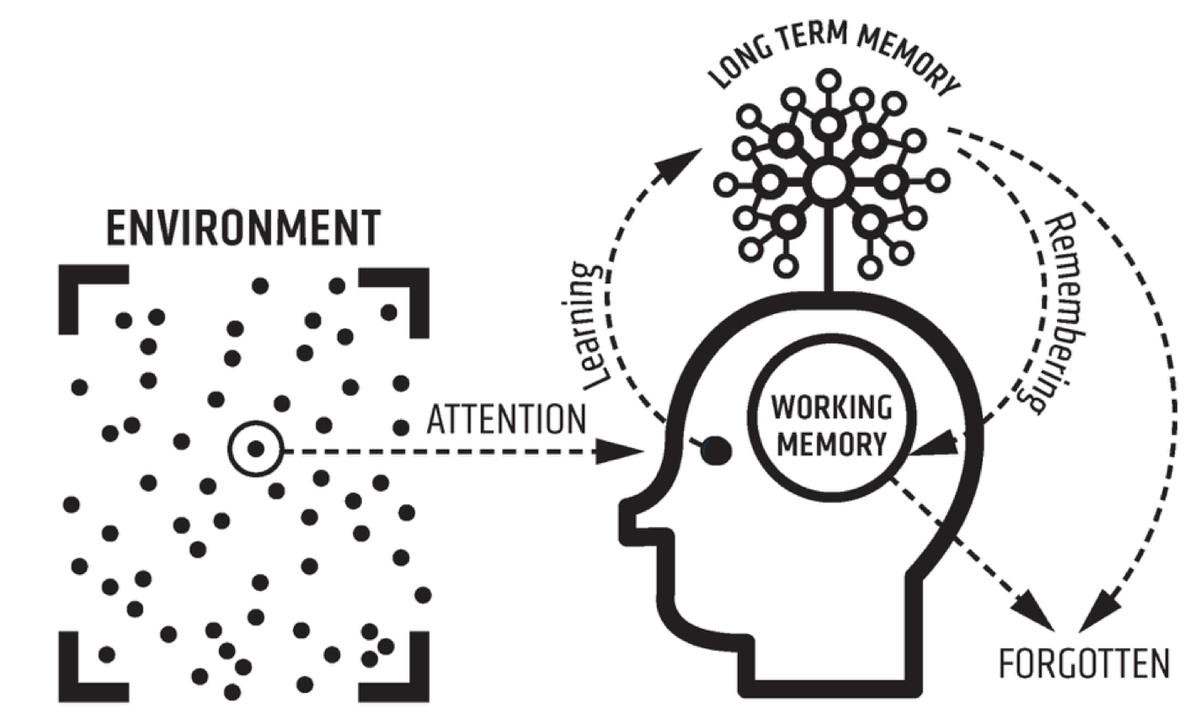
The image above shows the simple model of memory.
This image shows how learning happens in students’ brains. Every day, students are surrounded by information and experiences, but they cannot focus on everything at once. When students pay attention to something, it enters their working memory, where they think about and make sense of the new information. Through practice, connections to prior knowledge and revisiting ideas, important learning can be stored in long-term memory. This allows students to recall and use their knowledge when they need it.
Teachers use this understanding of memory to help students learn more effectively.
At Whitehorse we:
- Focus attention: Reduce distractions and explicitly show students key information
- Take learning step by step: Break new learning into small, manageable parts so students don’t feel overwhelmed.
- Make connections: Link new learning to what students already know to help it make sense and be remembered.
- Practise and revisit: Give students regular opportunities to practise, recall and review what they have learned.
- Talk and use learning: Encourage students to explain their thinking, solve problems and apply their knowledge in different ways.
- Build learning over time: Carefully sequence lessons so that new learning builds on what students have learned before.
Learning is not just about being exposed to information. Students need to be focused, think about new ideas, connect them to prior knowledge, practise retrieving them and apply them in meaningful ways. By planning our lessons with how memory works in mind, we are helping students move important knowledge from working memory into long-term memory, where it can be recalled and used in future learning.
Mini Whiteboards
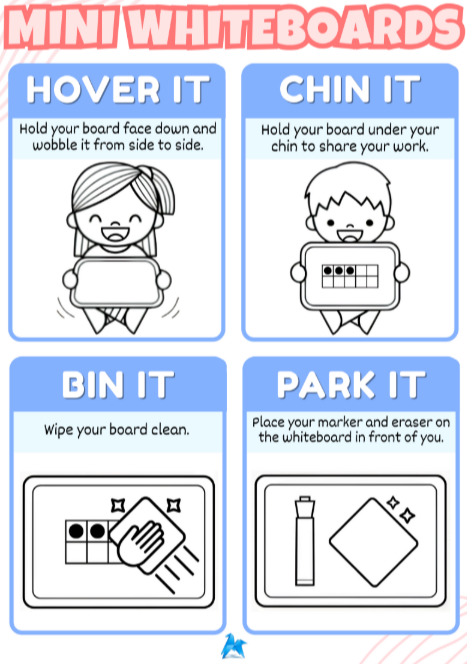
Mini Whiteboards are a form of ‘Check For Understanding’ that we are using from Foundation to Year 6 to support students’ learning in all areas. Students are explicitly taught the routine of using a mini whiteboard which is shown in our visual below:
Megan Goldenberg
Assistant Principal