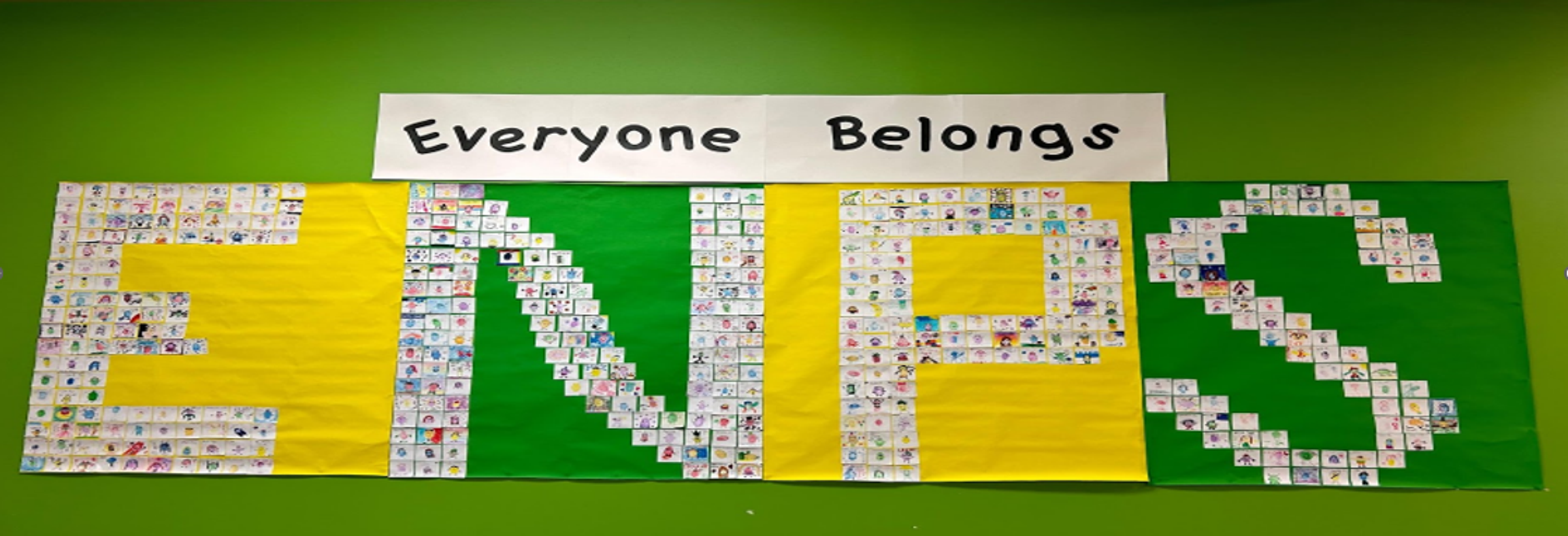
Wellbeing Centre Newsletter
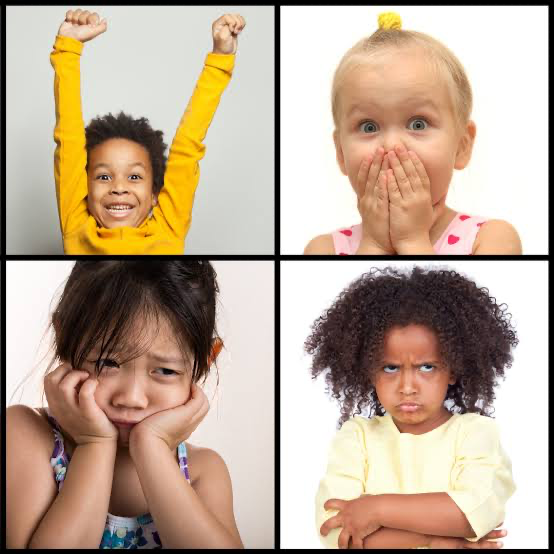
We All Show Feelings Differently
Helping children understand and talk about their emotions is an important part of growing up and a key focus of our Respectful Relationships, Berry Street Education Model and URSTRONG Friendology programs at ENPS.
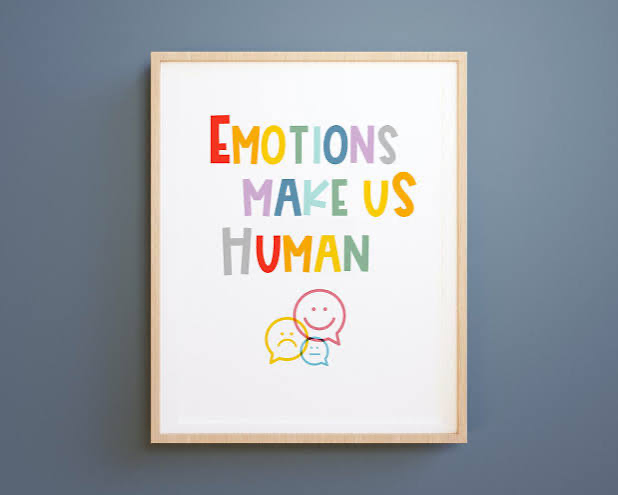
Recently, students participating in social groups in our Mindfulness Centre have been exploring how we recognise emotions in ourselves and others. Together, we've been talking about how body language, facial expressions and tone of voice can give us clues about how someone might be feeling—but they don't always tell the whole story.
Everyone experiences and expresses emotions differently. Some people become quiet when they're worried, others might laugh when they're nervous, while some children may appear angry when they're actually feeling overwhelmed or disappointed. Learning that emotions can look different from person to person helps children become more understanding, avoid making assumptions and build stronger friendships.
One of the key messages we've been exploring is the importance of checking in rather than guessing. Instead of assuming how someone feels, we encourage students to ask simple questions such as, "Are you okay?" or "How are you feeling?" We're also helping children learn that sharing how they're feeling can help others understand and support them.
We've also talked about something that can be tricky for children to understand—that sometimes people aren't ready to talk about their feelings. And that's okay. Everyone needs different amounts of time before they feel ready to share. It doesn't necessarily mean they're upset with us or don't want to be our friend. Sometimes they simply need a little space or time, and learning to respect that helps build empathy, patience and healthy relationships.
Supporting Emotional Literacy at Home
Some of the best conversations about feelings happen in everyday moments. Here are a few simple ways to continue these discussions at home:
- Read together. Pause during a story and ask, "How do you think this character is feeling? What clues do you notice? Could they be feeling something different?"
- Watch together. Movies and TV shows are wonderful opportunities to chat about emotions, friendships and how characters solve problems respectfully.
- Notice body clues. If your child finds it hard to name an emotion, start by asking what they're noticing in their body. Is their tummy fluttery? Are their shoulders tight? Does their body feel calm or full of energy? Often, recognising body sensations is the first step towards understanding feelings.
- Model emotional language. Let your child hear you talk about your own feelings and the strategies you use to manage them. This helps children learn that all emotions are normal and that there are healthy ways to respond to them.
Great Books and Movies to Explore Together
If you're looking for a conversation starter, these are some wonderful family favourites:
Books
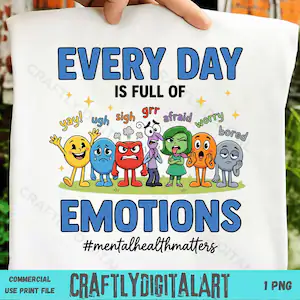
- The Colour Monster
- In My Heart: A Book of Feelings
- Listening to My Body
- The Rabbit Listened
Movies & TV
- Inside Out
- Wonder
- Bluey
Learning to recognise, talk about and understand emotions is something that develops over time. By encouraging children to be curious, communicate openly and show empathy towards others, we're helping them build strong friendships, positive relationships and the confidence to navigate life's ups and downs—both now and into the future.