Year 3/4 Bulletin
Writing Genre: Procedural Text
Background to the lesson
During weeks 3 and 4, our Year 3/4 students have been learning about procedural texts- written texts that explain how to complete a task or make something, by providing clear,
organised and sequenced instructions. The students have explored a range of examples, such as recipes, science experiments, craft activities, rules for games, how-to guides, maps and giving directions.
Through real-world examples, we guided students in identifying and understanding the structure and key features that make procedural texts clear and effective. Including:
- A title or goal – explaining what the procedure will achieve.
- Materials/ingredients – identifying what is needed before beginning.
- Sequenced steps – organising instructions in the correct order.
- Time and sequencing words – such as first, next, then, after that and finally.
- Imperative verbs – using command words such as cut, place, mix, measure and attach.
- Precise language – including specific details about quantities, position, size and actions.
- Diagrams/illustrations – using visuals to support the reader's understanding.
Outline of Lesson
Learning intention: To use the structure and features of a procedural text to write a recipe.
The purpose of this lesson was to help students understand that effective procedural writing needs to be clear, precise and easy for the reader to follow.
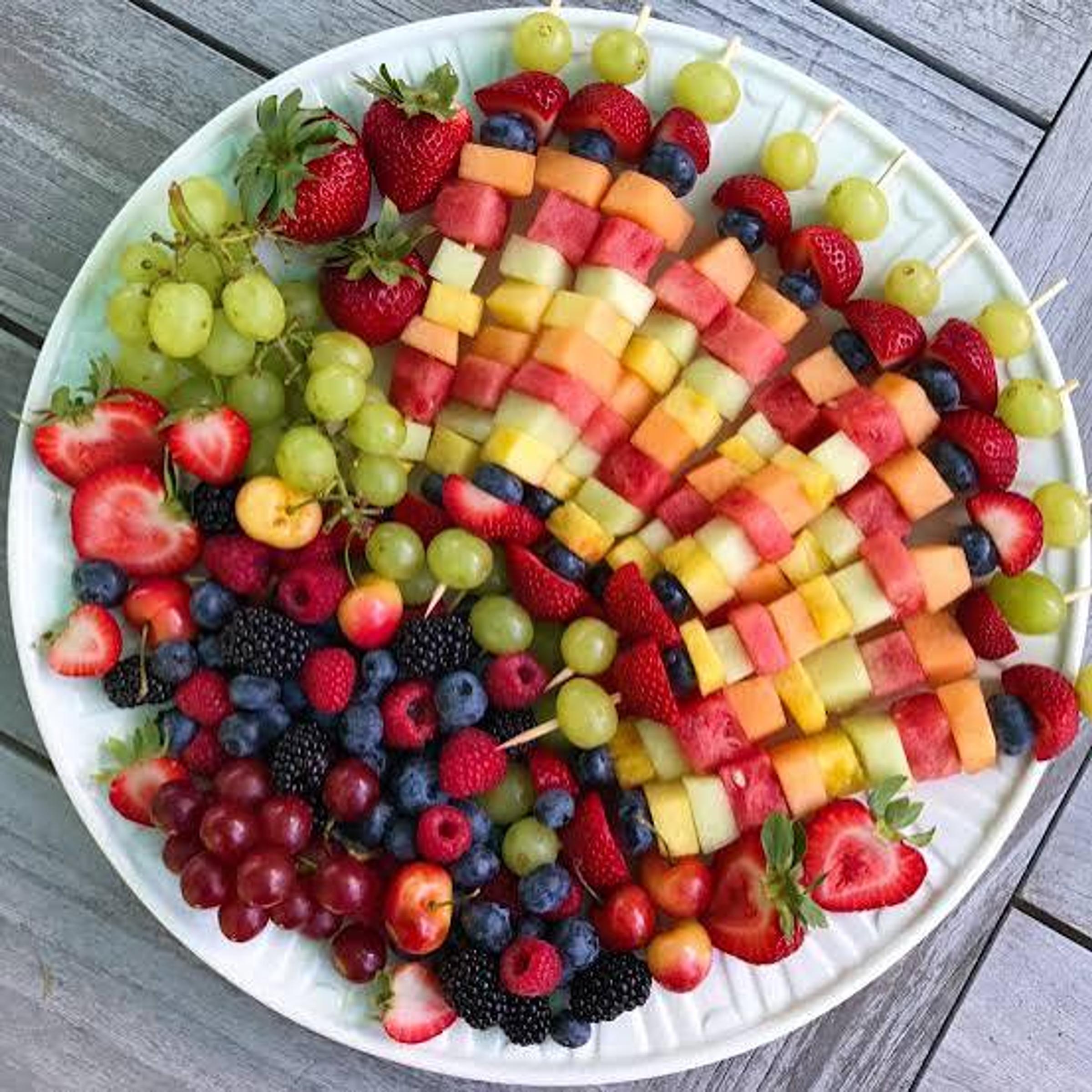
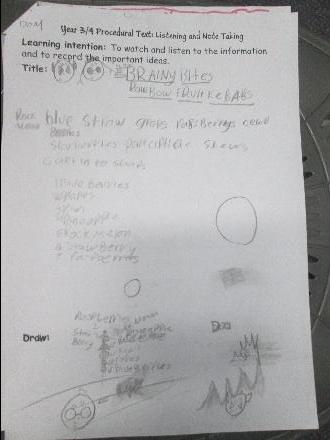
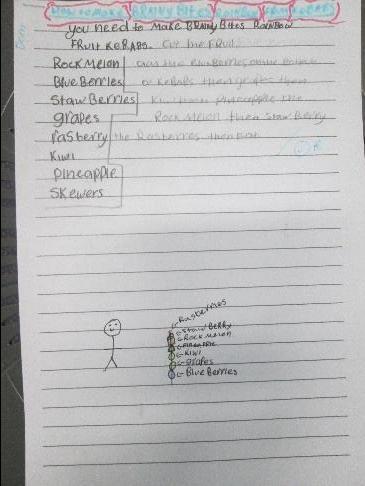
We began our lesson watching the ClickView video, ‘How to make ‘Rainbow Fruit Kebabs’. The students were asked to listen and record the main ideas, identifying the key steps involved, in readiness to formally write the recipe.
Using their notes, the students wrote their own fruit kebab recipe, applying their understanding of the structure and features of a procedural text. They included a clear title, a list of ingredients, sequenced steps and precise language to ensure their instructions were clear and easy for someone else to follow.
It was wonderful to see the children putting their learning into practice and thinking carefully about how to communicate each step clearly to their reader!
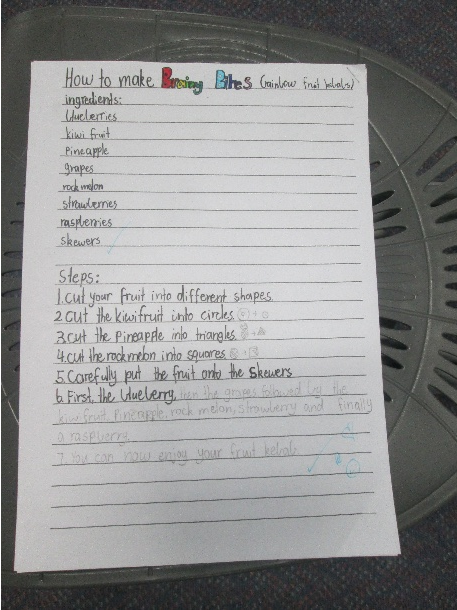
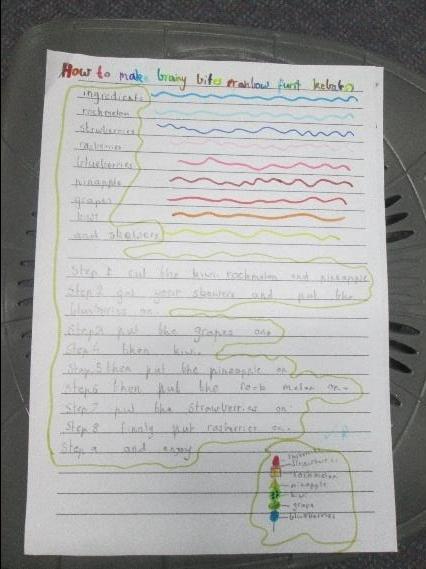
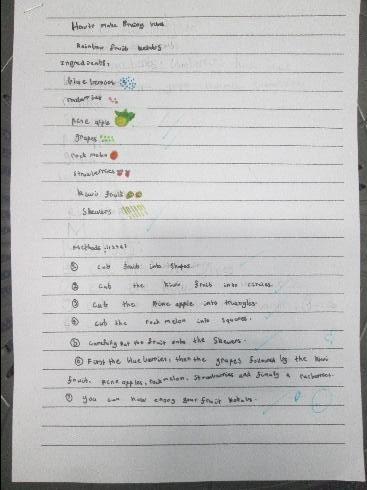
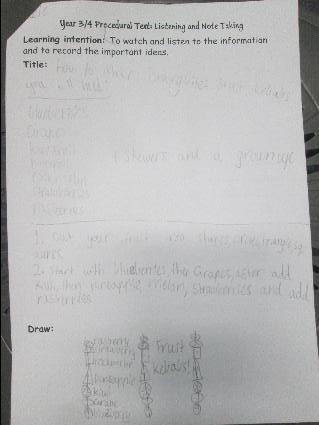
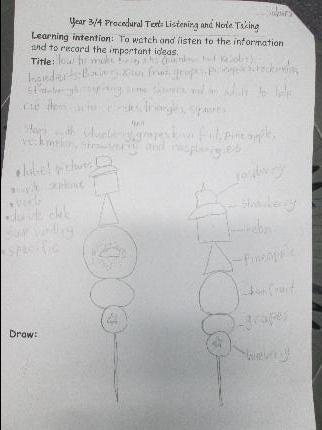
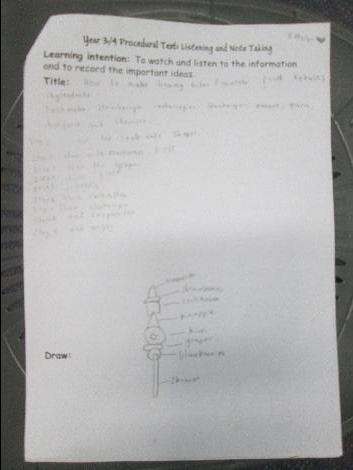
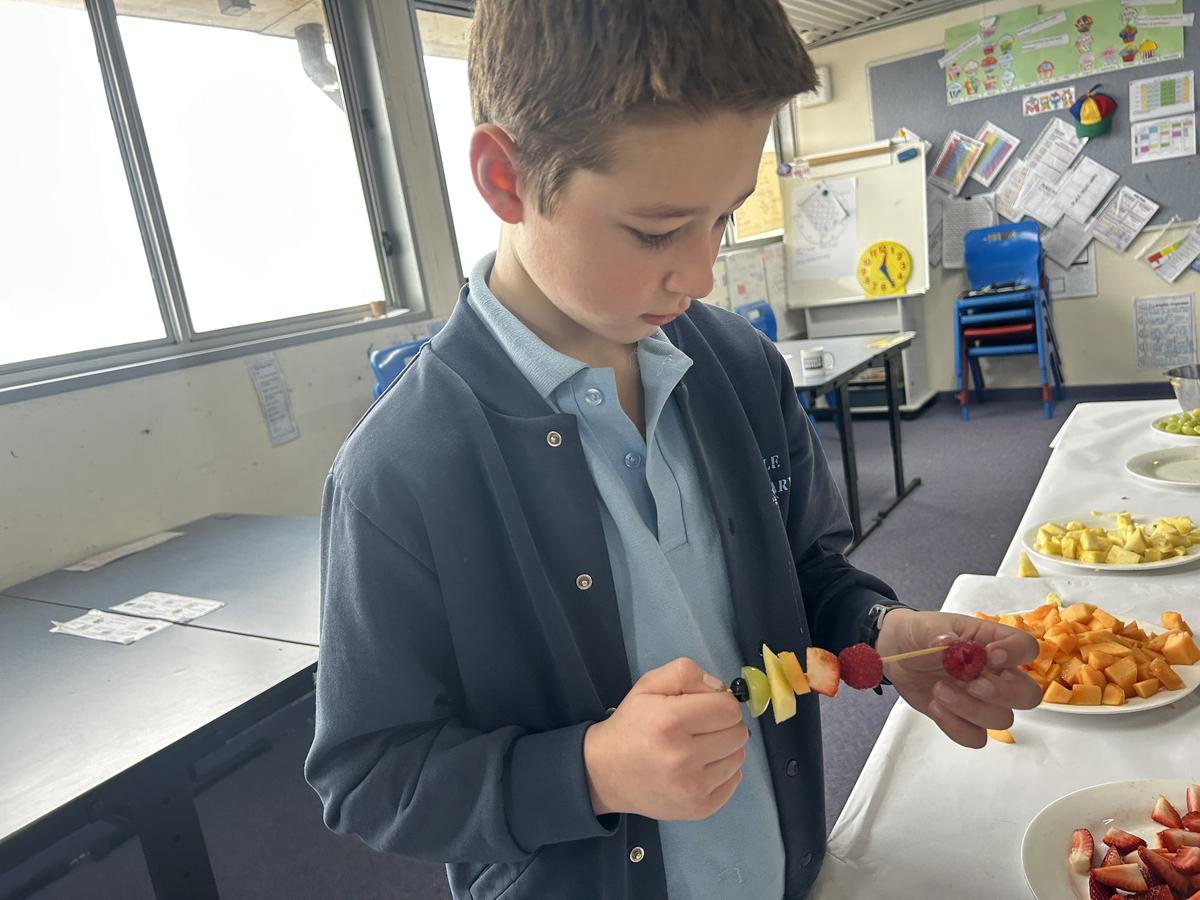
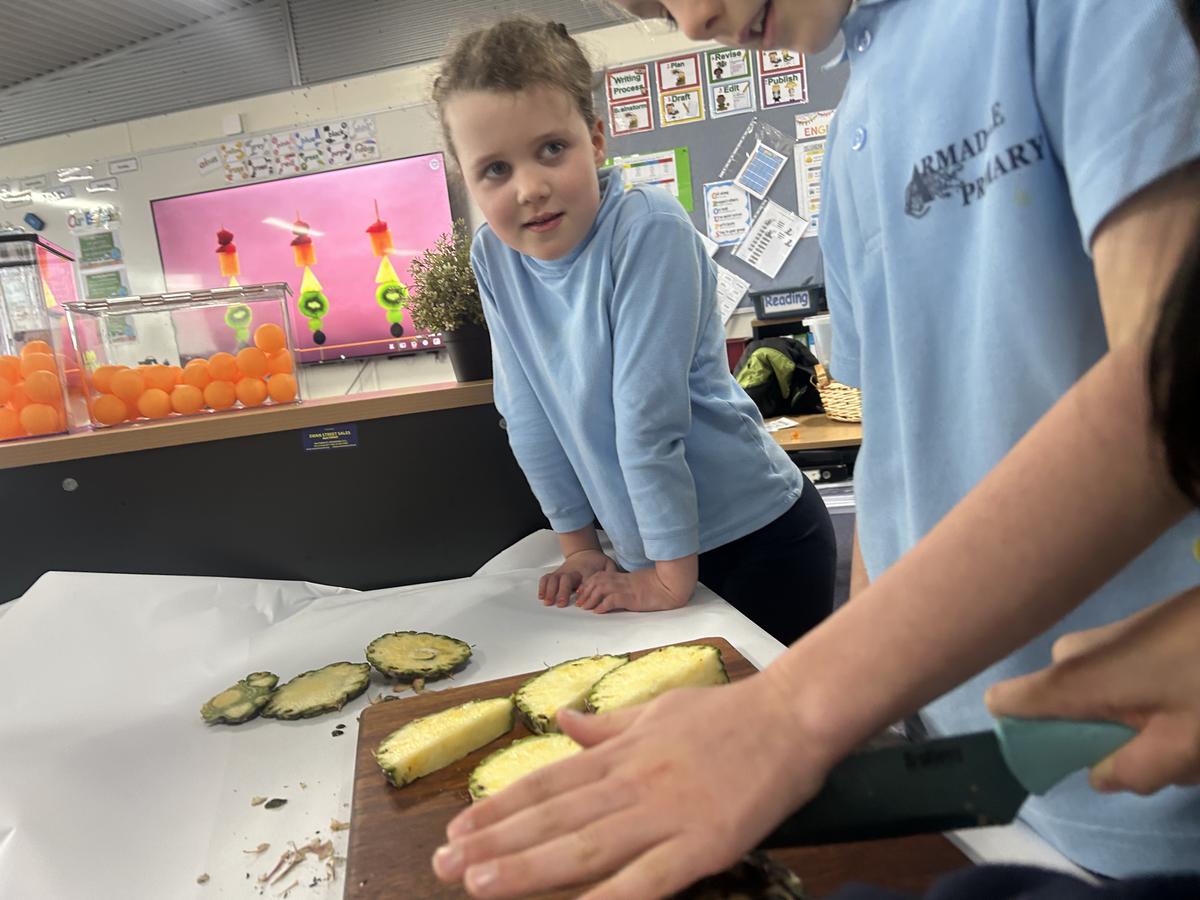
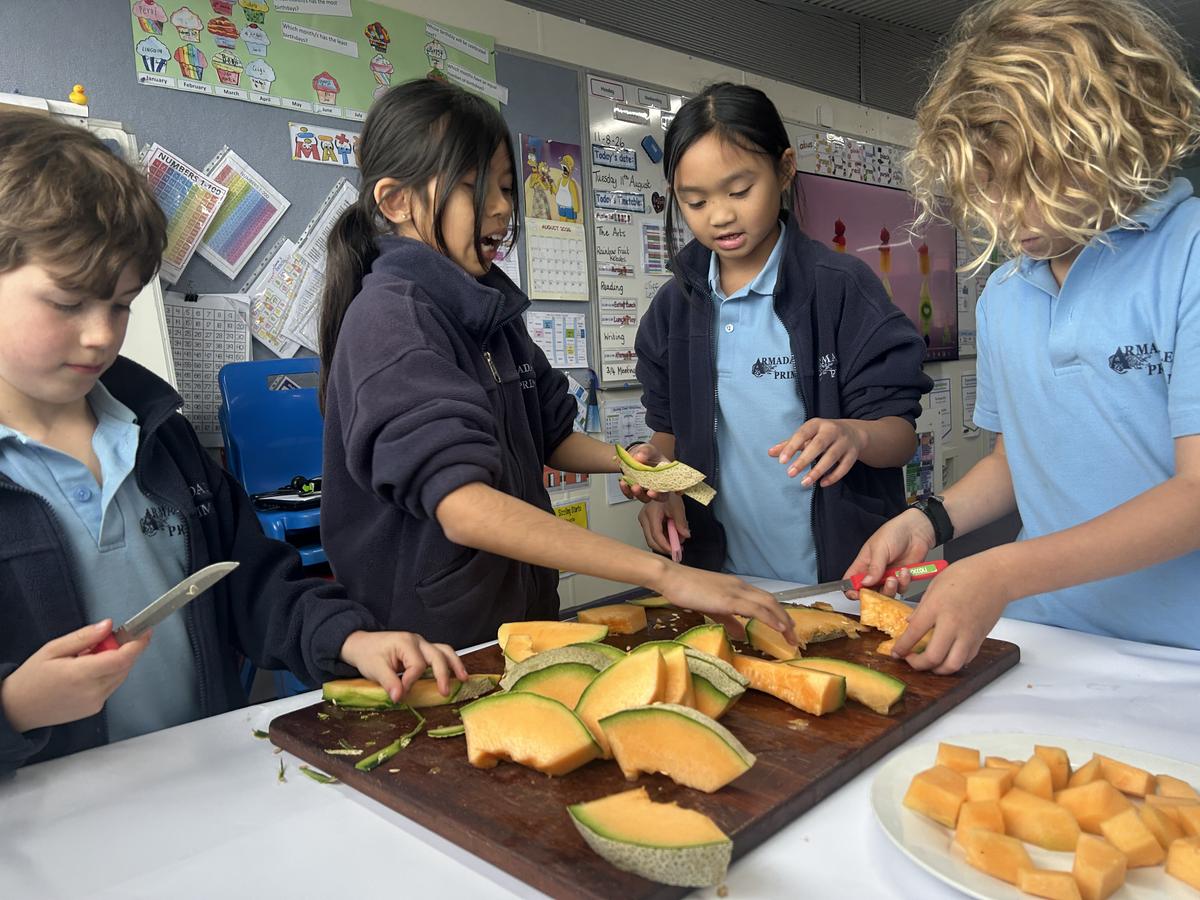
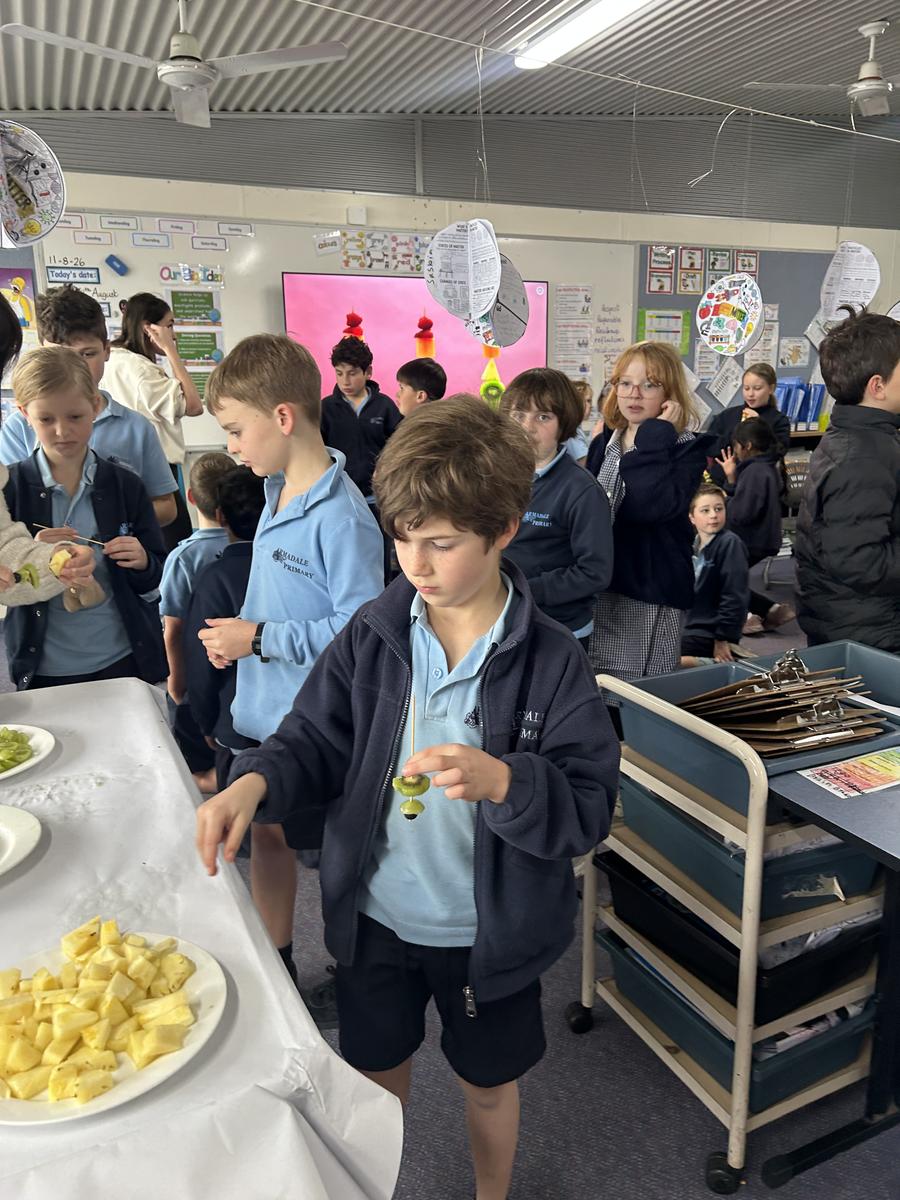
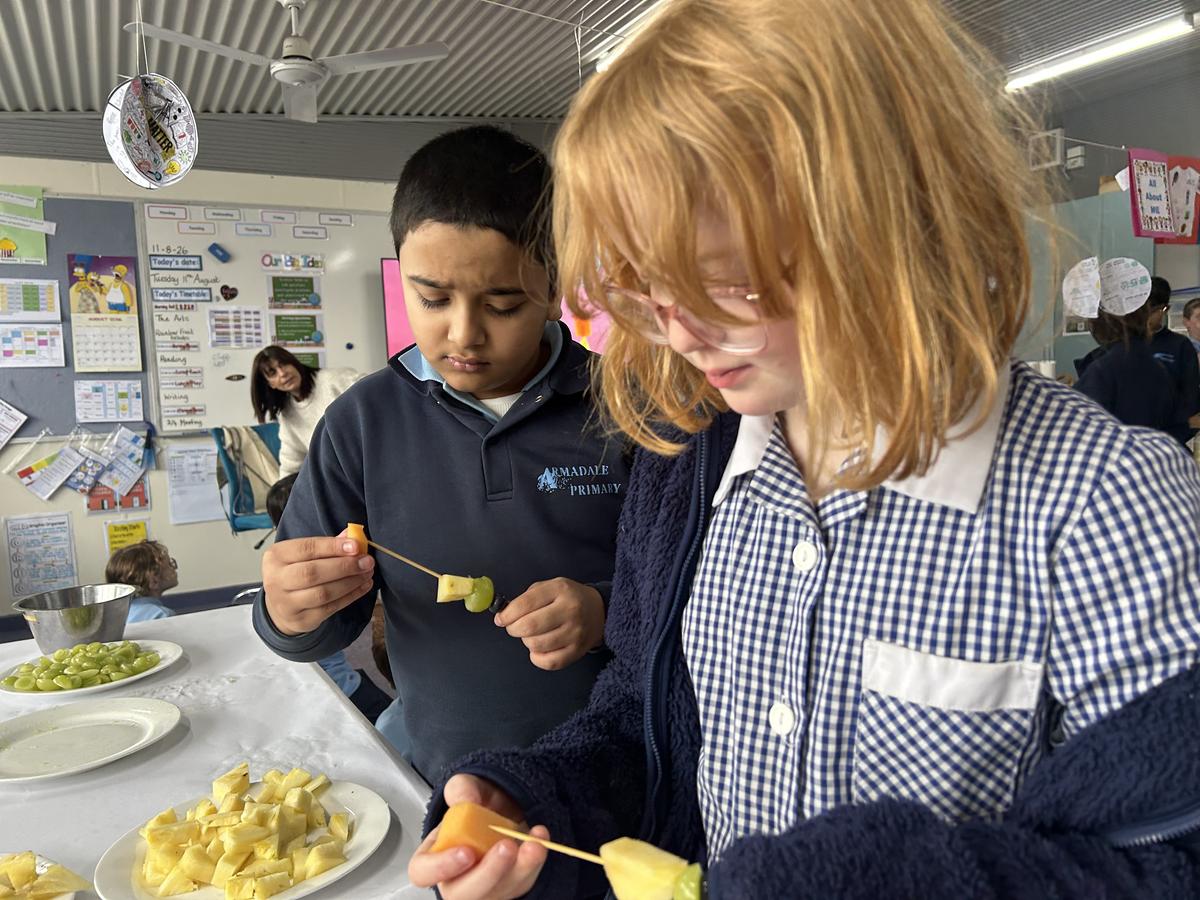
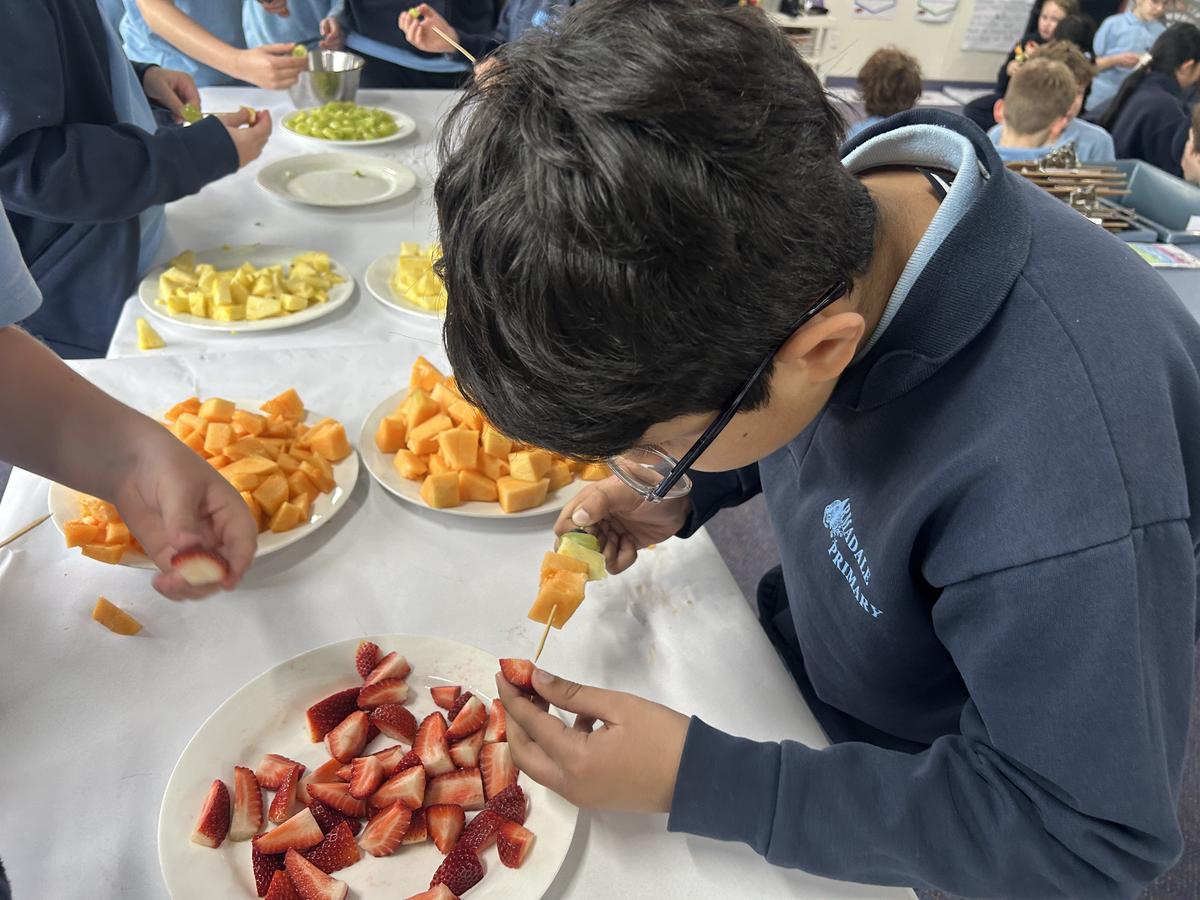
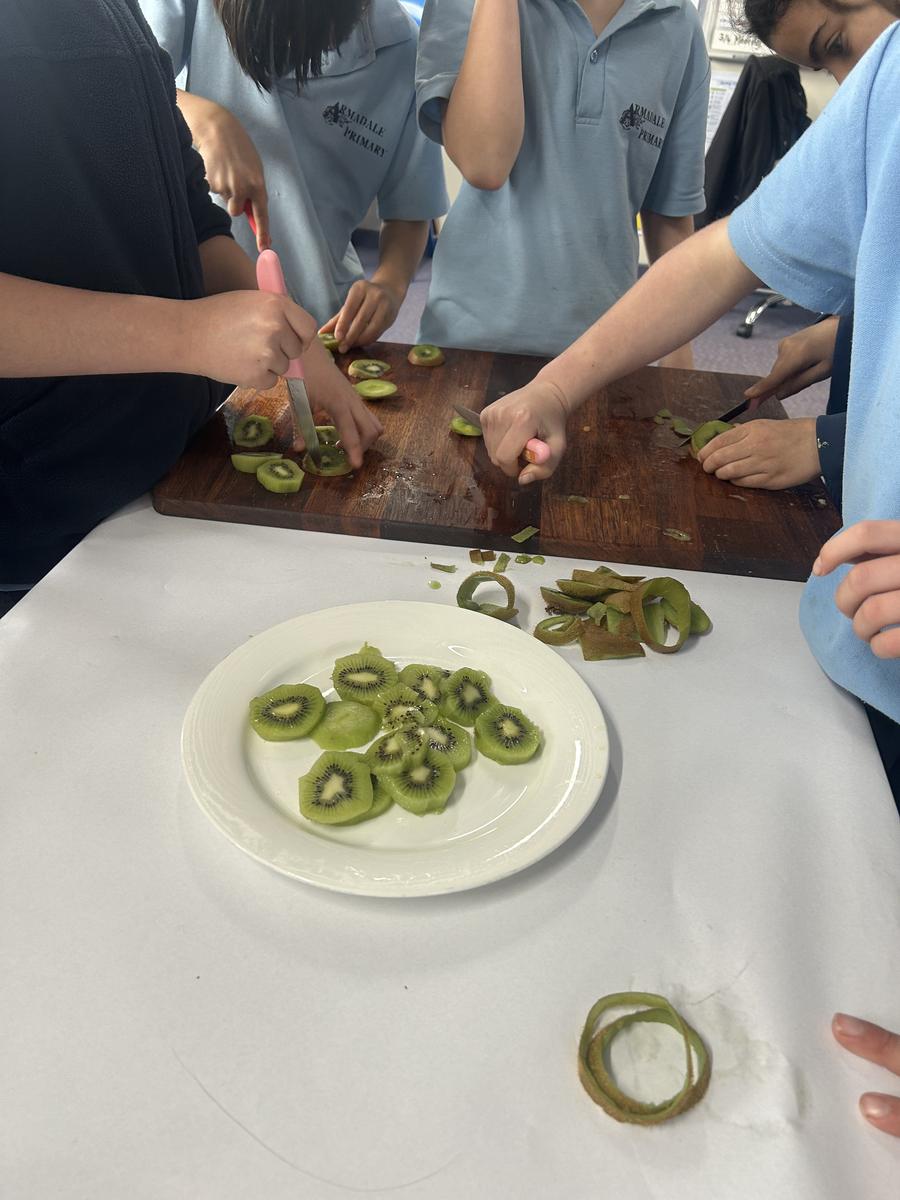
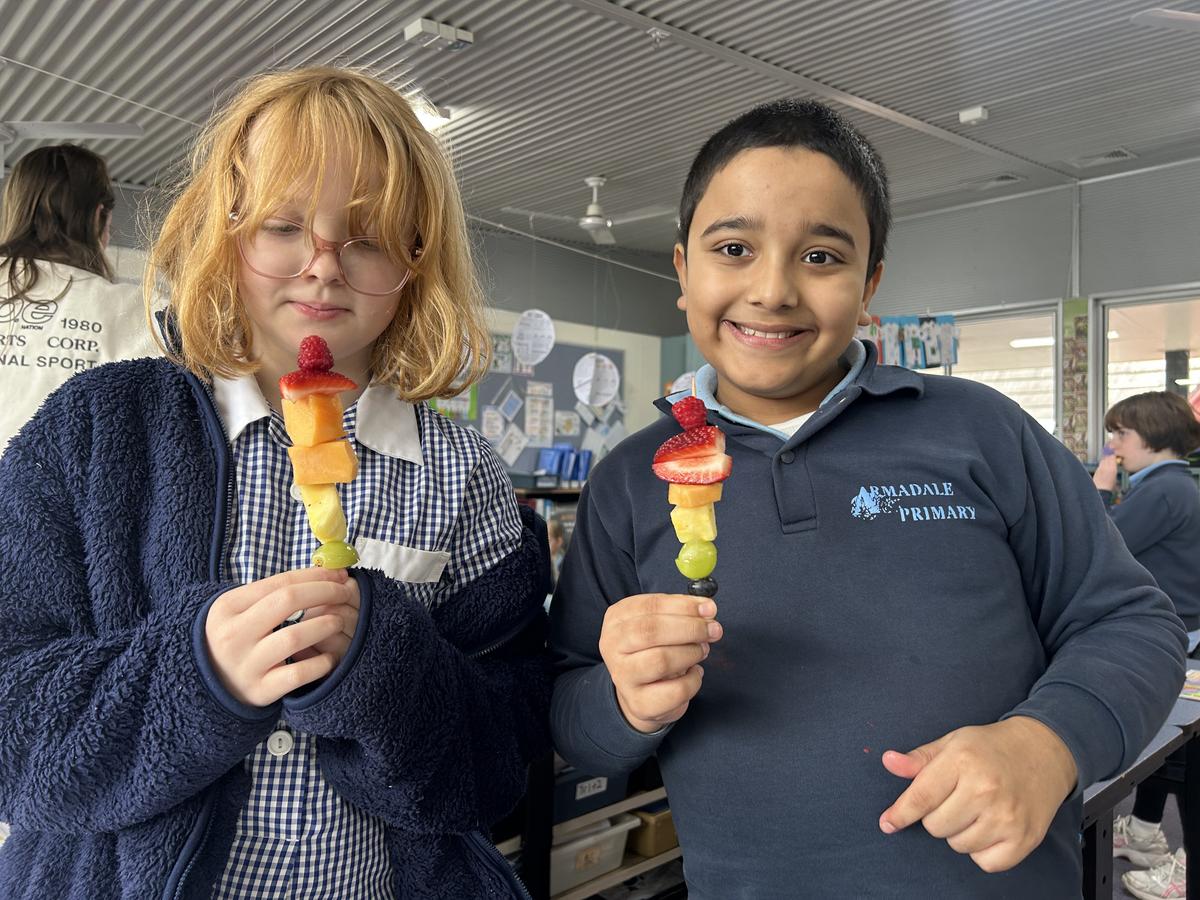
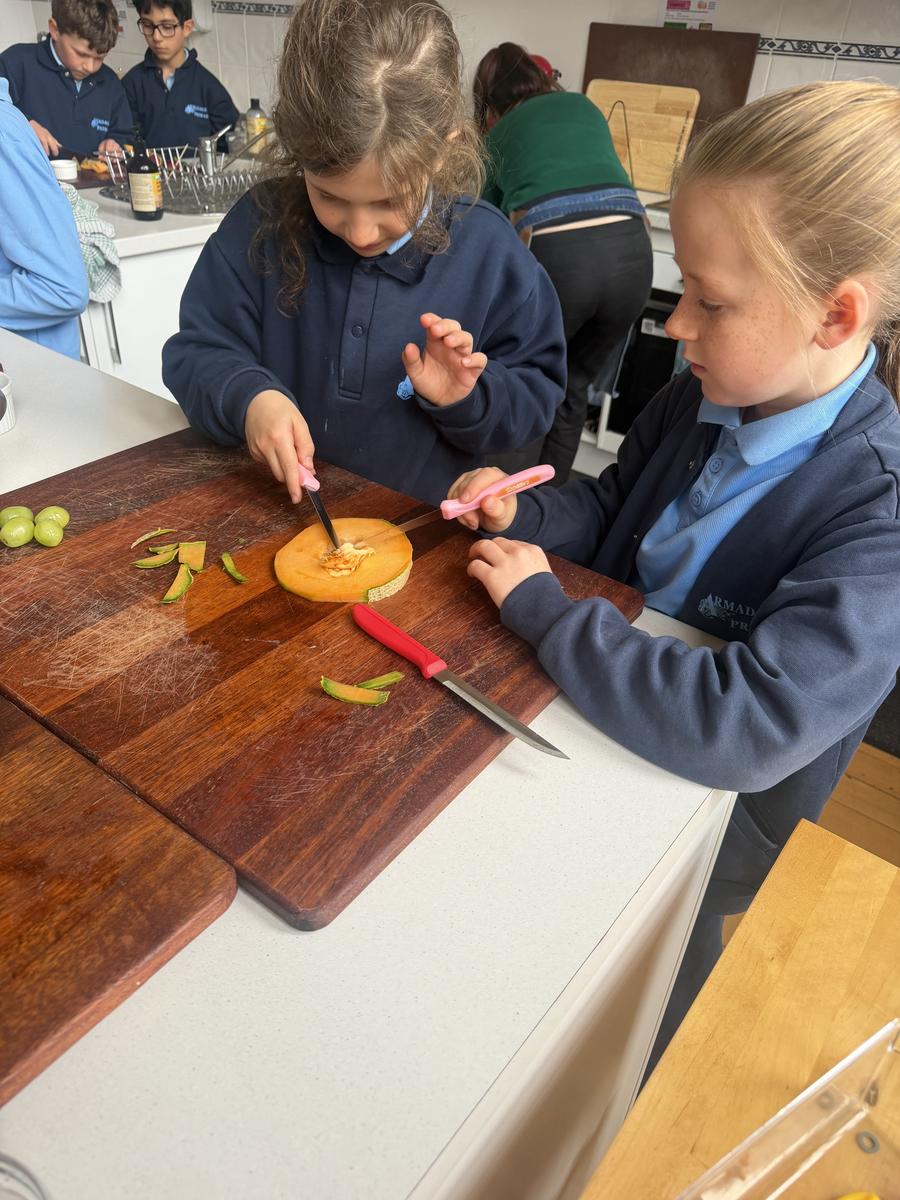
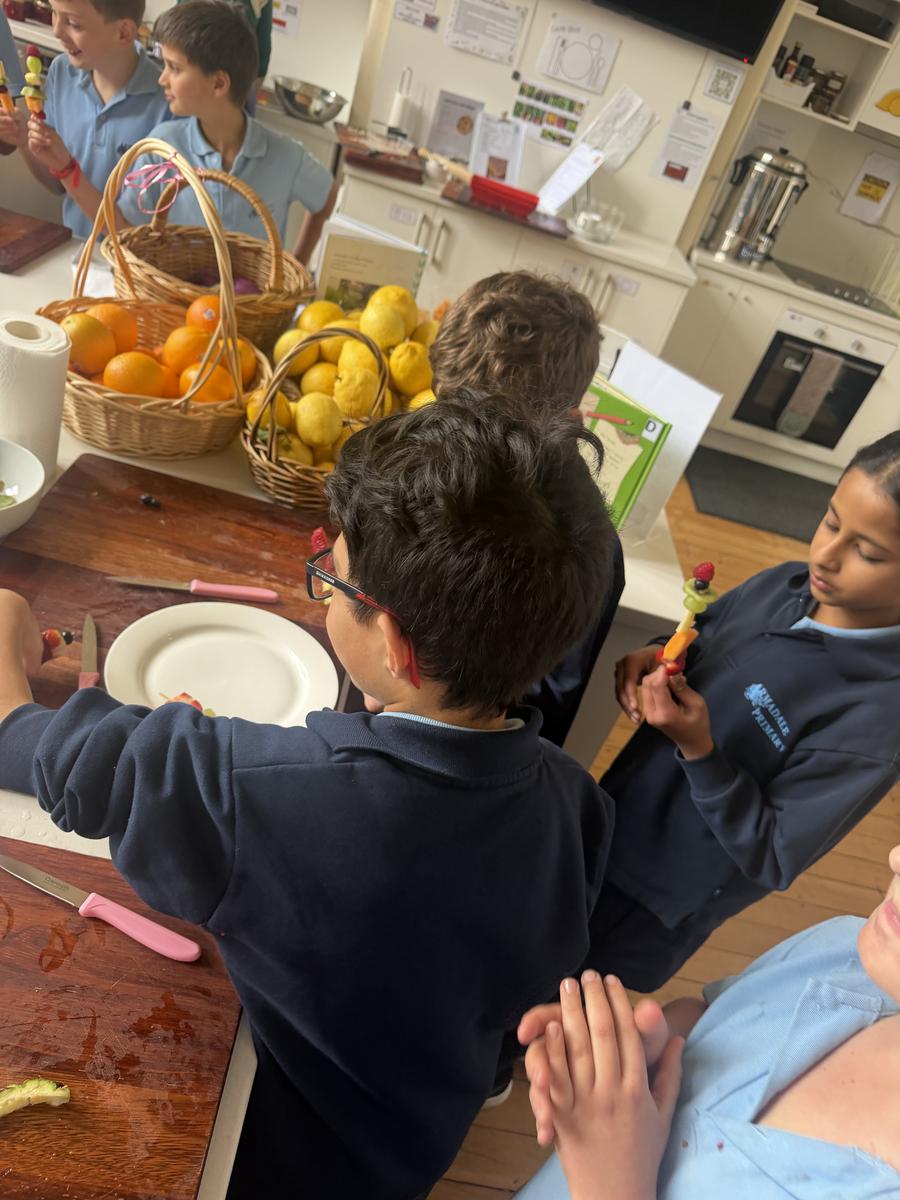
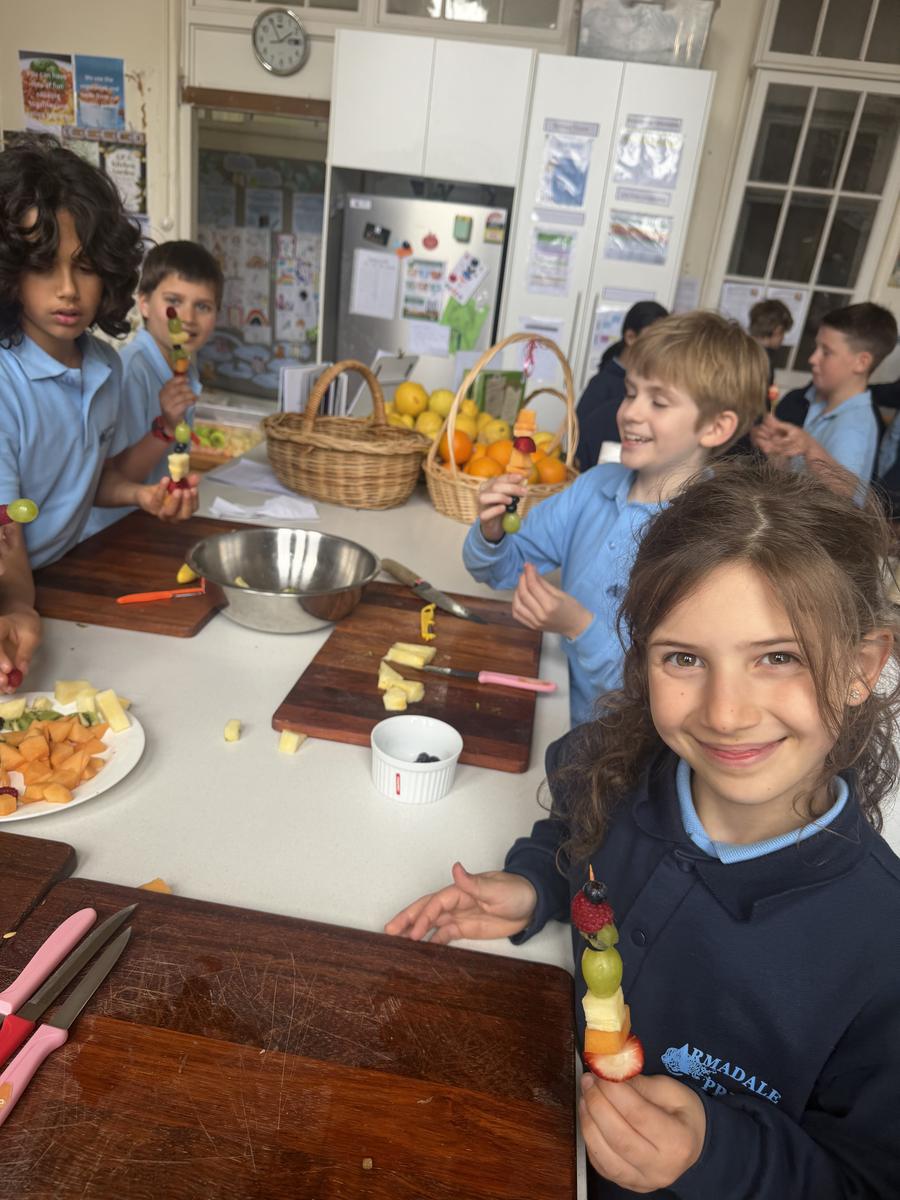
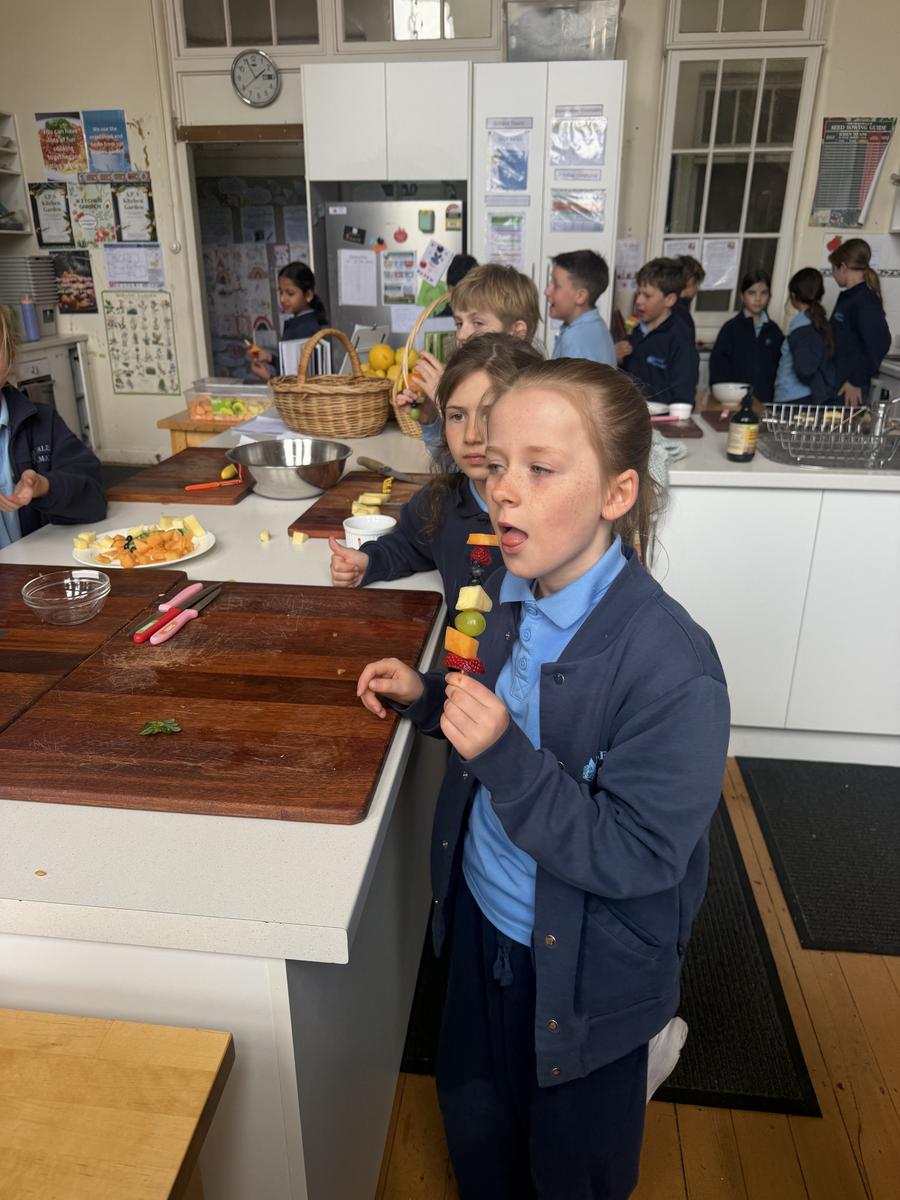
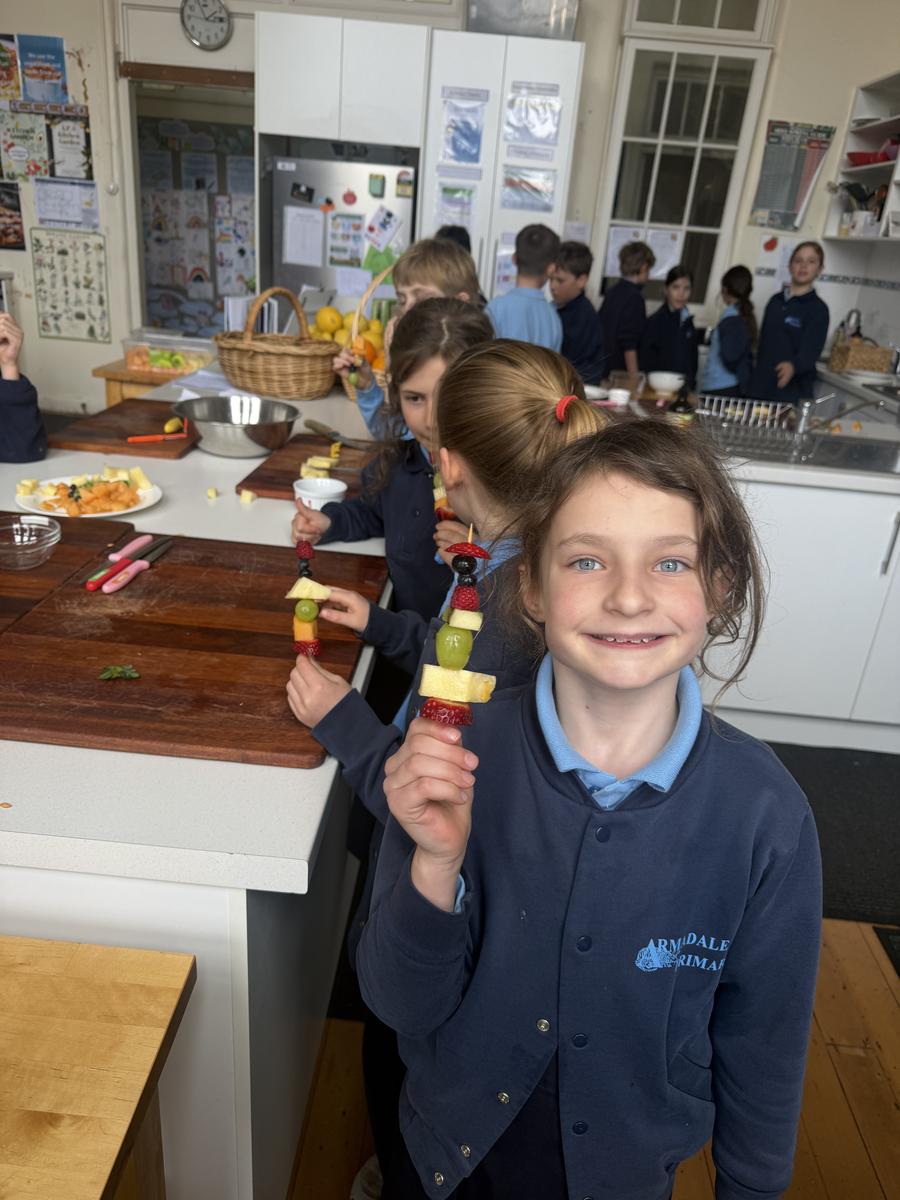
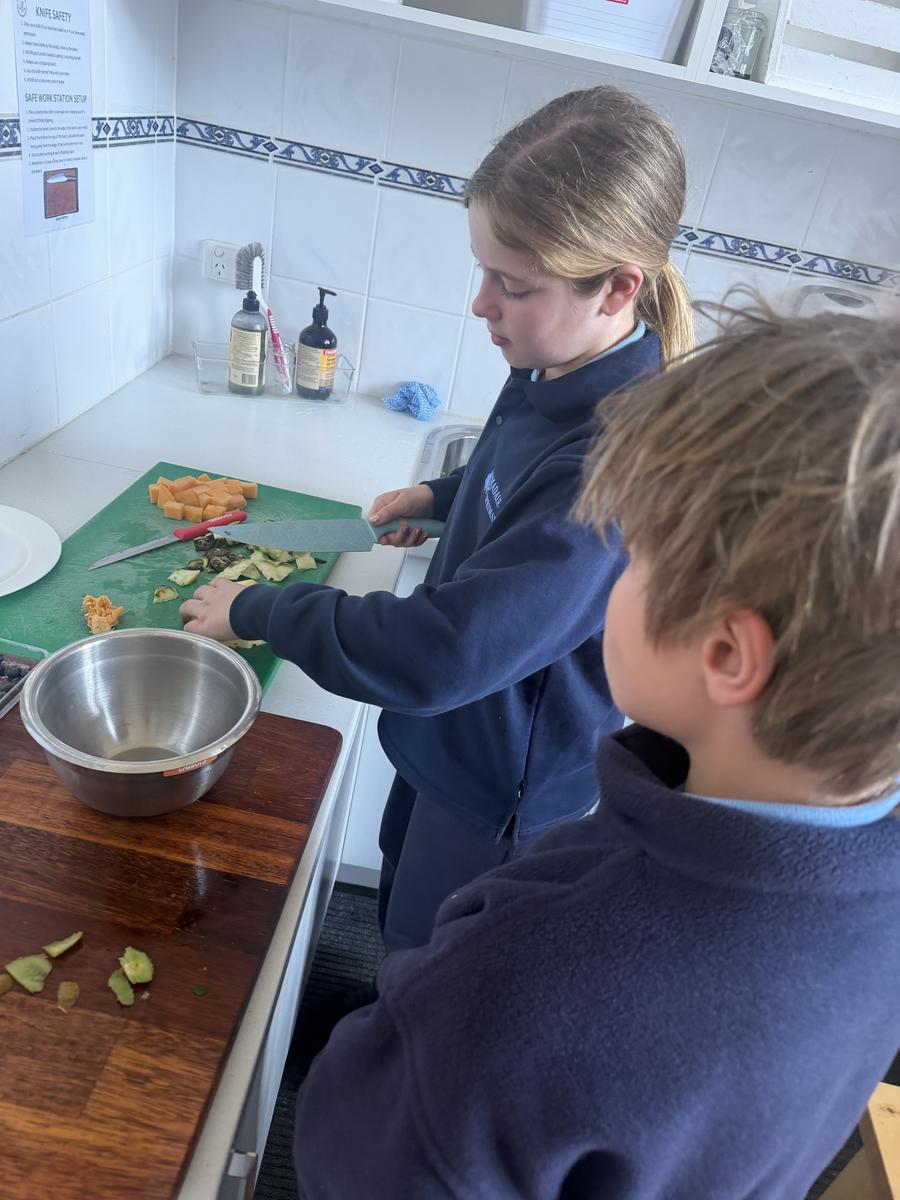
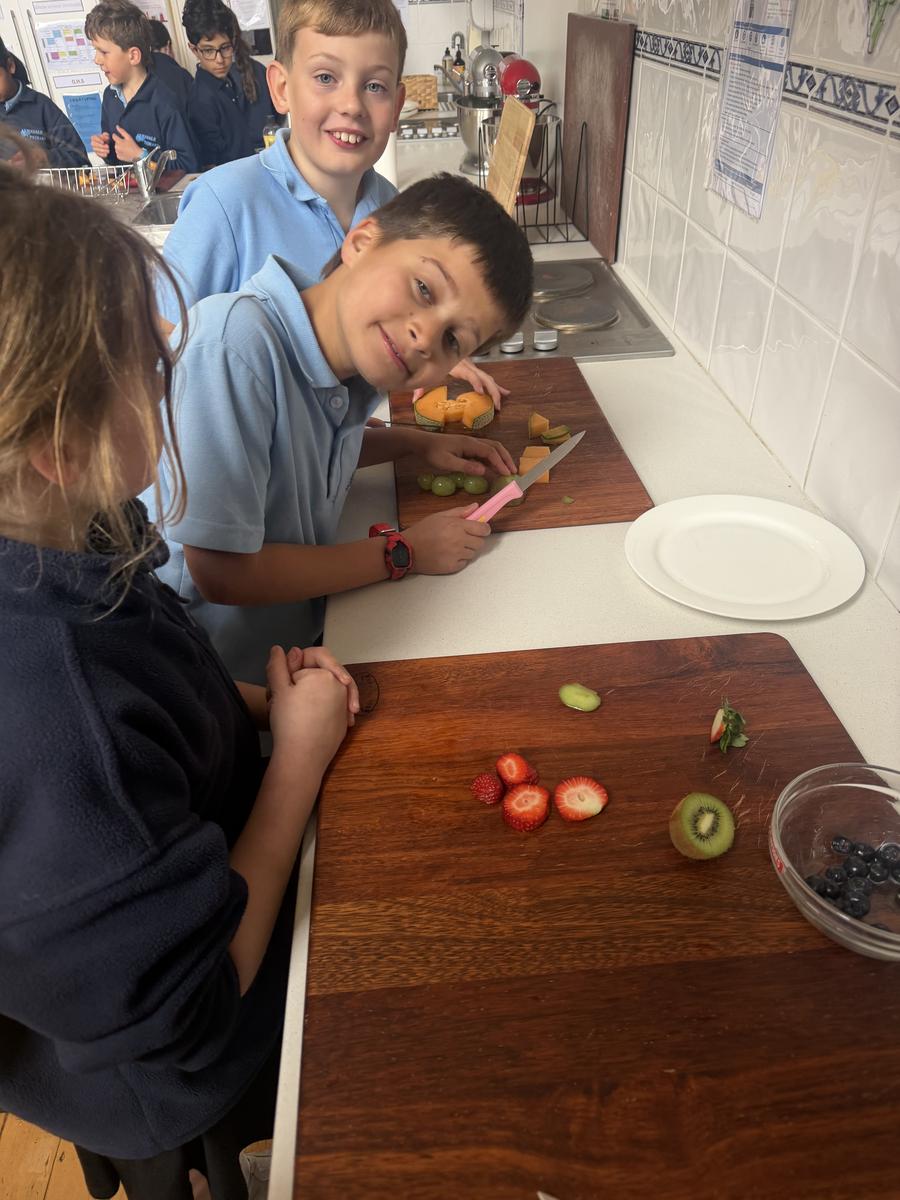
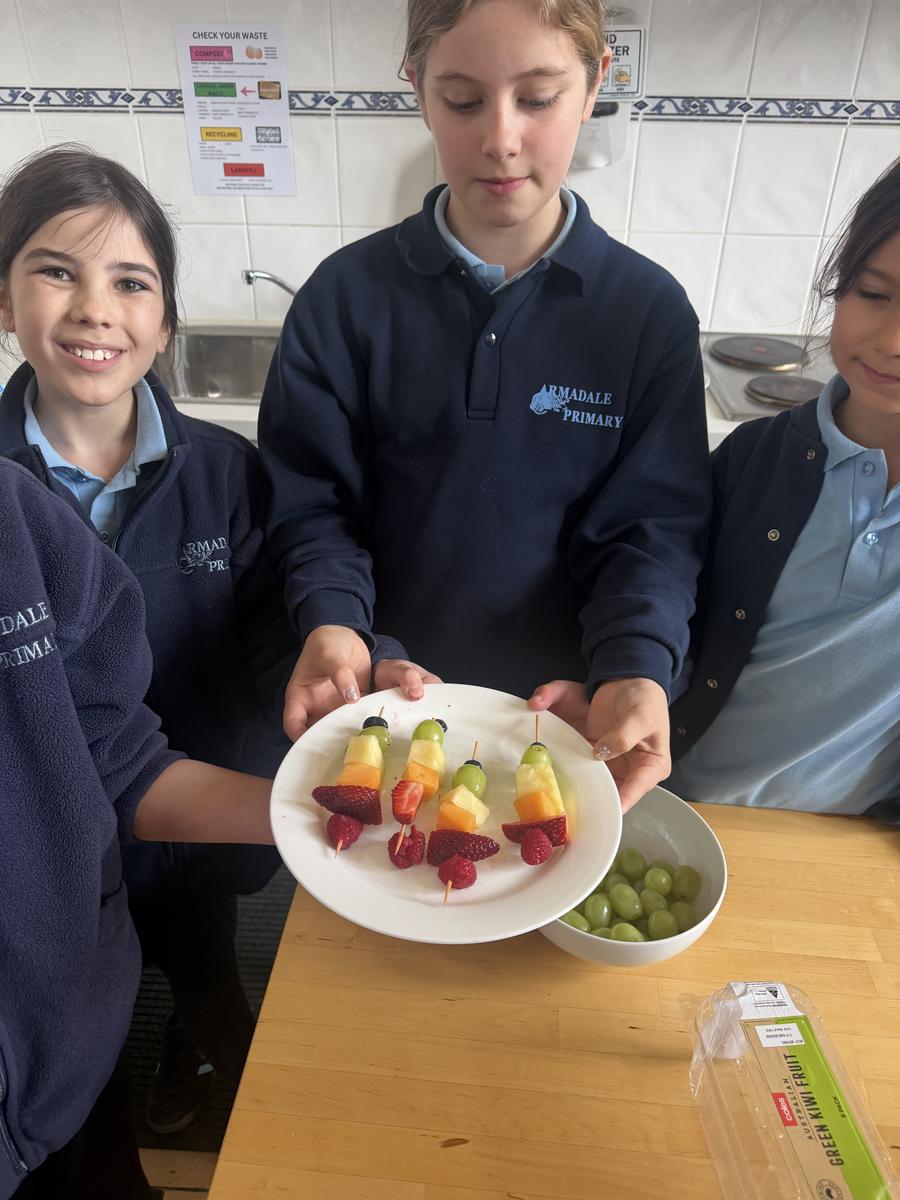
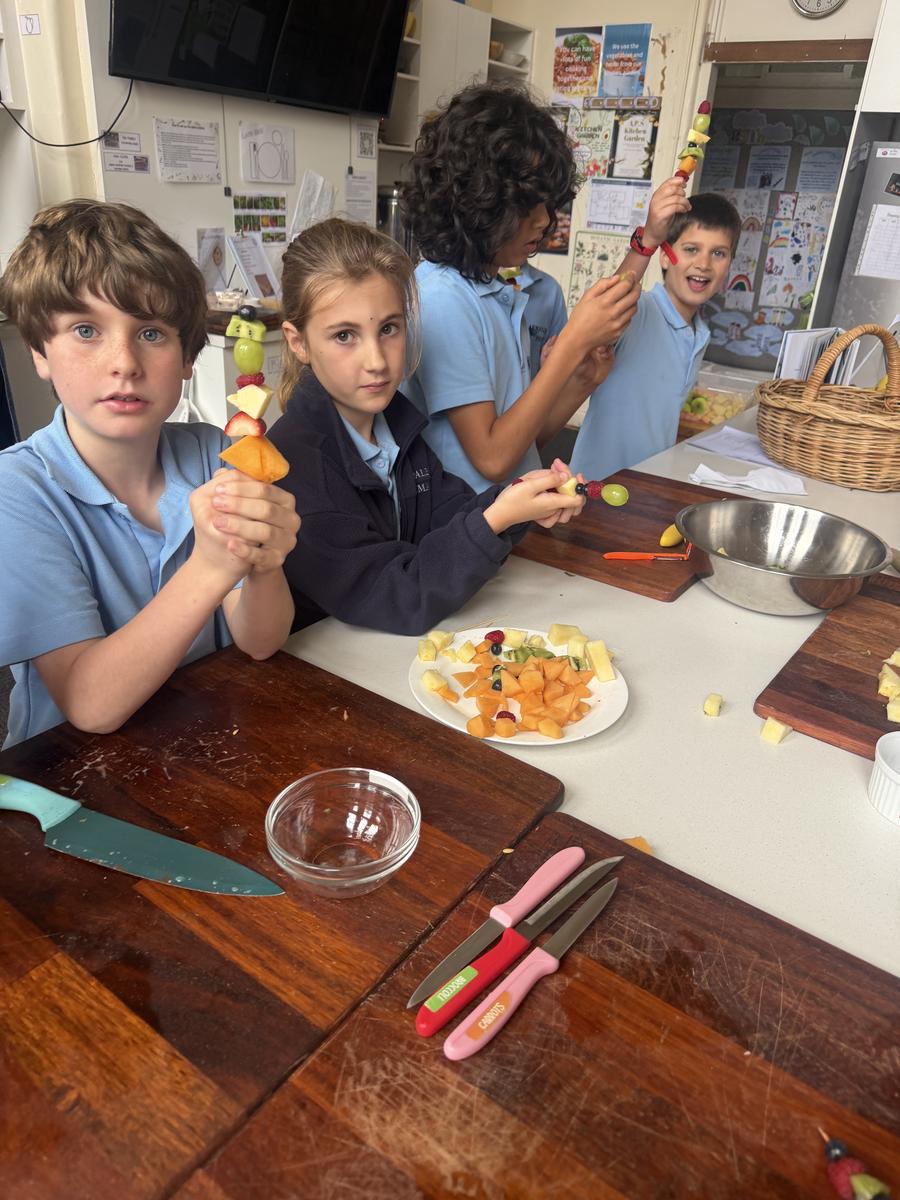
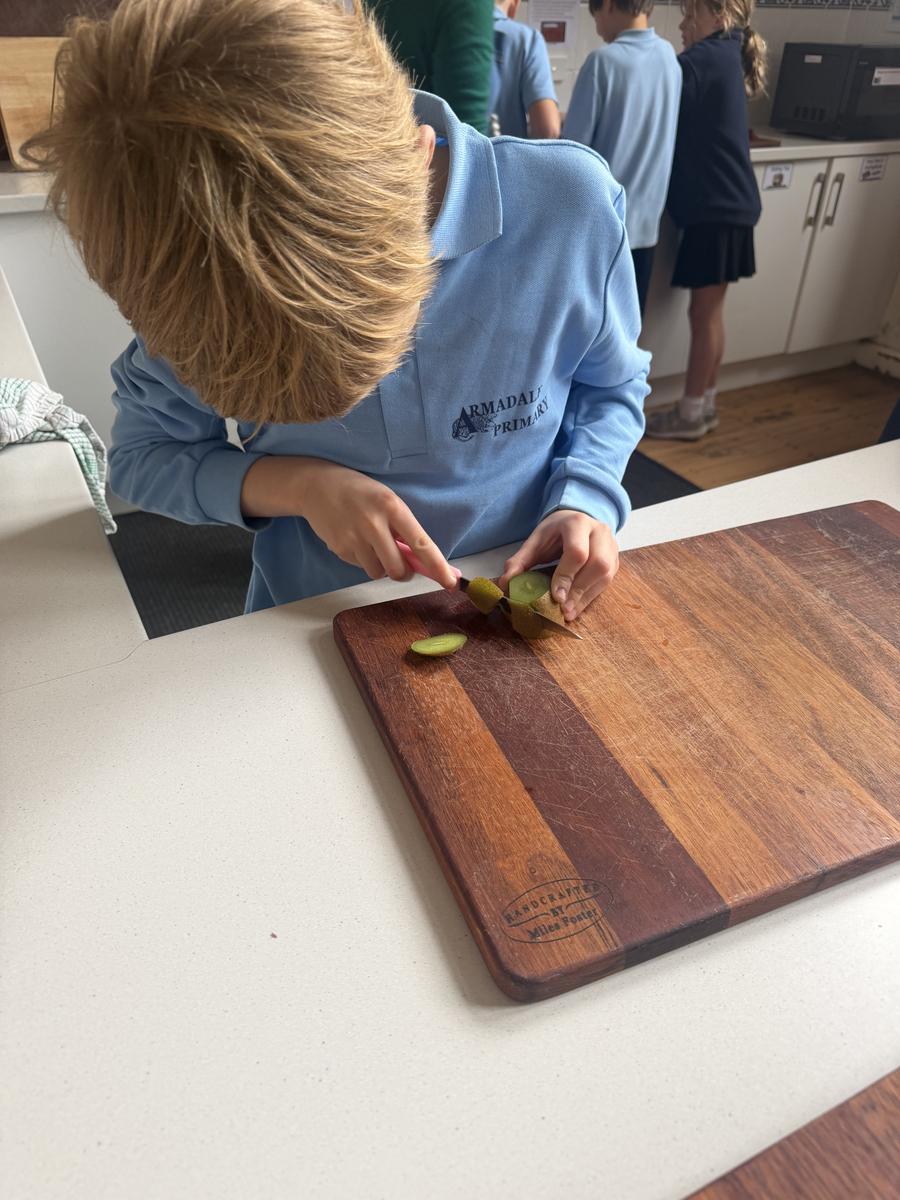
Finally, to bring their learning to life, the children then used their own written recipes to make the fruit kebabs! This provided a wonderful real-life opportunity to test whether their instructions were clear, accurate and in the correct sequence and, of course, to enjoy the delicious results of their hard work!
The Year 3/4 Team
Brigitte, Aoife and Rosanna
Email:
rosanna.caruso@education.vic.gov.au