Thriving in Year Three

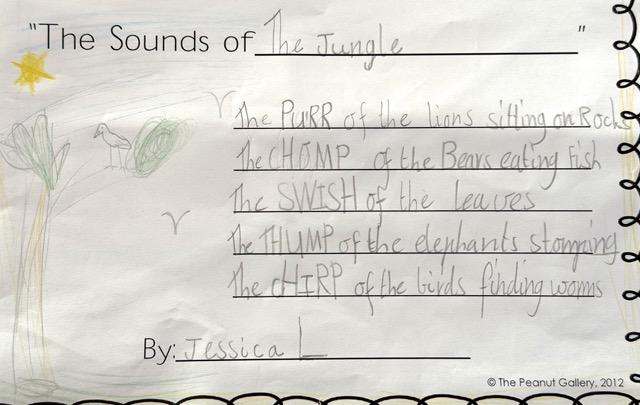
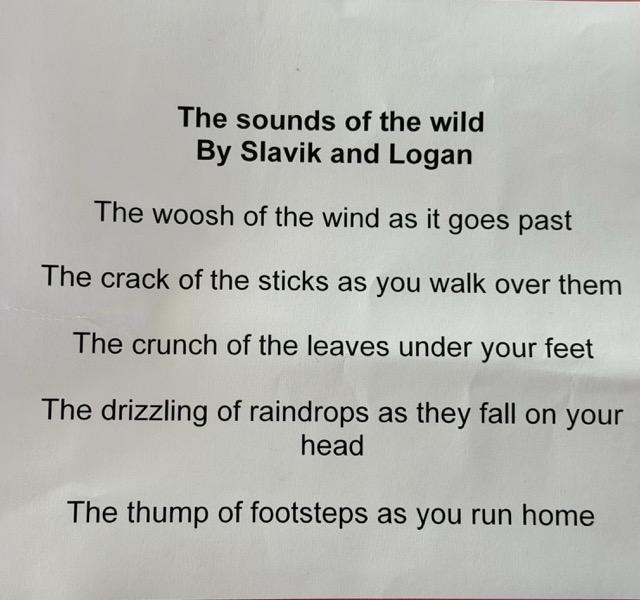
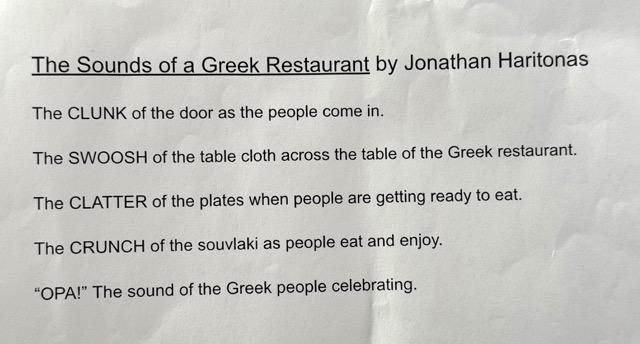
Thank you for ZIPPING in to our Year 3 Assembly item featuring onomatopoeia!


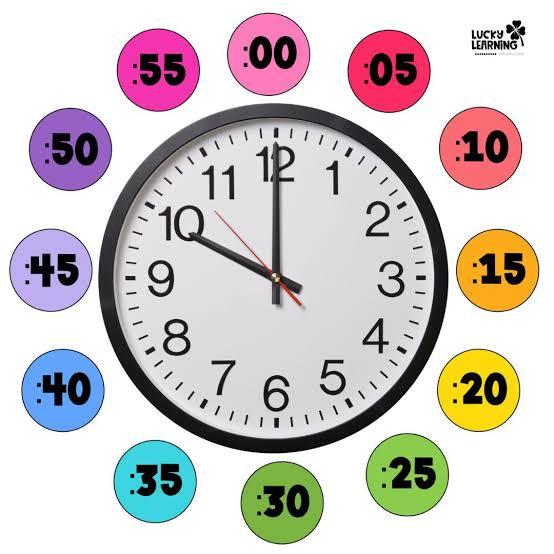
Ten Tips for Telling Time
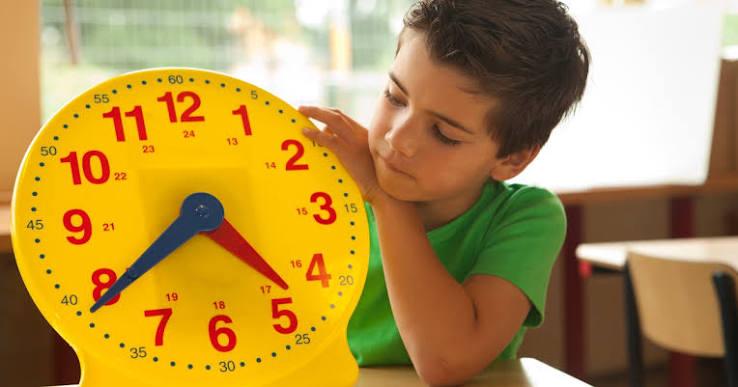
Year 3 students are continuing to learn to tell time. You can help at home by having a prominent analogue clock and/or giving your child an analogue watch while they are learning to tell time. Some handy watches even come with the minutes labelled on a separate inner or outer ring.
Ten ways you can help at home:
- Master the Clock Hands: Even though this is covered in earlier grades, ensure that you are helping your child to identify the differences between the short and long hands of the clock. The Short Hand (Hour Hand): Teach children that the short hand tells us the hour. Even if it sits between two numbers (e.g., between 3 and 4), it still belongs to the smaller/previous number until it lands directly on 4. Remind them that the long hand counts the minutes around the outside rim.
- Skip-Counting by 5s: Practicing counting by 5s up to 60 is essential. We often skip- count in Mathematics classes (up to 100 or sometimes higher!). Point to each number on the clock as you count: 1=5, 2=10, 3=15, up to 12=60. Show how 15 minutes equals "quarter past," 30 minutes equals "half past," and 45 minutes equals "quarter to."
- Split the Clock into "Past" and "To": Draw a line straight down the middle of the clock from 12 to 6. Right side (1–5): Minutes past the hour (e.g., 10 past 4). Left side (7–11): Minutes to the next hour (e.g., 20 to 5).
- Connect Analogue to Digital: Show them how "4:15" on a digital clock corresponds to the long hand pointing at 3 and the short hand just past 4 on an analogue clock. Discuss AM (morning/before noon) and PM (afternoon/evening).
- Anchor Time to Daily Routines: Ask questions tied to their schedule: "Dinner is at 6:00. Where will the hands be?" "8:15 is our time to brush teeth. Can you check the clock?"
- Highlight the Hour Hand's Secret: Kids often get confused when the hour hand is between numbers (like 6:45). Teach them the "hook rule": imagine a little hook on the hour hand pulling back to the number it just passed. It belongs to the smaller/previous number until it lands directly on the new number.
- Practice measuring duration in daily life (e.g., "Our timer is set for 10 minutes; let's watch the long hand move two big numbers").
- Use the "Minute-Number Mask" Trick: Stick small sticky notes or write numbers (5,10,15, 20…55) next to or behind each main number on an analogue wall clock. This acts as visual "training wheels" so children don't have to mental-multiply by 5 while they are still getting comfortable with hand placement. Once they gain confidence, remove the notes one by one.
- Play "Count Up to the Next Hour" for "To" Times: Kids often struggle with the left side of the clock (e.g., reading 8:40 as "twenty to nine"). Teach them to count by 5s starting from the minute hand's location up to the 12 to find how many minutes are remaining and then look ahead to the next hour number. Practise phrasing it aloud together: "How many jumps until the 12? Four jumps equals twenty minutes to nine."
- The Golden Rule: Keep it low-pressure and weave time-telling into natural daily routines rather than isolated study sessions.