
Wellbeing News
Brooke Davis - Student Wellbeing Leader
Wellbeing News
Brooke Davis - Student Wellbeing Leader
In Week 1 the students reviewed our PBL routines, we are so proud how the students are following these with growing responsibility. We recognise these students who have consistently followed the routines:
Prep: Sienna S
Year 1: Selena
Year 2: Finn
Year 3: Leah
Year 4: Rafel
Year 5: Eli
Year 6: Chloe C
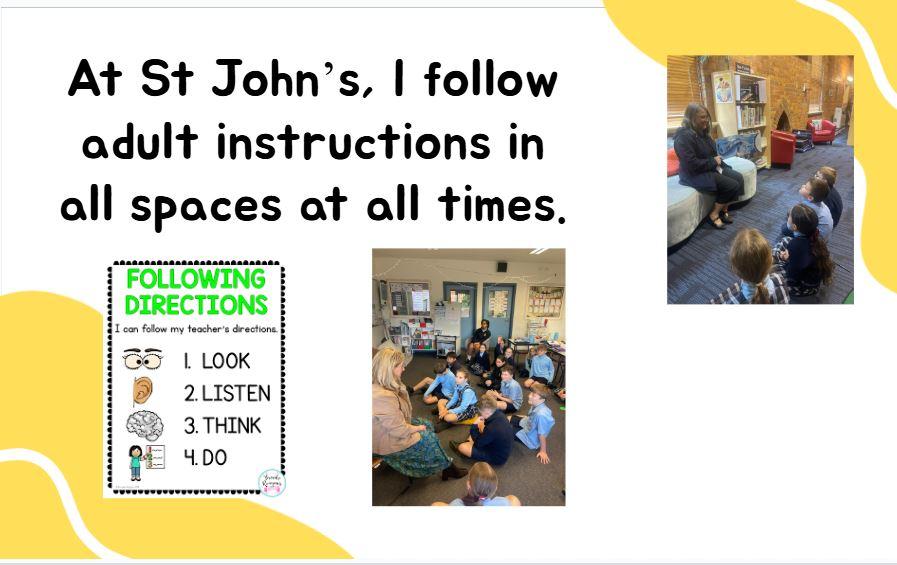
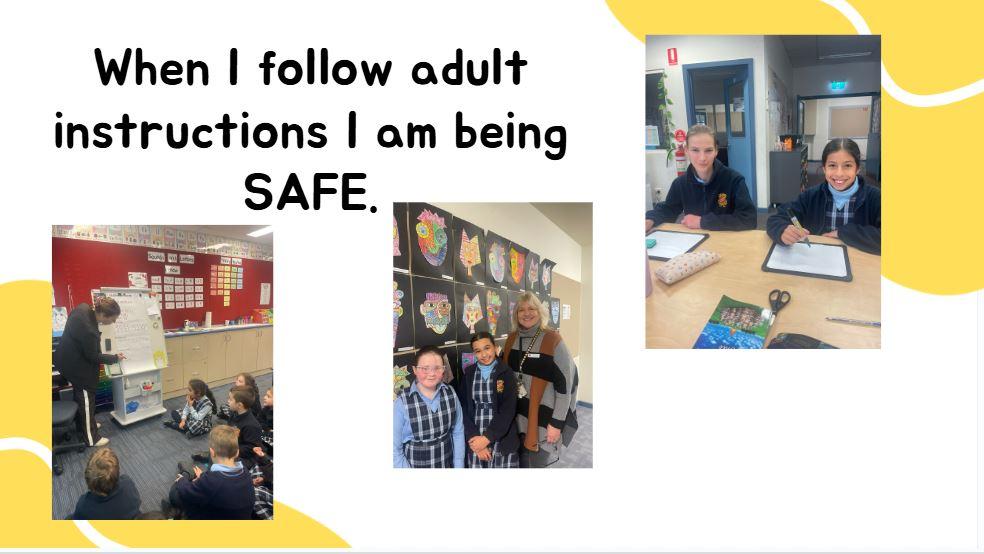
Over the past few weeks, our school has been highlighting the PBL value of Safe, specifically focusing on the expectation: I follow adult instructions.
What it looks like: Students are encouraged to listen carefully the first time a request is made and respond positively. Whether in the classroom or on the playground, following guidance helps maintain a calm and predictable environment for learning.
By working together and following the lead of our staff, we make our school a safer place for everyone!
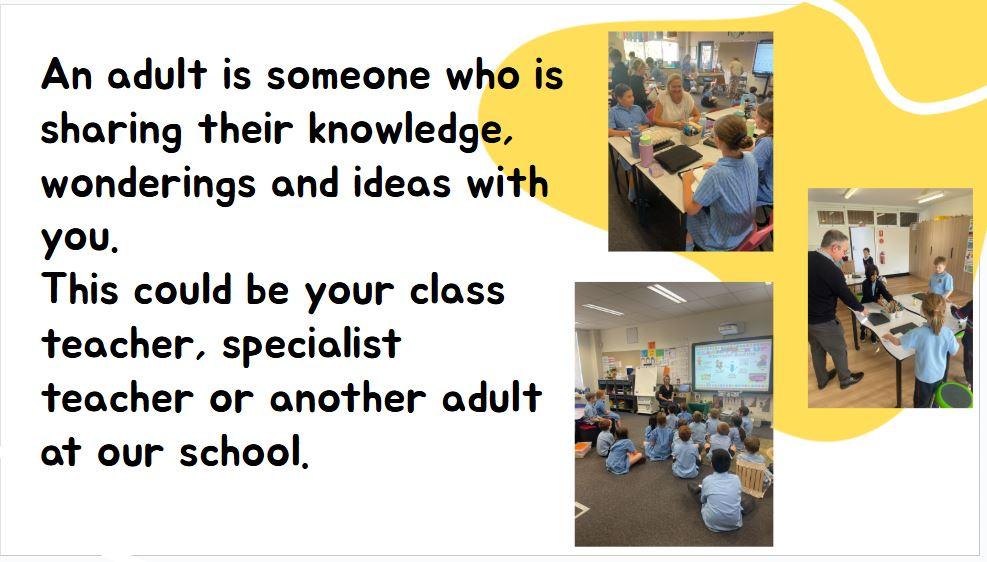
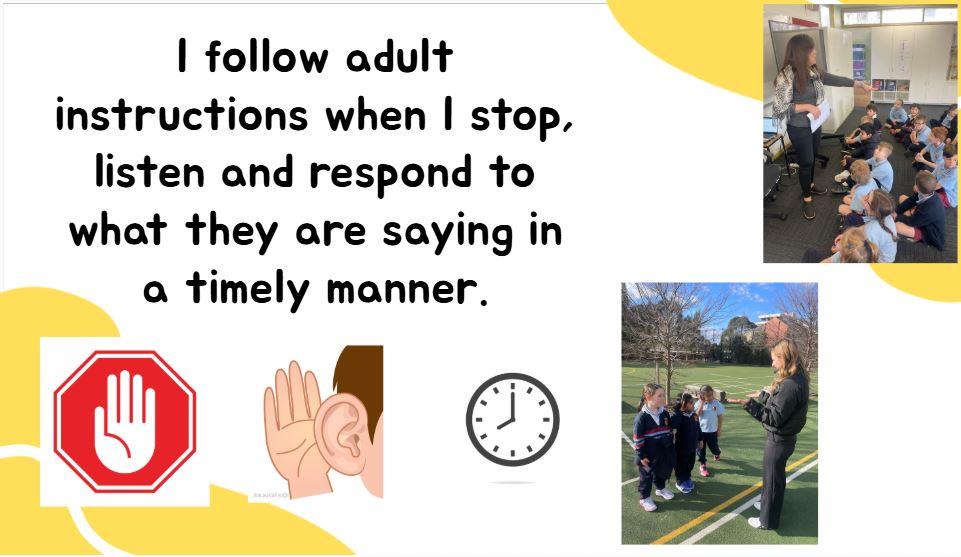
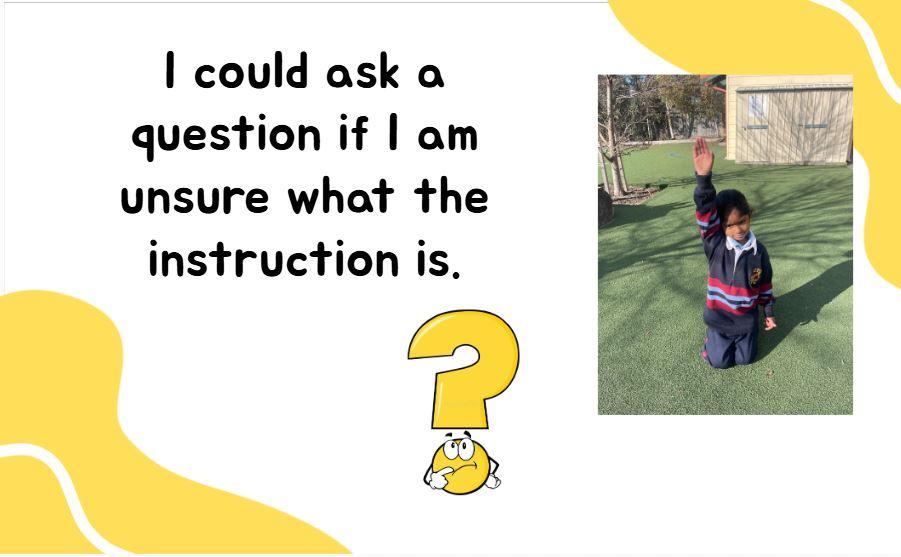
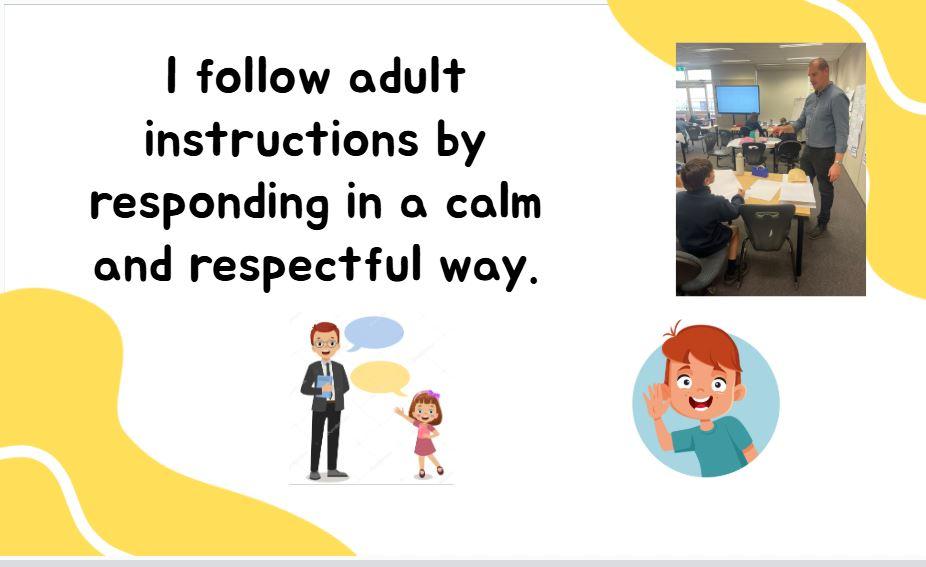
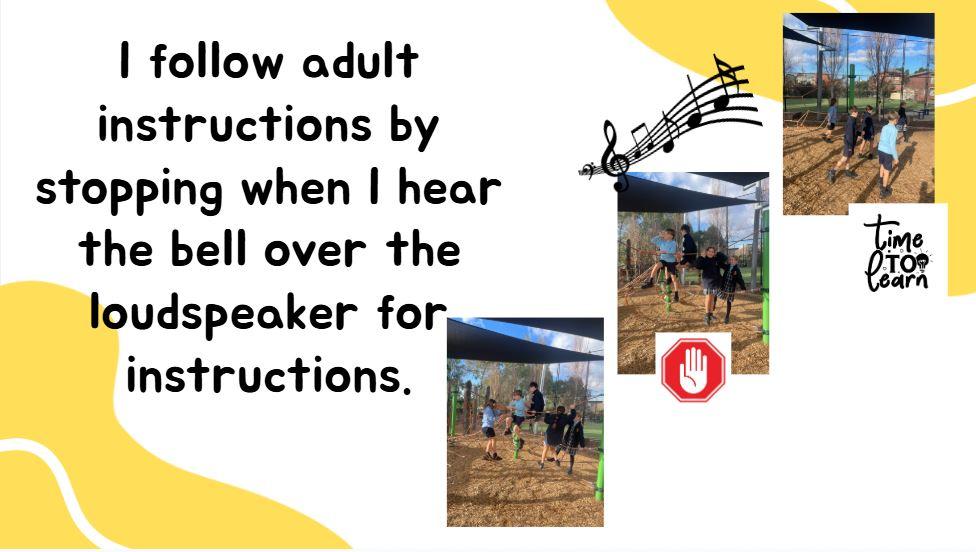
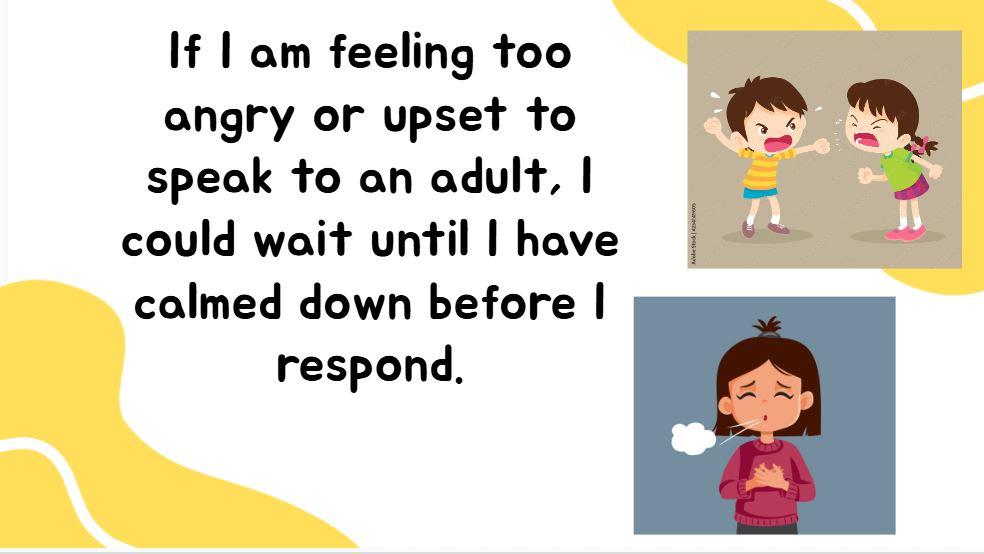
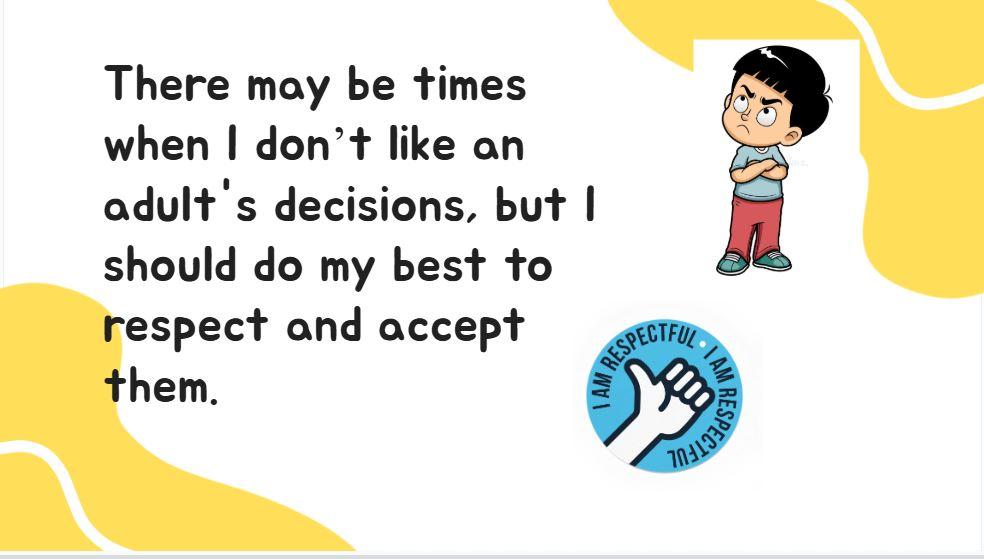
All of our PBL lessons and routines are from our Expected Behaviour Matrix (seen below). This is something our students have been learning about throughout the year. It is essentially a clear "roadmap" for success at school. It is a simple table that outlines exactly what positive behaviour looks like in different areas of the school, such as the classroom, the playground, the hall, or even online.
Instead of just telling students what not to do, the matrix focuses on what to do. It takes our school’s PBL values, Respect, Safe and Learn, and turns them into specific, observable actions. For example, under the value of "Respect," the matrix indicates I am respectful when I communicate appropriately, in all spaces at all times. In PBL lessons students learn exactly how to do this by exploring examples and non examples. These lessons and social stories are adjusted based upon the needs of students.
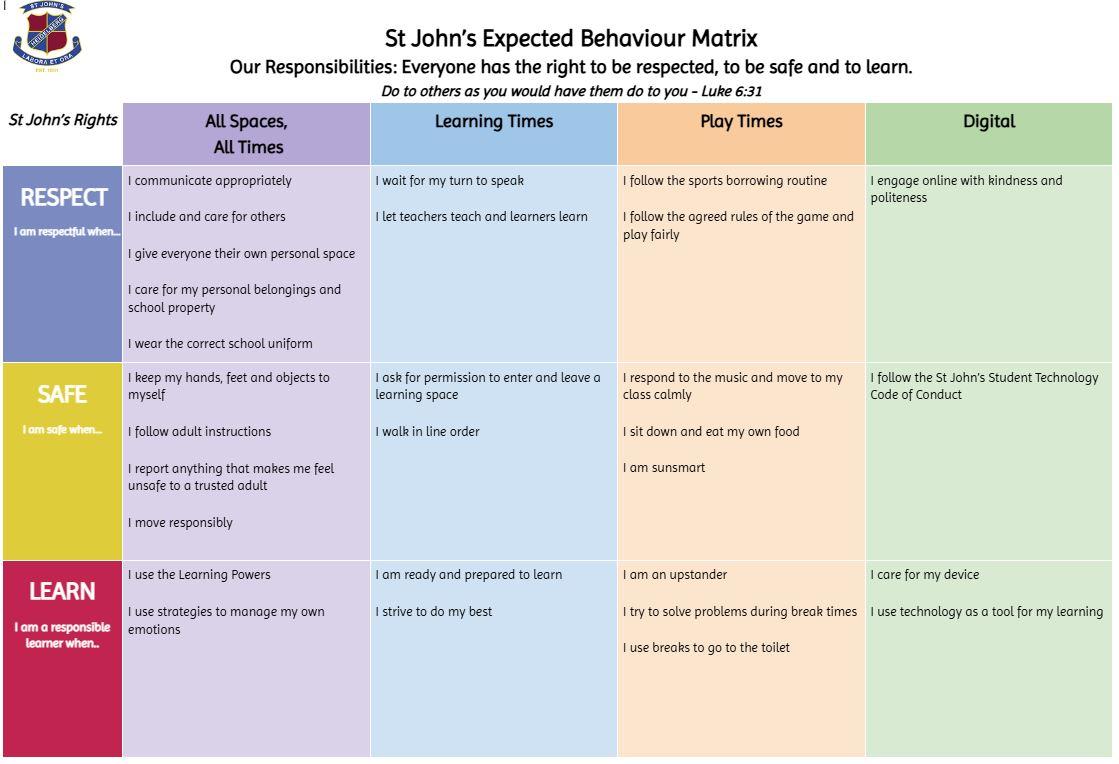
We highly encourage you to discuss and review the PBL learning that has been taking place in our school. PBL is successful when all stakeholders reinforce the expectations, teachers, leaders, office staff and families.
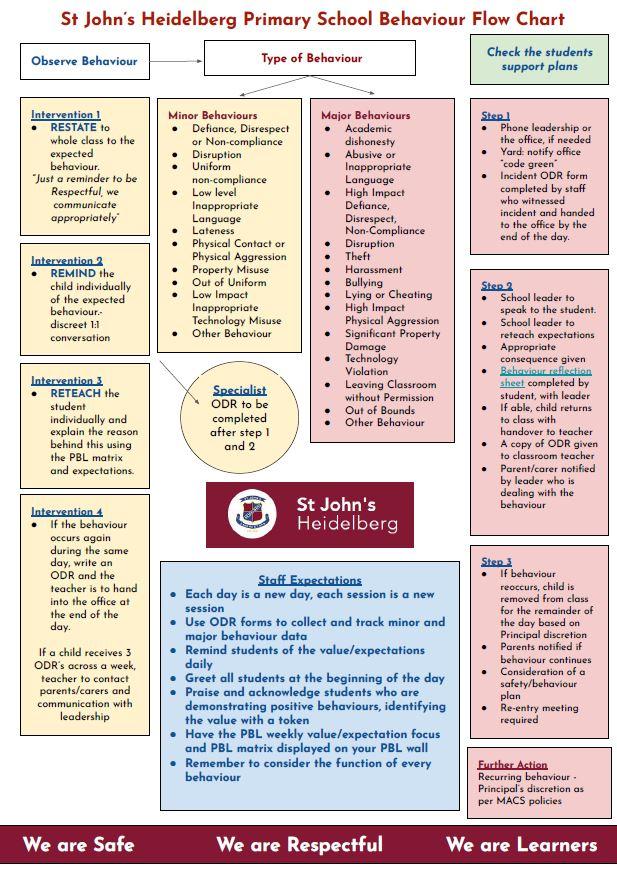
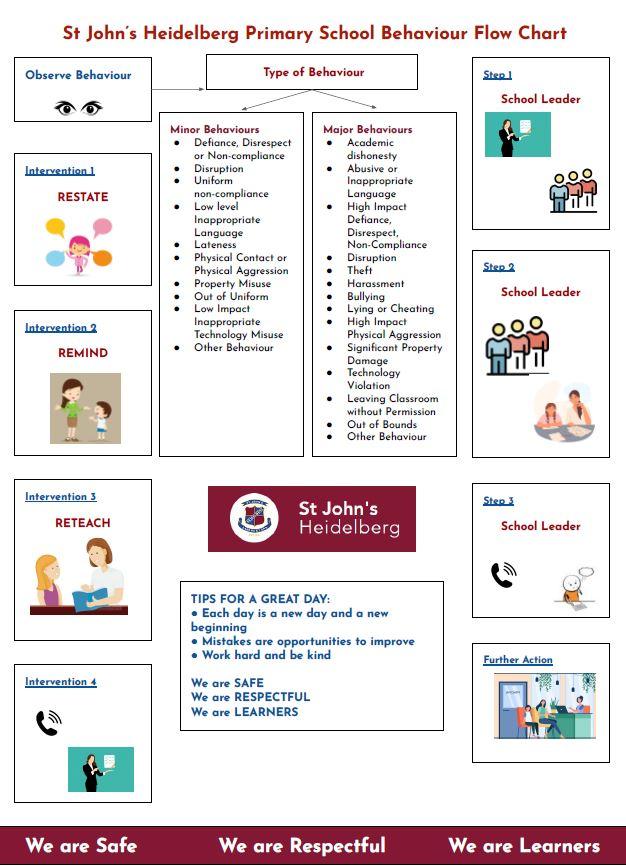
While we strive to foster a positive environment, we recognise that students will occasionally show unexpected behaviours as they learn to navigate social and emotional challenges. To ensure a fair and consistent approach, our teachers respond to these moments by following the school's Behaviour Flowchart (seen below).
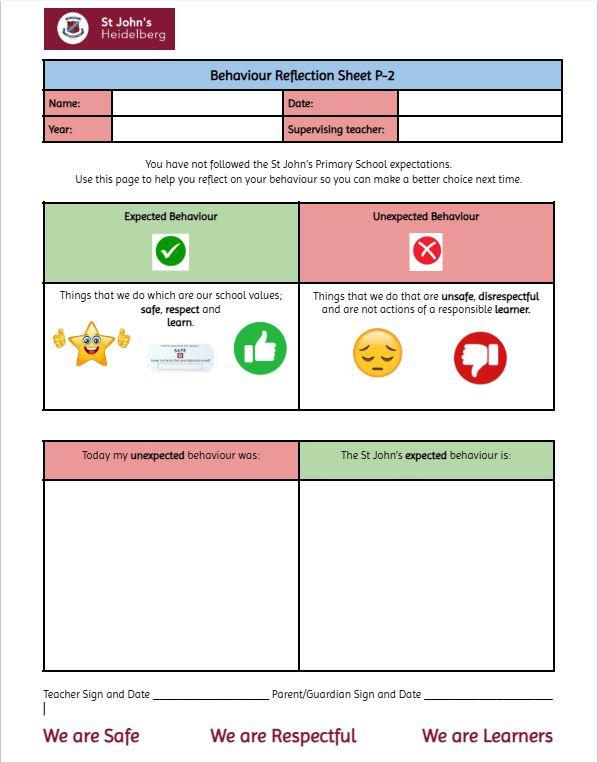
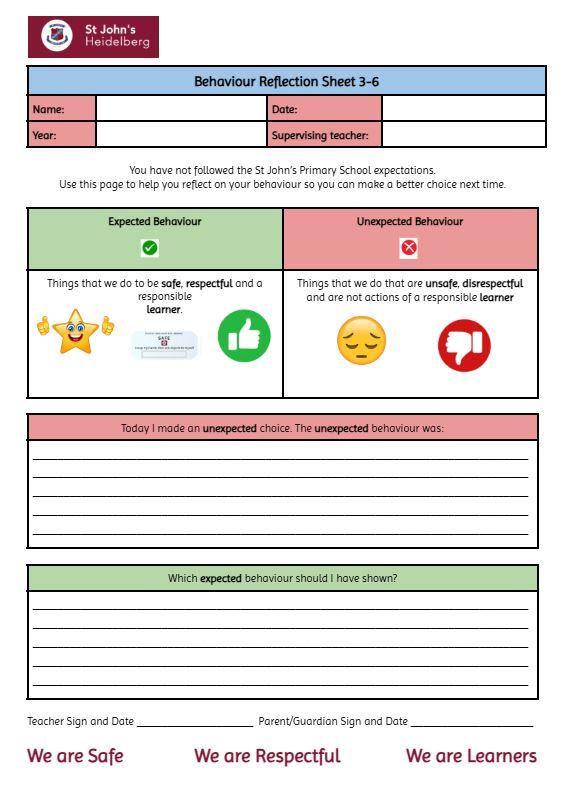
This flowchart provides a clear, step-by-step guide for staff to address incidents calmly and effectively. A student may also be required to reflect upon their behaviour through a Behaviour Reflection Sheet (seen below). This is not a consequence, but rather a tool to support the student to understand their behaviour, as well as discuss at home with their parent/guardian. As an essential part of this process is partnering with families; if unexpected behaviors are persistent or serious, we will reach out to you to discuss the situation. This allows us to work together to understand your child's needs and ensure they have the right support to reflect, learn, and get back on track with our school's expected behaviours.
Better Buddies Day is an initiative of The Alannah and Madeline Foundation, dedicated to fostering friendly and caring school communities where bullying is significantly reduced.
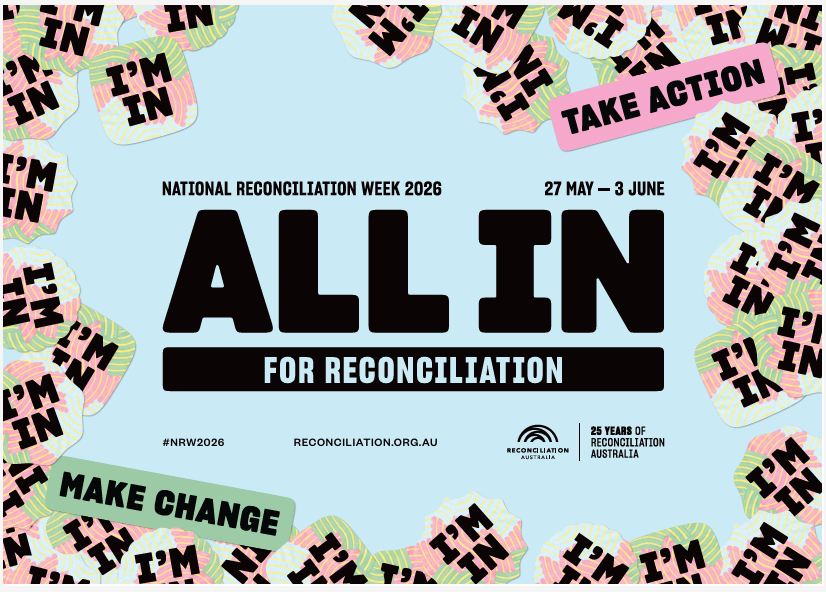
This term, our celebration will be on Monday 1 June, which coincides with National Reconciliation Week (NRW). NRW is held annually from May 27 to June 3. These dates commemorate two significant milestones in the reconciliation journey: the successful 1967 Referendum (May 27) and the High Court Mabo decision (June 3).
The 2026 Theme: "All In"
The theme for 2026 is "All In." It serves as a call to action for all Australians to step off the sidelines and commit wholeheartedly to reconciliation every day.
It emphasizes that:
Through activities centered around the purple mascot, Buddy Bear, students are reminded to carry the program’s core values—friendliness, caring for others, respect, valuing difference, inclusion, and responsibility—into their everyday school lives. Ultimately, the day is designed to ensure every student feels welcome, safe, and deeply connected to their school environment.
This Better Buddies Day students are invited to add the red/yellow/black/green/blue as colours for Reconciliation Week to their school uniform.
Term 3 Friday 21 August: Book Week
Term 4 Monday 19 October: Multicultural/Grandparents Day
St John's Primary School is a proud Respectful Relationships school.
Respectful relationships education is part of the Victorian Curriculum and delivered by all Victorian schools. It supports students to develop the knowledge, attitudes and skills needed for respectful relationships, and helps to build respect and equality across the entire school community.
Research tells us that providing respectful relationships education at school can lead to positive impacts on students’ academic outcomes, their mental health, classroom behaviour and relationships.
Our school uses the Department of Education’s evidence-based teaching and learning resources to teach our students about Respectful Relationships from Foundation to Grade 6.
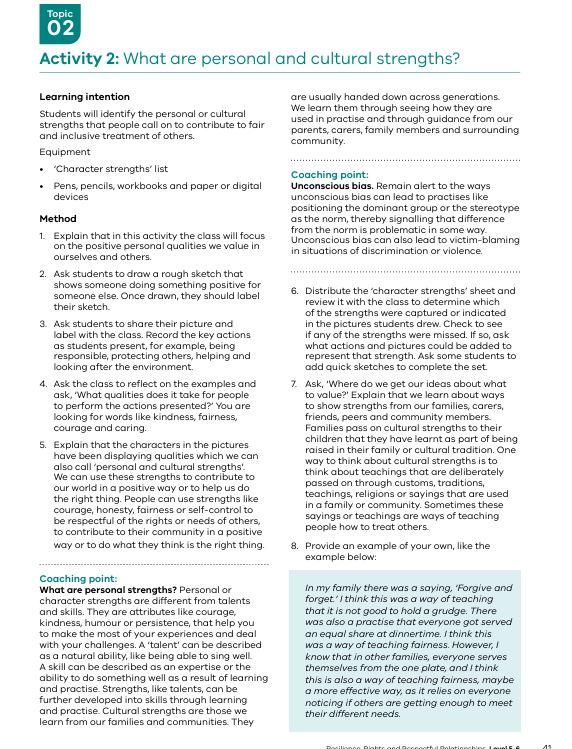
The Resilience, Rights and Respectful Relationships resources have 8 topics that teach students about emotional literacy, personal and cultural strengths, resilience, problem-solving, stress-management, help-seeking, gender norms and stereotypes and positive gender relations.
This term we are working on Topic 2 which helps students to learn about Personal and Cultural Strengths. You can view a sample activity from Year 5/6 Topic below.
If you have any questions about Respectful Relationships education, you can contact Alison Dean or Brooke Davis and visit the Victorian Government’s Respectful Relationships page: https://www.vic.gov.au/respectful-relationships