Assistant Principal's Report
It has been a busy and fun filled couple of weeks at Whitehorse Primary!
Camp
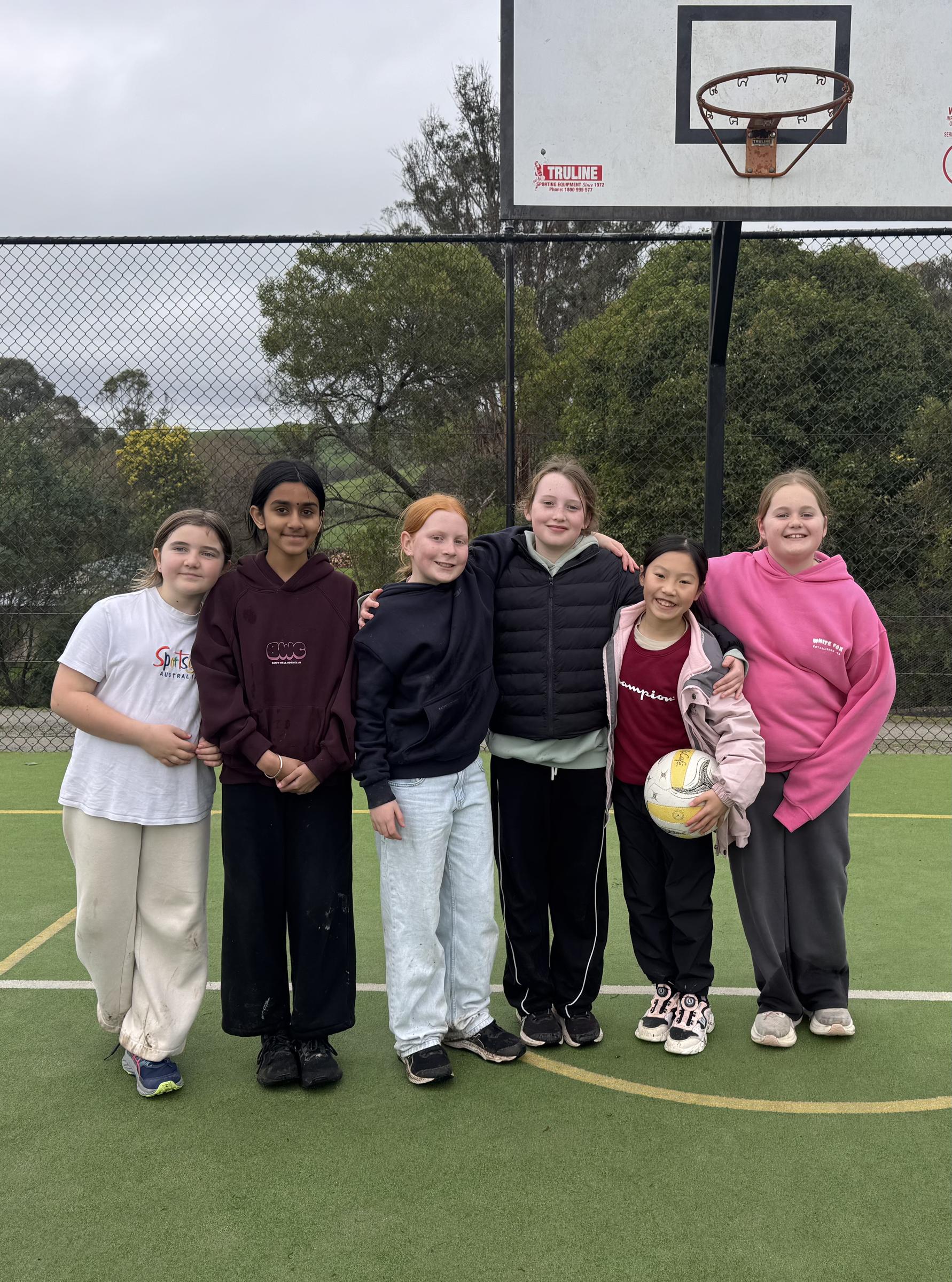
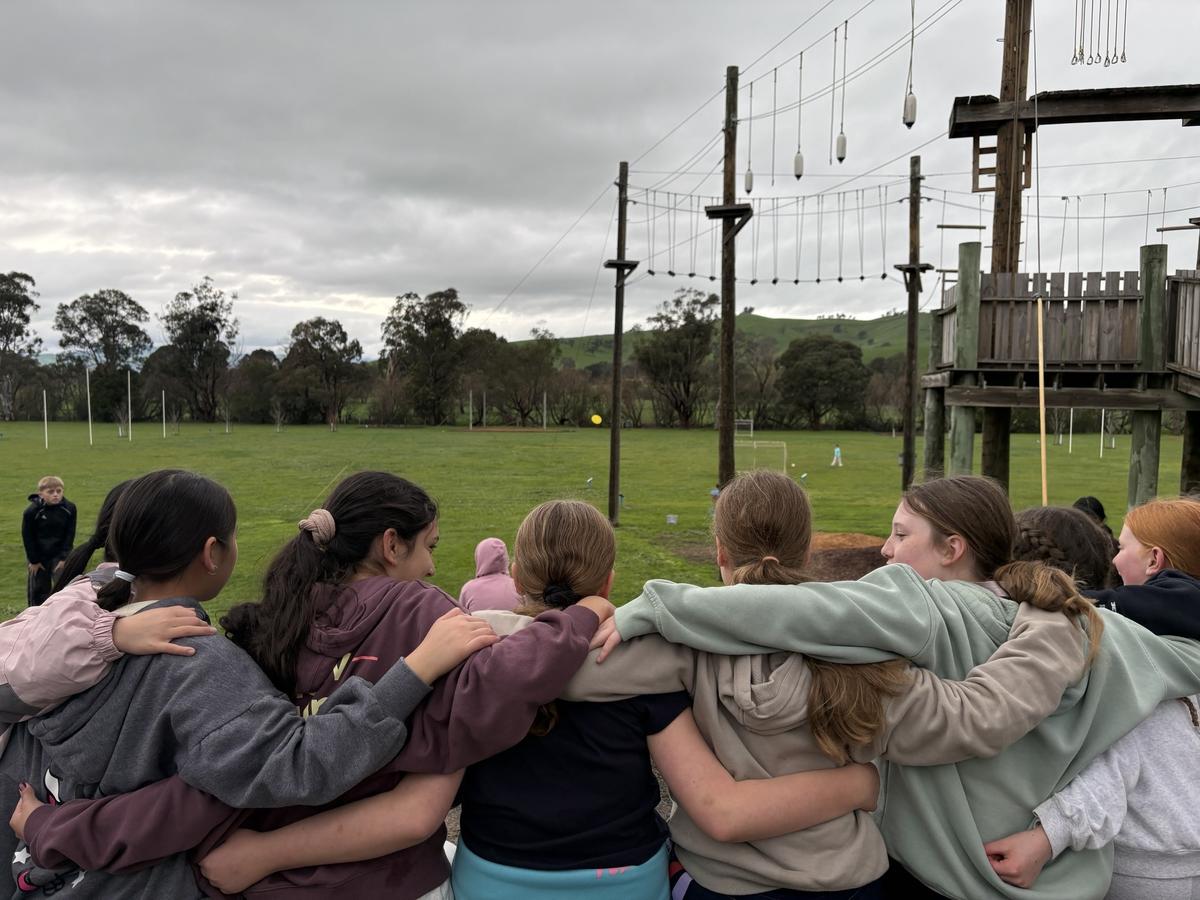
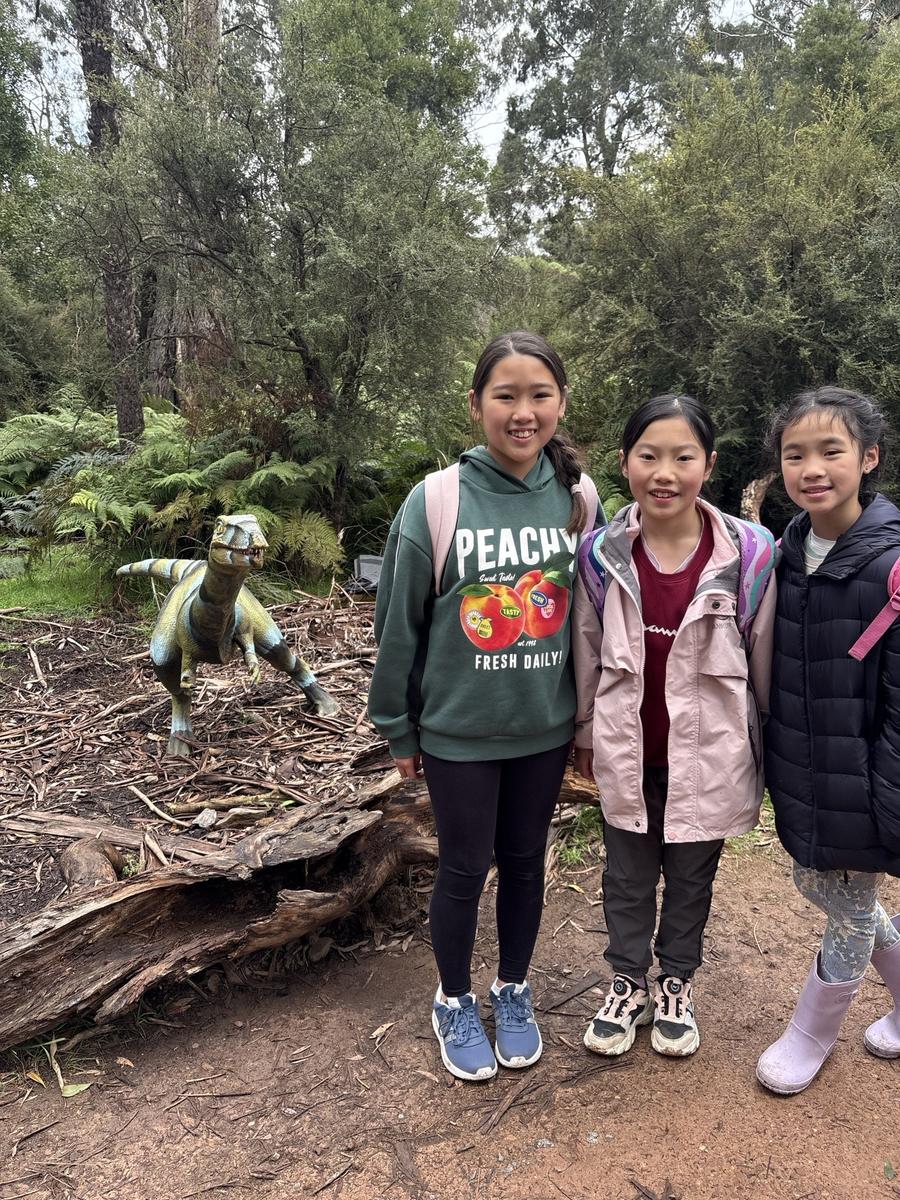
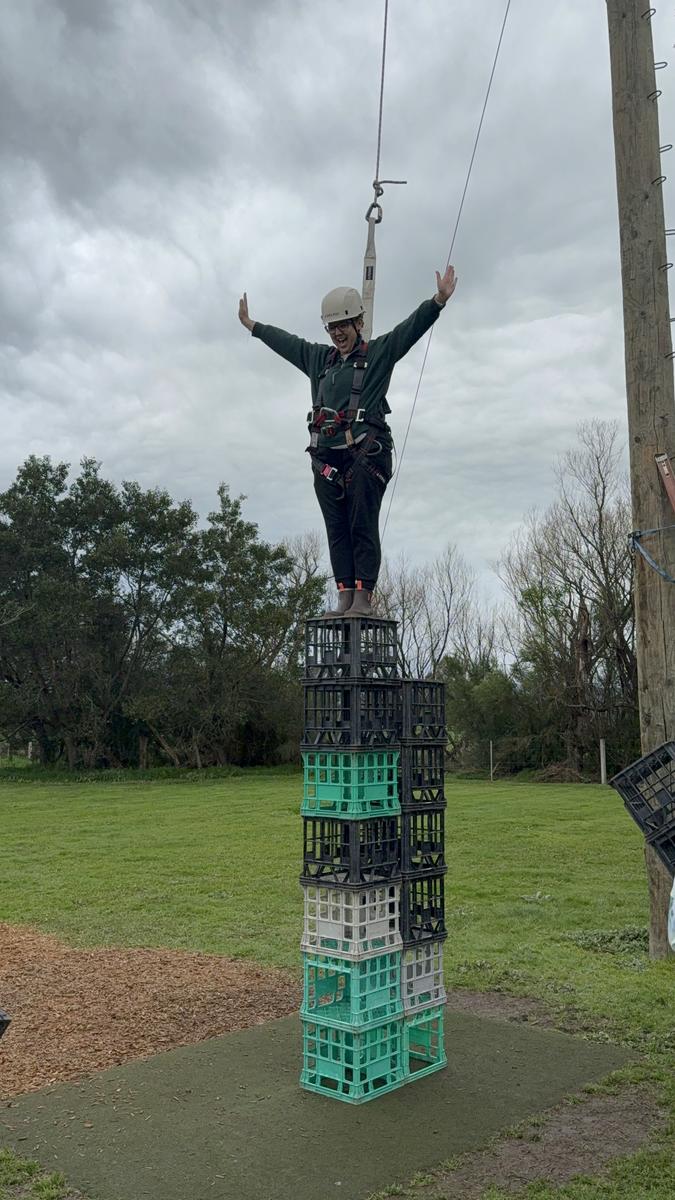
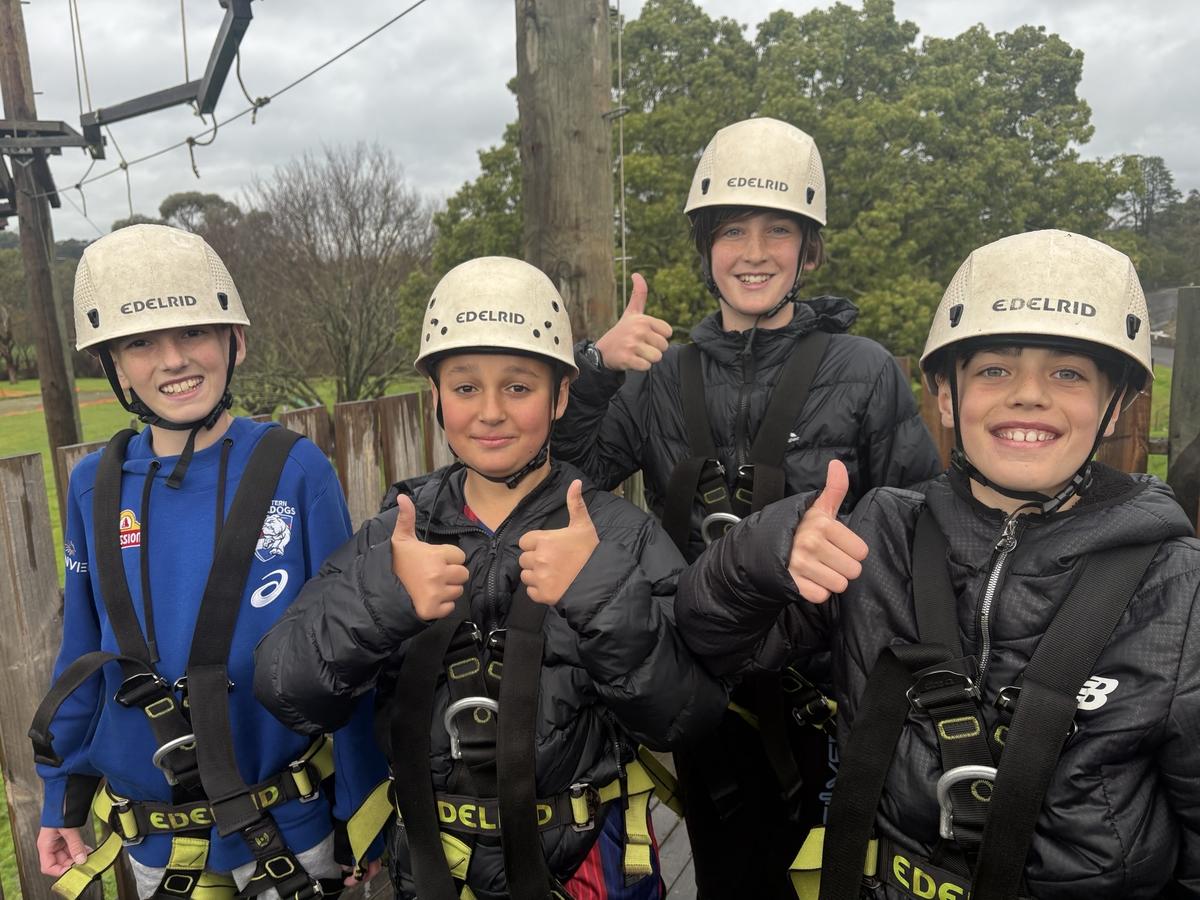
I was lucky enough to attend Alexandra Camp with our Year 5/6 students and the team last week. It was a wet first day but that didn’t deter us from enjoying lots of fun activities like the Giant Swing, Flying Fox, Archery, Crate Stacking and more. We also enjoyed a trip to Healesville Sanctuary on the way home where we were able to see lots of Australian animals, watch the show ‘Spirits of the Sky’ and learn more about how conservationists are protecting the habitats of possums through man made possum hollows. Thank you to the team for making it such a wonderful experience for our students. Many wonderful memories were made!
Wellbeing at Whitehorse
Bullying Policy
At Whitehorse Primary School, we are committed to creating a safe, respectful and inclusive environment where every child feels valued, supported and able to learn.
Our Bullying Prevention Policy can be found on our website and is linked below:
This outlines how we work proactively to prevent bullying and how we respond when concerns are raised. Our Bullying Prevention Policy was reviewed in September 2024 and is due to be reviewed again in this September by staff and School Council.
Our Principal Forums are a great way for families to give feedback about our policies as well as sending your thoughts via email or having a conversation with Andrew or I. We encourage families to provide feedback on an ongoing basis around our policies and procedures to ensure they are supportive of our students and reflect community values.
Defining bullying
Bullying is more than a disagreement or an isolated incident. Our policy defines bullying as repeated and deliberate behaviour involving a misuse of power that causes physical, social or psychological harm. It can be physical, verbal or written, social or online (cyberbullying).
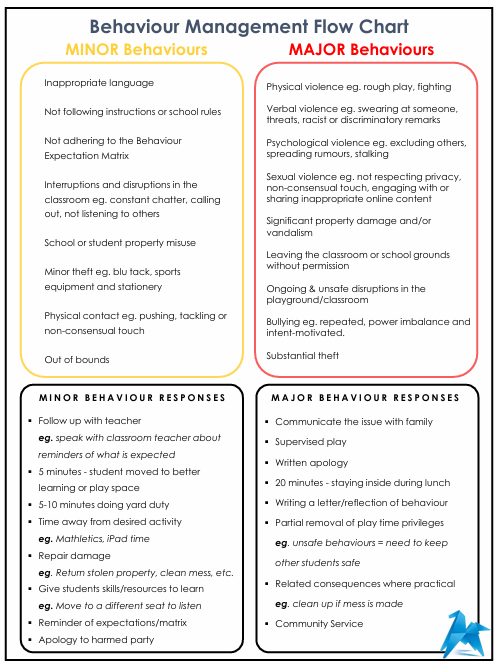
It is important to recognise that while not every conflict between students meets the definition of bullying, all inappropriate, hurtful or unsafe behaviour is taken seriously and addressed. In our school, behaviour is categorised as minor or major behaviours in line with our Behaviour Management Flow chart. The responses to these behaviours ensure consistency with how the school responds and manages behaviour.
Preventing Bullying
We take a whole-school approach to building positive relationships and preventing bullying. This includes teaching students about respectful relationships, social and emotional skills, resilience, conflict resolution and problem-solving. We also encourage students to be upstanders—to seek help and safely support others when they see something that is not right.
Last year our staff participated in Professional Learning through the Stand Up Project which differentiates being mean on purpose, friendship fires and bullying.
Friendship Fires
A friendship fire is a disagreement, conflict or problem between friends.
Perhaps two students want to play different games, someone feels left out, or a friend says something that hurts another person's feelings. These situations can be upsetting, but they can often be resolved through calm conversations, listening and problem-solving.
Friendship fires are a normal part of learning how to have positive relationships. They give children opportunities to practise important skills such as communicating, managing emotions, apologising, forgiving and finding solutions together.
When dealing with a friendship fire, students can try to:
- Take some time to calm down.
- Talk to the person involved when they are ready.
- Explain how the situation made them feel.
- Listen carefully to the other person's perspective.
- Work together to find a solution.
Ask an adult for help if they cannot resolve the problem.
Bystander vs Upstander
We teach students to be upstanders rather than bystanders!
Bystander: Someone who sees or knows about behaviour that is unkind, unsafe or unfair but does not take action. They might stay silent, walk away or watch what is happening.
Upstander: Someone who chooses to do something positive when they see someone being treated poorly. They might support the person, speak up safely, include them, or tell a trusted adult.
Being an upstander doesn't mean confronting the person responsible or putting yourself at risk. For primary-aged students, an important message is: “You don't have to fix it yourself. Getting help is standing up.”
Working together with families
Preventing and responding to bullying is a shared responsibility. Early communication between home and school is important, as it allows us to understand concerns and provide appropriate support to students.
We encourage families to talk with their children about respectful behaviour, including others, speaking up when something does not feel right and seeking help from a trusted adult.
Enjoy the rest of the week. The term sure is flying!
Megan Goldenberg
Assistant Principal