Prep
Information and Reminders
Healesville Sanctuary excursion
We are off to Healesville Sanctuary on Thursday 20th August! We are very excited for a fun day of learning and exploring.
Please provide your child's permission and payment via Sentral. All information about the excursion, including details about the day, can also be found on Sentral.
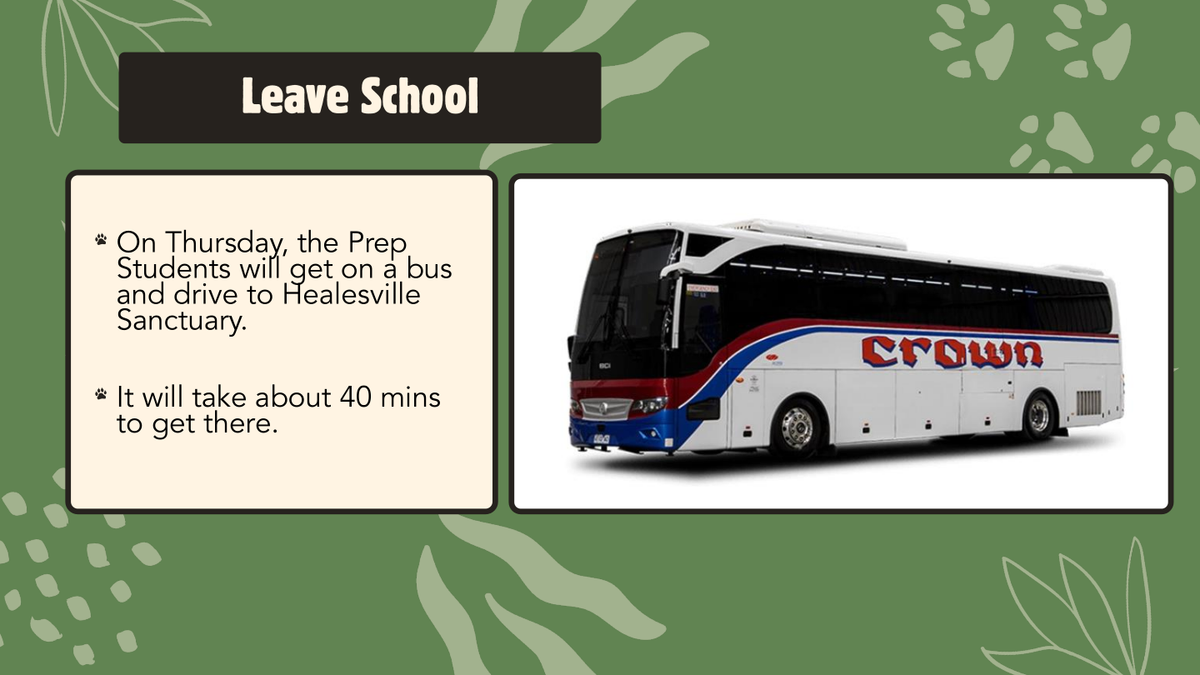
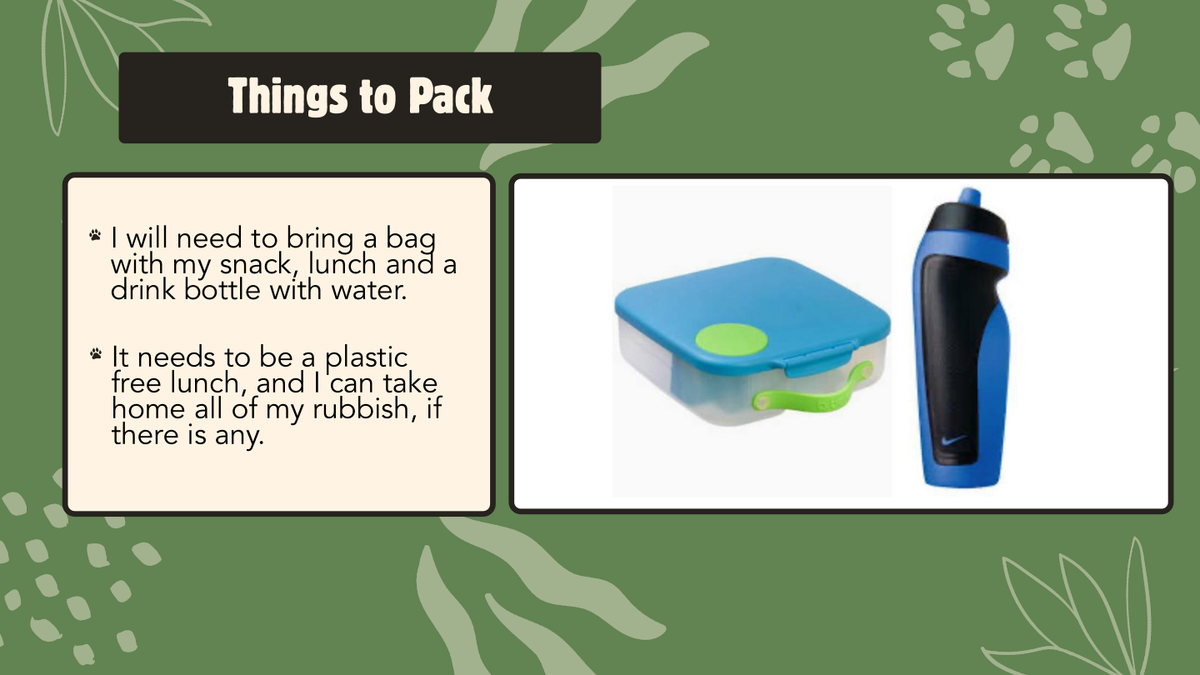
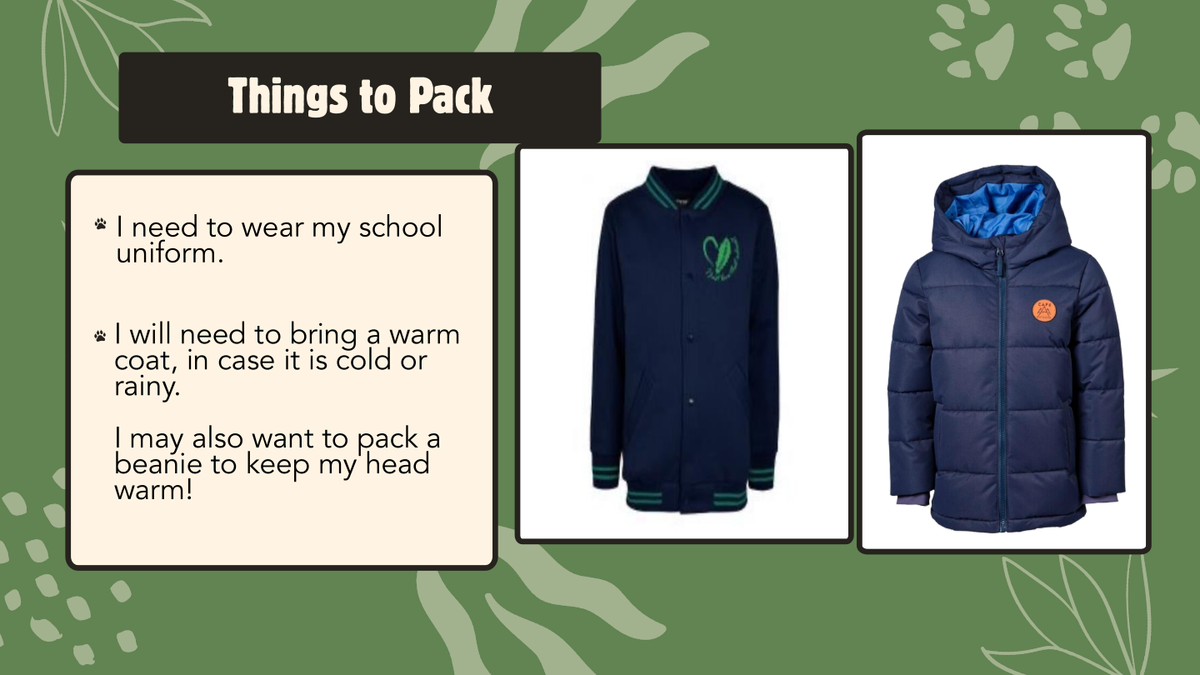
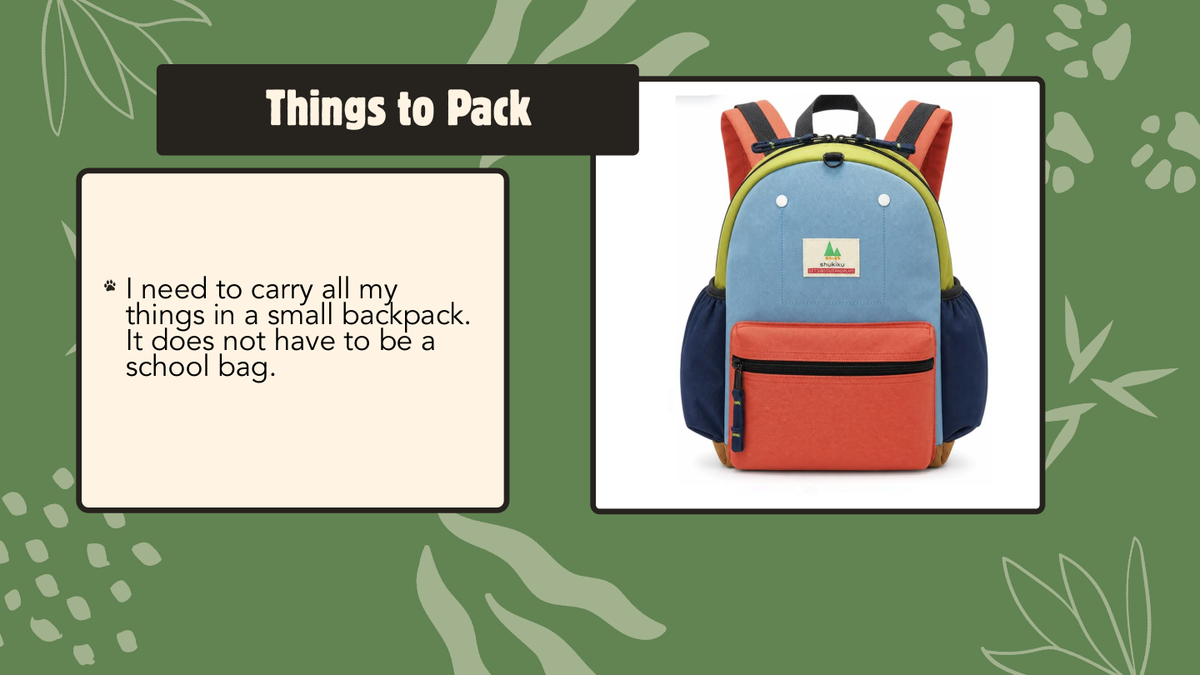
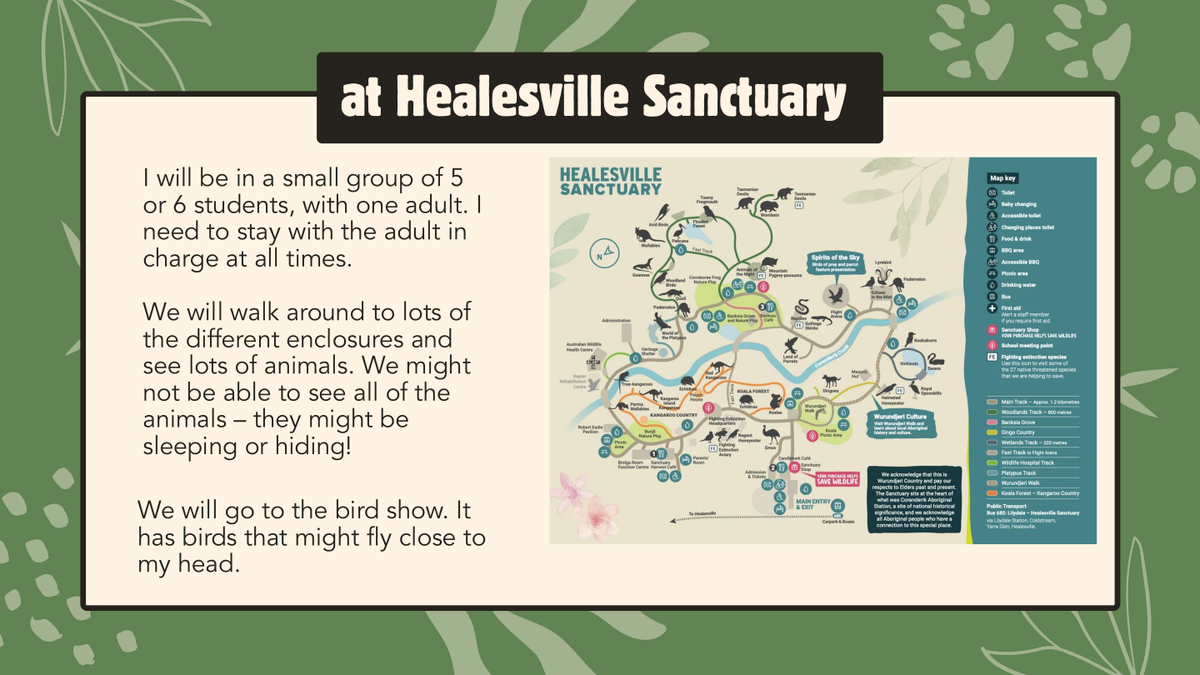
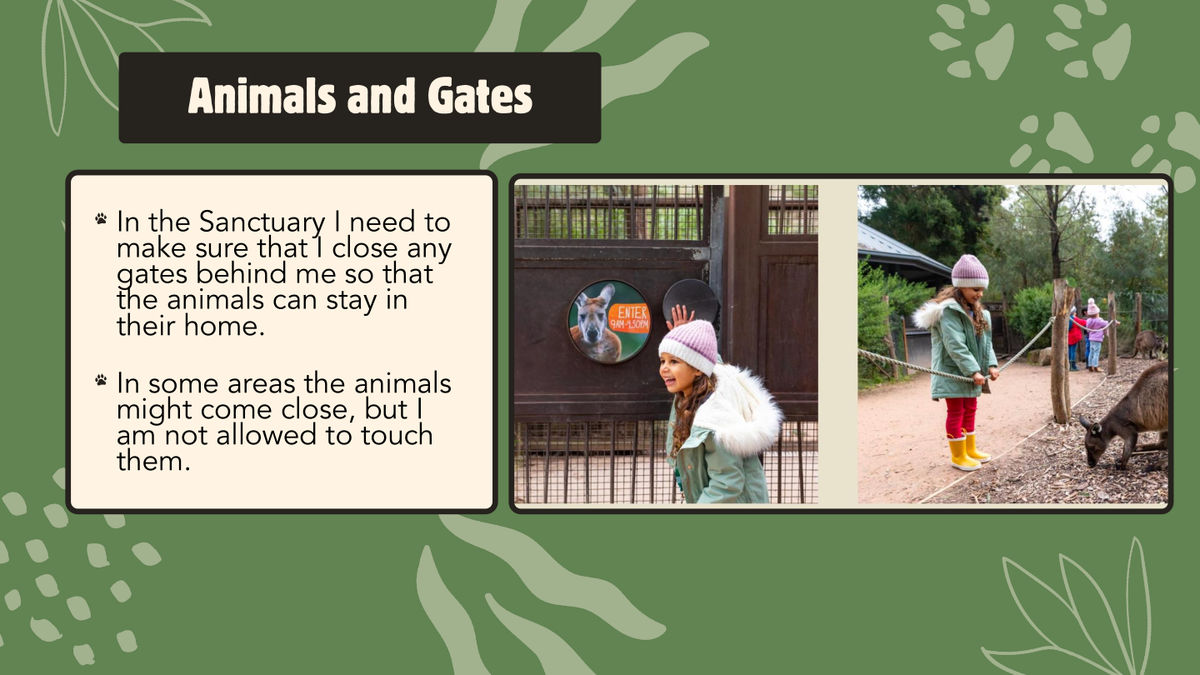
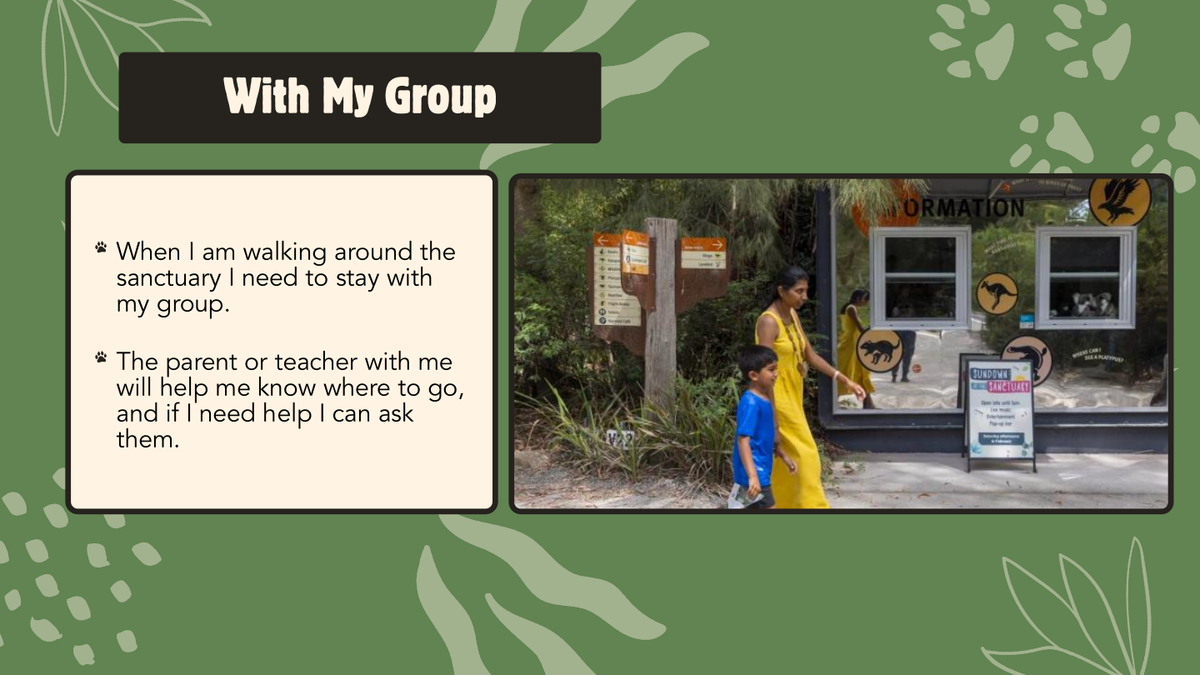
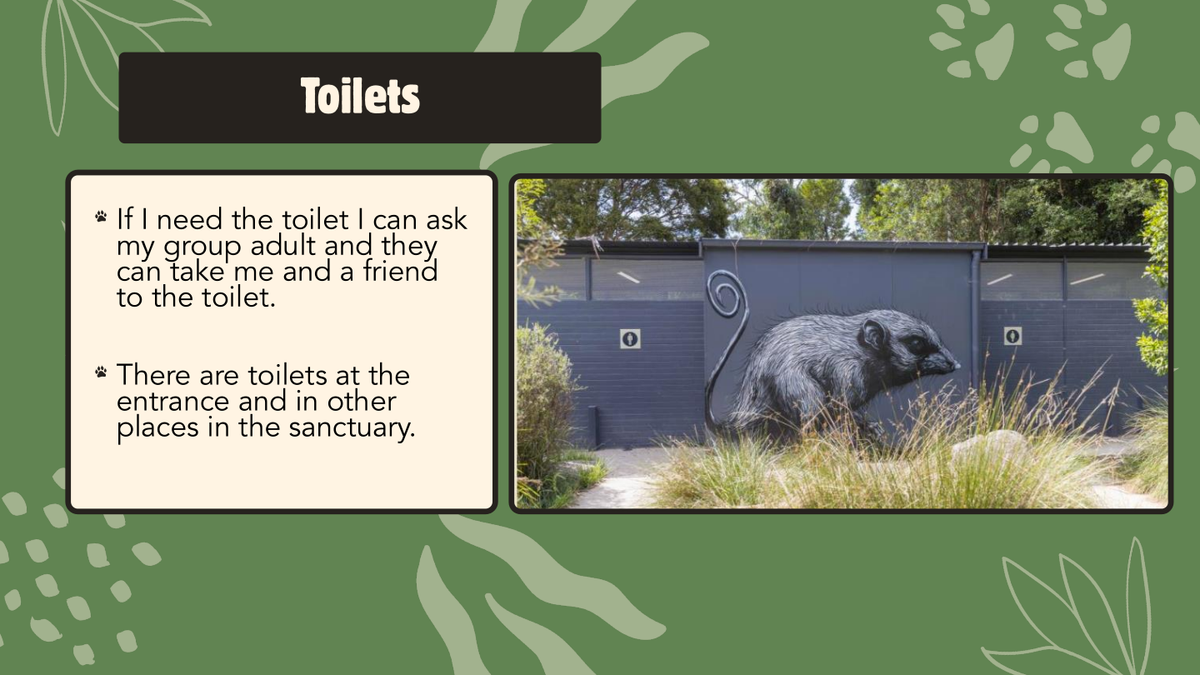
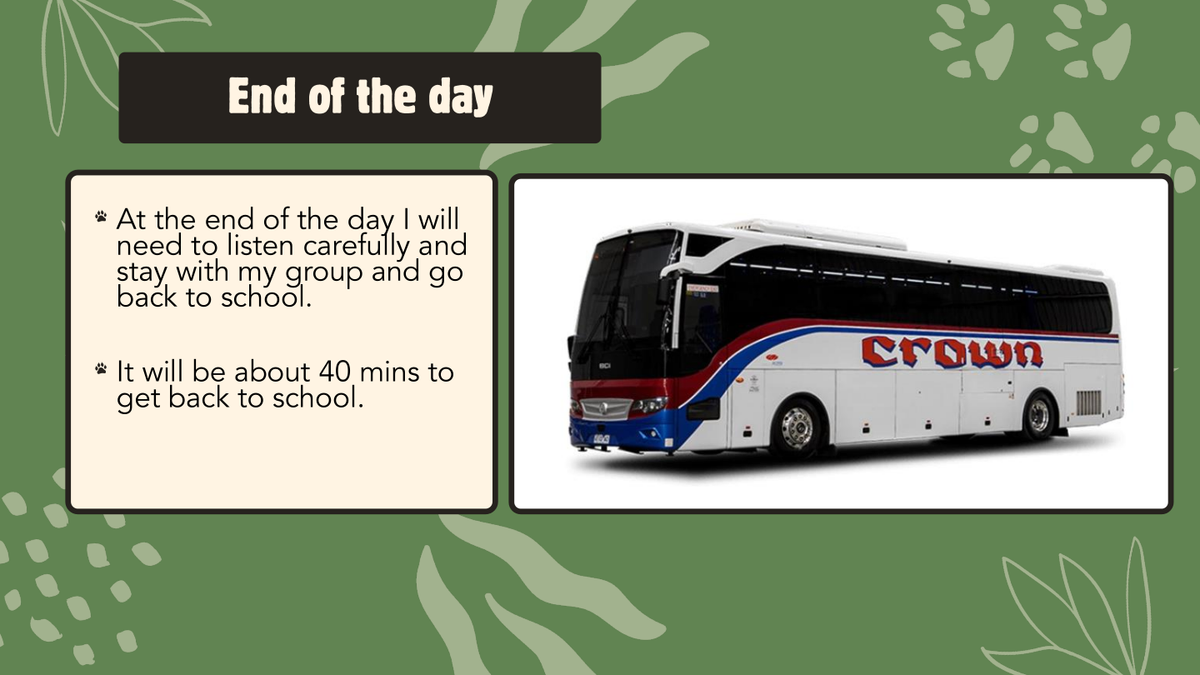
This week, we will be showing students a Social Story about our upcoming visit. We have attached it below and will also add it to students’ Showbie accounts. Please feel free to read through the Social Story with your child if you think it would help them feel prepared and comfortable for the visit.

Reminder about late arrivals
The daily attendance roll is submitted to the office at 9:00am each day. If your child arrives after 9:00am, please remember to sign them in at the office as a late arrival. Otherwise, you may receive a notification indicating that your child is absent from school.
Reminder about iPad Settings
We kindly ask that families avoid applying too many restrictions to iPads during the school day, as some settings can prevent students from accessing websites and resources they need for their learning, such as the UFLI Word Work Board and Showbie.
Have a look at Showbie!
We use Showbie as a paperless classroom to share learning and information with our students. Students have been learning how to upload their own work samples, and we have also shared 100 Days Brighter photos and Social Stories to their Showbie account.
We encourage you to have a look through your child's Showbie to see what they have been learning and creating at school! Your child's QR code can be found at the front of their reading log.
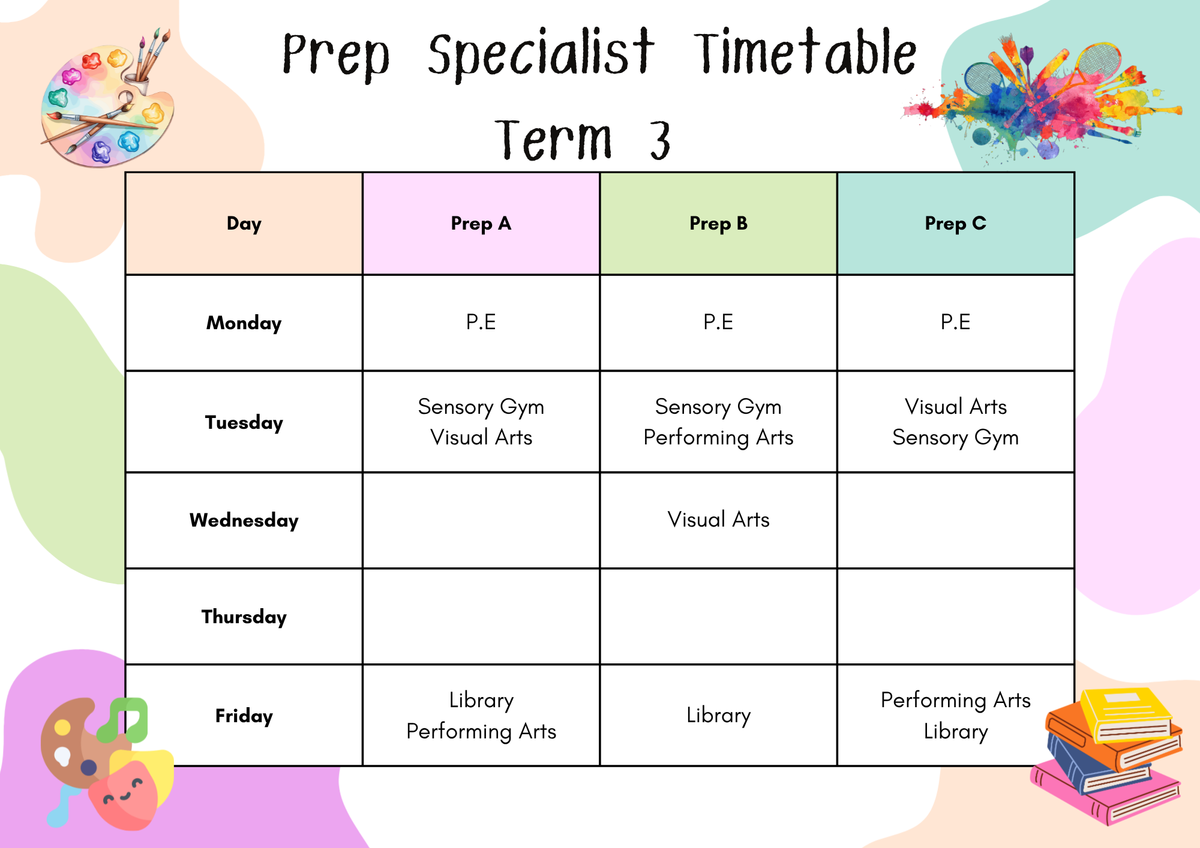
Term 3 Specialist Timetable
Curriculum
*Please remind your child to go to the toilet before they enter the classroom.
Phonics and reading
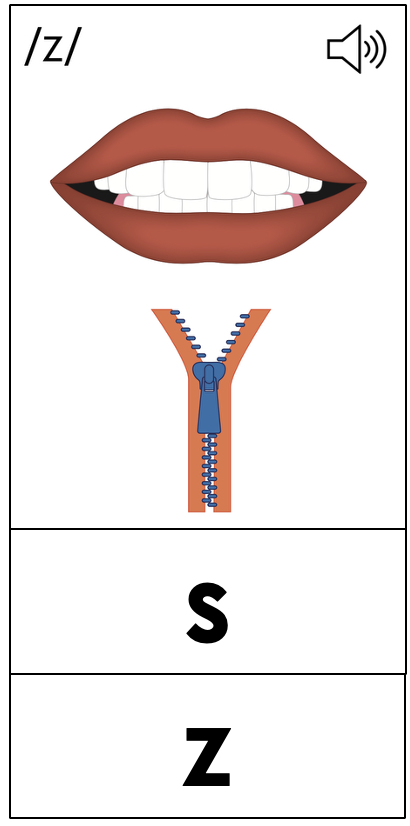
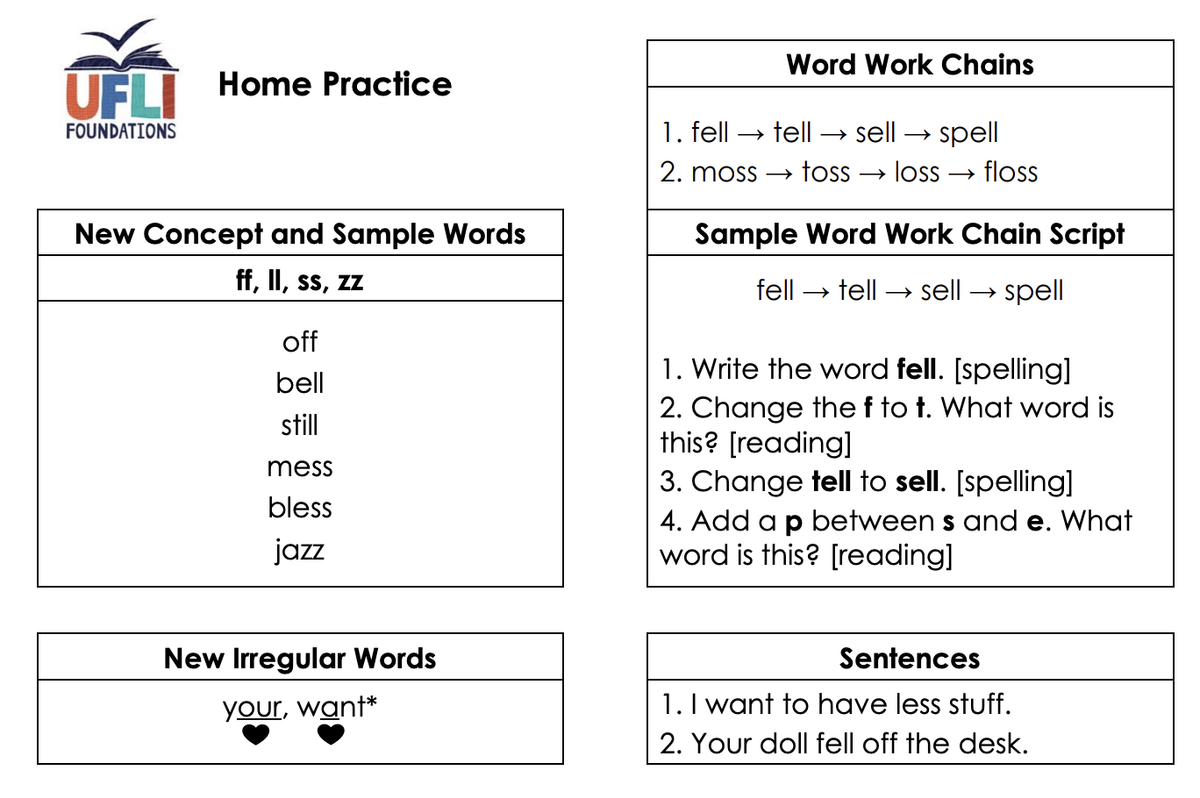
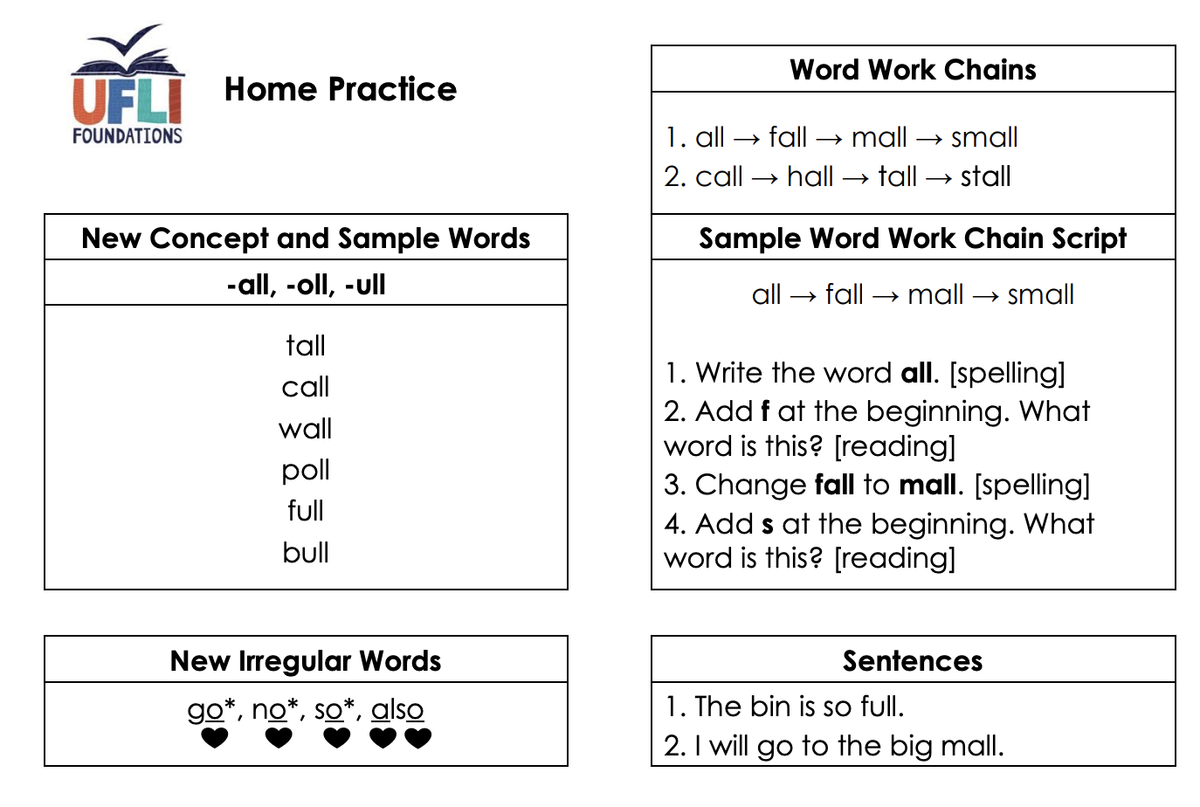
We have completed our short vowel review and are now moving on to some exciting new learning, which means even more words to read and write! We are starting with the FLSZrule, where the letters f, l, s and z can double after a short vowel, as well as learning about the -all, -ull and -oll patterns, as in ball, pull and roll.
Our learning focus will include reading words and short texts, spelling words with these patterns, and writing simple sentences using our new spelling knowledge.
What can you do at home?
• Support your child to read the decodable book and UFLI text in their Reading Pocket. Try and aim to read every day, if you can.
• The 'Roll and Read' page is a great way to practise sounding out and blending words, especially for students who find reading sentences a little challenging.
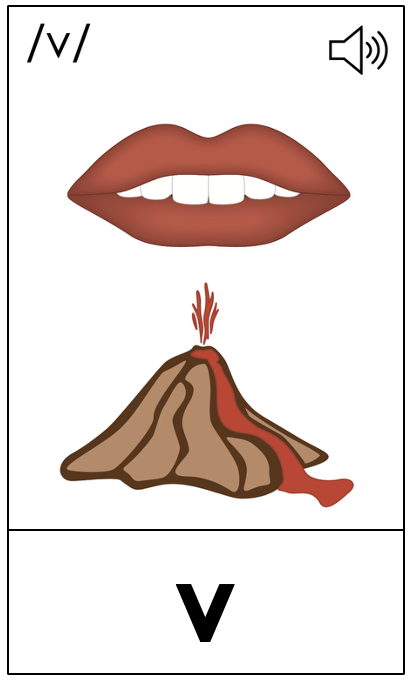
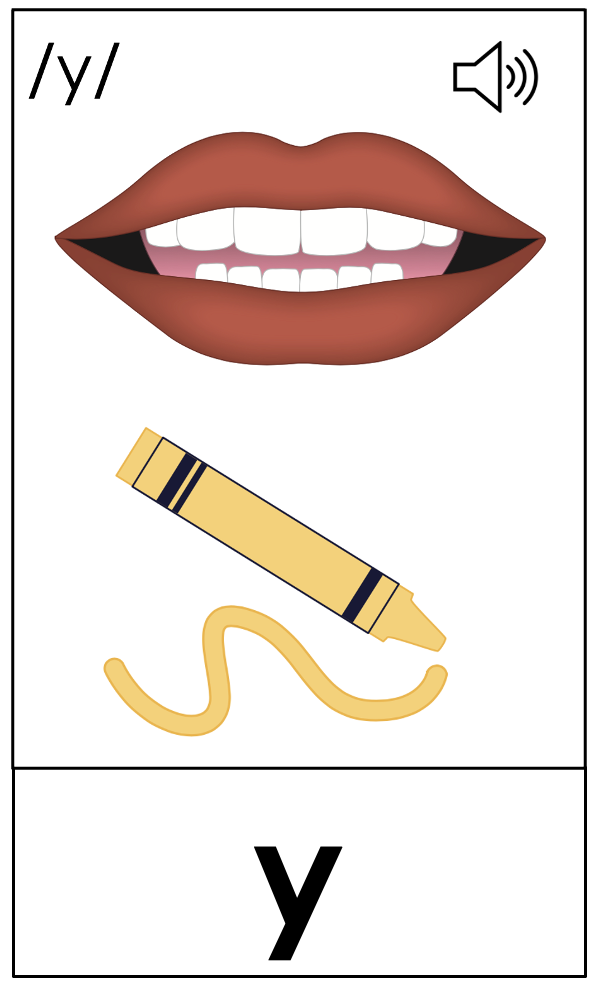
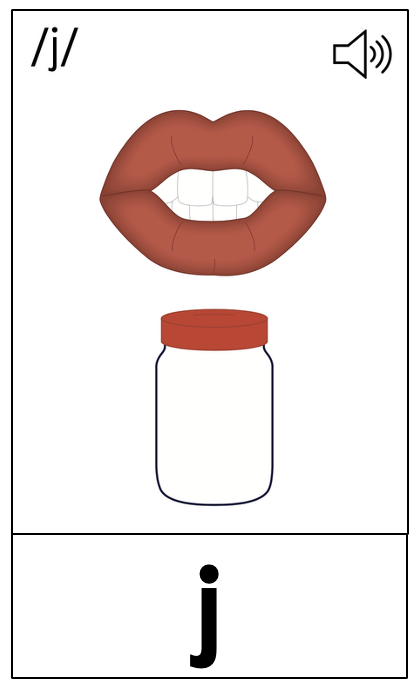
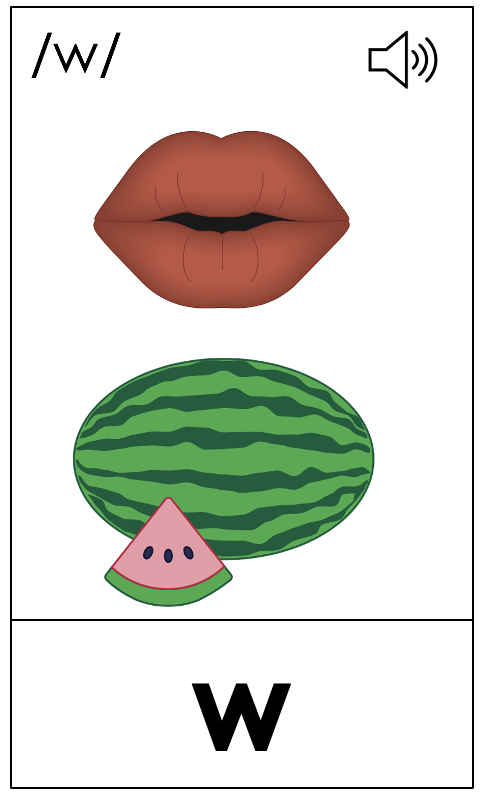
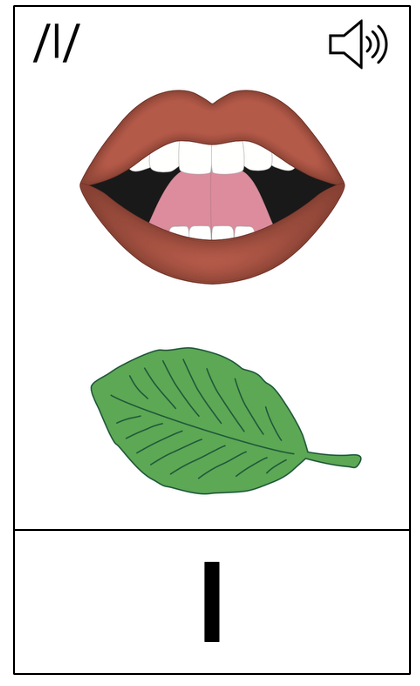
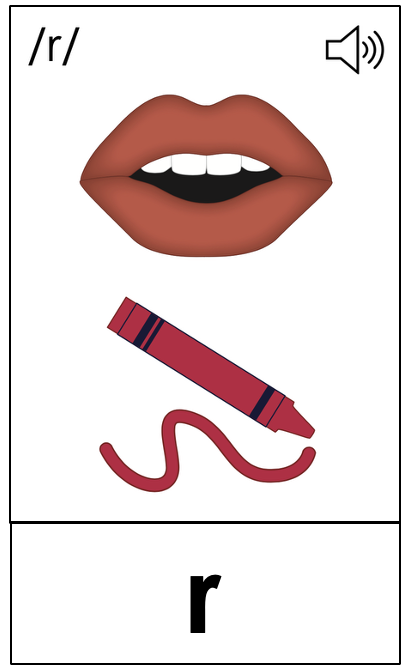
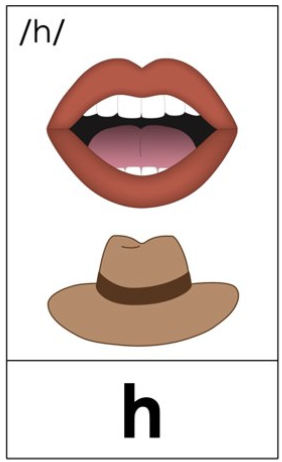
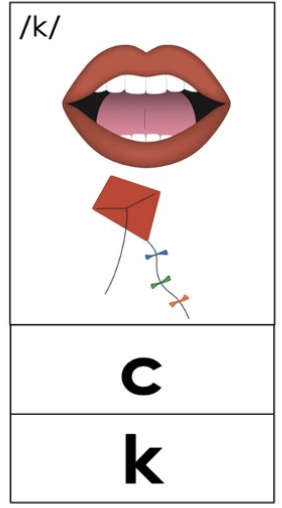
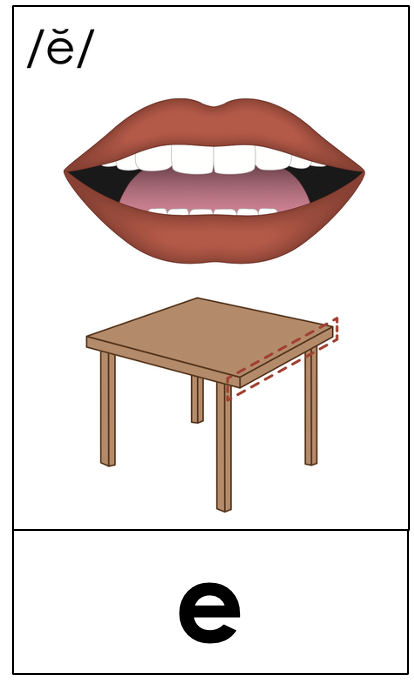
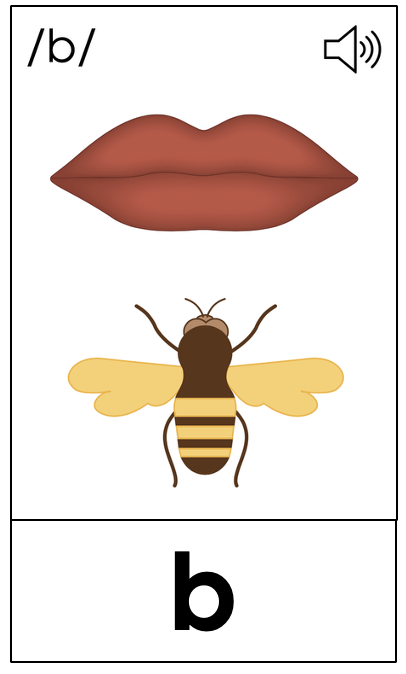
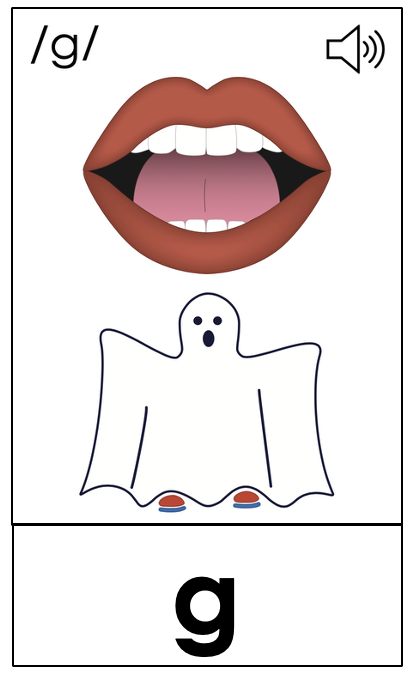
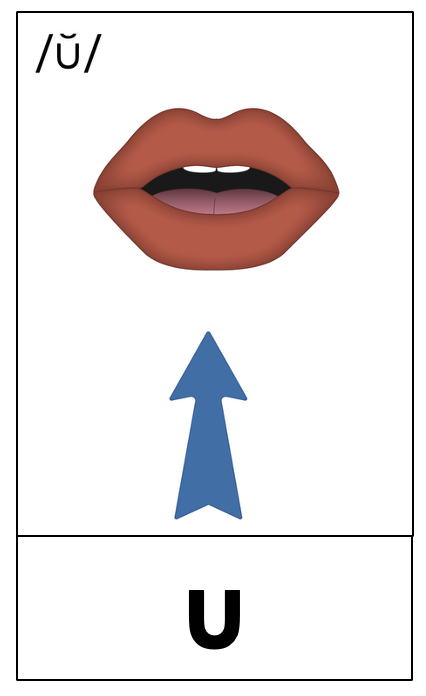
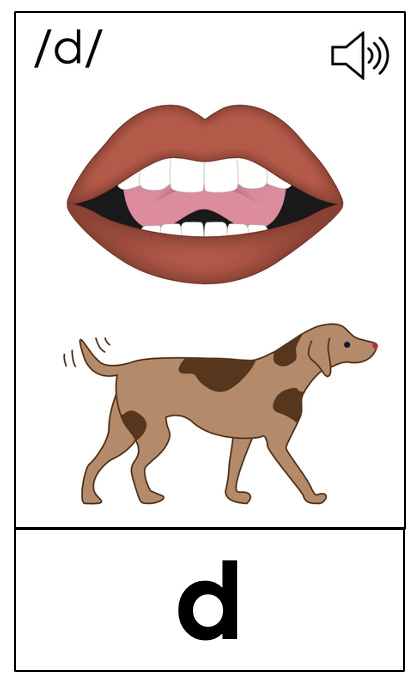
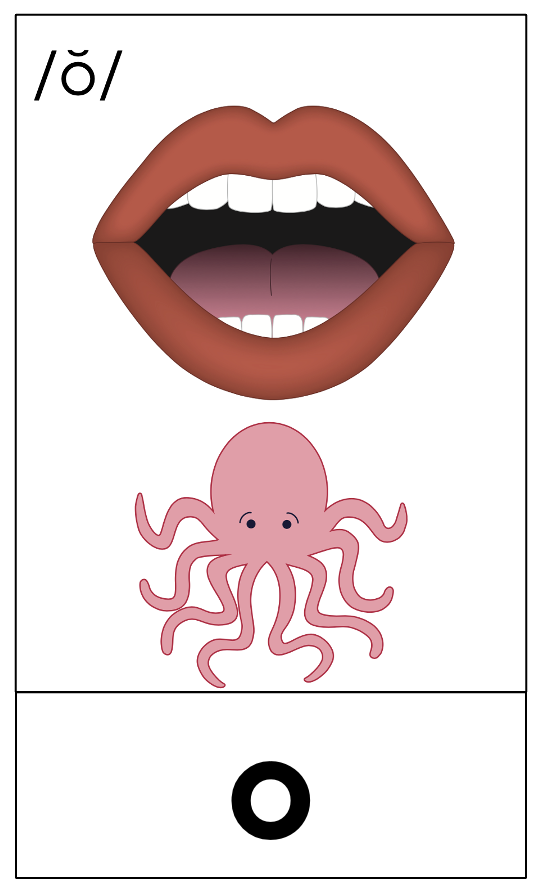
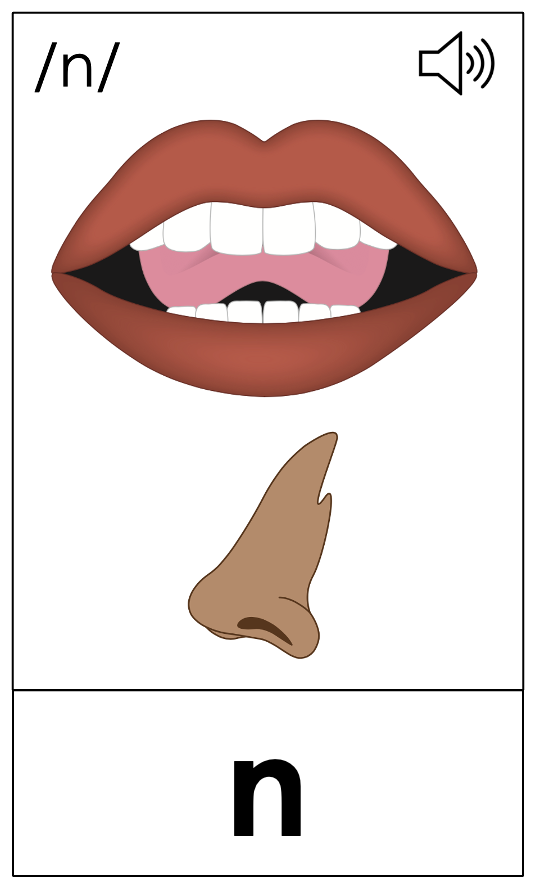
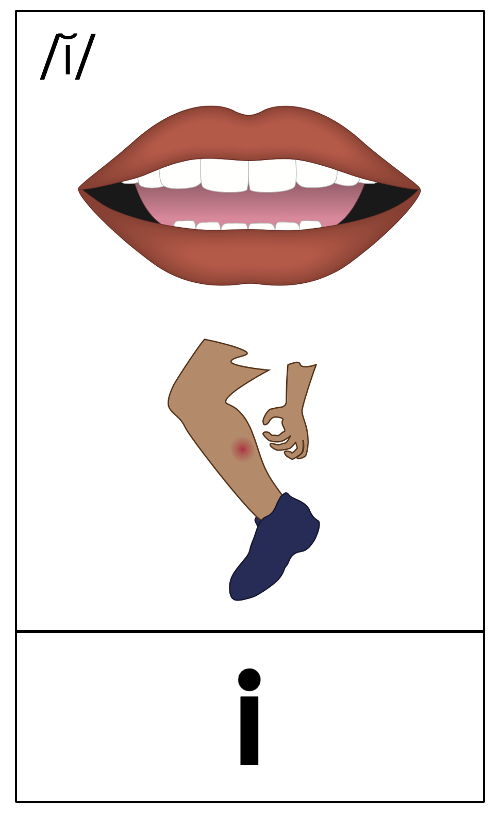
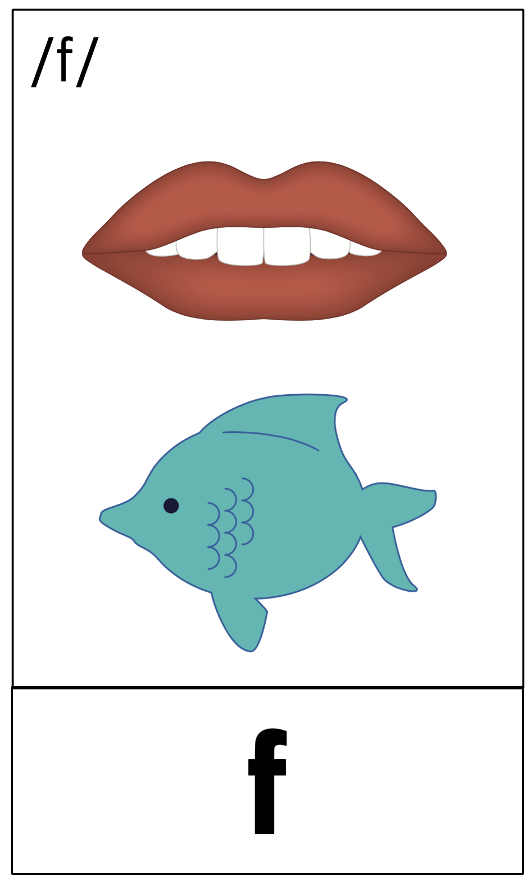
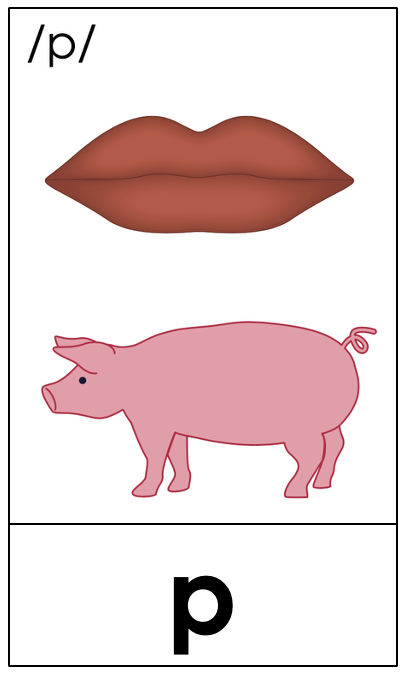
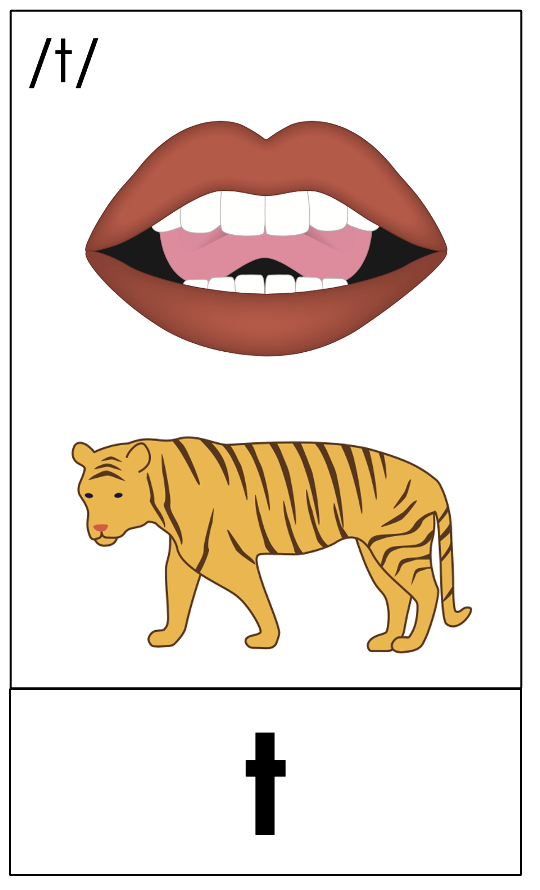
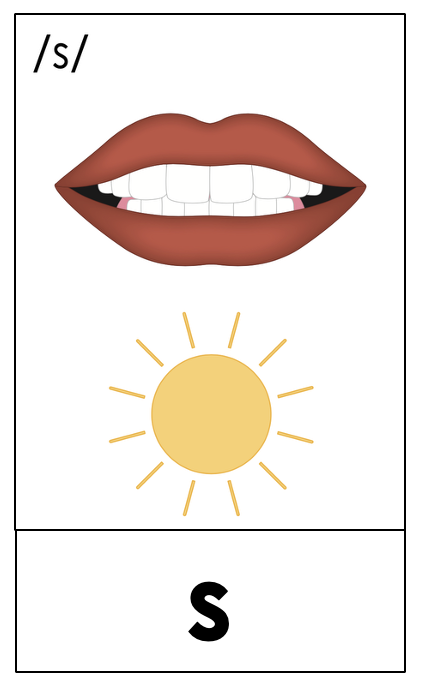
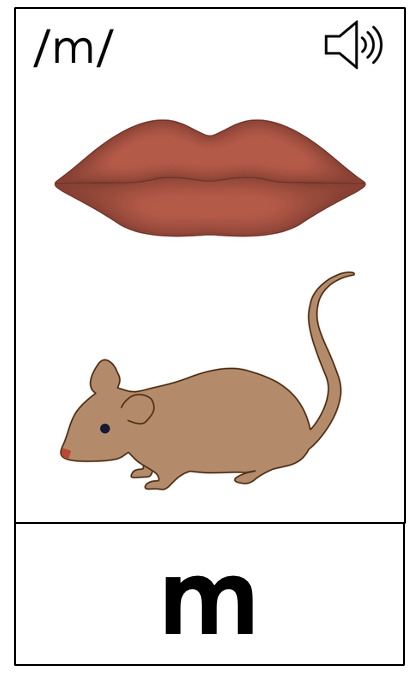
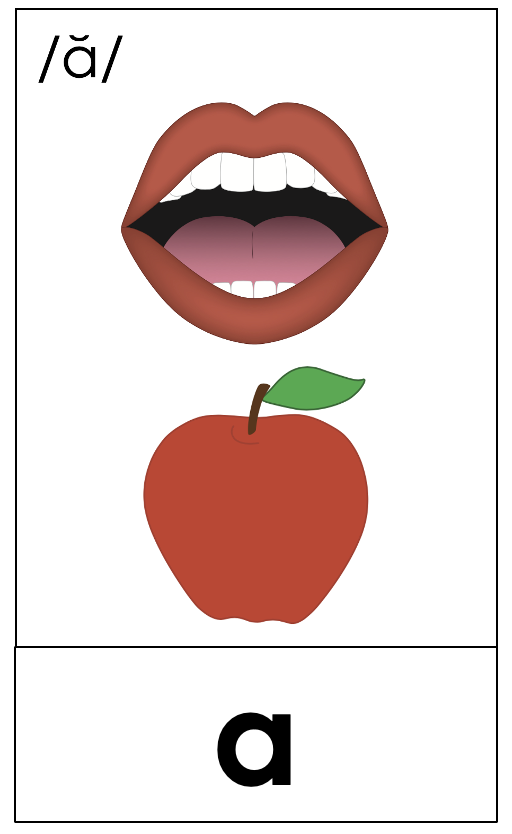
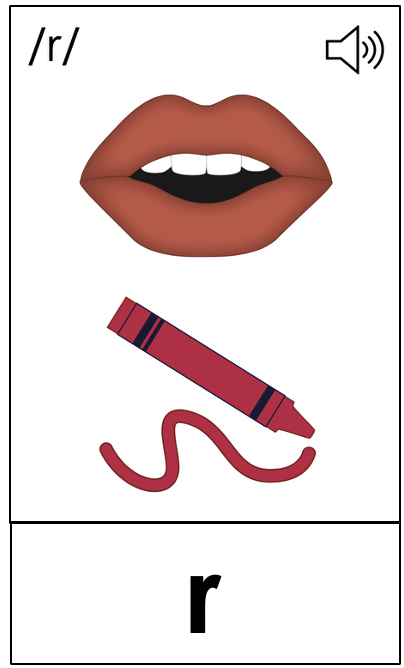
•Review the letter names and sounds for all letters of the alphabet. When practising, say them like this: “A spells /a/.” Ask your child if they can show you the cued articulation for the sounds.
•Learn the Heart Words (in red booklet).
• Work through the optional UFLI pages.
Sound / Letter cards to review:
Optional UFLI Home Practice Pages:
Literature: reading responses and writing
Our mentor texts are non-fiction texts about helmeted honeyeaters and frill-necked lizards. Students will use the information they learn from these texts to write their own short information texts, using subheadings to organise their ideas and guide their writing.
In Writing, students are continuing to use their Sky, Grass, Ground books to support correct letter size, placement and handwriting development. This week, we are focusing on the 'Boss R' letters - r, n and m - practising their correct formation along with the appropriate entry and exit points.
What can you do at home?
•Practice letter formation of the 'boss R' letters - r, n and m.
•Write some 3, 4 or 5 letter words. Students now know every letter and sound of the alphabet!
•Help your child practise writing their name with a capital letter at the beginning and lowercase letters for the rest of their name.
Maths
Students have enjoyed the hands-on learning experiences in our Measurement unit. This week, we are focusing on mass and exploring how we can compare objects to determine which is heavier or lighter. Students will make direct comparisons by hefting (holding objects in their hands to feel and compare their mass), and they will also use balancescales to compare objects with other items.
What can you do at home?
•Play a hefting game by choosing two everyday objects and asking your child to hold one in each hand and predict which is heavier or lighter. Ask your child to show you what this means!
• Use mass vocabulary throughout the day, encouraging your child to describe objects as heavier / heavy, lighter / light or same mass.
CBL
Students will explore the guiding question 'What is Power?' by investigating the different types of power we encounter in our everyday lives, including electric power, body power, people power and individual power. Through carefully selected picture books and discussions, students will explore how power can be used in different ways and begin to recognise the positive power they each have to make a difference in their classroom, school and community.
Wellbeing
SWPBS
Our Be Kind focus this week is: I can play with different friends and still be friends with everyone.
Students will learn that having a new play partner does not mean losing a friend. We will discuss how we can have lots of friends and enjoy different activities with different people, while still being kind, inclusive and respectful to everyone.
Respectful Relationships
In the lesson, Can Everyone Play?, students will explore how to include others in play by recognising different strengths and abilities. They will discuss and practise ways to solve problems fairly so that everyone feels included and able to participate.
What can you do at home?
• Talk about friendship by asking questions like “Can you have more than one friend? ... What does being a good friend look like when you are playing with someone else?”
• Explore different play partners by asking questions like “What are some different games or activities you enjoy with different friends?”
• Discuss feelings - “How might someone feel if their friend plays with someone else? What could we say or do to help them feel okay?”