Mind, Body, Us
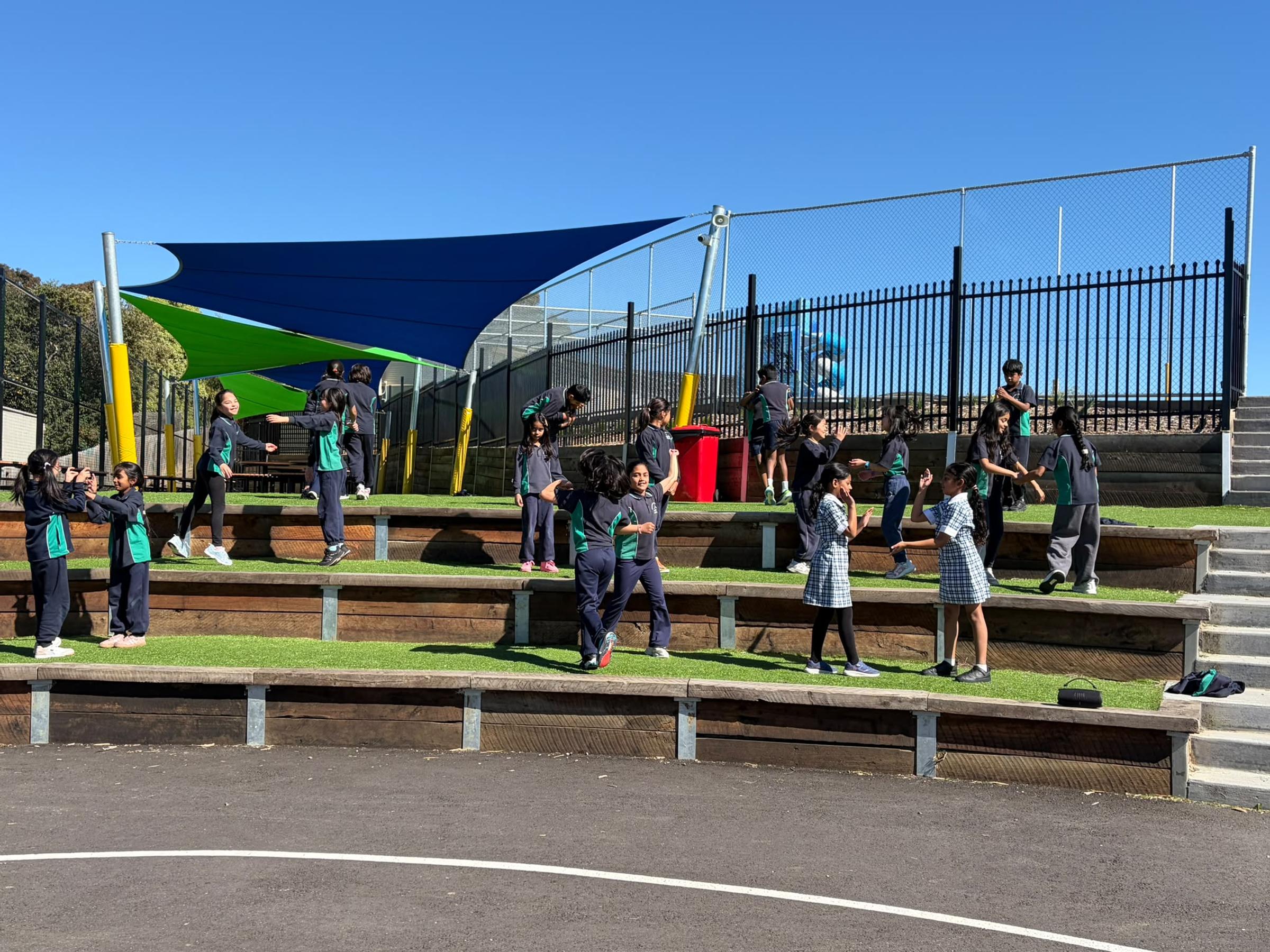
We're excited to be moving, grooving, and expressing ourselves in Term Four as part of our whole-school Mind, Body and Us (MBU) focus on Dance and Movement. Across all year levels, students will explore how movement can communicate feelings, stories, culture, and identity. From using simple shapes and actions to express emotions in Prep, to exploring gesture and symbolism in storytelling in the middle years, and creating powerful, theme-based group performances in the senior years, every student is building confidence, creativity, and collaboration through dance. By learning about a range of dance styles, including Aboriginal and Torres Strait Islander traditions, students are developing cultural understanding and finding new ways to connect with themselves and others. With an emphasis on respectful performance, group work, and reflection, Term Four is full of energy, expression, and meaningful movement.
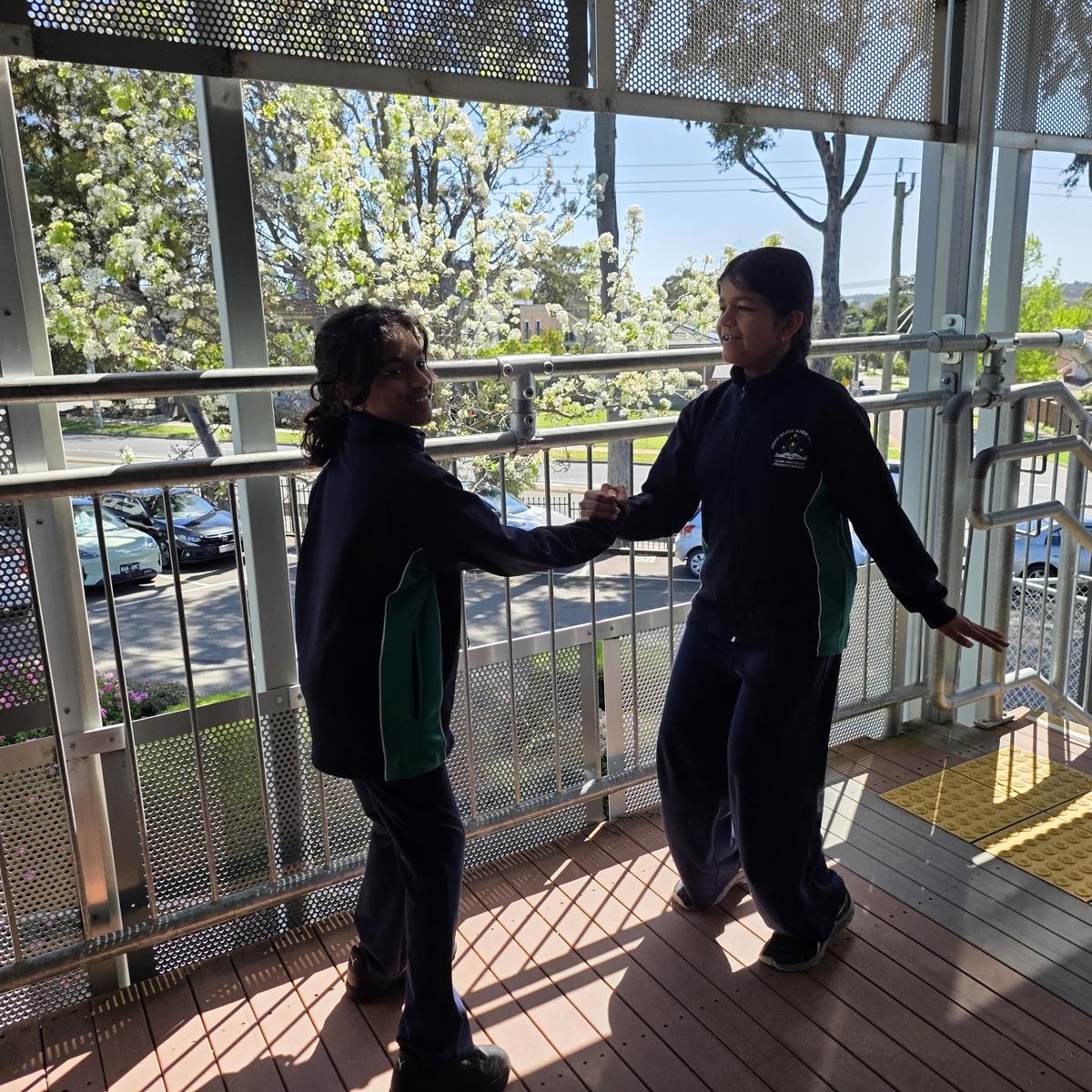
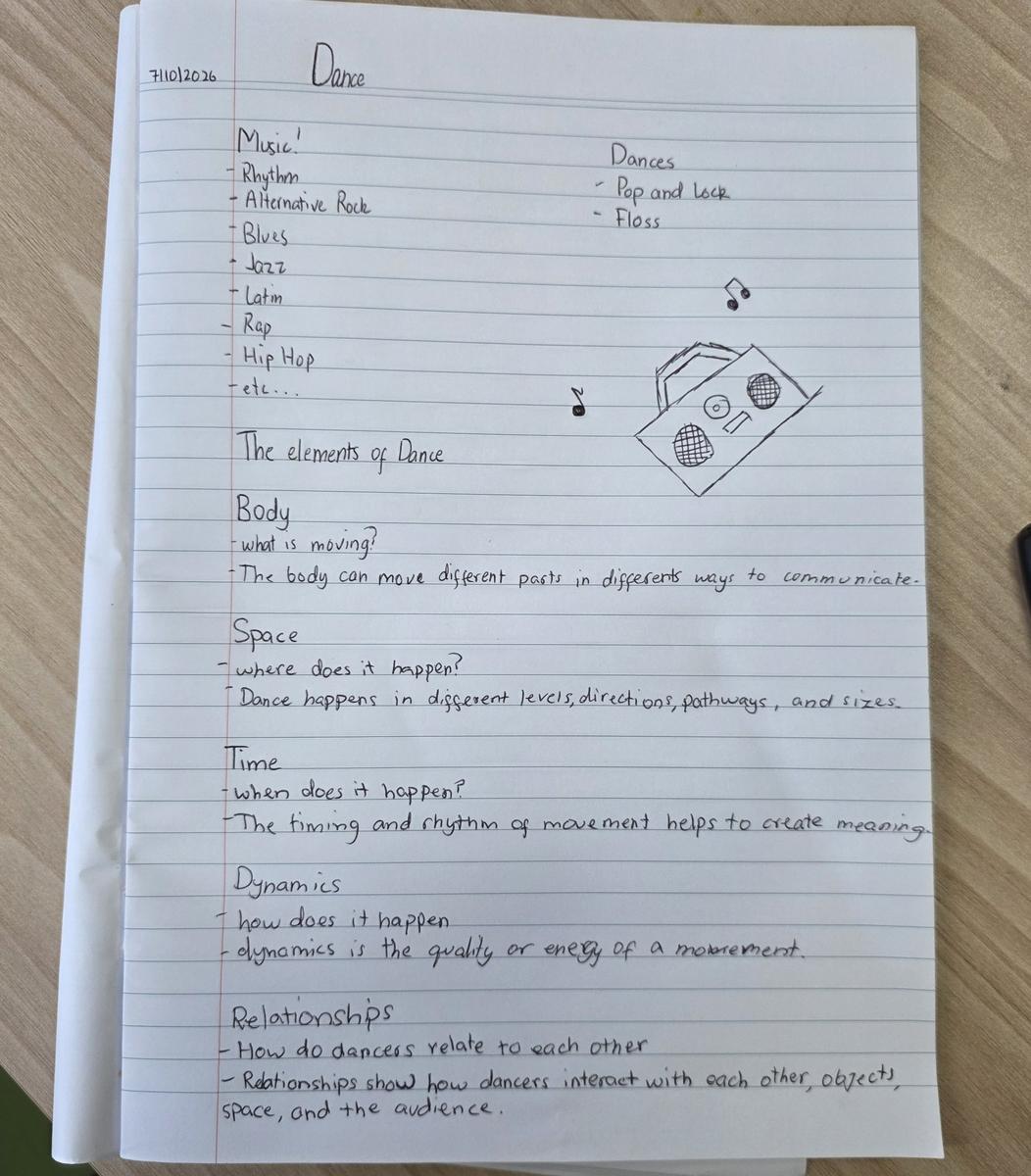
Prep
This term, Prep students will explore how to express emotions, stories, and ideas through movement in Mind, Body and Us. They will learn about why people dance across different cultures and experiment with body shapes and actions to show how they feel. Through guided storytelling, they will create simple group dances and practise moving safely through space and with props. Students will share their dances with others and reflect on the feelings and stories they bring to life.
Curriculum Links:
- Create dance that communicates an idea VC2ADAFC01
- Explore how and why dance is important for people and communities VC2ADAFE01
- Explore ideas for dance through purposeful play VC2ADAFE02
- Use play and imagination to discover possibilities in dance VC2ADAFD01
- Share their dance with audiences VC2ADAFP01
- Practise fundamental movement skills in active play and minor games, in indoor, outdoor and aquatic settings VC2HPFM01
- Explore different ways of moving their body safely when manipulating objects and moving through space VC2HPFM02
Key Vocabulary: movement, feelings, storytelling, space, body shapes
Year 1
This term, Year One students will discover how dance is part of their lives and the world around them. They will explore community dances, including Aboriginal and Torres Strait Islander styles, and discuss how movement can express emotions and share stories. Using elements such as shape, level, and energy, they will create short dances inspired by themes like friendship or weather. They will practise performing safely, refine their ideas with feedback, and proudly share their creations with classmates.
Curriculum Links:
- Explore where, when, why and how communities and cultures make dance, including dances by Aboriginal and Torres Strait Islander Peoples VC2ADA2E01
- Develop practices for creating and presenting using the elements of dance and the awareness of safe dance practices VC2ADA2D01
- Create dance works that use physical and expressive skills to communicate ideas VC2ADA2C01
- Present and share dance works that communicate ideas to an audience in informal settings VC2ADA2P01
Key Vocabulary: level, shape, energy, community, emotions
Year 2
This term, Year Two students bring stories to life through dance in Mind, Body and Us. They explore how gesture, space, and symbolism help Aboriginal and Torres Strait Islander Peoples share meaning through movement. Inspired by this, they develop imaginative dances of their own using repetition, contrast, and clear character roles. Through group work and feedback, they refine their performances and reflect on the stories they've told with their bodies.
Curriculum Links:
- Explore where, when, why and how communities and cultures make dance, including dances by Aboriginal and Torres Strait Islander Peoples VC2ADA2E01
- Develop practices for creating and presenting using the elements of dance and the awareness of safe dance practices VC2ADA2D01
- Create dance works that use physical and expressive skills to communicate ideas VC2ADA2C01
- Present and share dance works that communicate ideas to an audience in informal settings VC2ADA2P01
Key Vocabulary: gesture, symbolism, repetition, contrast, storytelling.
Year 3
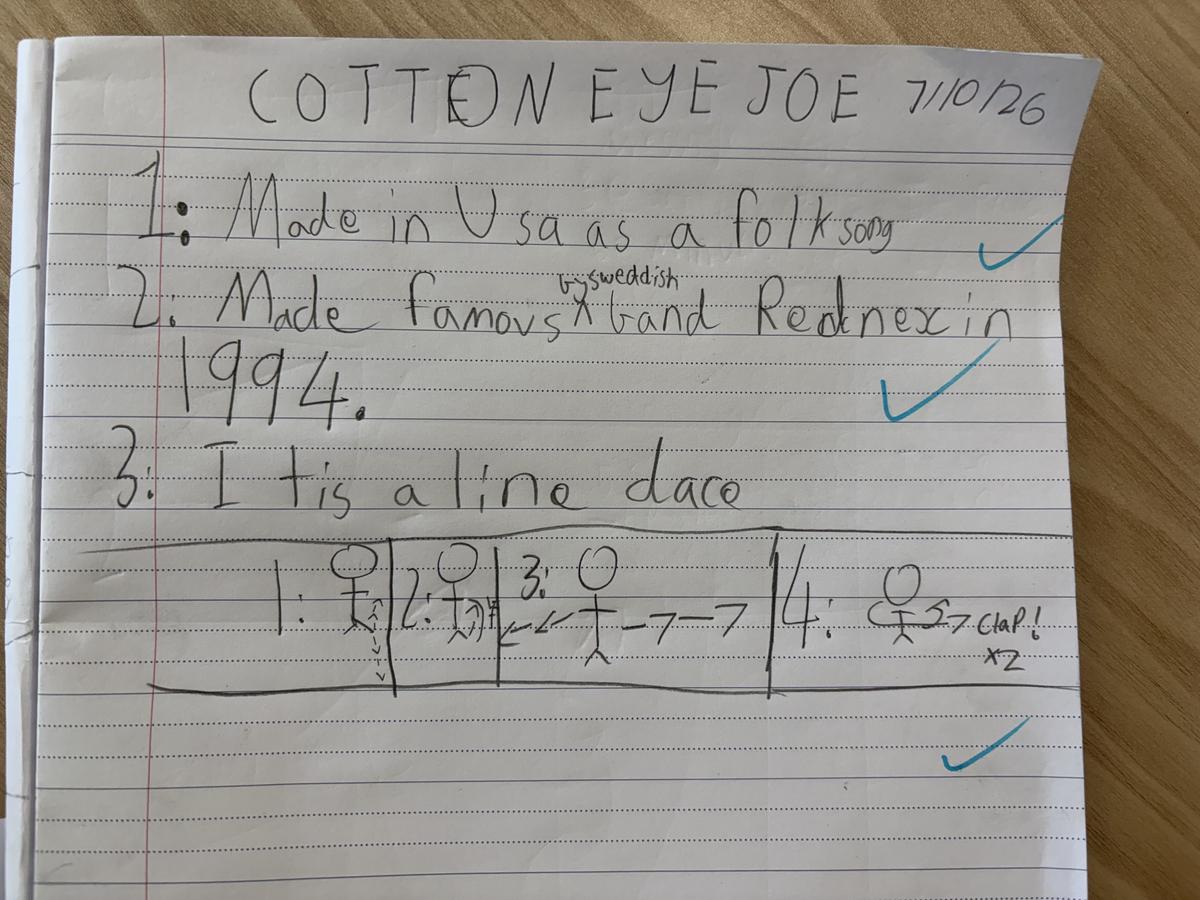
This term, Year 3 students explore dance as a form of cultural expression and community celebration. They learn popular dances from different parts of the world, discovering where each dance comes from, when and why it is performed, and how it spreads to new audiences over time. Students investigate how dance crosses language barriers, cultural differences, and historical periods to bring people together. In the second part of the unit, students work in small groups to create their own original dance, borrowing and adapting moves from the popular dances they have studied to communicate a chosen idea. They rehearse, give and receive peer feedback, and perform their dance to the class in a final showcase.
Curriculum Links:
- Present and share dance works they have learnt or created to an audience in formal and informal settings VC2ADA4P01
- Explore the work of dance makers across cultures, communities and contexts including Aboriginal and Torres Strait Islander Peoples and their connection to and responsibility for Country and Place VC2ADA4E02
- Explore where, when, why and how dance is created and performed across cultures, times, places and other contexts VC2ADA4E01
- Develop their practice by using the elements of dance, physical skills and safe dance practices to explore ideas and convey intended meaning VC2ADA4D01
Key Vocabulary: culture, tradition, community, space, time, energy, performance
Year 3 Cotton Eyed Joe Dance Performance Video
Year 4
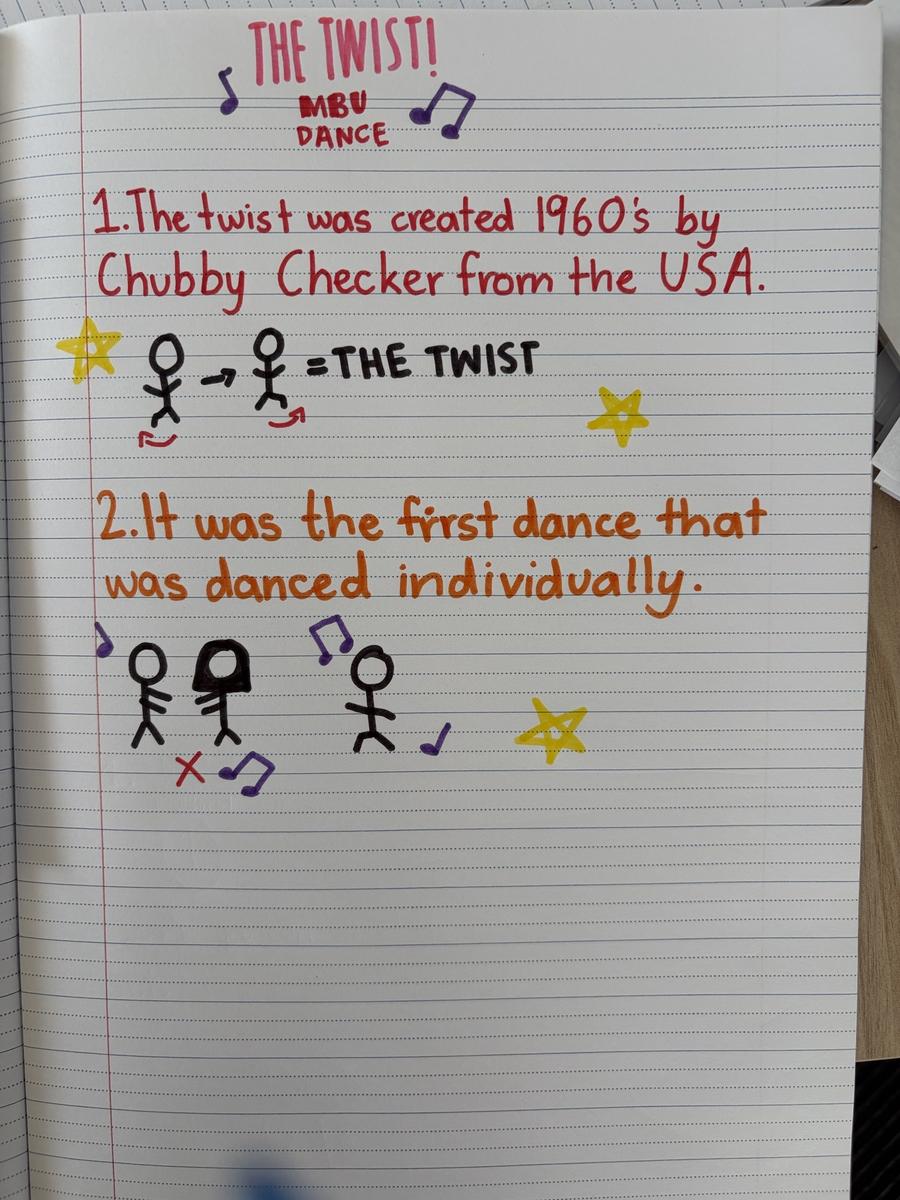
This term, Year 4 students explore dance as a form of personal, cultural and historical expression, investigating how movement communicates messages, stories and ideas across different eras. They journey through six decades of popular dance, discovering why each era created its own unique style of movement. Students also explore the work of Aboriginal and Torres Strait Islander dance makers and investigate how dance reflects connection to community and culture. In the second part of the unit, students collaborate in small groups to devise a structured original dance inspired by the movement style of a chosen decade. They apply choreographic structures, rehearse thoughtfully through peer feedback, and perform their work with a spoken artist statement to a class audience.
Curriculum Links:
- Improvise and devise using a range of dance movements and structures to communicate ideas, perspectives and meaning VC2ADA4C01
- Explore the work of dance makers across cultures, communities and contexts including Aboriginal and Torres Strait Islander Peoples and their connection to and responsibility for Country and Place VC2ADA4E02
- Develop their practice by using the elements of dance, physical skills and safe dance practices to explore ideas and convey intended meaning VC2ADA4D01
- Explore where, when, why and how dance is created and performed across cultures, times, places and other contexts VC2ADA4E01
Key Vocabulary: canon, repetition, contrast, decade, collaboration
Year 5
Creative expression takes centre stage for Year Five this term, as students will use dance to communicate emotions, ideas, and cultural stories. Drawing inspiration from personal experiences and Aboriginal and Torres Strait Islander performances, they will use the elements of dance to develop meaningful choreography. With a focus on collaboration and rehearsal, students will choreograph and perform dances that share important messages with their audience.
Curriculum Links:
- Explore ways movement and dance can be used to communicate ideas, perspectives and meaning, drawing on dance works from a range of contexts including from Aboriginal and Torres Strait Islander artists VC2ADA6E01
- Develop dances using the elements of dance and choreographic processes to communicate ideas and meaning while applying safe dance practices VC2ADA6D01
- Rehearse and present dances using the elements of dance, choreographic processes and physical skills to engage with and construct meaning for an audience VC2ADA6P01
Key Vocabulary: inspiration, message, collaboration, rehearsal, expression
Year 6
This term, our Year Six students will explore how dance can be used to express emotions, tell stories, and share cultural messages. They will learn the building blocks of dance and using them to craft their own unique sequences. Students will engage thoughtfully with First Nations performances, developing choreography that reflects respect and a deeper appreciation for cultural expression. Alongside this, they're exploring dance styles from around the world and working in groups to create pieces with meaningful themes for their peers.
Curriculum Links:
- Rehearse and present dances using the elements of dance, choreographic processes and physical skills to engage with and construct meaning for an audience VC2ADA6P01
- Explore ways Aboriginal and Torres Strait Islander Peoples use dance to continue and revitalise cultures VC2ADA6E02
- Create movement sequences that manipulate the elements of dance, and use choreographic processes, physical skill and safe dance practices to tell stories and express ideas VC2ADA6C01
- Investigate ways the elements of dance and the conventions of dance styles are used to communicate ideas, perspectives and meaning in dances created and performed across contexts and cultures VC2ADA8E01
Key Vocabulary: choreography, cultural expression, movement sequences, respectful, theme
How can you support your child’s Mind Body and Us learning at home?
- Freeze and Reflect: Play some music and allow your child to move freely. Periodically pause the music and ask them to freeze, take a deep breath, and notice how their body feels in that moment. Encourage variation by suggesting different qualities of movement, such as slow, large, or gentle.
- Movement Storytelling: Guide your child through a simple imaginative sequence (for example, stretching like a tree, tiptoeing through a forest, or flapping like a bird). Afterwards, ask them how you could tell what they were representing through their movement alone, helping them recognise how body shape and action can communicate ideas without words.
- Listening and Responding to Rhythm: Play a piece of music with a steady beat and invite your child to listen quietly for a few seconds before moving in response to what they hear. You might ask which part of their body wanted to move first, encouraging awareness of instinctive responses to rhythm.
- Exploring Cultural Dance: Share and explore a dance from your own family's cultural background together, whether through watching a video, attending a community event, or simply talking about when and why it is performed. Discuss what the movements might represent or communicate, helping your child appreciate how dance carries meaning and tradition across different cultures.
- Expressing Emotion Through Movement: Take turns representing an emotion or idea through movement alone, without words or facial expression, and have the other person guess what is being conveyed. This activity supports children in building a shared understanding of how the body can communicate meaning.