
Languages
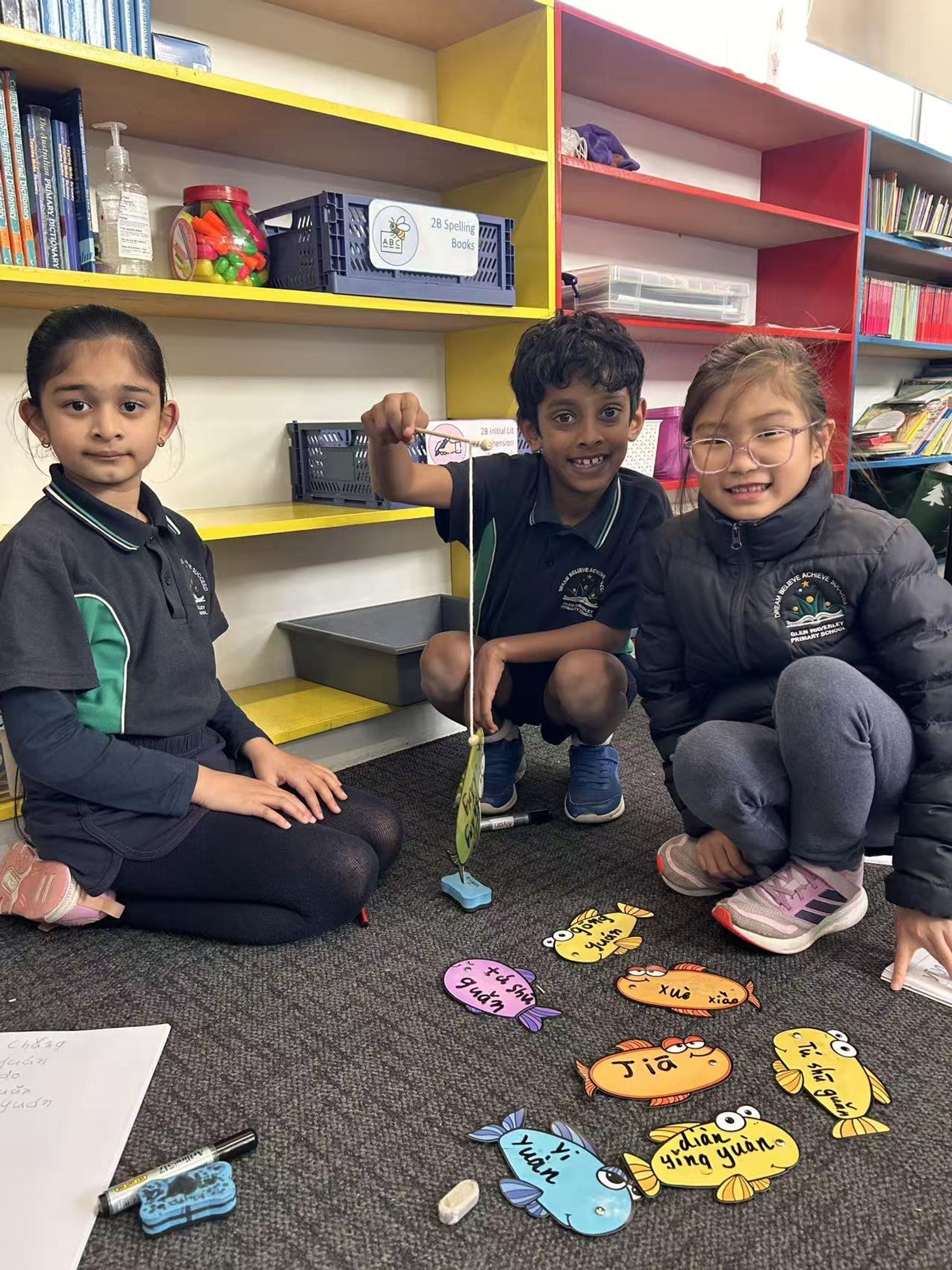
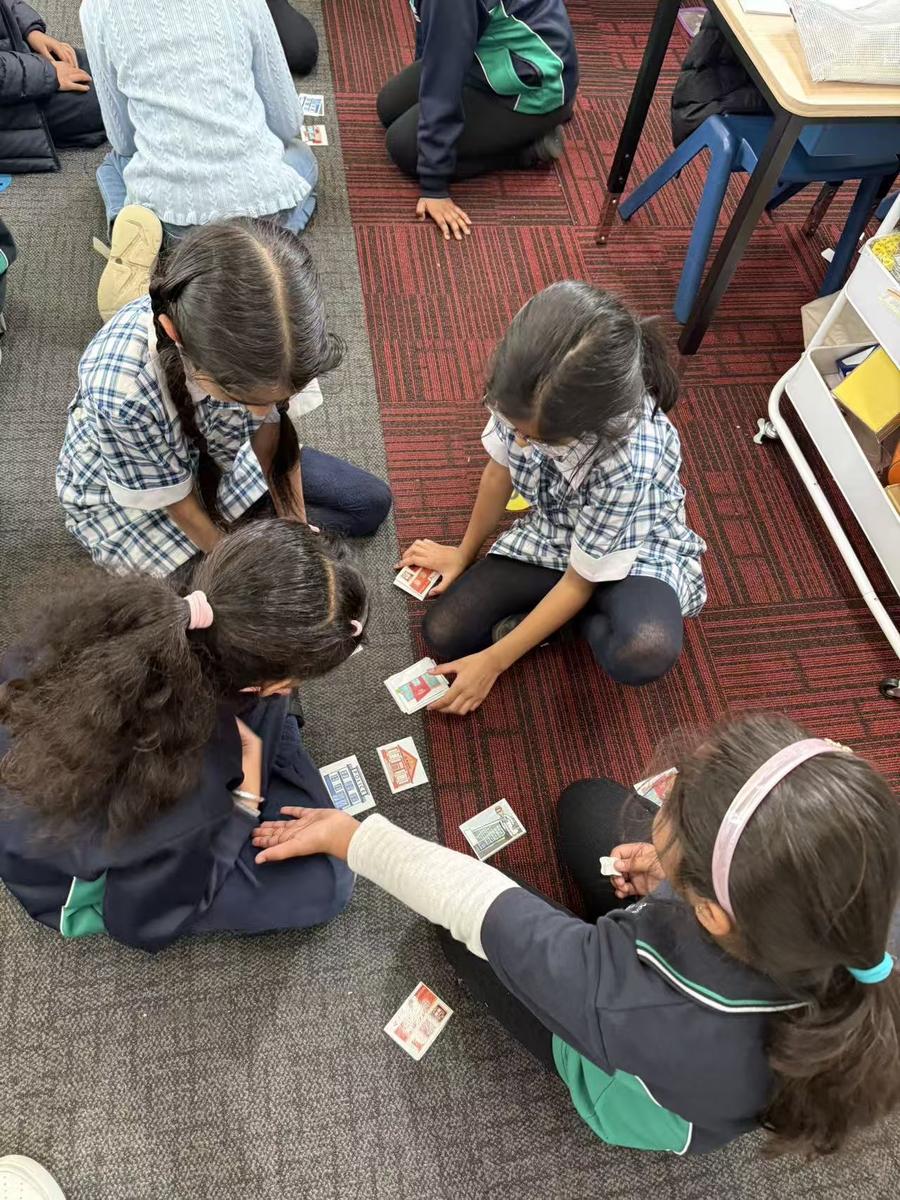
Welcome back to the final term of 2026! We hope everyone in our community had a wonderful and relaxing holiday break. It has been lovely to see students return with such enthusiasm and positivity as they continue their language learning. This term, students will further develop their Mandarin skills through engaging, practical and hands-on learning experiences in our multicultural learning environment. There are many exciting learning opportunities ahead, so please see the details below and stay tuned!
Prep
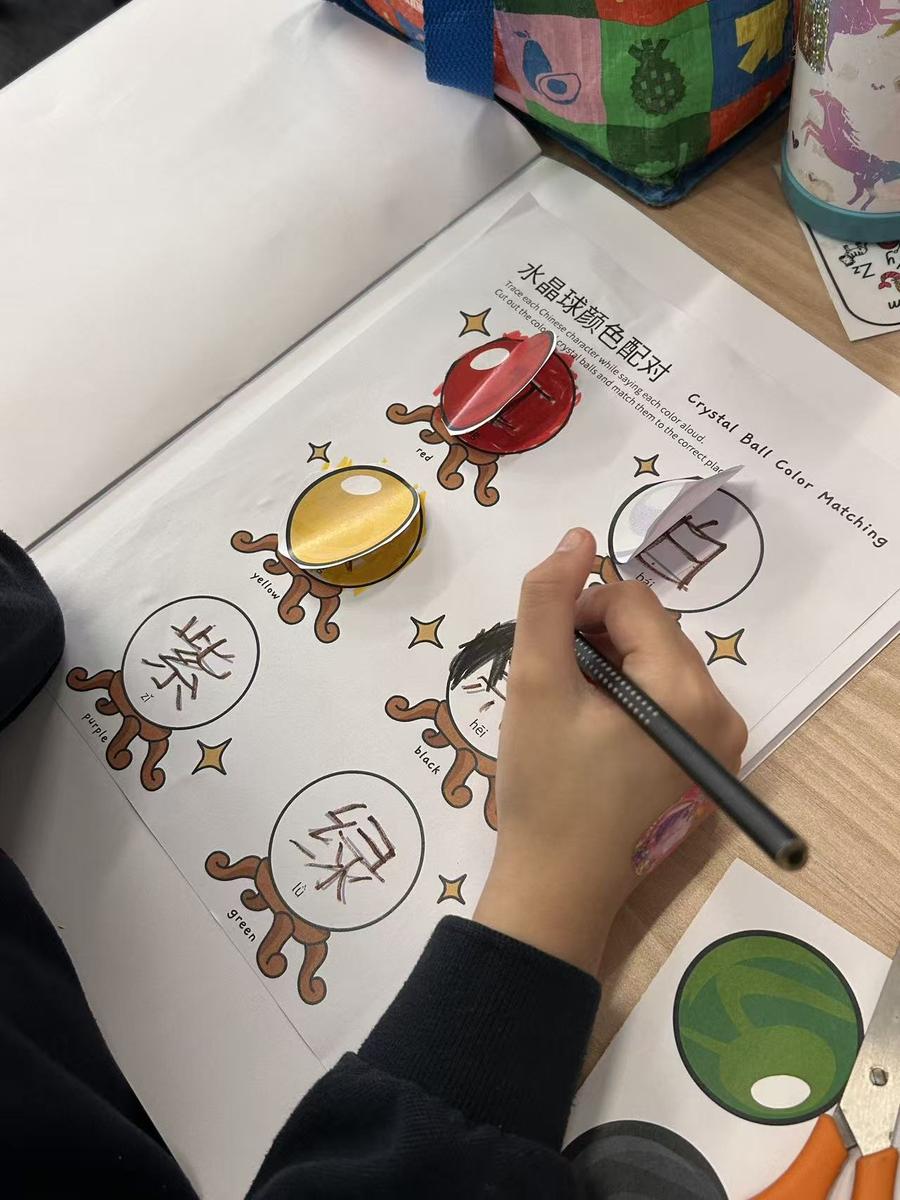
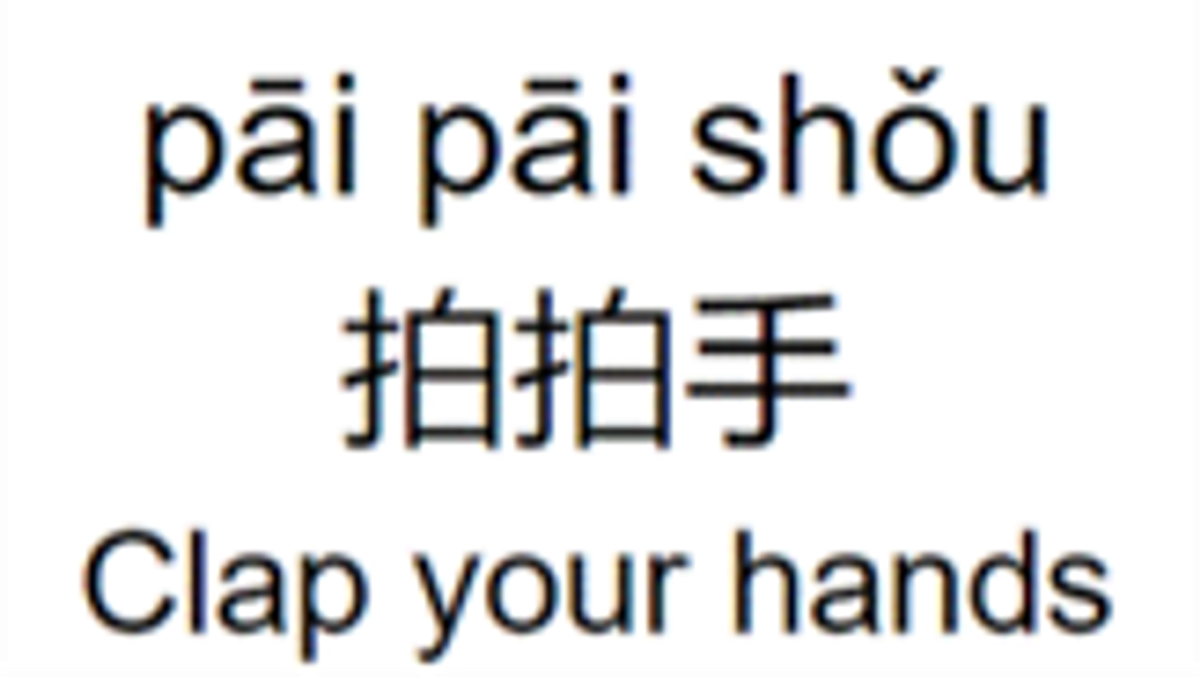
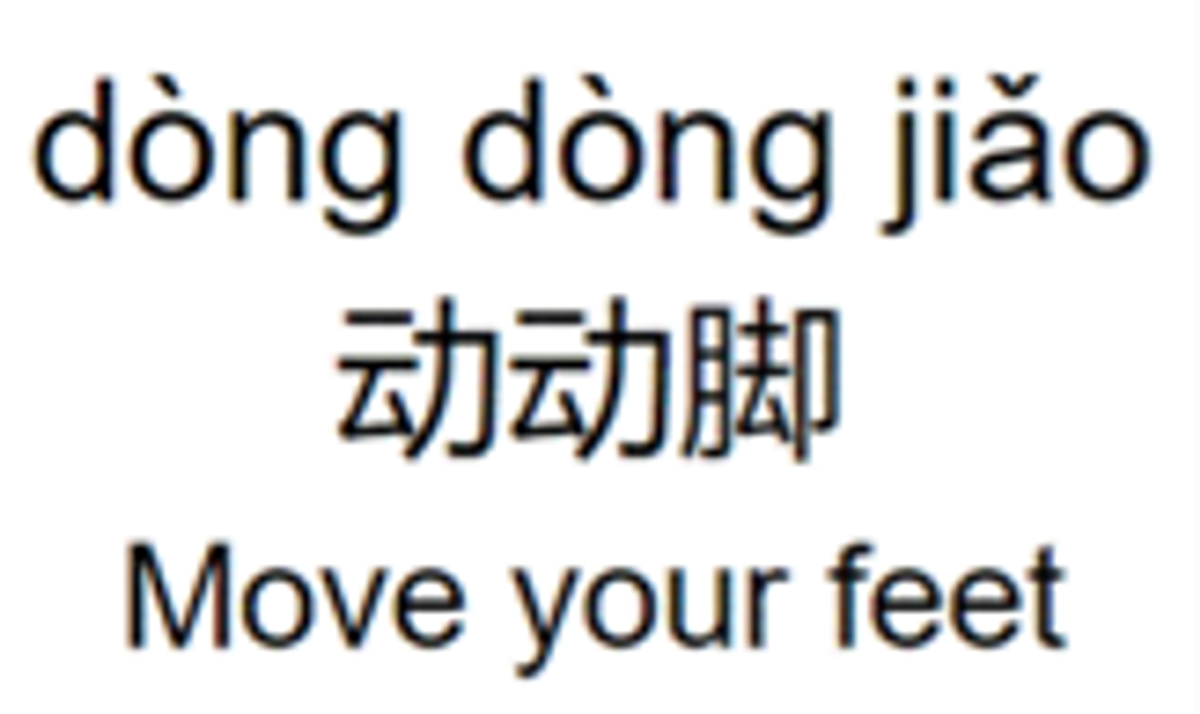
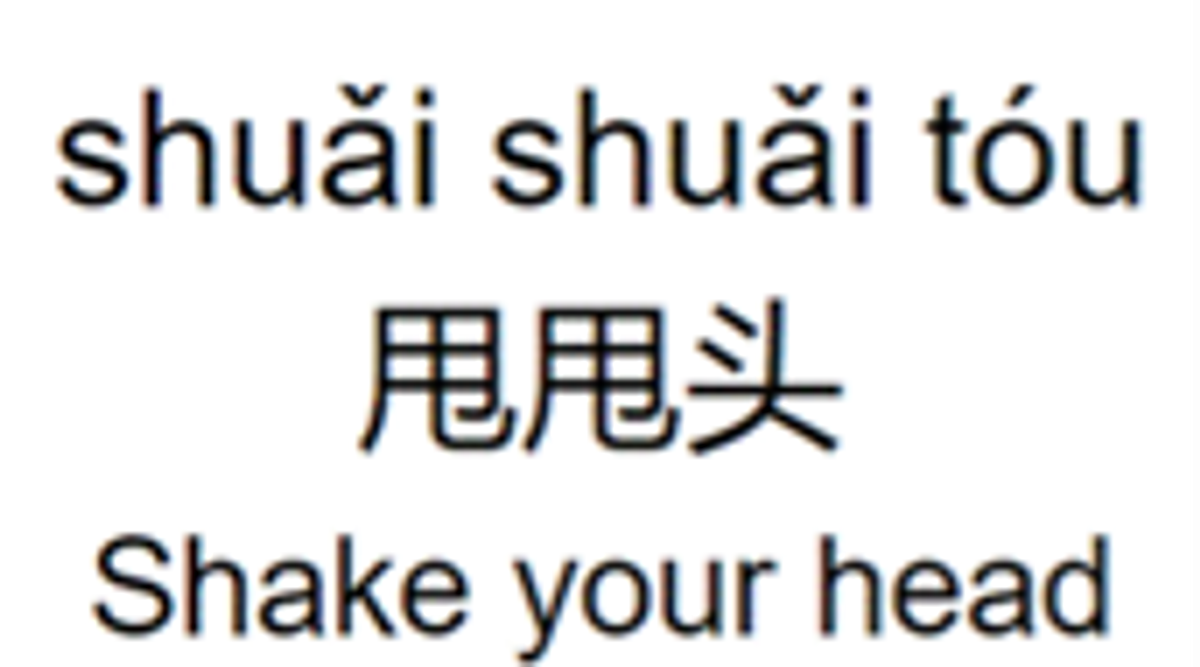
In Term Four, Preps will be introduced to cultural knowledge and vocabulary for body parts in Chinese, including the head, face, hands, ears, eyes and mouth. Students will continue exploring ways to express themselves using Pinyin sounds. Through singing songs and playing language games, they will develop an understanding of how to talk about their body parts and use Chinese in everyday situations.
To demonstrate their learning, students will create their own ‘Mr Potato’, incorporating the vocabulary and sentences they have learnt.
Curriculum Links:
- Imitate the sounds, tones, pronunciation and intonation patterns of spoken Chinese, and understand how sounds are produced and represented in Hanzi and/or Pinyin (VC2LC2U01)
- Explore and make meaning from sounds, words and phrases for familiar objects or terms in Chinese through play, and discover how languages influence each other (VC2LC2C04)
Key Vocabulary:
Year 1
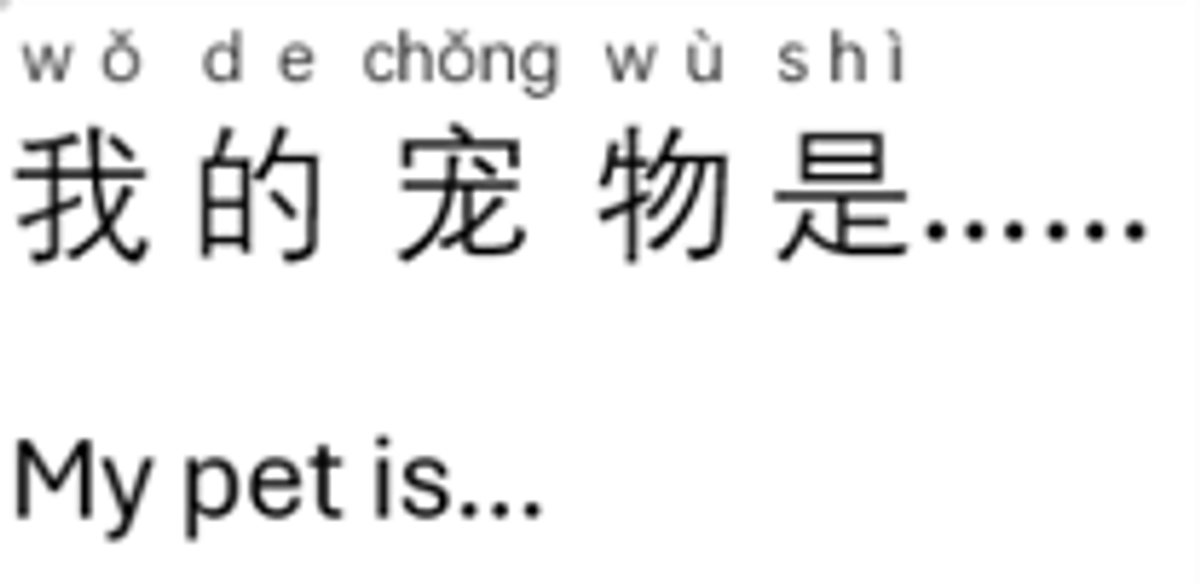
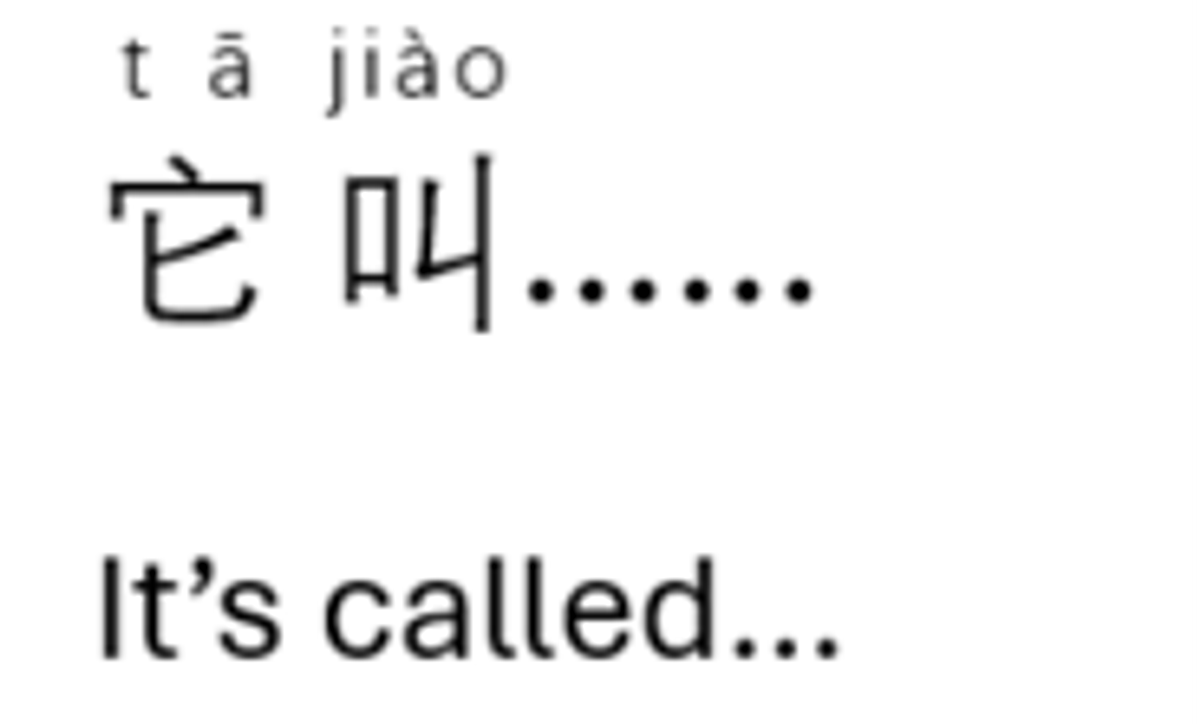
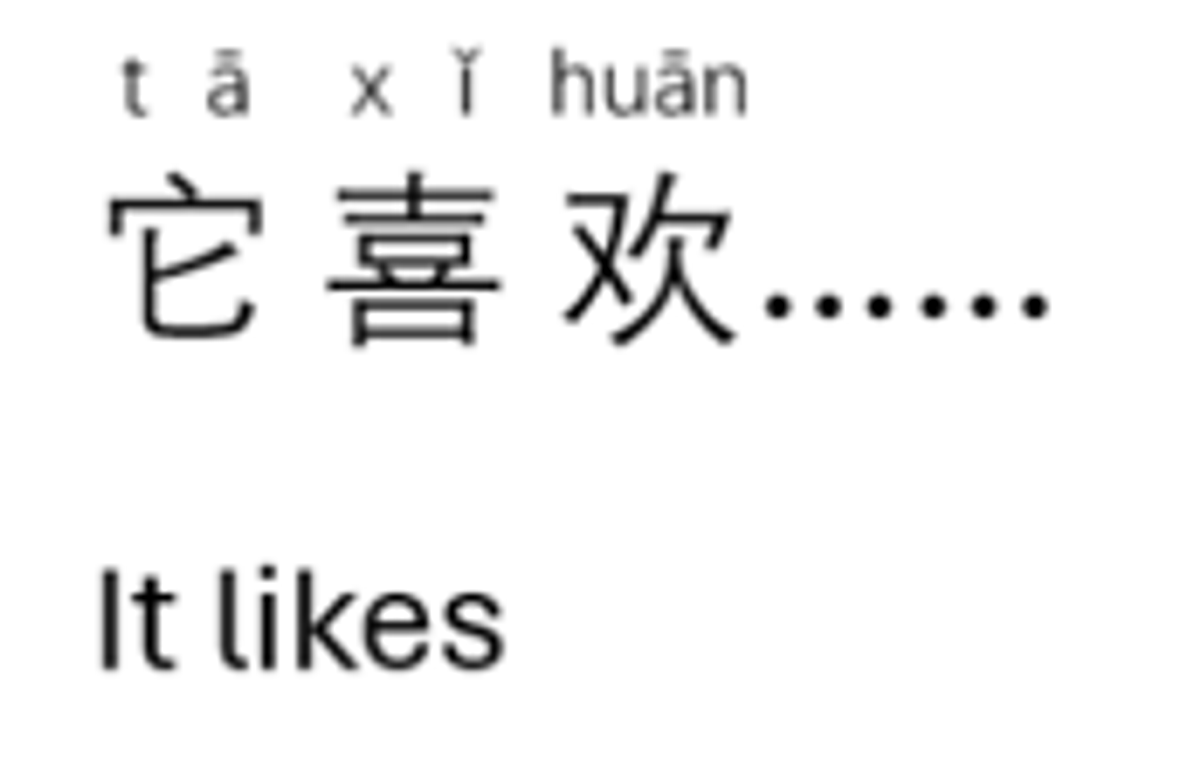
In this term, students are expected to build an ability to talk about their favourite pets, such as cats, dogs, fish, birds and rabbits. They sing songs, play games and take part in hands-on activities to practise the pronunciation and meaning of key vocabulary. They will also learn simple language to talk about what pets eat, where they live and what they need. Through learning words and phrases about pets, students will create their own pet puppets and develop a simple ‘My Pet’ project, choosing a pet and creating its home and favourite food. This creative project will help them consolidate vocabulary and build confidence using Chinese in a fun and meaningful way.
Curriculum Links:
- Reflect on how language, culture and identity are interconnected and discuss how Chinese-speaking communities are similar to or different from others (VC2LC2U05)
- Participate in a range of guided language activities using formulaic expressions, and visual and spoken cues (VC2LC2C02)
Key Vocabulary:
Year 2
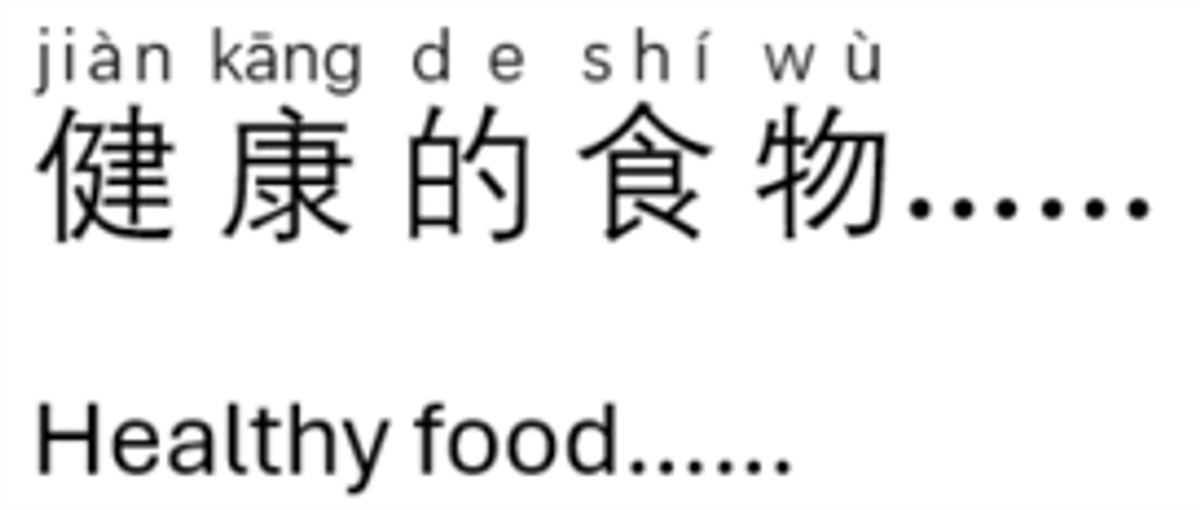
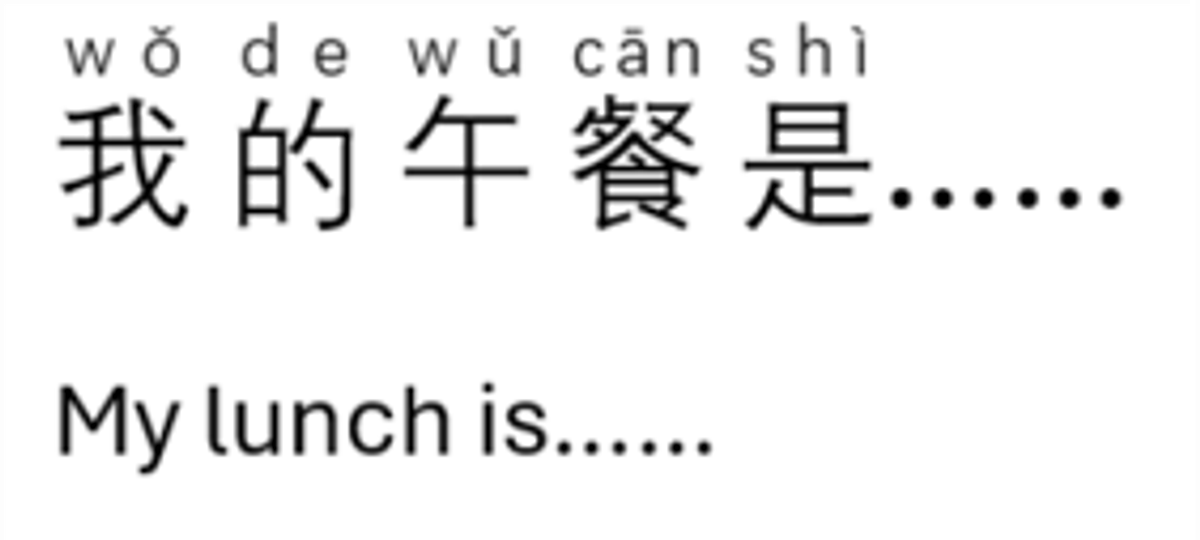
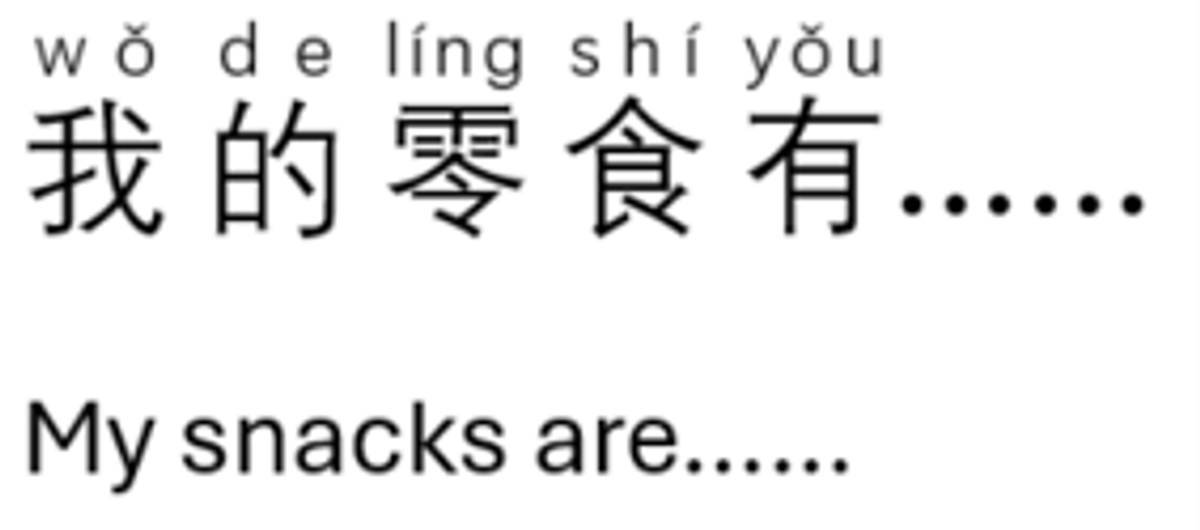
Year Two students will explore the topic of Healthy Food. They are expected to develop their skills in talking about food in their everyday lunch and snack boxes. They will learn to identify and describe healthy food choices and use simple Chinese phrases to talk about what they have in their lunch and snack boxes. Through learning words and phrases about food, students will create their own healthy lunch and snack box, choosing and labelling different foods in Chinese. This creative project will help them consolidate vocabulary and encourage healthy food choices in a fun and meaningful way.
Curriculum Links:
- Recognise and explore how Hanzi and/or Pinyin and features of language are used to construct meaning in Chinese (VC2LC2U03)
- Create spoken and written texts using words, familiar phrases and modelled language using some Hanzi with Pinyin as support (VC2LC2C05)
Key Vocabulary:
Year 3
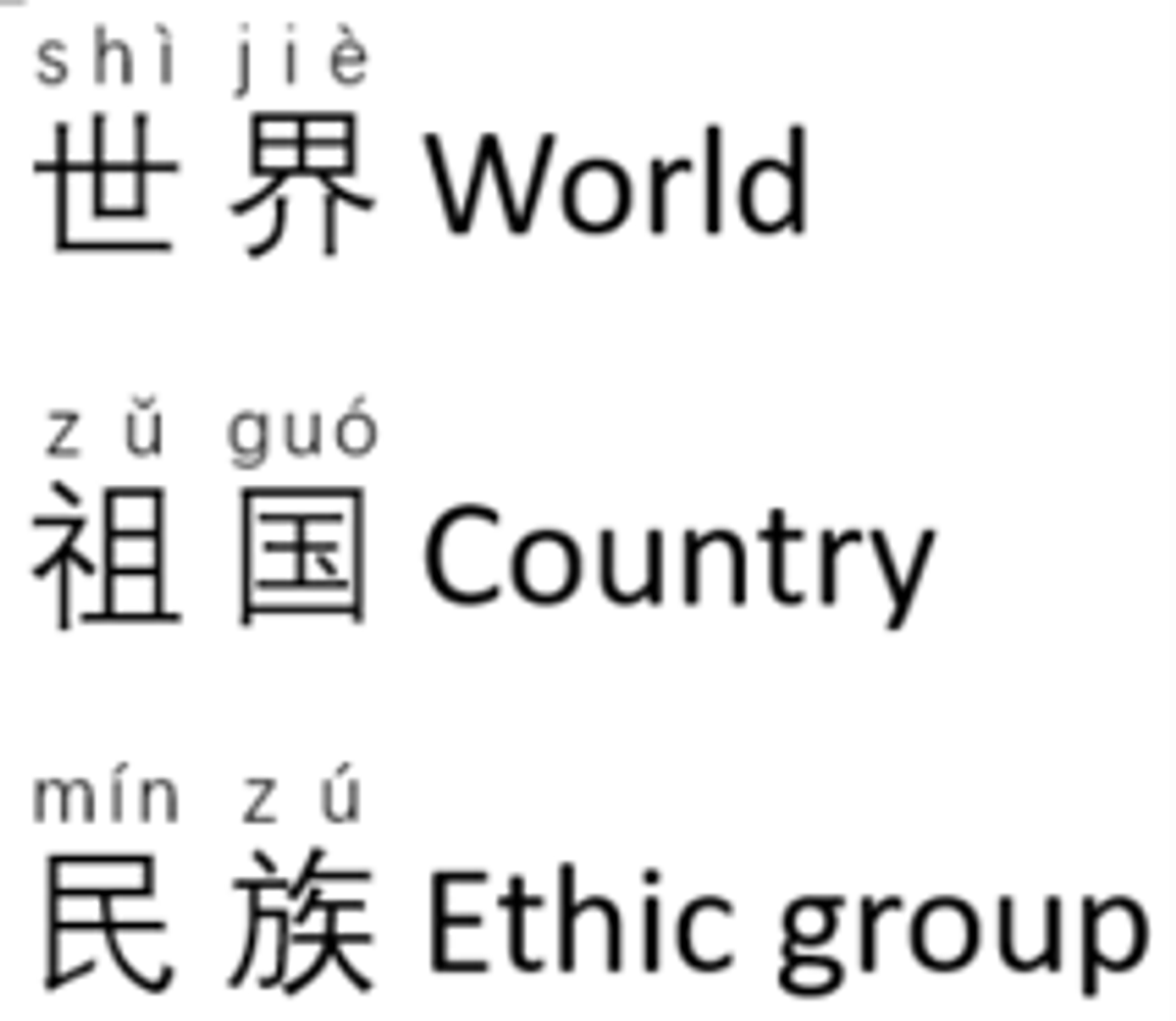
In Term 4, Year 3 students will be learning how to introduce their cultural background in Chinese. They will explore vocabulary related to countries and nationalities, and practise building conversations on this topic. Students will also investigate animals and famous landmarks from different countries and share their findings with the class. To consolidate their learning, they will create a booklet that includes information such as their name, age, nationality, where they live, and the languages they speak, drawing on and connecting with their previous learning.
Curriculum Links:
- Identify connections between personal identity, language, and aspects of culture. (VC2LC4U04)
- Locate and respond to key information related to familiar content. (VC2LC4C03)
Key Vocabulary:
Year 4
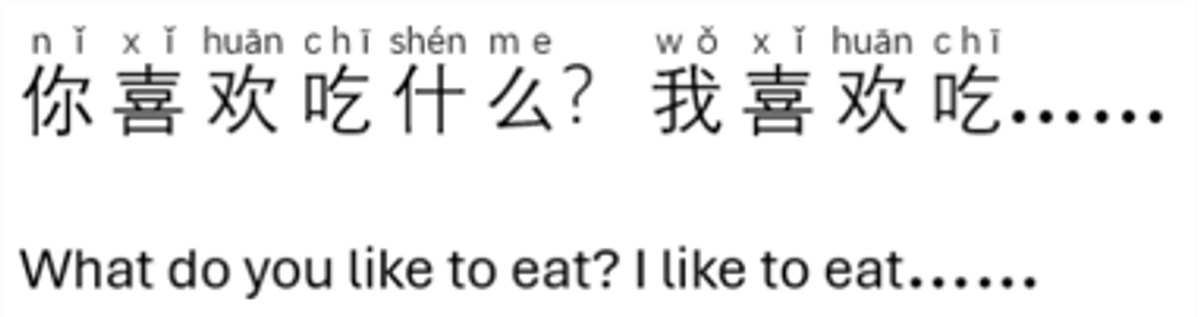
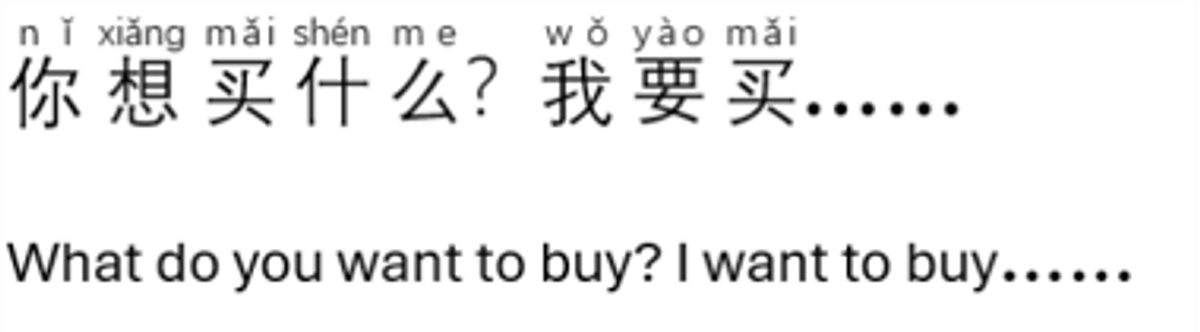
In this term, students will explore the topic of Supermarket. They are expected to develop their ability to talk about common foods and supermarket sections, such as fruit, vegetables, snacks and drinks. Students will play games and take part in hands-on activities to practise the pronunciation and meaning of key vocabulary and organise products into different sections. Through learning words and phrases about shopping, students will work collaboratively in pairs or small groups to design then create a digital supermarket catalogue using Chinese characters, pinyin and pictures. This collaborative project will help them consolidate vocabulary and build confidence using Chinese in everyday situations.
Curriculum Links:
- Create and present spoken and written texts using simple phrases and sentences, modelled textual conventions, and familiar Hanzi and Pinyin. (VC2LC4C05)
- Participate in activities using a range of familiar phrases and modelled structures. (VC2LC4C02)
Key Vocabulary:
Year 5
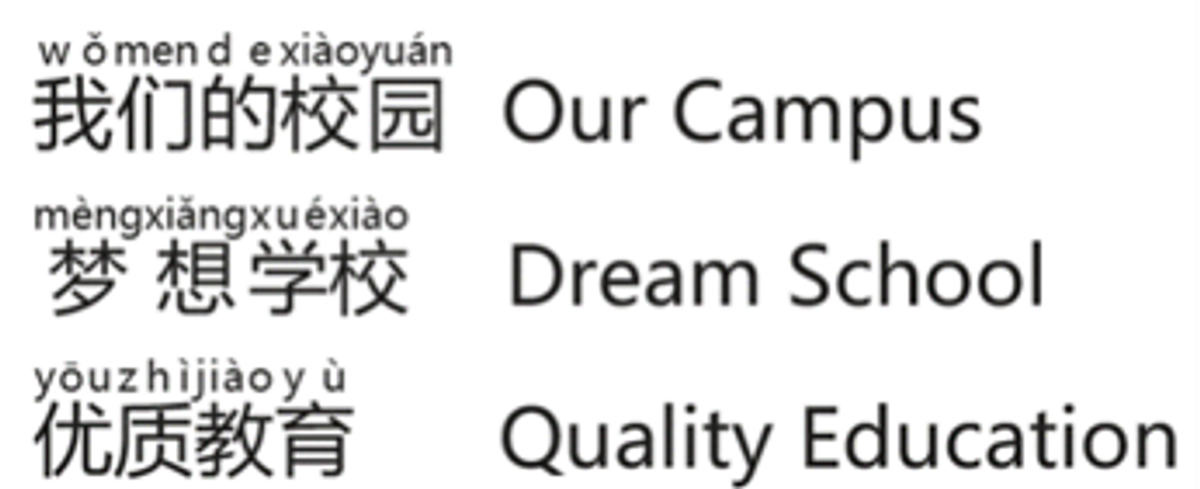
This term, Year 5 students will extend their Chinese language skills by using more complex sentence structures and vocabulary to describe their school and learning environment. Through an engaging inquiry into schools around the world, students will explore similarities and differences in education and share their ideas about what makes a quality learning experience. Alongside their language learning, students will journey into the past to discover the Four Great Inventions of Ancient China—papermaking, printing, gunpowder and the compass—and explore how these remarkable innovations have influenced China and the wider world.
Curriculum Links:
Create and present spoken and written texts, using a variety of vocabulary, modelled sentence structures and conventions appropriate to text type, using familiar Hanzi with Pinyin as support (VC2LC6C05)
Identify cultural features in language use and explain differences between Chinese and English practices. (VC2LC5U03)
Key Vocabulary:
Year 6
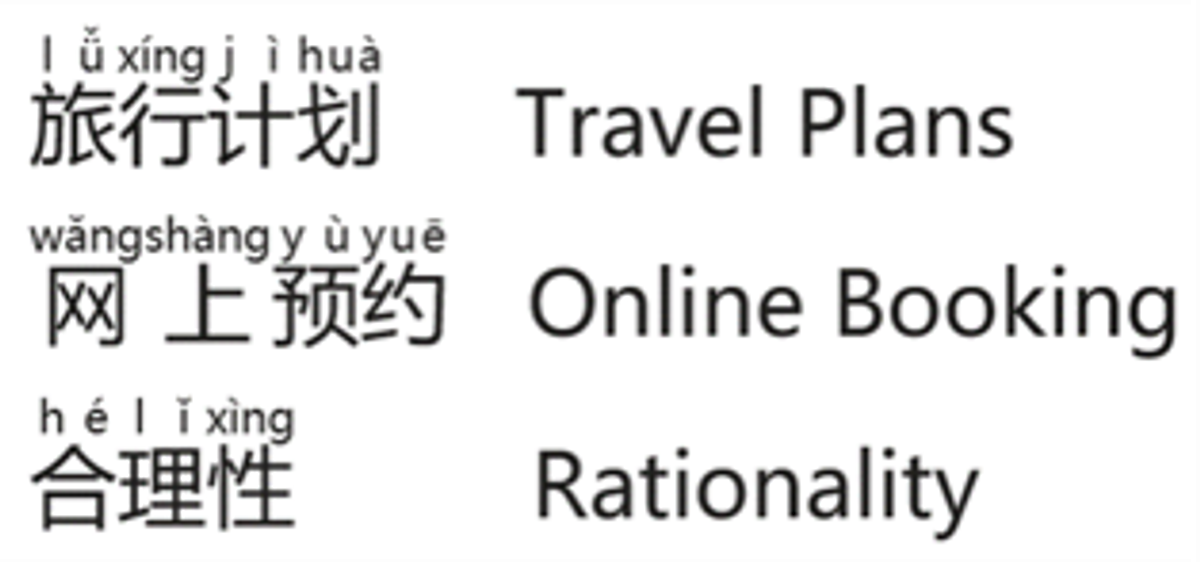
This year, students have explored a range of topics in Chinese, including shopping, clothing, cities in China, major cuisines, dining etiquette, and everyday conversations. In Term 4, they will build on this knowledge by creating a comprehensive travel plan in Chinese. Working in teams, students will apply their problem-solving and cross-cultural skills to design plans that cover visas, flights, hotels, itineraries, weather, and packing. As part of the project, students will also develop a personal travel dictionary. To showcase their learning, students will have a variety of presentation options. These may include producing evidence such as a passport, packing list, tickets, travel budget, or a local food menu.
Curriculum Links:
Participate in extended interactions using familiar and some new vocabulary and sentence structures. (VC2LC6C01)
Identify cultural practices and explain their influence on language use. (VC2LC6U03)
Key Vocabulary:
How can you support your child’s language learning at home?
- Practise for 5–10 minutes: Review a few familiar Chinese words and phrases from class each day.
- Use Chinese around the home: Name everyday objects, count items, or practise simple greetings and questions.
- Let your child be the teacher: Ask them to teach you a new Chinese word, phrase or sentence they have learned.
- Make it fun: Enjoy Chinese songs, stories, games or age-appropriate videos together.
- Explore Chinese culture: Try a Chinese dish, learn about a festival, or discover an interesting cultural tradition.
- Encourage and celebrate: Praise your child’s effort and encourage them to have a go, even when they make mistakes.
- Keep it regular: Short, positive practice opportunities can build confidence and make a big difference to language learning!
- Read together: Borrow bilingual Chinese storybooks from the school or local library and enjoy reading them together with your child.