Cultural Liaison News

“Be A Health Hero”
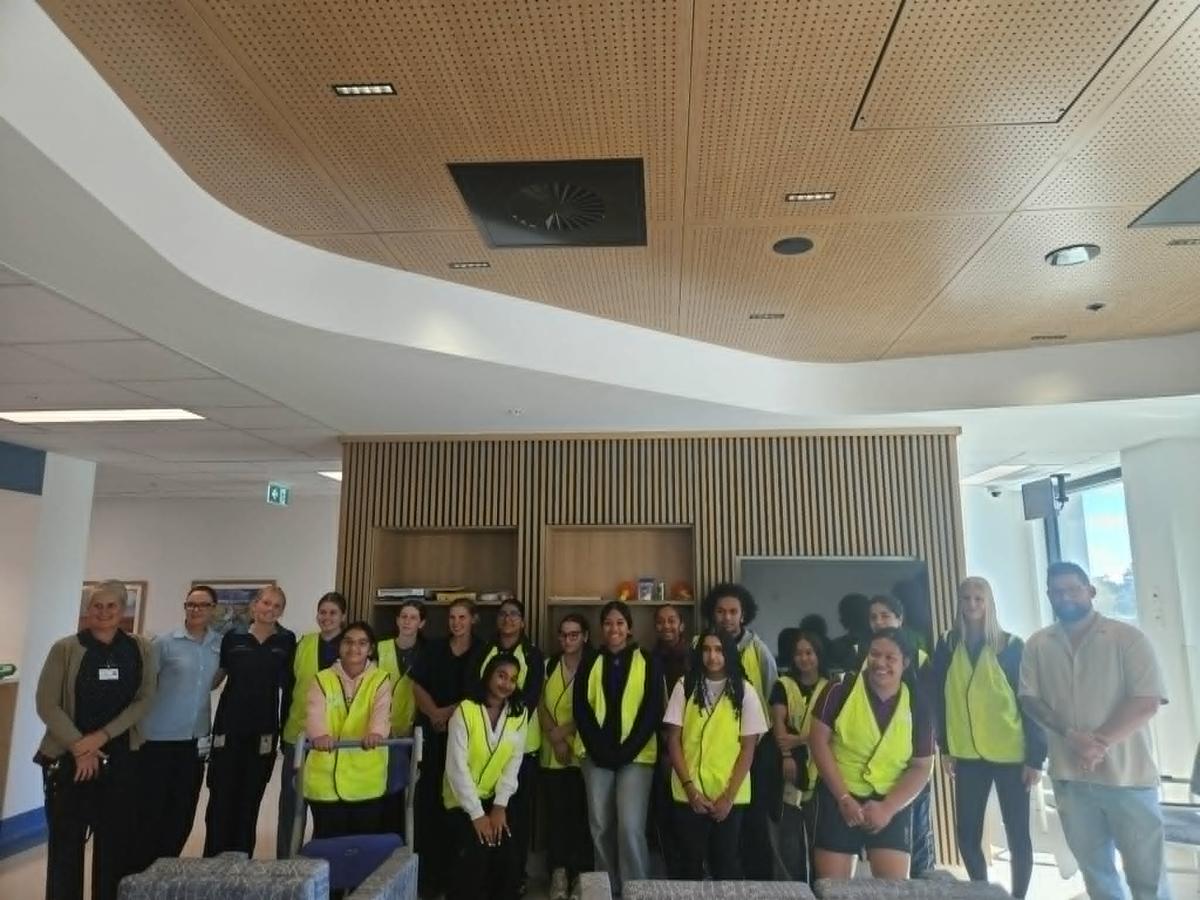
After many months of planning, Grow Our Own and a range of local stakeholders collaborated to deliver an exciting new opportunity for students across the Western Riverina region called “Be A Health Hero.”
The event was held across three locations in Leeton and Griffith for Year 10 students interested in pursuing careers in the health industry. Many students have found it challenging to access work experience opportunities in this field; therefore, local organisations came together to create a program that allowed students to explore medical, nursing, and allied health careers through a series of interactive workshops and hands-on learning experiences.
The three-day program was held from Monday 18 May to Wednesday 20 May and featured presenters from the University of Wollongong, Country Universities Centre, Griffith Base Hospital, Charles Sturt University, TAFE NSW, and a range of allied health professionals.
Monday 18 May
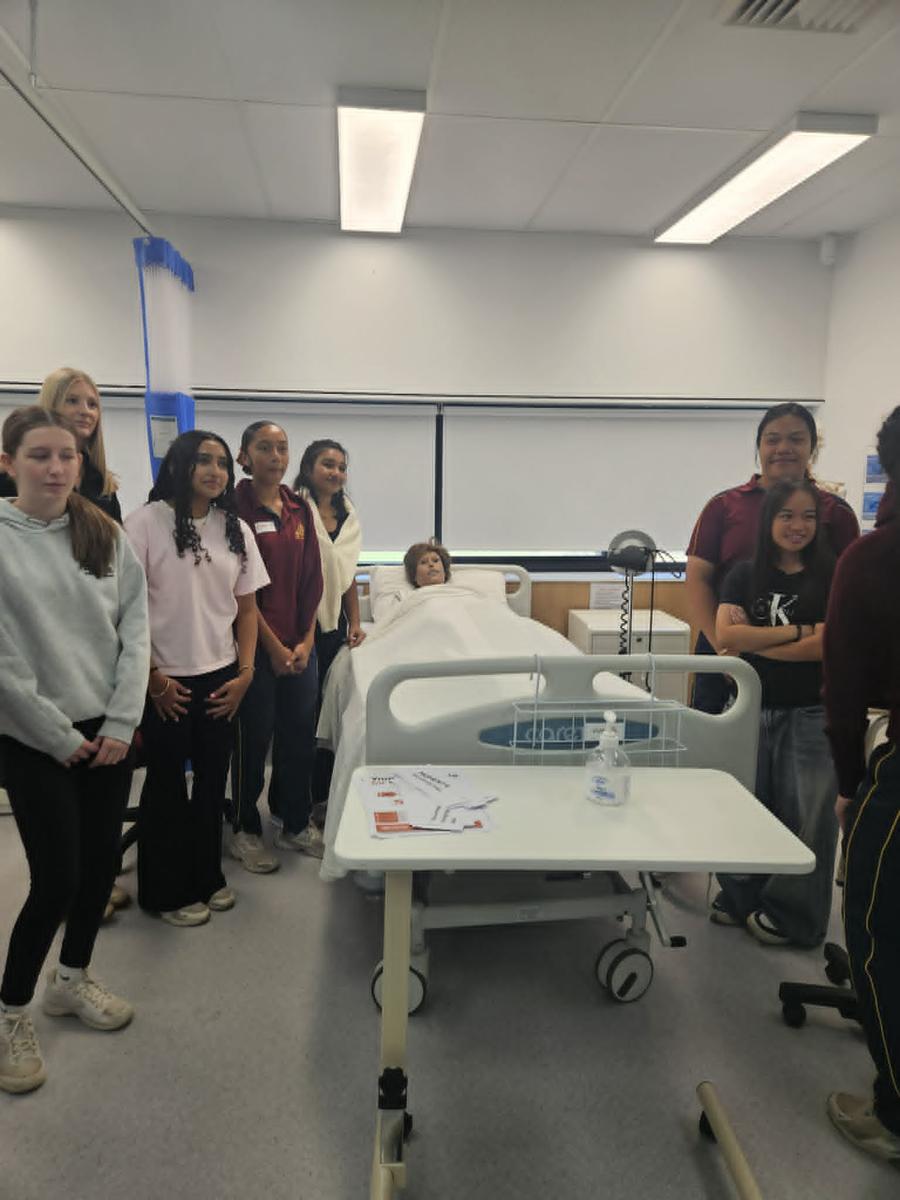
Eight students from Marian Catholic College attended the “Be A Health Hero” program alongside students from other local secondary schools. The day commenced at the Griffith Community Centre, where students were welcomed by Katie Friedlieb, Senior Project Officer for the Regional Industry Education Partnerships (RIEP) Program. Katie introduced the presenters and provided an overview of the three-day event.
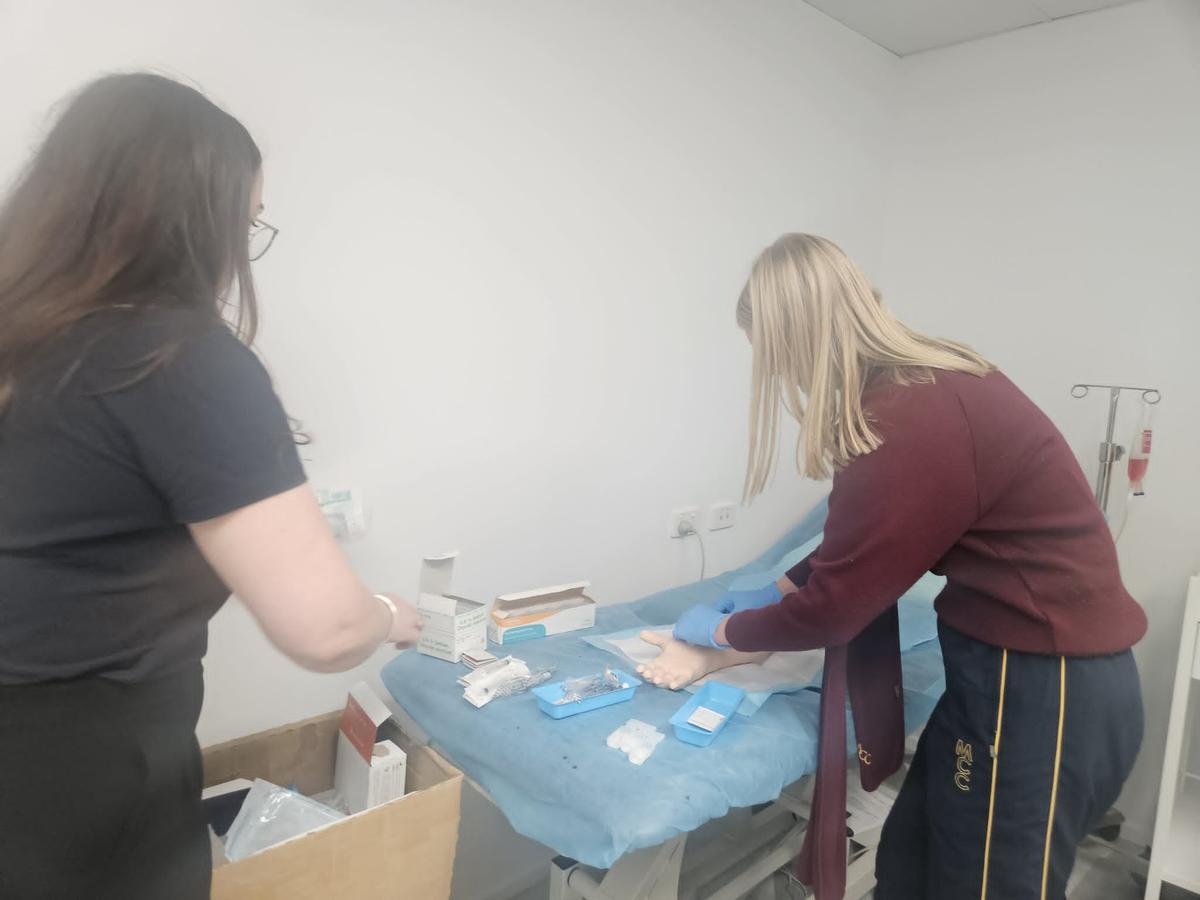
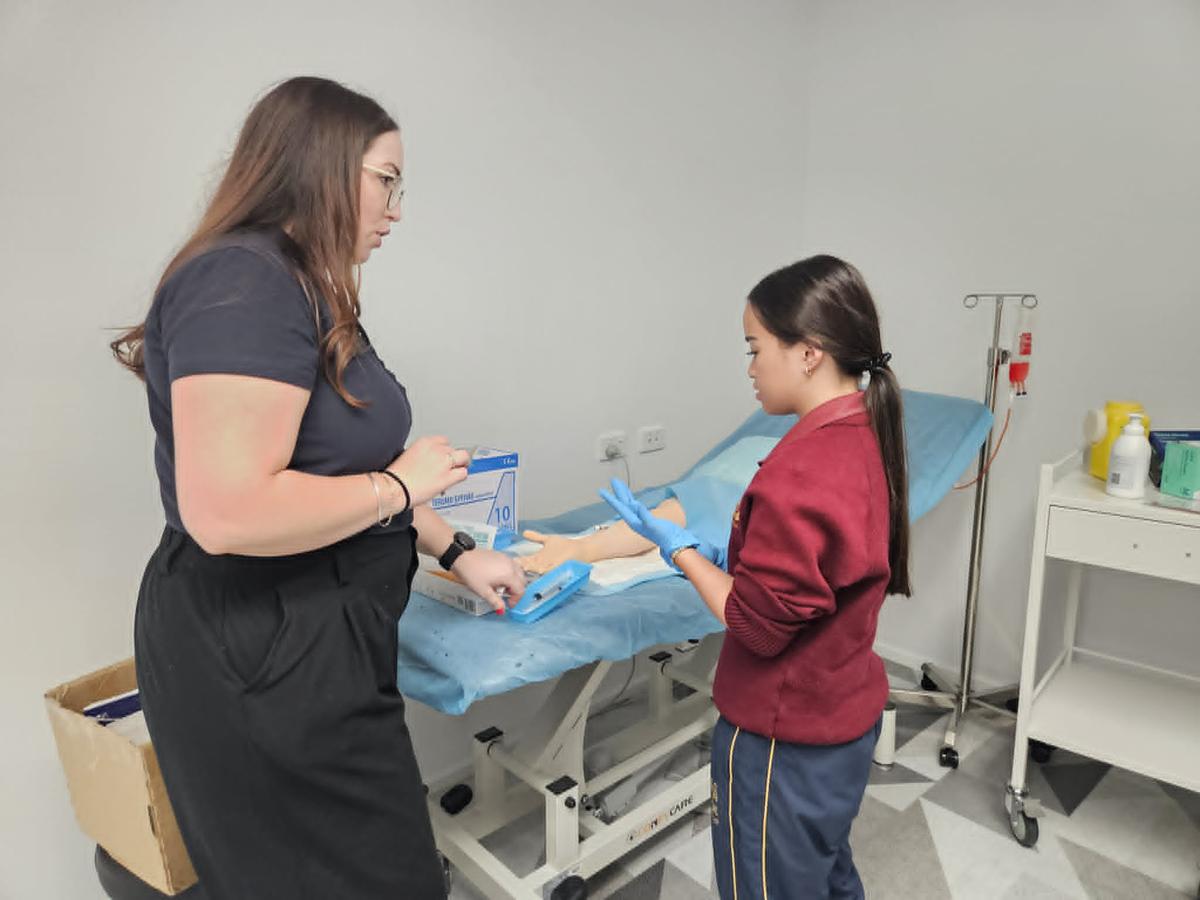
Representatives from the University of Wollongong included a Careers Coordinator and two final-year medical students completing their clinical placements at Griffith Base Hospital. There was no time to waste, as the medical students immediately engaged participants in a practical activity demonstrating how to correctly bandage a patient’s arm. All students enthusiastically participated in the exercise.
Students were then divided into two groups to attend a range of interactive sessions. One group met with University of Wollongong representatives, who discussed pathways into various health professions and outlined Year 11 subject selections recommended for students considering university study. Alternative pathways, including transitioning from TAFE into nursing and other health-related careers, were also explored. Students found this information highly relevant and valuable for their future planning.
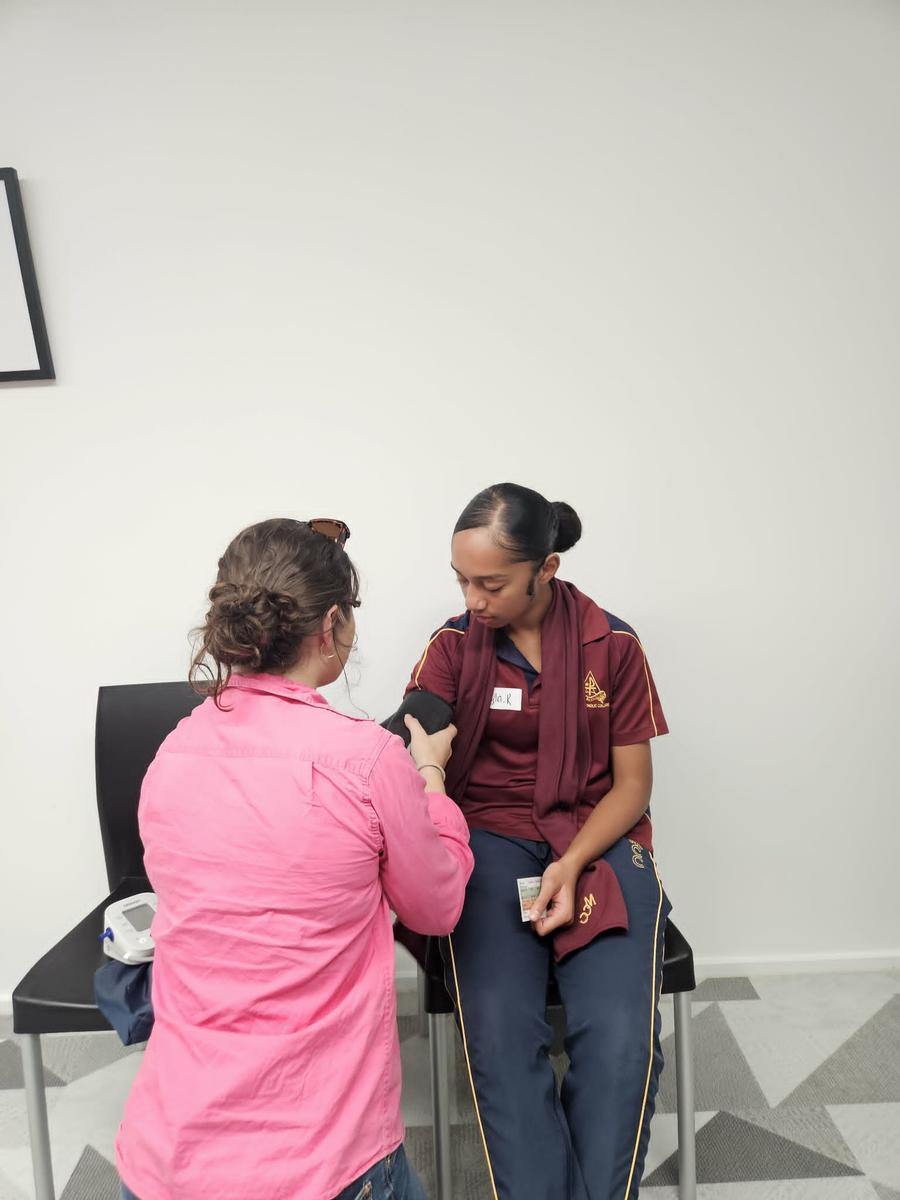
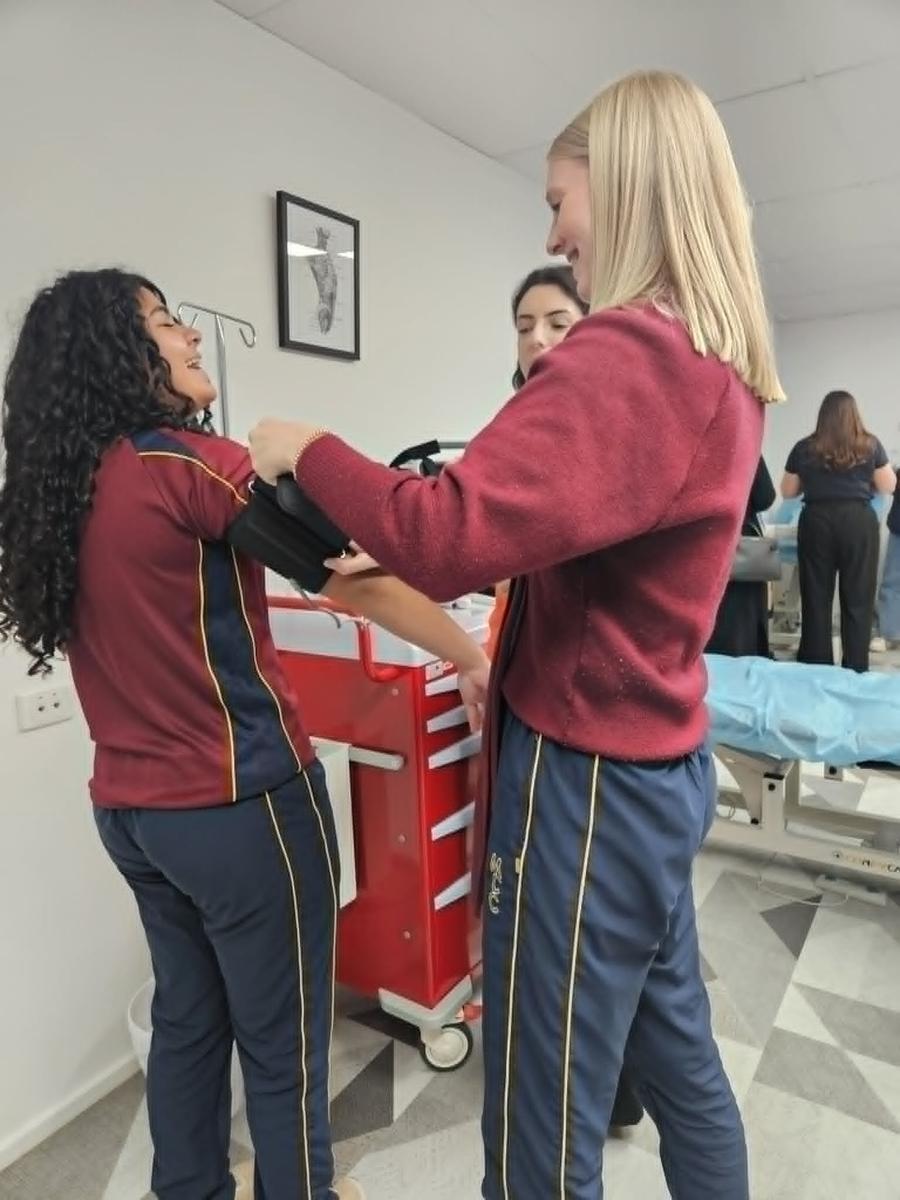
Meanwhile, the second group participated in practical activities led by the medical students, gaining insight into the skills developed during the final years of medical school. Students had the opportunity to listen to heartbeats using stethoscopes, check pulse rates, and measure blood pressure. These hands-on experiences provided an engaging introduction to clinical practice and gave students a greater appreciation of the skills required in healthcare professions.
At the conclusion of the health sessions, students toured the local Country Universities Centre. Maddison Ramponi (Centre and Outreach Coordinator) and Shiron Kirkman (Centre Manager) introduced students to the support services available for regional students studying through distance education. They also highlighted the outreach programs offered to secondary school students across the region. Students were pleased to learn that Country Universities Centres are available in both Griffith and Leeton.
The first day of the program was both informative and engaging, providing students with valuable exposure to the diverse range of career opportunities available within the health sector.
Tuesday 19 May
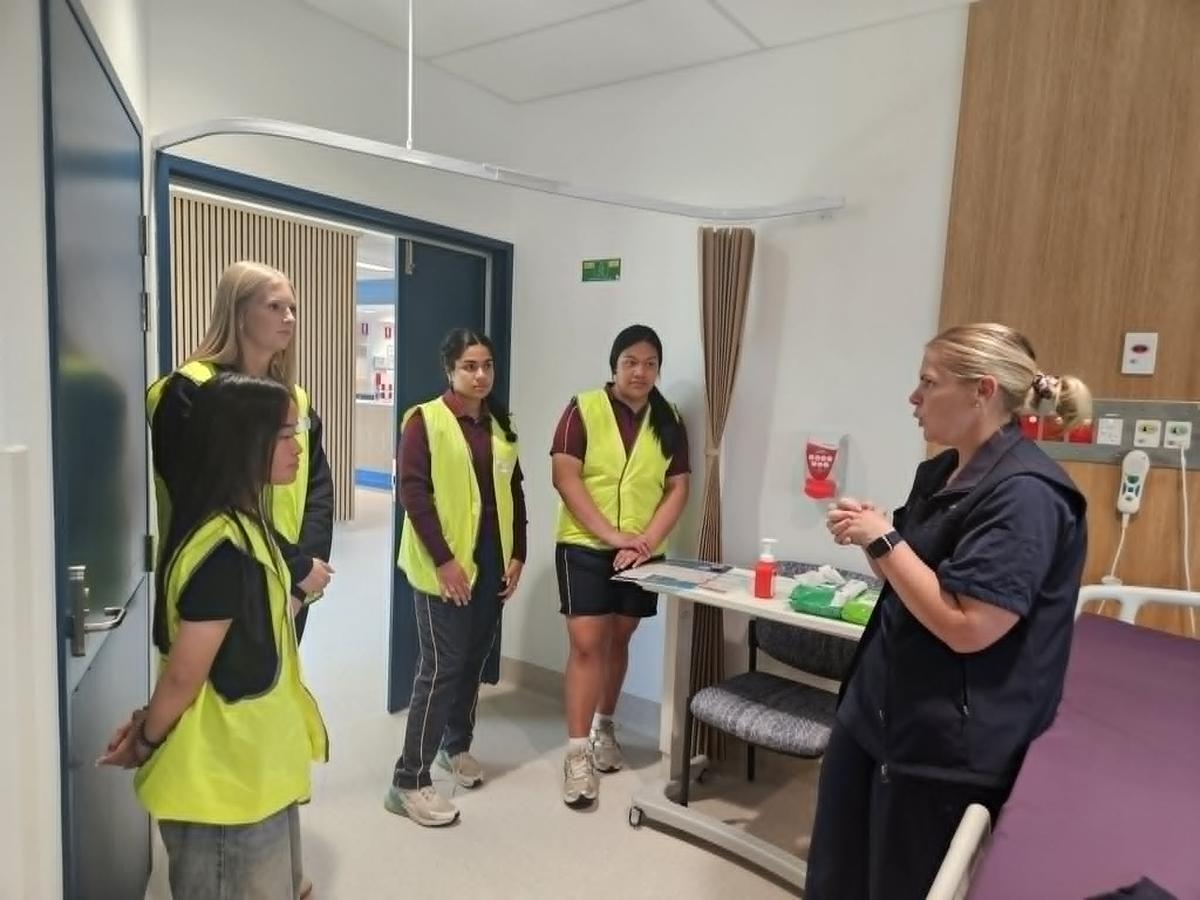
The second day of the program was held at Griffith Base Hospital, where students met with the General Manager, Human Resources Manager, Nursing Unit Managers, and other healthcare professionals. Each presenter outlined their role and responsibilities before students were divided into groups to participate in a range of workshops.
One group met with the school-Based Apprenticeship and Traineeship (SBAT) Coordinator, who explained pathways into nursing through school-based apprenticeships and traineeships. Students were able to ask questions about the requirements needed to gain an SBAT and learn about the opportunities available while still completing their secondary education.
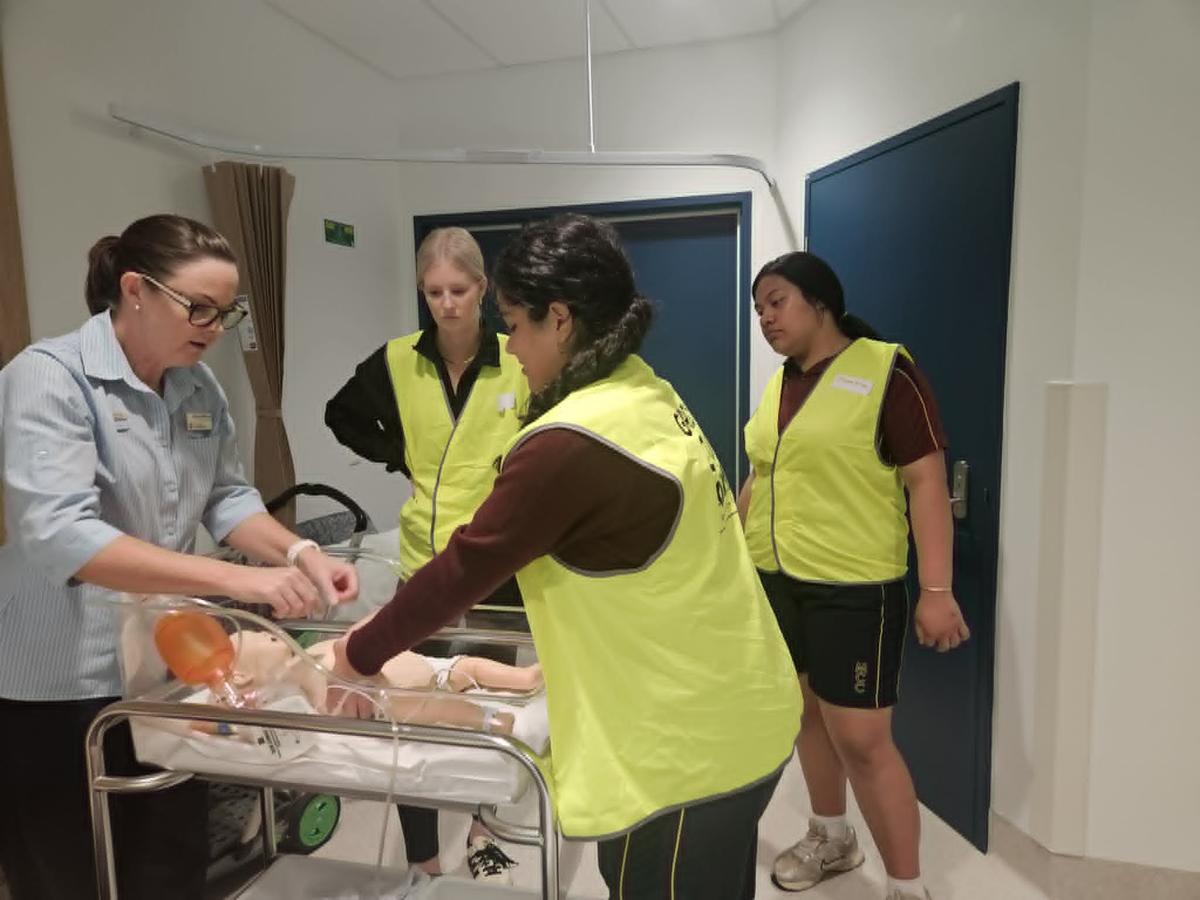
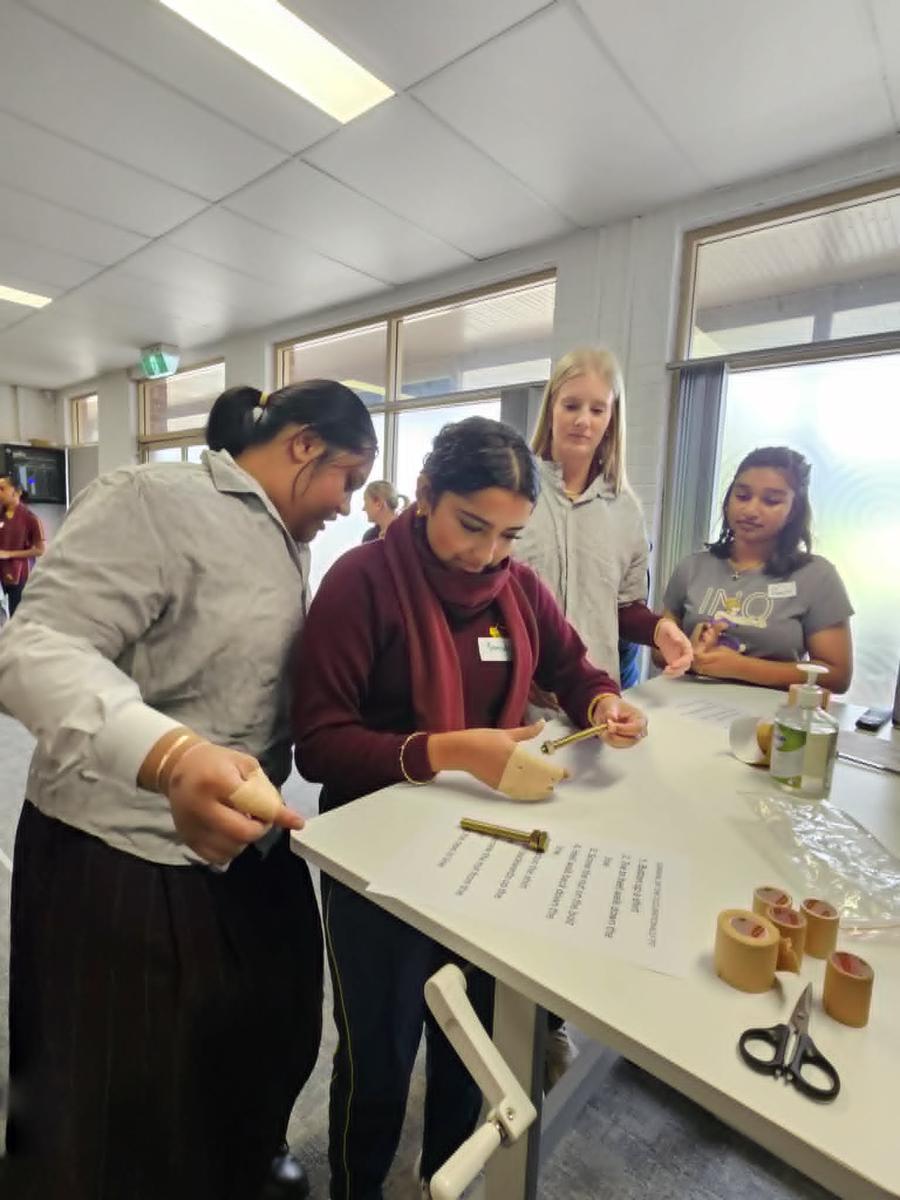
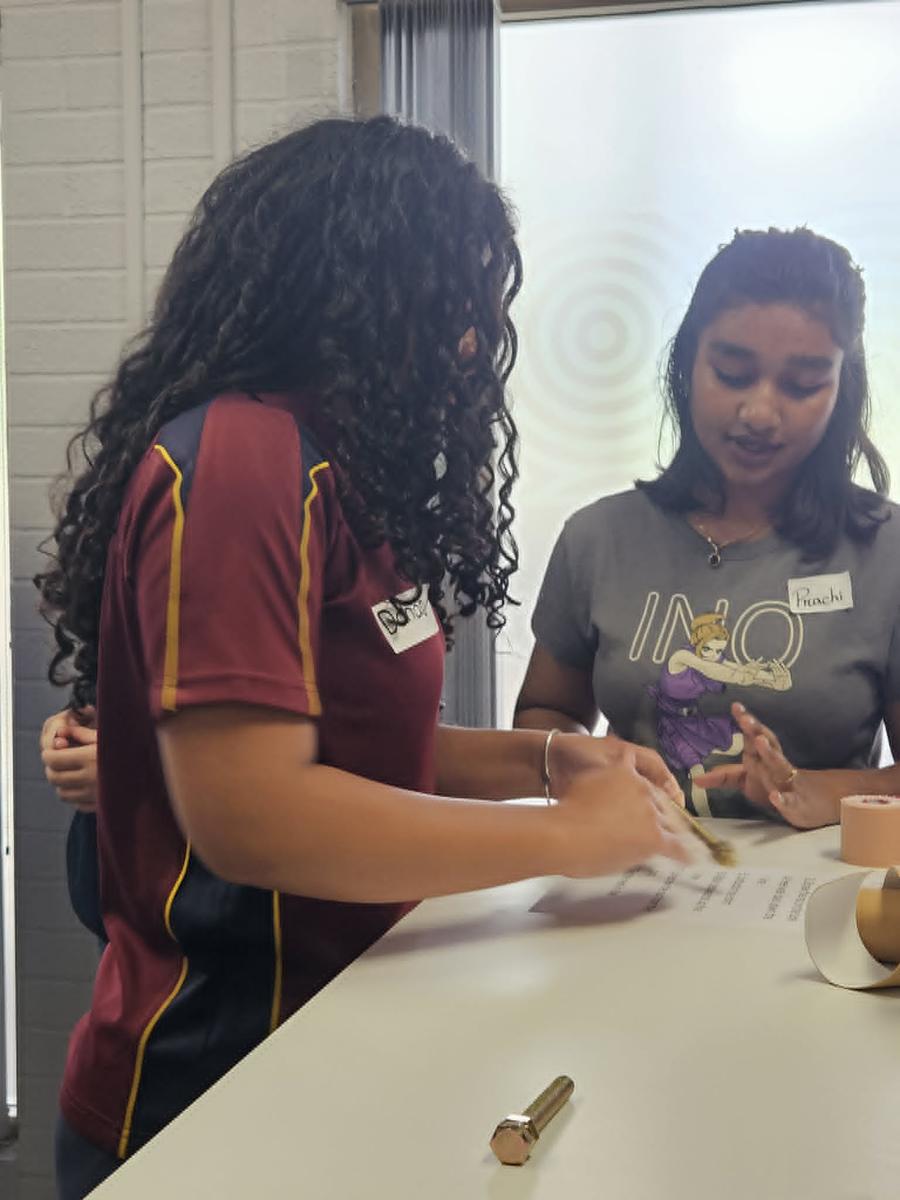
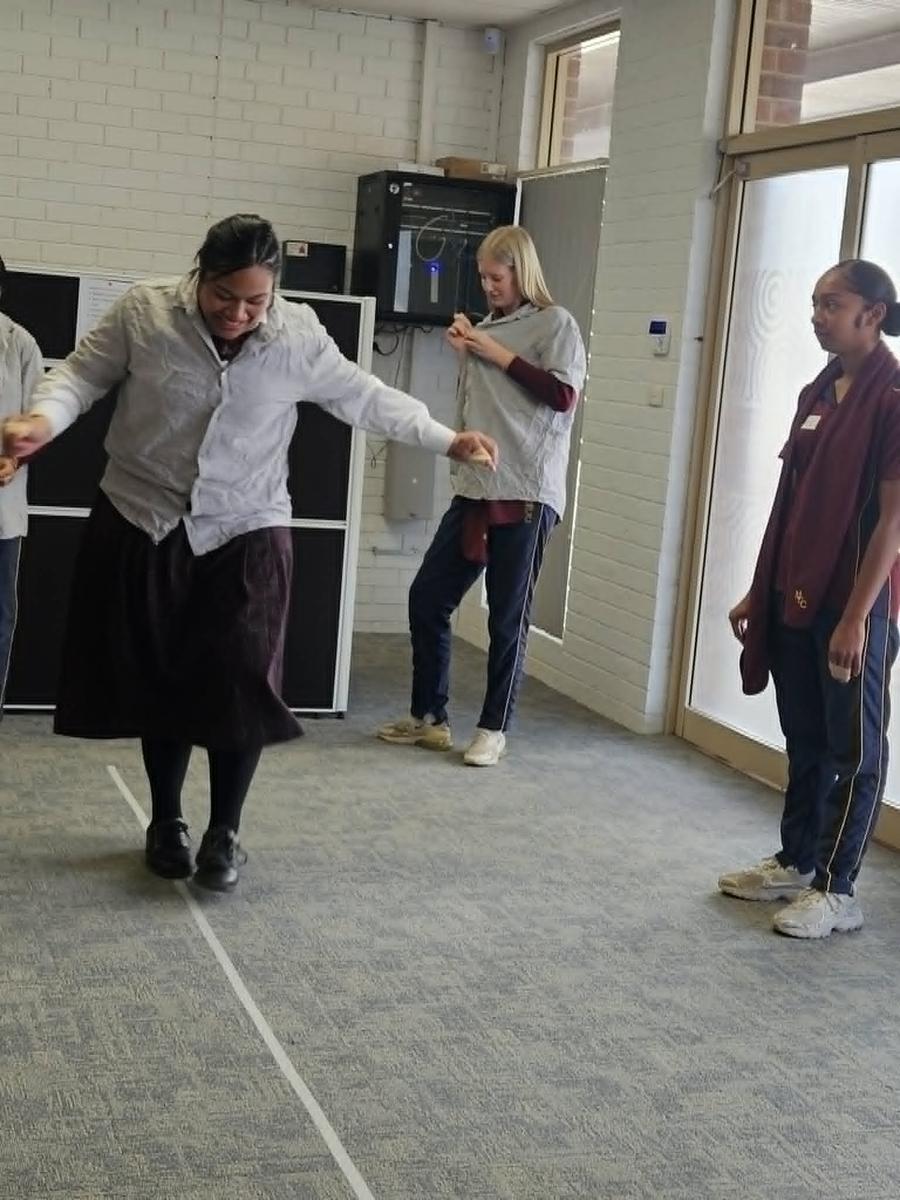
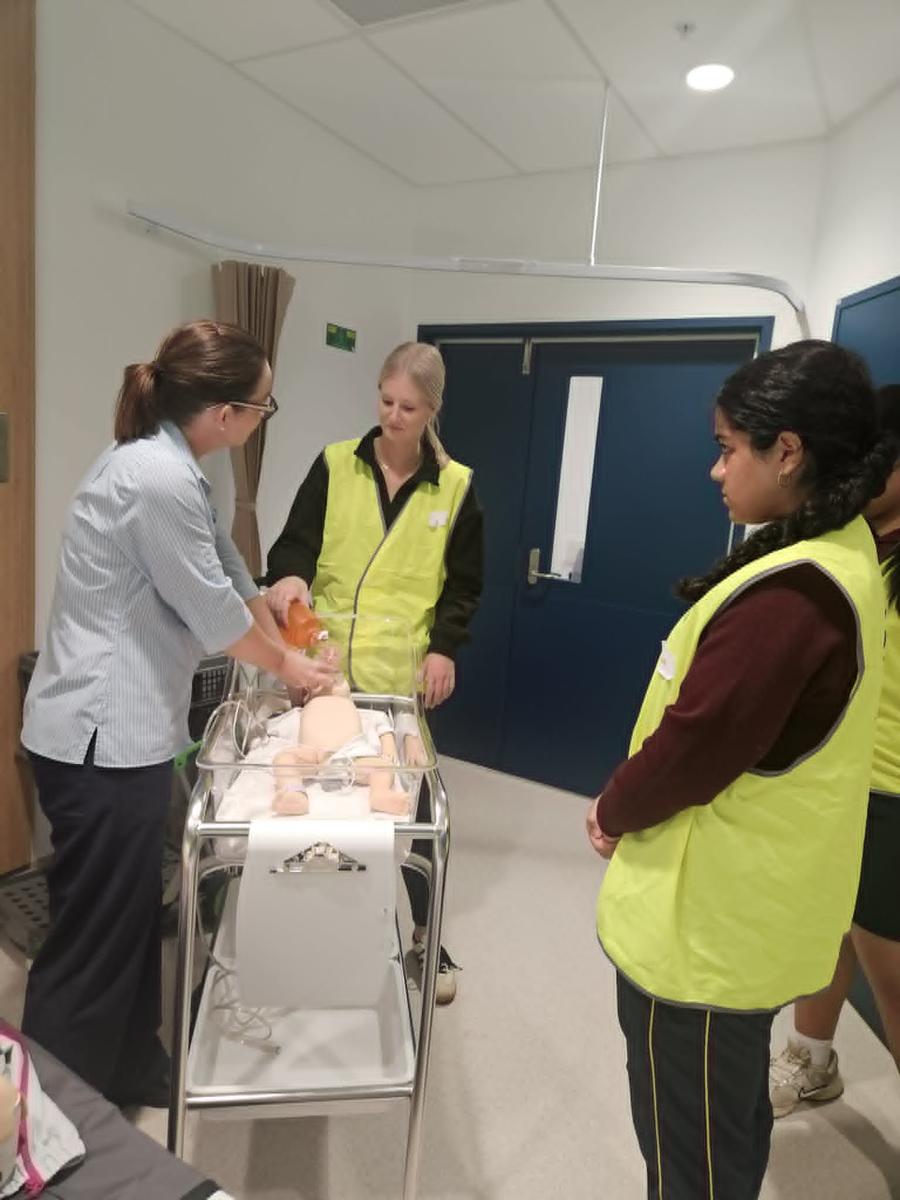
Other groups participated in first aid workshops, learning both theoretical knowledge and practical skills. Students also explored allied health careers and were introduced to modern mobility equipment used to support elderly patients and those undergoing rehabilitation. The session highlighted how advances in technology are improving patient care and independence.
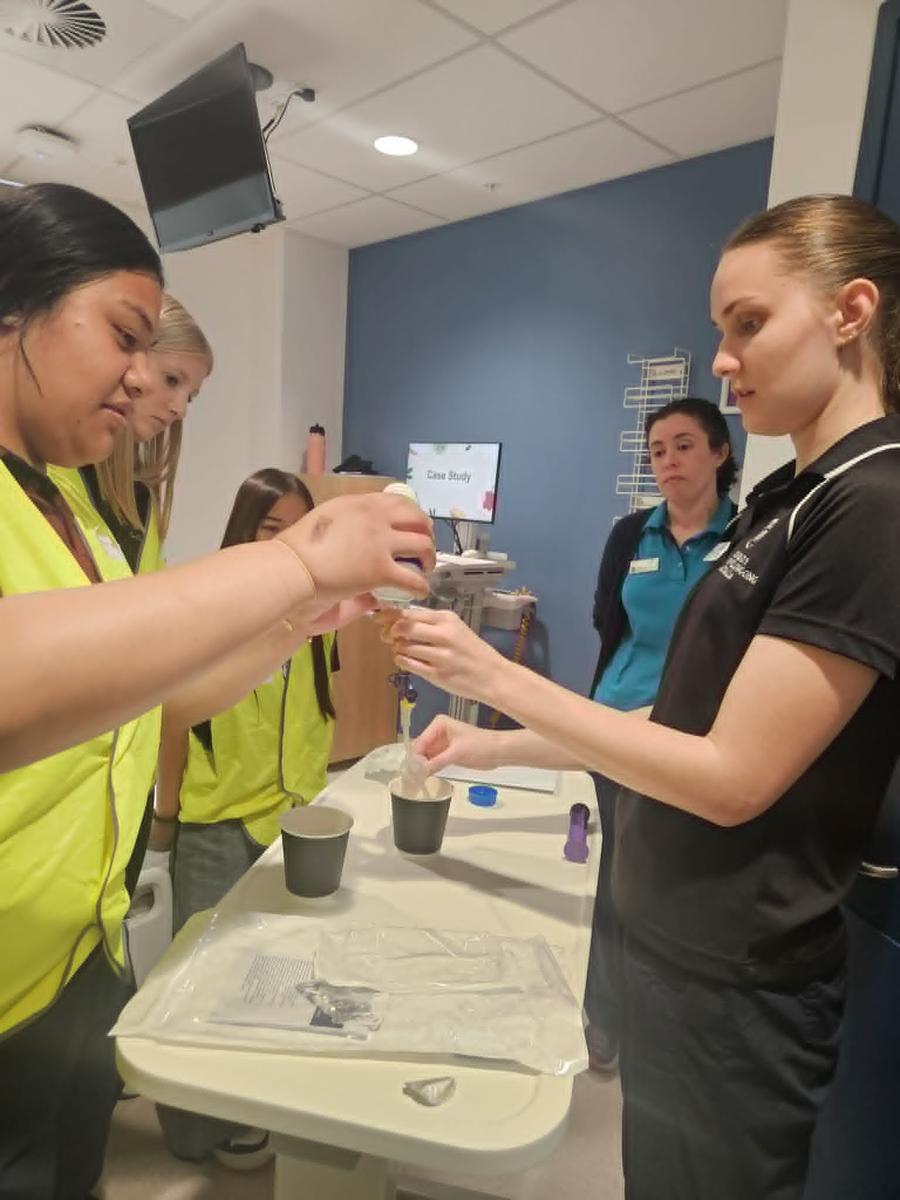
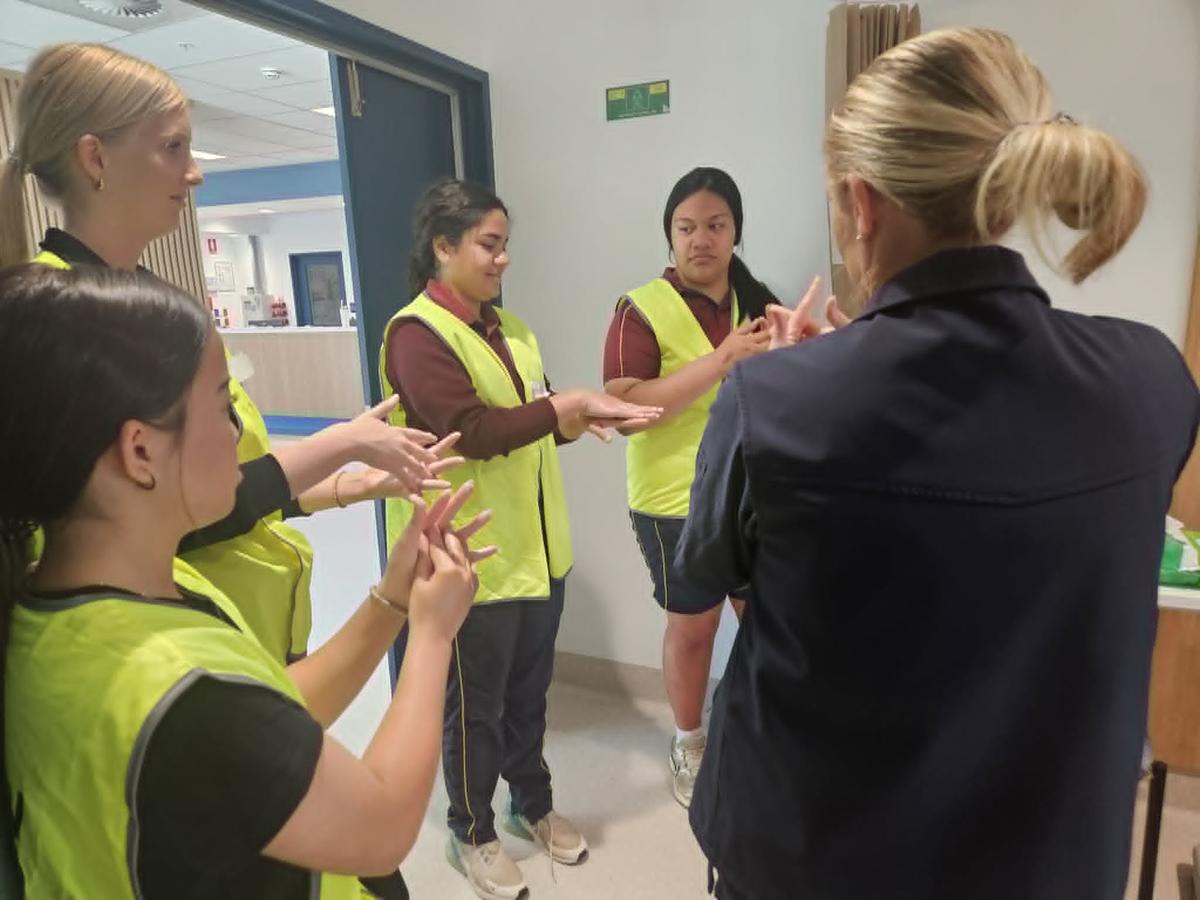
Students also attended a workshop focused on infection prevention and control. They used specialised equipment, including a blue-light torch, to identify bacteria and contamination on hands and surfaces. This activity was both educational and engaging, reinforcing the importance of hygiene practices in healthcare settings.
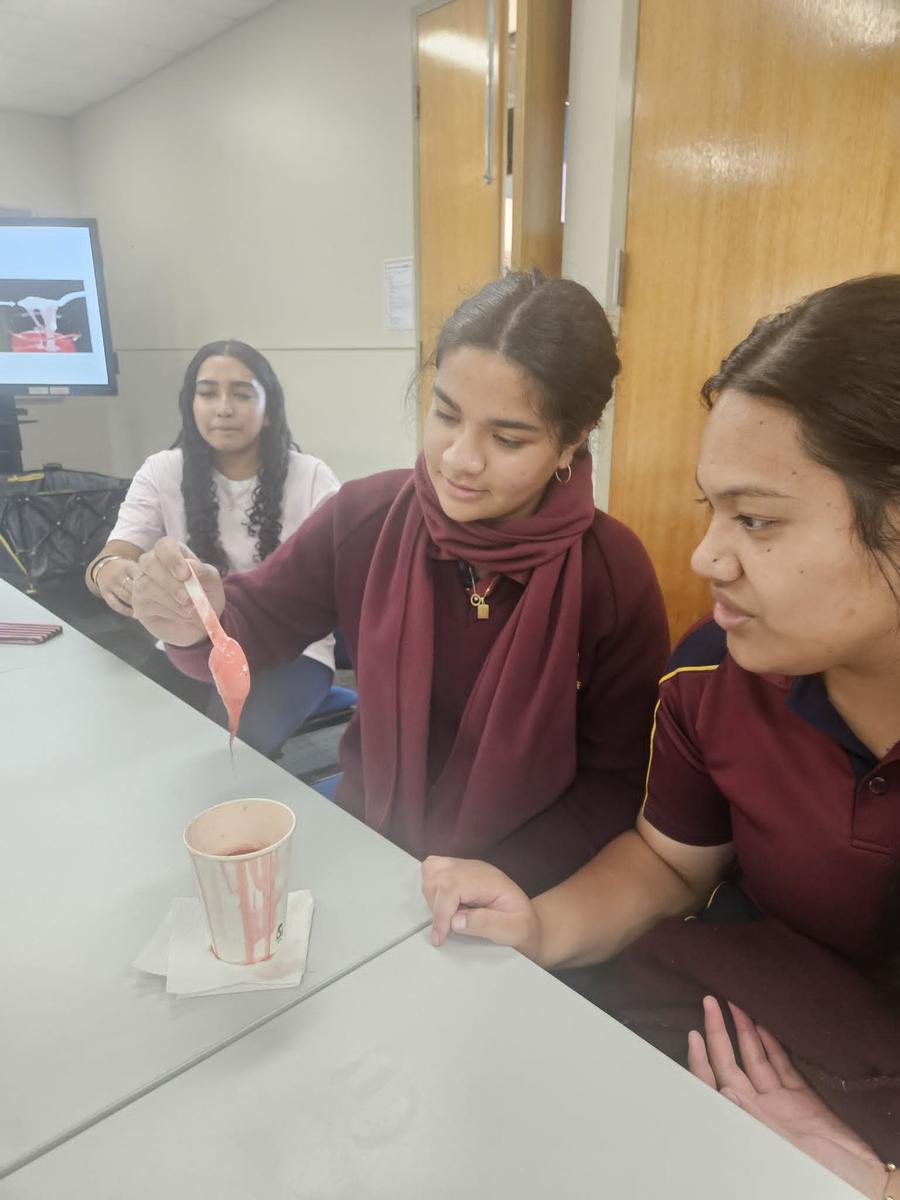
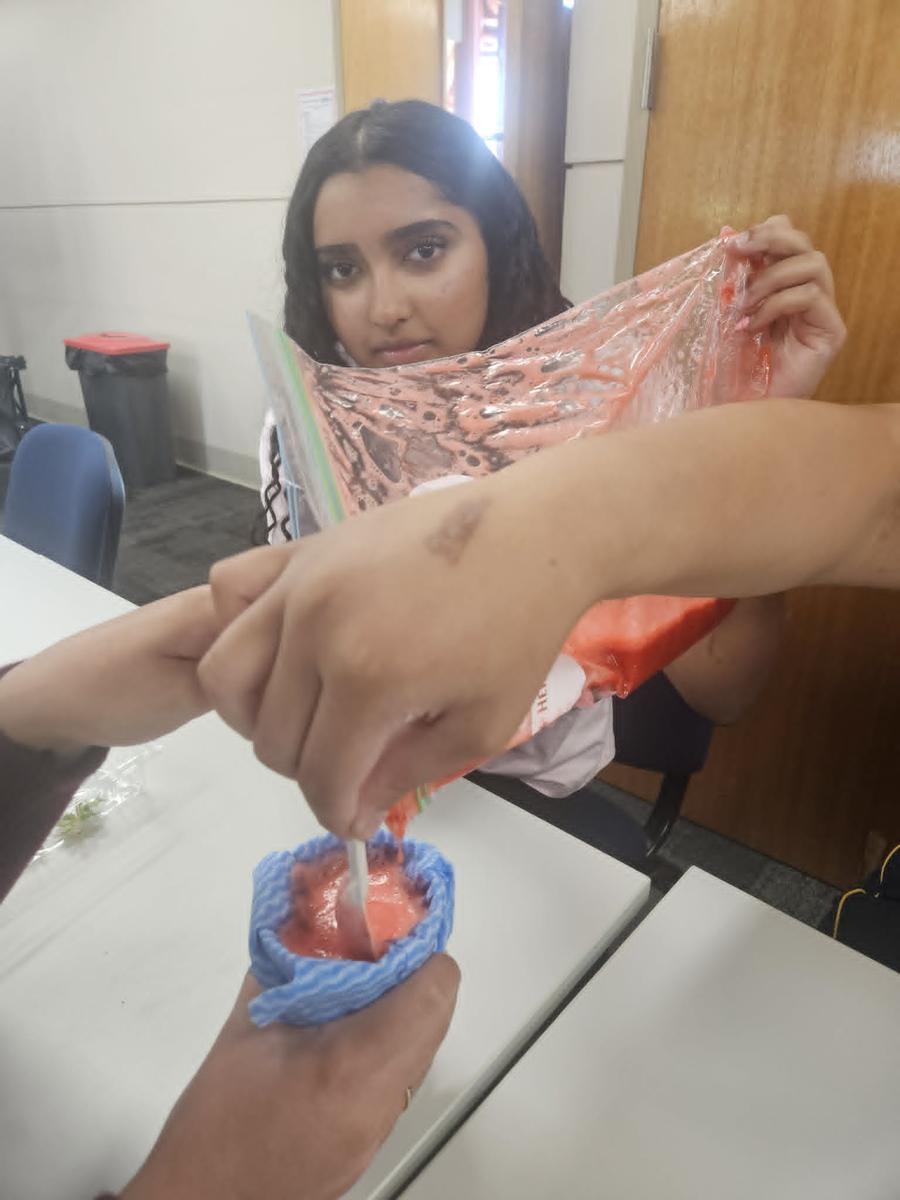
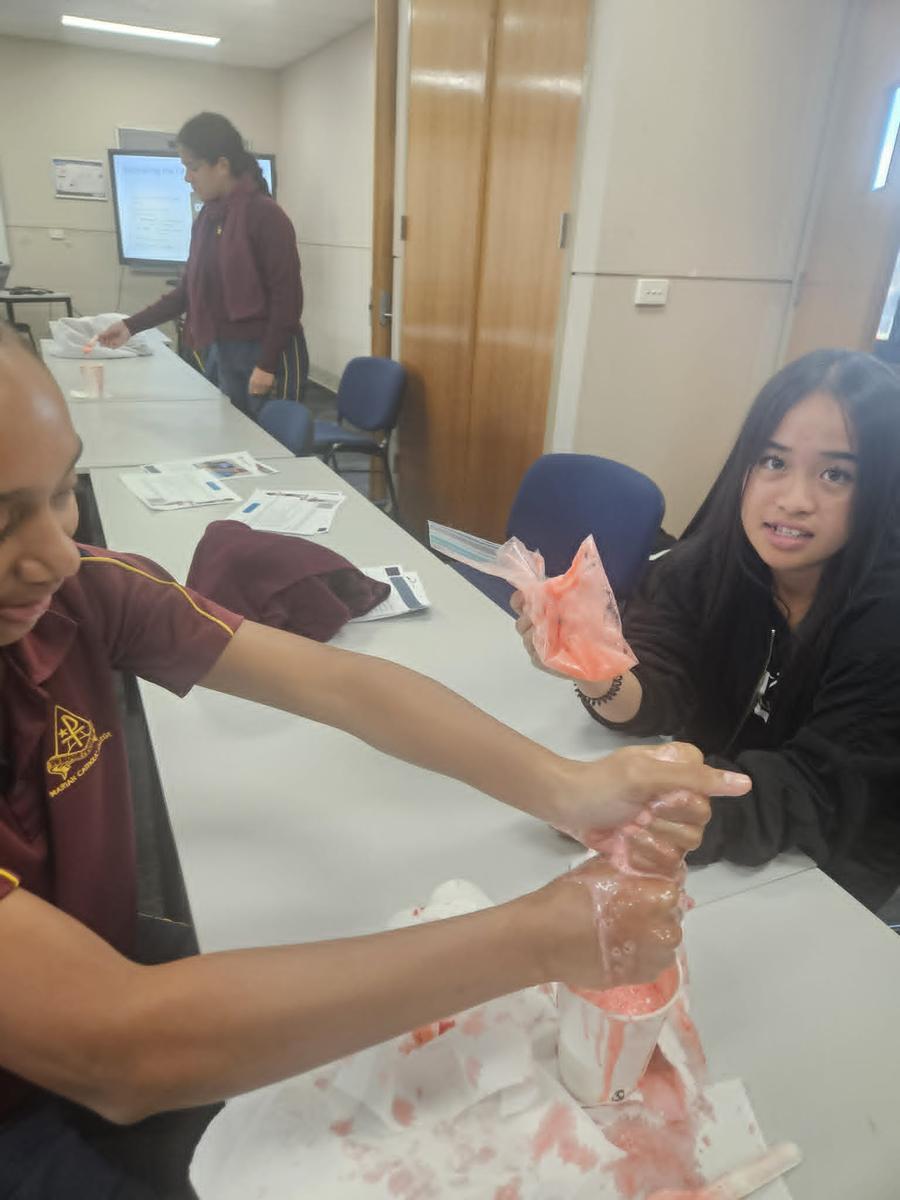
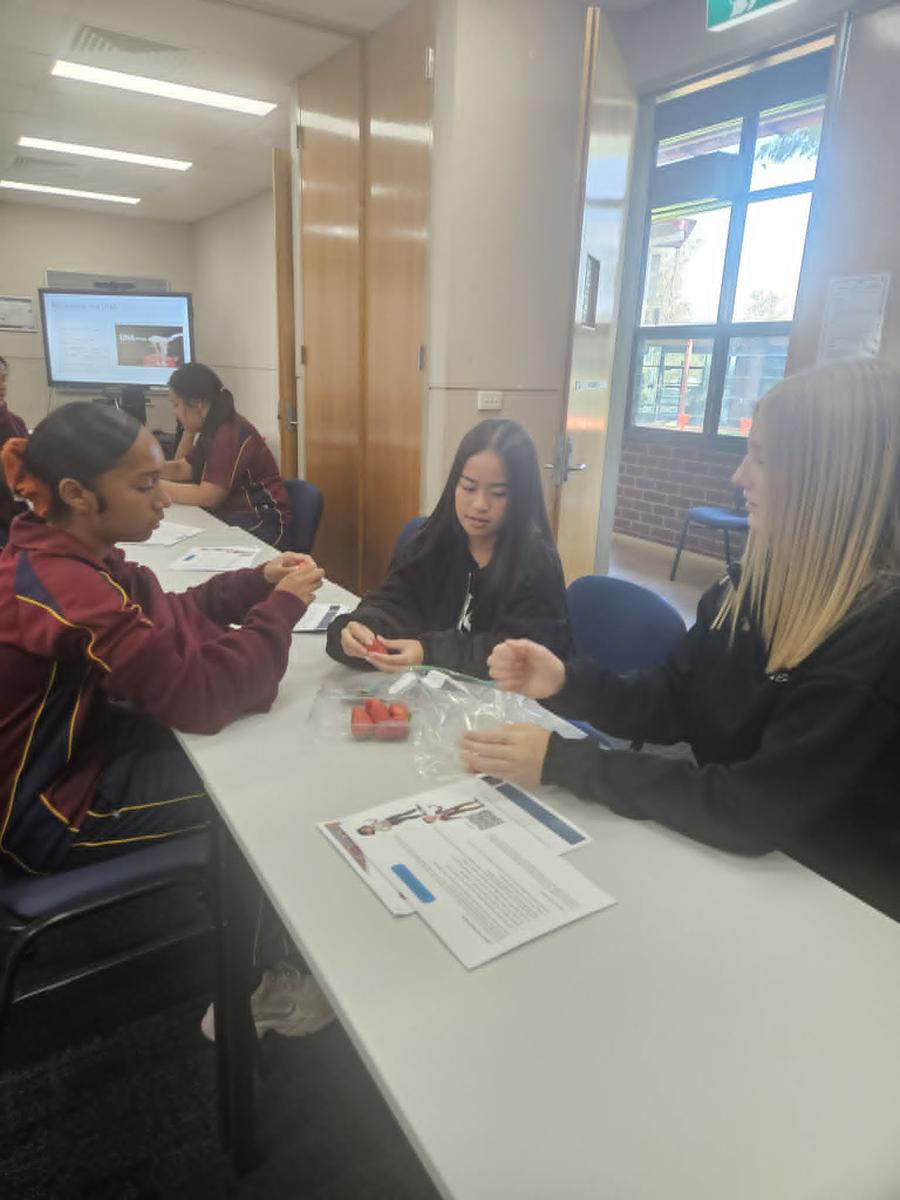
Following a tour of the new Griffith Base Hospital facilities, students travelled to TAFE NSW for another workshop. Here, they reunited with the University of Wollongong medical students, who facilitated a popular science activity involving the extraction of DNA from strawberries.
Students learned that strawberries are ideal for DNA extraction because they are octoploid, meaning they contain eight copies of their genome in each cell. This results in a larger, more visible amount of DNA than many other fruits. The experiment provided students with an engaging introduction to scientific research and laboratory techniques, while also highlighting the role of medical and health research in improving health outcomes.
The group thoroughly enjoyed the activity, with several students expressing an interest in sharing the experiment with their science teachers and classmates.
Wednesday 20 May
The final workshop was held at the Charles Sturt University Rural Clinical School in Griffith.
Presenters from Charles Sturt University discussed pathways into health-related degrees and shared information about studying and training in regional Australia. Medical students currently completing placements at Griffith Base Hospital also spoke about their experiences and provided students with practical demonstrations of clinical skills.
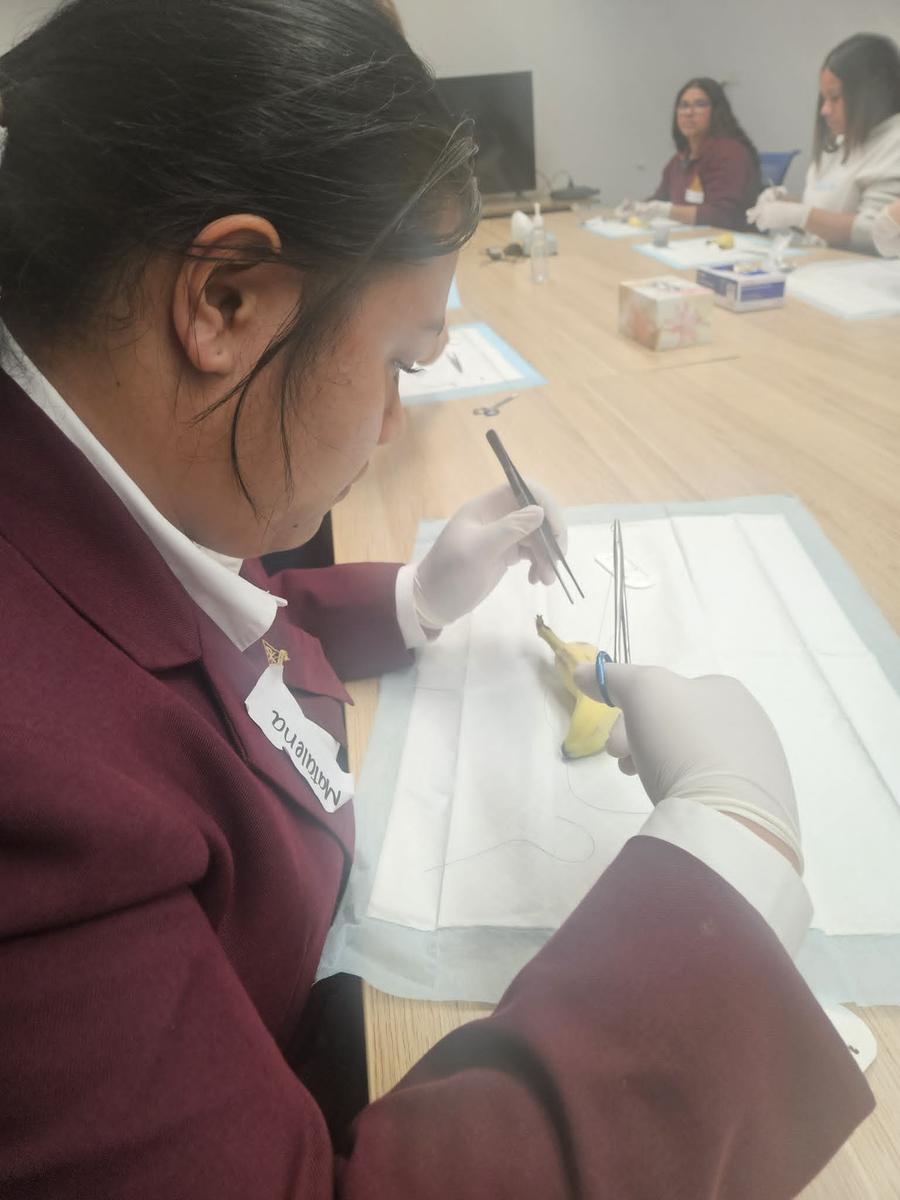
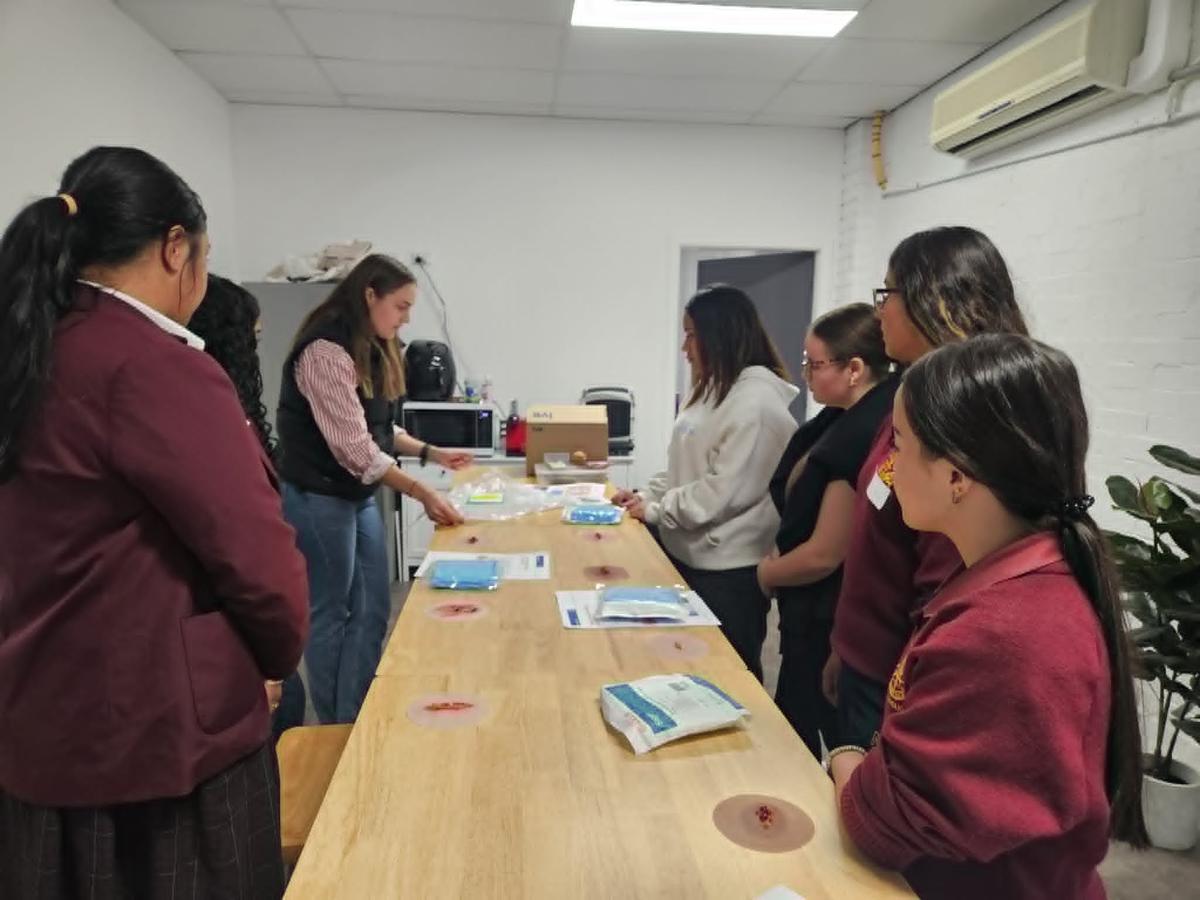
One workshop focused on wound care, where students learned how to clean and dress wounds safely. Another activity introduced students to suturing techniques. Using banana peels, students practised placing sutures under the guidance of medical students. Banana peels are commonly used in training because they closely resemble the texture and resistance of human skin, making them an effective and safe learning tool.
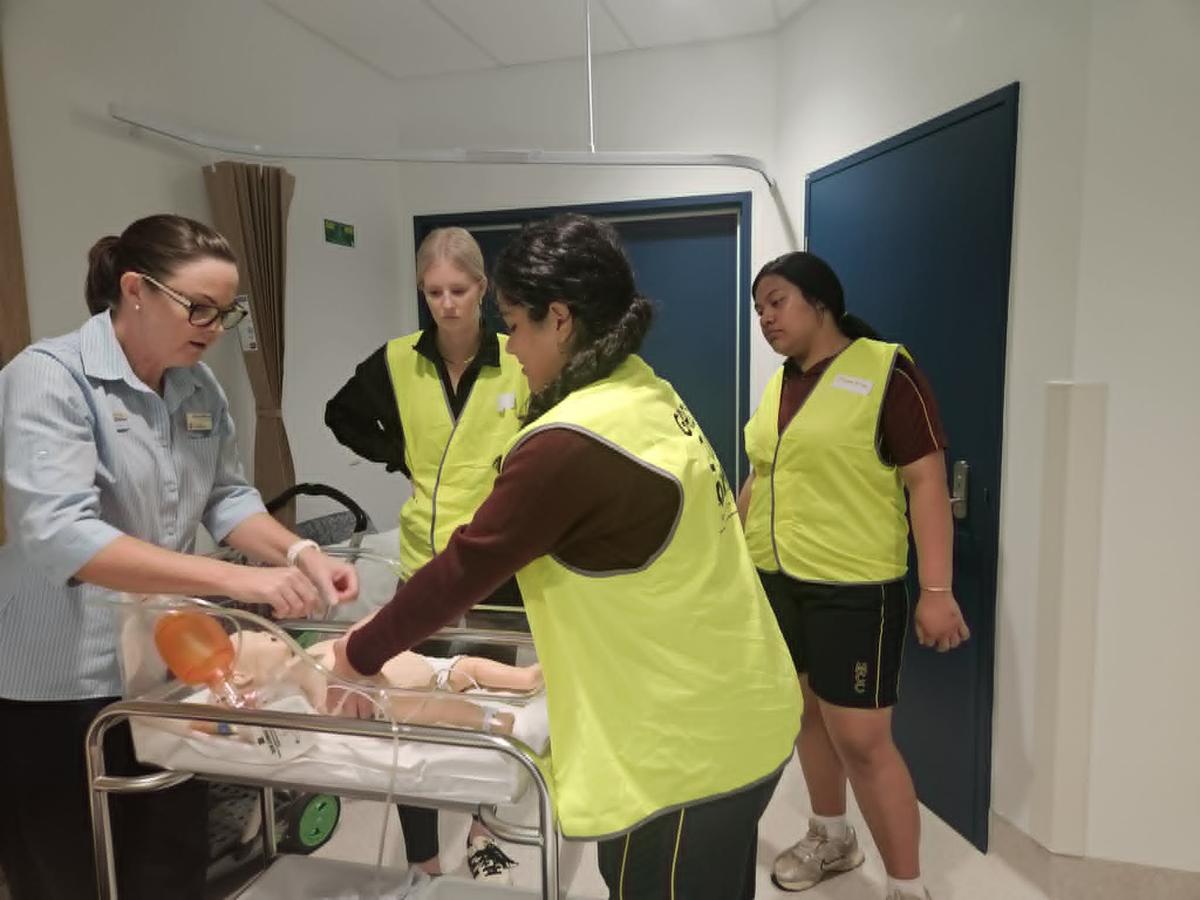
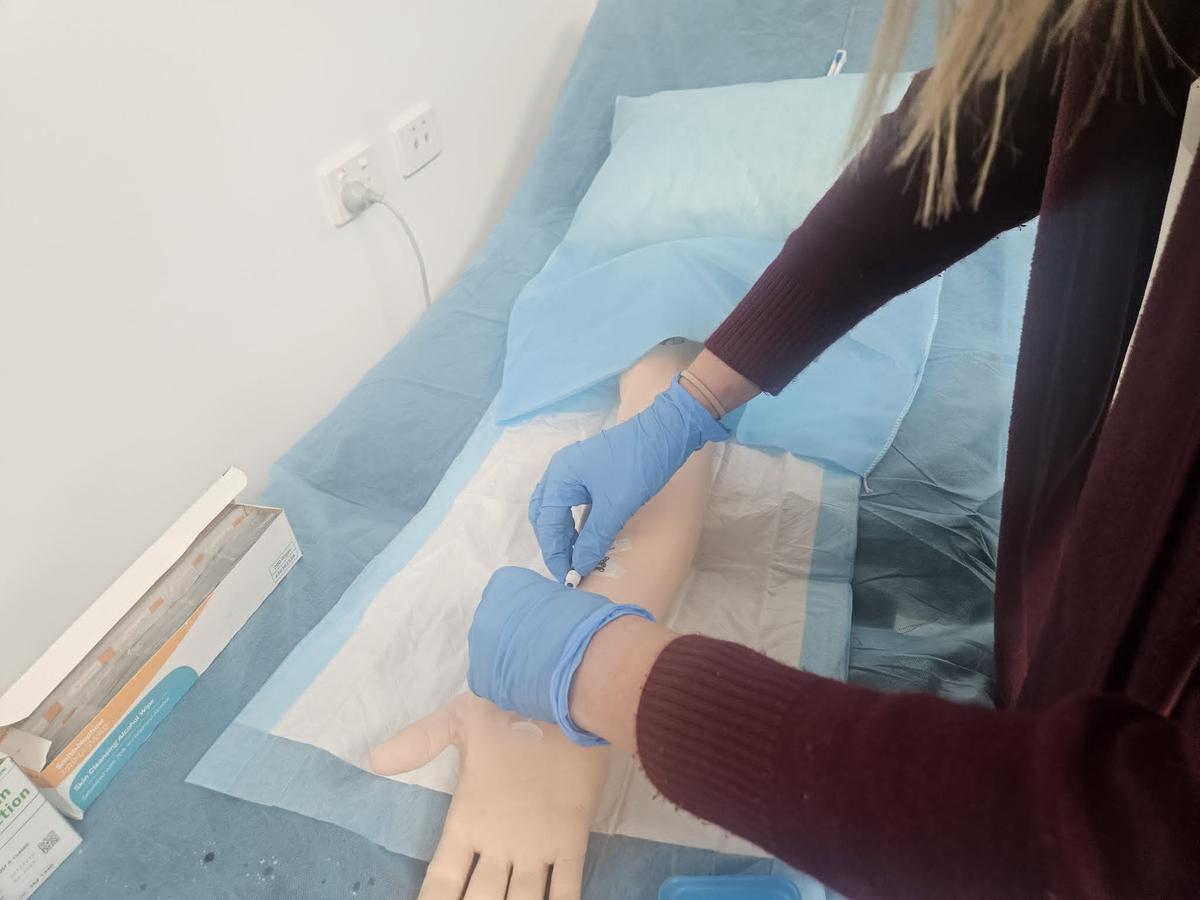
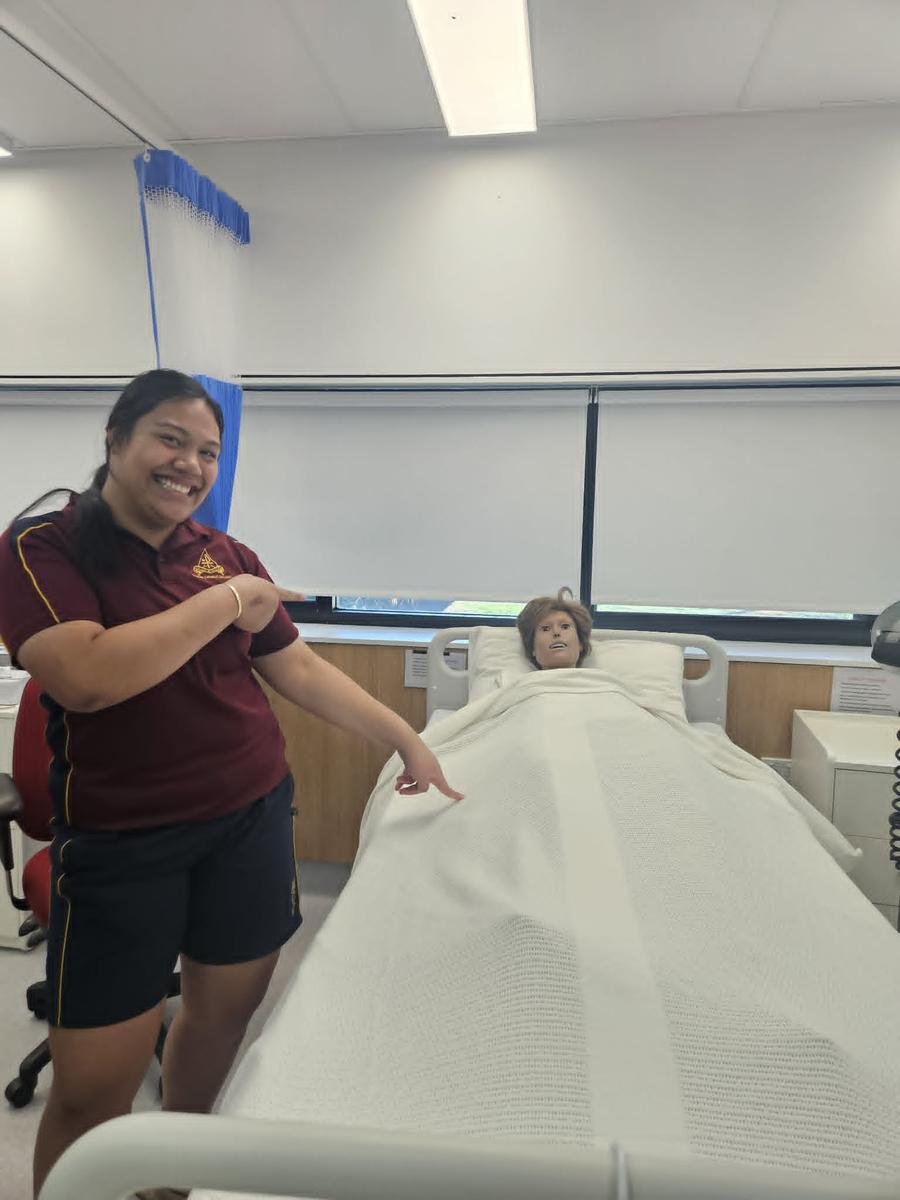
Students also worked with medical simulation equipment, including manikins, 3D-printed body parts, and silicone moulage skin patches. These resources are used in simulated clinical skills training and allowed students to experience procedures such as wound cleaning and debridement in a safe and controlled environment.
The hands-on activities provided a fascinating insight into the practical skills required in medicine and healthcare, while also highlighting the importance of precision, teamwork, and patient care.
A Valuable Experience
At the conclusion of the event, all eight Marian Catholic College students had attended every day of the program and gained valuable insights into the wide range of careers available across the health sector.
Many students commenced the program with a specific medical profession in mind. However, after learning about the diversity of roles within healthcare, several students discovered new areas of interest and began considering alternative career pathways. This highlighted the importance of exposing young people to the many opportunities available within the health industry.
The “Be A Health Hero” program demonstrated that healthcare is a truly multidisciplinary field, with professionals from medicine, nursing, allied health, administration, research, and support services all working collaboratively to provide the best possible outcomes for patients.
A sincere thank you goes to the organisers, presenters, and local organisations that contributed to this outstanding initiative. Their commitment to supporting regional students provided a unique and inspiring opportunity for young people to learn, grow, and explore future careers within the health community.
Careers Stage 5
Sanita Lole
White Card Training
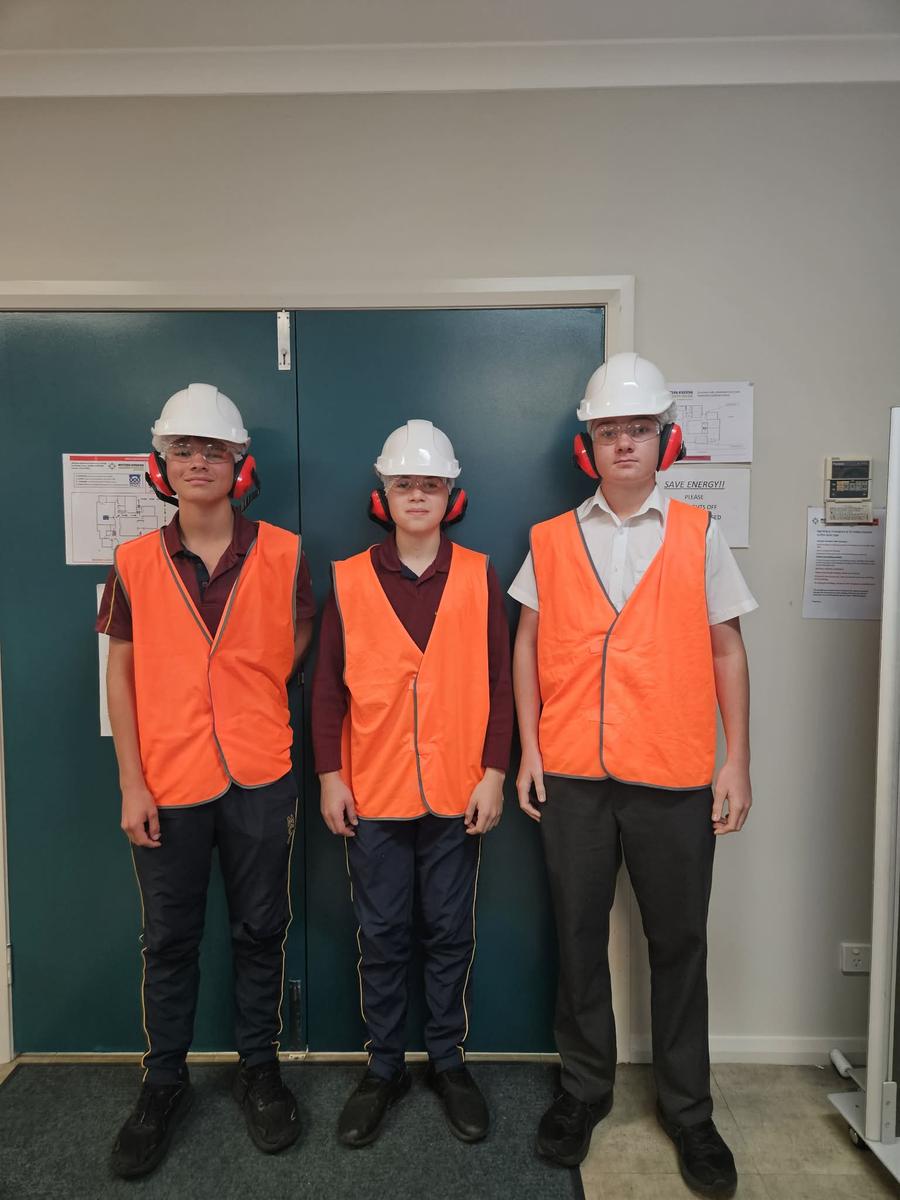
Since I have been at Marian over the past 11 years, the White Card course has been a highly valued and popular opportunity for students interested in exploring pathways into trades and construction-related industries. I still remember completing my own White Card training in Griffith, where I was the only female among 14 male tradespeople. It was a daunting experience at the time, but I was proud to successfully complete the course, receive my White Card, and gain a greater understanding of workplace safety. Since then, it has been wonderful to see increasing diversity, with both male and female students enthusiastically participating in the program.
During Terms 1 and 2 this year, 23 Marian students enrolled in and completed the White Card course. In New South Wales, students can obtain a White Card from the age of 14, providing them with valuable opportunities to prepare for:
- Work experience placements and apprenticeships
- Early employment opportunities
- Essential workplace health and safety foundations
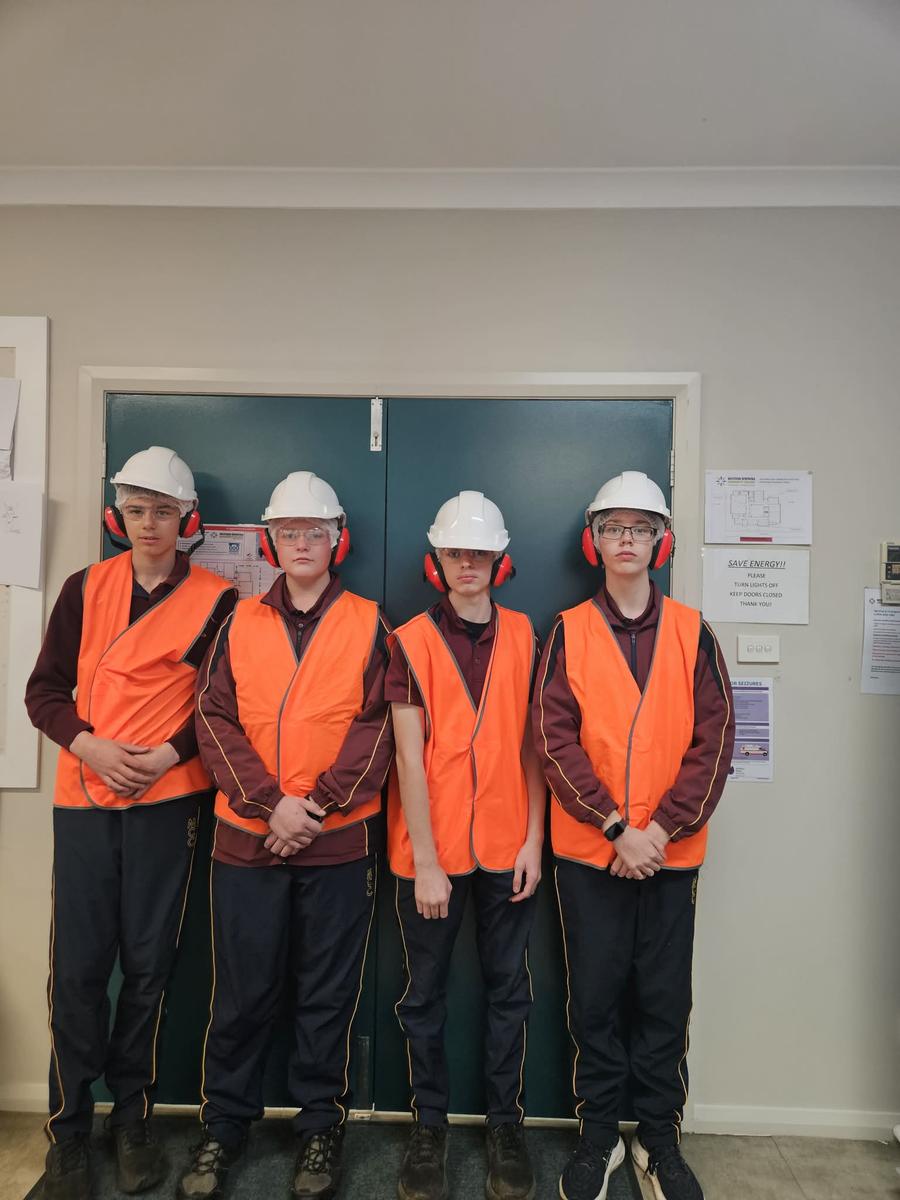
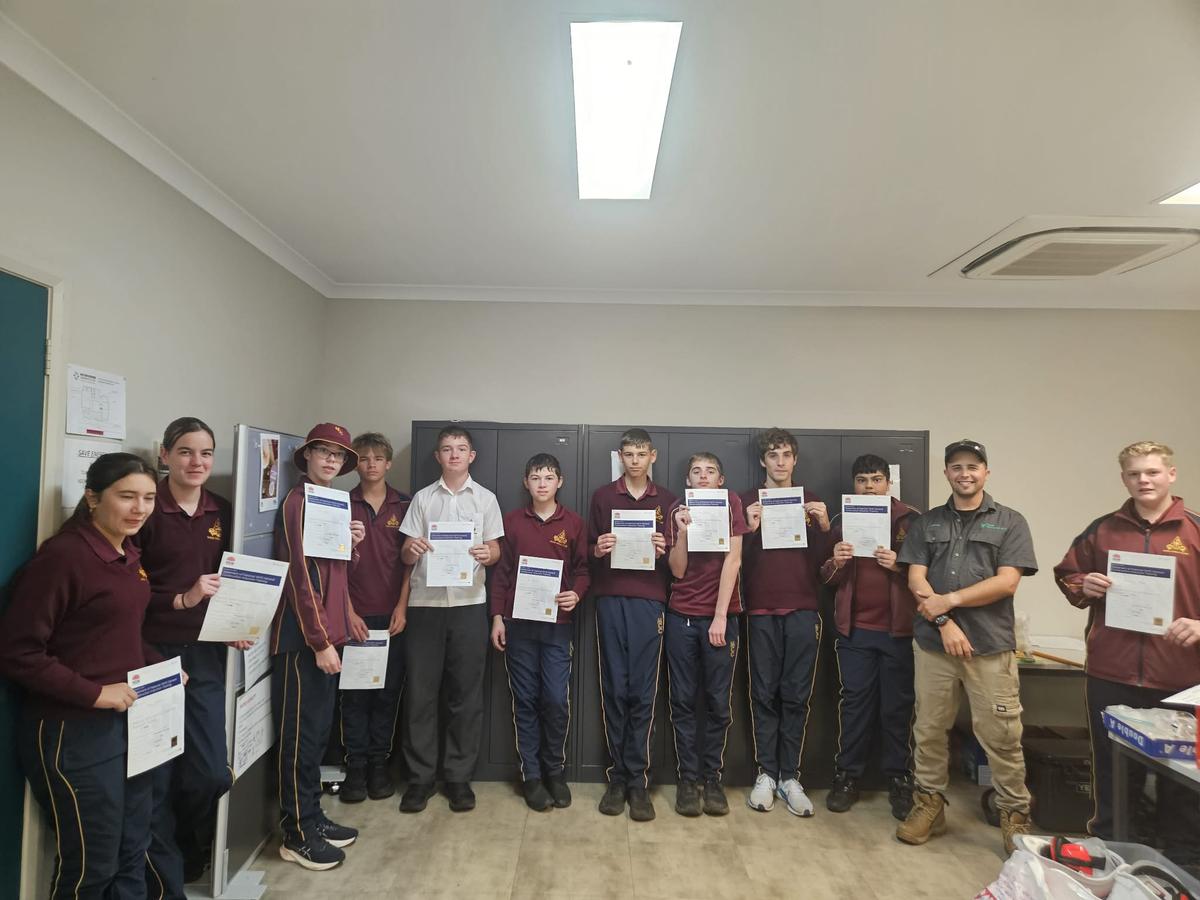
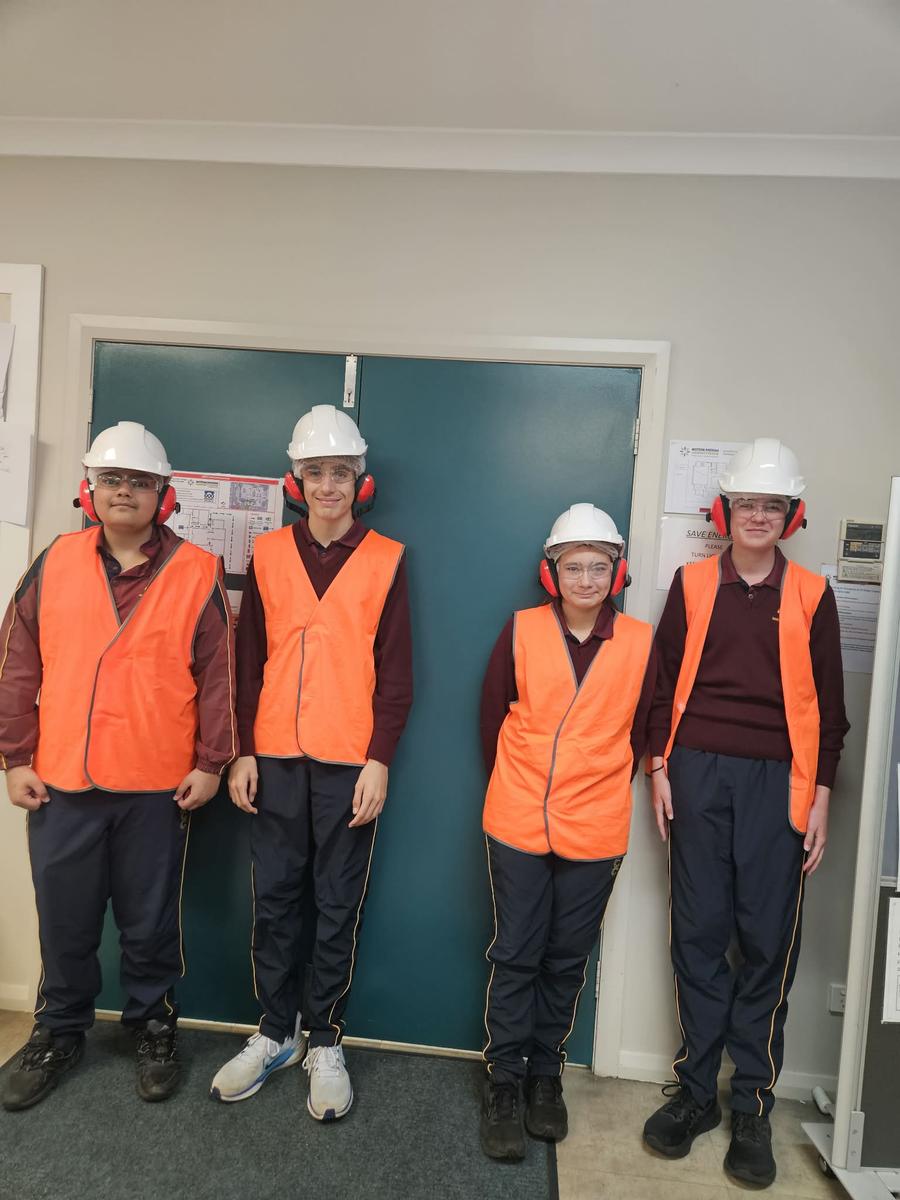
The White Card course continues to attract significant interest from our students. Participants are eager to learn about workplace safety requirements and actively engage in the practical aspects of the training, including the correct use of Personal Protective Equipment (PPE). It is always rewarding to see students proudly celebrating their achievement upon completing the face-to-face training delivered by an accredited trainer.
We are grateful to Ms Lucia Dickie for coordinating the White Card program at Marian and to Kristy Files from the Western Riverina Careers Connections (WRCC) for organising training dates and liaising with accredited trainers who generously make themselves available to deliver this important safety induction course.
The purpose of offering White Card training is not to encourage students to leave school early. Rather, it provides students with an opportunity to enhance their employability, develop workplace readiness skills, and gain nationally recognised credentials that can strengthen their resumes and support future career aspirations.
Upon successful completion of the course, students receive a certificate of attainment, which can be presented to employers as evidence of training while they await the arrival of their official White Card.
The continued success of the program reflects Marian's commitment to providing students with practical learning opportunities that equip them with valuable skills, knowledge, and confidence for future employment pathways.
Sanita Lole
Stage 5 Careers
Carevan – Term 1 and Term 2
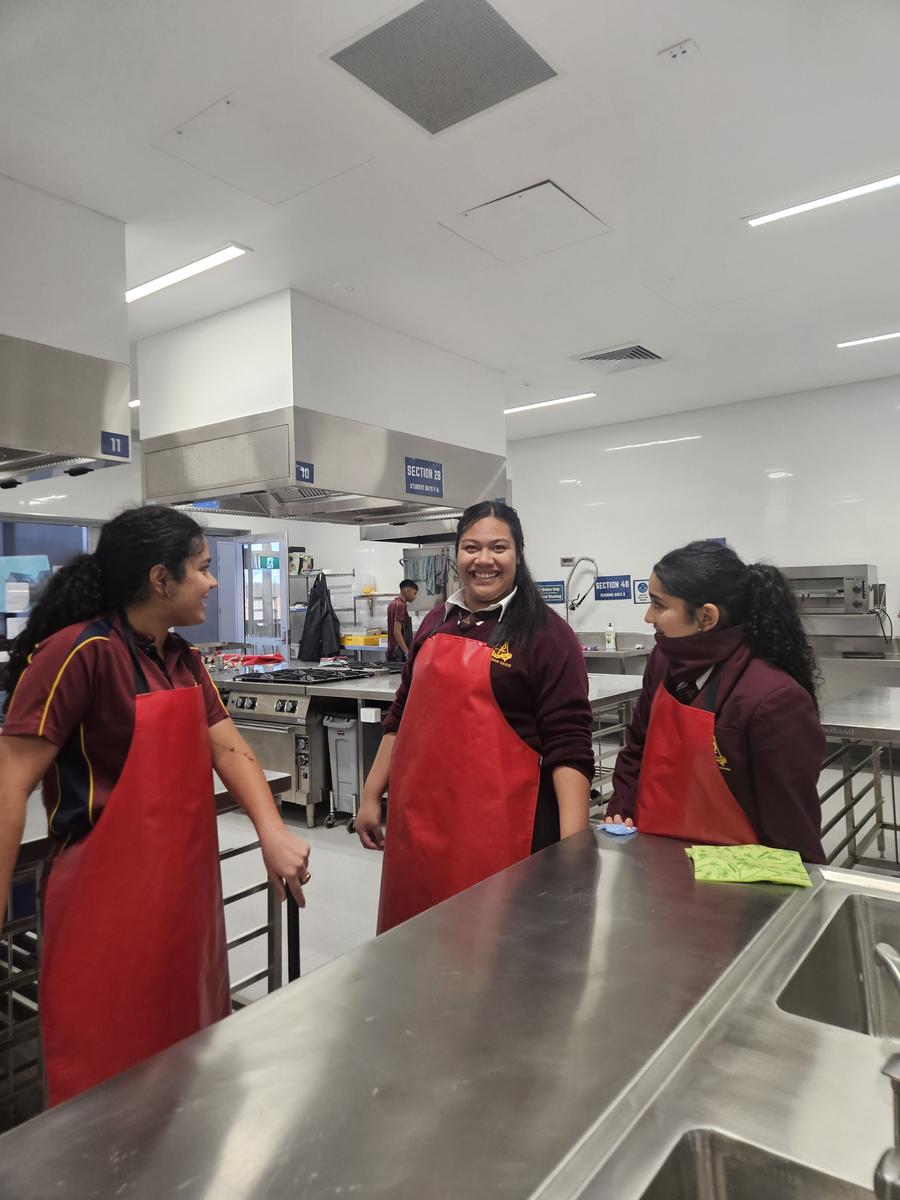
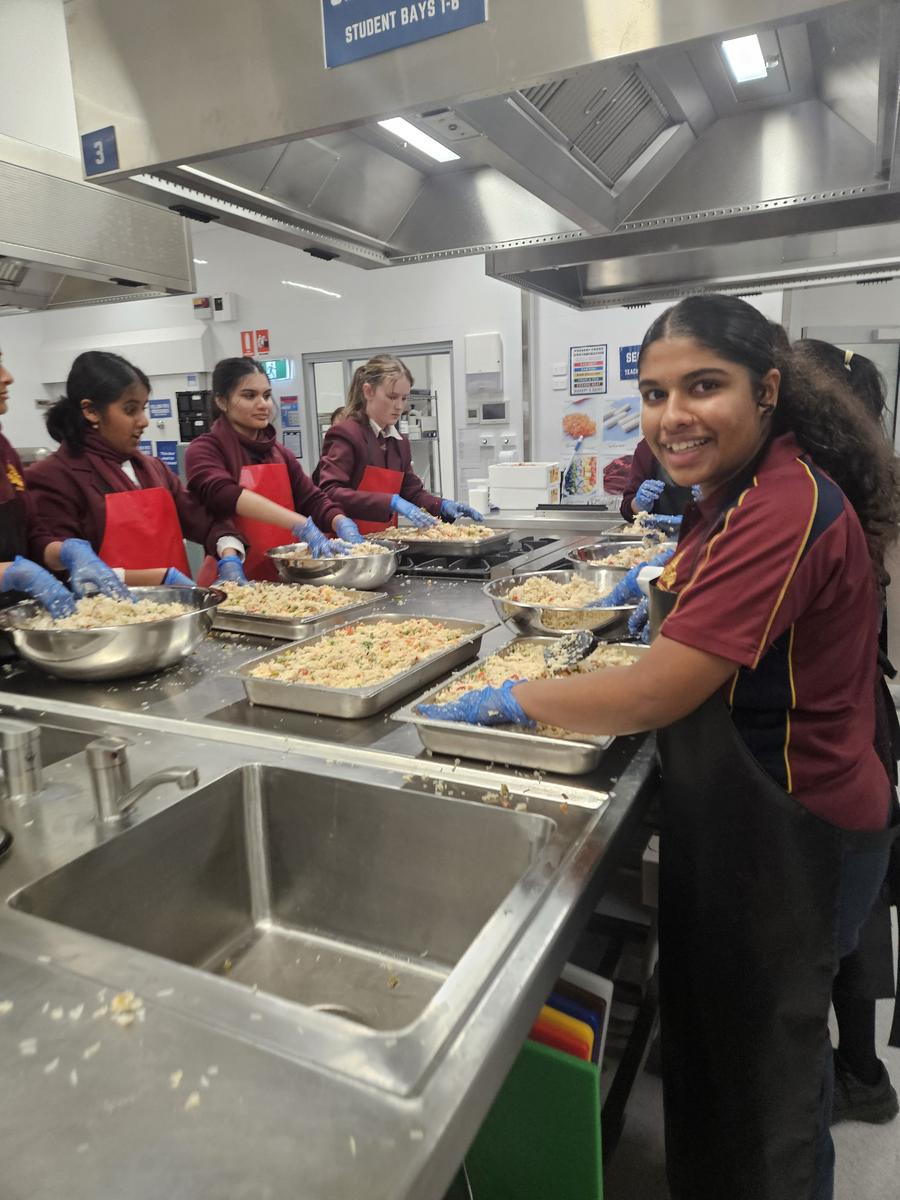
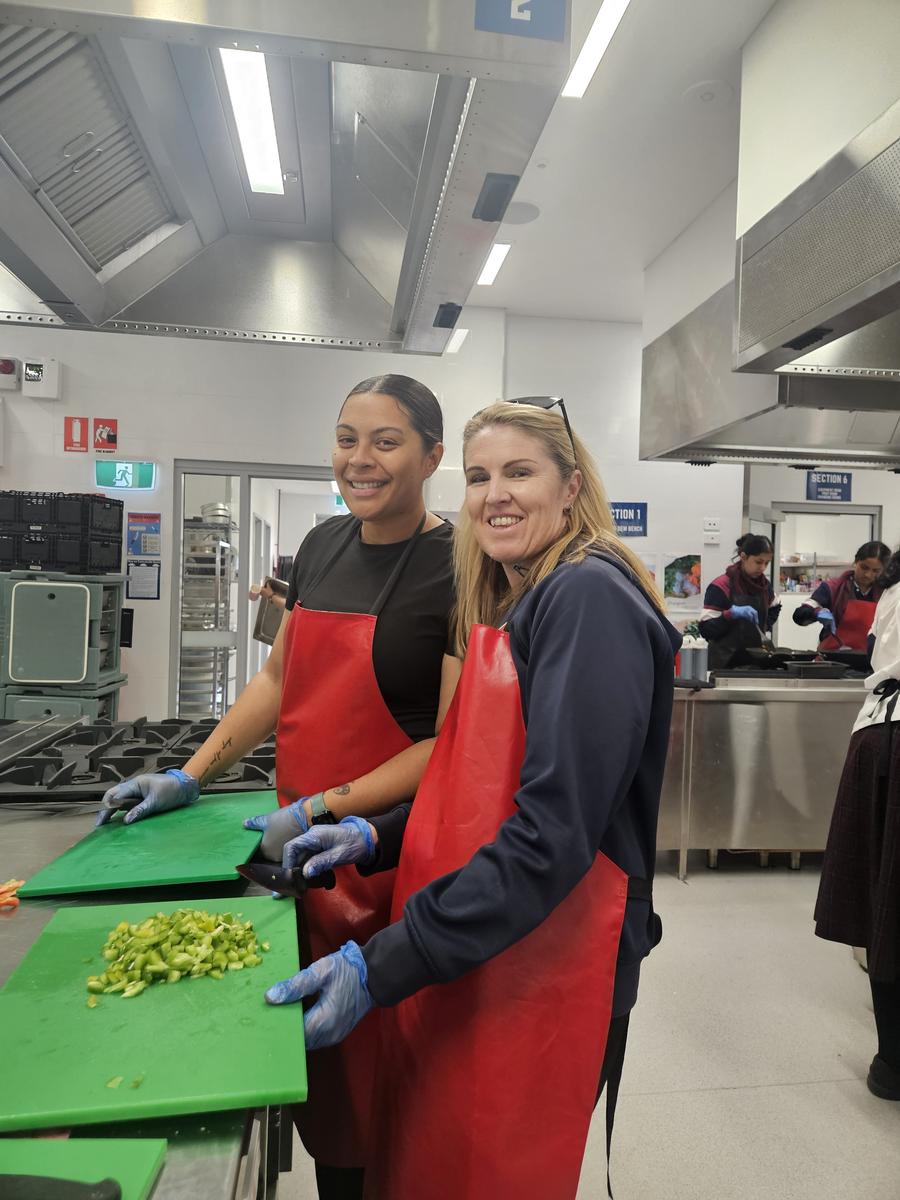
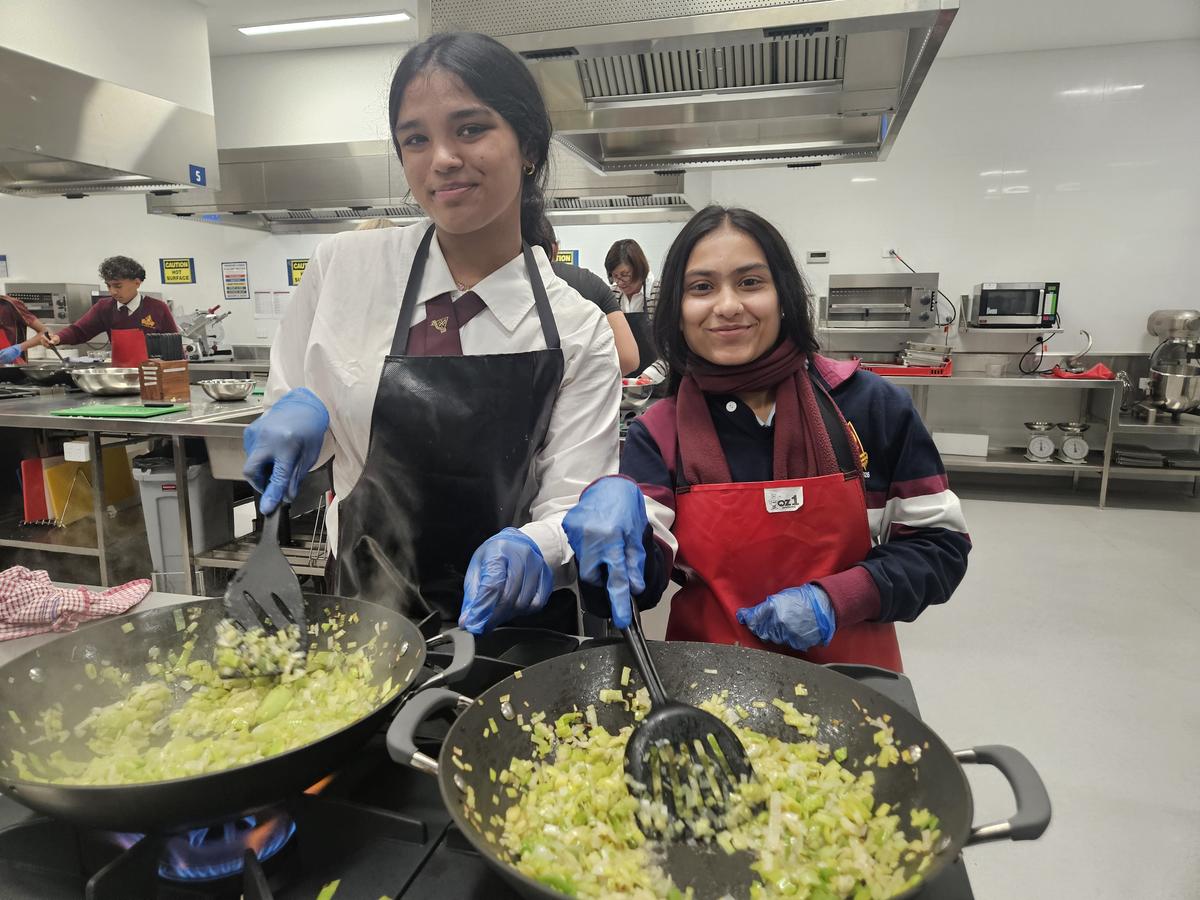
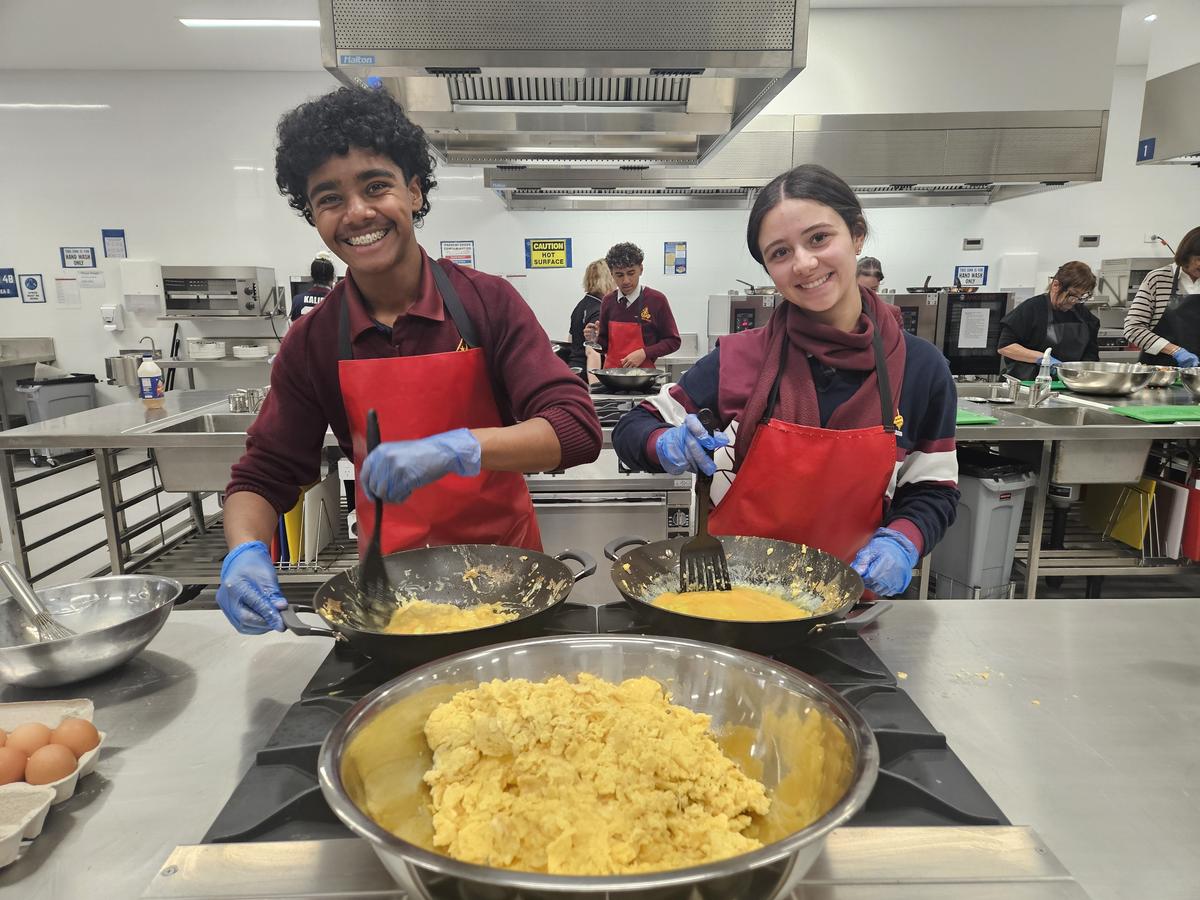
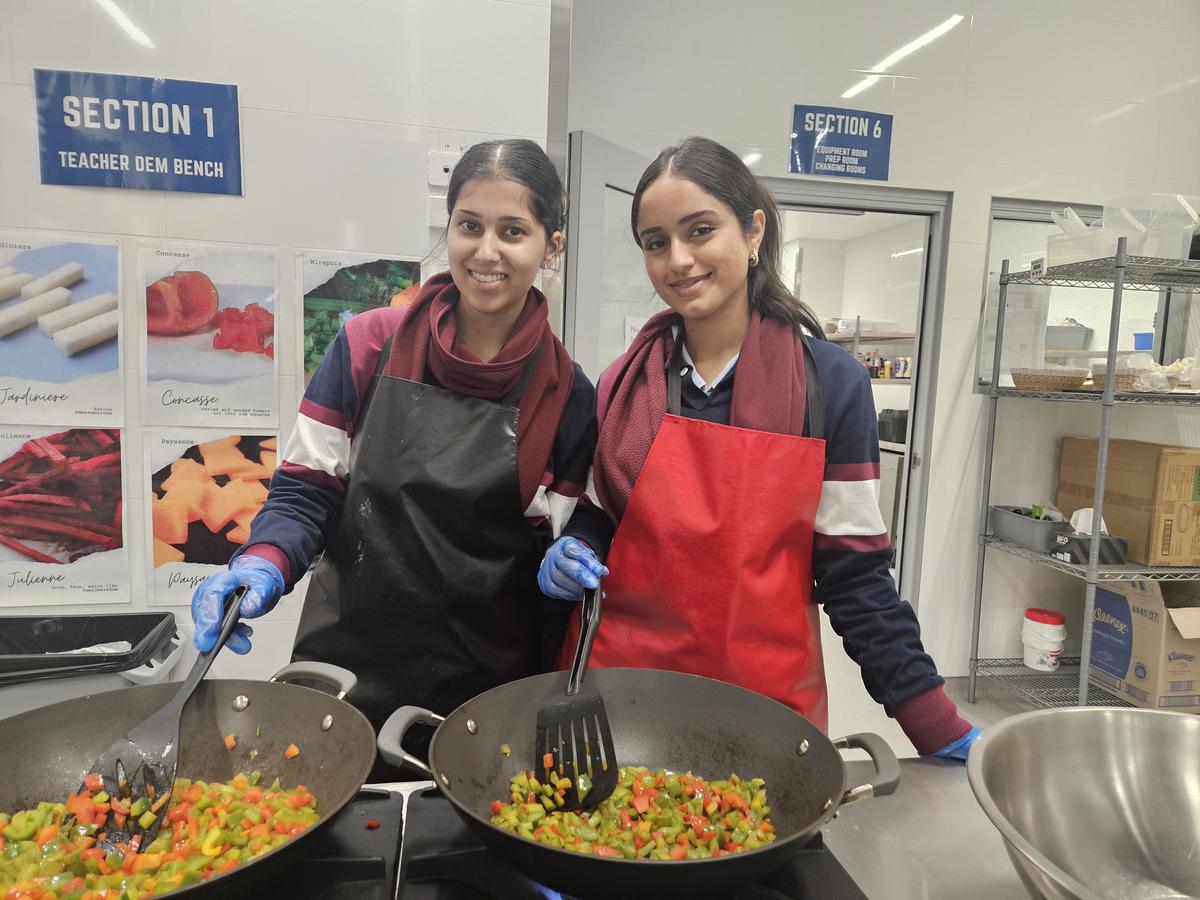
This year, Carevan was a huge success, with students from a range of year groups and Year Coordinators participating in this valuable community initiative. The enthusiasm, teamwork, and willingness of our students to make a positive difference in the lives of others had a significant impact on the local community.
Experiences such as Carevan are particularly rewarding, as they provide students with the opportunity to develop empathy, social responsibility, and a greater understanding of the challenges faced by some members of our community. Students willingly gave their time to support this important service and demonstrated outstanding maturity and compassion throughout the program.
Carevan operates every Wednesday, rotating between several locations across Griffith, including Thomas Place and Dave Taylor Park on Parkinson Crescent. The service provides free meals, activities for children, and reading materials in a welcoming, inclusive, and non-judgemental environment. Depending on availability, the Carevan team also offers emergency food parcels, frozen meals, and personal care packs to those in need.
The support provided by our students throughout Terms 1 and 2 helped strengthen community connections and demonstrated the positive contribution young people can make when given the opportunity to serve others. It was wonderful to see so many students actively engaging in community service and making a meaningful difference in the lives of local families and individuals.
As Carevan's locations and times rotate each week, community members are encouraged to check the Griffith Community Centre Facebook page for the latest updates and service locations.
Pastoral Care Worker
Sanita Lole