Bullying No Way Week - Small Acts, Big Impact
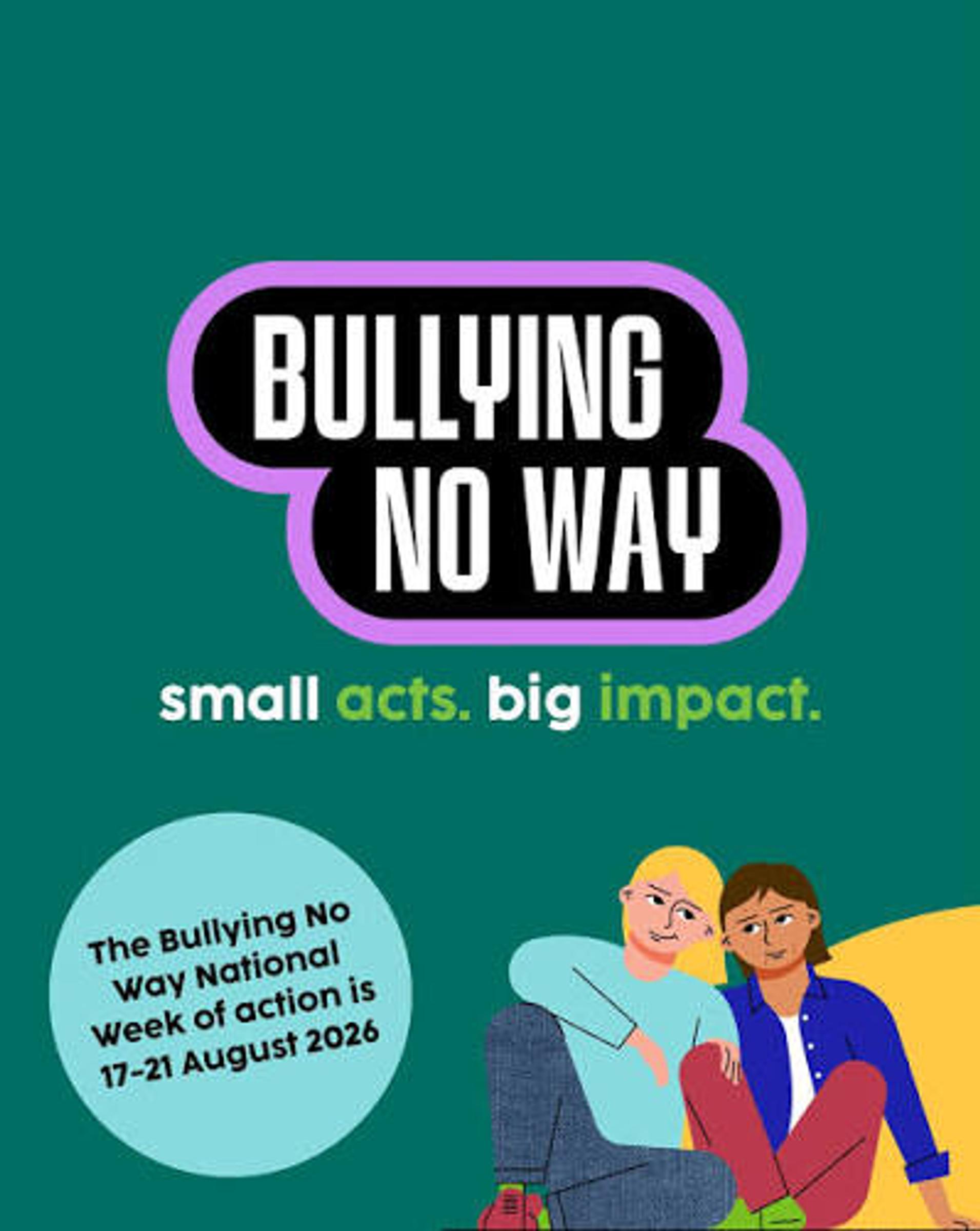
This week, our school is joining schools across Australia in recognising Bullying No Way Week, a national week that encourages us to work together to prevent bullying and create safe, respectful and inclusive environments for every child.
As part of the week, our students also took part in the Kids Helpline Largest Anti-Bullying Lesson, joining students from across Australia to learn more about bullying, kindness, inclusion and what we can all do to make a positive difference.
There are many ways we can engage in small acts of kindness that create a big impact and help address bullying. A friendly smile, inviting someone to join in, standing up for someone who is being treated unfairly, noticing when someone is feeling left out, or simply checking in with a friend can all make a difference.
We encourage families to continue the conversation at home by asking your child:
- What did you learn about bullying this week?
- What small act of kindness could you do to make someone feel included?
- What could you do if you saw someone being treated unkindly?
- Who are the trusted adults you could talk to if you or a friend needed help?
You may like to look at thee short powerful messages together:
Day 1 – Small acts matter: Words and actions
Day 2 – Kindness creates impact, even the tiny moments
Day 3 – You have the power to make things better
Day 4 – Pause before you speak, text or communicate online
Day 5 – Together, our small actions create big change
Resources for families
Families may also like to explore these helpful resources together:
🔹 Kids Helpline – information and support for children and young people about bullying, relationships, emotions and wellbeing.
🔹 Bullying No Way! – resources and practical advice for families about preventing and responding to bullying.
🔹 eSafety Kids – resources to help children navigate online safety, cyberbullying and positive online behaviour.
Together, through small acts of kindness, courage and inclusion, we can create a school community where every child feels safe, respected, included and valued.
Kind regards,The Wellbeing Team
Staying Safe Online
Technology is a wonderful way for children to learn, connect and be creative, but it also comes with responsibilities. Helping children develop safe and respectful online habits is an important part of keeping them protected in today's digital world.
At school, students learn about digital citizenship and the importance of being safe, kind and responsible whenever they are online. Families play a vital role in reinforcing these messages at home.
Simple ways to support your child online:
- Keep communication open. Regularly ask your child about the games they play, the apps they use and who they interact with online.
- Set clear family expectations. Agree on screen time limits, suitable apps and where devices can be used in the home.
- Use privacy settings. Check that games, apps and social media accounts have appropriate privacy and safety settings enabled.
- Remind children never to share personal information, such as their full name, address, school, passwords or location.
- Encourage children to speak up. If something online makes them feel uncomfortable, worried or unsafe, reassure them they can always tell a trusted adult.
- Lead by example. Model respectful online behaviour and healthy screen habits as a family.
Remember, online safety isn't about knowing every app or game—it's about building trust so children feel confident asking for help when they need it.
Helpful Resources for Families
- eSafety Commissioner – Australia's leading source of advice on keeping children safe online.
- Raising Children Network – Screen Time & Digital Technology – Practical, age-appropriate advice for families.
- Common Sense Media – Reviews of apps, games and movies, plus digital parenting guides.
Working together, we can help our children enjoy the many benefits of technology while developing the skills to navigate the online world safely, confidently and respectfully.