Health News and Tips:


















 Western Heights School

8 Japanese Routines For A Happy And Healthy Life
In Japan, a healthy and happy life is not a destination—it’s a habit. For centuries, the Japanese have been turning everyday activities into powerful practices of self-care and self-cultivation. Whether it’s cooking, bathing, walking, drinking tea or arranging flowers, any daily activity may become a form of meditation that invites health and happiness into your life. The secret? Bringing attention to everything you do. Here’s how.
Paying attention to the moment may seem simple. But life is speeding up, and with it, our way of living. We stumble from one task to the next on autopilot, so caught up in our smartphones and to-do lists that we overlook the small joys of life. We’ve become increasingly disconnected from ourselves and the natural world around us, which is hurting our health and happiness.
In Japan, the antidote to autopilot and the secret to a happy and healthy life has long been known to be mindfulness. In the West, we tend to think of mindfulness as that which the Japanese call “zazen” – meditating cross-legged on a cushion. But to the Japanese, mindfulness can take the form of just about anything, from eating a meal to taking a bath. Everyday practices of self-care and self-awareness have been ingrained into the Japanese culture for centuries.
Here’s a list of 8 beautiful Japanese traditions that will inspire you to deepen your immersion in the moment, bringing greater health and happiness to your life.
1. Ikebana
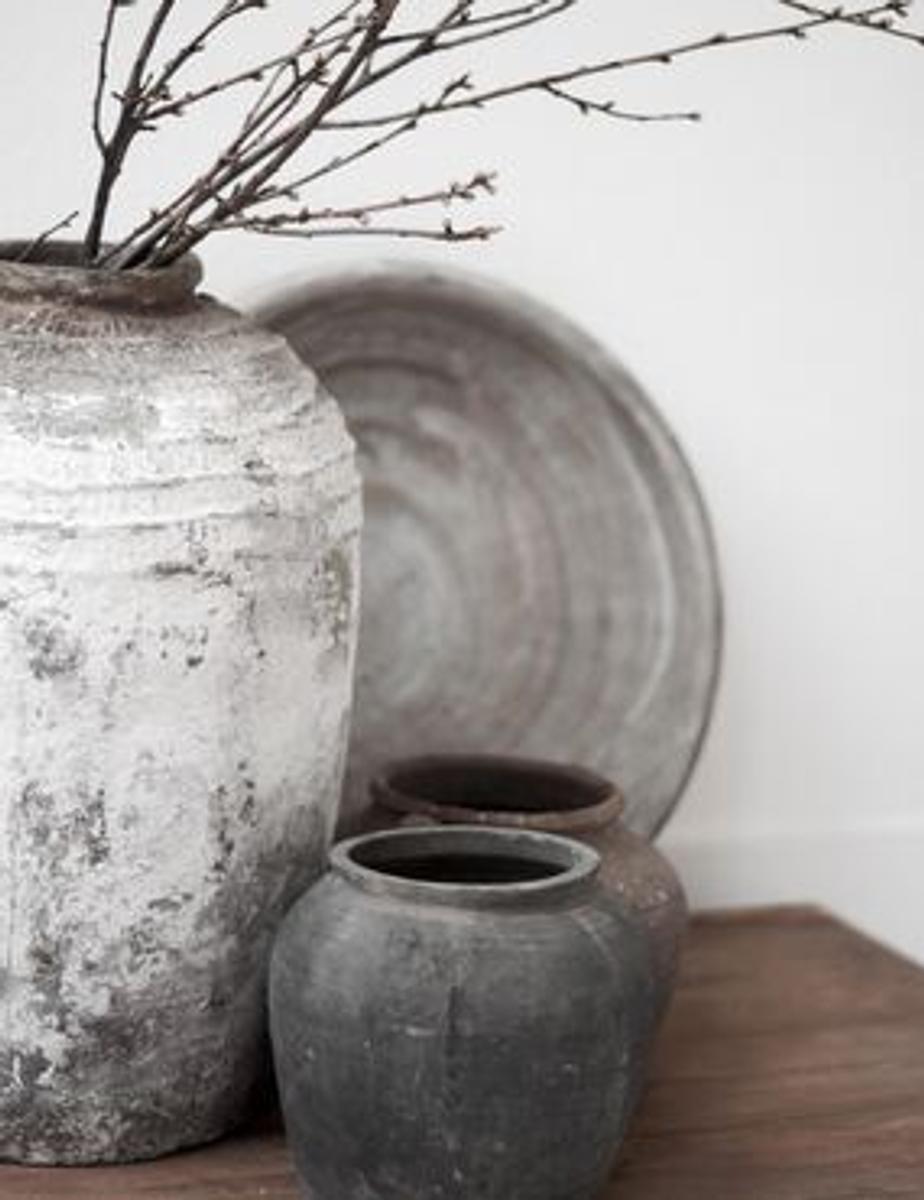
Ikebana is the Japanese tradition of arranging flowers. Dating back to ancient Buddhist flower offering ceremonies, ikebana is a centuries-old art form. It’s based on the idea that the process of working with nature to create something beautiful can be meditative and healing. Rather than throwing some flowers in a vase, ikebana is about attentively and mindfully arranging flowers, stems, twigs, leaves, moss and grasses into a composition that highlights their beauty. Pieces are traditionally created in silence, so that you can focus all your attention on the harmony of nature.
2. Shinrin-yoku
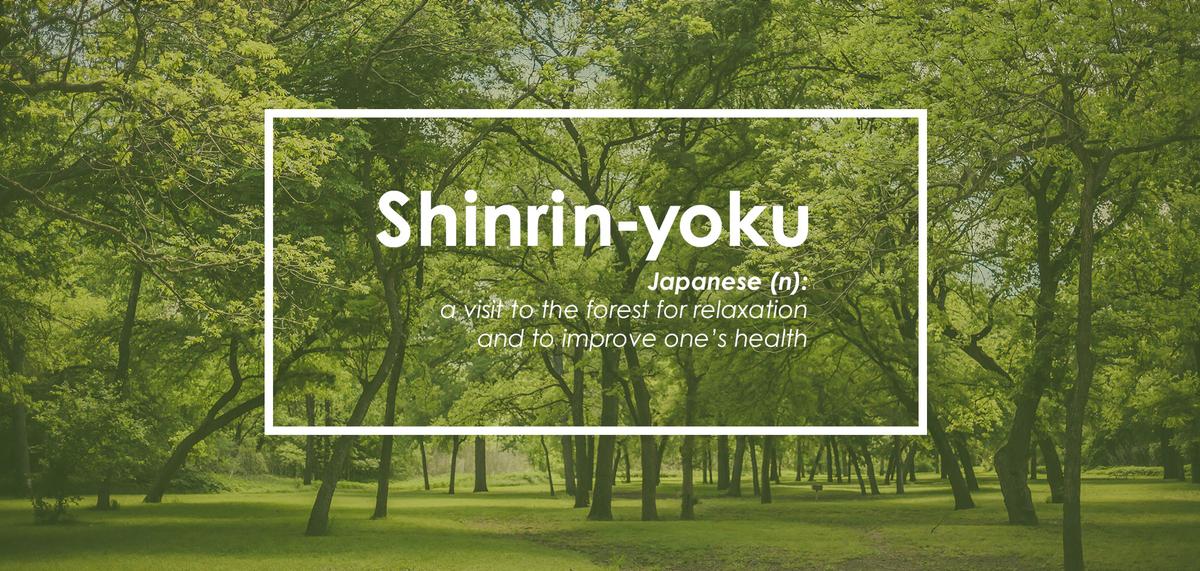
To find peace and recovery, the Japanese practice something called shinrin-yoku, or “forest bathing”. Taking a forest bath means immersing yourself in a forest for several hours and soaking up its sights, smells and sounds. Simply being in a forest and absorbing its atmosphere has a restorative effect on the body and mind. The science-backed mental and physical health benefits of this popular wellness ceremony include reduced stress levels, improved sleep, increased focus and creativity, accelerated recovery from illness, a strengthened immune system and a higher sense of overall happiness.
3. Chadō
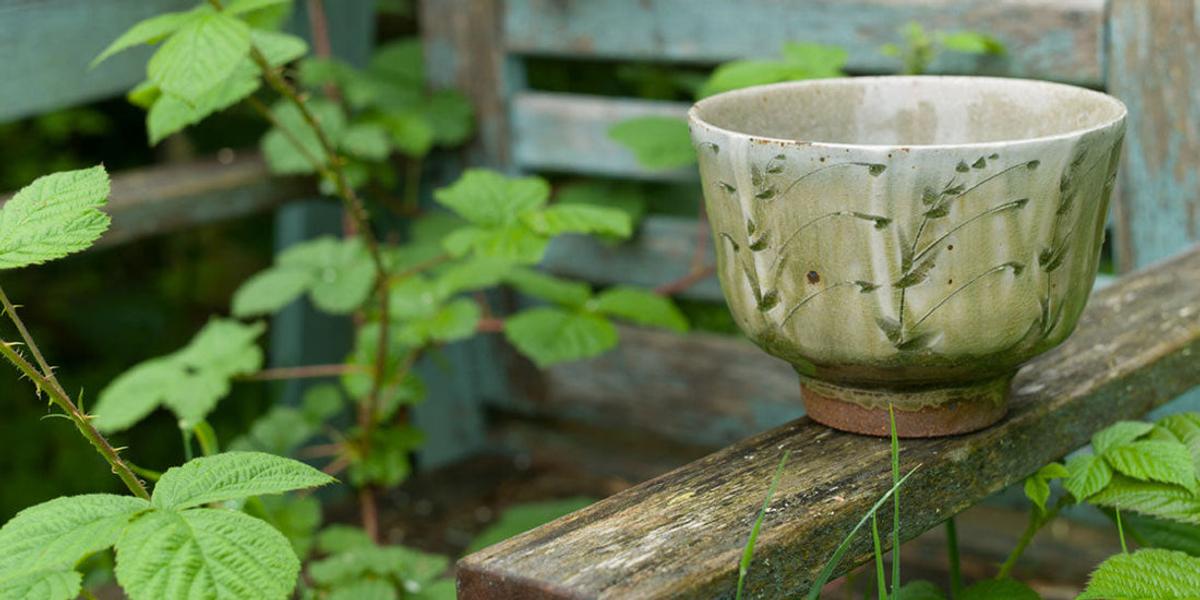
Japan’s ceremonial tea drinking, known as chadō, is a beautiful practice rooted in Zen Buddhism. Tea ceremonies are still an important part of Japanese culture today—and the ceremony still involves a lot more than simply boiling water. It’s a carefully choreographed ceremony of preparing and sharing a bowl of finely powdered green tea, called matcha, served with traditional Japanese sweets to balance the tea’s bitterness. Fully engaged in the ceremony, the tea master and their guests temporarily withdraw from the mundane world to share a moment of beauty and serenity.
4. Kintsugi
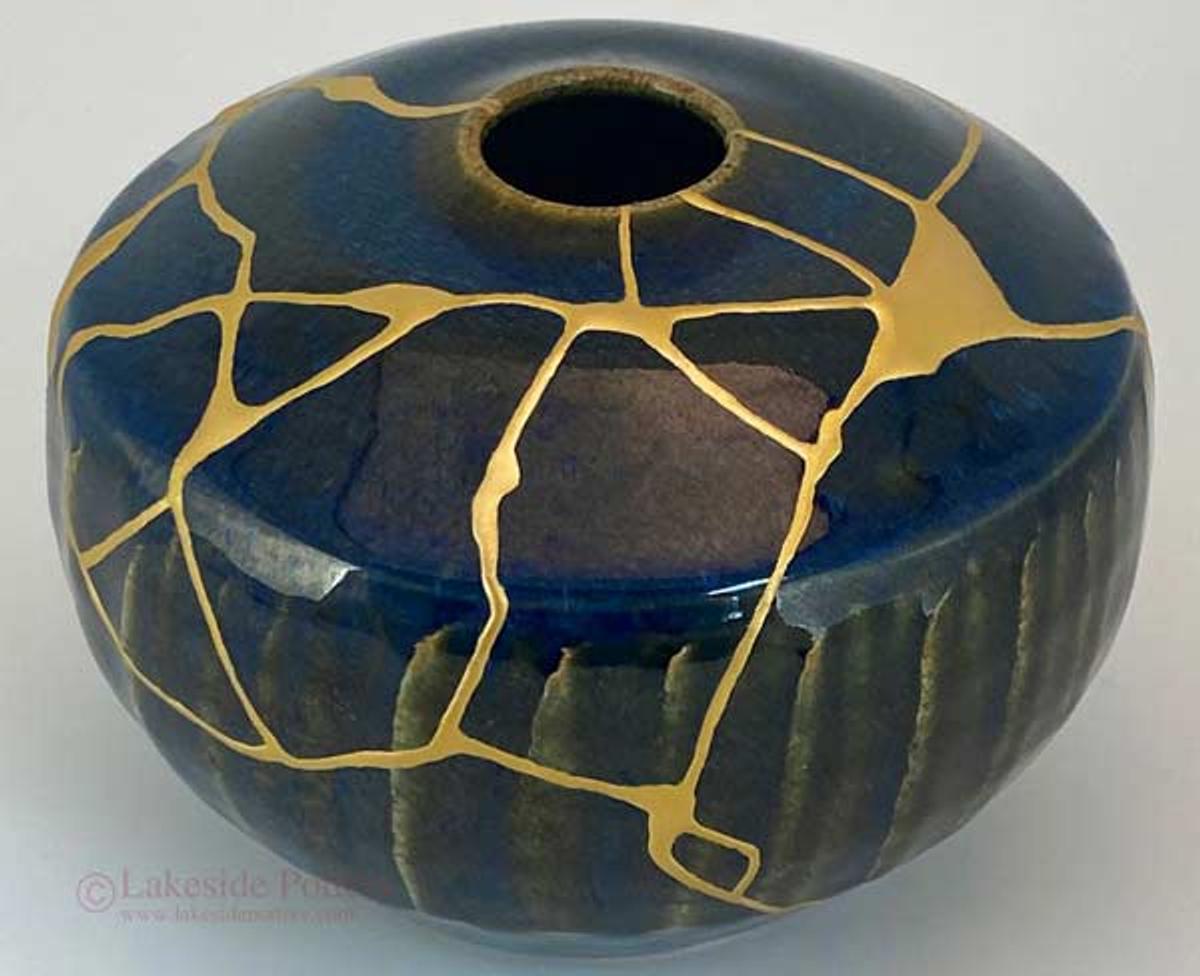
Kintsugi, which means “golden joinery”, is the Japanese art of putting broken pottery pieces back together with gold seams. Shattered cups, mugs, bowls and plates are repaired into beautifully resurrected masterpieces, using a mixture of powdered gold and lacquer. Kintsugi is based on the belief that breakage and imperfections are part of life, and that what is broken can be mended into something uniquely beautiful if treated with love, care and attention. It’s believed that the fixing of shattered objects—and the celebration of their uniqueness—may also help the healing of wounds to the self.
5. Shodo
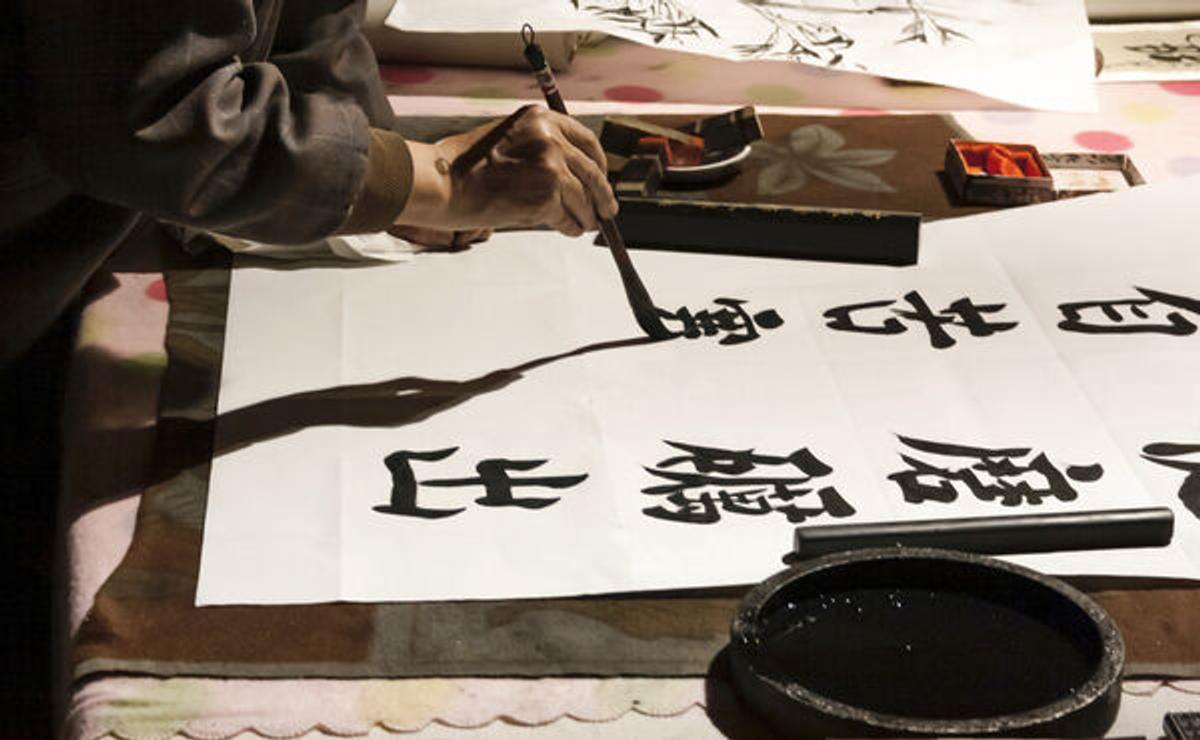
Shodo, or “the way of writing”, is classical Japanese calligraphy. It’s an ancient art form, but it’s still widely practised and considered a meaningful way to foster a meditative state of mind in Japan. The careful preparation of the ink and the gentle brush strokes require complete focus and tranquillity, fully grounding the shodo practitioner in the moment.
6. Shojin ryori
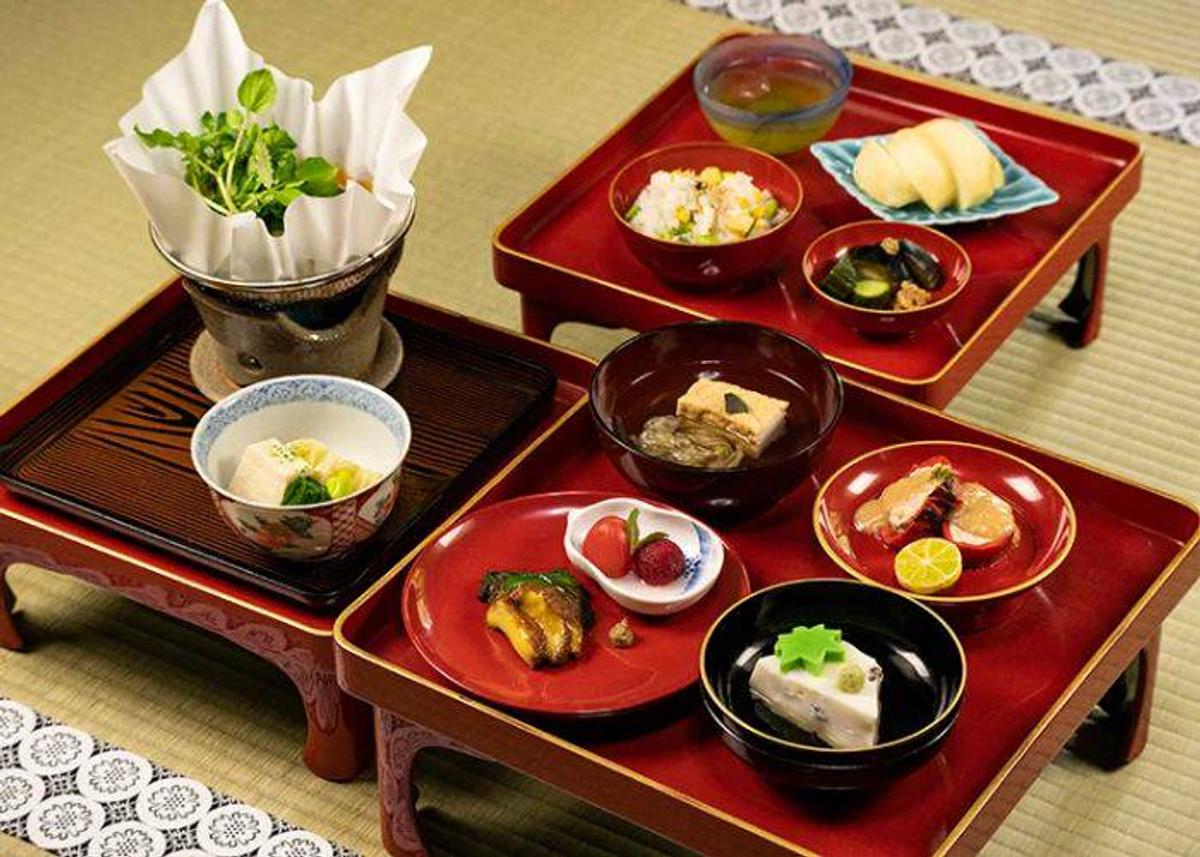
Shojin ryori, which can be translated as “food of devotion”, is a vegetarian cooking tradition practised by Buddhist monks since ancient times. Shojin cooking is all about simplicity and harmony. A shojin cook uses fresh ingredients of the season and makes sure not to waste anything—every last bit of an ingredient is somehow incorporated into the dish. For the monks in the temples, the very act of preparing and eating shojin ryori is an exercise in appreciation and mindfulness. And for non-monks, the simple recipes and well-defined procedures of shojin ryori make it totally achievable to bring this beautiful cooking tradition to their own kitchen at home.
7. Omakase
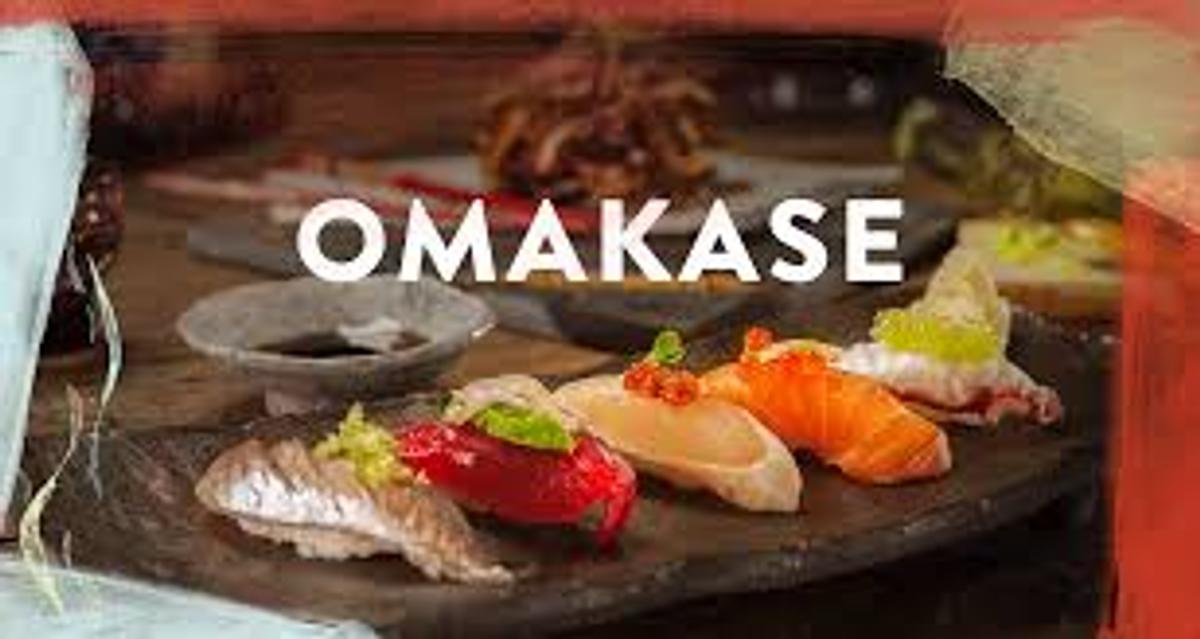
Don’t feel like cooking? That’s okay—there’s a wonderful Japanese tradition for eating out too. Omakase, which means “I’ll leave it up to you”, is a dining tradition in which the selection of dishes is left entirely to the chef, and customers eat whatever they are served. A common practice at sushi bars, omakase dining revolves around trust, respect and appreciation.
8. Ofuro
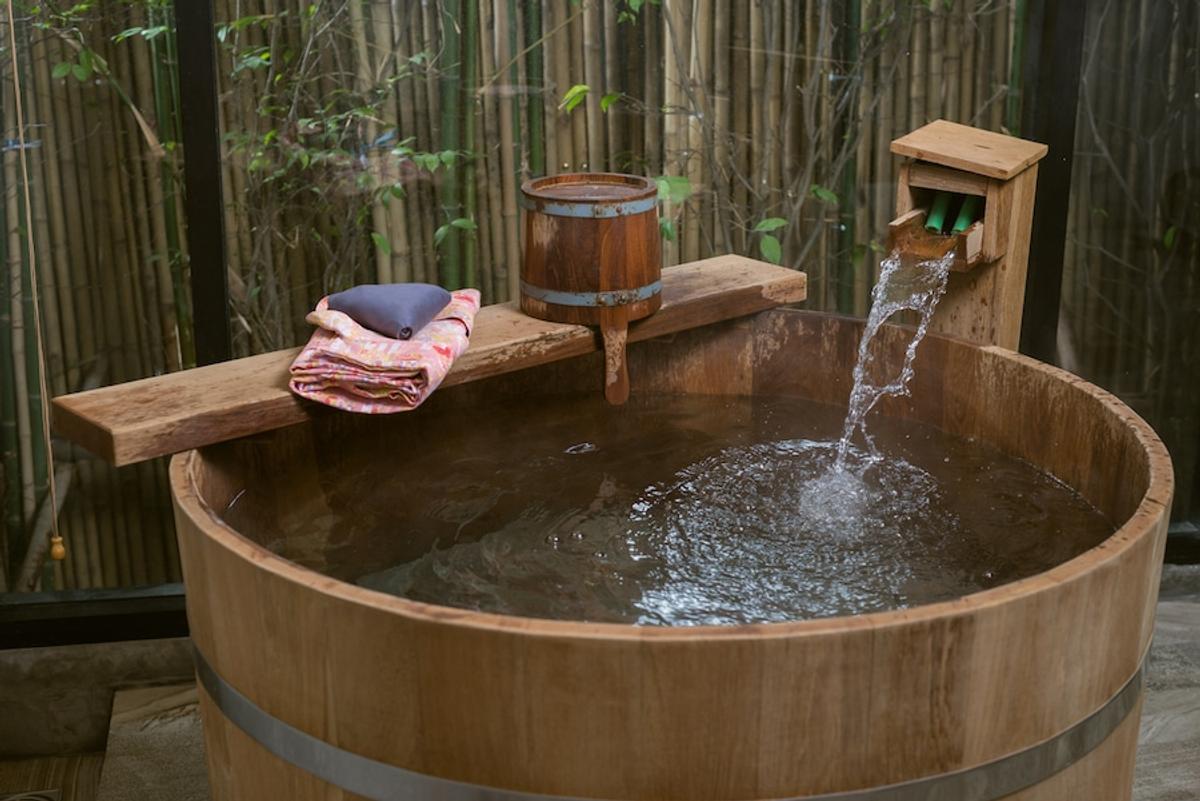
In Japan, perhaps no daily habit is as sacred as soaking in a steaming bath at the end of a long day. The Japanese bathe daily, whether in their own private bathroom, a public bathhouse or a communal hot spring. They don’t just plunge in—the tradition of Japanese ofuro is carefully crafted to cleanse, heal and relax. Settling into a cradle of soothing warm water and simply experiencing the sensations of the bath—the water, steam, heat and fragrances—brings both the body and mind into a profound state of well-being.