
Disability Inclusion at Concord School
The Power of Visual Timers
When we have a Disability Inclusion Profile meeting, we talk about the different supports and adjustments that are in place to help your child learn, participate and feel comfortable at school. Sometimes, it is the small, simple strategies that can make a really big difference. One example is a visual timer.
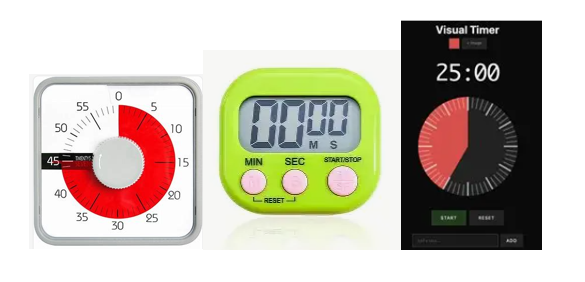
A visual timer is a tool that shows a child how much time is left for an activity or how long they need to wait. Instead of only being told, “You have five more minutes,” the child can actually see the time passing.
Visual timers can be used for many everyday activities at school. For example, a timer can show a child how long they need to wait before it is their turn on the swing, how much time they need to spend practising their writing, or how long it will be until the class leaves for an excursion. They can also be used when getting ready for the next activity, moving between classrooms or finishing a preferred activity.
For many children and young people, knowing what is happening next and how long something will last can help them feel more settled and in control. Visual timers can make expectations clearer, support transitions and reduce the worry that can come with waiting, stopping a favourite activity or experiencing a change in routine.
They can also help children become more independent, as they can check the timer themselves rather than relying on an adult to tell them what is happening. Like all adjustments discussed in a Disability Inclusion Profile meeting, a visual timer is about providing the right support so each child can participate, learn and have a positive experience at school.
Rachael Macmillan
Disability Inclusion Leader