Breaking Free from Comparison Culture: How Adolescence on Netflix Highlights the Need for Steiner Education
7-Minute Read | Dina Fieck & Hannah Grace














 The Alice Springs Steiner School
Breaking Free from Comparison Culture: How Adolescence on Netflix Highlights the Need for Steiner Education
7-Minute Read | Dina Fieck & Hannah Grace
As with most viewers, the Netflix crime drama sparked conversations at our school last week. In today’s digital age, comparison culture has become a pervasive force, especially among young people. Social media platforms and reality-driven television shows often perpetuate an idealised version of life, creating unrealistic expectations and fostering self-doubt. One such portrayal of this phenomenon is found in Adolescence, a series that shines a spotlight on the pressures young people face in a world dominated by external validation.
However, as the show delves into the challenges of navigating adolescence in a hyper-competitive environment, it also opens a conversation about how alternative education systems, such as Steiner education, can offer a sanctuary for young people trying to find their own path amidst the chaos of comparison.
The Downfall of Comparison Culture
In Adolescence, we witness characters who are constantly measuring their worth against those around them, struggling with self-esteem issues, and battling the anxiety that comes with living up to the expectations set by society and their peers. Whether it’s the pressure to look a certain way, excel academically, or live up to a specific set of values, comparison culture is a central theme in the series.
This culture is more than just a series of innocent comparisons; it is a destructive force. It distorts young people’s self-perception and encourages them to look outward for validation, rather than inward. The anxiety and insecurity that stem from this comparison often leave lasting effects, leading to mental health struggles such as depression, body image issues, and a fear of failure.
While Adolescence highlights the raw realities of these pressures, it also brings to light the importance of providing young people with a space where they can disconnect from the constant need for comparison, and instead, reconnect with themselves.
The Power of Steiner Education in Counteracting Comparison Culture
Founded by Rudolf Steiner, Steiner education emphasises holistic development — nurturing the intellectual, emotional, and spiritual growth of young people, rather than solely focusing on academic achievement.
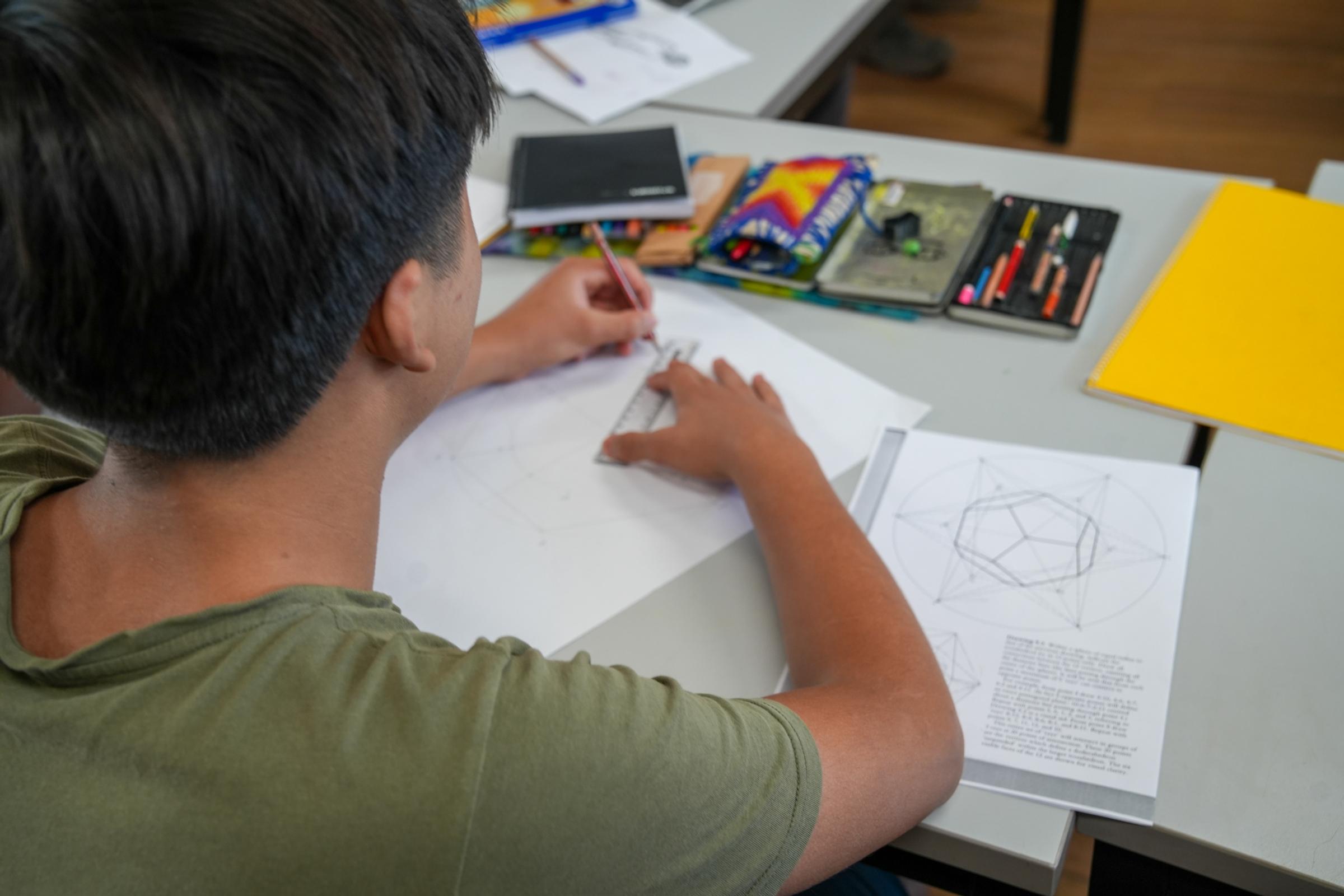
Steiner education fosters a learning environment where children are encouraged to develop their own unique talents at their own pace, without the pressure of competing with others. This is in stark contrast to the traditional educational systems, where academic performance, grades, and standardised testing often define a student’s worth. In a Steiner school, there is an emphasis on creativity, critical thinking, and collaboration, rather than comparison.
One of the core principles of Steiner education is the belief in the individuality of each child. In a world where comparison culture pressures students to conform to a certain mould, Steiner schools actively support young people in finding and developing their own strengths. Whether it’s through arts, crafts, music, or nature-based activities, students are encouraged to explore a wide range of interests and talents, helping them discover who they are and what makes them unique. This individualised approach counters the damaging effects of competition and comparison, allowing students to thrive at their own pace.
Steiner education places a strong emphasis on holistic development. It nurtures not only the intellectual abilities of students but also their emotional and social intelligence. By integrating subjects like drama, painting, and movement into the curriculum, students learn to express themselves creatively and confidently, without feeling the pressure to be the best at everything. The focus is on process over product, ensuring that students learn to value their own growth and journey rather than constantly comparing themselves to others.
Another aspect of Steiner education that offers respite from comparison culture is its emphasis on a deep connection to nature. Outdoor activities and nature walks are regular parts of the curriculum, providing students with a sense of calm, groundedness, and perspective. This mindfulness allows students to disengage from the digital world and the constant noise of social media, offering a moment of reflection and self-connection. In contrast to the fast-paced, achievement-oriented culture many adolescents experience, the slower, more intentional pace of life in Steiner schools helps students find peace in their own progress, free from the need for external validation.
Moving Beyond Comparison: Creating a Supportive Environment for Growth
The impact of comparison culture on today’s youth cannot be understated. Adolescence does an excellent job of portraying the complex emotional landscape that teenagers navigate in a world where they are constantly evaluated by others. Yet, as the series also illustrates, there is a way forward — a way that doesn’t require young people to conform to an impossible ideal.
Steiner education offers an alternative that allows young people to grow in an environment where individuality, creativity, and self-worth are celebrated rather than diminished. Steiner schools remind students of their intrinsic value and encourage them to develop their full potential without the weight of comparison.
By creating spaces where young people can learn, grow, and express themselves freely, we can help reverse the detrimental effects of comparison culture. The solution lies in fostering environments that support the whole child — intellectually, emotionally, and socially — and in doing so, we prepare them not just for academic success, but for a life of true self-acceptance and fulfillment.
As we continue to navigate the challenges of comparison culture, it’s clear that alternative educational approaches like Steiner education offer a powerful antidote. Adolescence serves as a poignant reminder of the dangers of living in a world that constantly demands young people measure up to others. But it also opens the door to a conversation about what it means to support young people in finding their own path, independent of the pressures and expectations that surround them. Through a holistic, individualized approach to learning, Steiner education provides a model for a future where self-worth is not determined by comparison, but by the unique and valuable contributions each person brings to the world.
You can view Adolescence on Netflix.