
Year 1 News
Learning Celebrations
Literacy
holiday recount
It has been a wonderful start to Term 3, and the Year 1 students have settled back into their phonics learning with great enthusiasm. Over the past few weeks, we have focused on the grapheme-phoneme correspondences (GPCs) 'ay', 'ai' and 'a_e', learning that they make the long 'a' sound and exploring where they are commonly found in words.
Students have been applying these GPCs in both reading and spelling, working with words such as rain, stay, came, save, maybe, railway, update, complain, shade, trail, stray, upgrade, mailbox, Sunday, paintbrush and behave. They have also continued to strengthen their blending and segmenting skills as they read and spell increasingly complex words.
To support reading development, students have continued to practise dictation and fluency activities. These experiences help build accuracy, automaticity and expression, all of which contribute to stronger reading comprehension. Regular re-reading of familiar texts and passages is encouraged, as repeated practice is one of the most effective ways to develop fluent and confident readers.
As part of the morphology component of our phonics program, students have been exploring how suffixes can change the meaning of words. Over the last few weeks, they have been reviewing the suffixes:
-s (indicating more than one)
-ed (indicating an action that has already happened)
-ing (indicating an action that is happening now or is ongoing)
Students have been applying this knowledge to words such as pack, packs, packed and packing. Through these activities, they are developing a deeper understanding of how suffixes change the meaning of words and help us communicate more precisely in both reading and writing.
Students have also been introduced to compound words such as drumstick, handbag, goldfish and hilltop. They have been learning that compound words are made by joining two smaller words together to create a new word with its own meaning. Understanding compound words helps students build their vocabulary, improve their reading fluency, and recognise meaningful word parts when reading and spelling.
Text Study
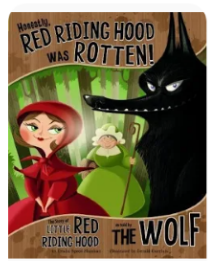
This week, the Year 1 students have begun exploring the engaging text Honestly, Red Riding Hood Was Rotten! by Trisha Speed Shaskan. Throughout this unit, we will develop our reading comprehension by looking closely at the characters and the author's choices.
Students will identify and describe character traits, use clues from the text to better understand characters and their actions, and explore how humour is created in stories. We will also learn about idioms (phrases that have a different meaning from the individual words), onomatopoeia (words that imitate sounds, such as bang or crash), and analyse the narrator's point of view. These learning experiences will help students deepen their understanding of texts and strengthen their comprehension skills.
Maths
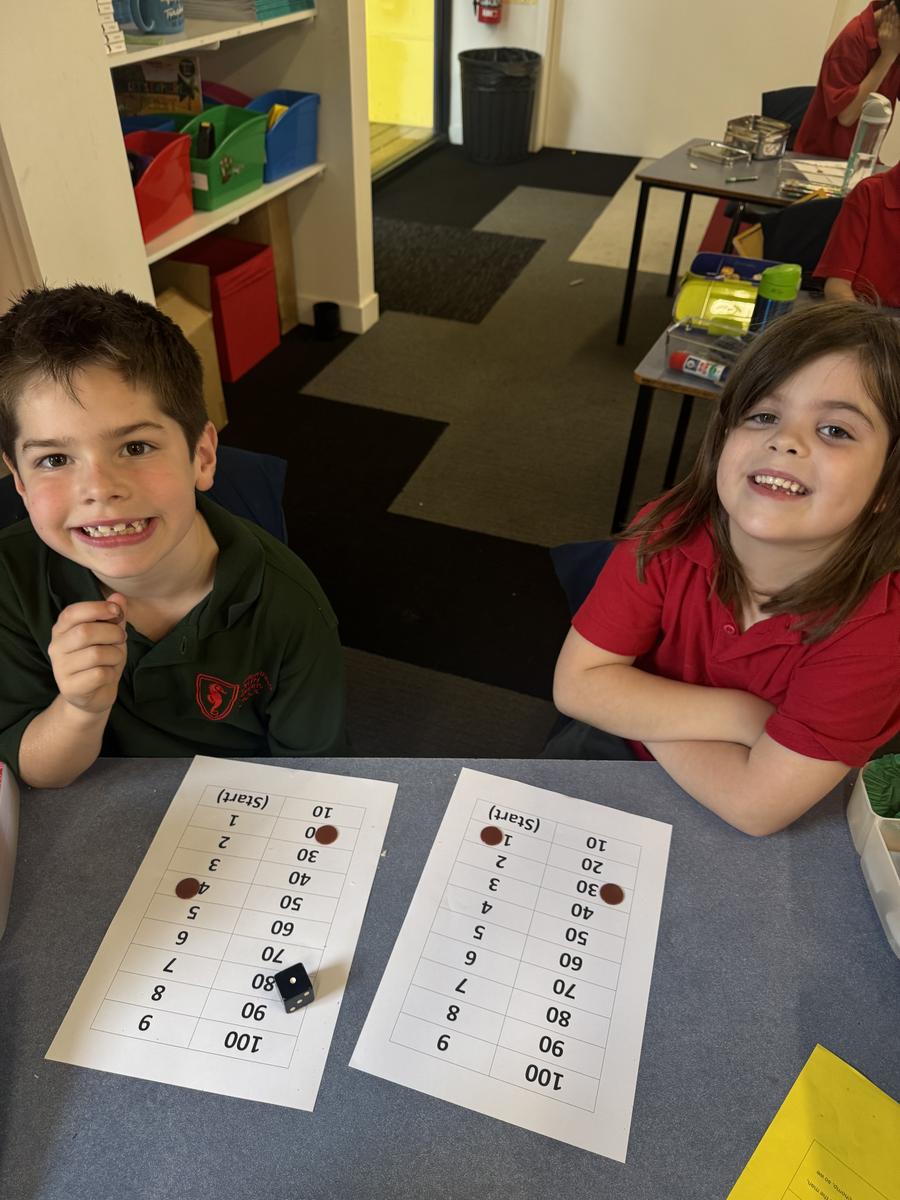
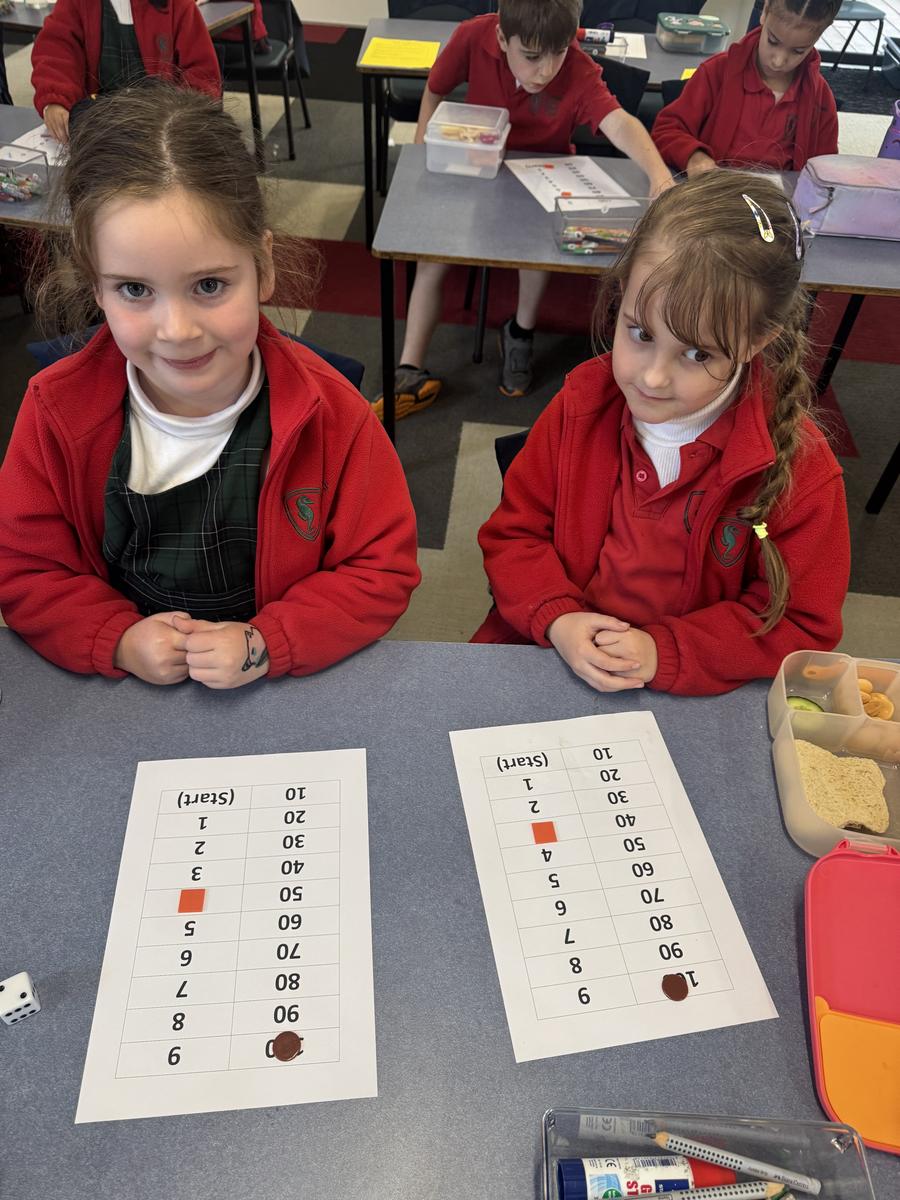
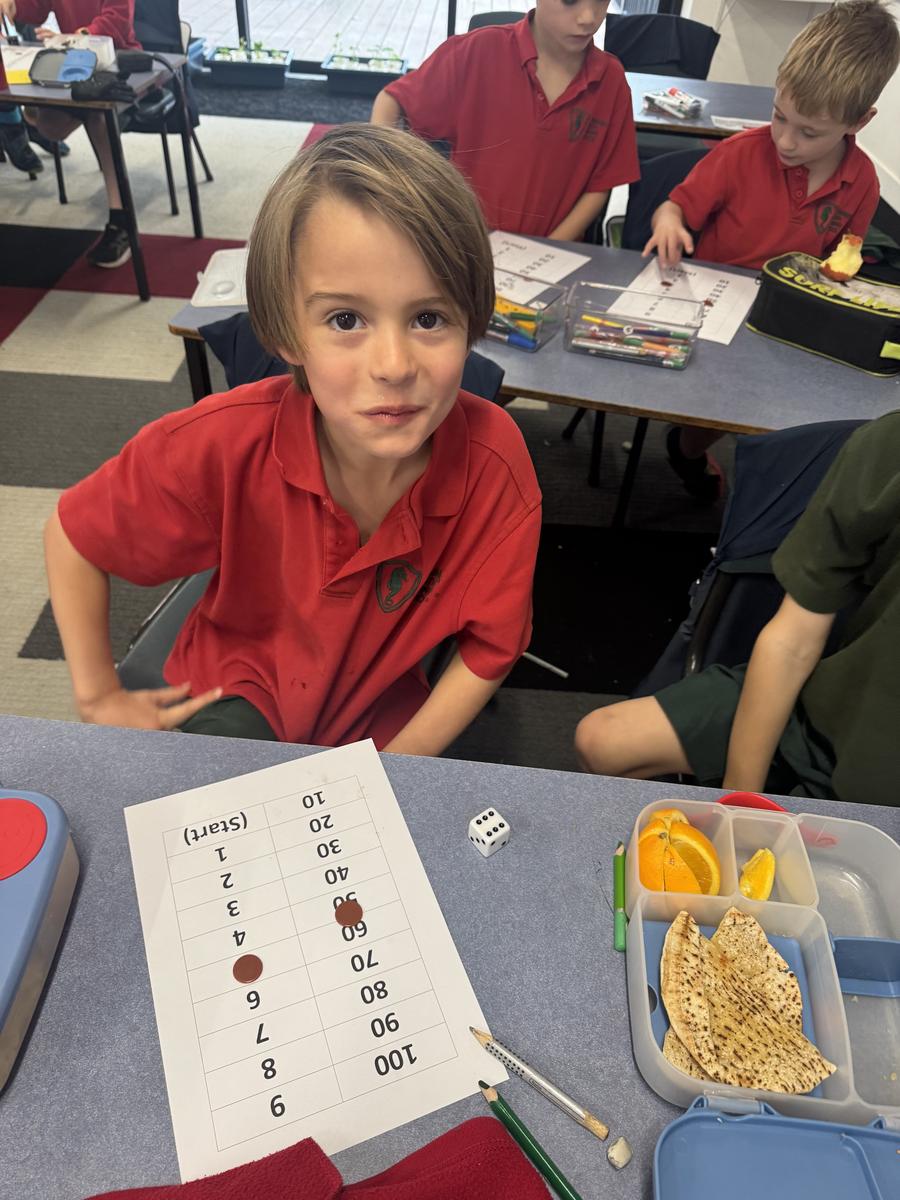
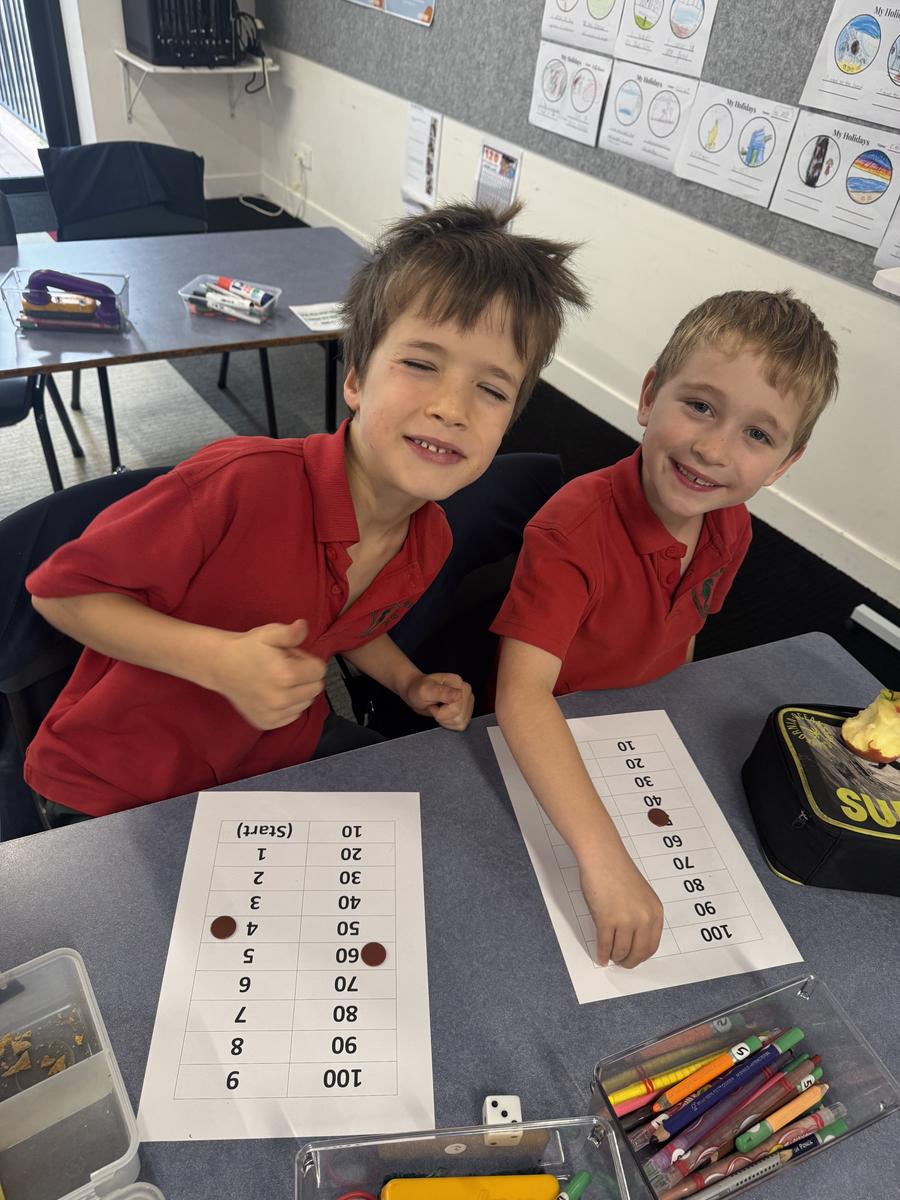
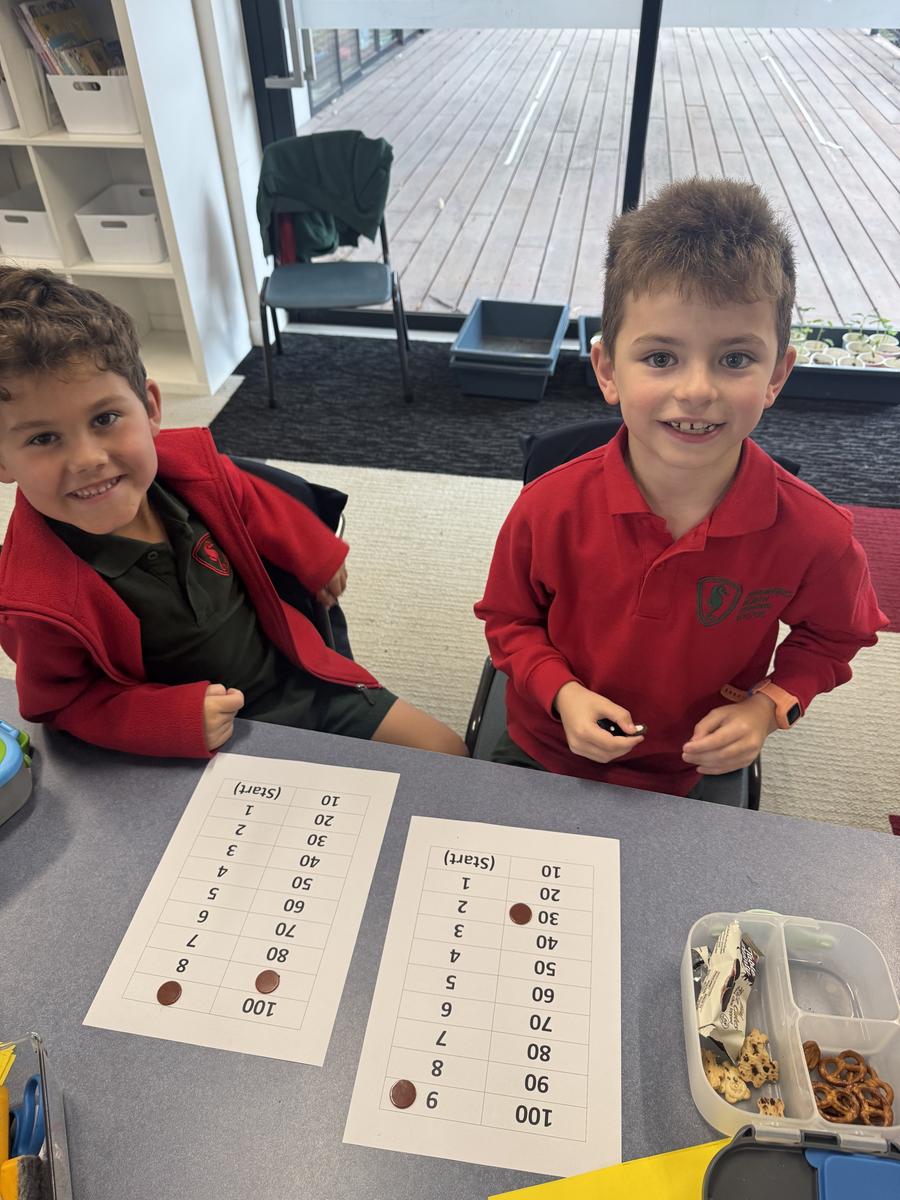
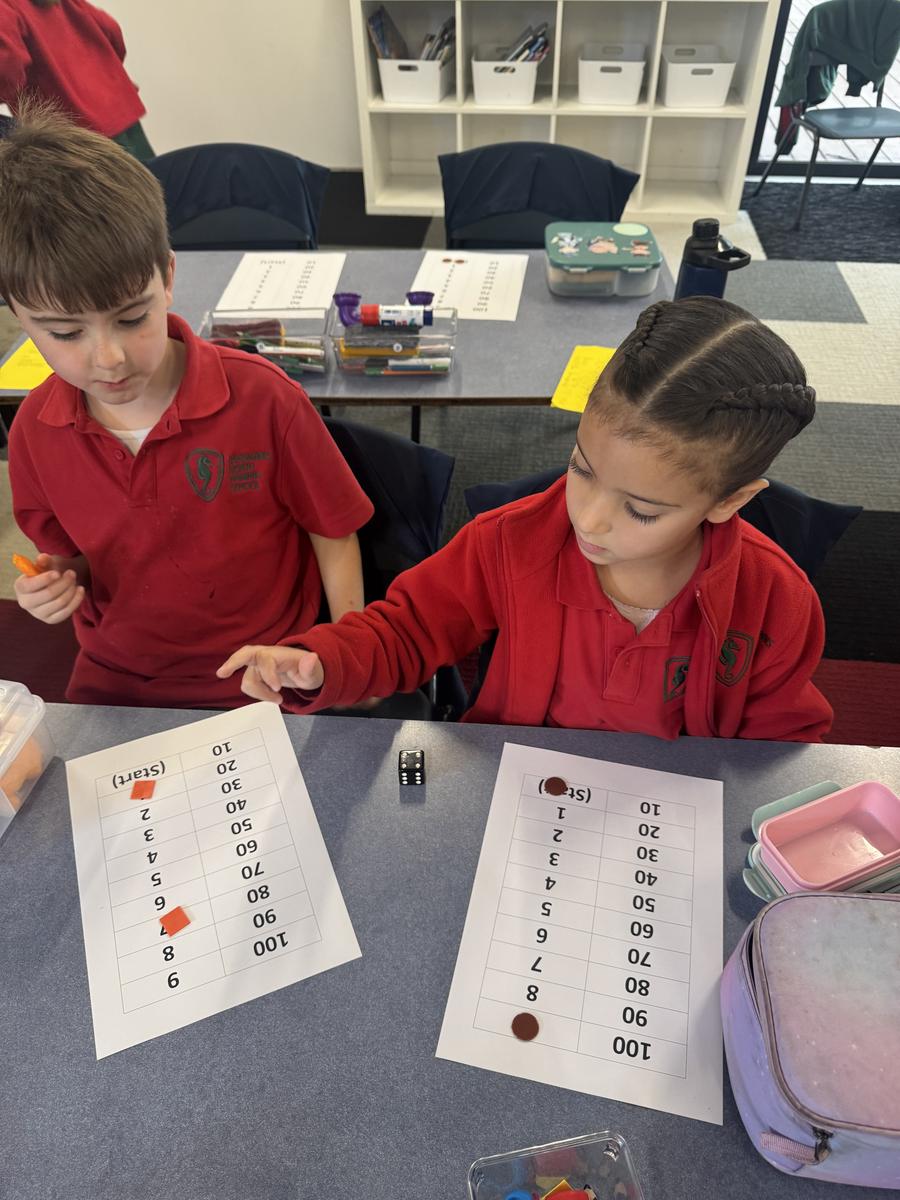
The Year 1 students have continued to build their confidence and mathematical understanding across a wide range of concepts.
Over the past few weeks, we have focused on reading, writing and partitioning 3-digit numbers. Students have been developing their understanding of place value by identifying the hundreds, tens and ones in numbers (for example, 532 = 500 + 30 + 2). They have used MAB blocks to model and represent numbers, helping them make connections between concrete materials and written numerals.
We have also introduced simple worded problems, using number bonds to identify the whole and the parts of a problem. Students have been learning to decide whether addition or subtraction is needed and to choose an efficient strategy, such as counting on or counting back to find the answer.
Students have continued to revise 3D shapes by identifying and counting their faces and vertices, while also exploring length by measuring and comparing objects using informal units.
Our daily fluency sessions continue to strengthen students' recall of addition and subtraction facts, helping them solve problems with increasing confidence and accuracy. We have also been developing skip-counting skills by counting forwards and backwards in 1s, 2s, 5s and 10s from a variety of starting points, further building number sense and mathematical flexibility.
Where We Are in Place and Time
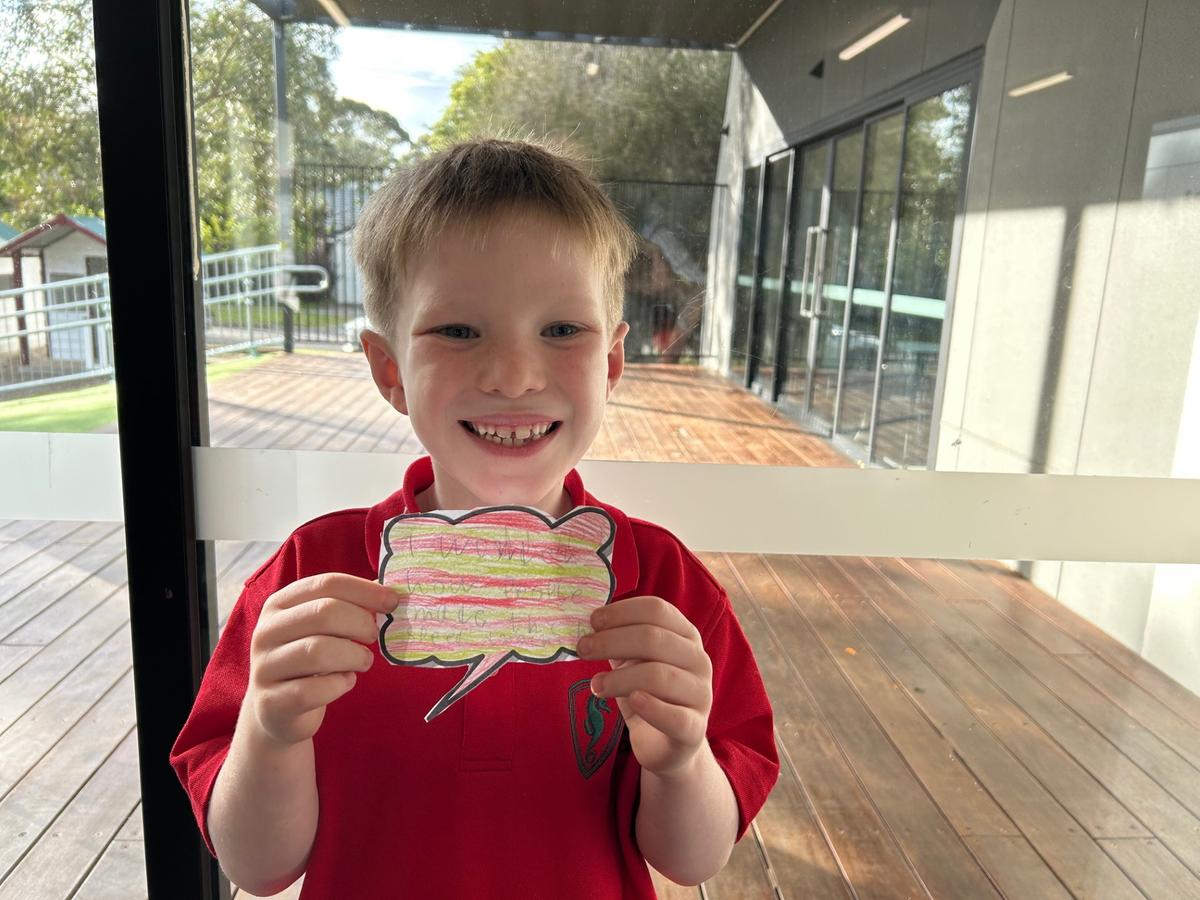
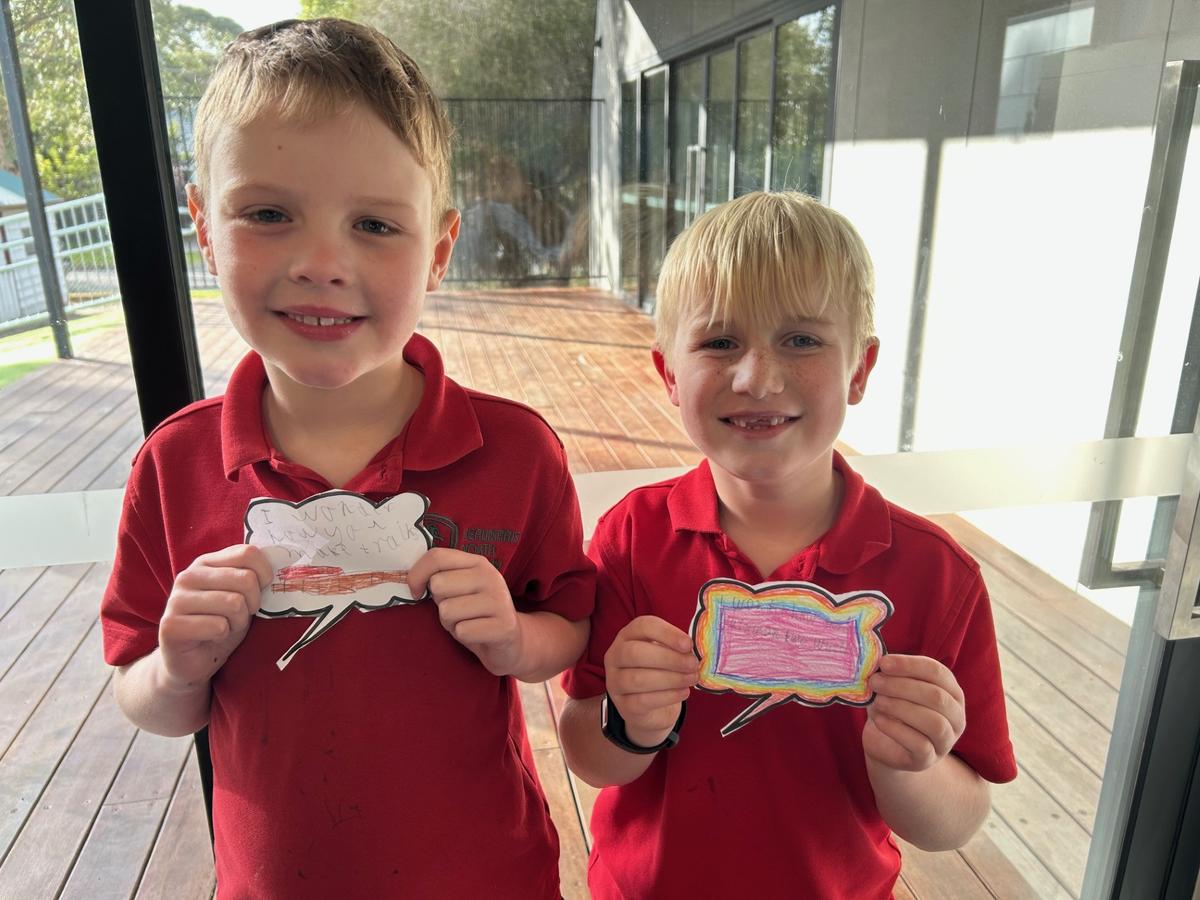
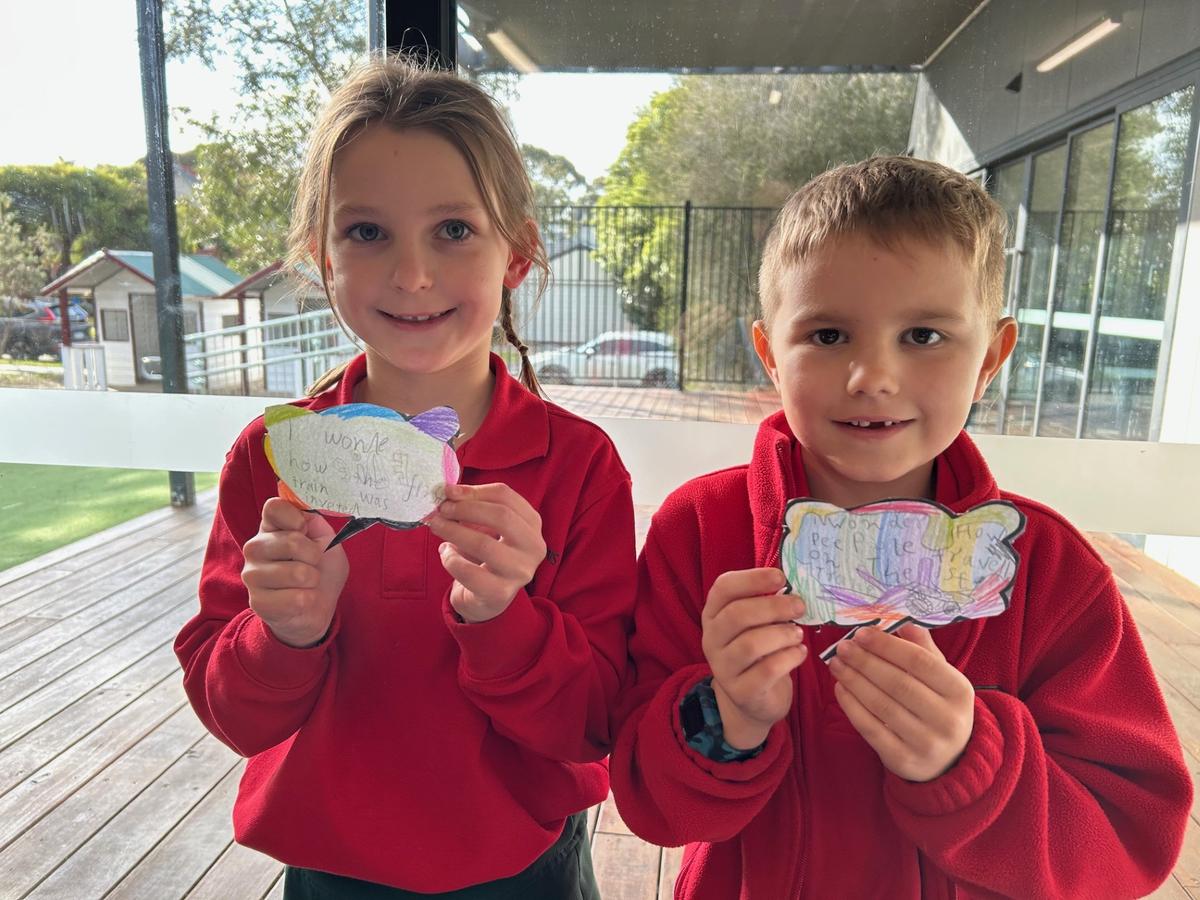
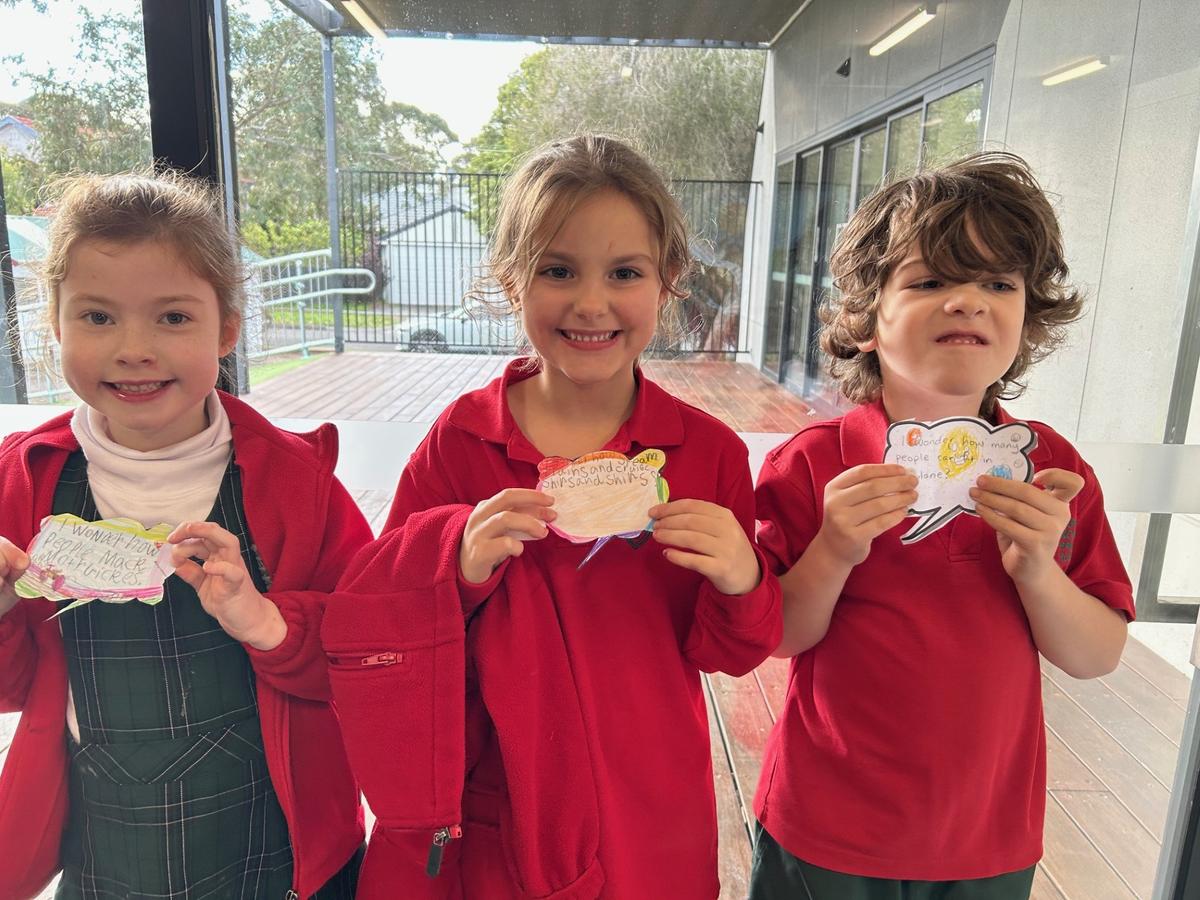
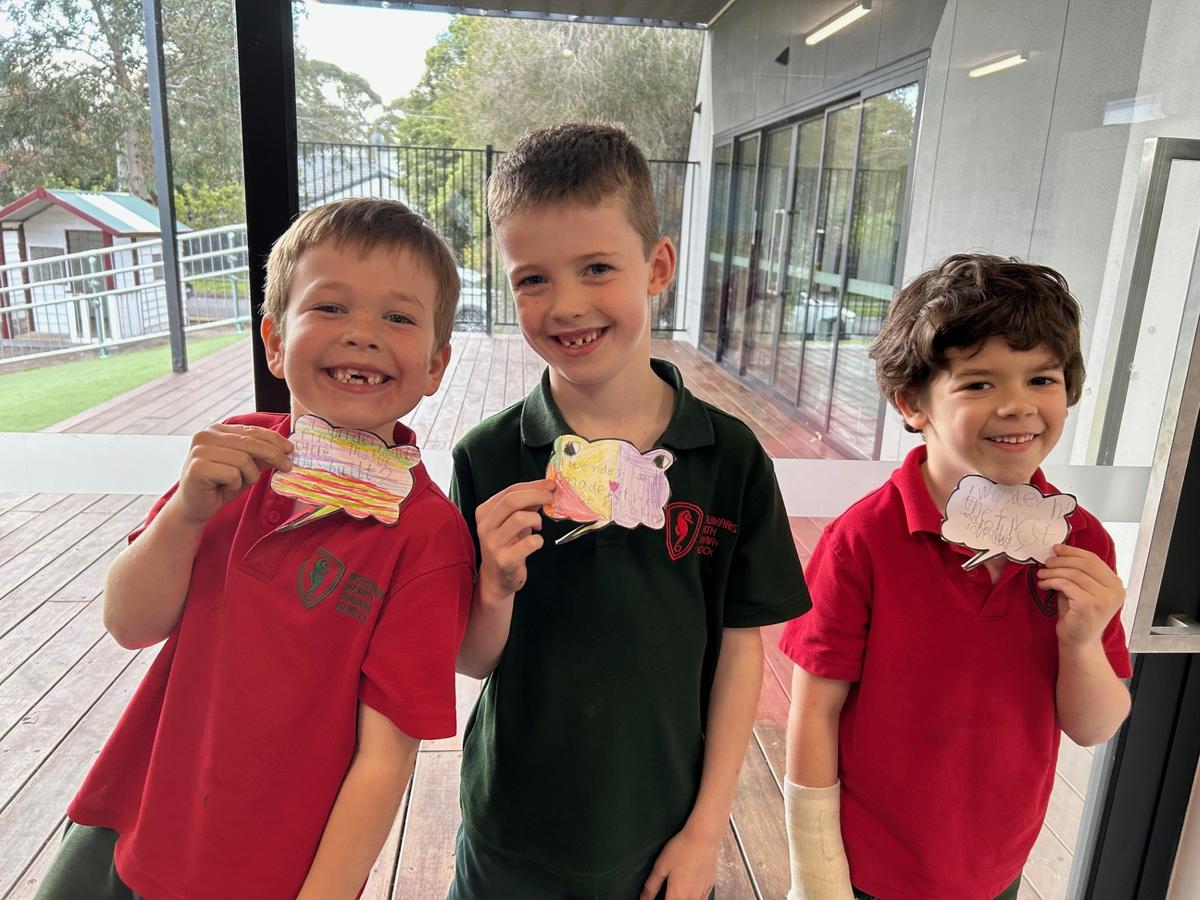
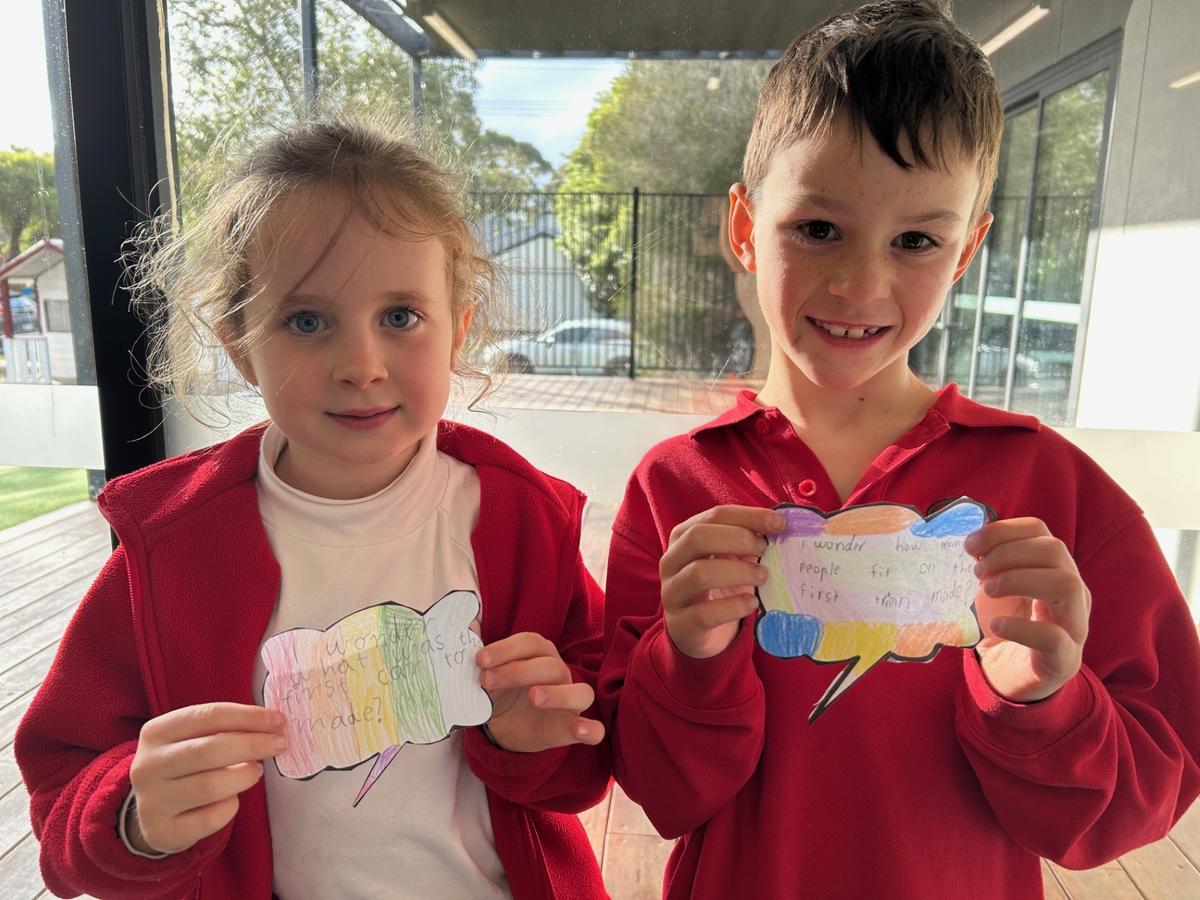
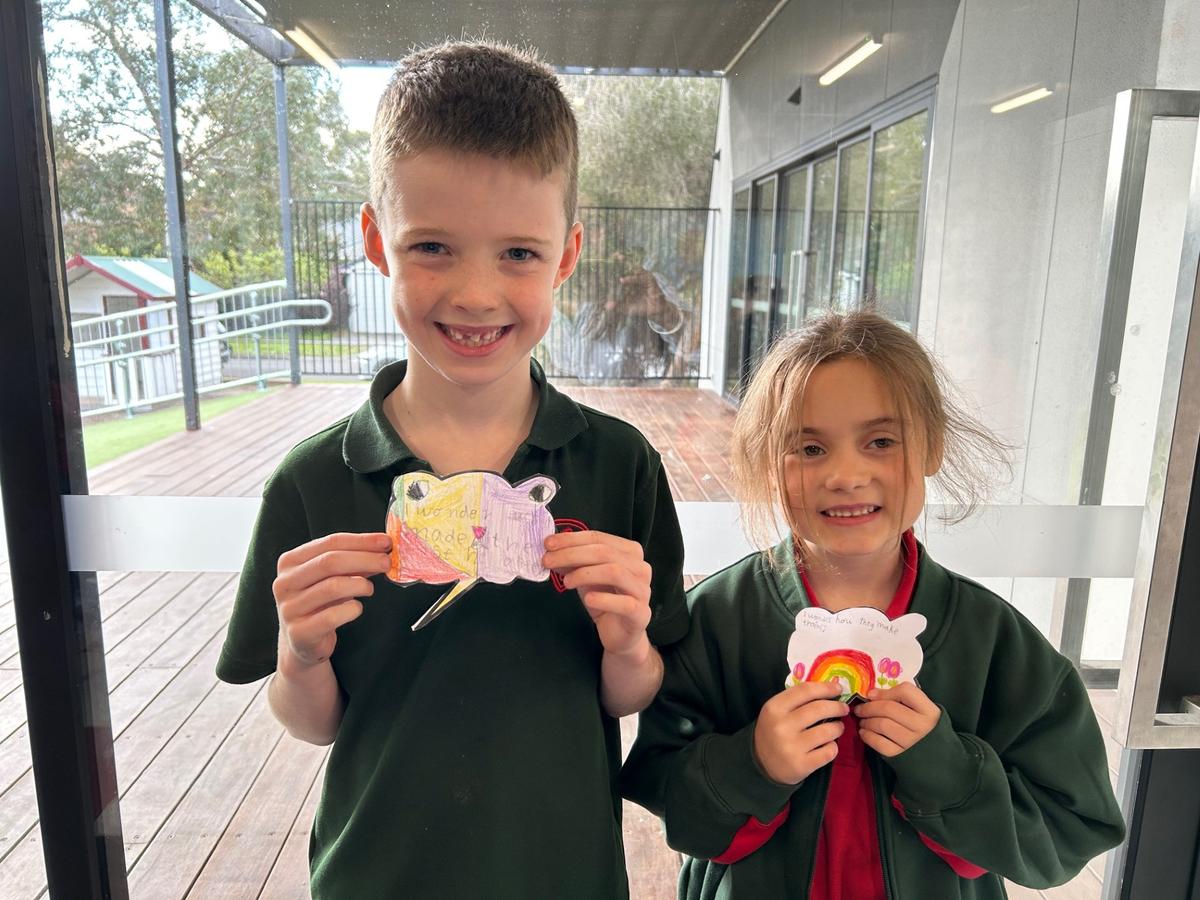
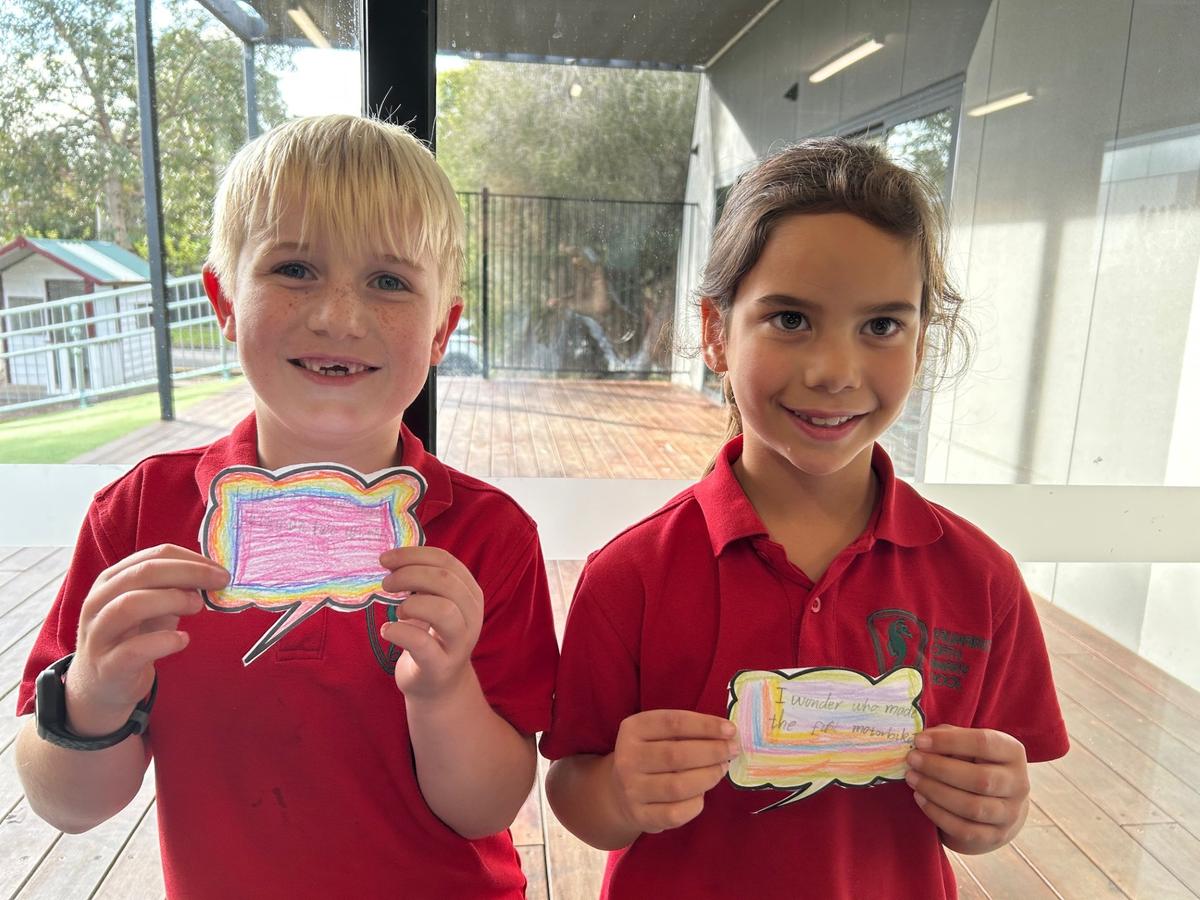
The Year 1 students have begun the term with great excitement as we launched our new Unit of Inquiry, 'Where We Are in Place and Time'. To introduce our learning, students shared their own wonderings about the topic, asking thoughtful and insightful questions that reflected their curiosity and enthusiasm.
From wondering how people travelled long ago to asking how transport has changed over time, the students generated many fantastic questions that will guide our learning throughout the unit. We look forward to investigating these wonderings together and discovering the answers through engaging hands-on activities, discussions and inquiry experiences over the coming weeks.
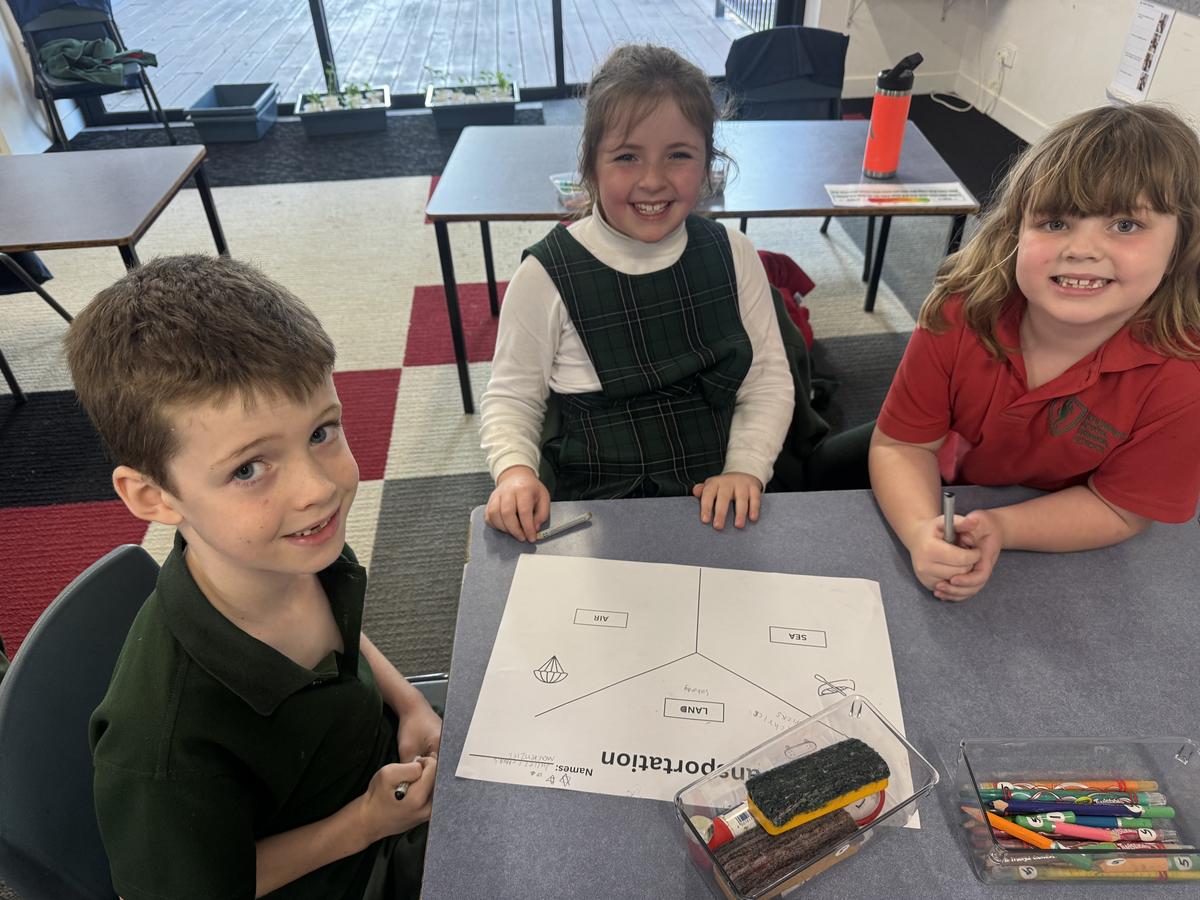
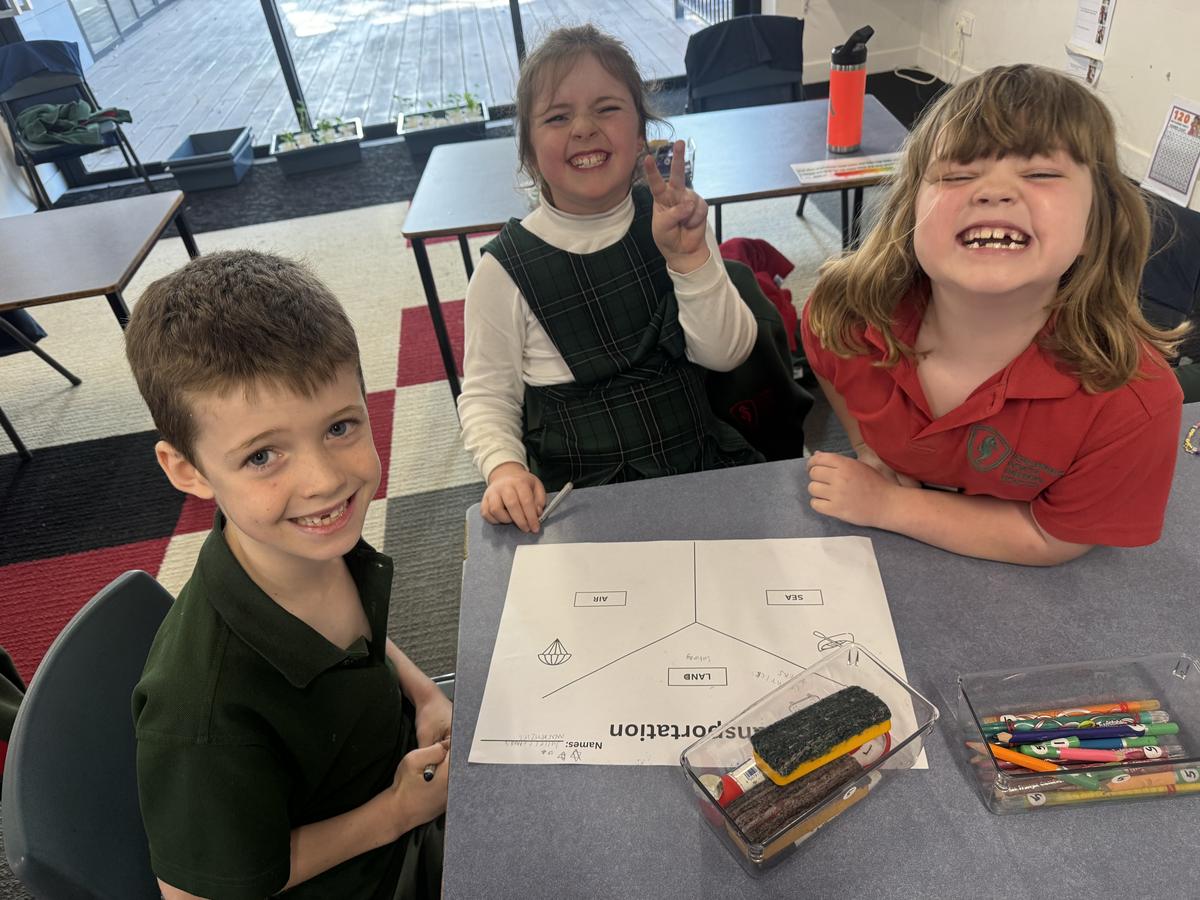
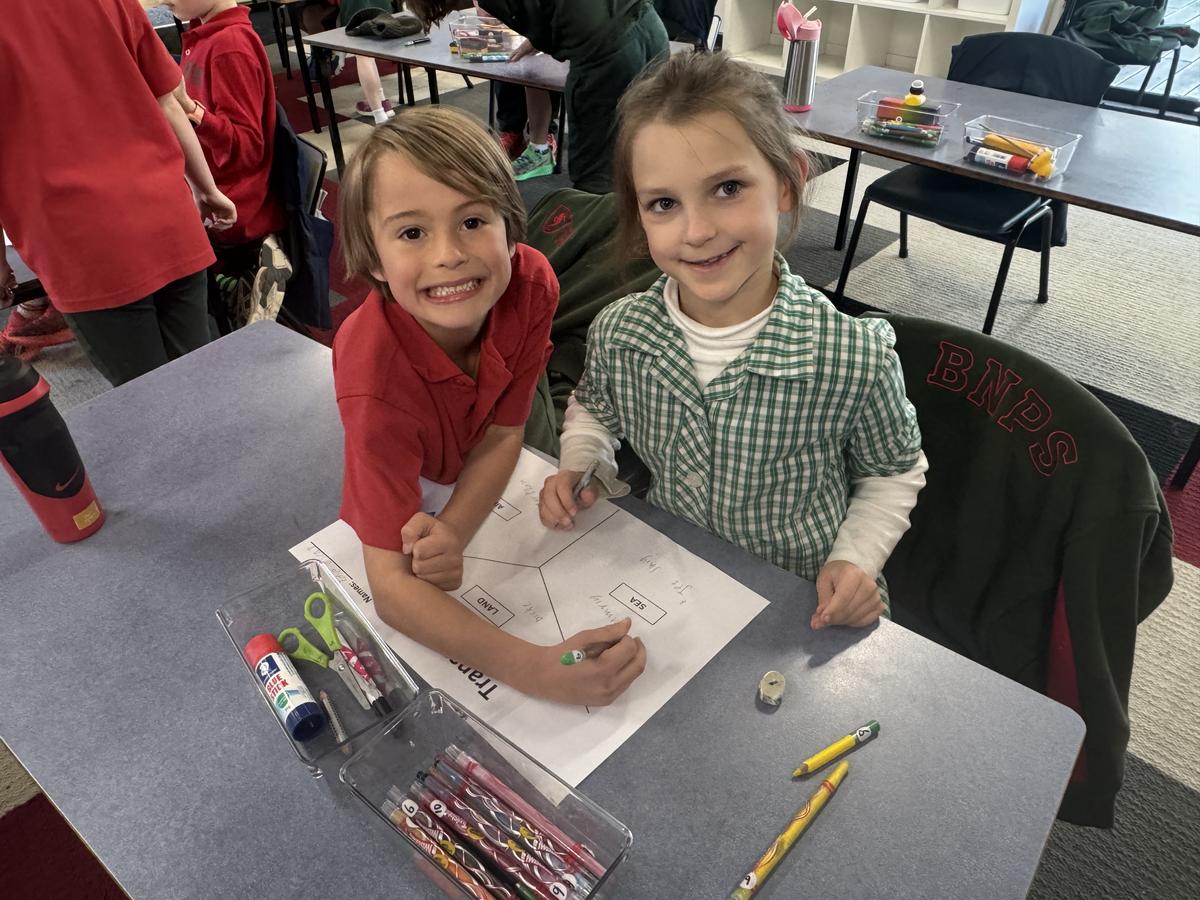
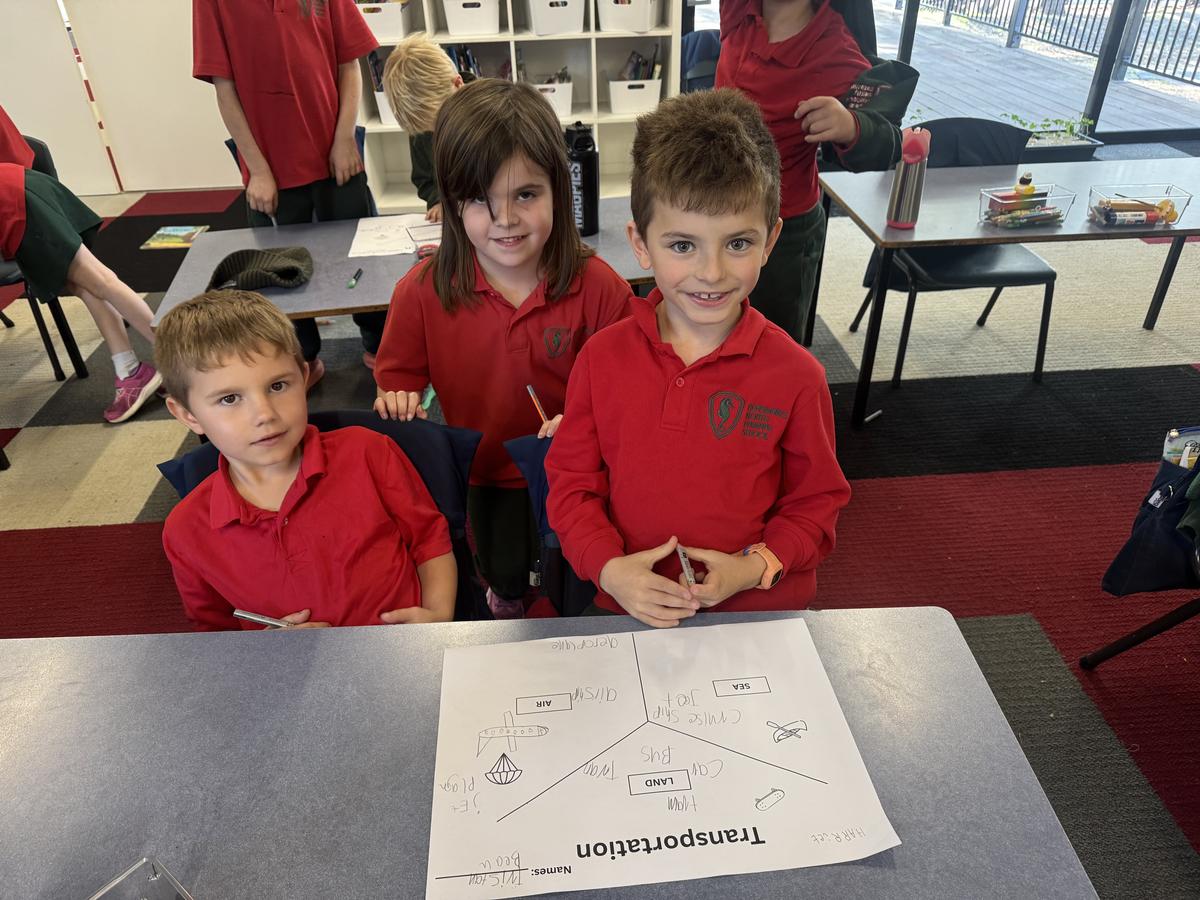
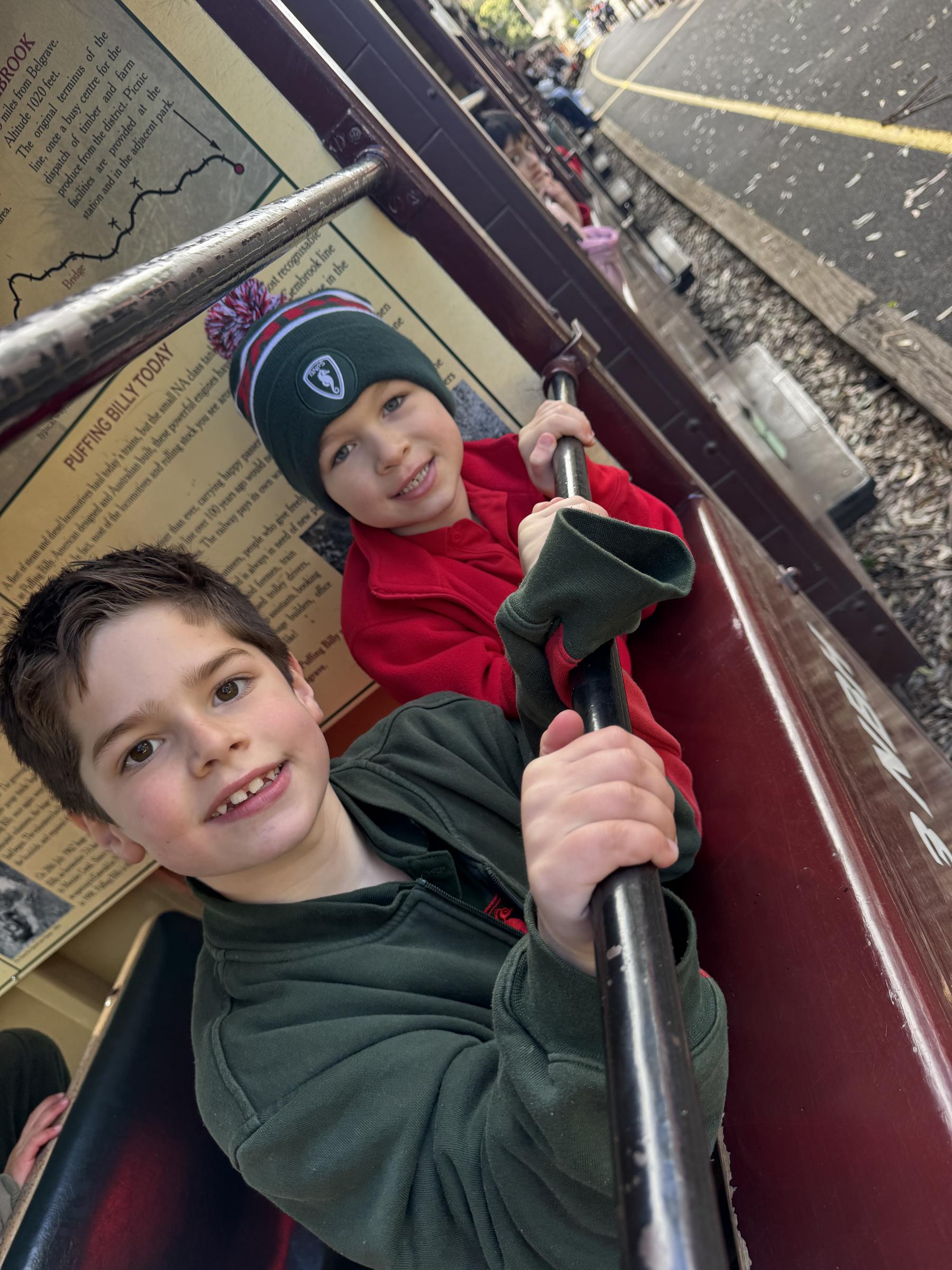
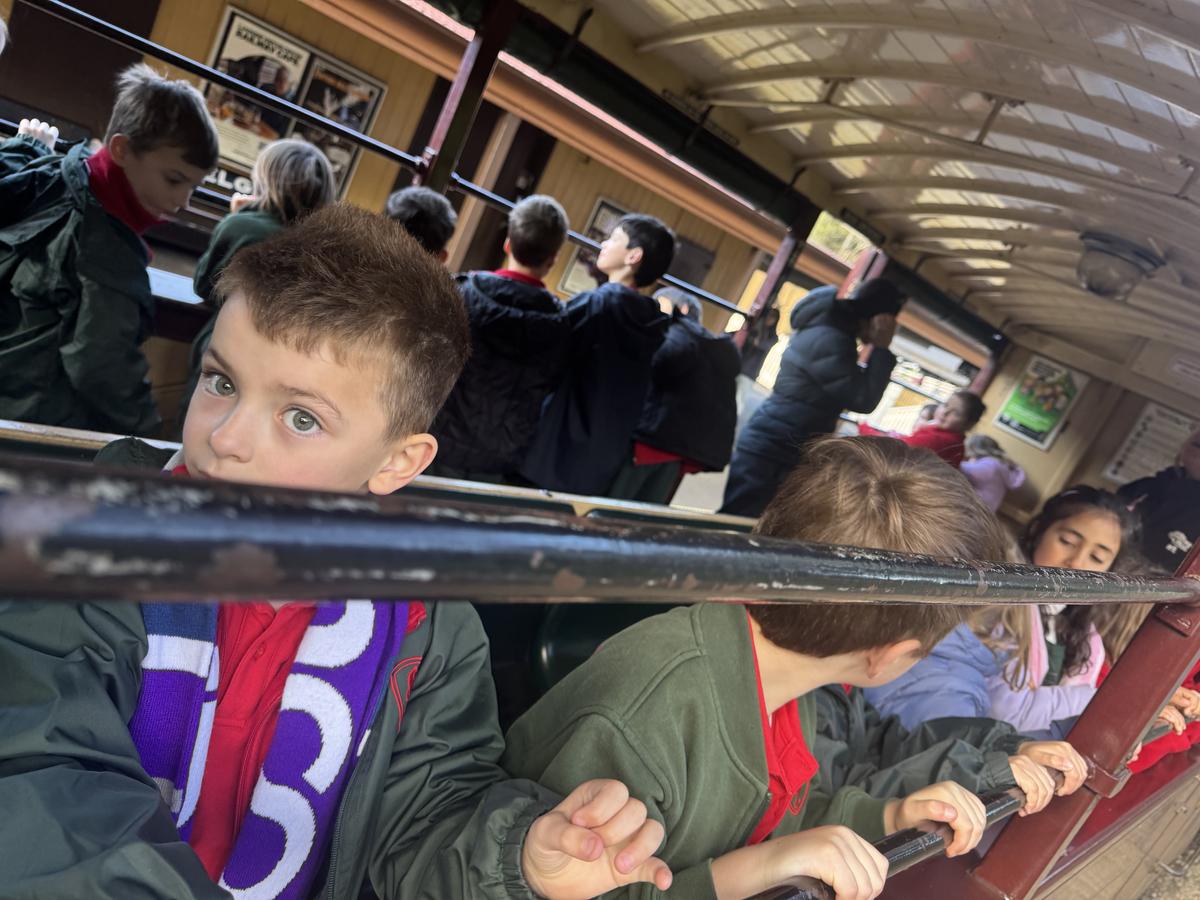
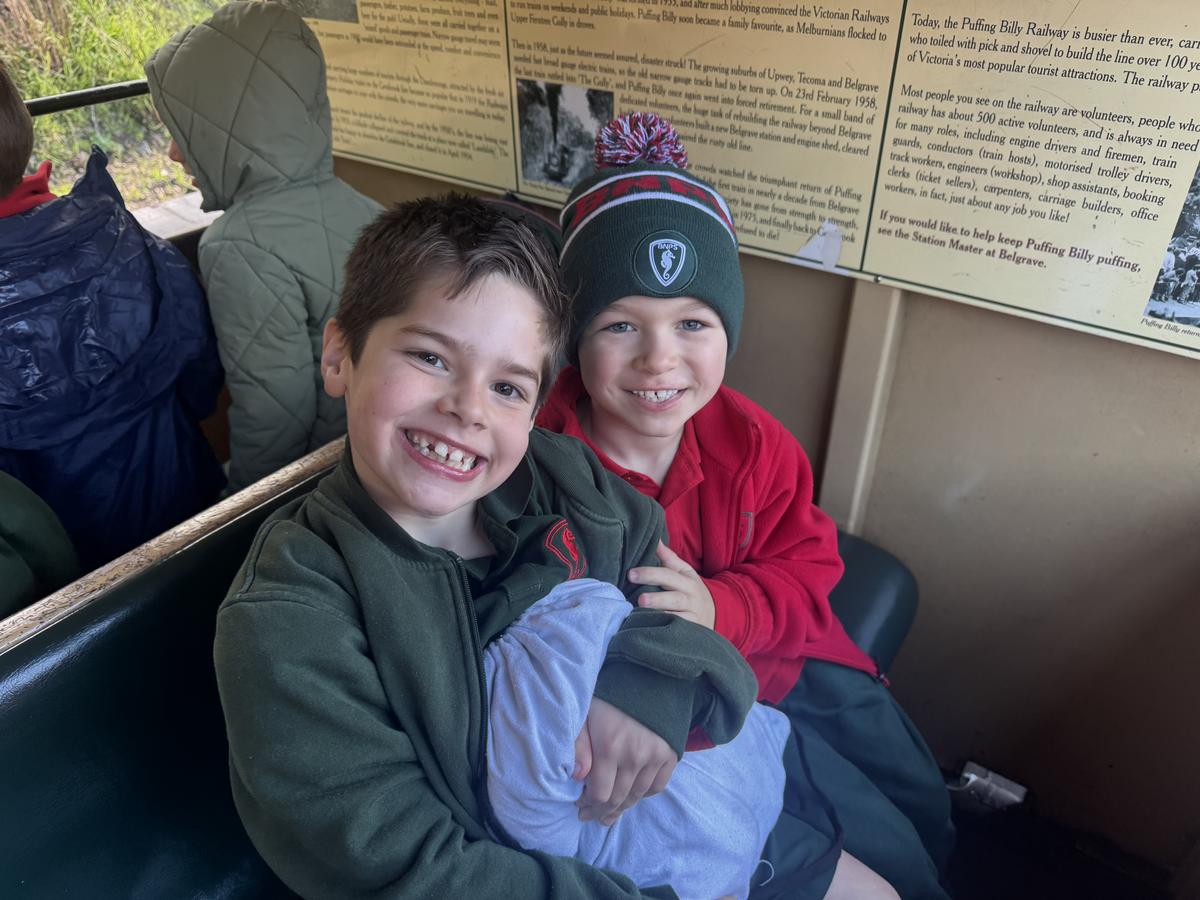
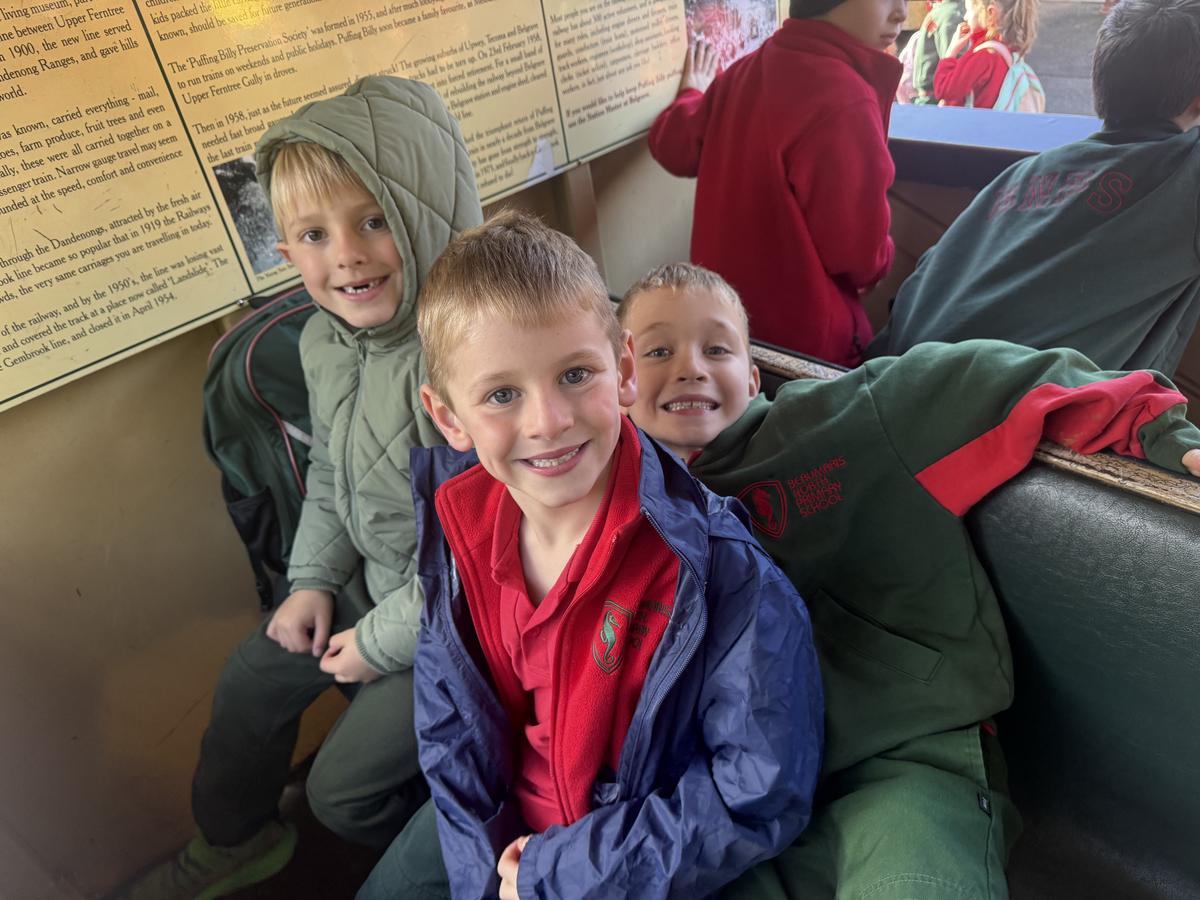
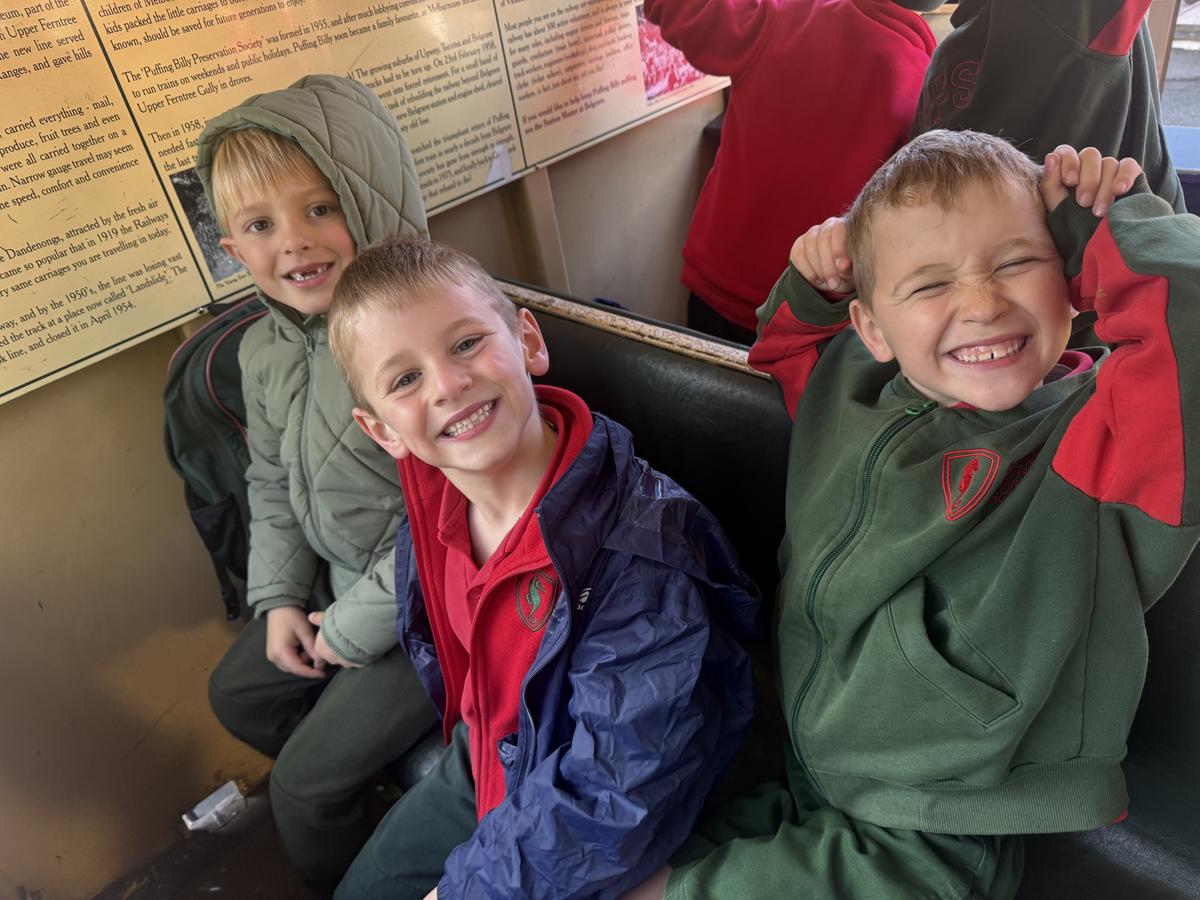
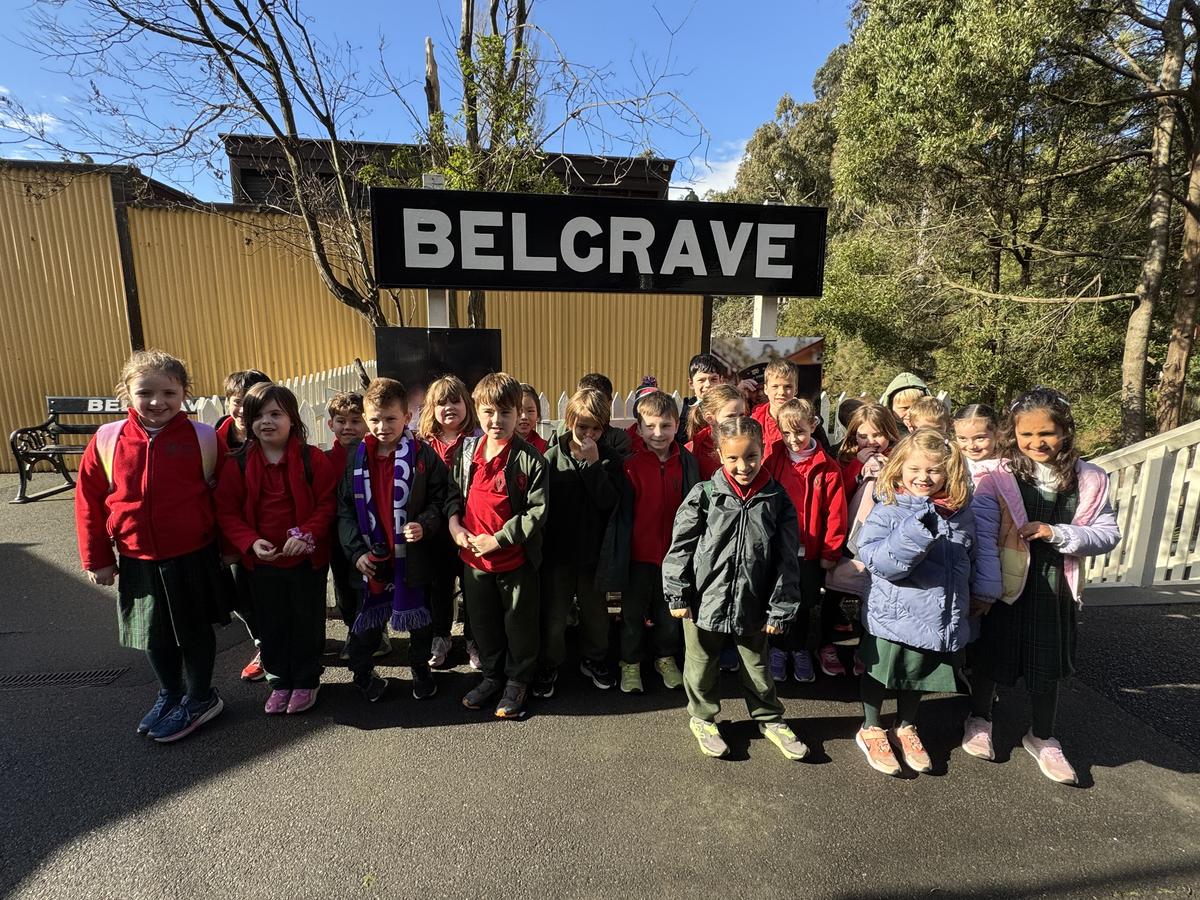
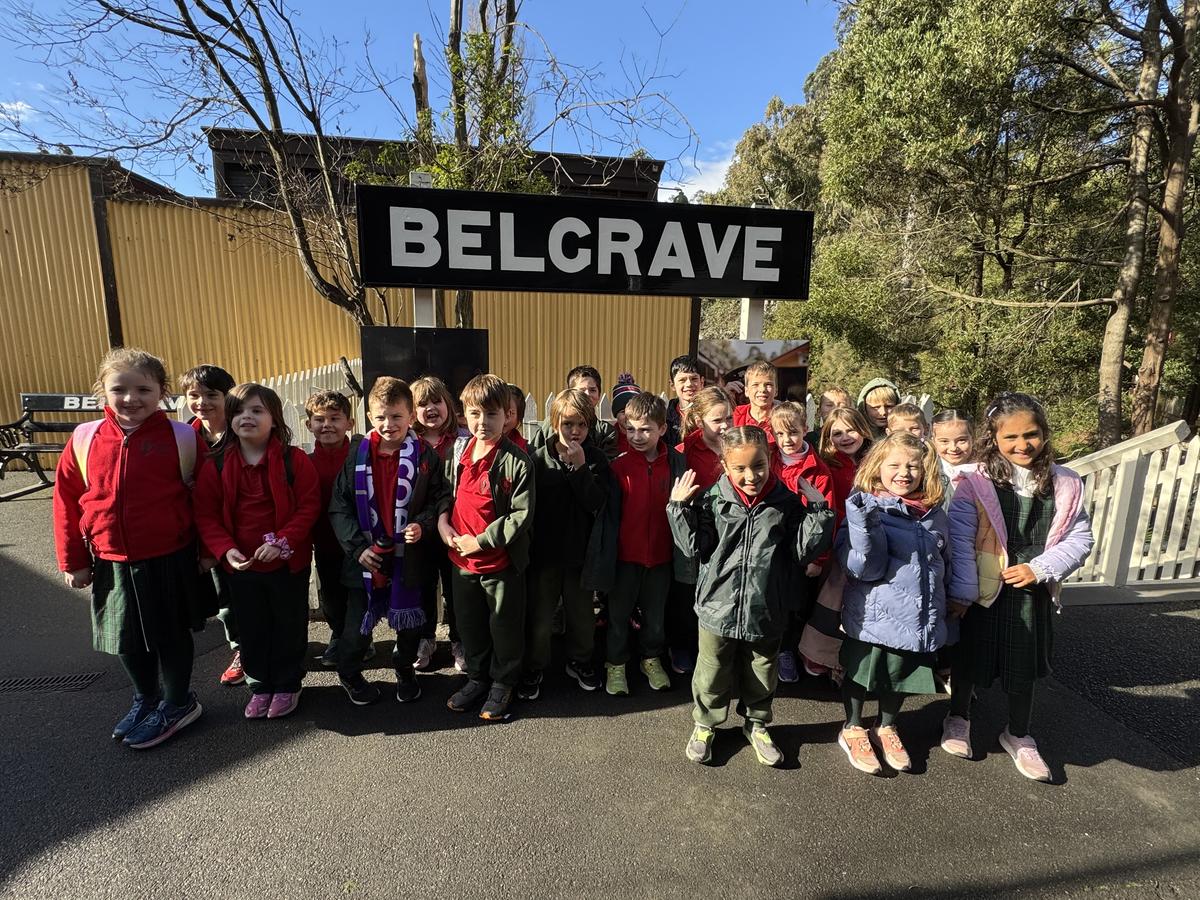
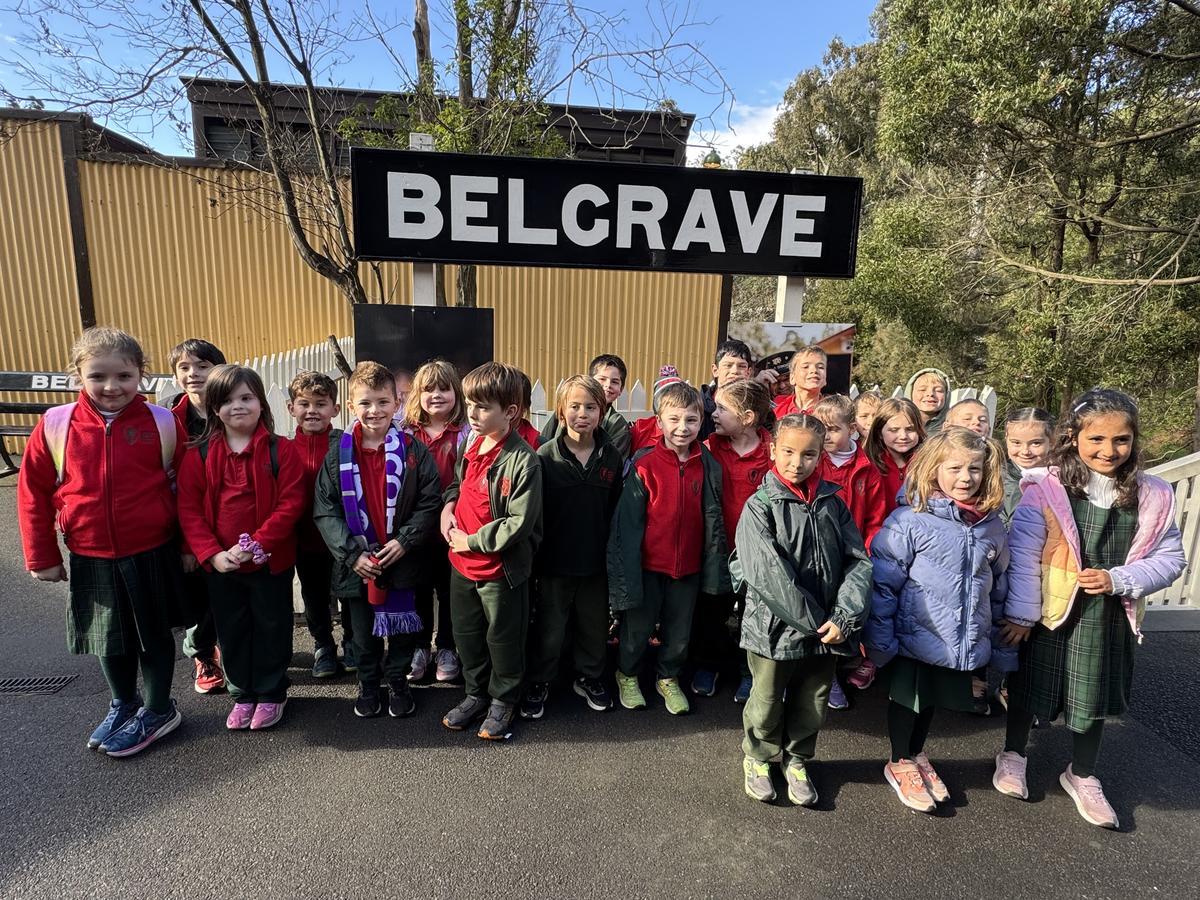
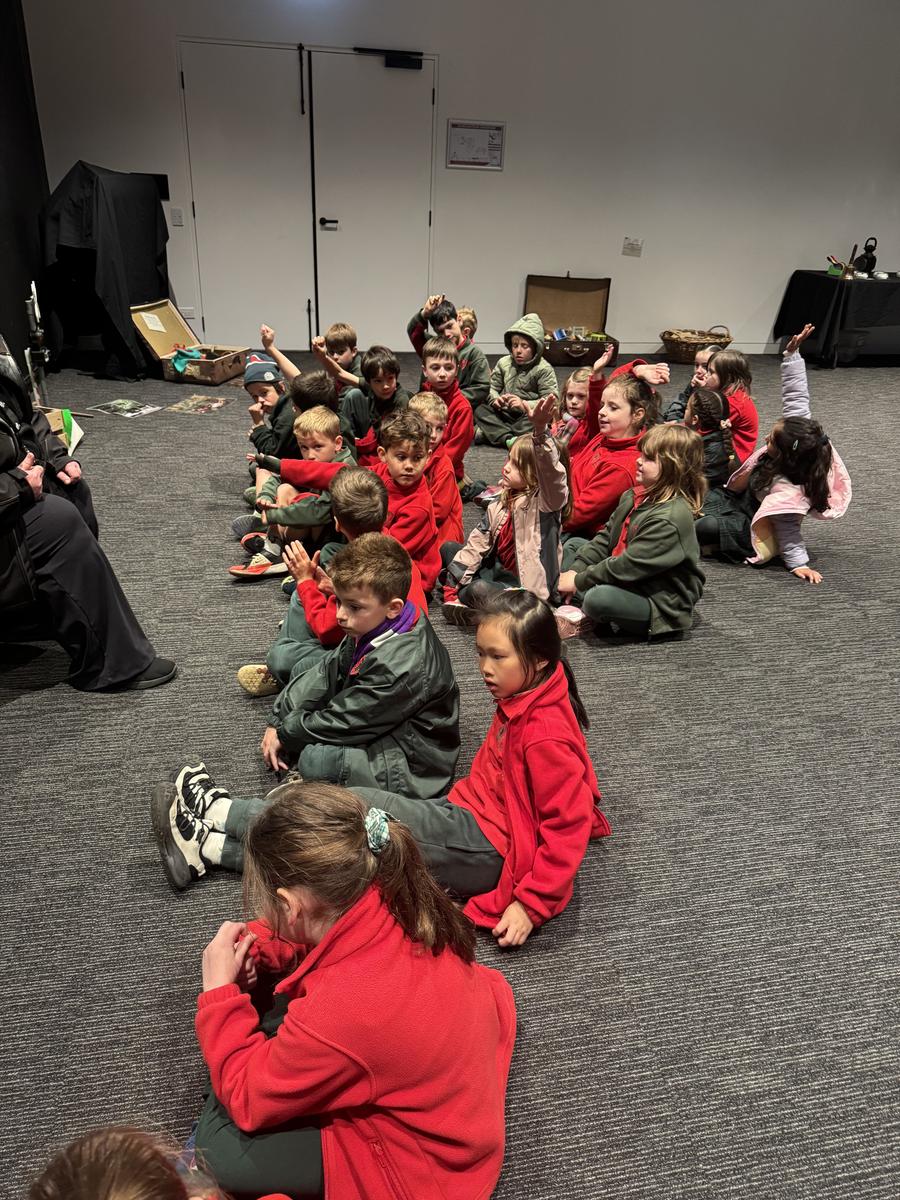
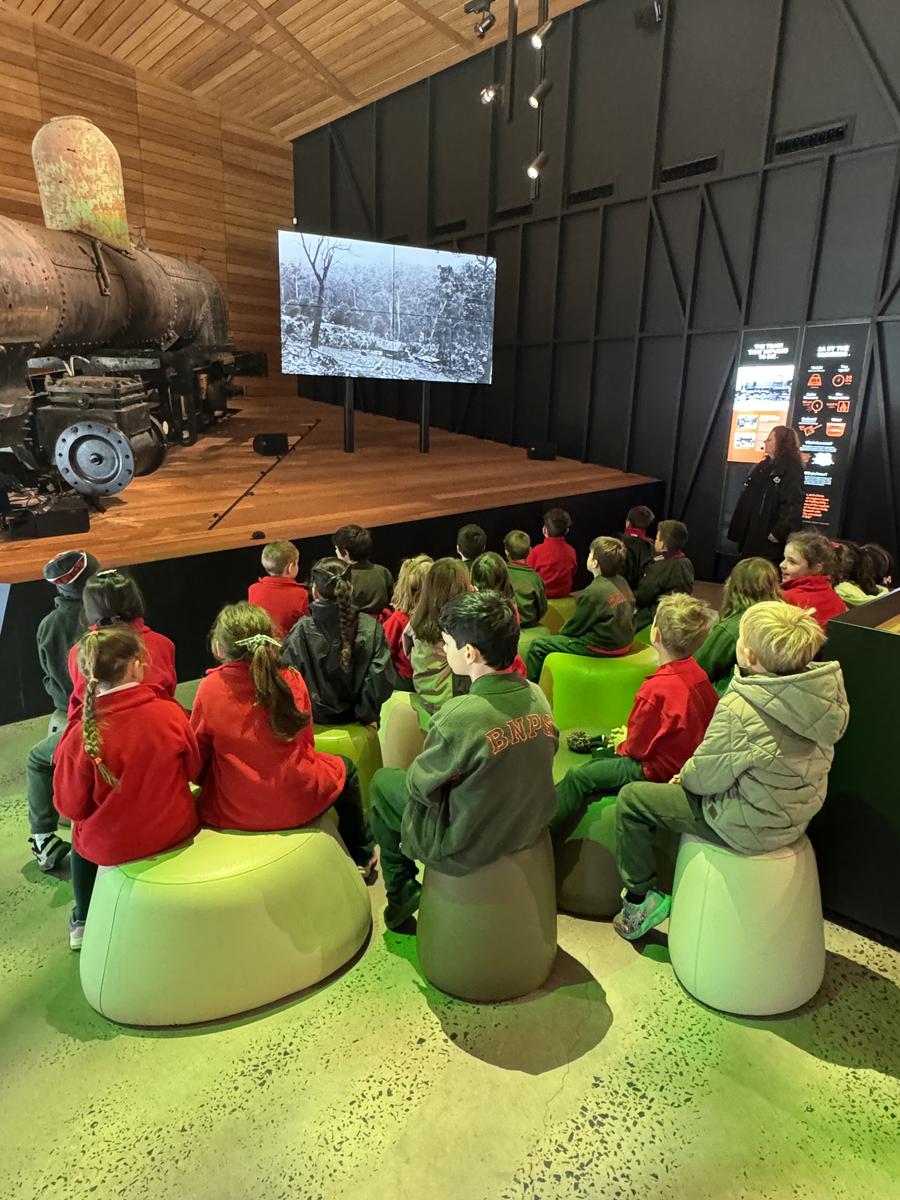
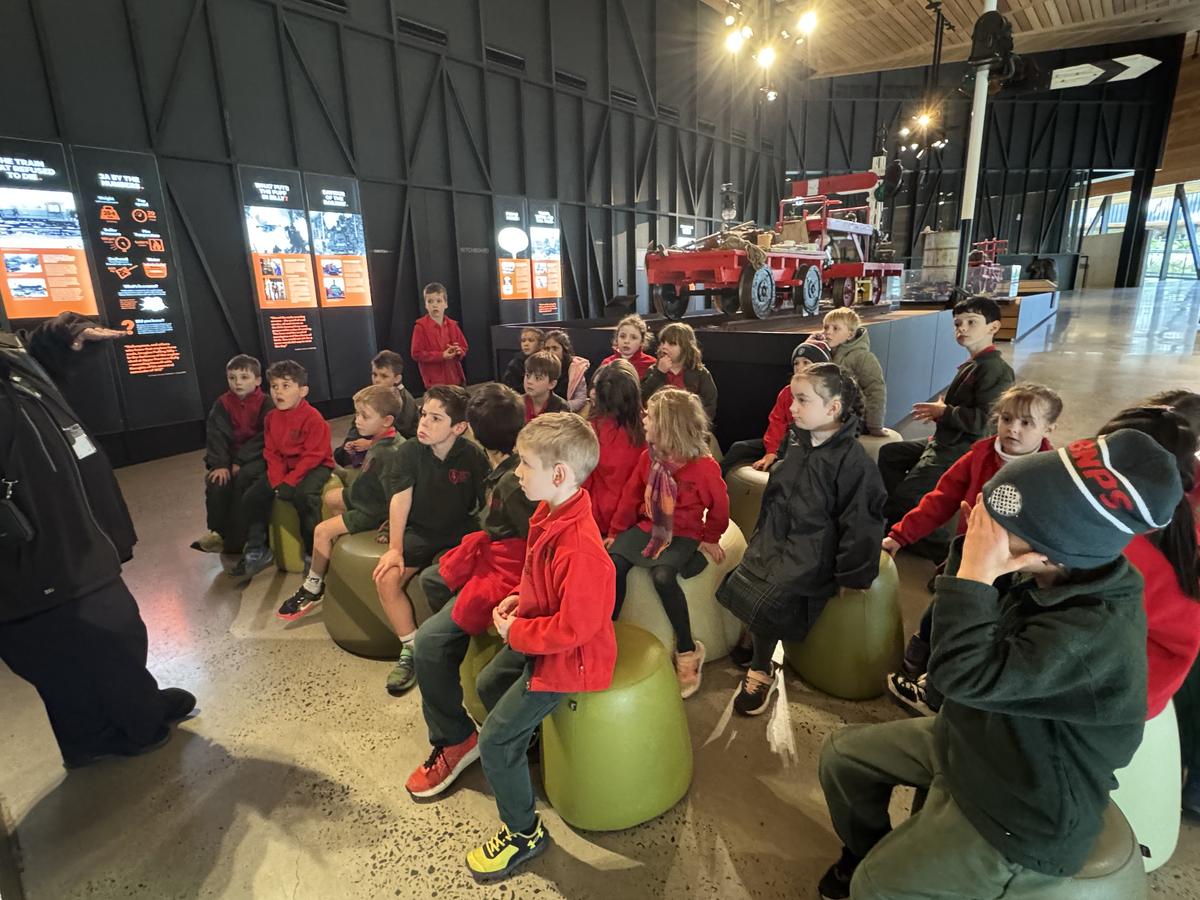
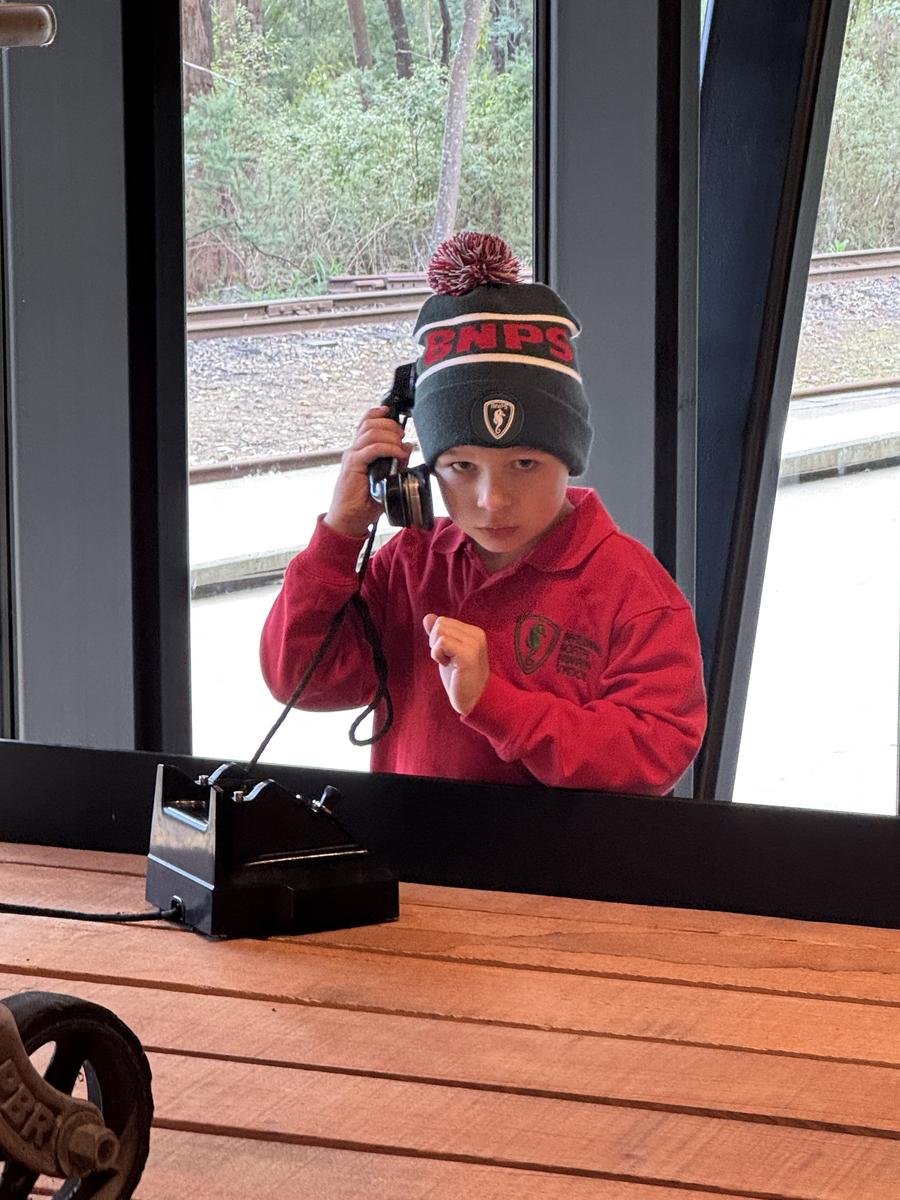
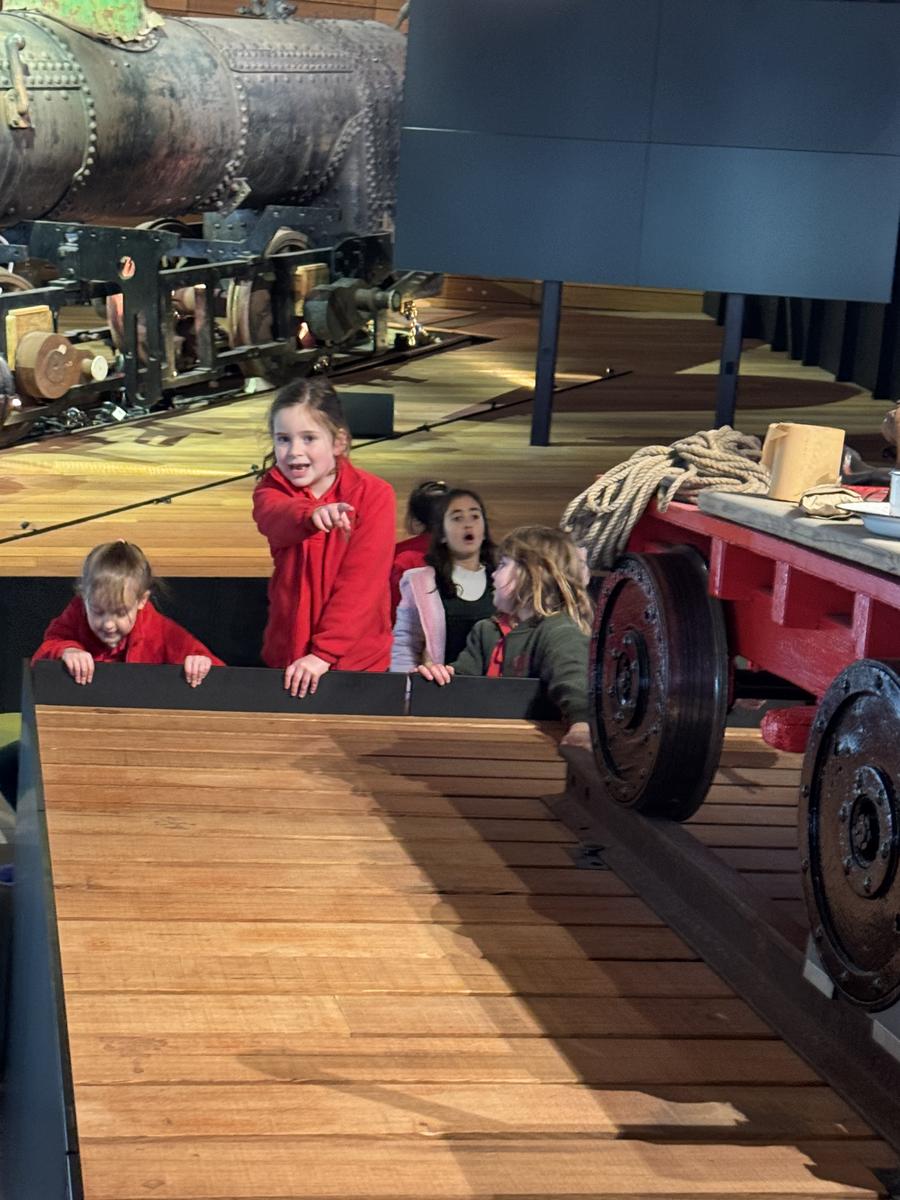
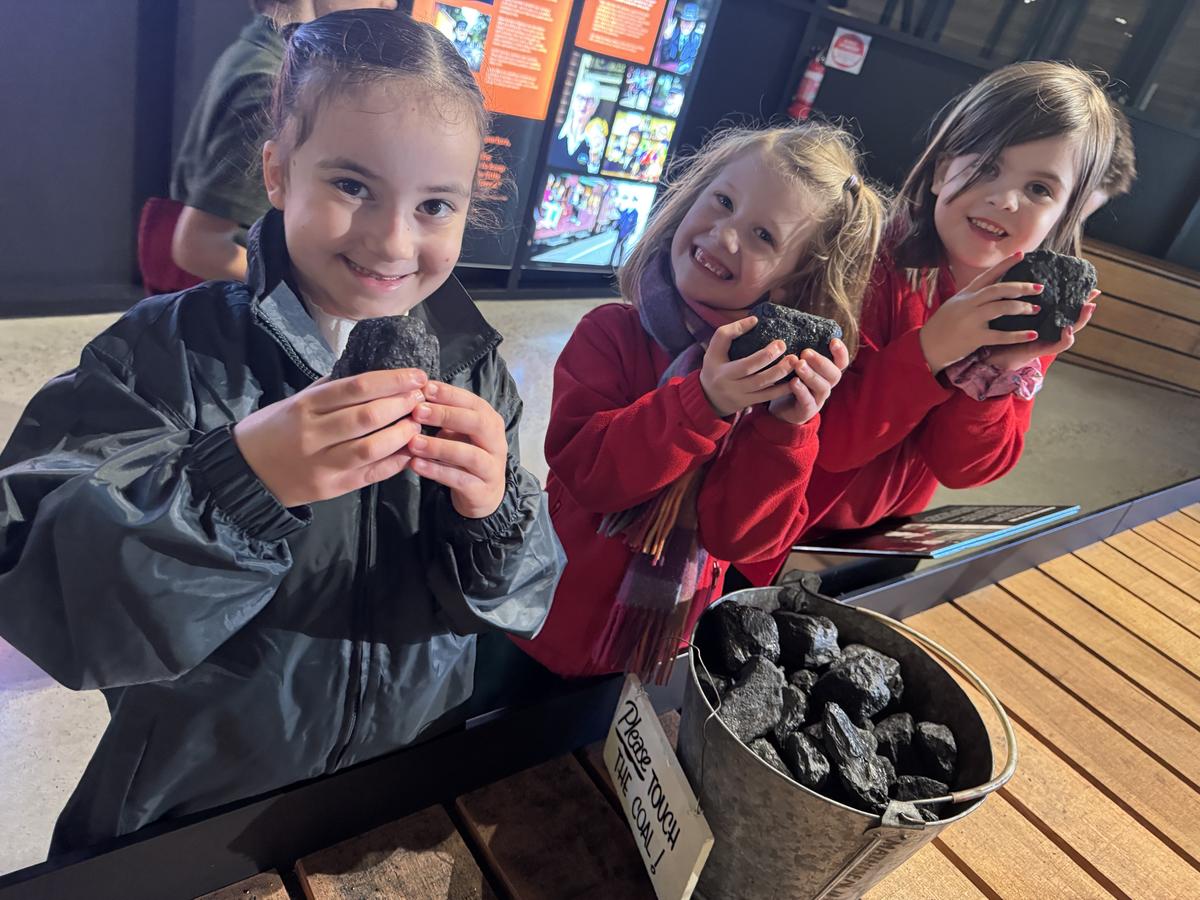
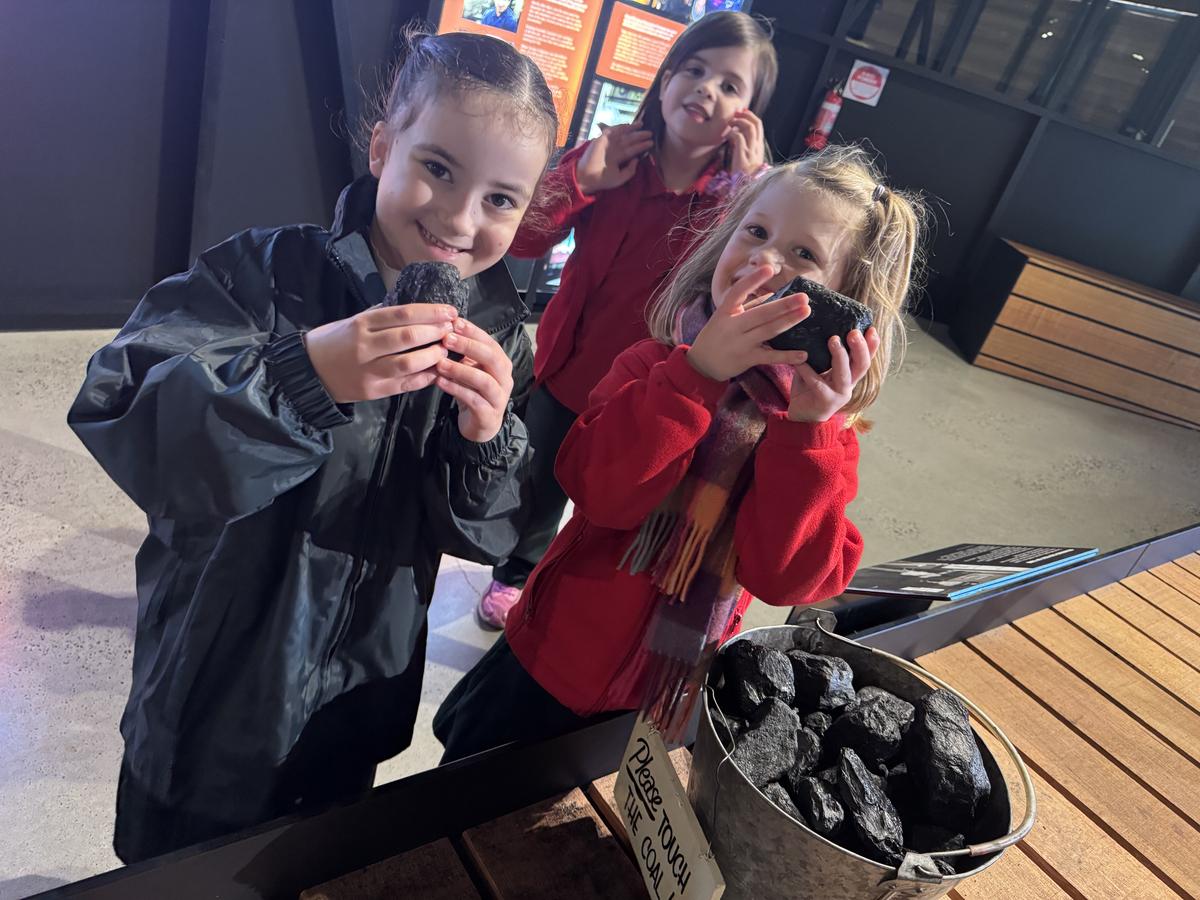
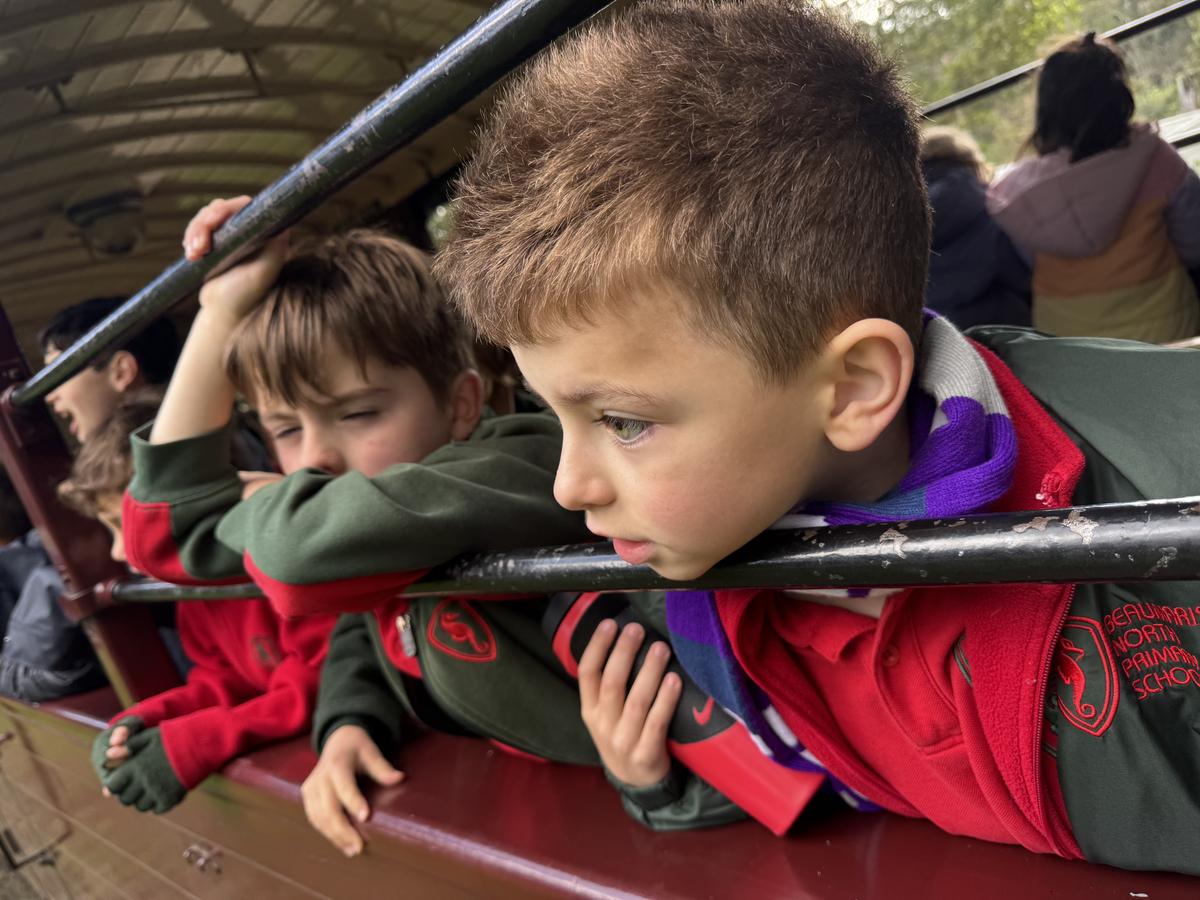
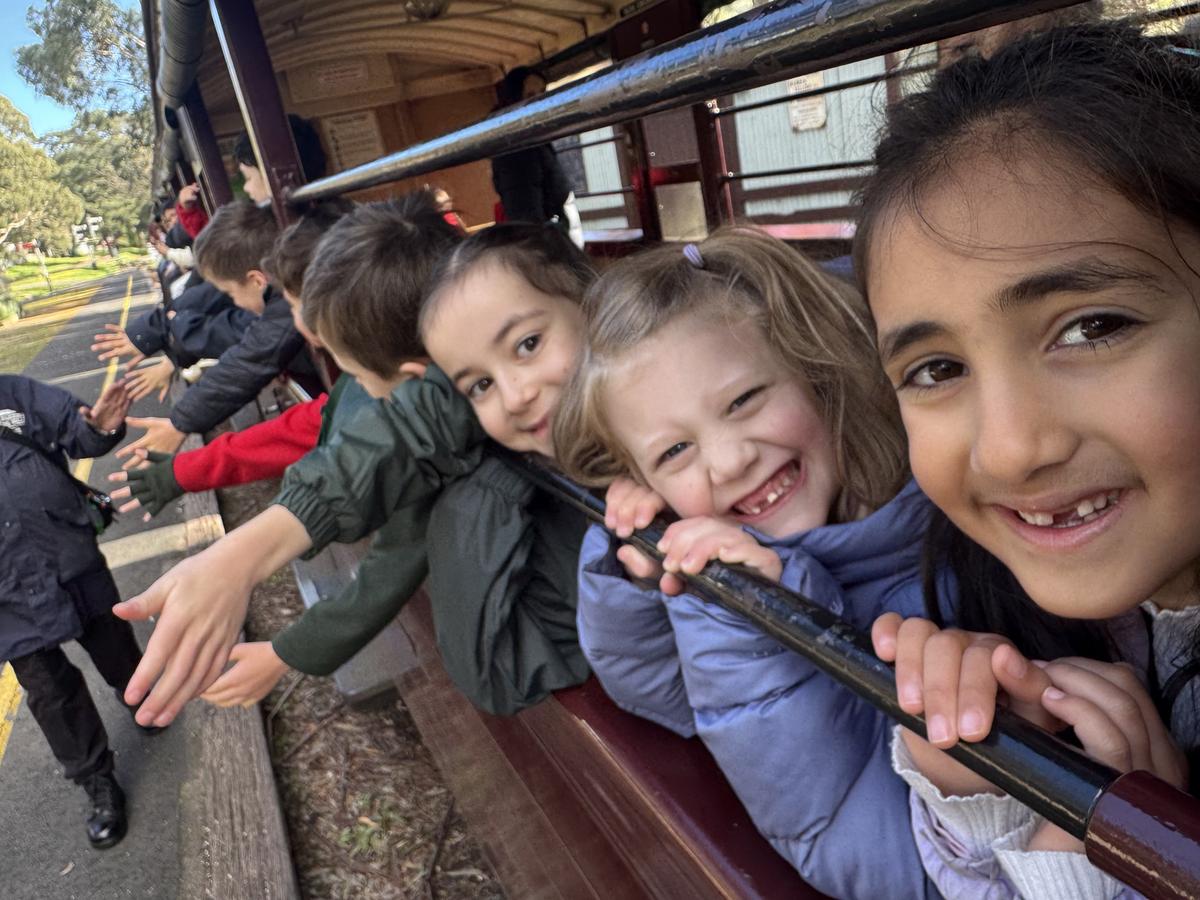
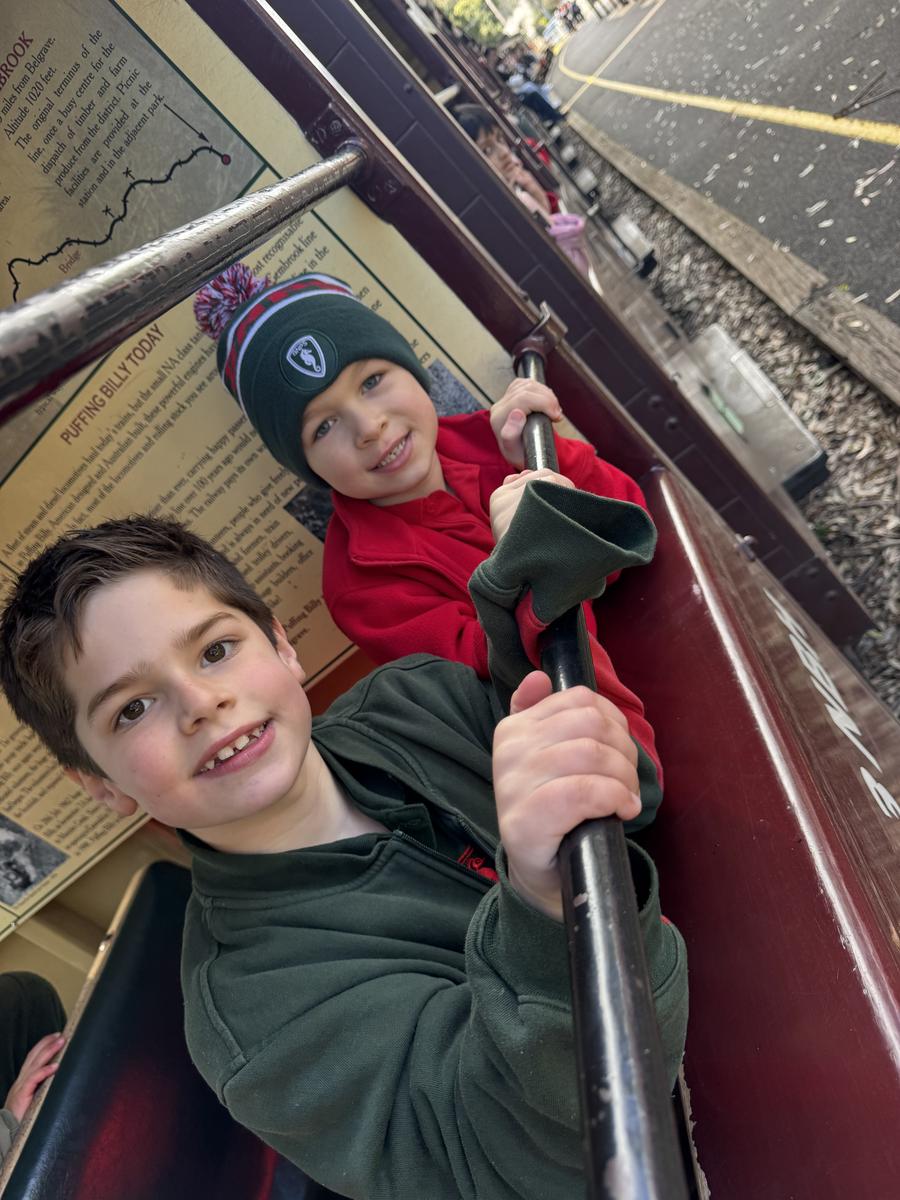
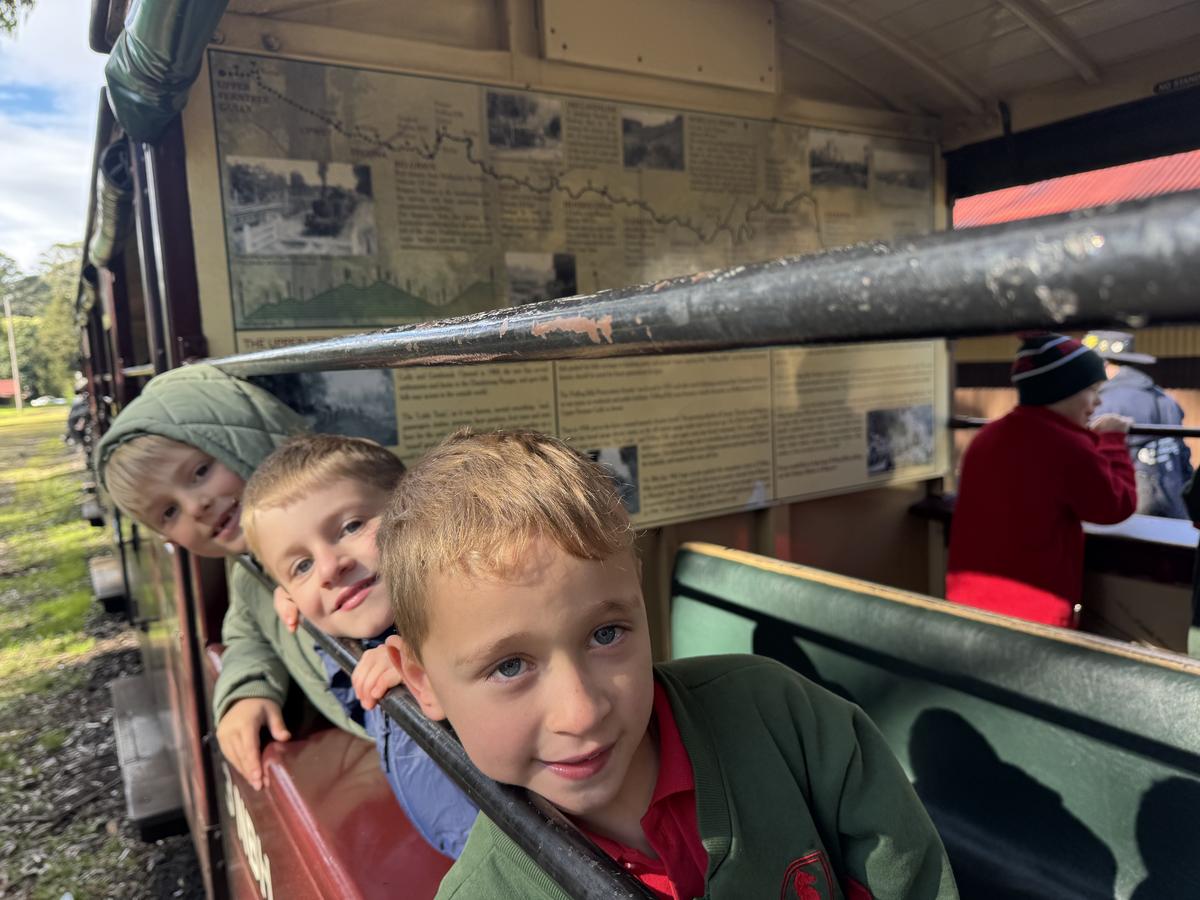
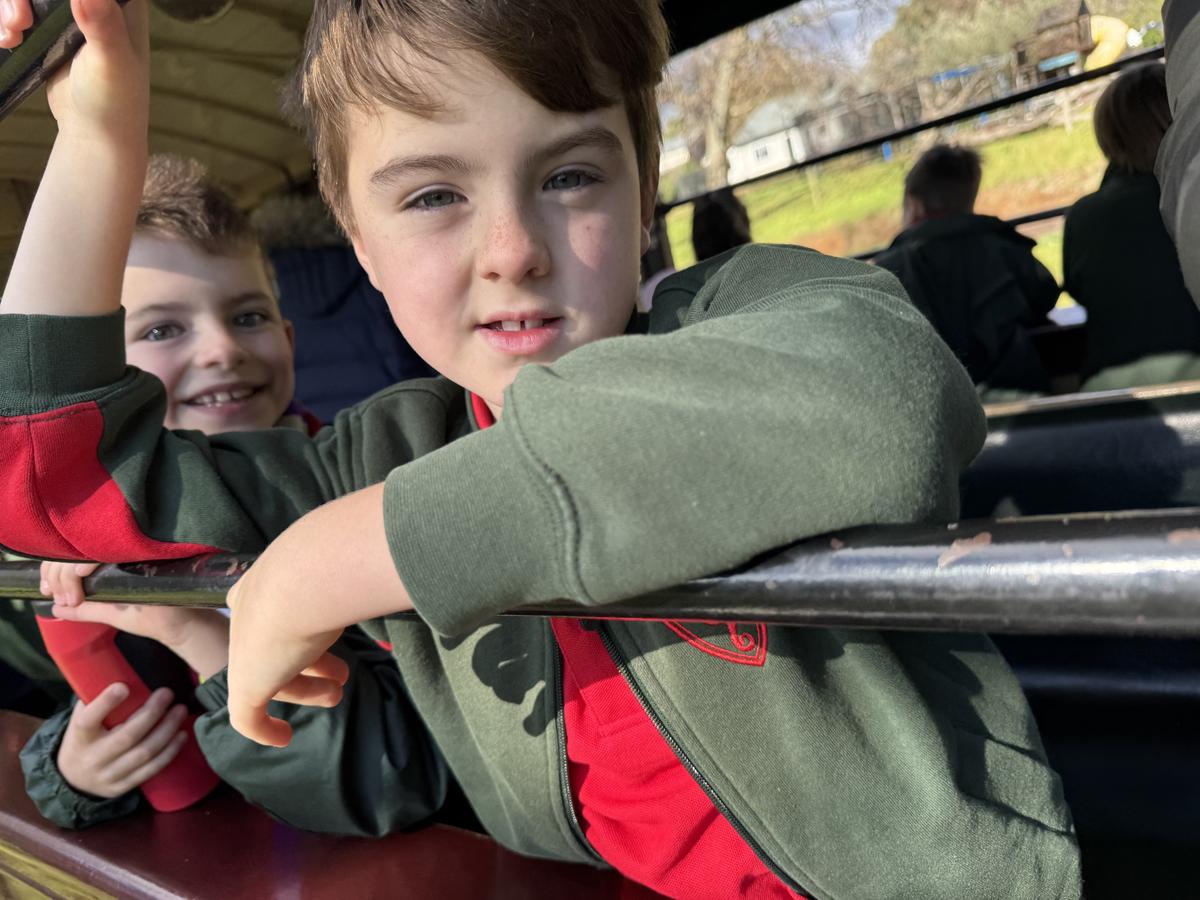
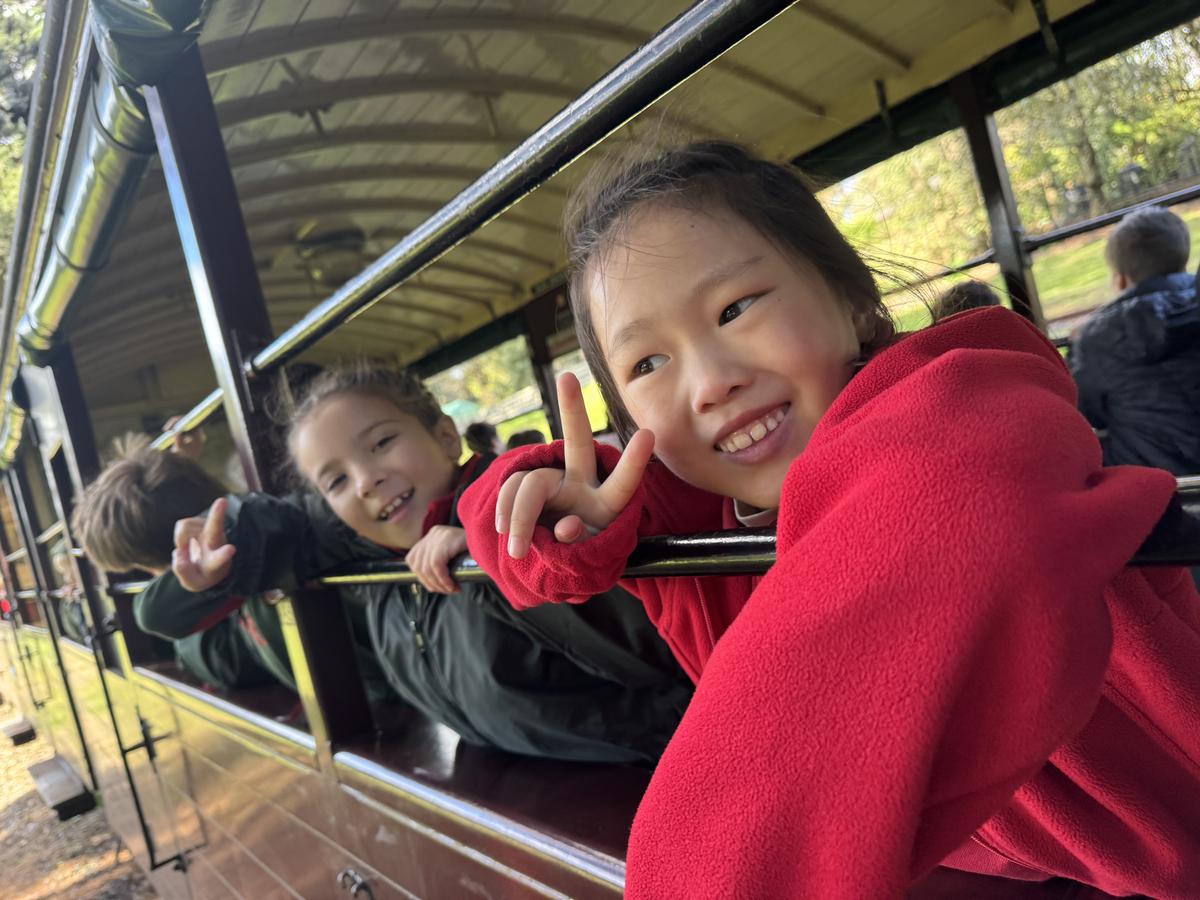
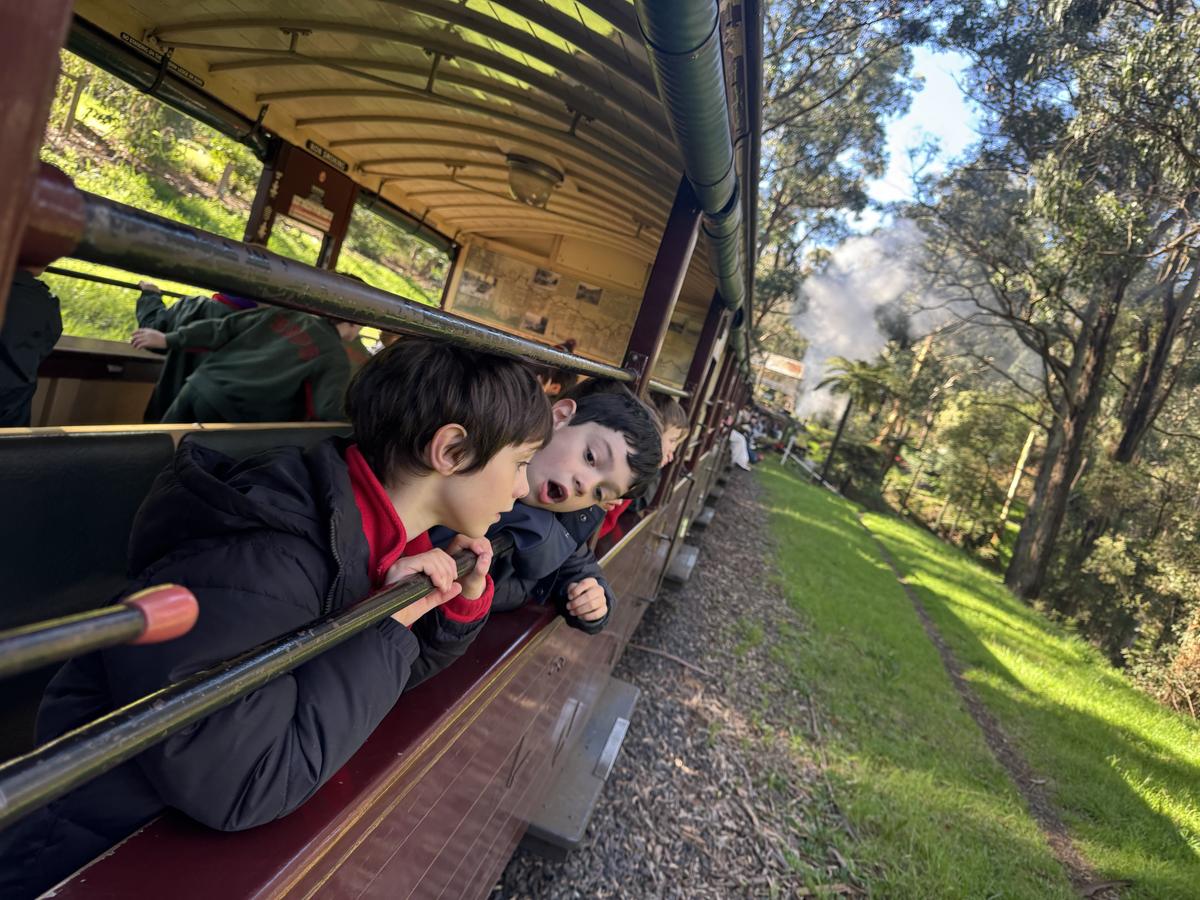
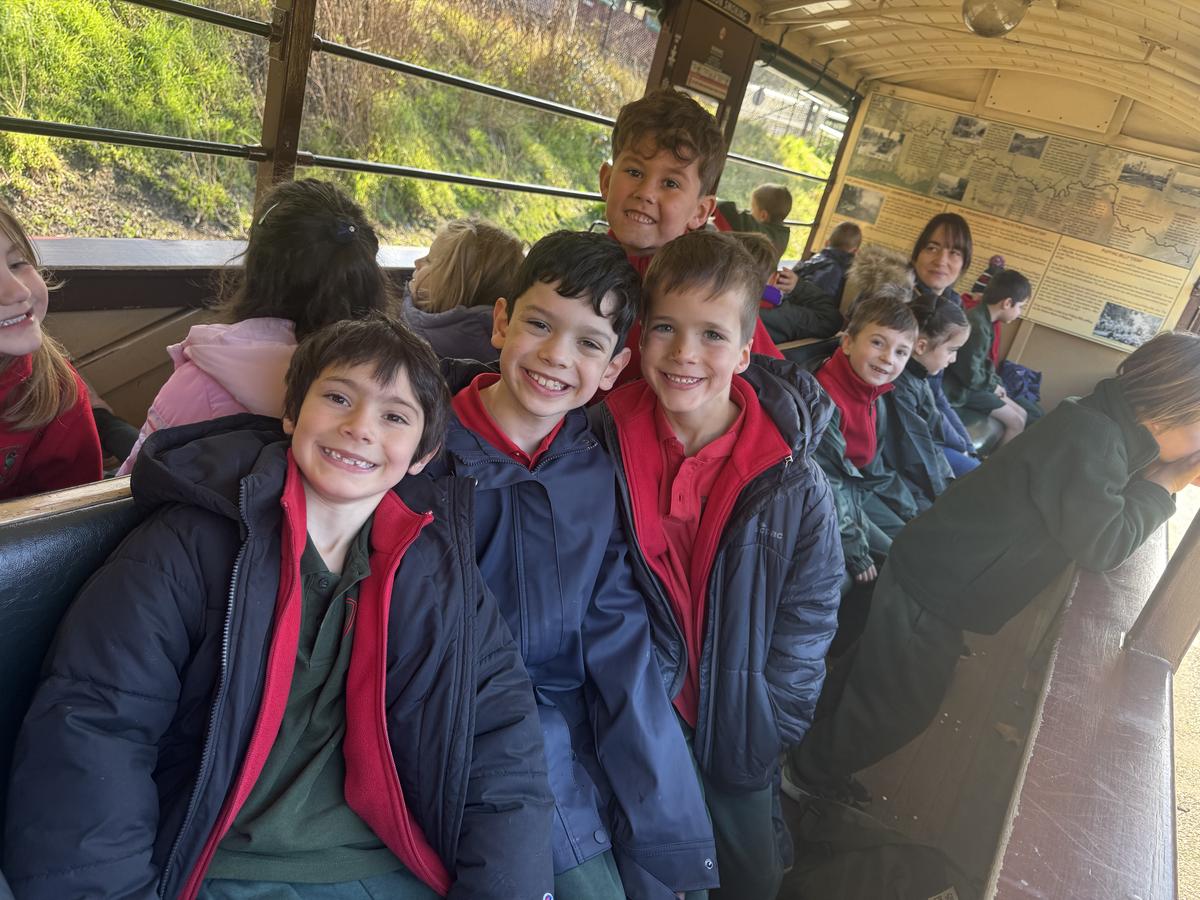
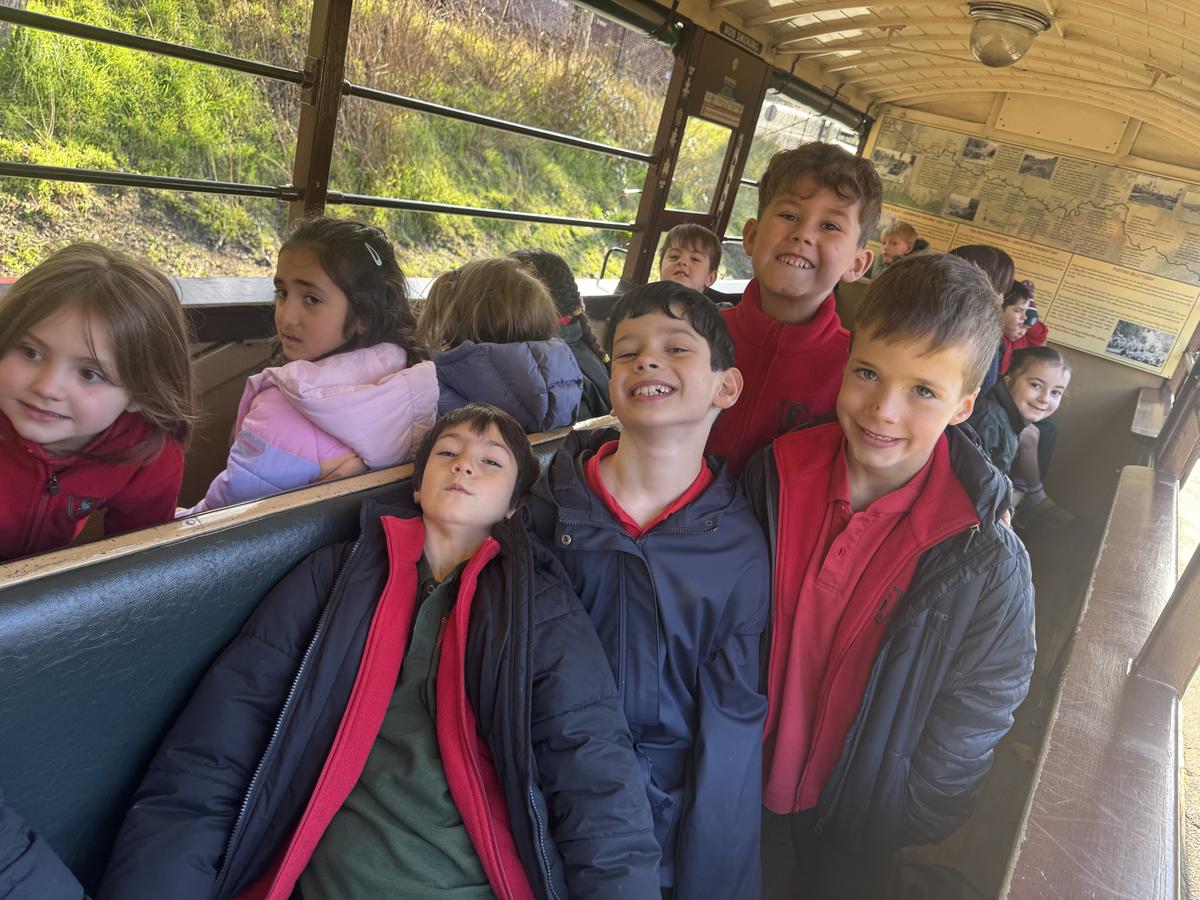
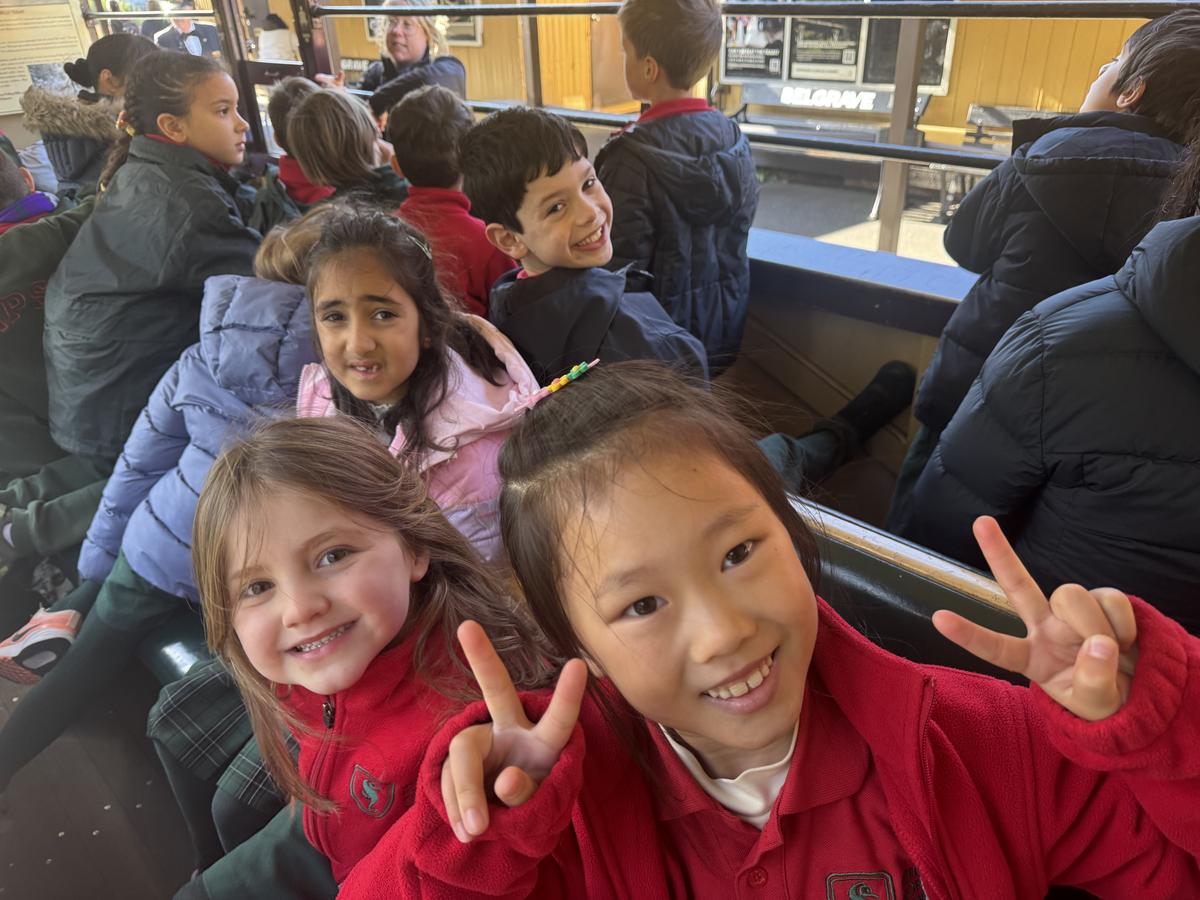
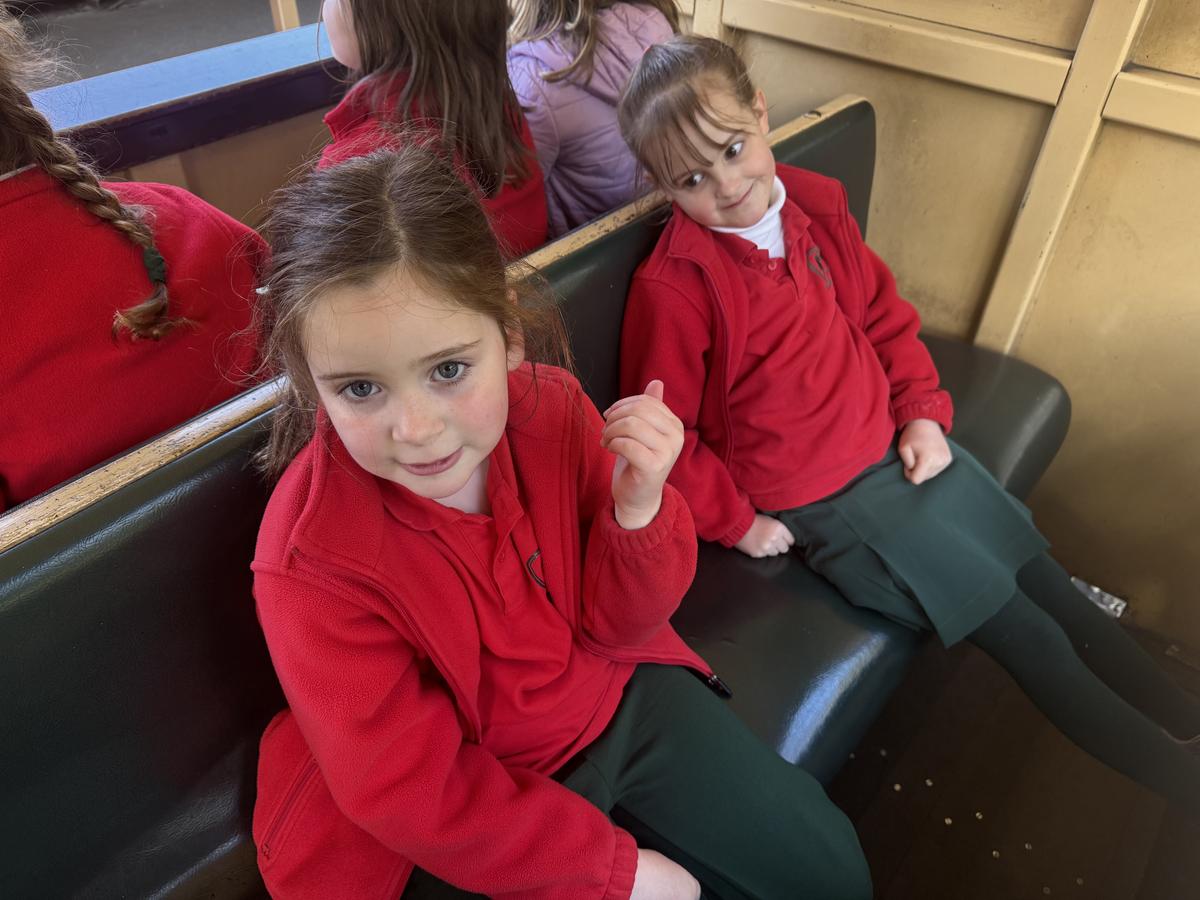
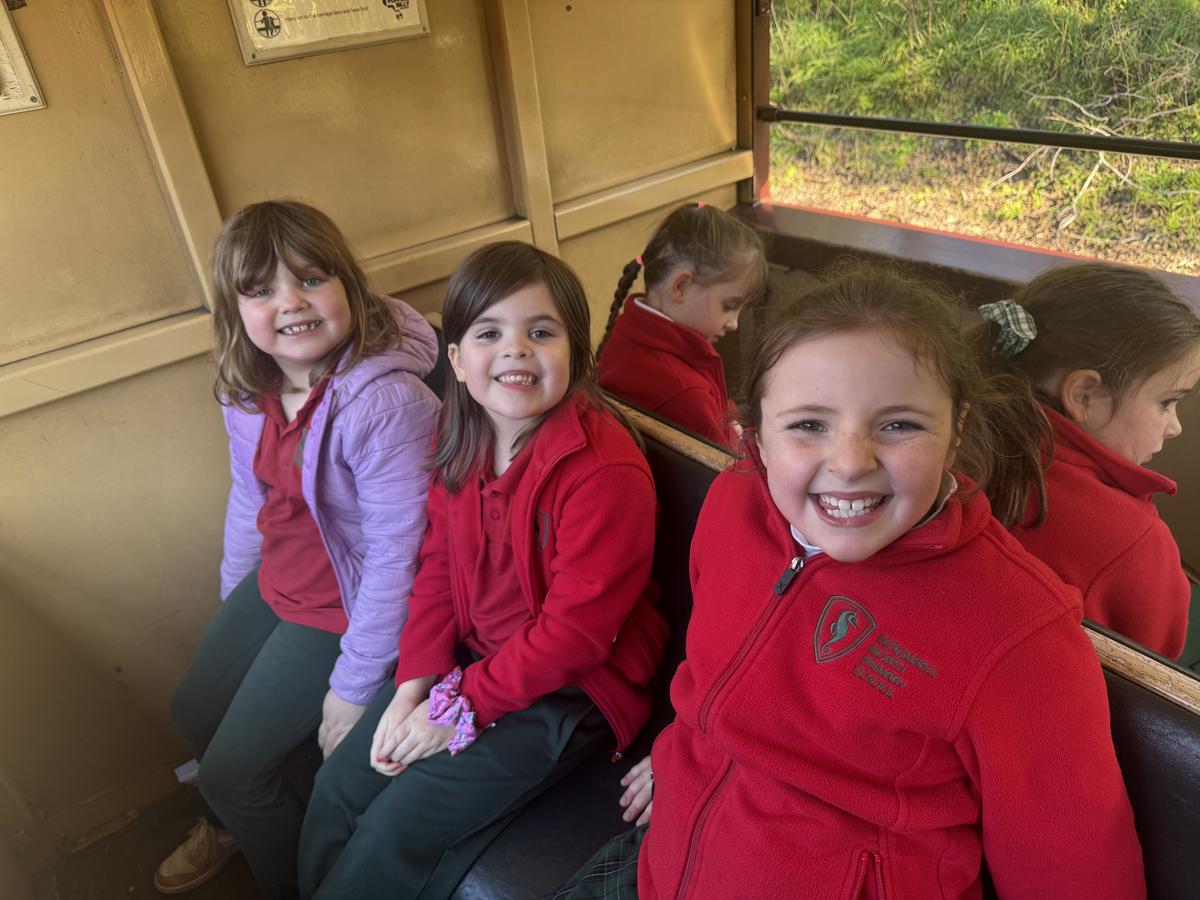
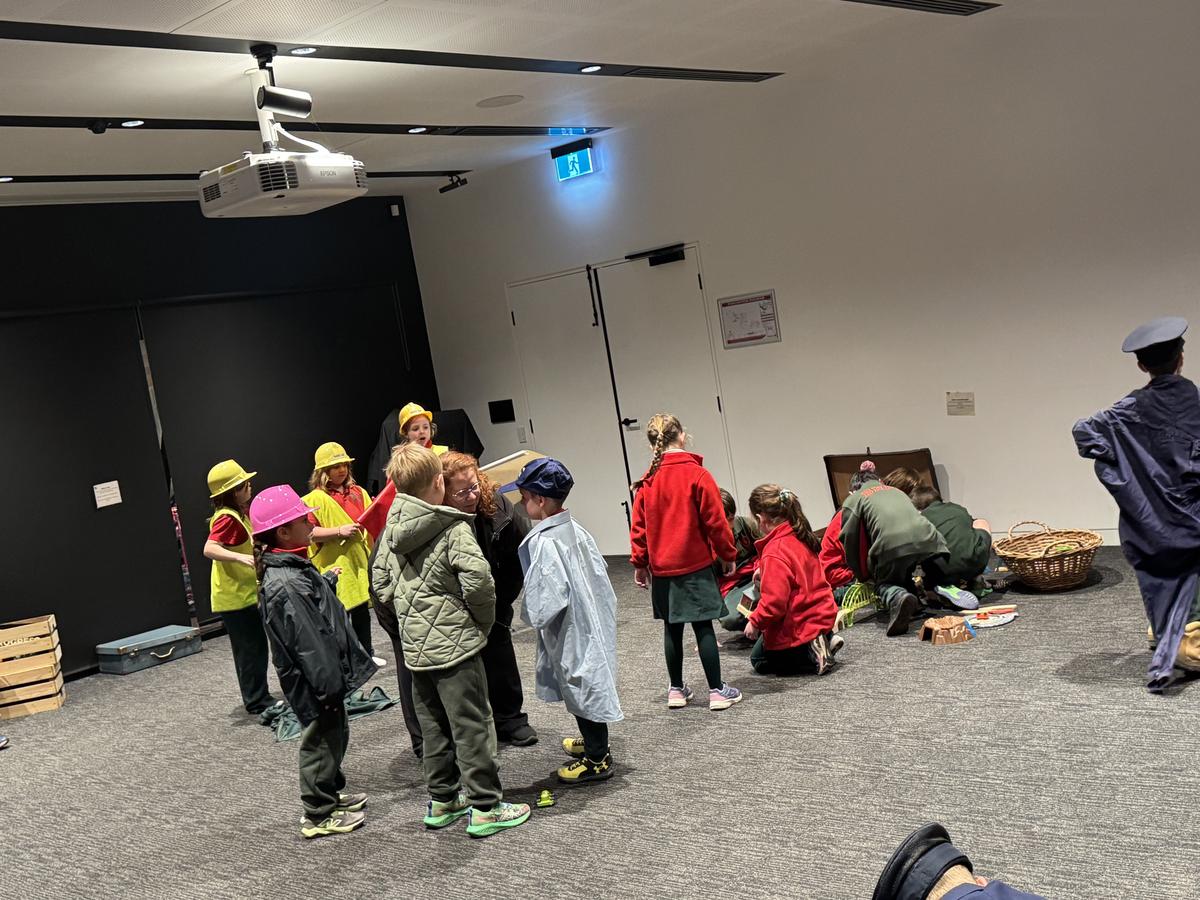
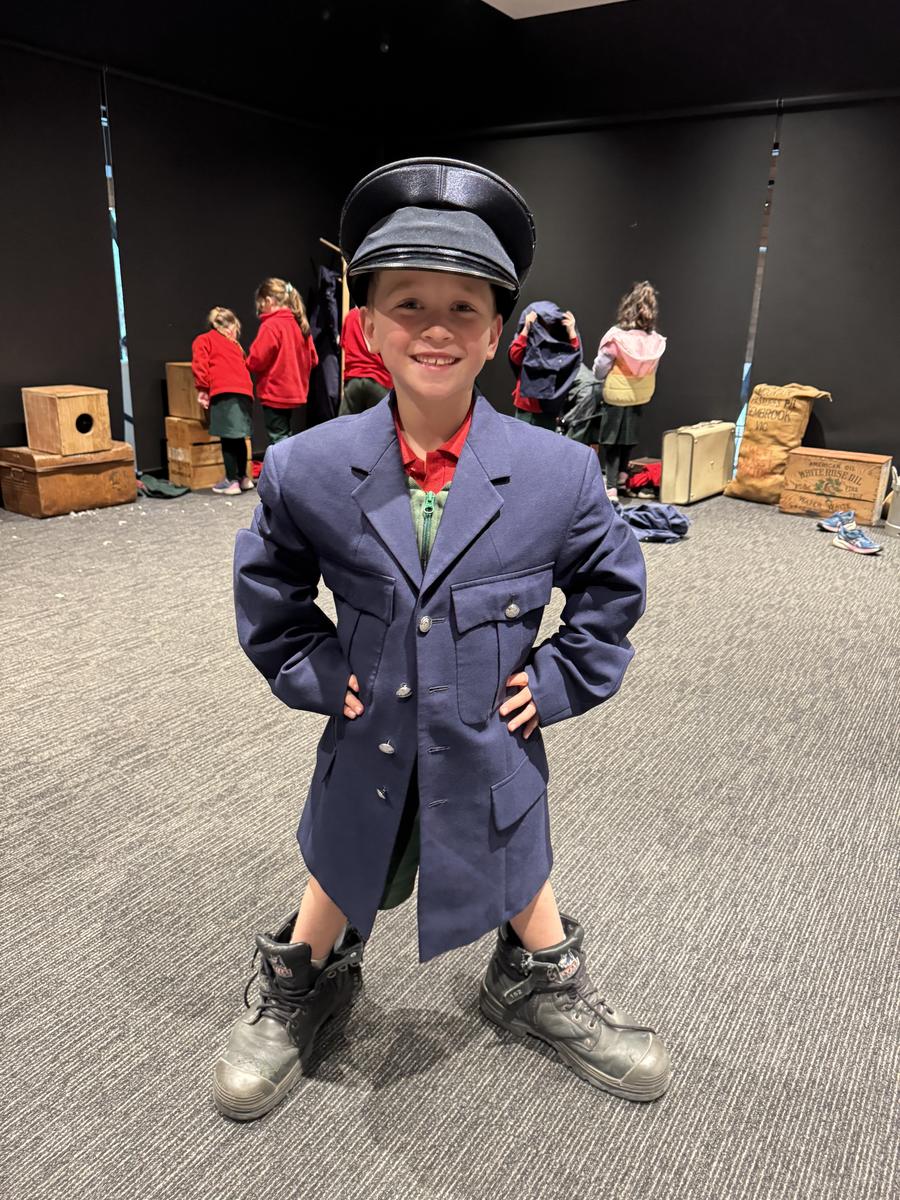
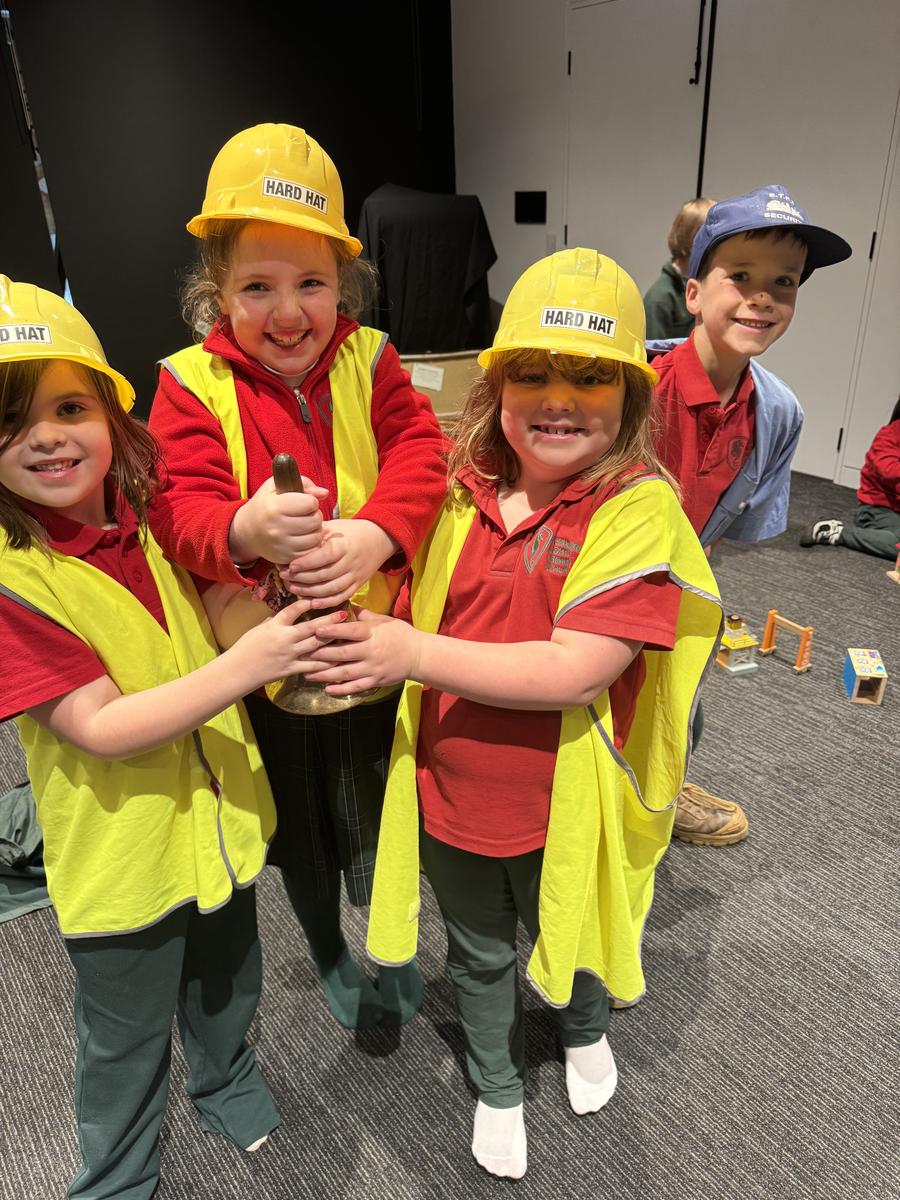
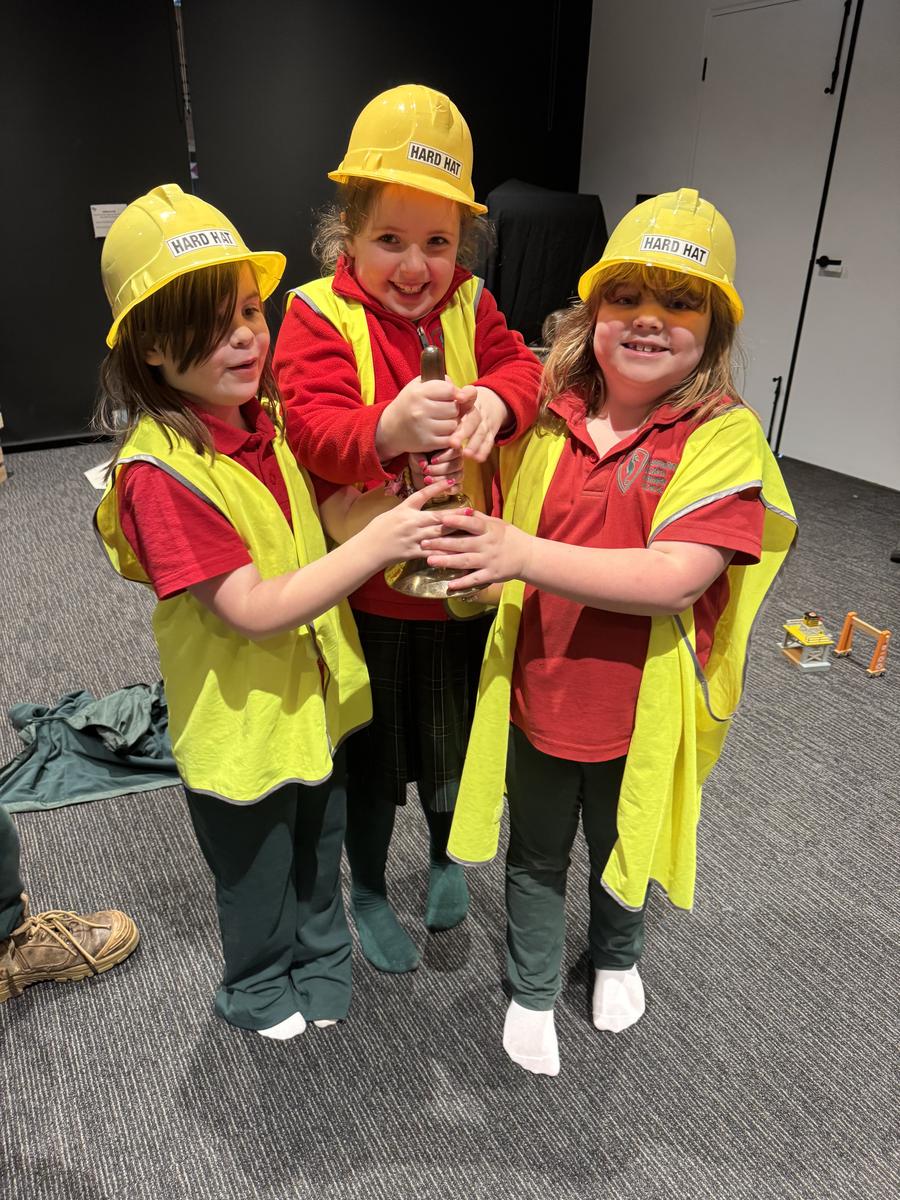
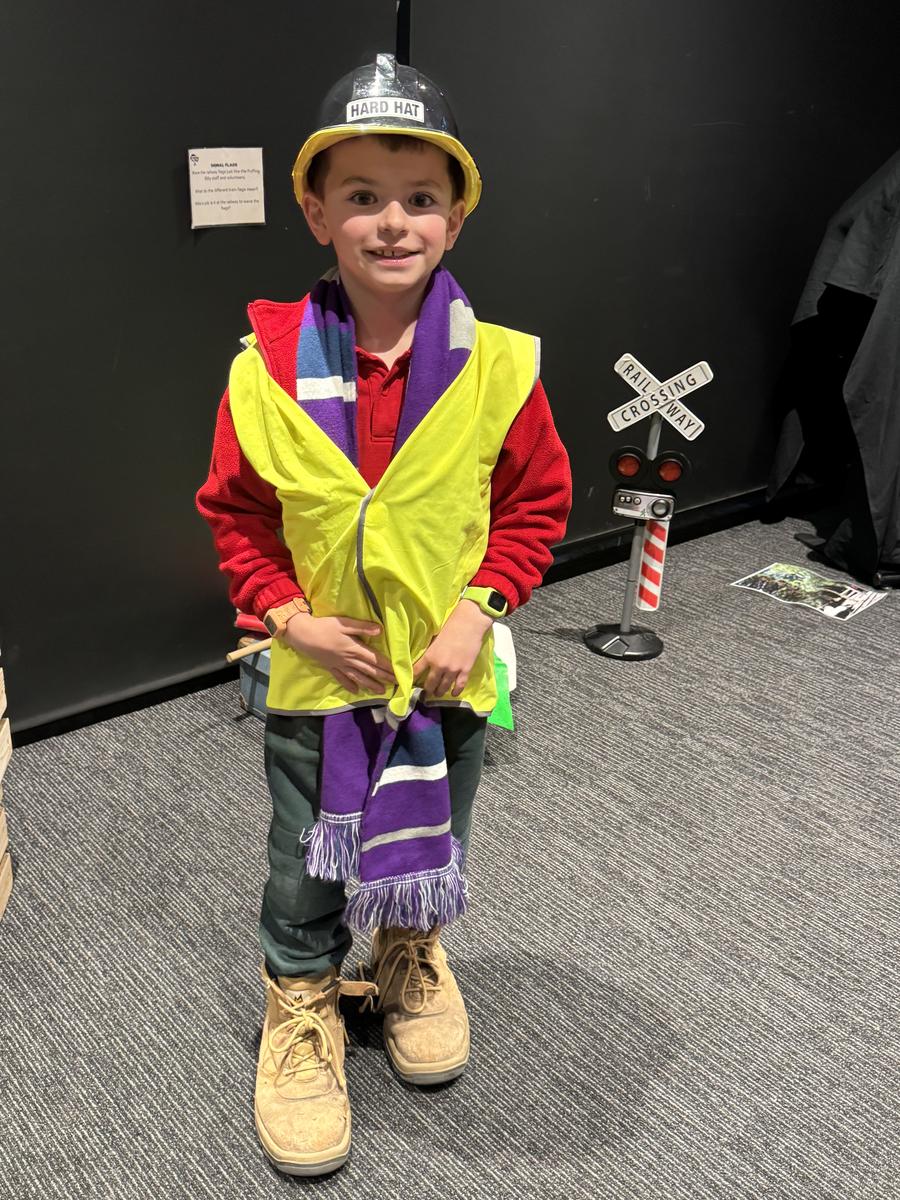
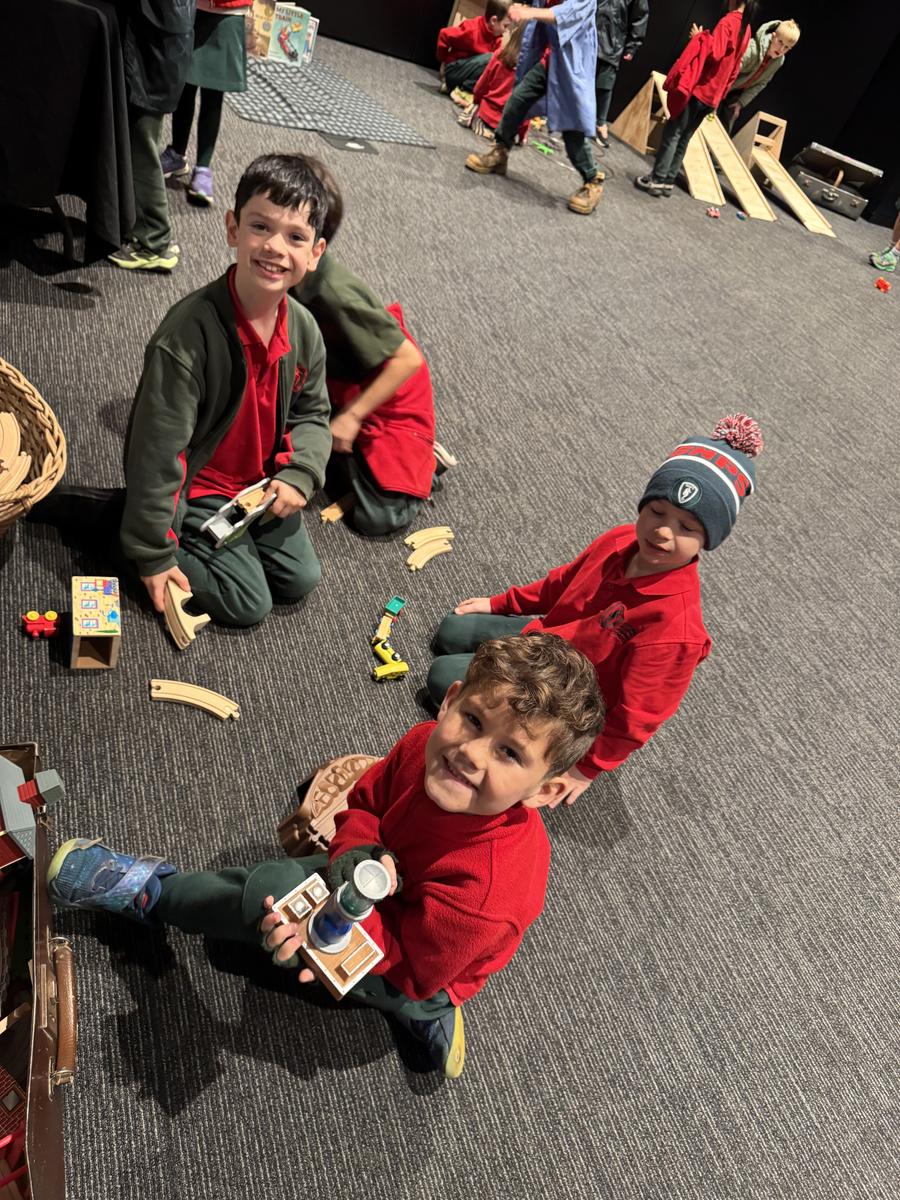
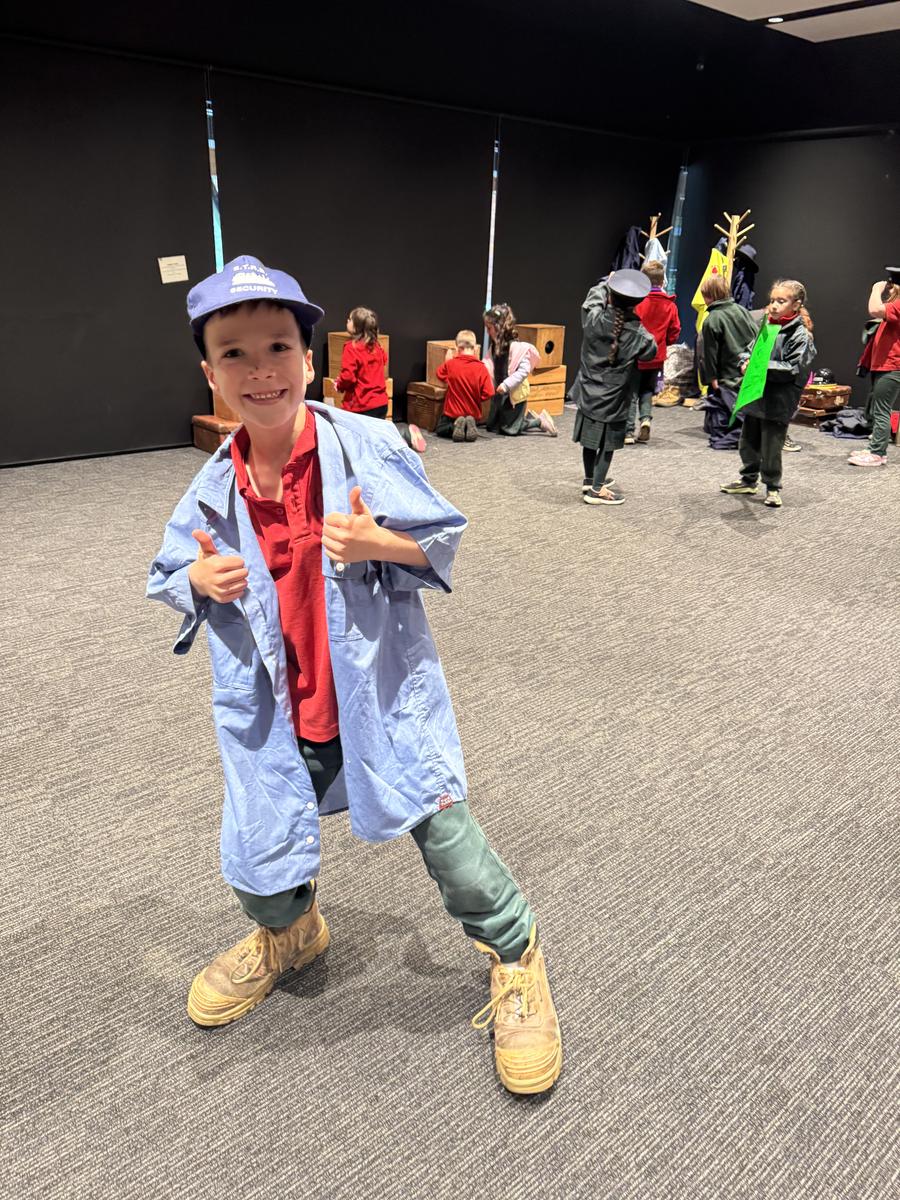
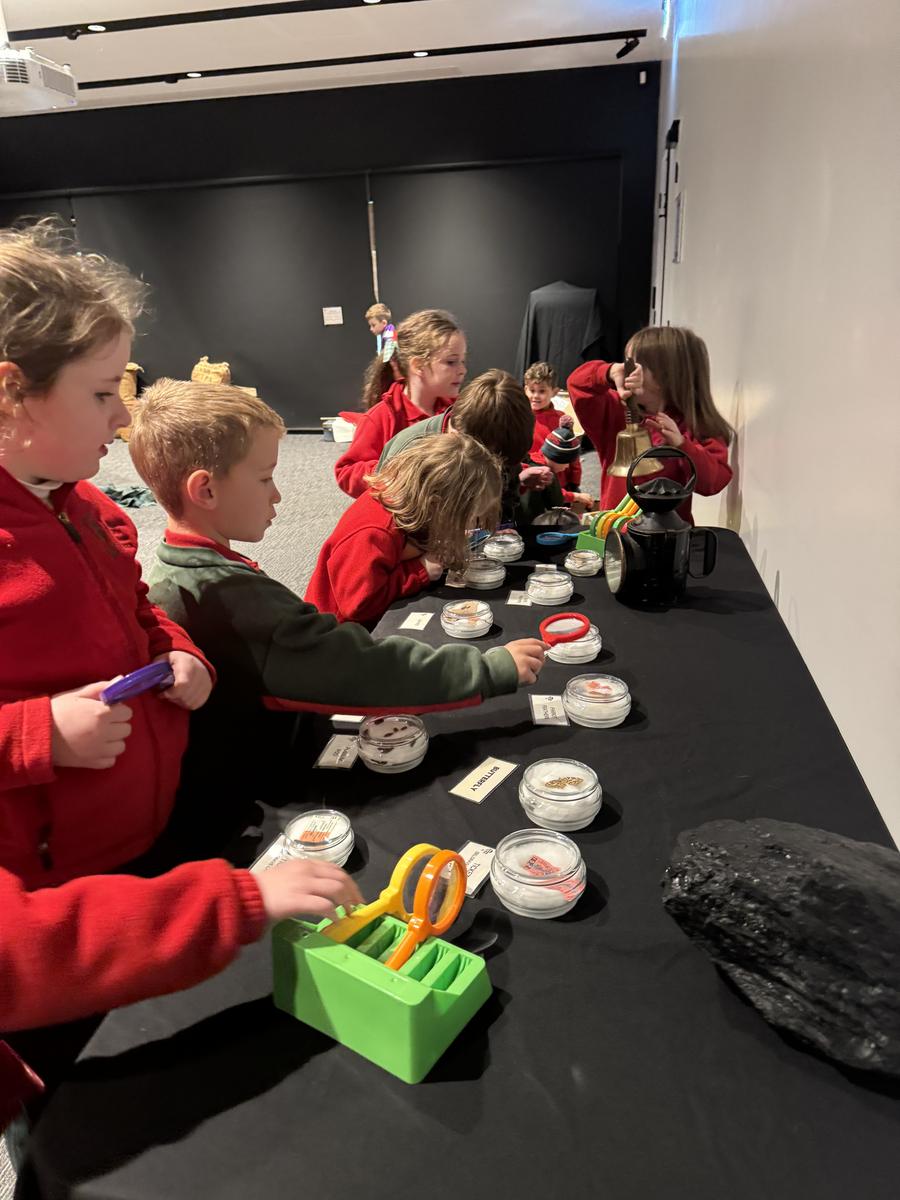
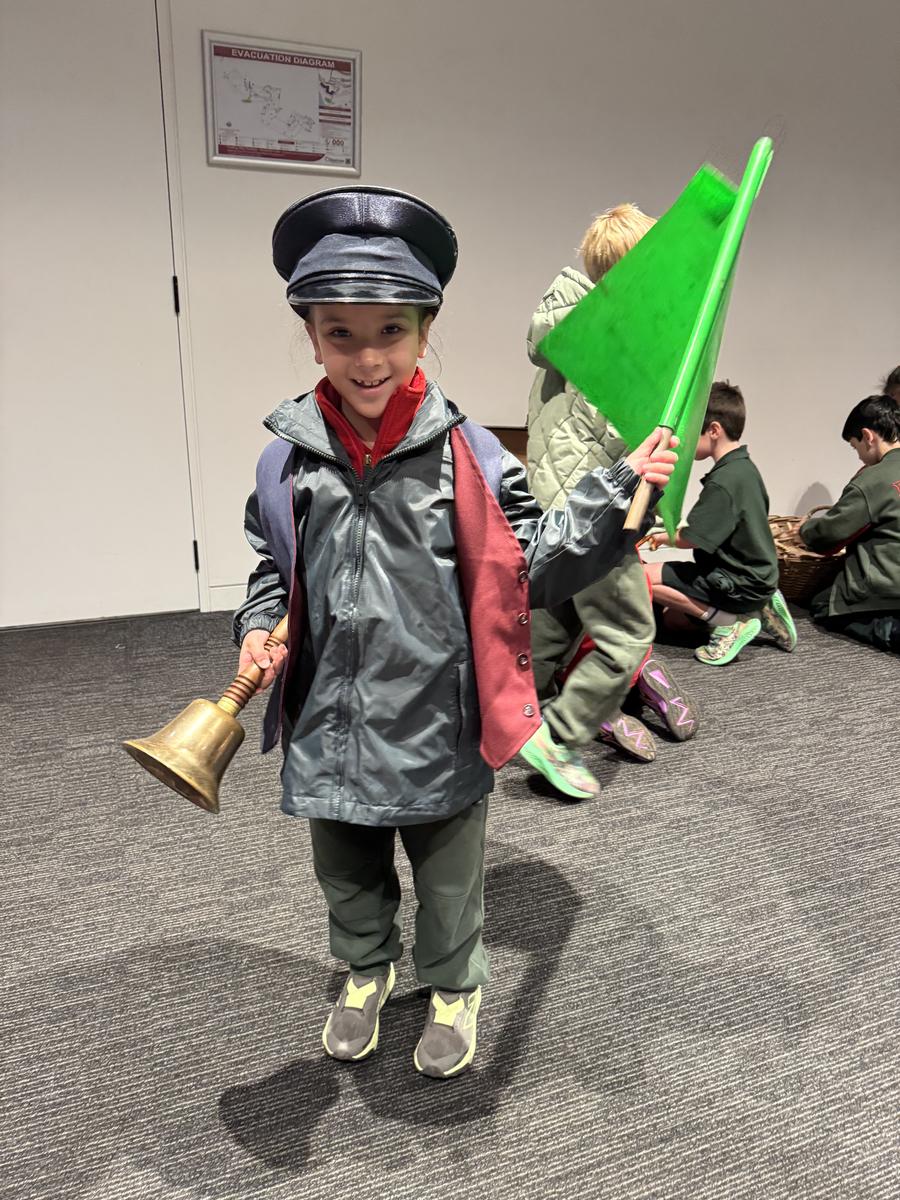
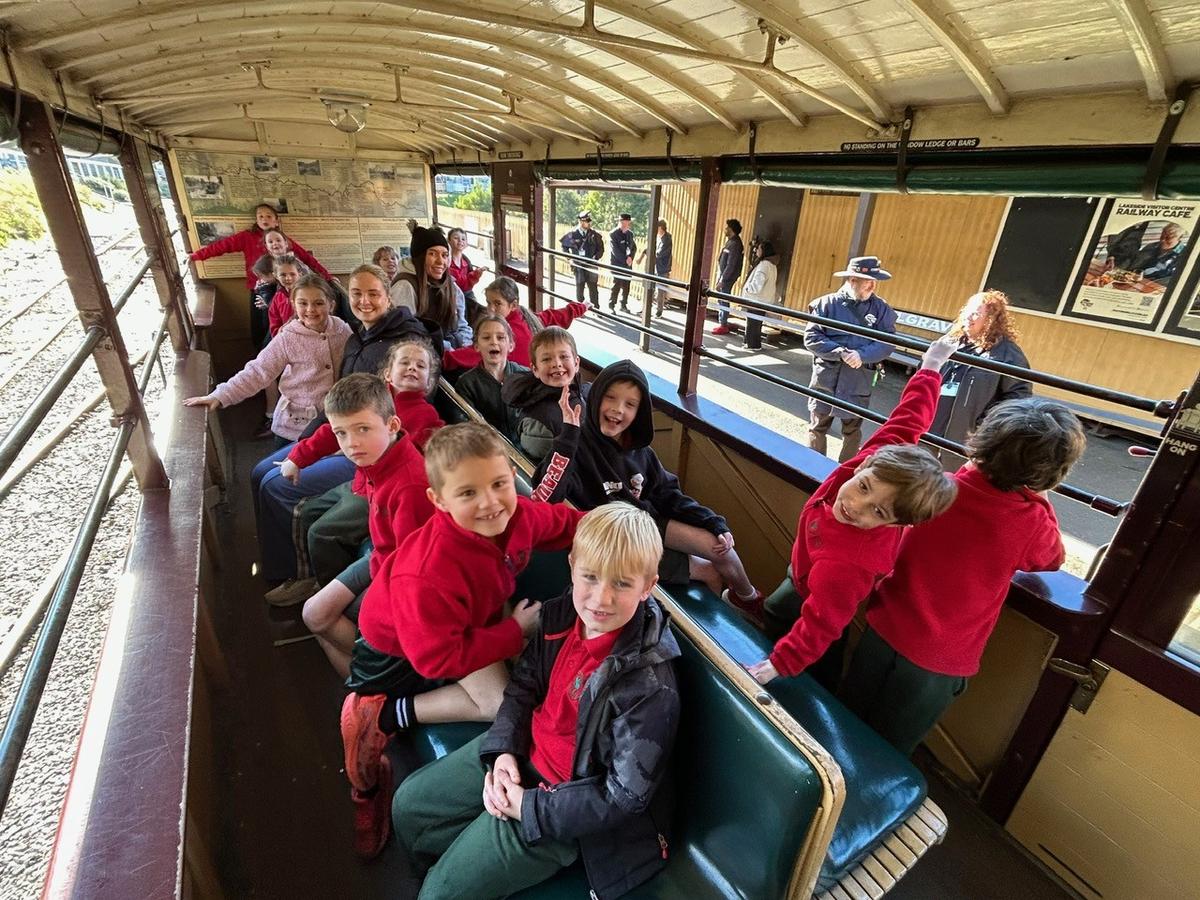
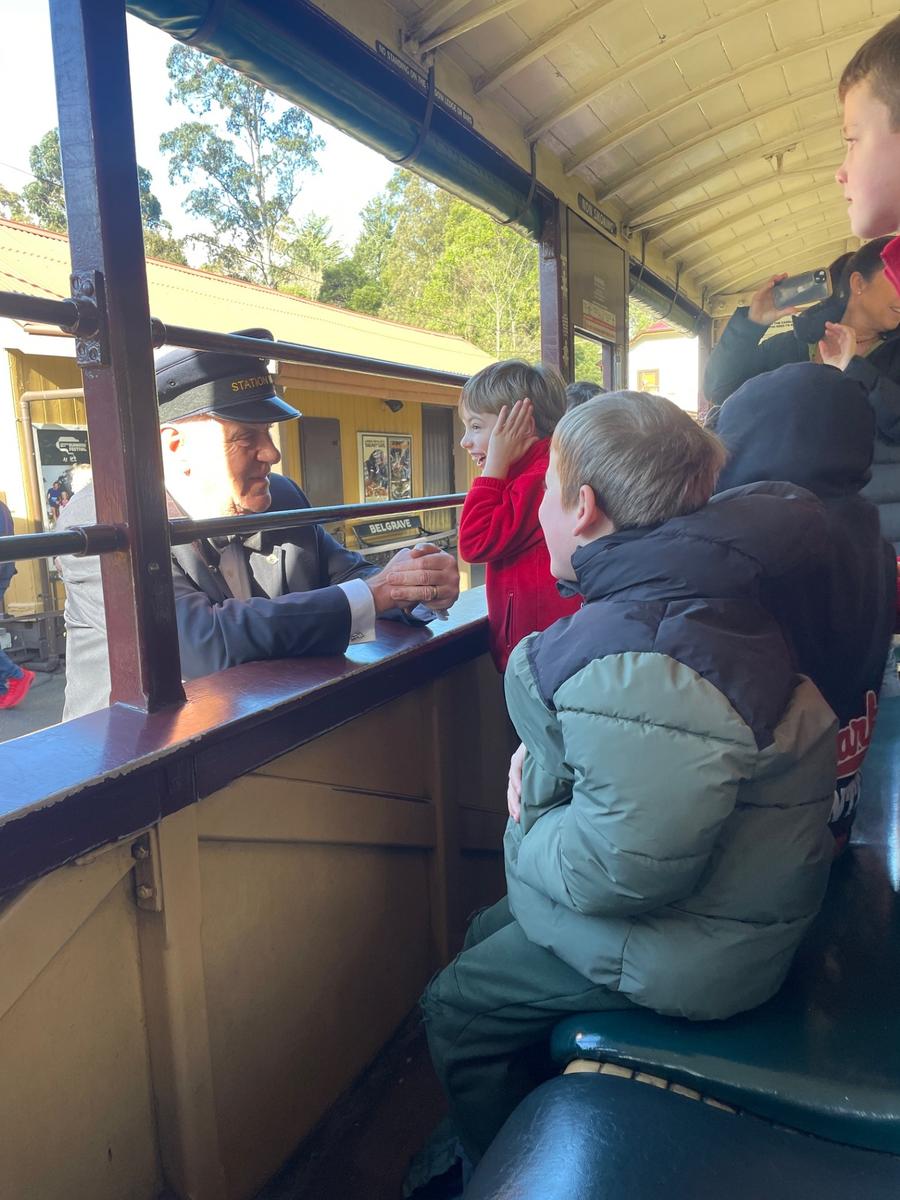
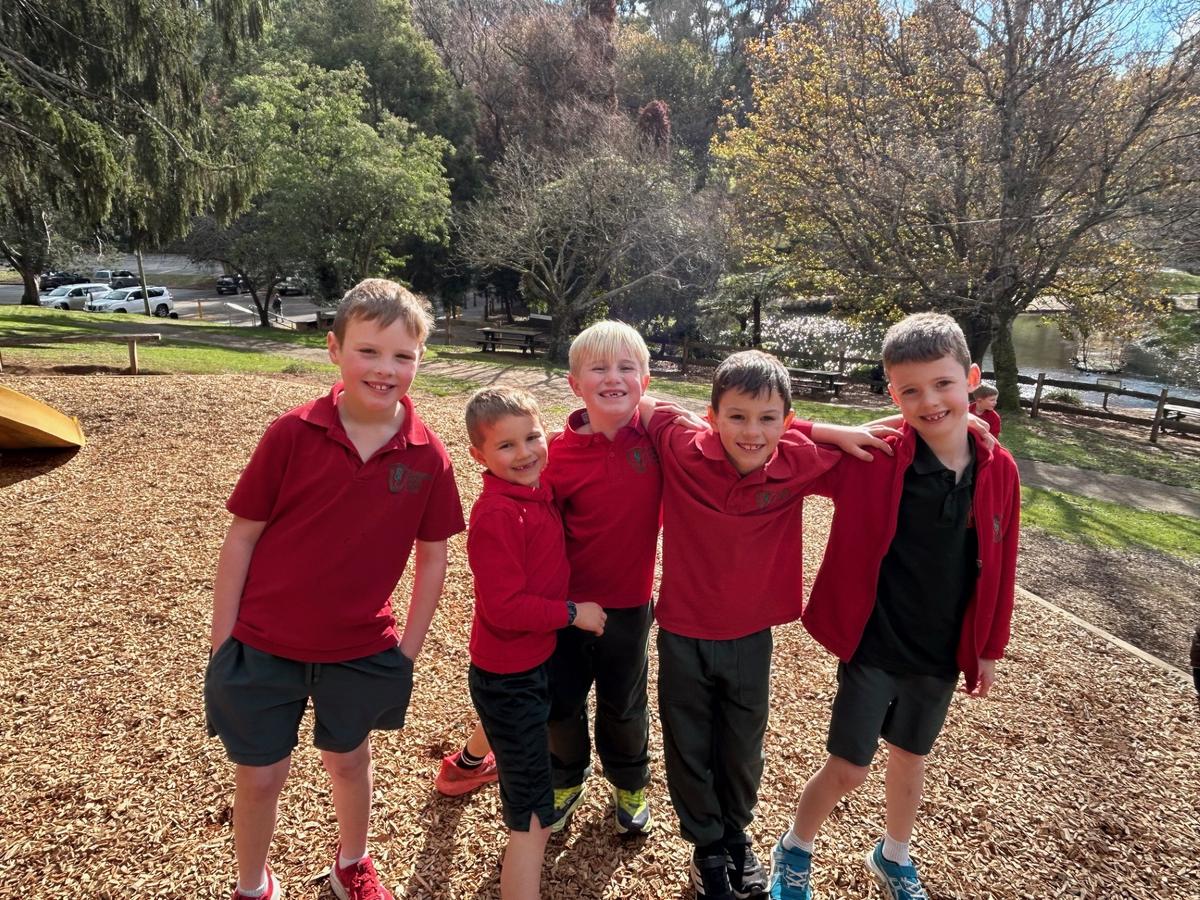
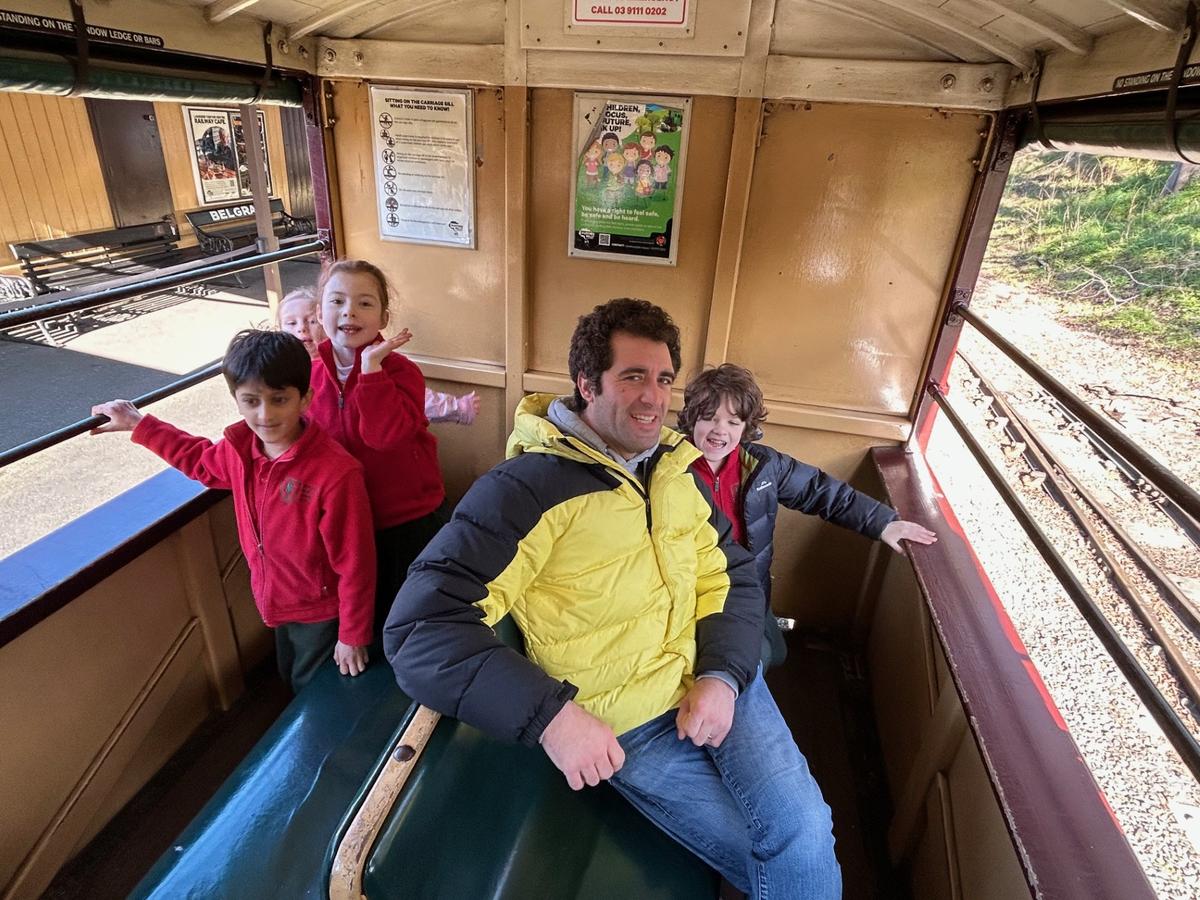
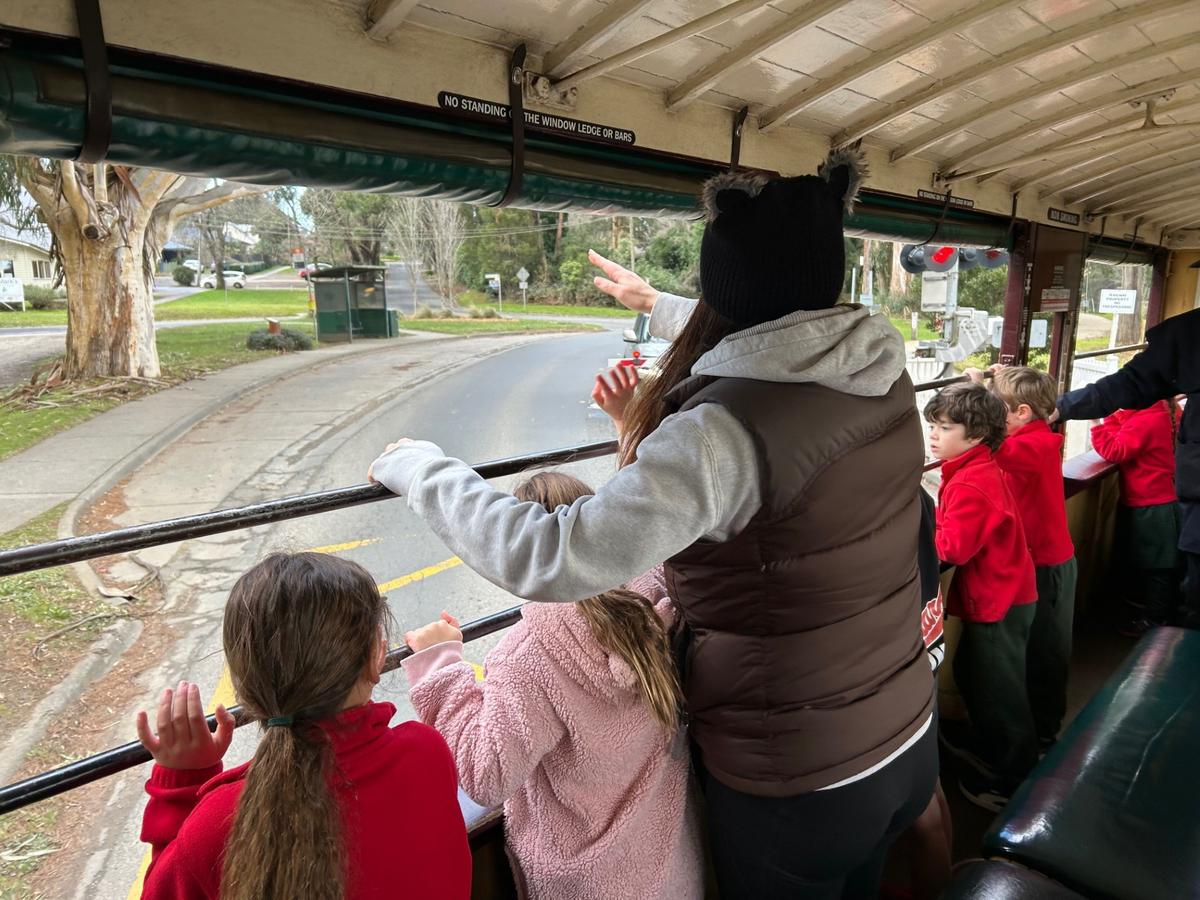
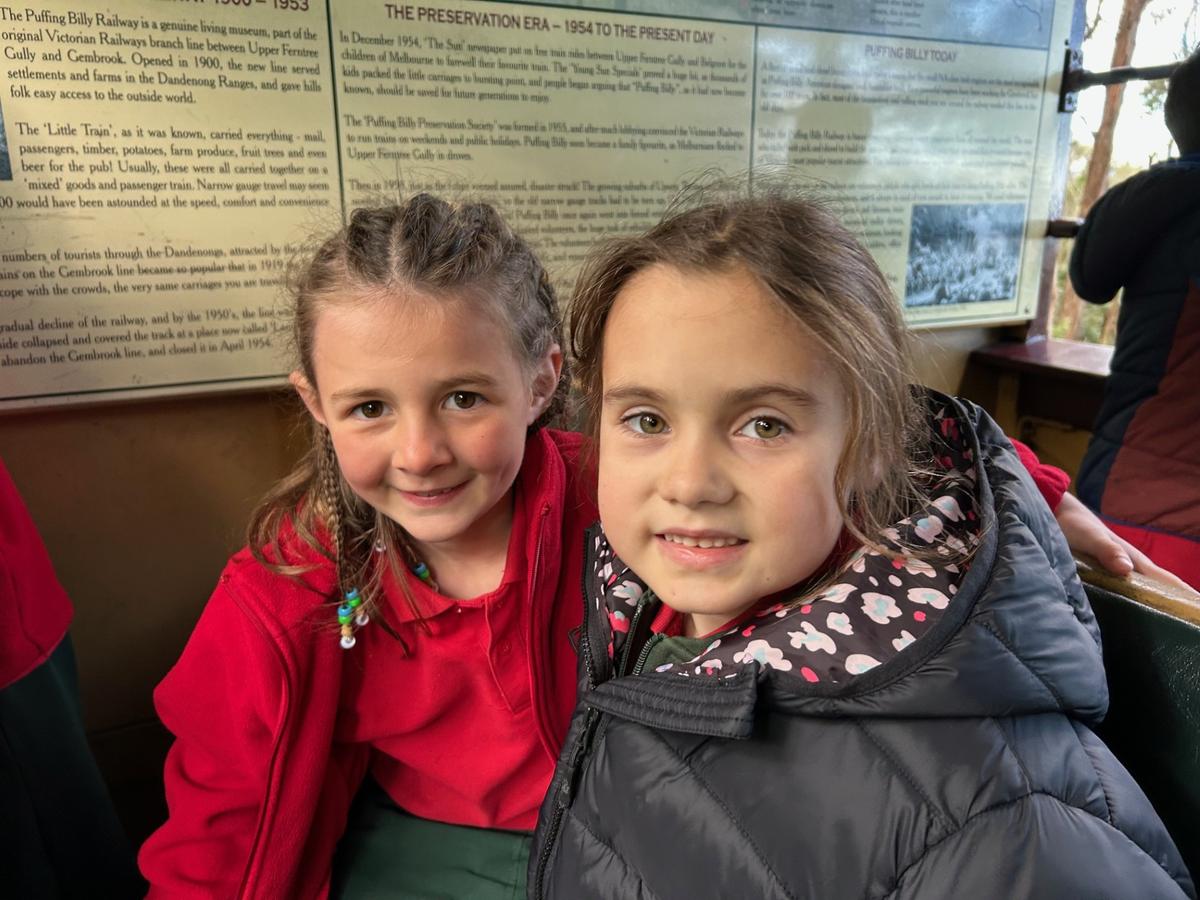
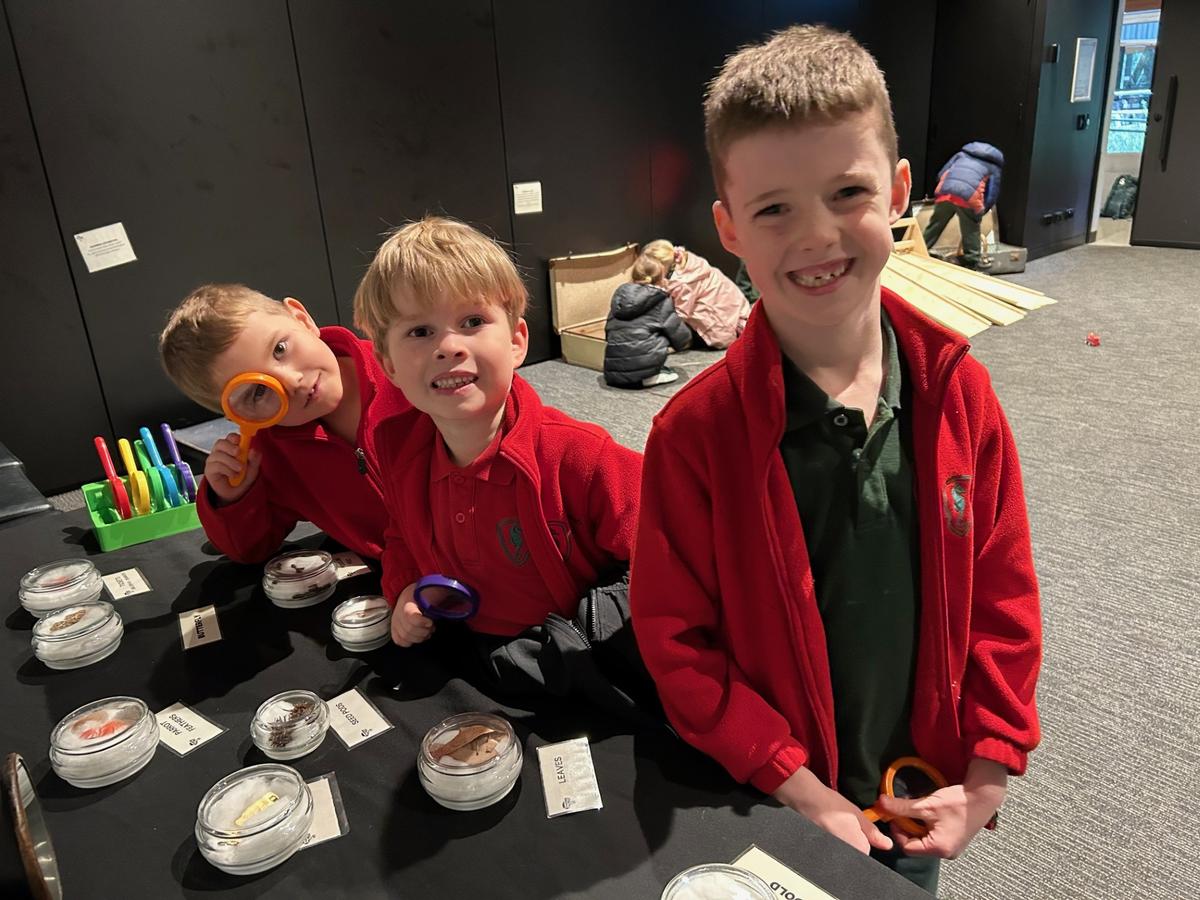
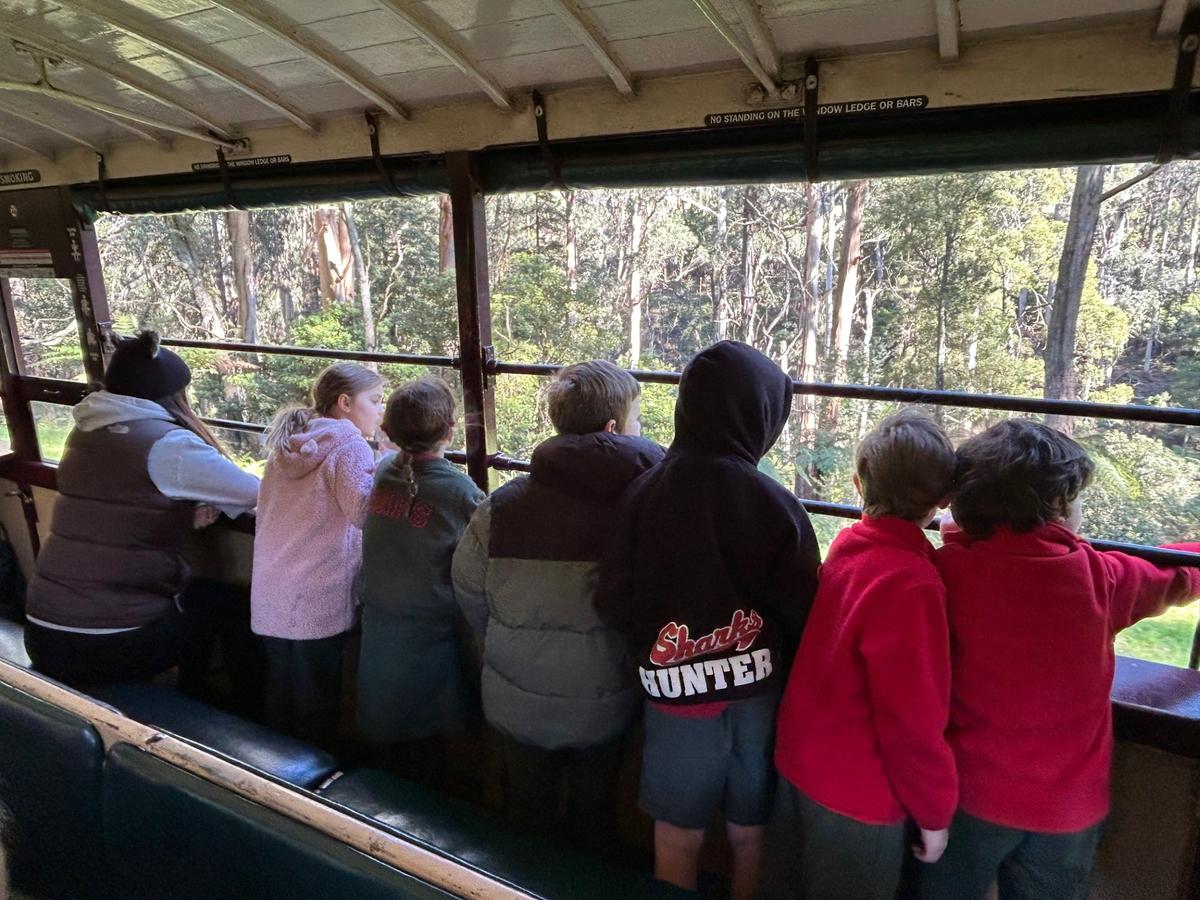
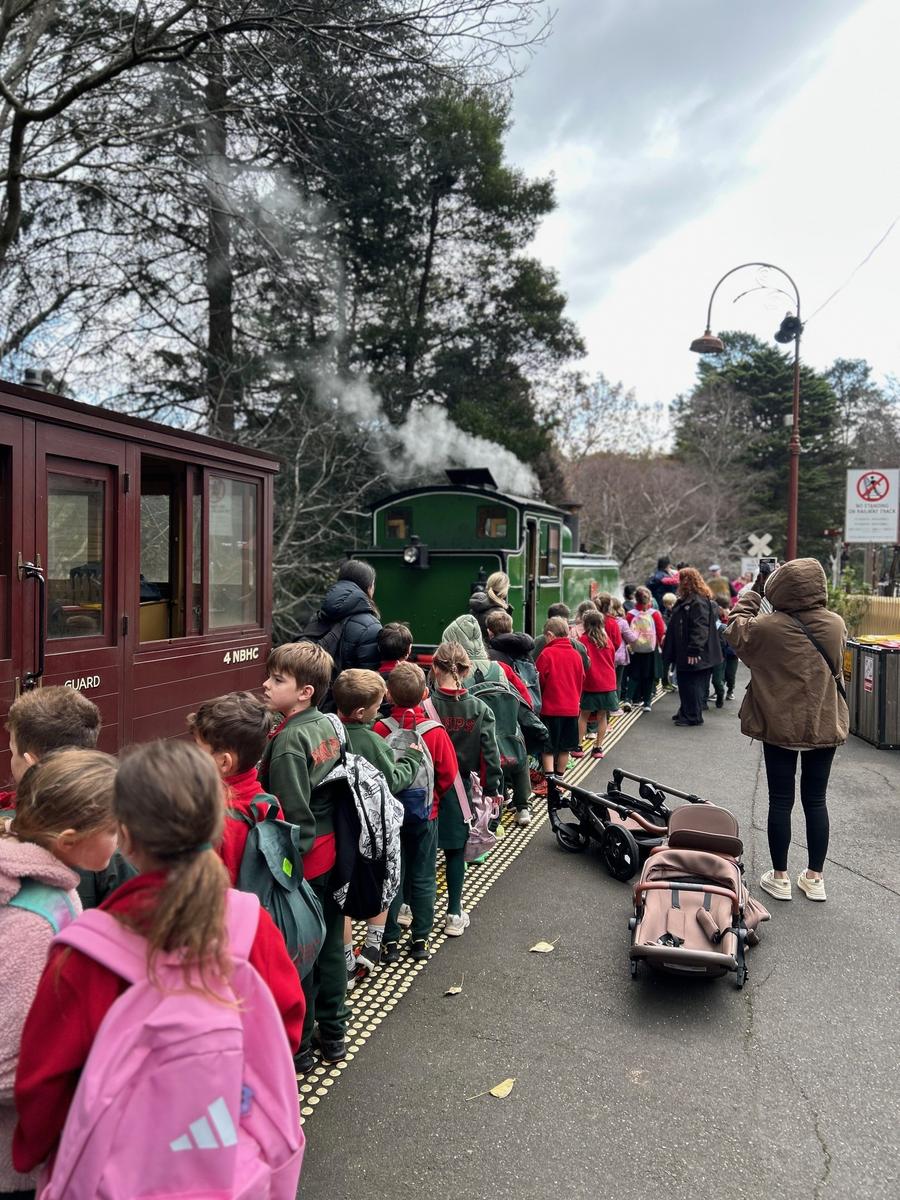
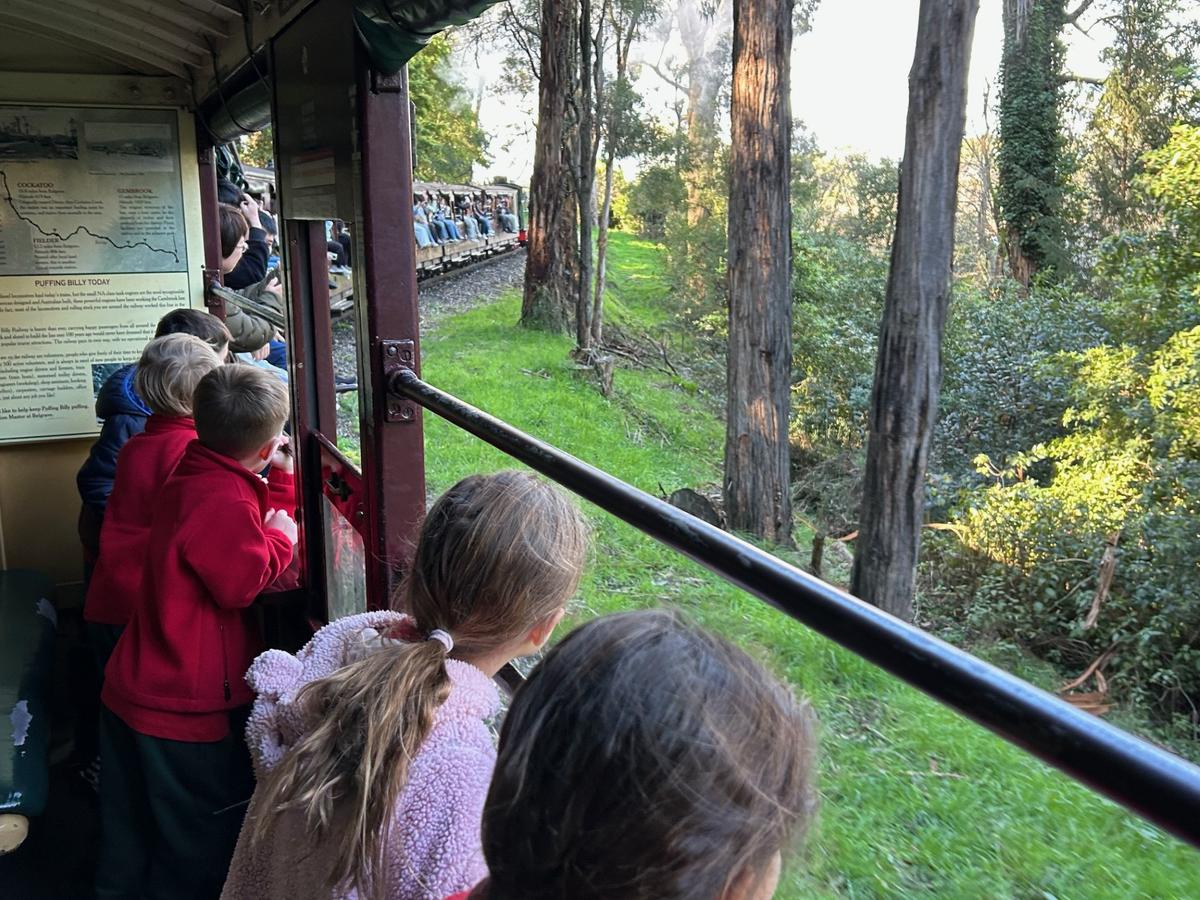
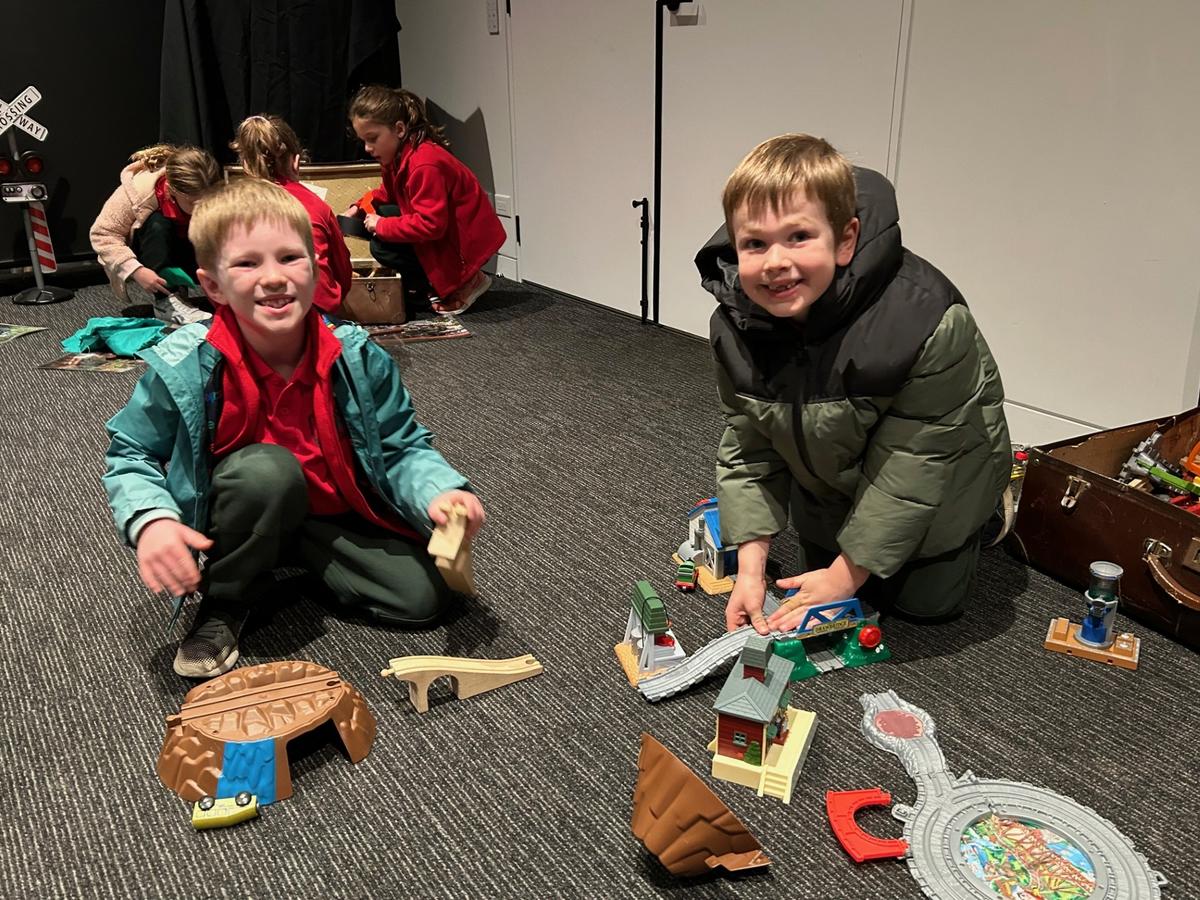
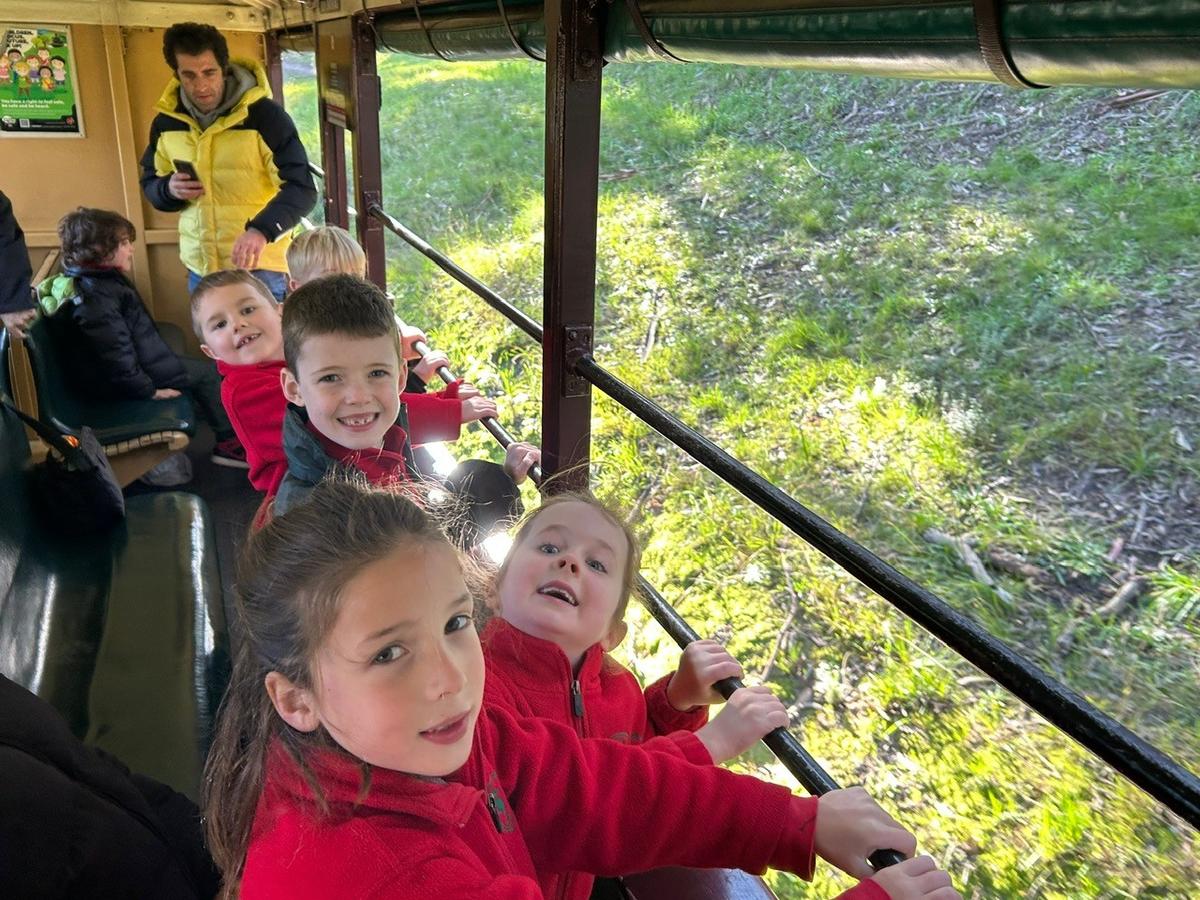
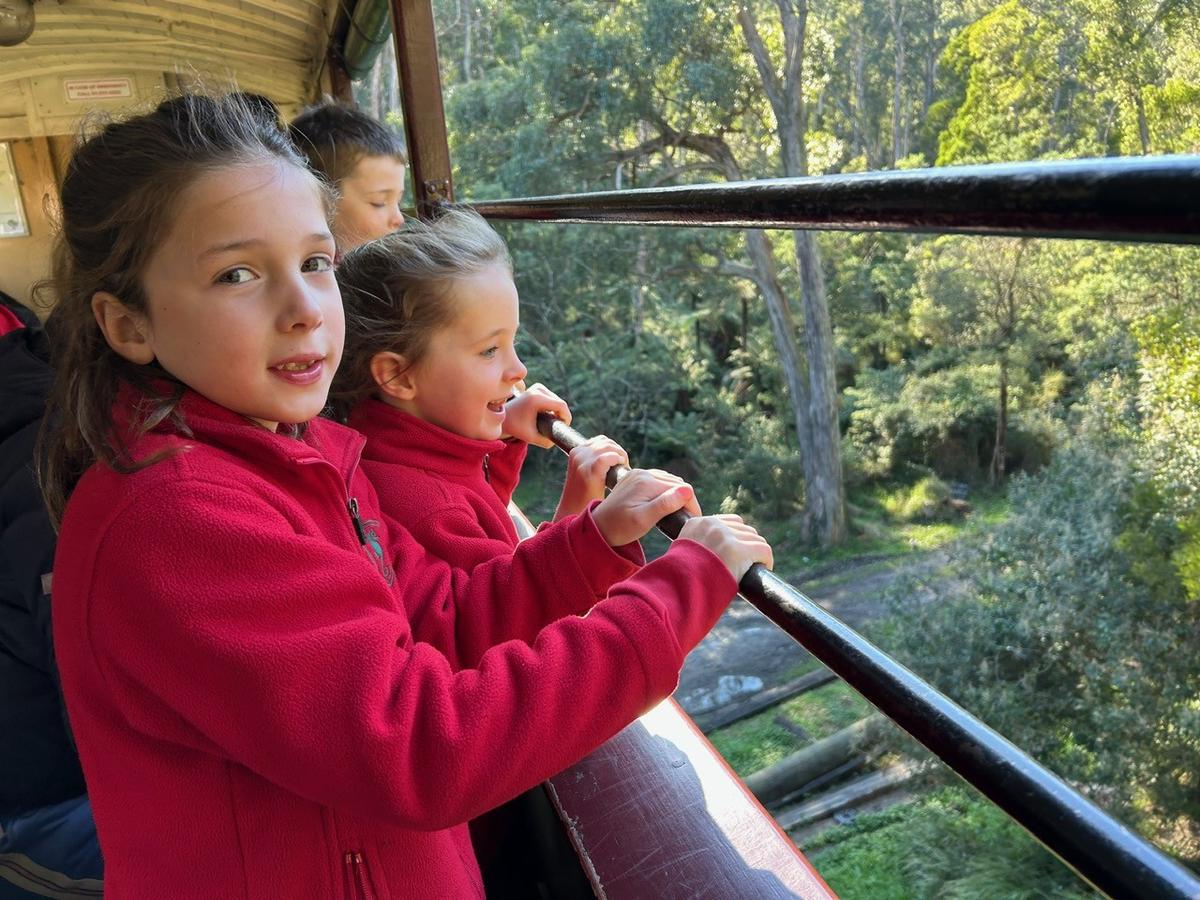
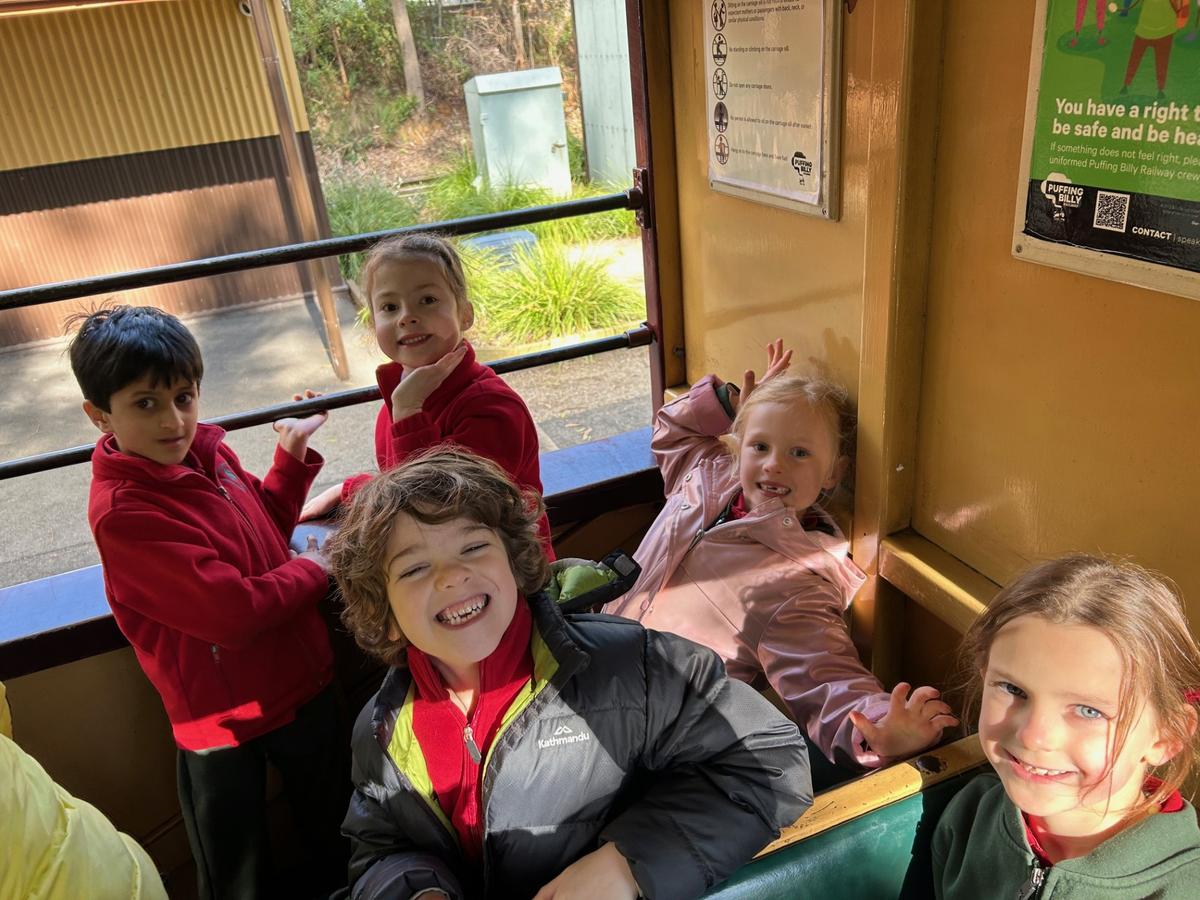
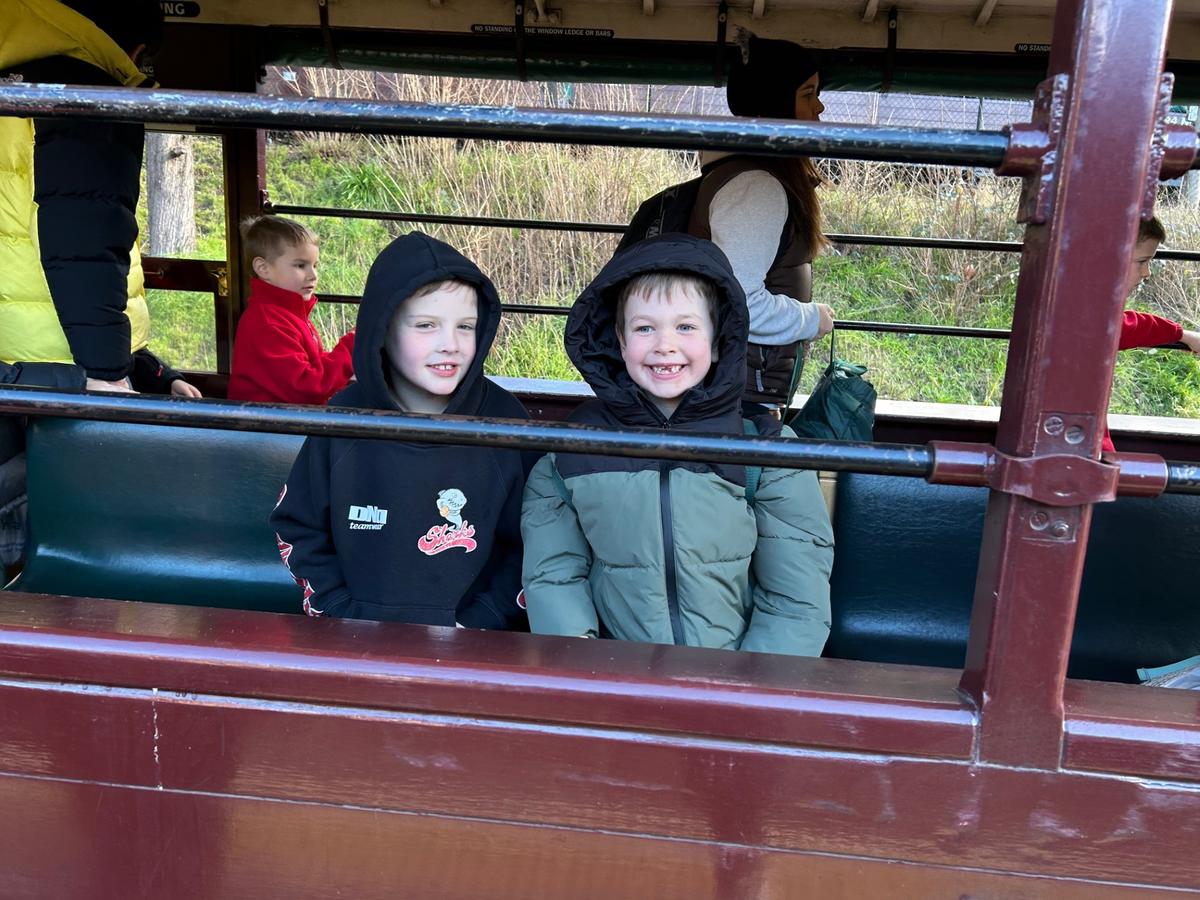
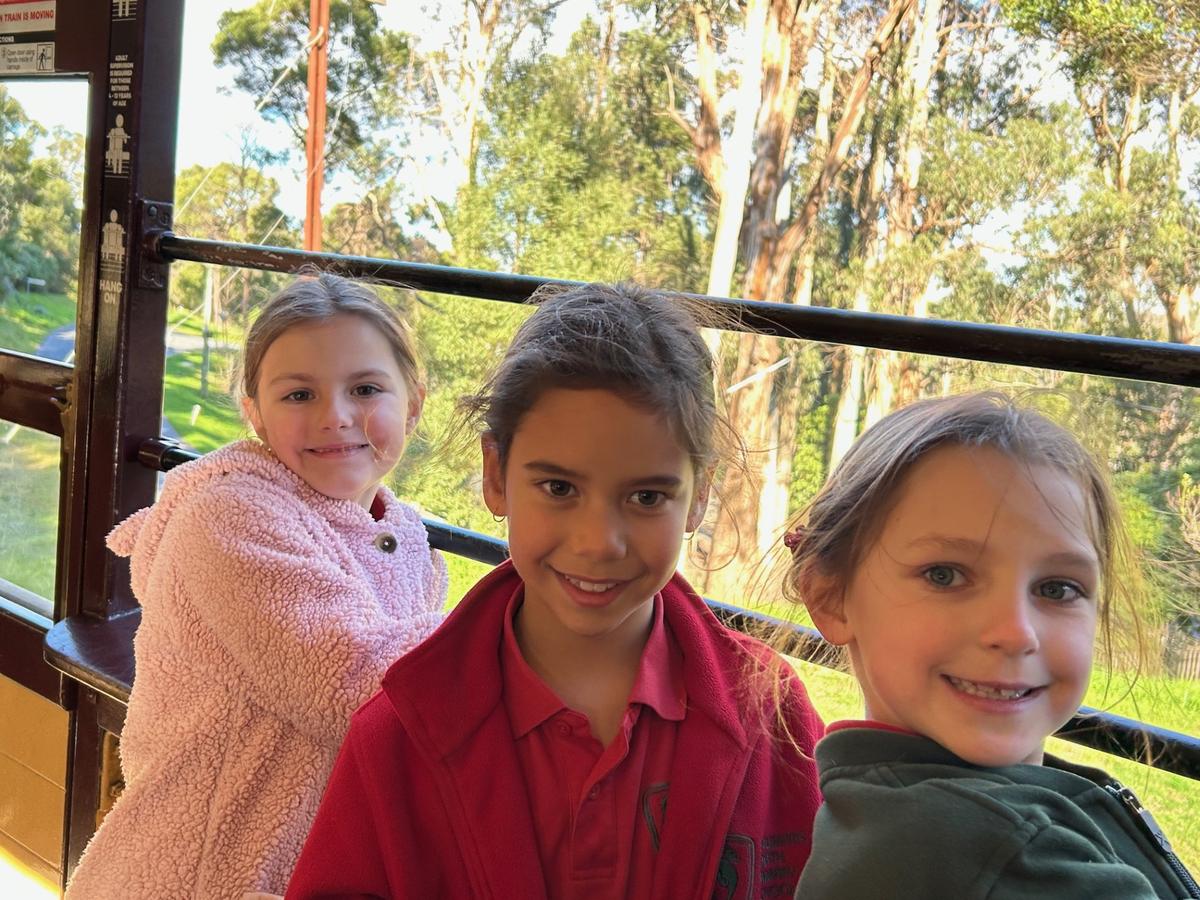
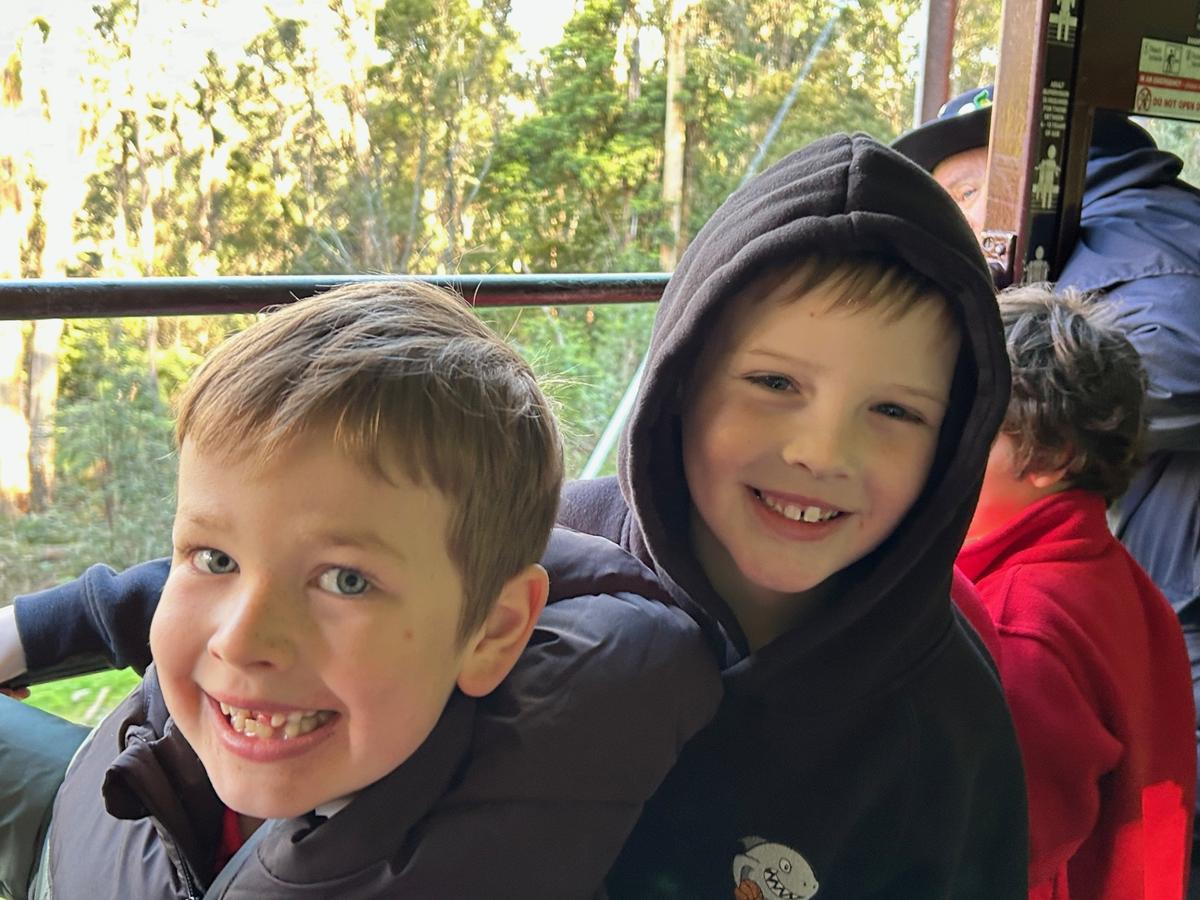
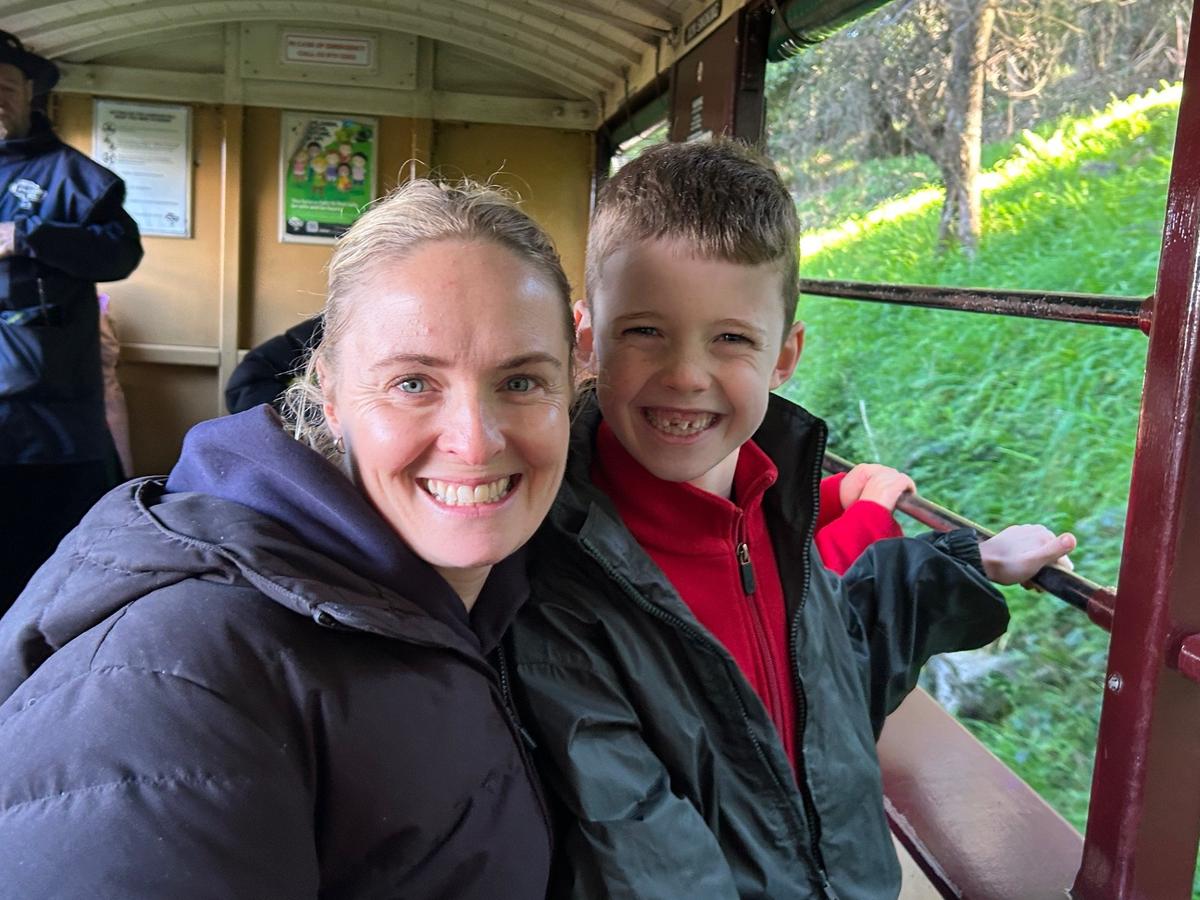
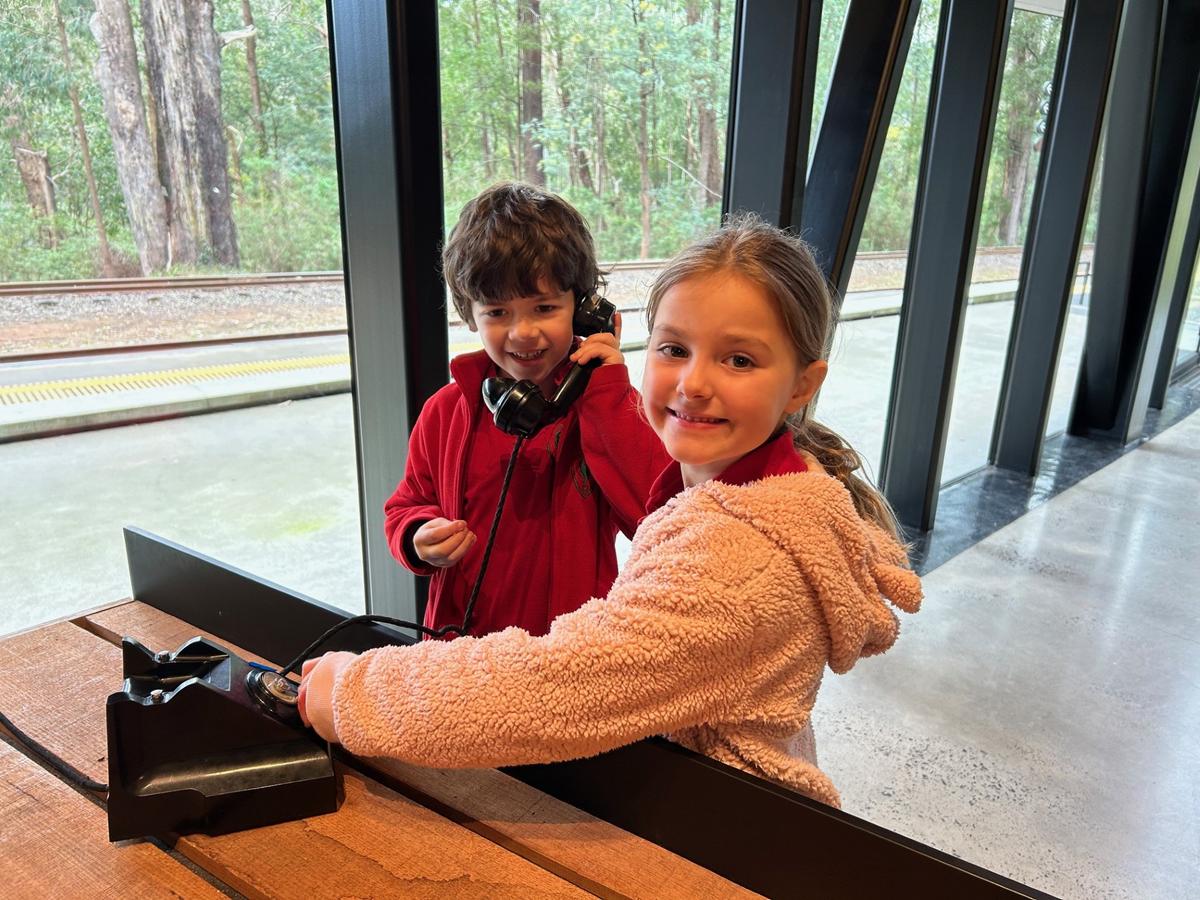
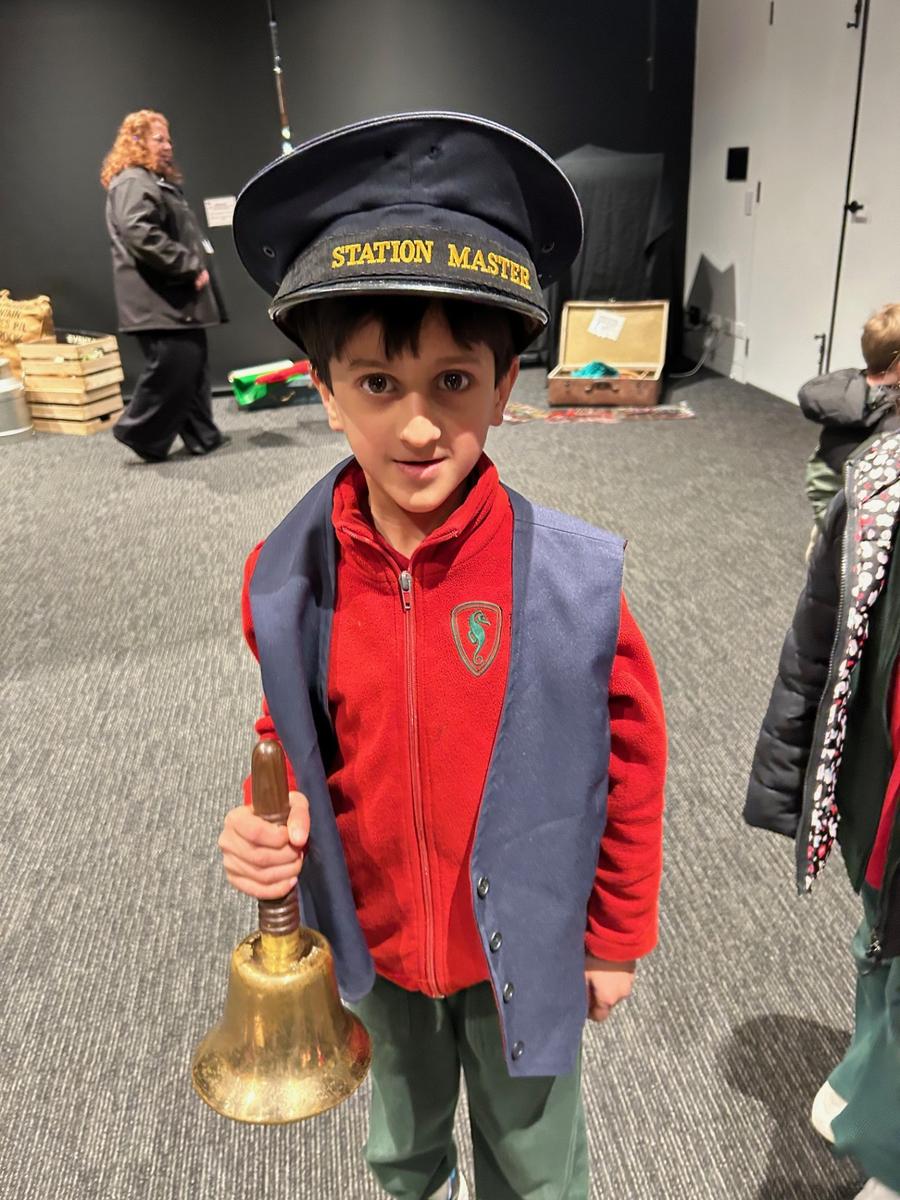
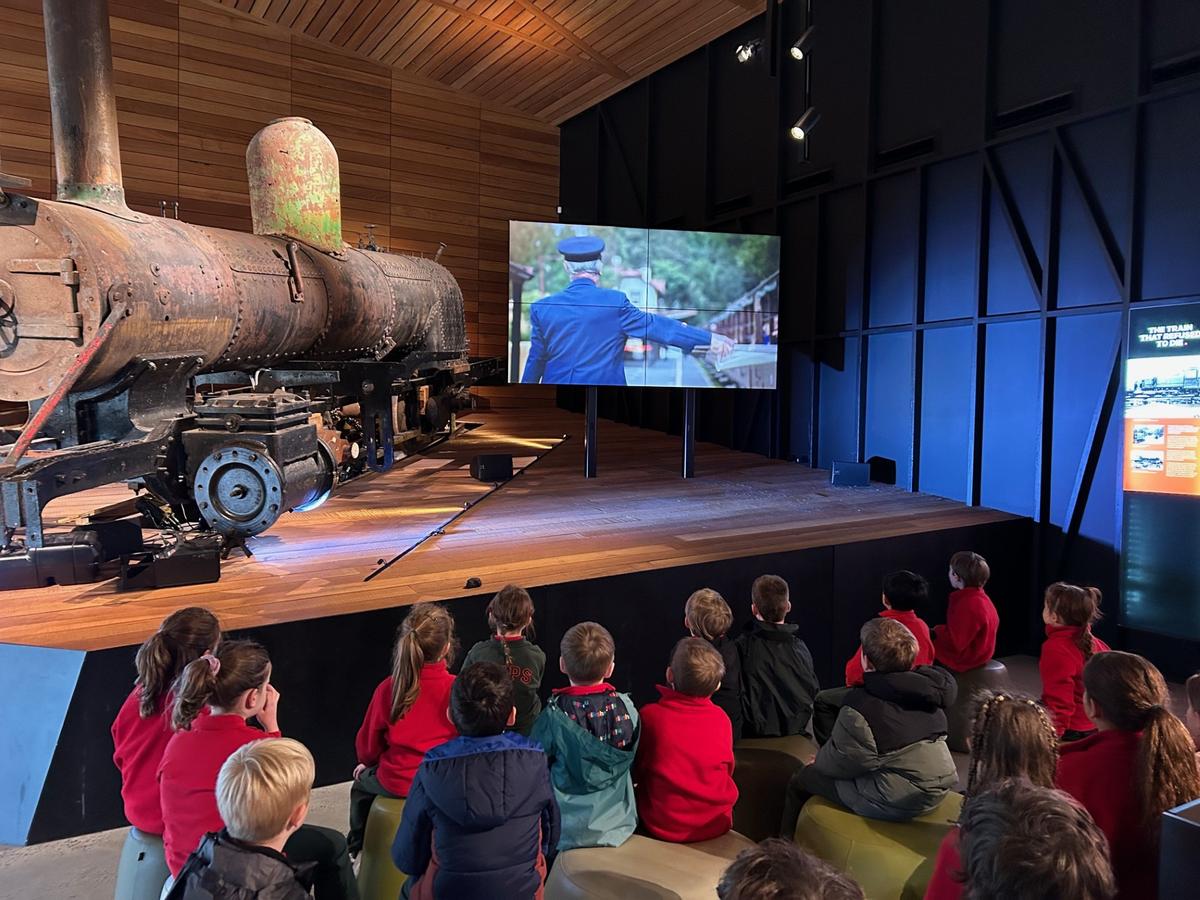
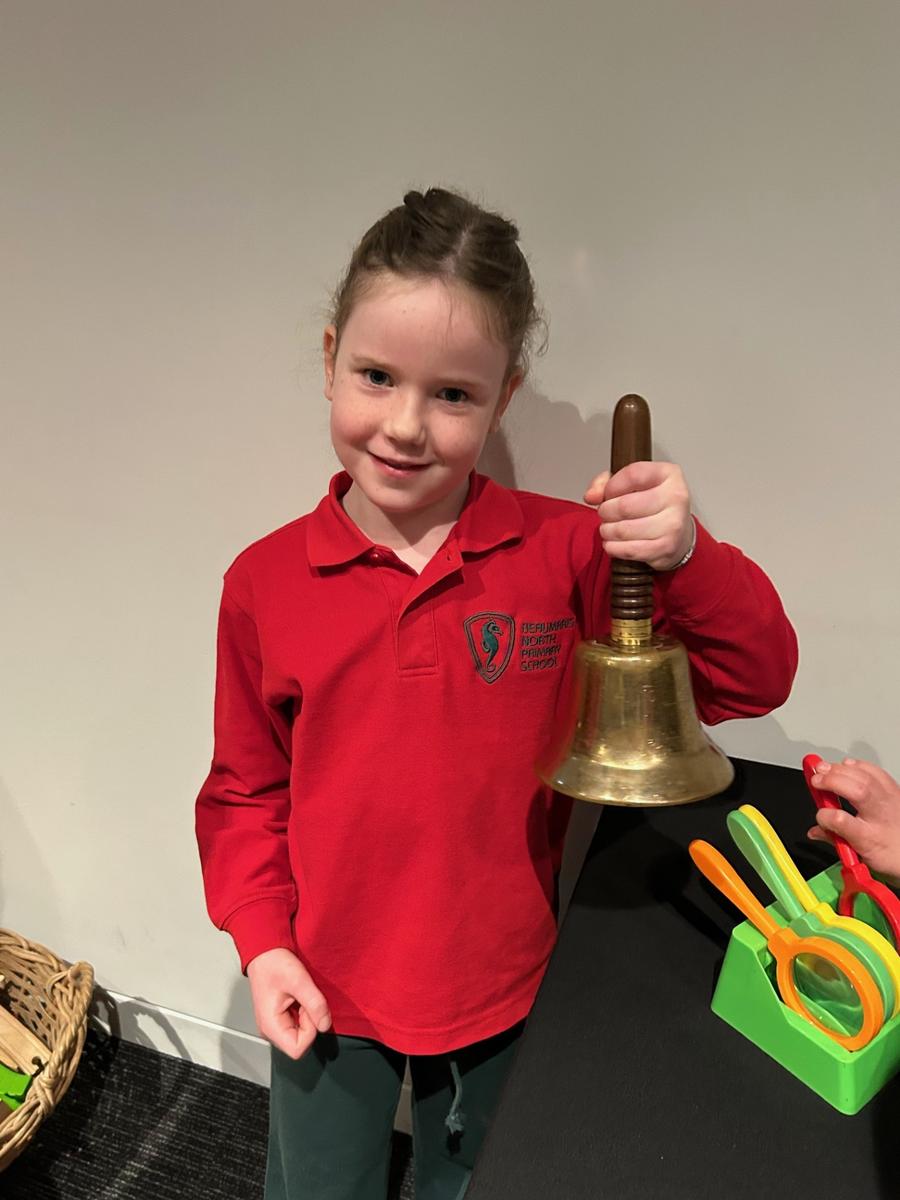
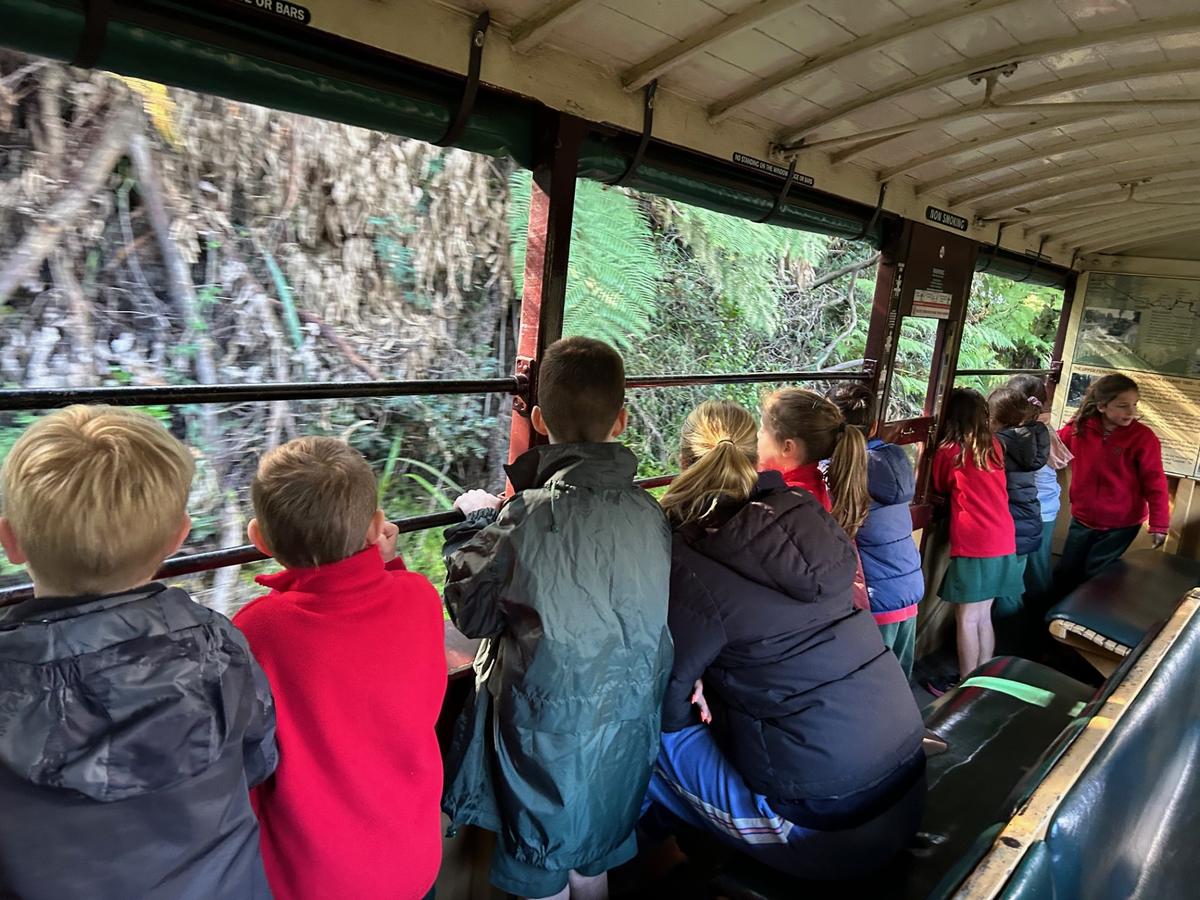
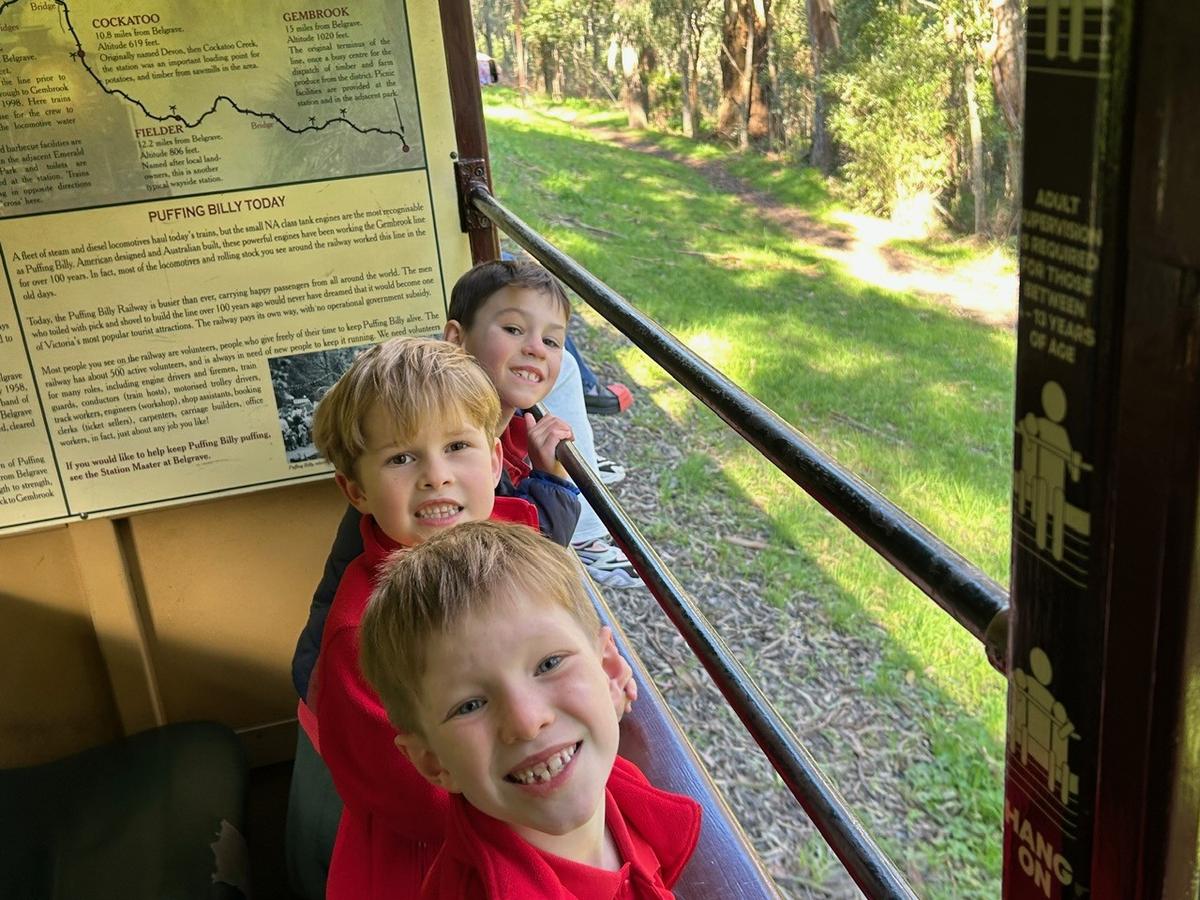
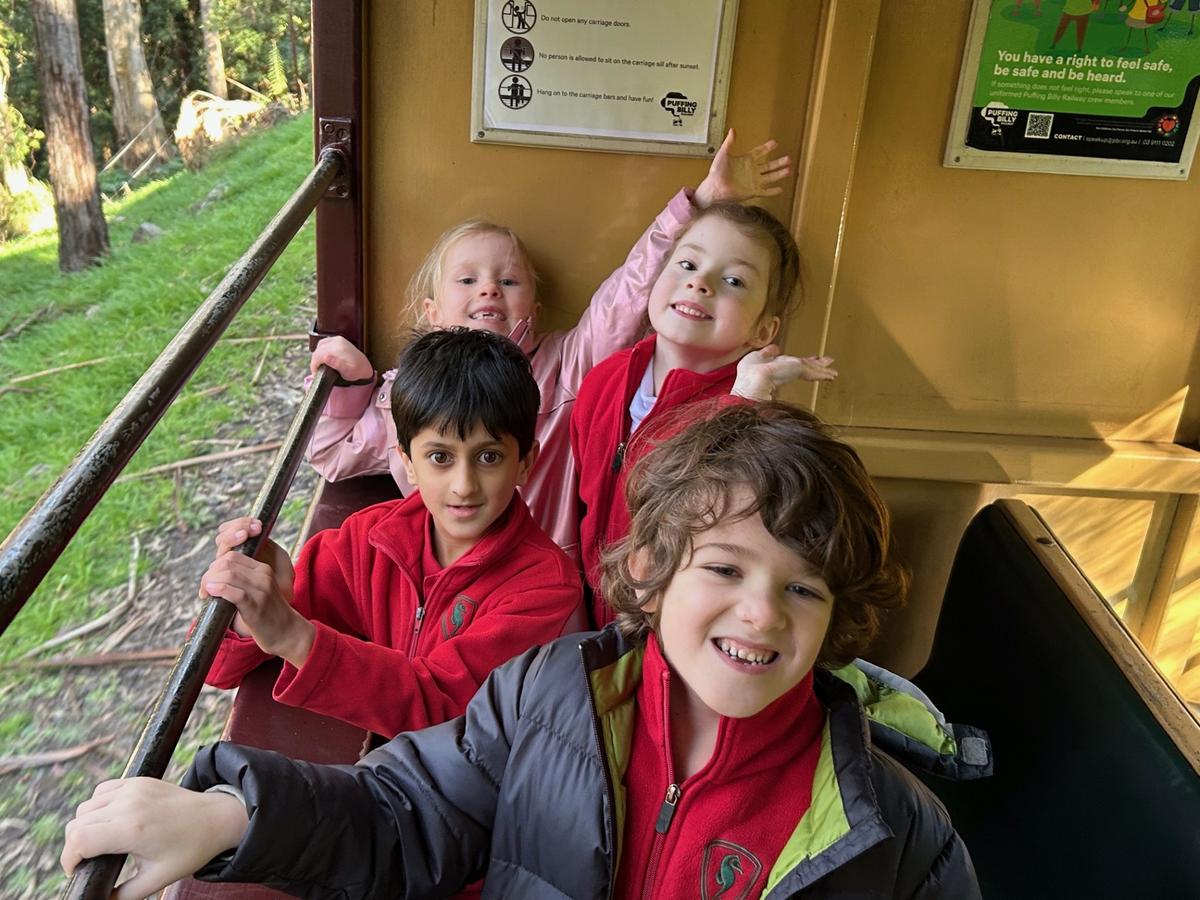
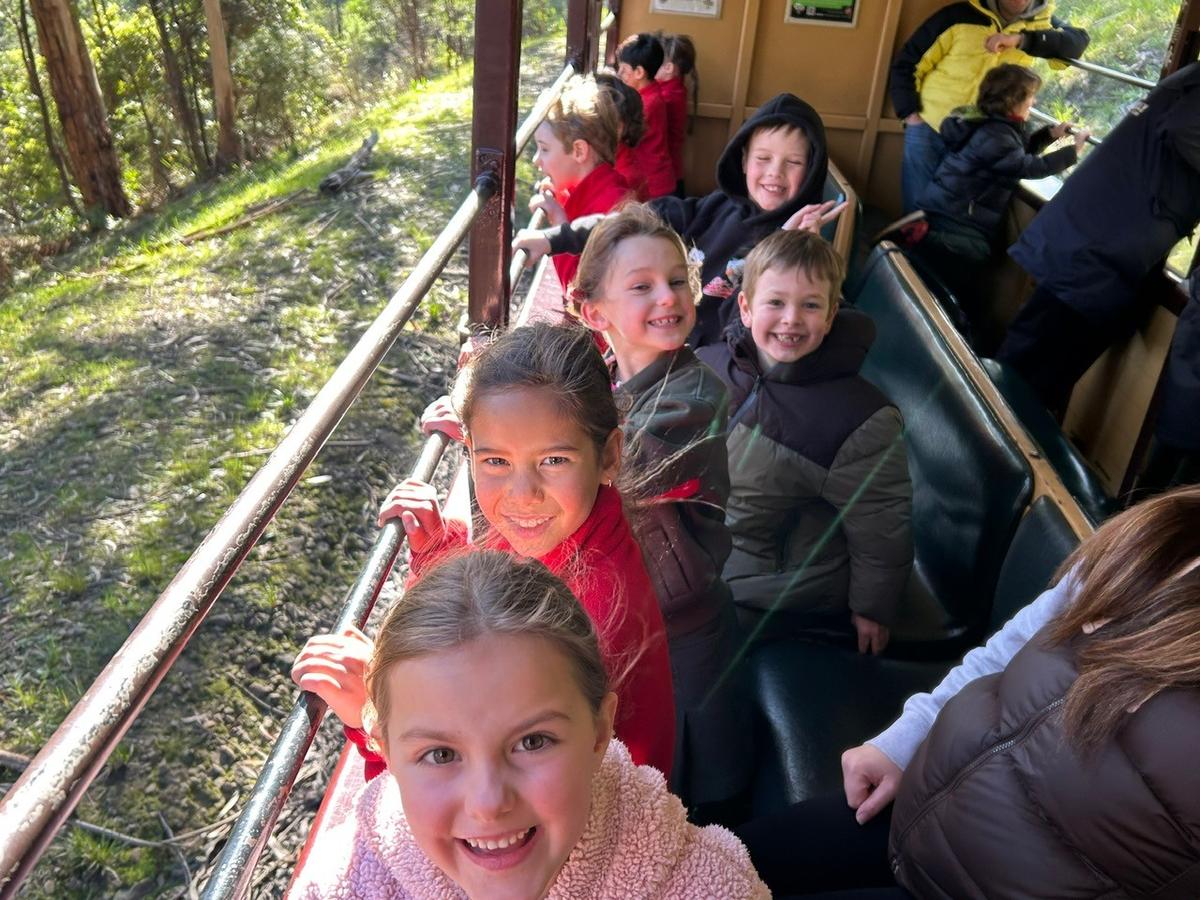
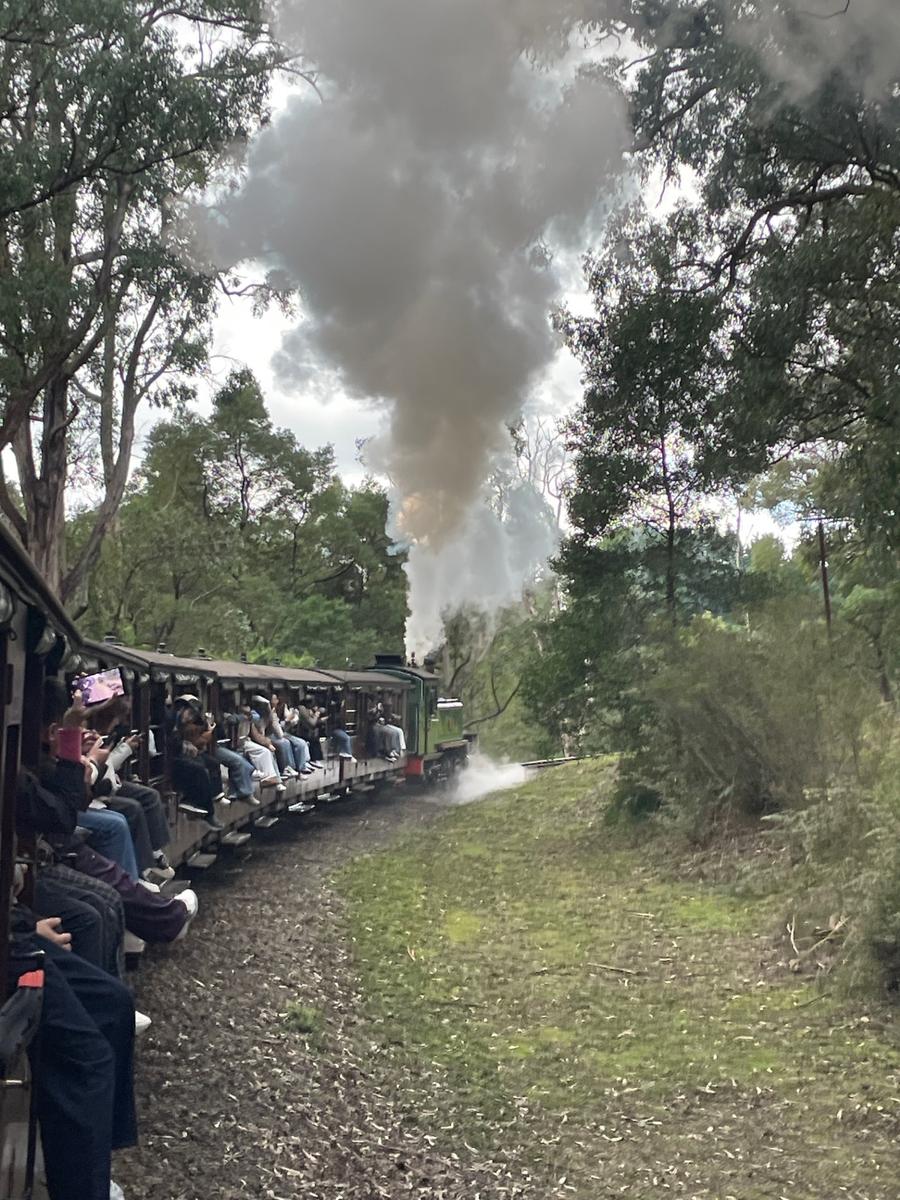
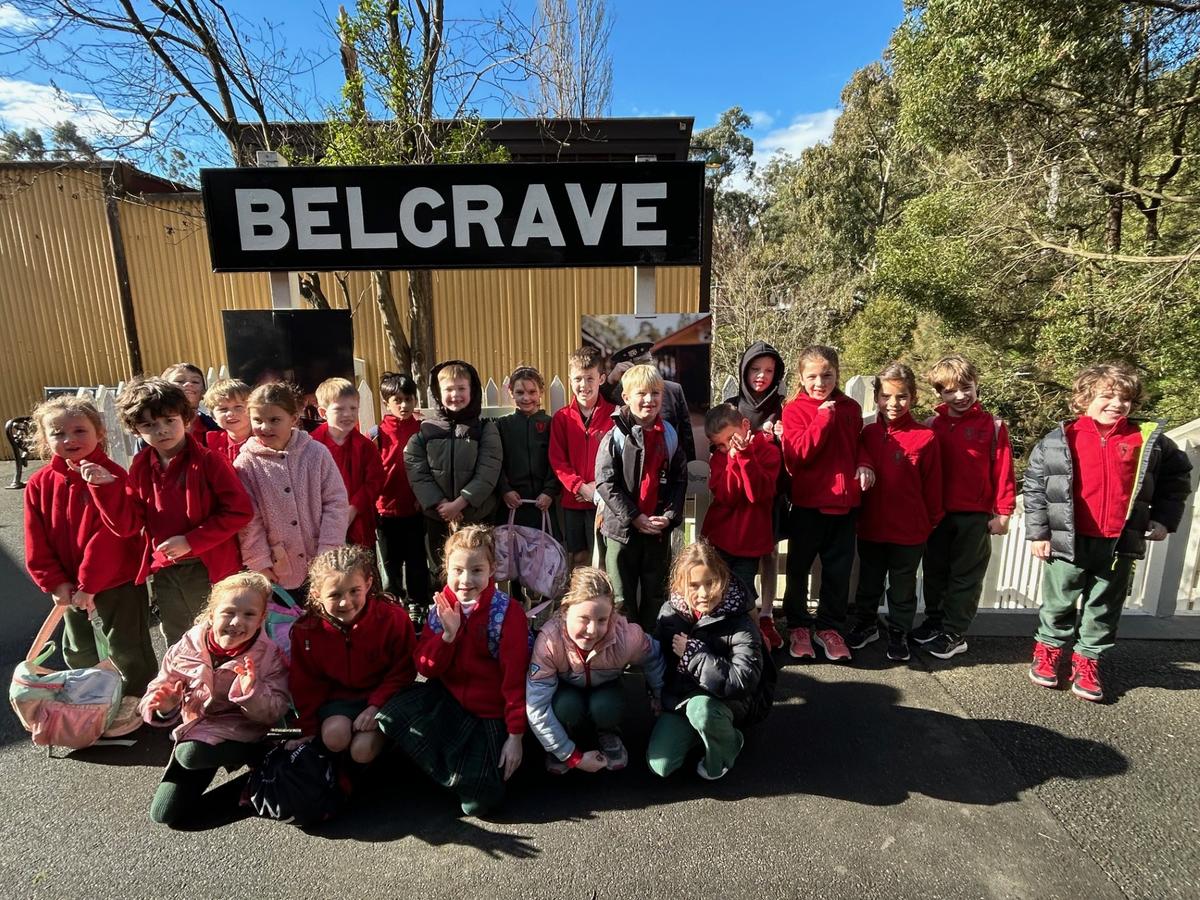
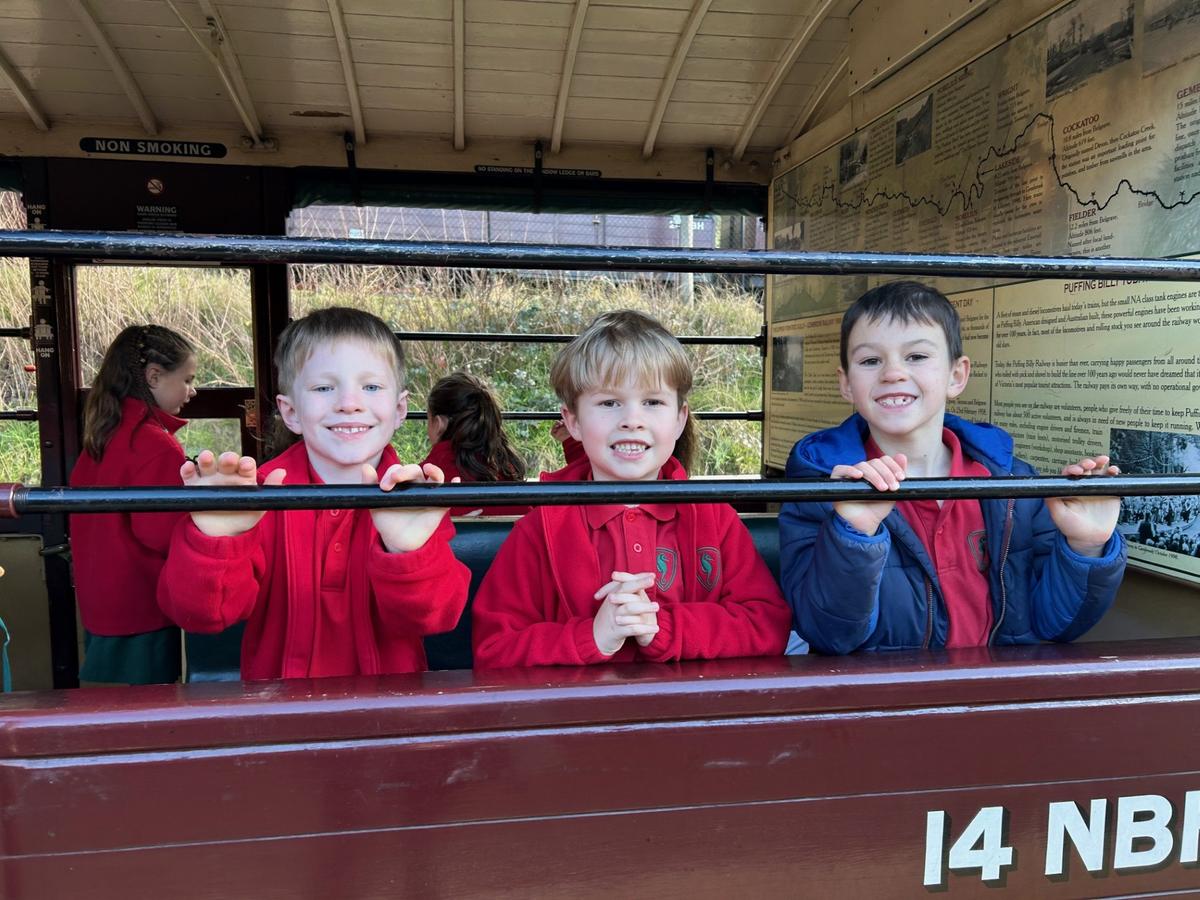
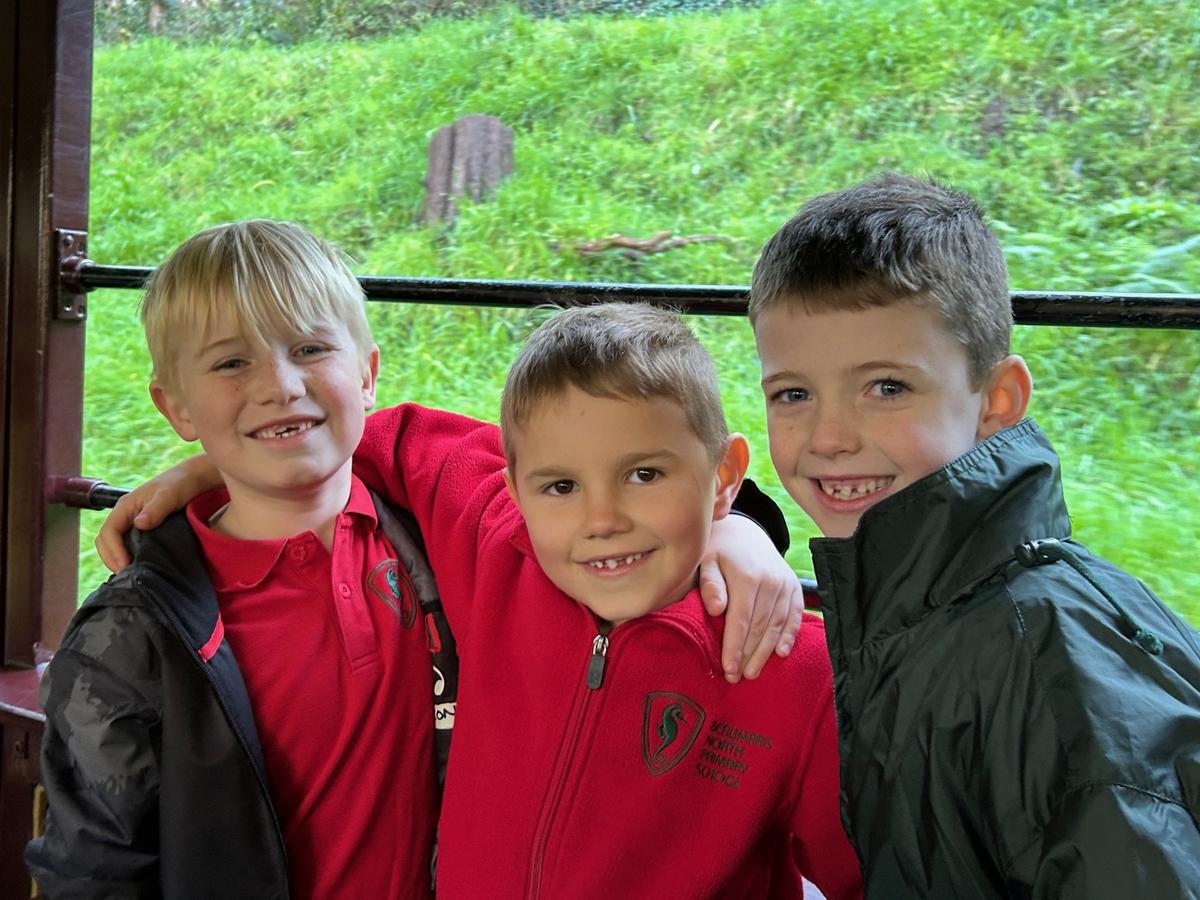
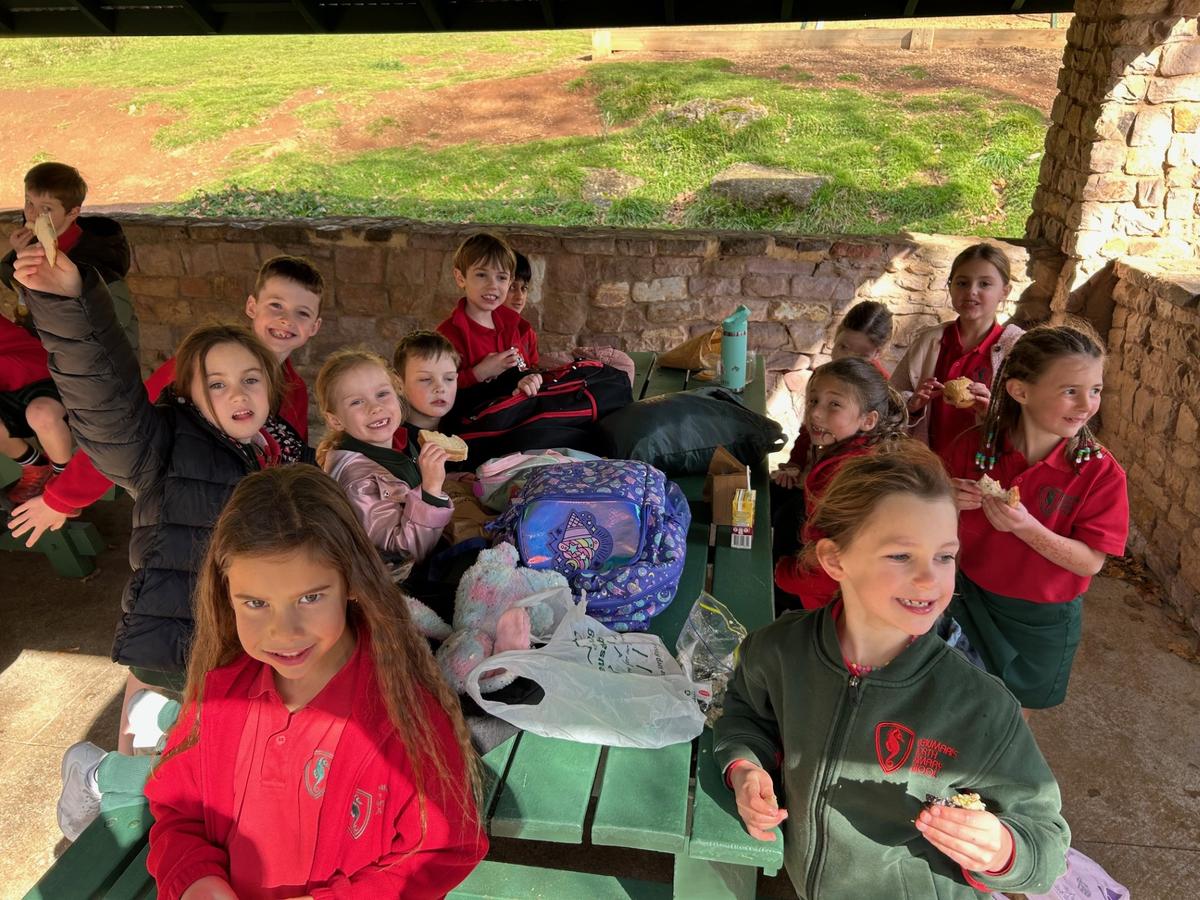
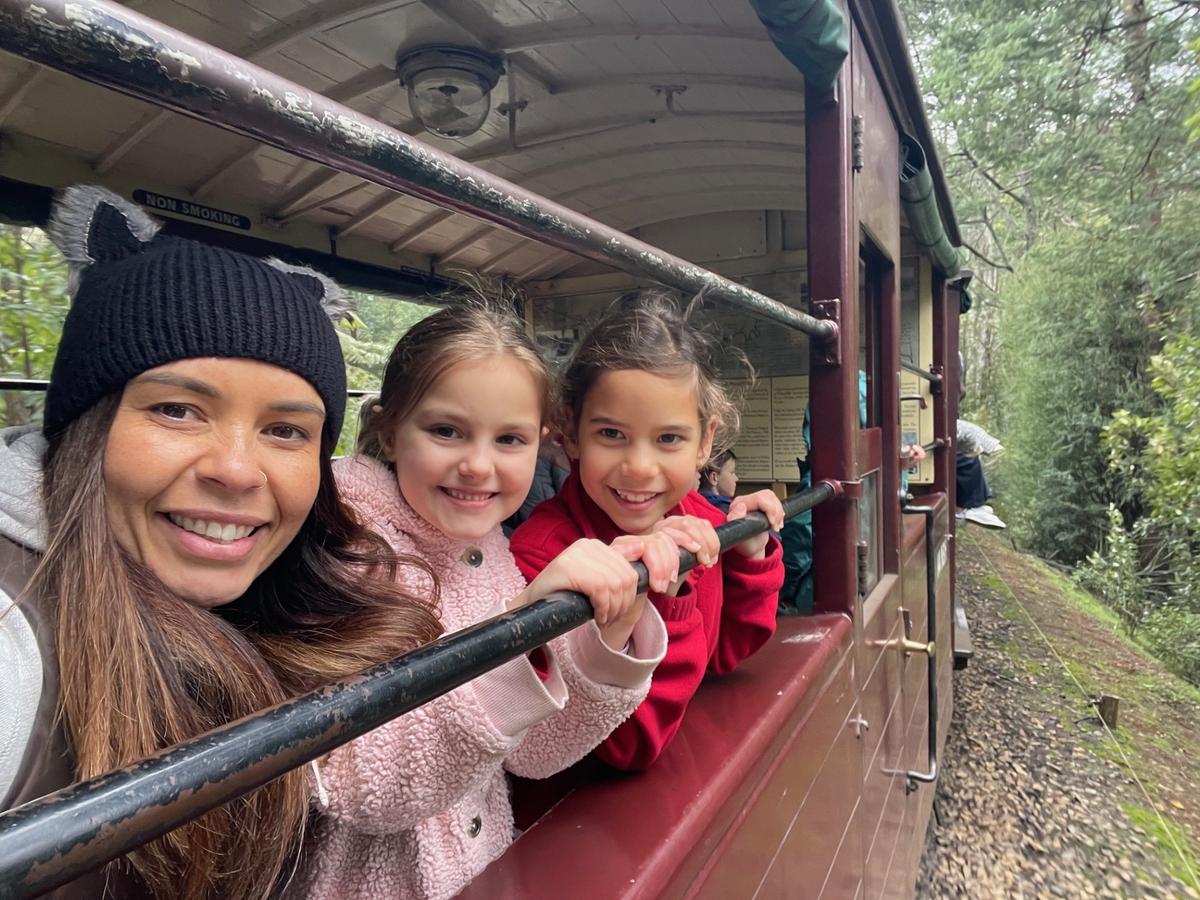
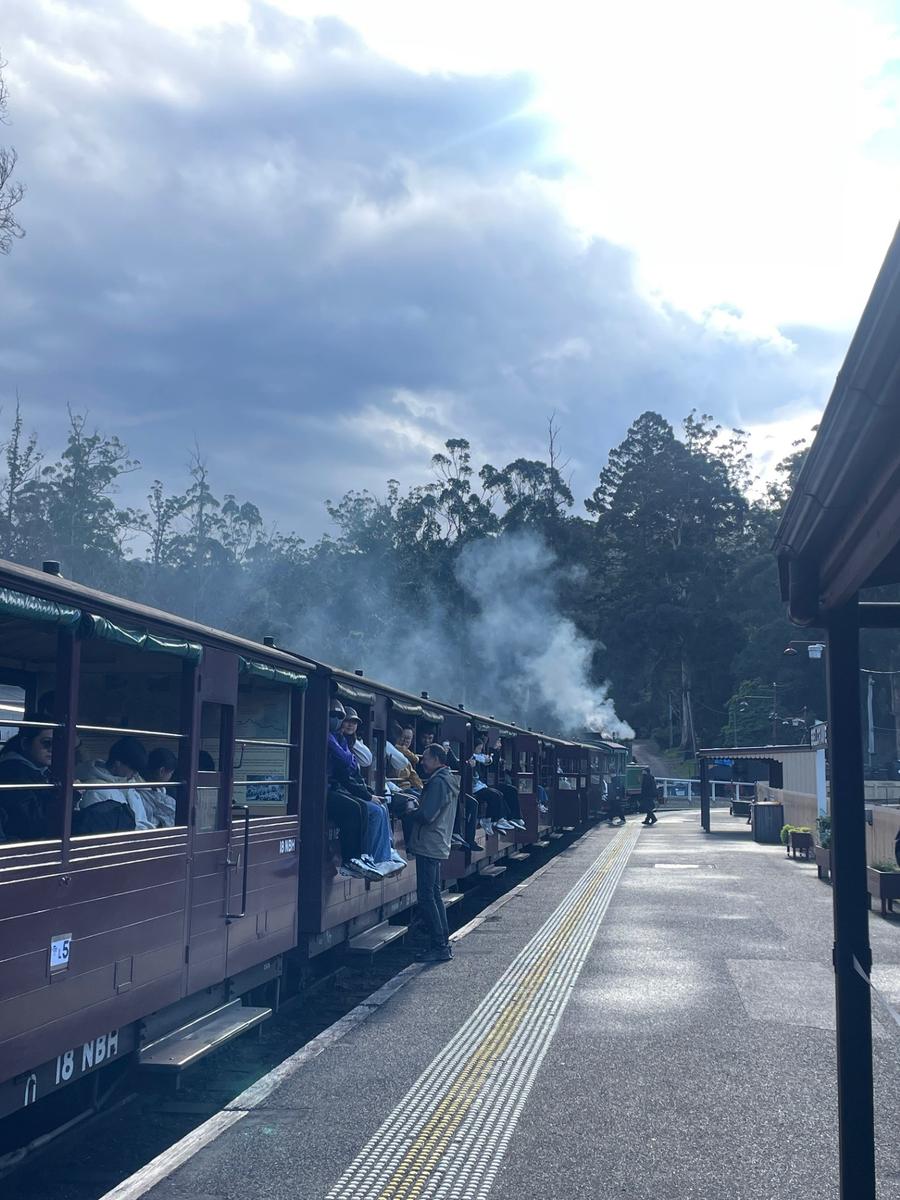
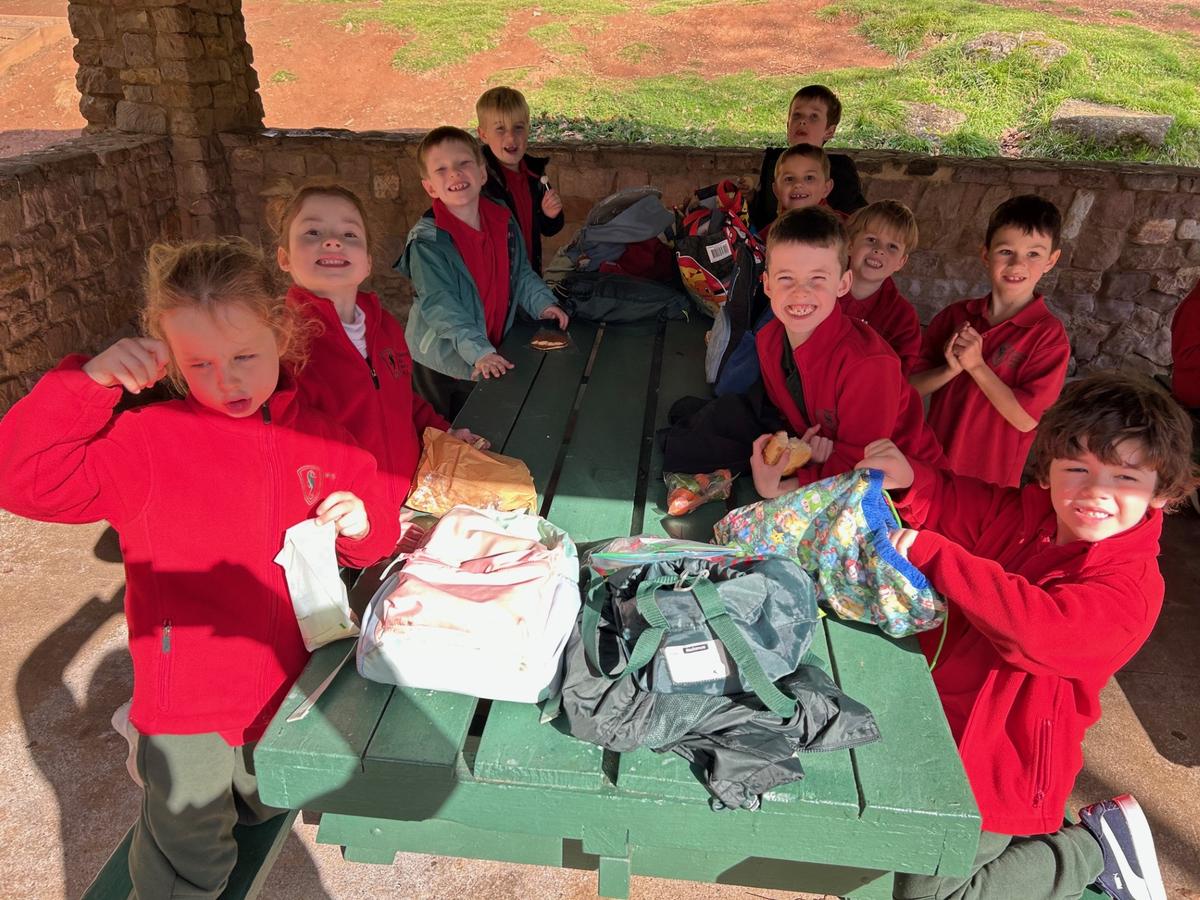
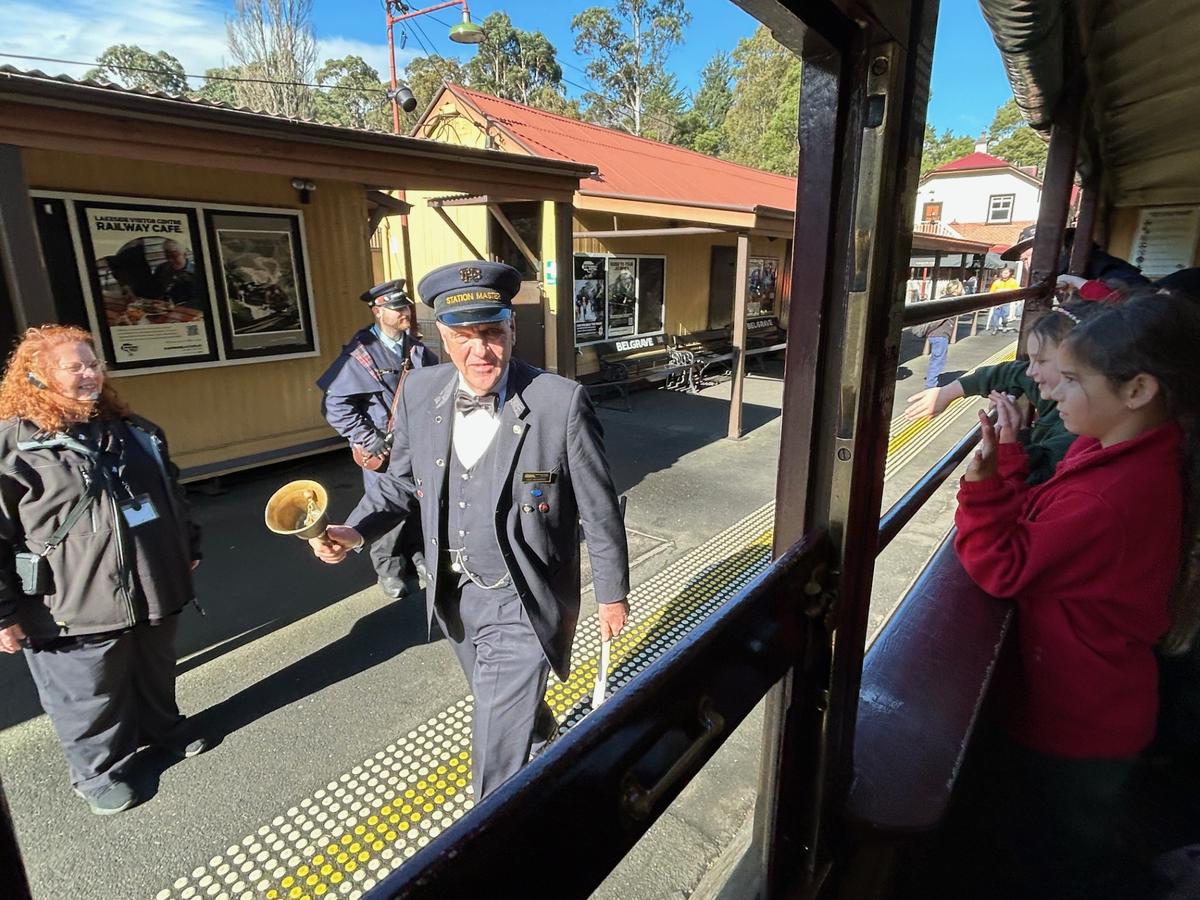
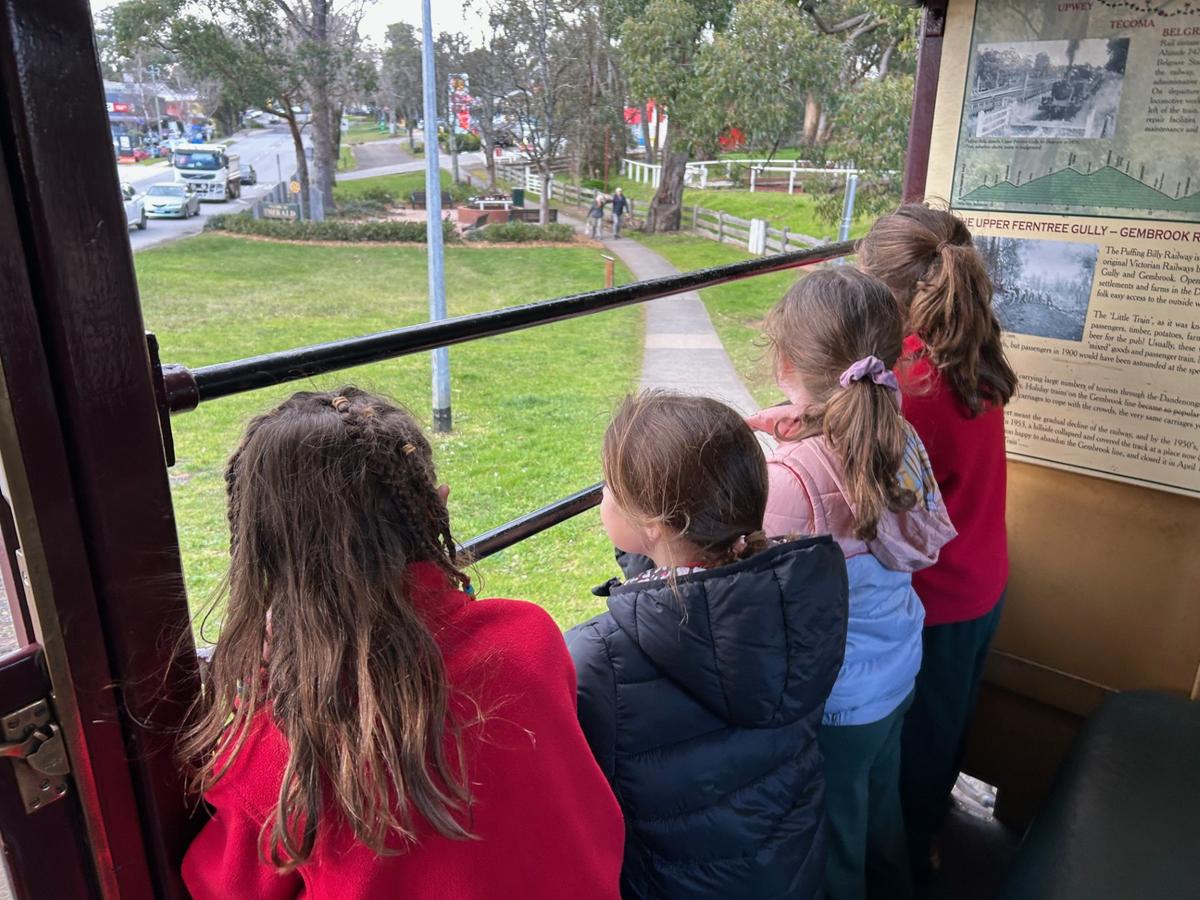
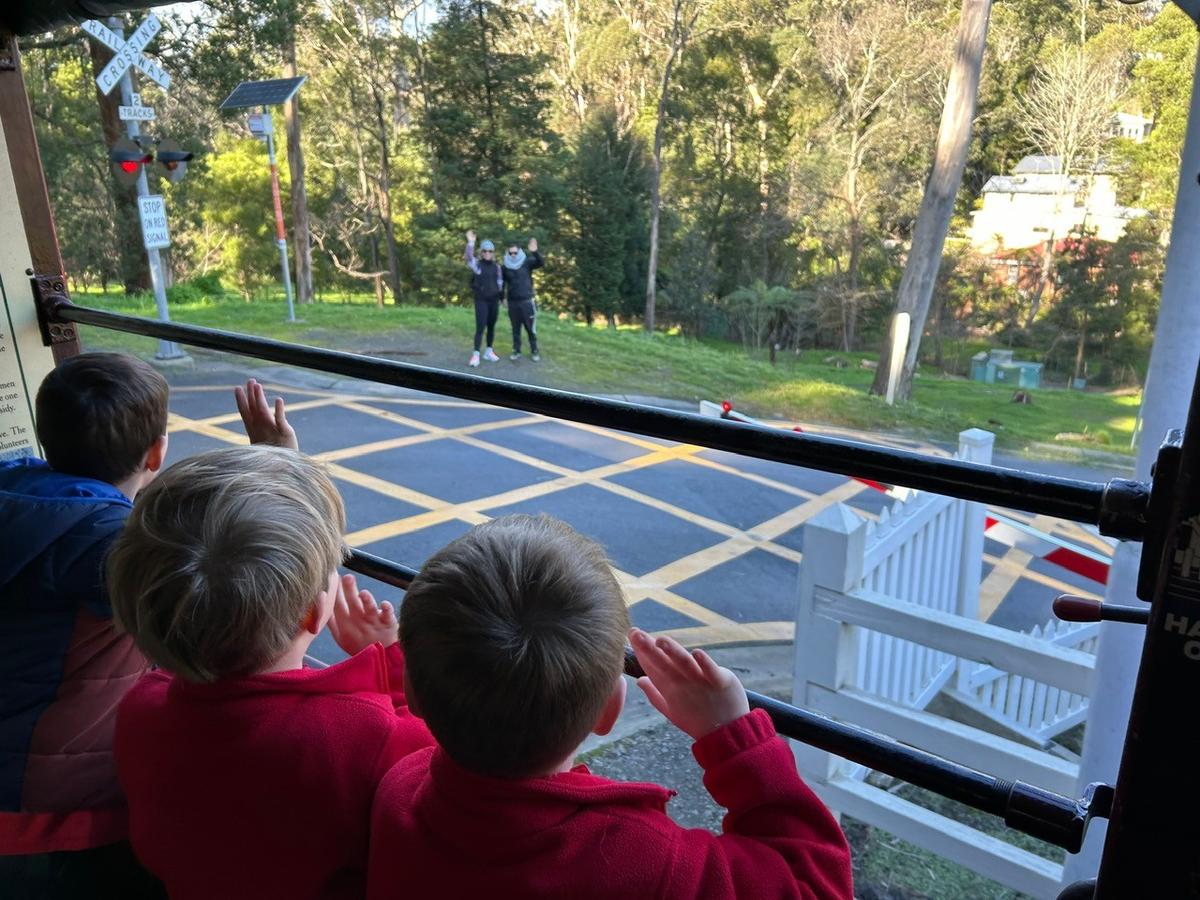
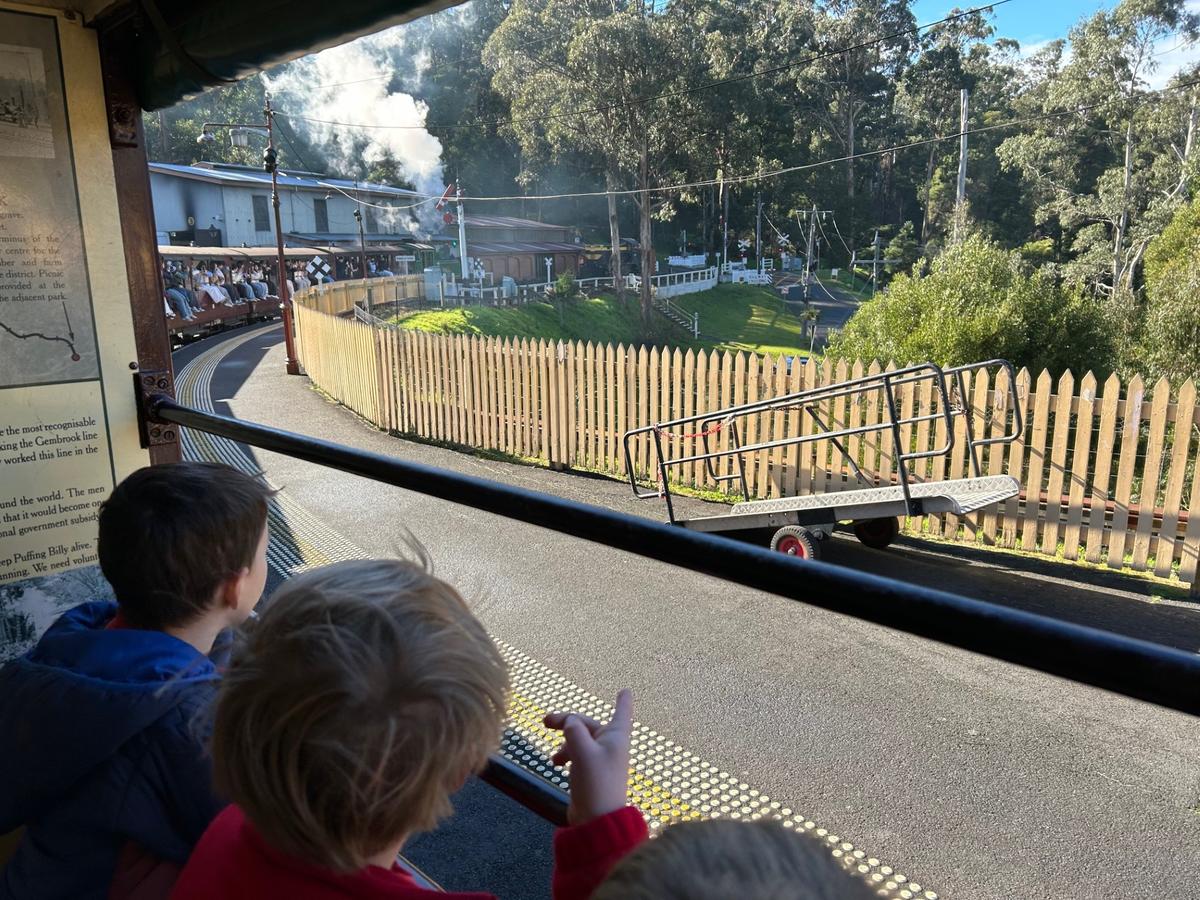
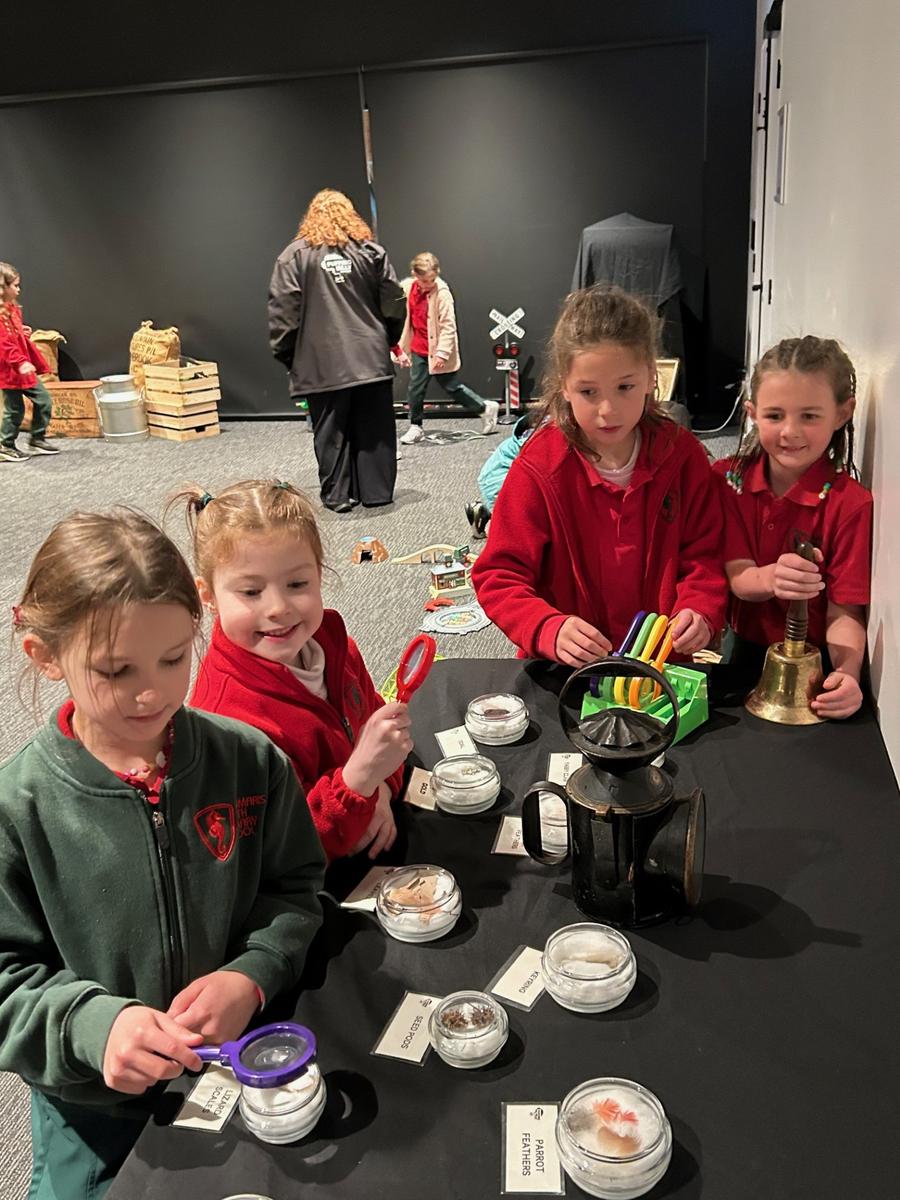
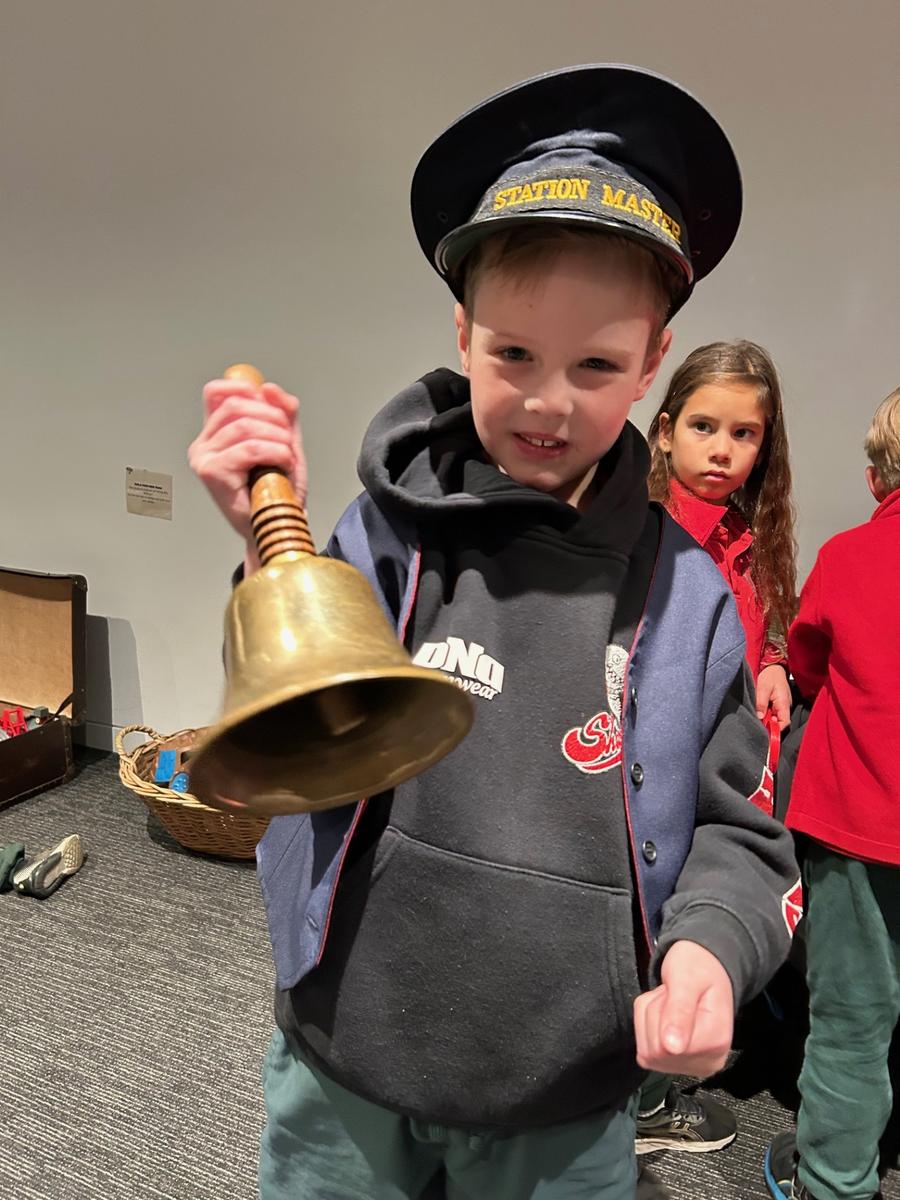
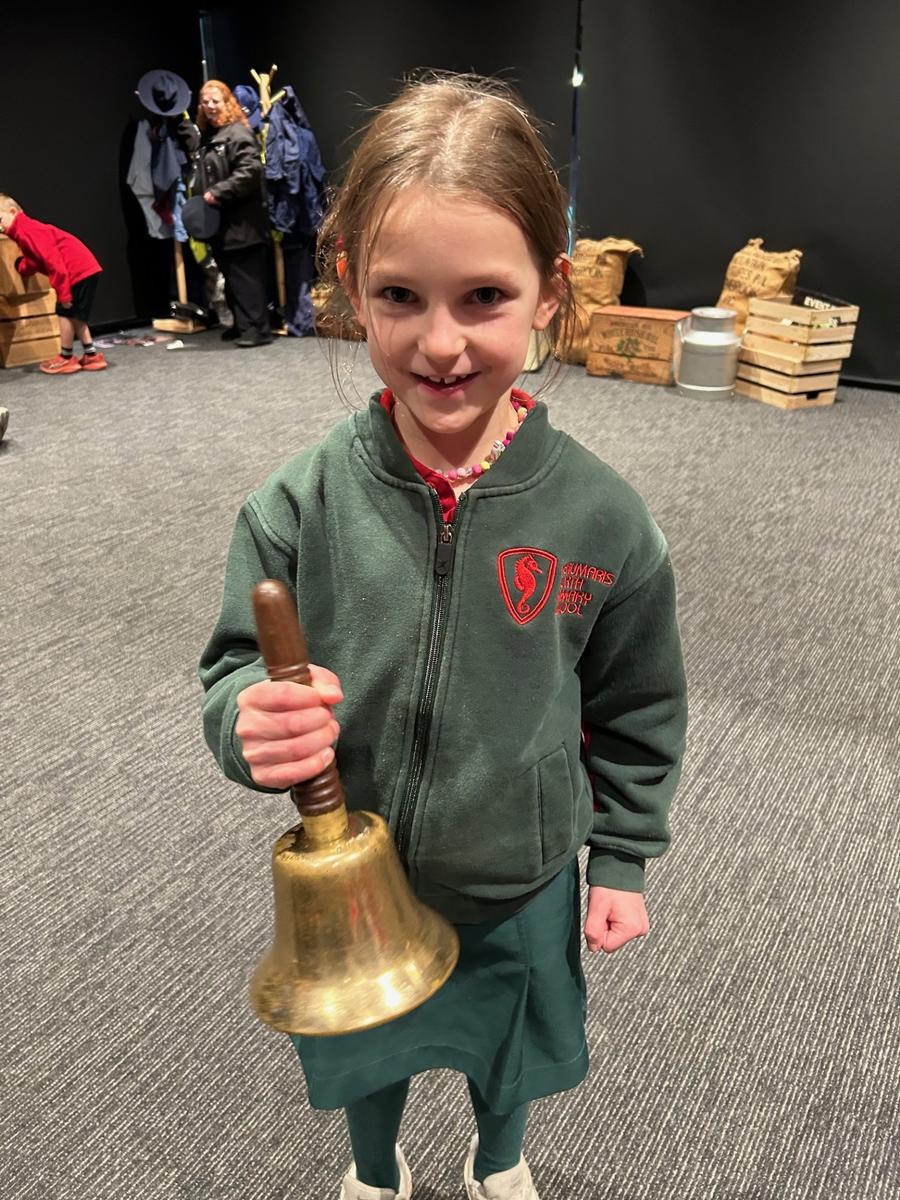
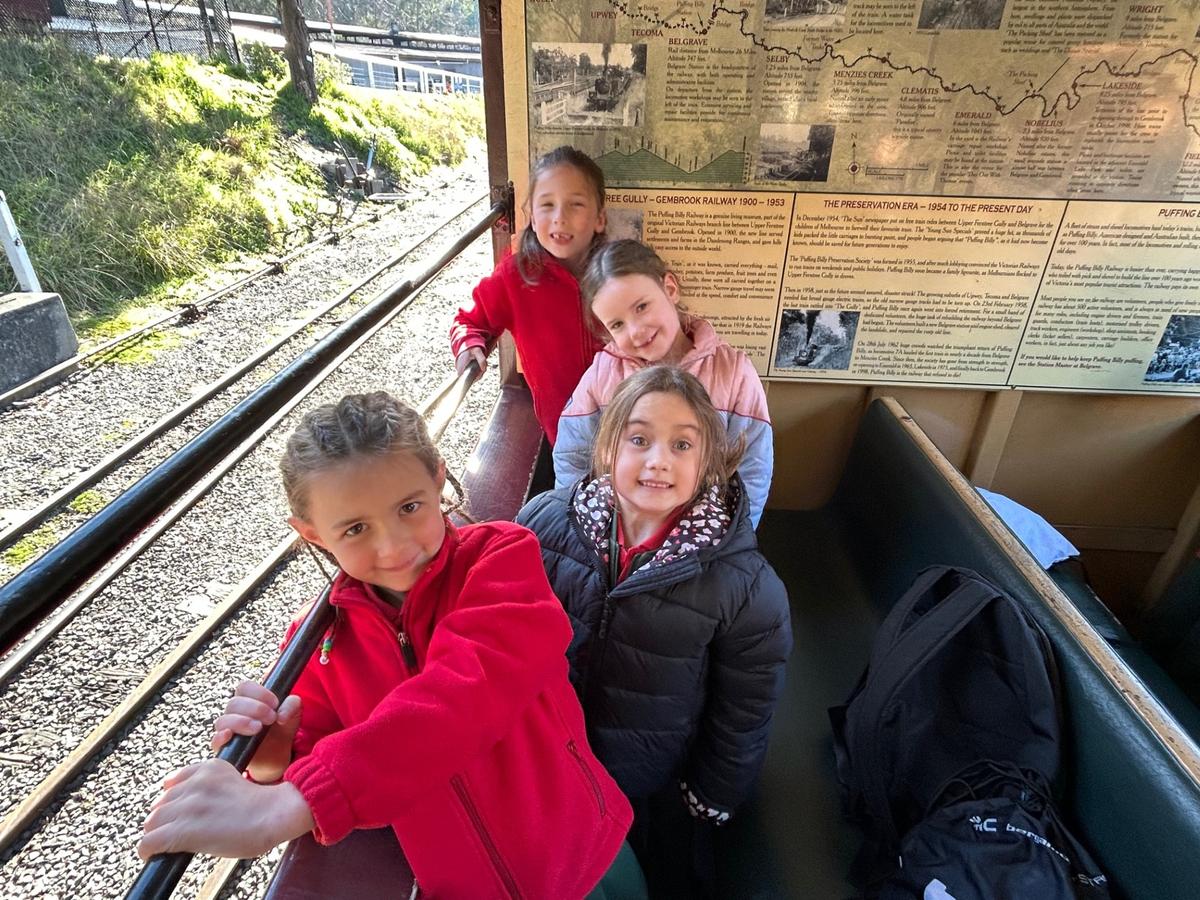
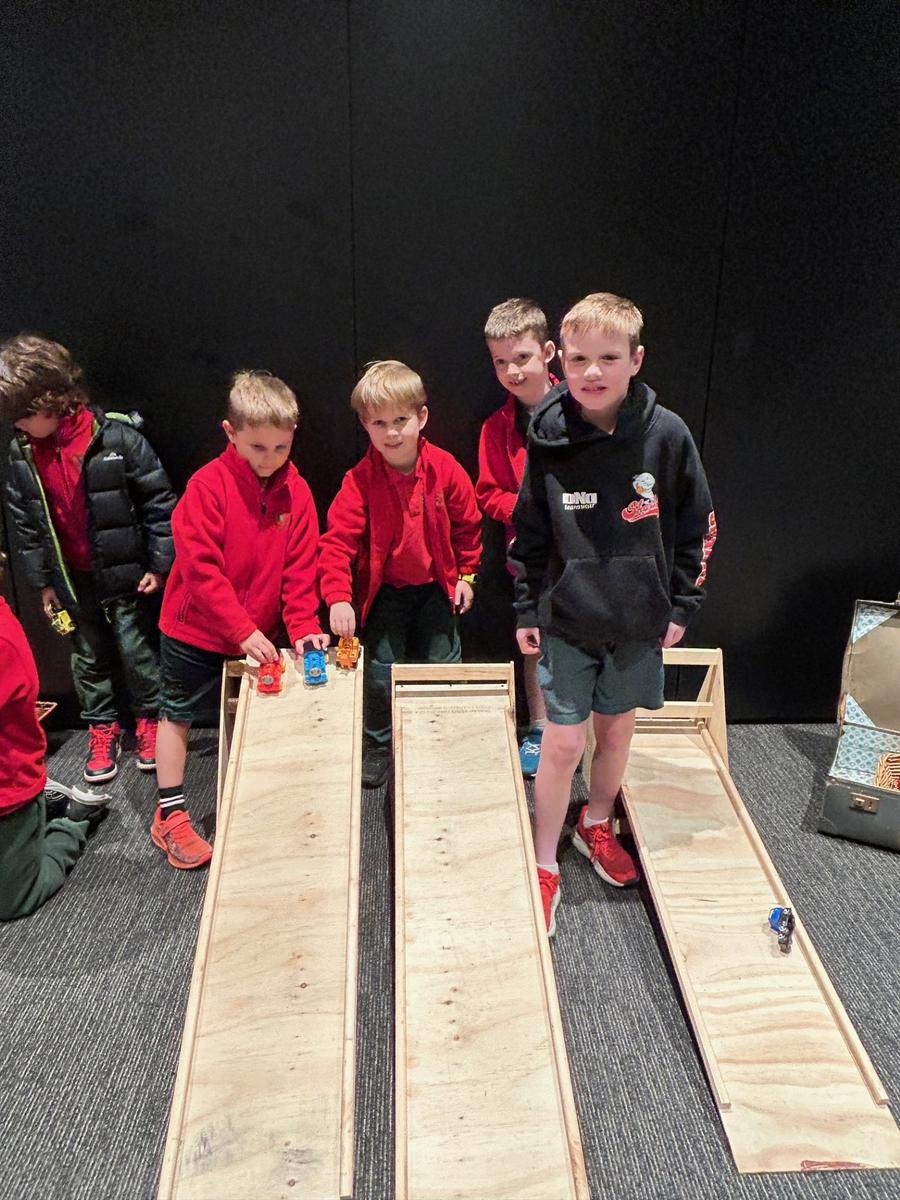
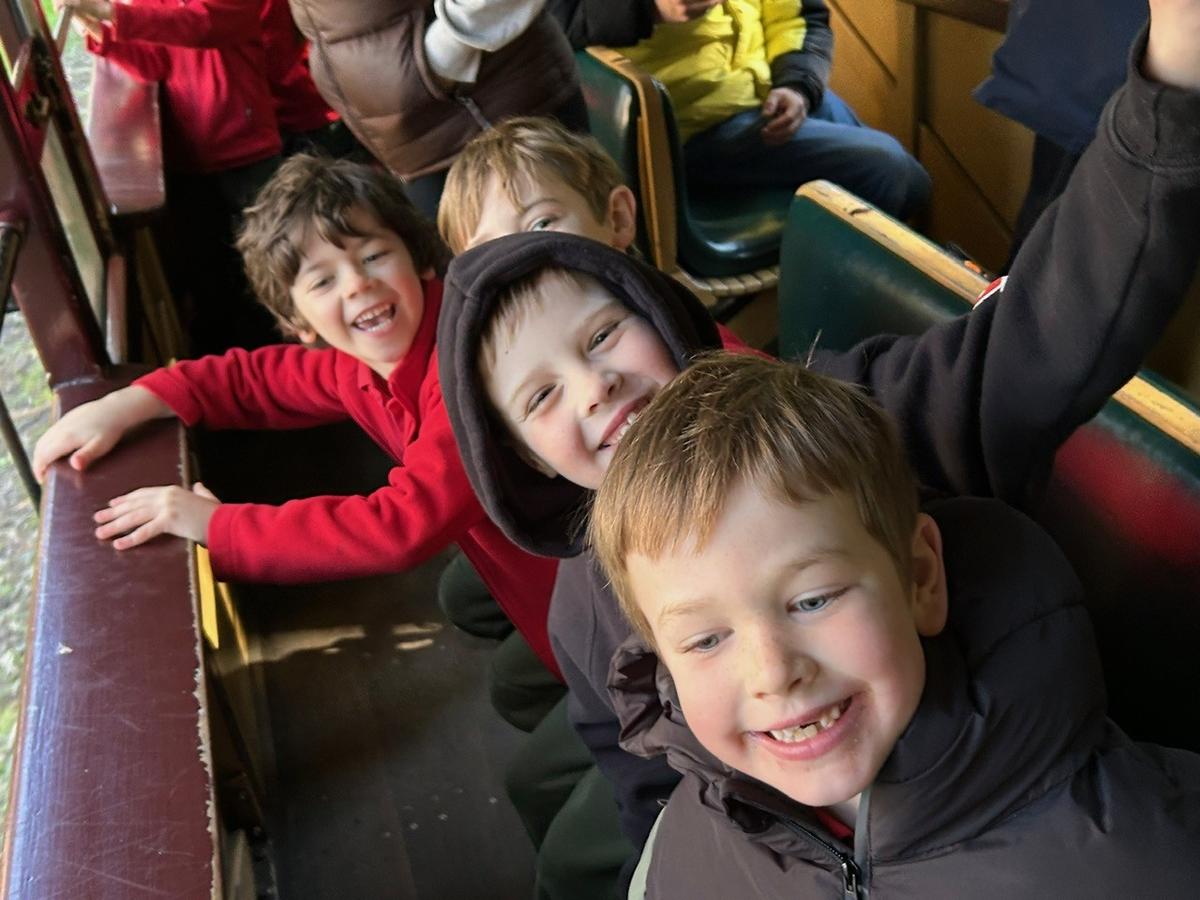
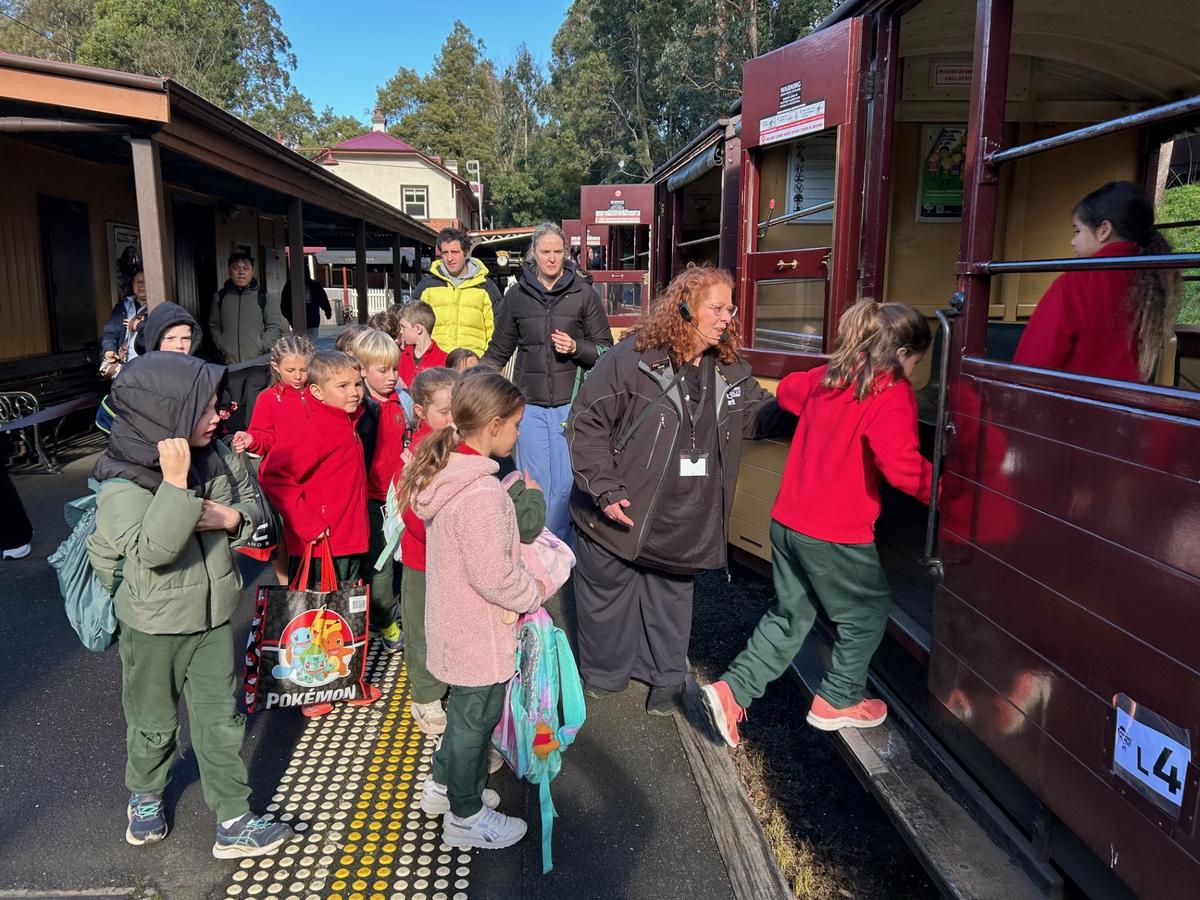
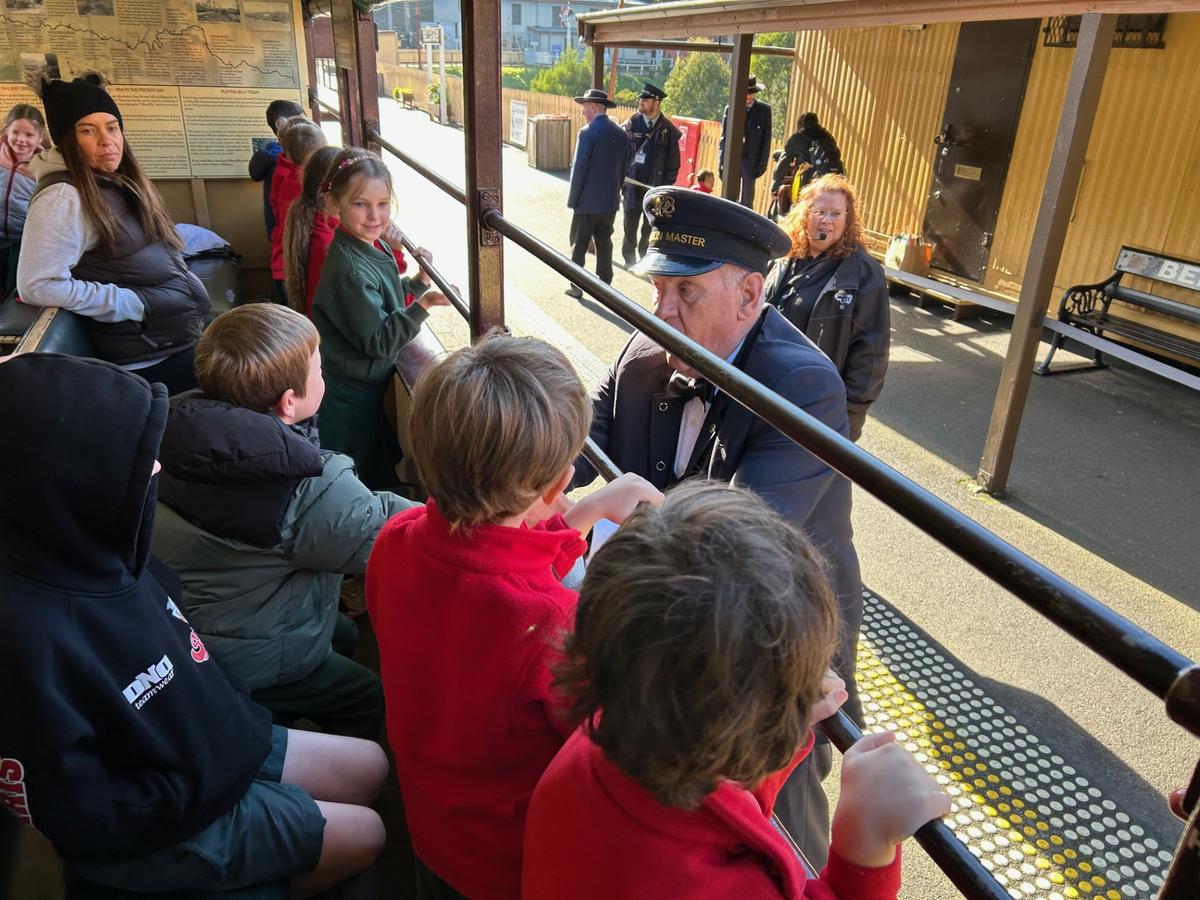
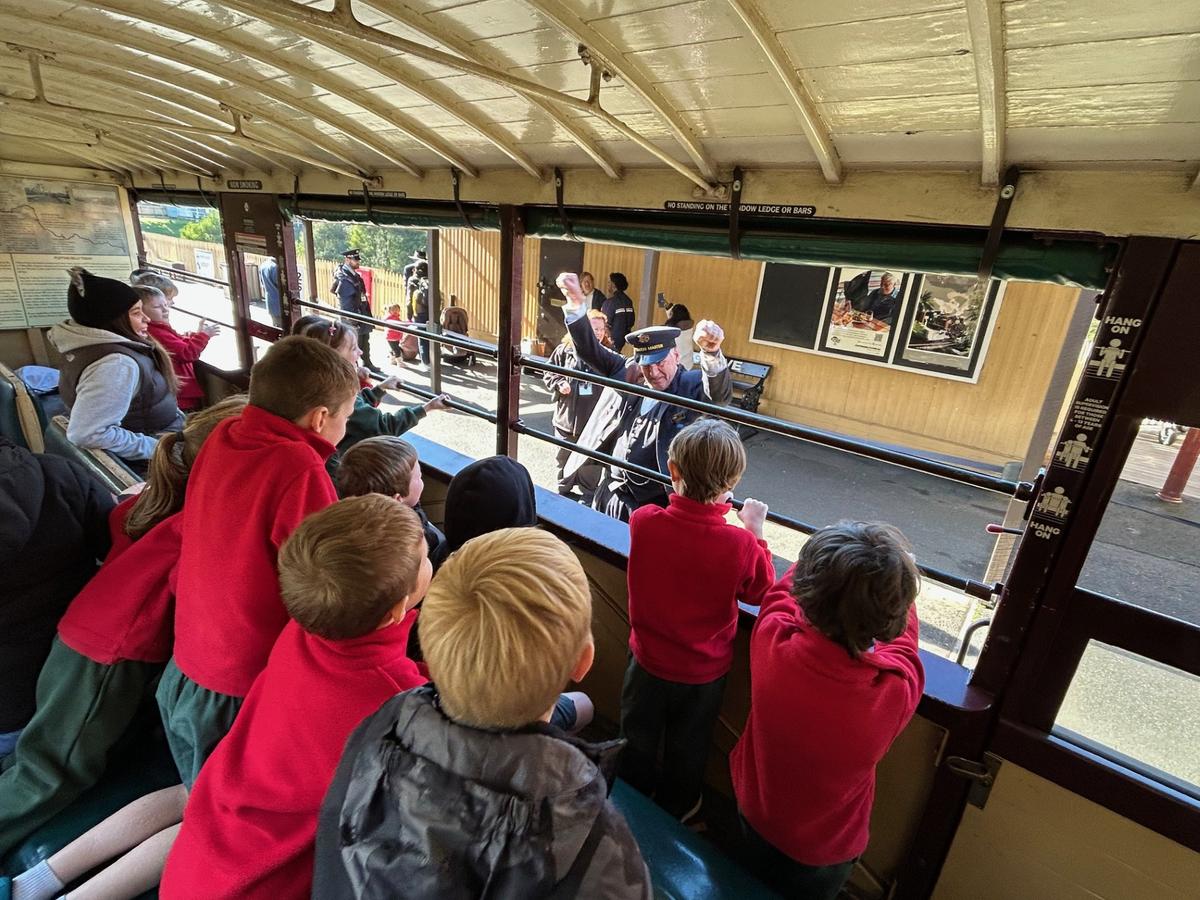
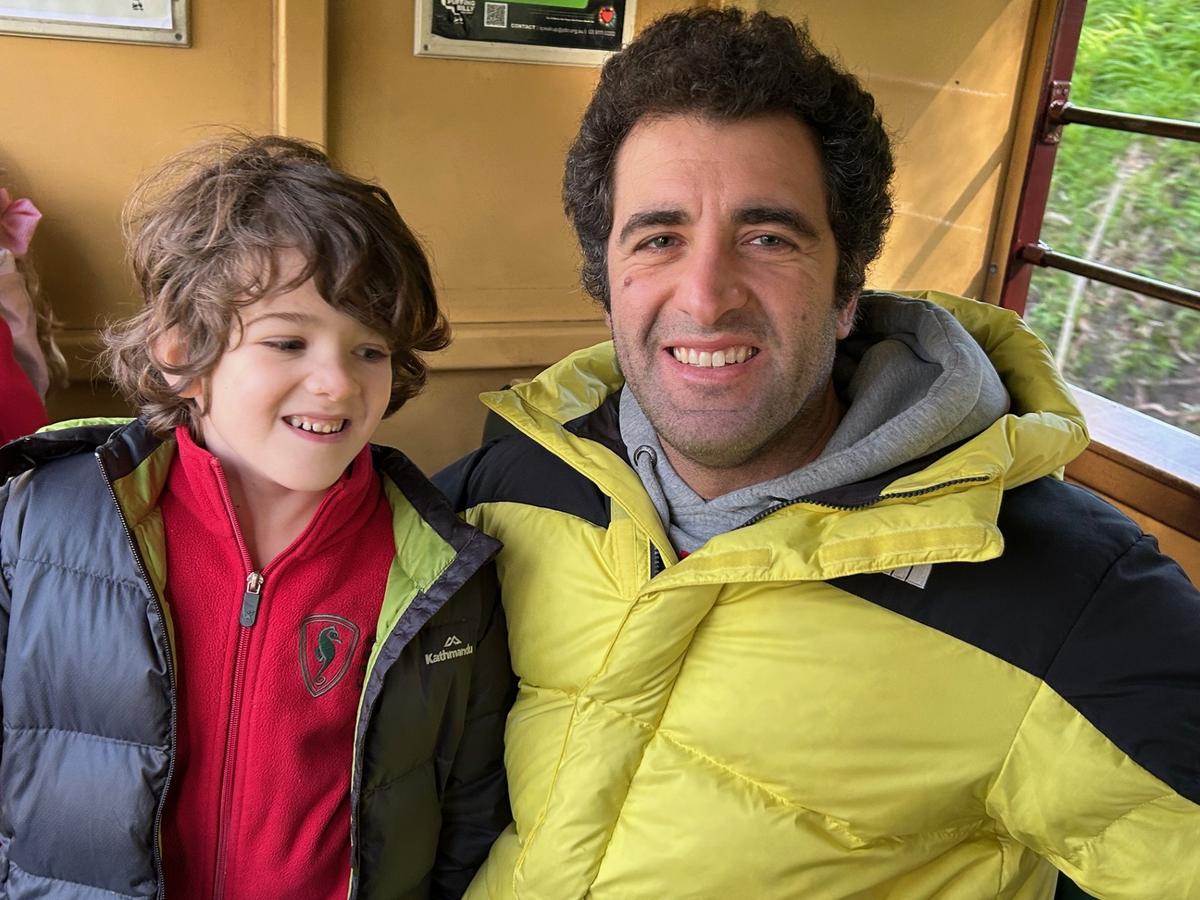
To launch our learning, the Year 1 students enjoyed an exciting excursion on the iconic Puffing Billy Railway, providing a wonderful real-world connection to our inquiry into how journeys have evolved over time. We arrived at Belgrave Station early and enjoyed a picnic recess before boarding the historic steam train for a one-hour journey through the beautiful Dandenong Ranges.
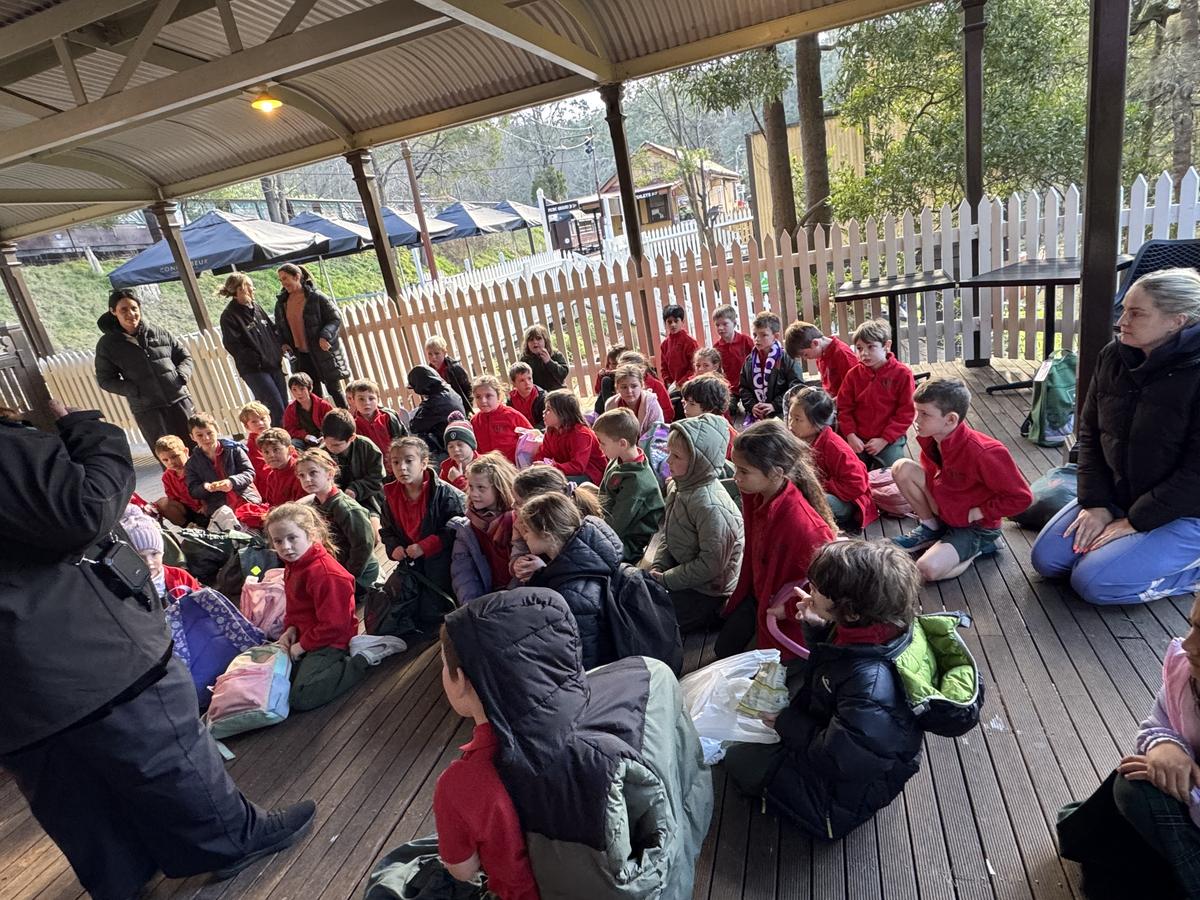
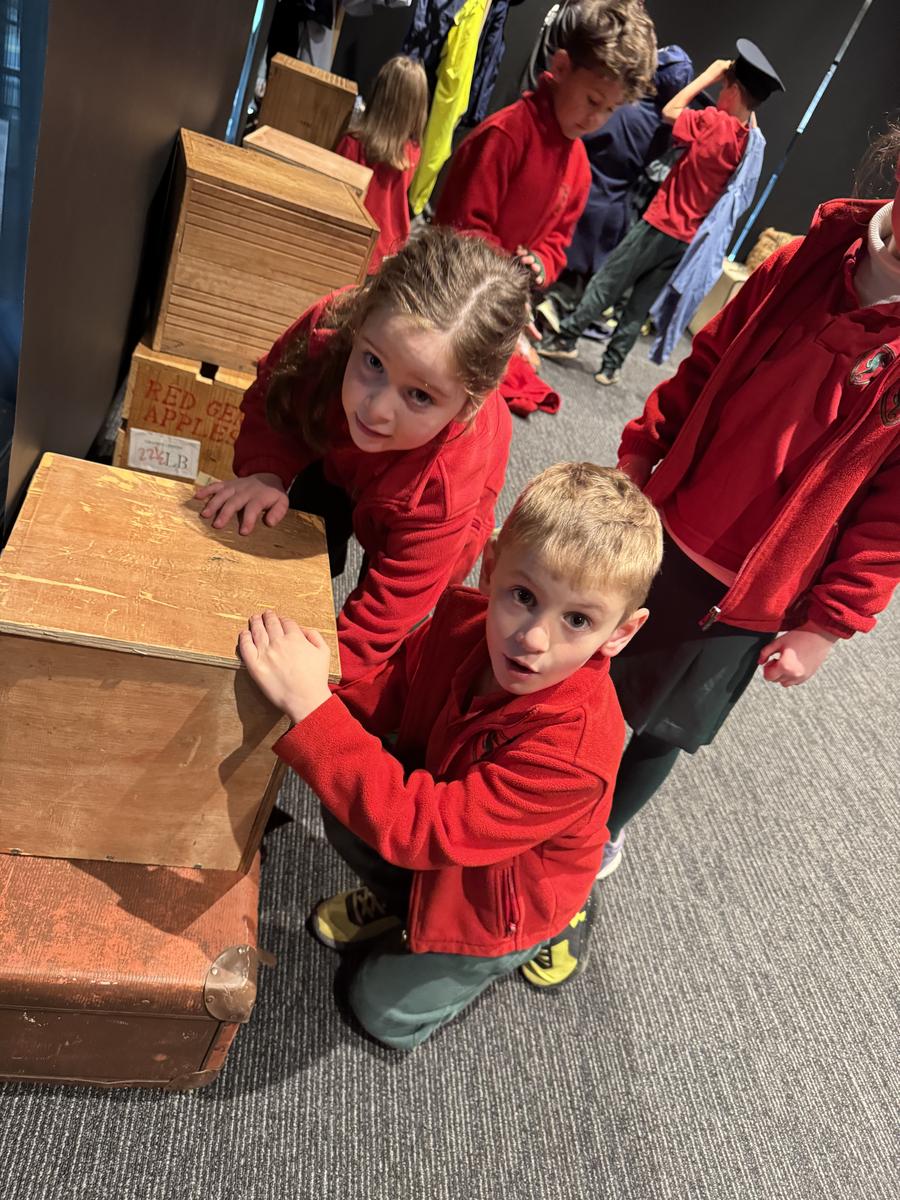
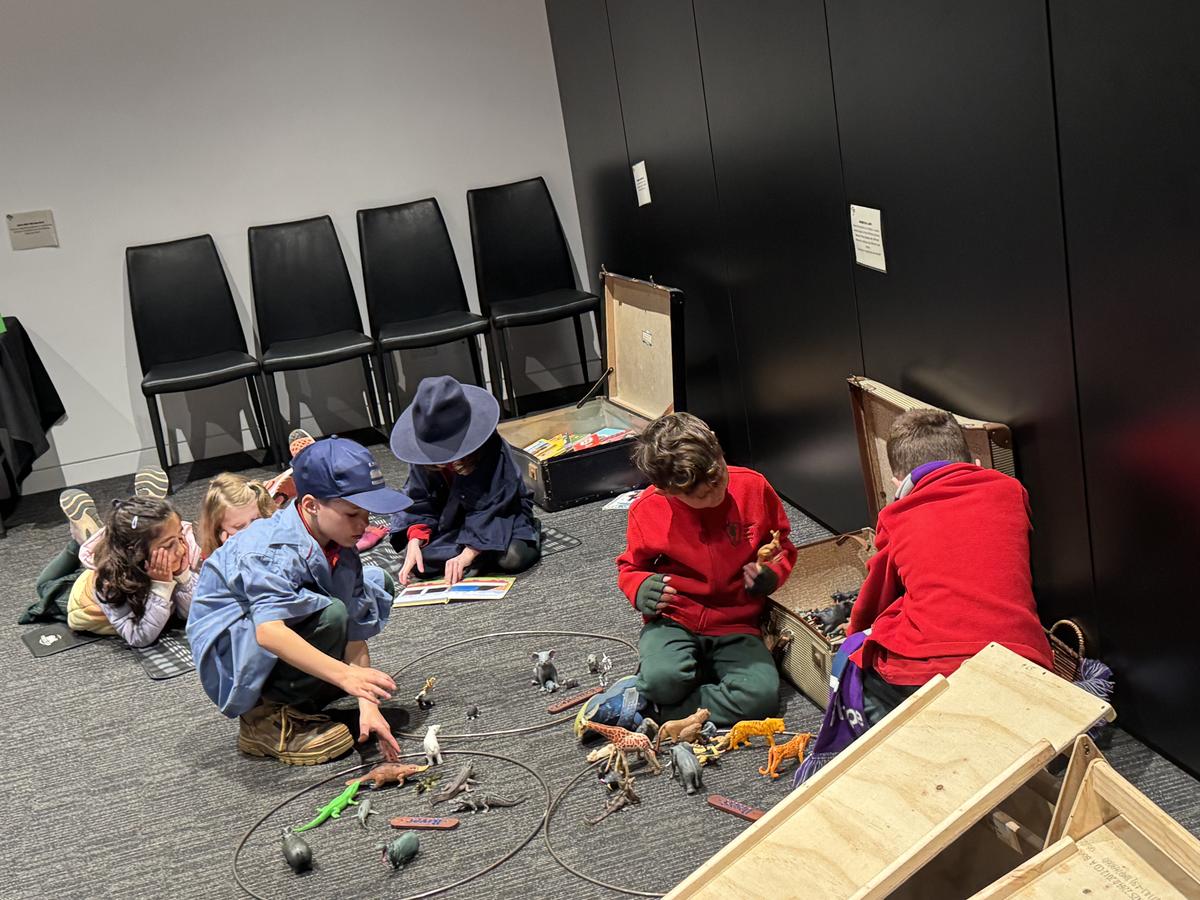
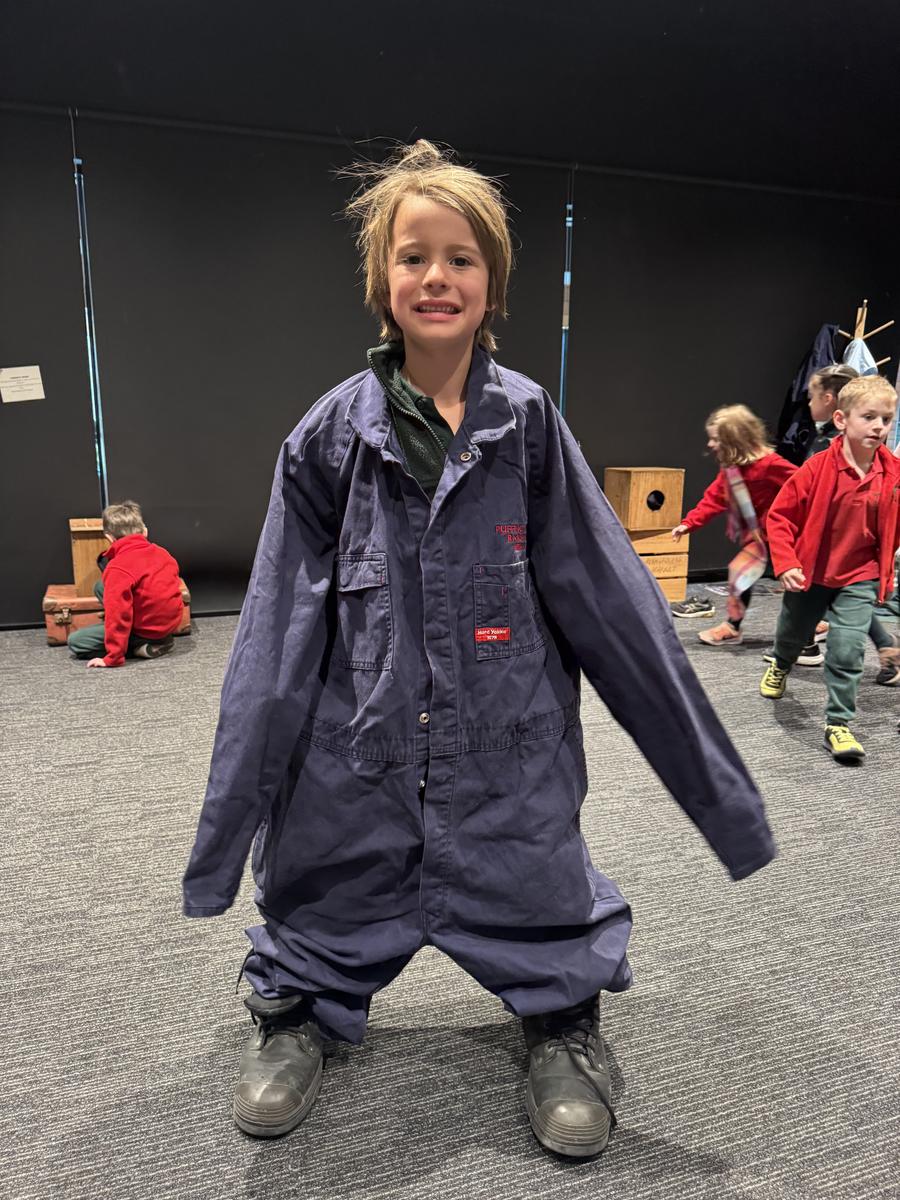
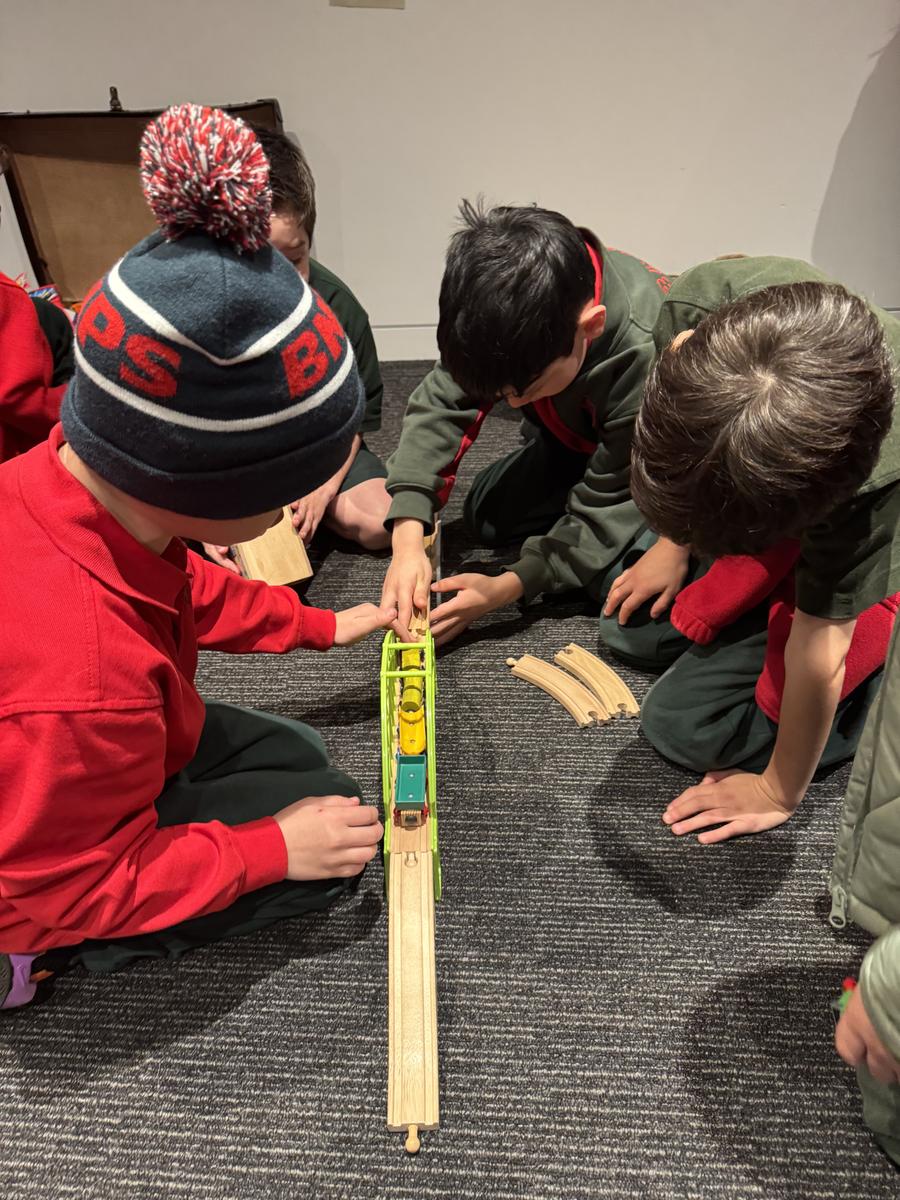
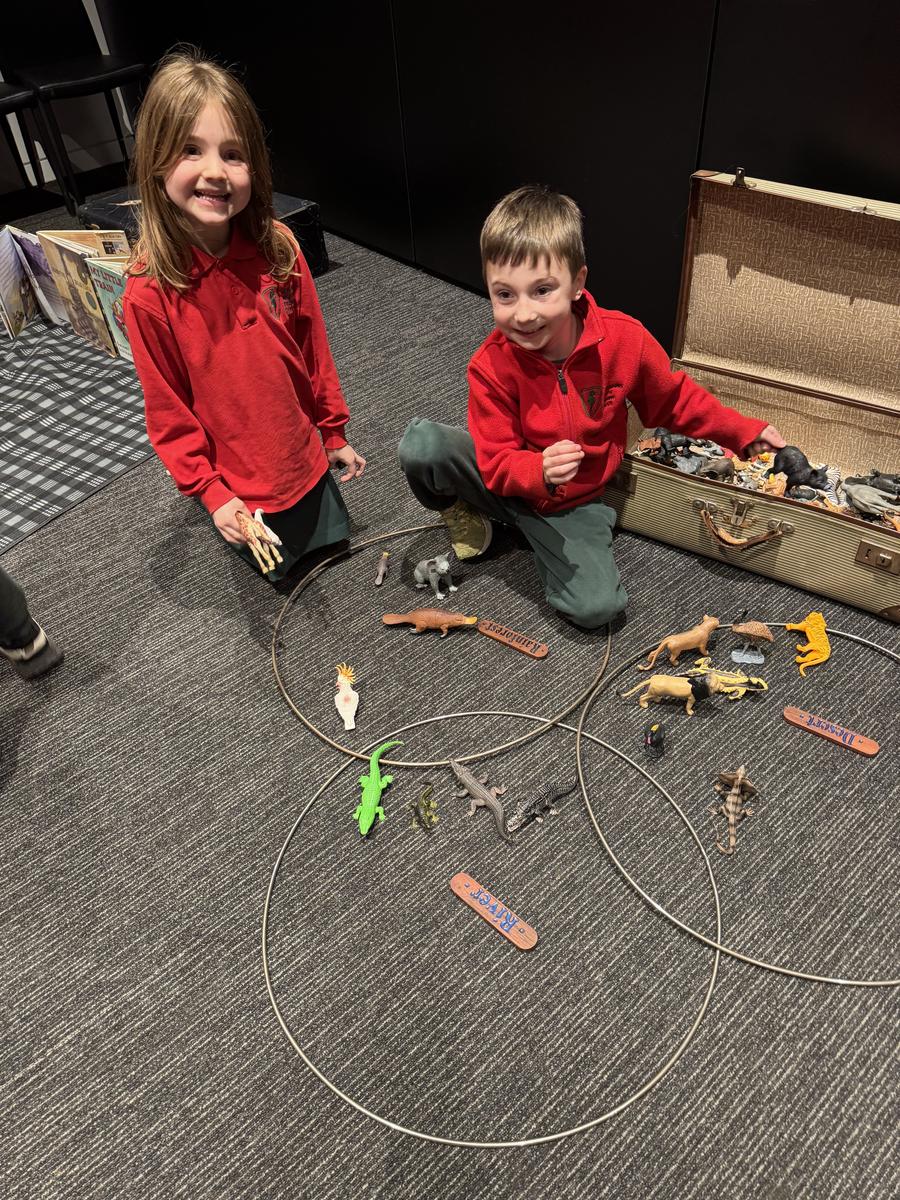
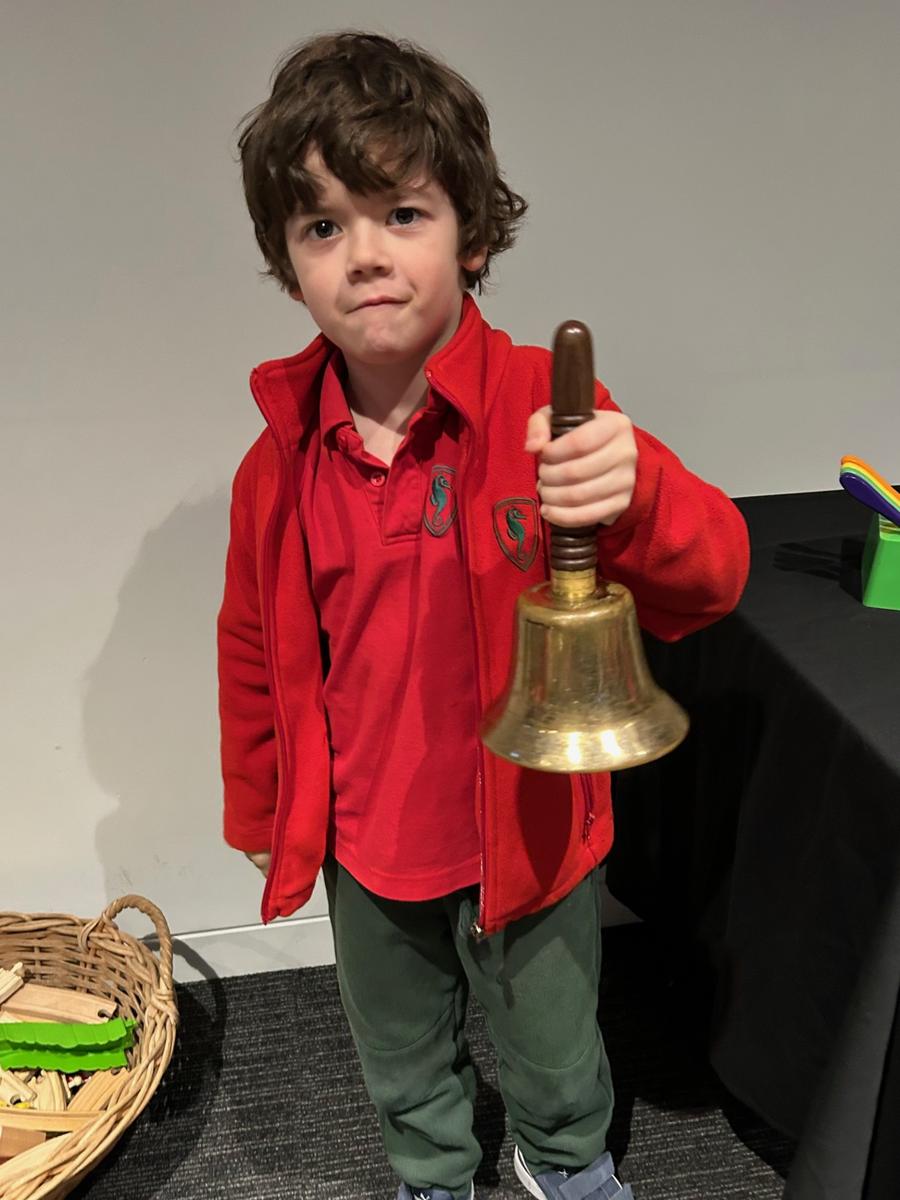
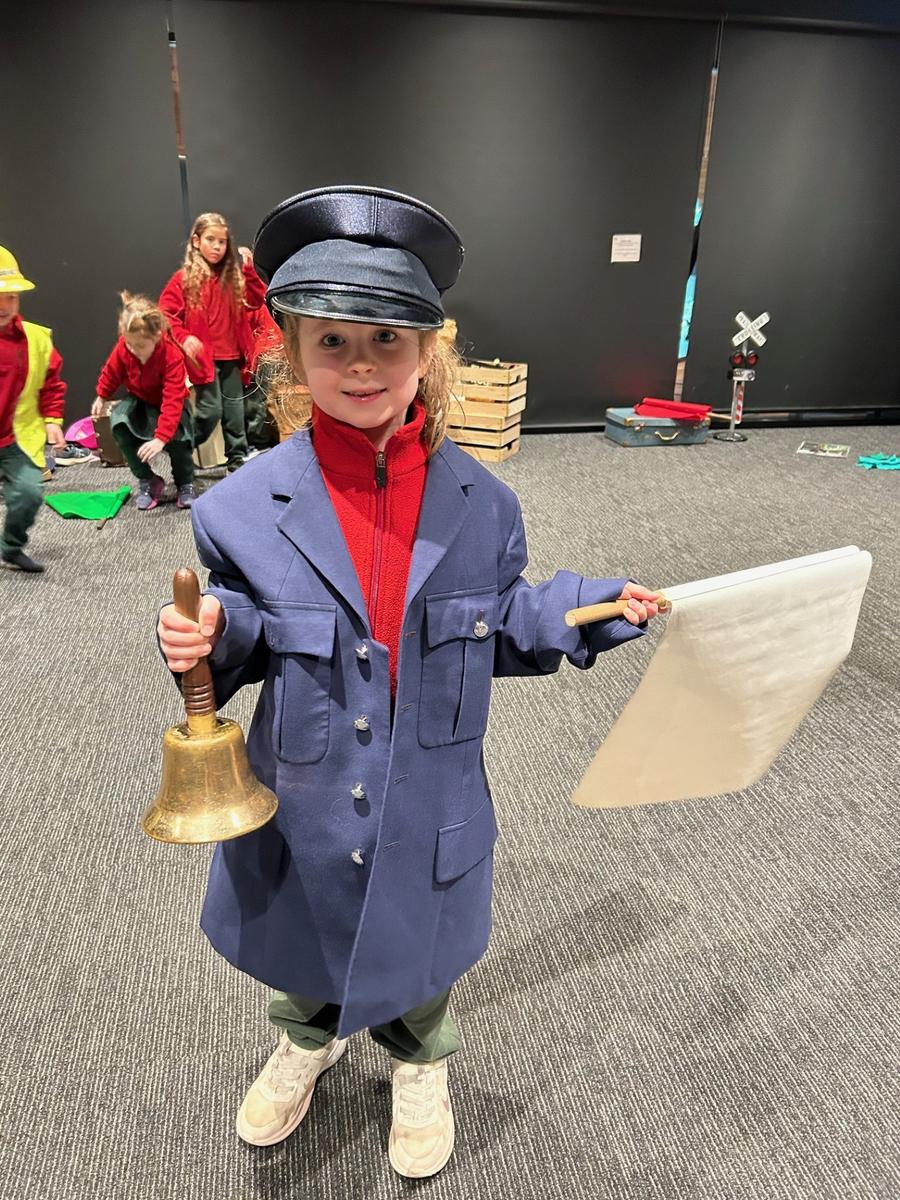
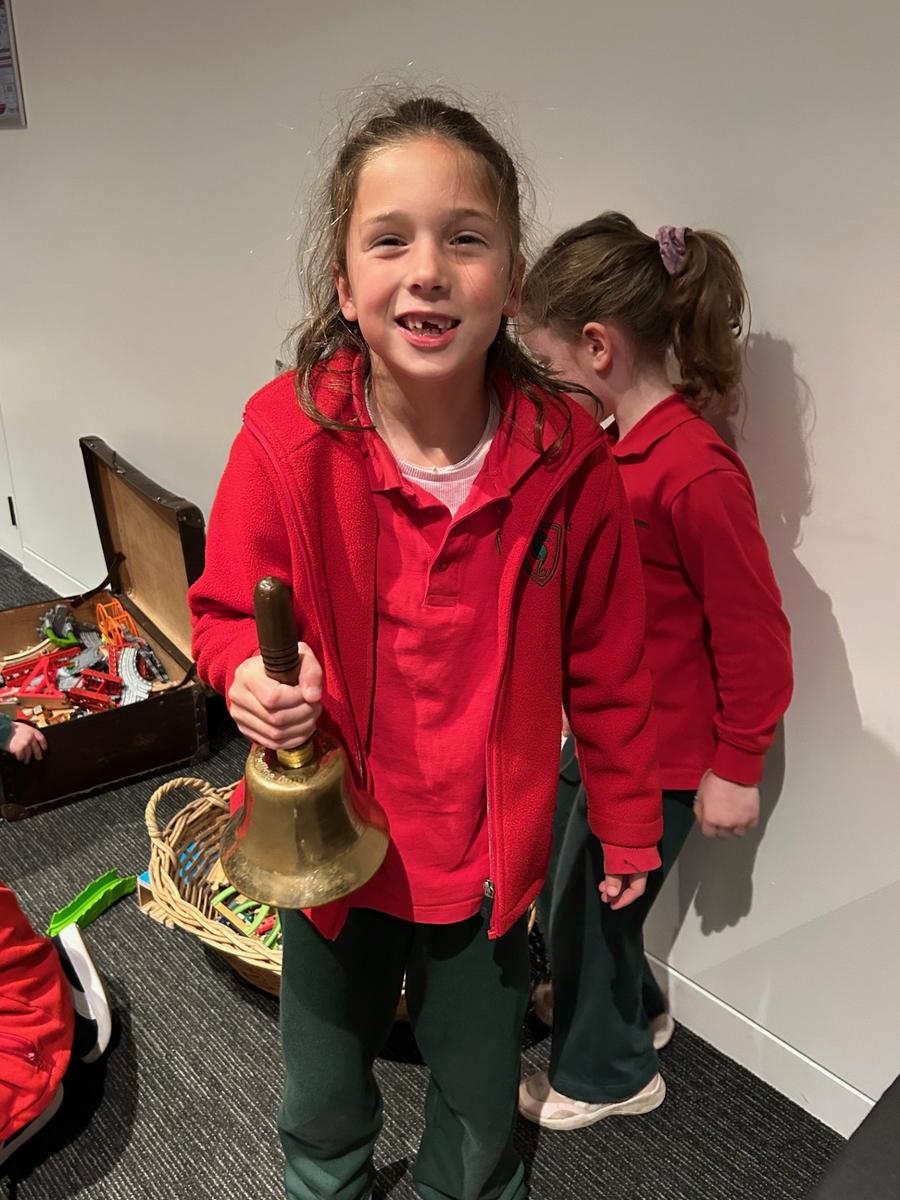
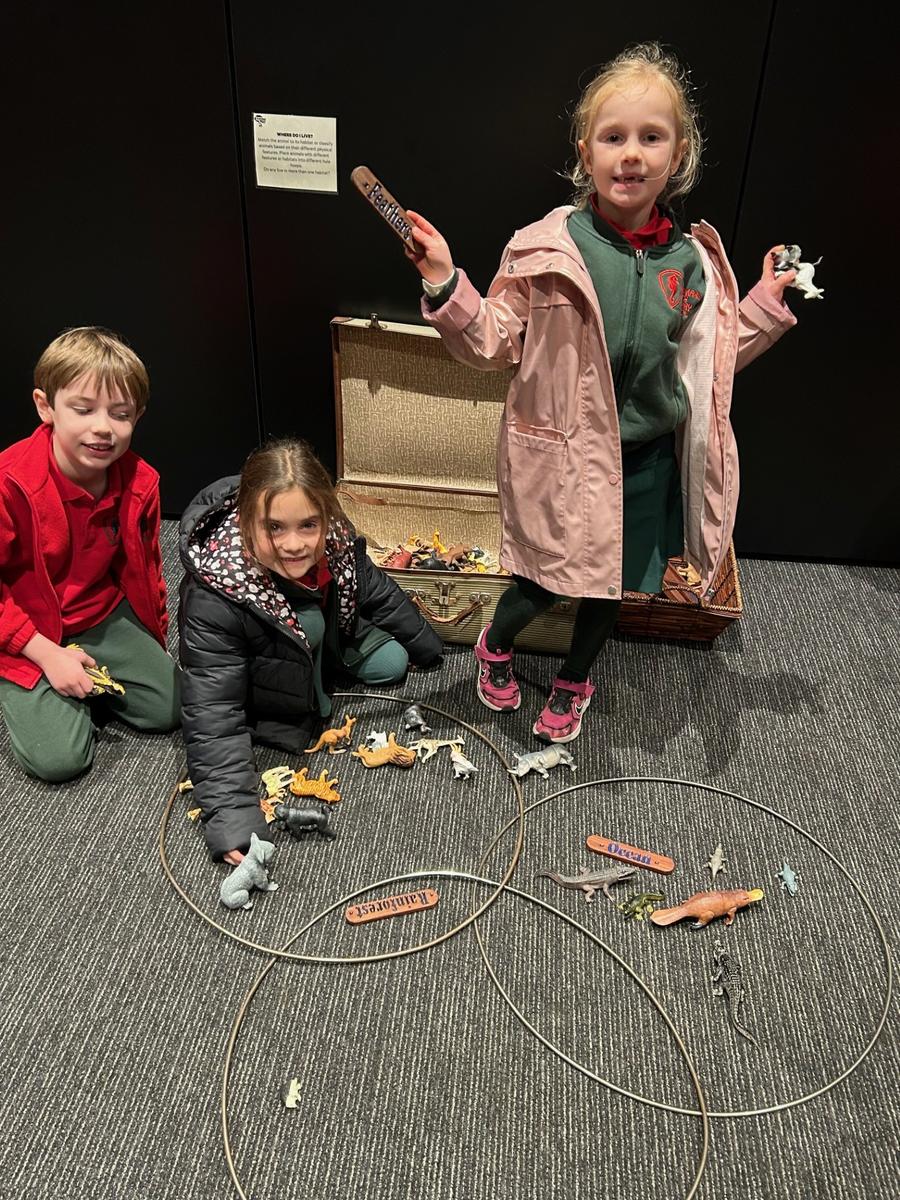
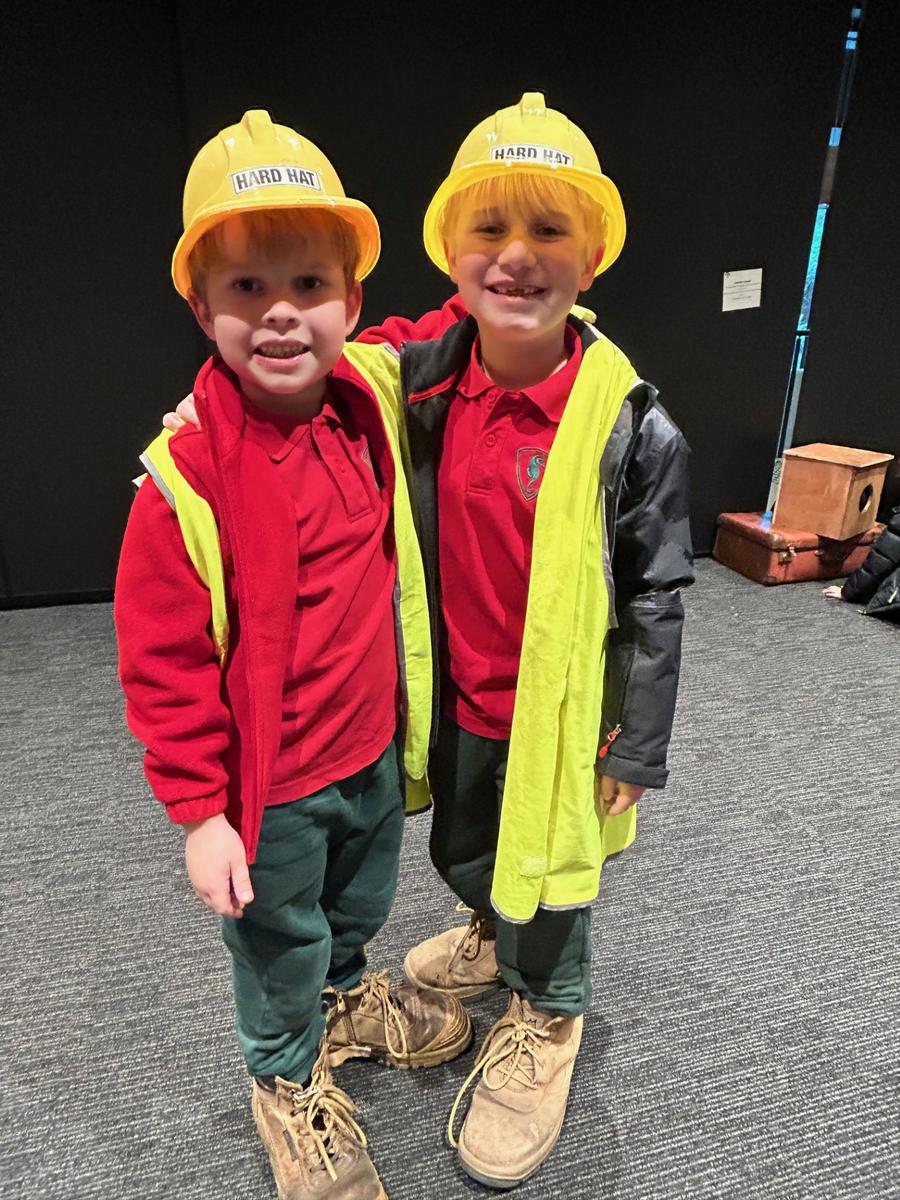
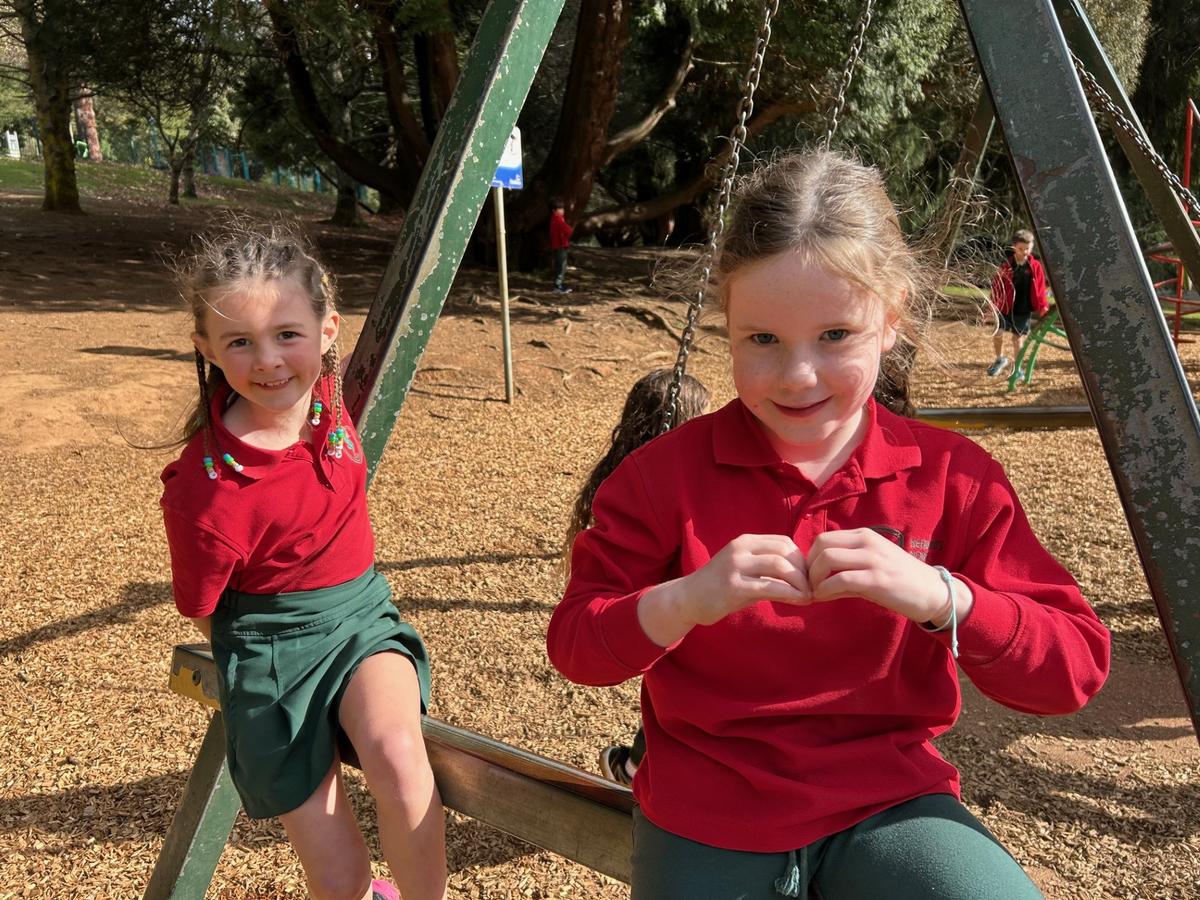
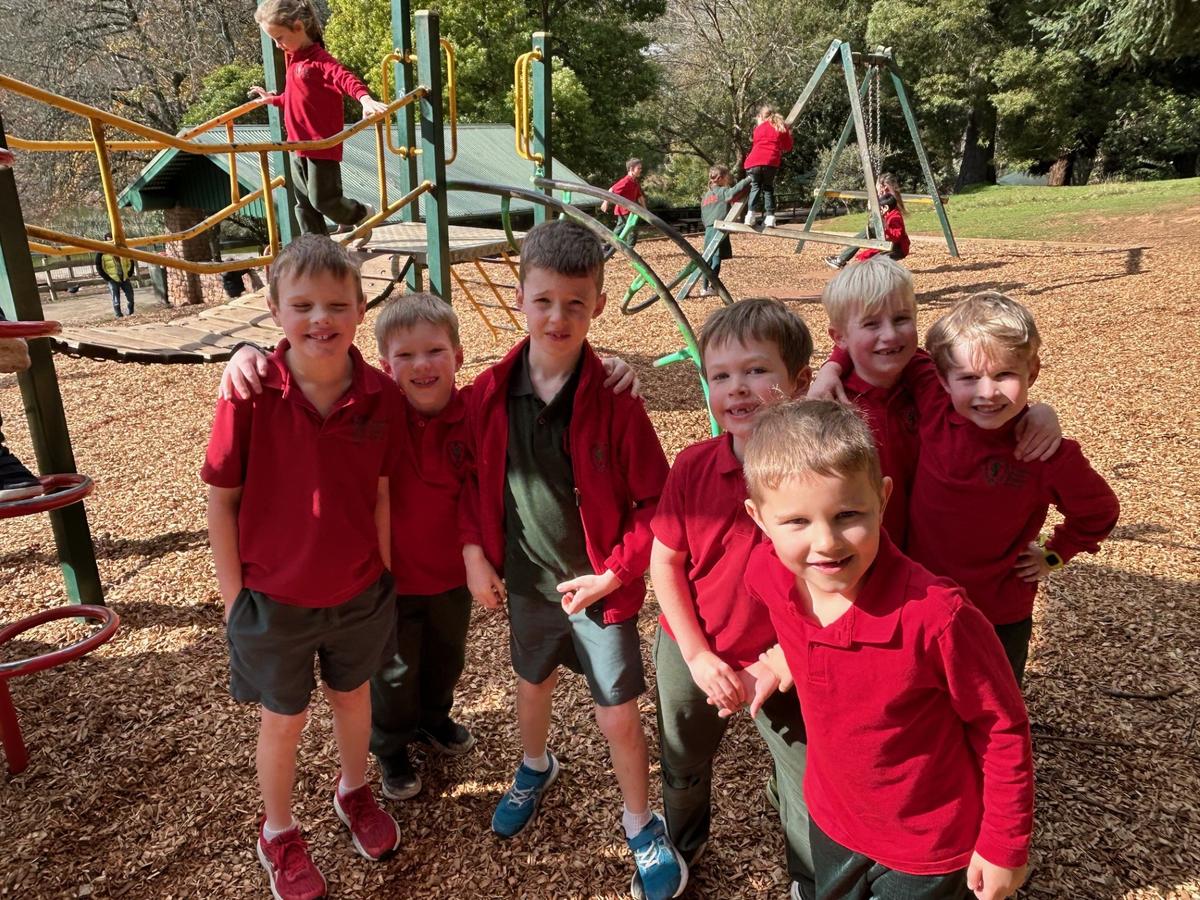
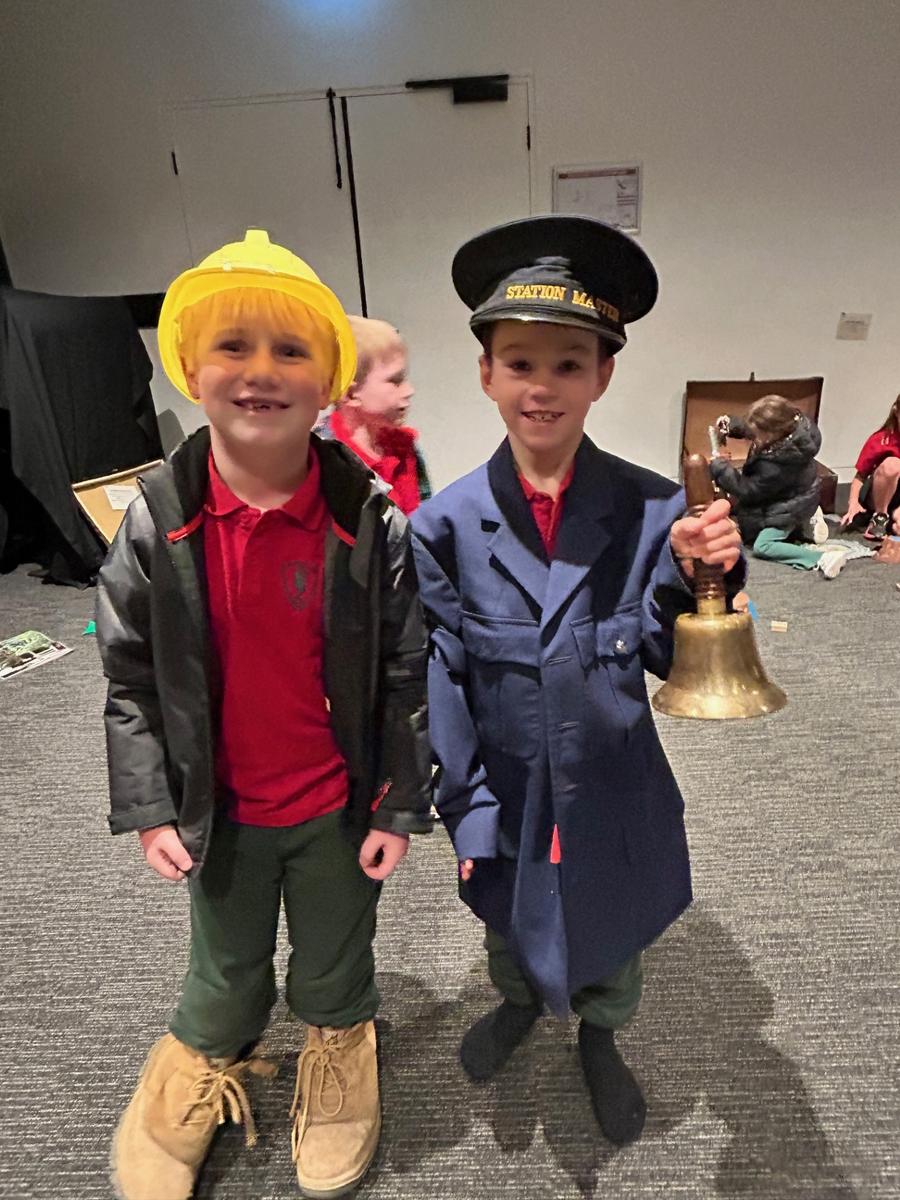
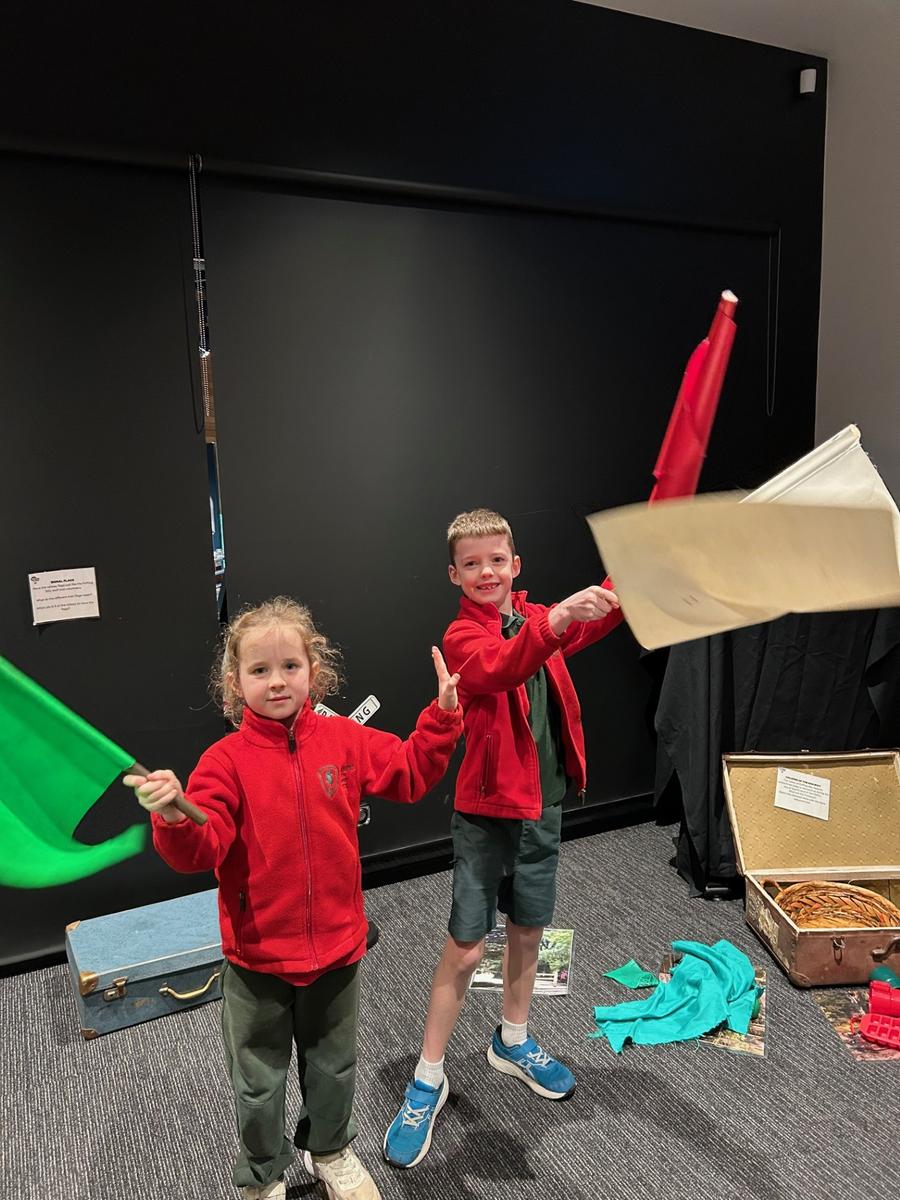
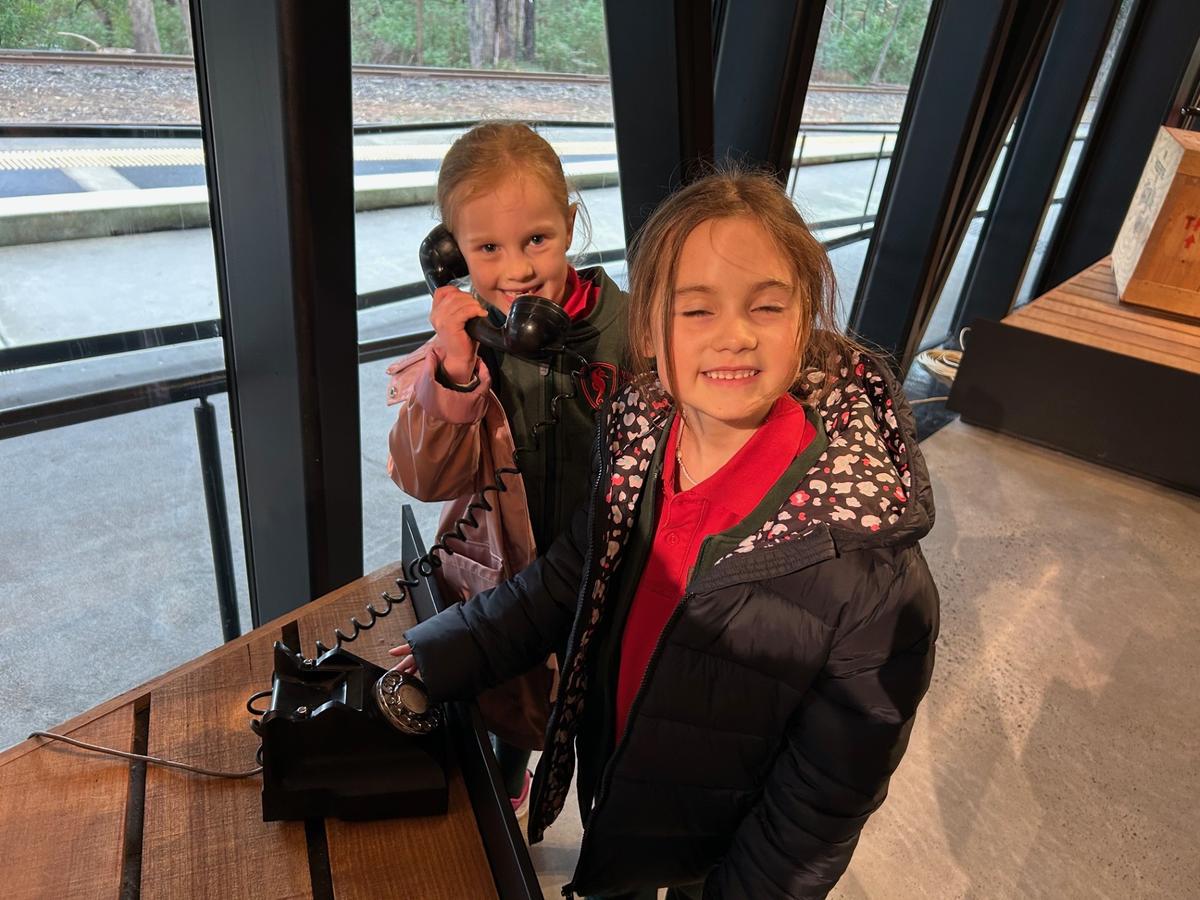
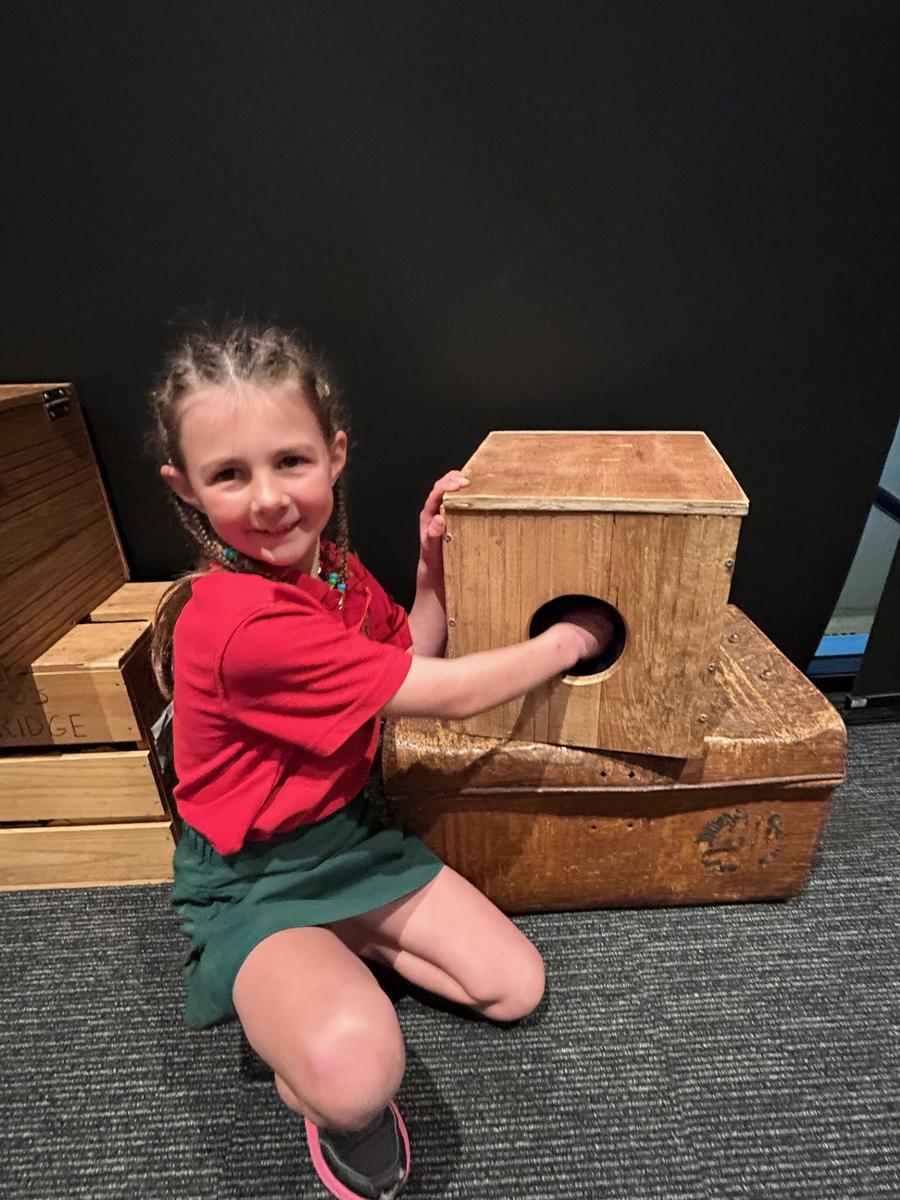
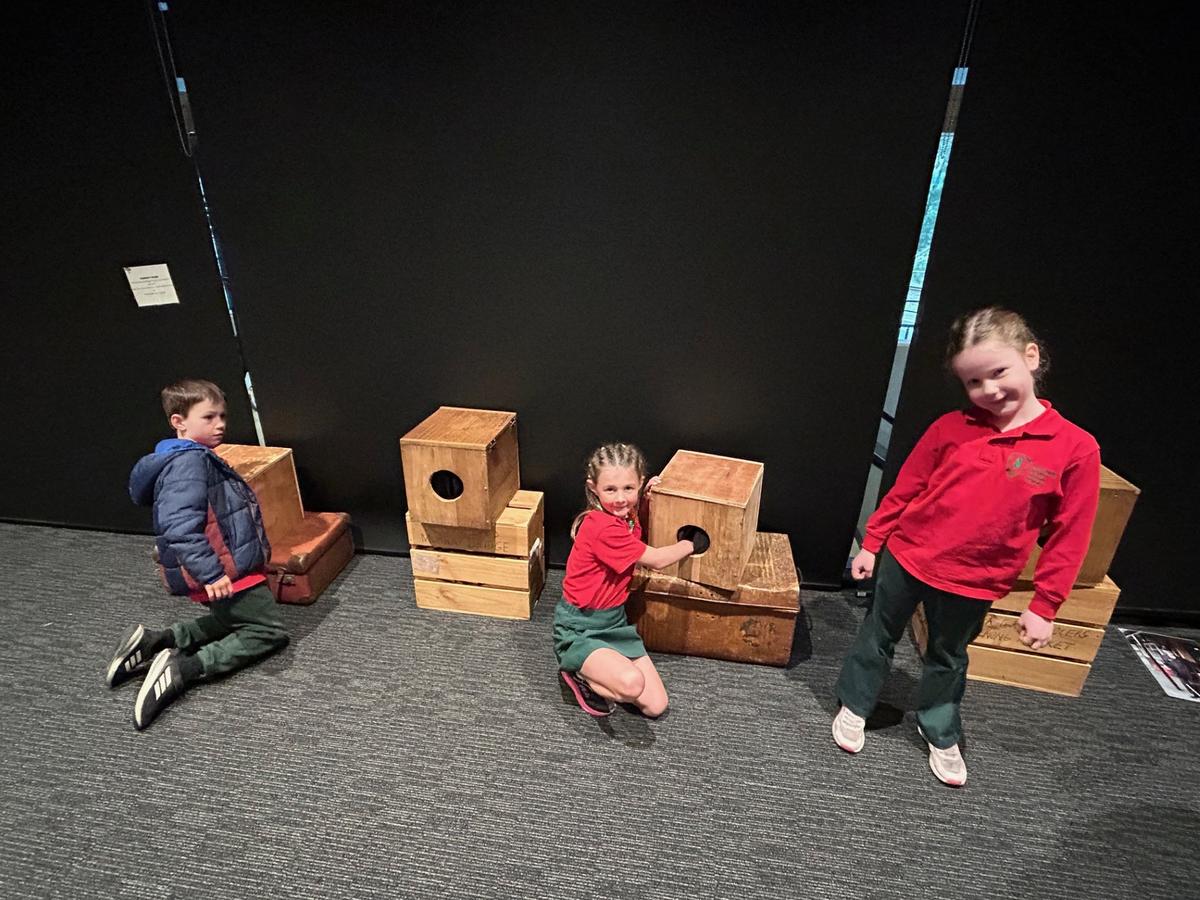
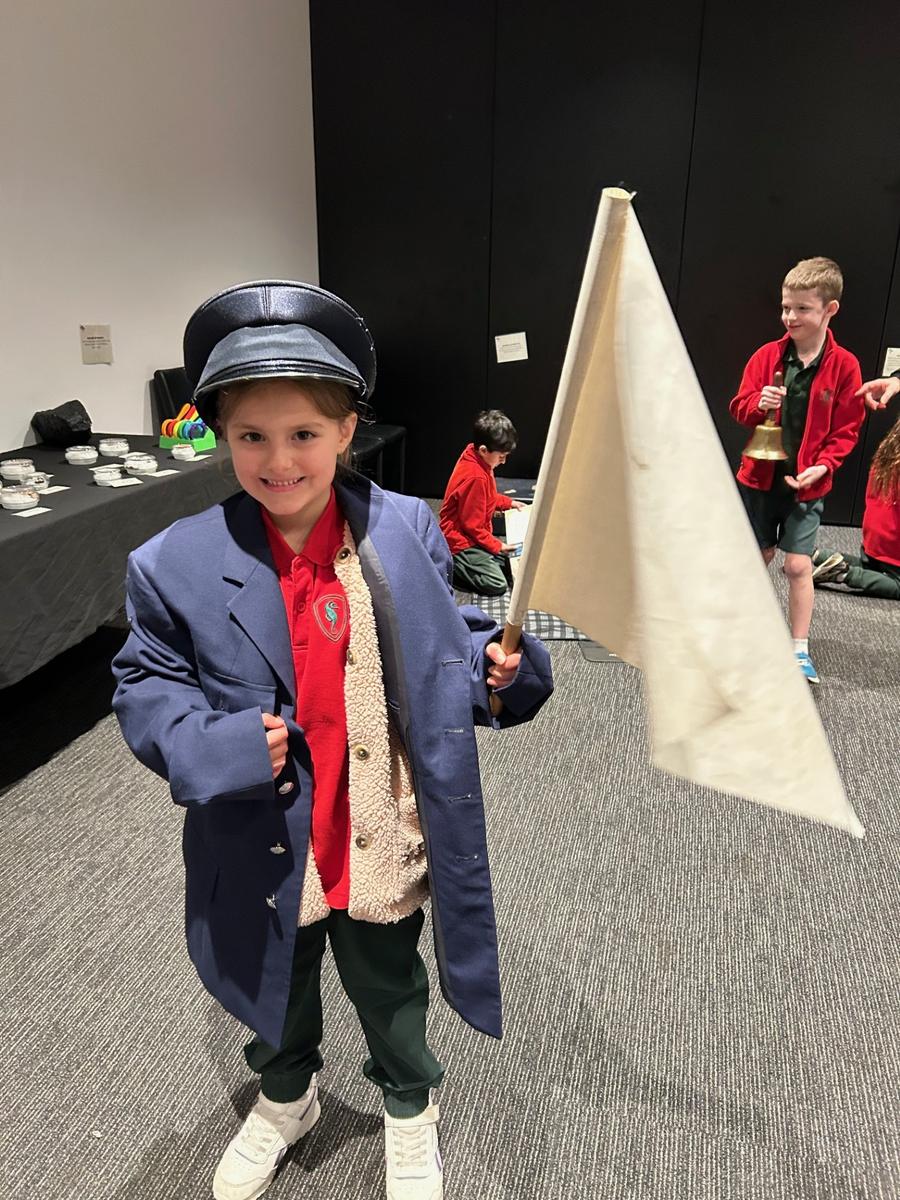
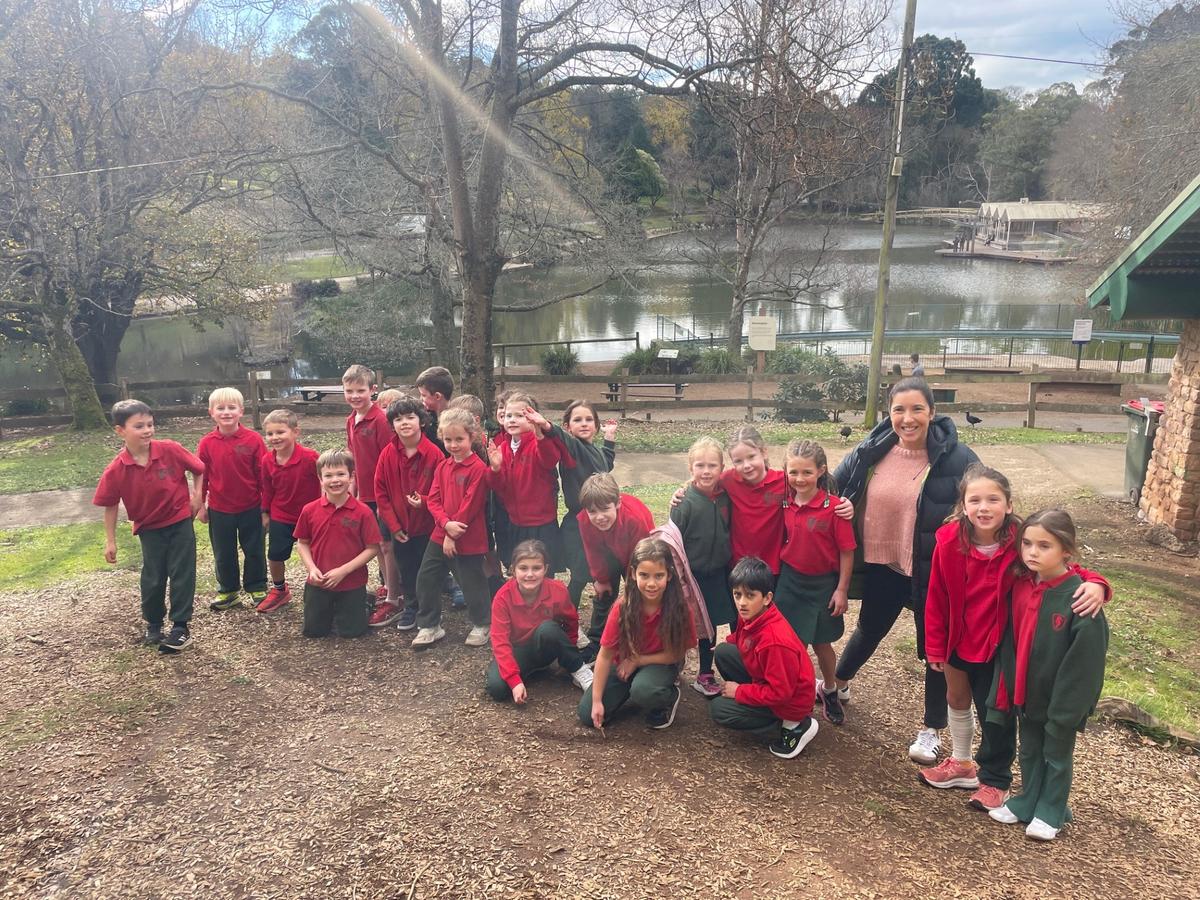
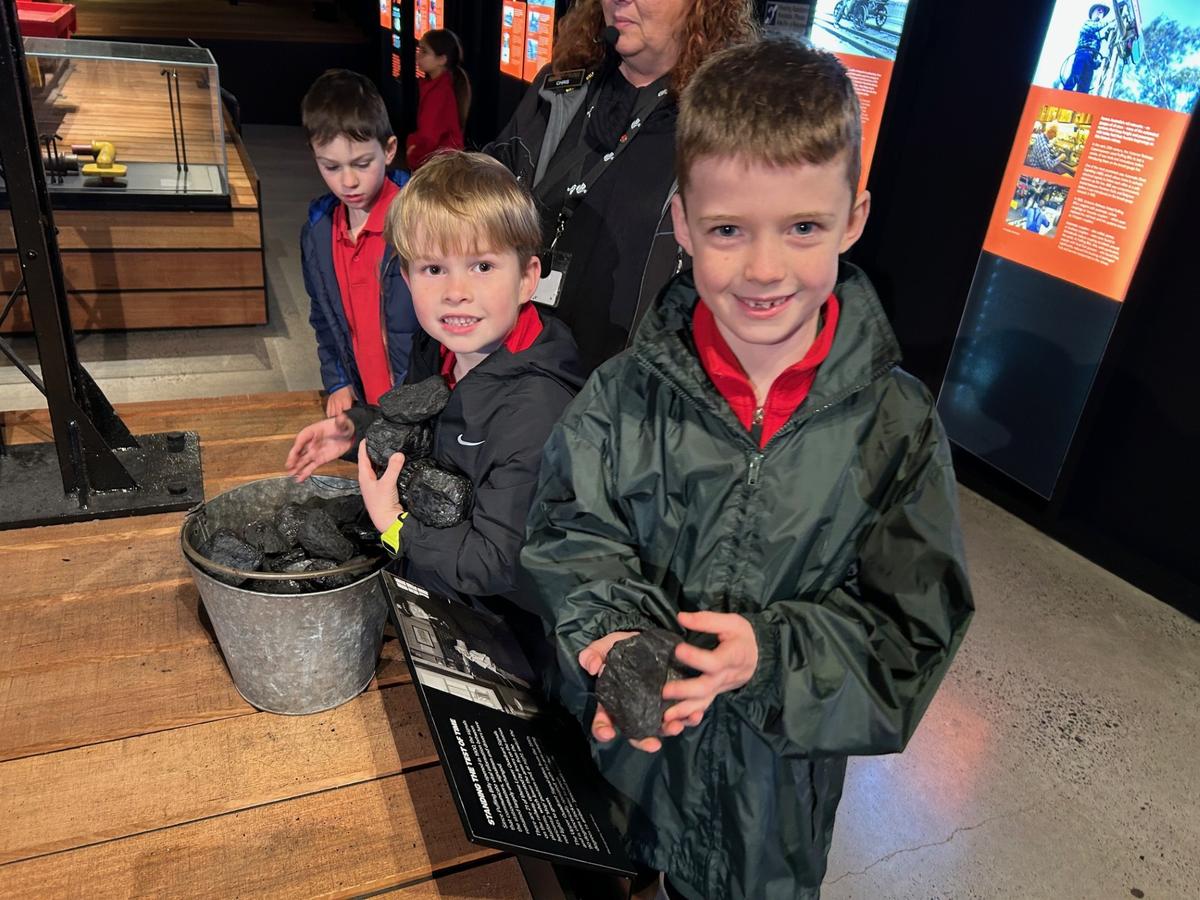
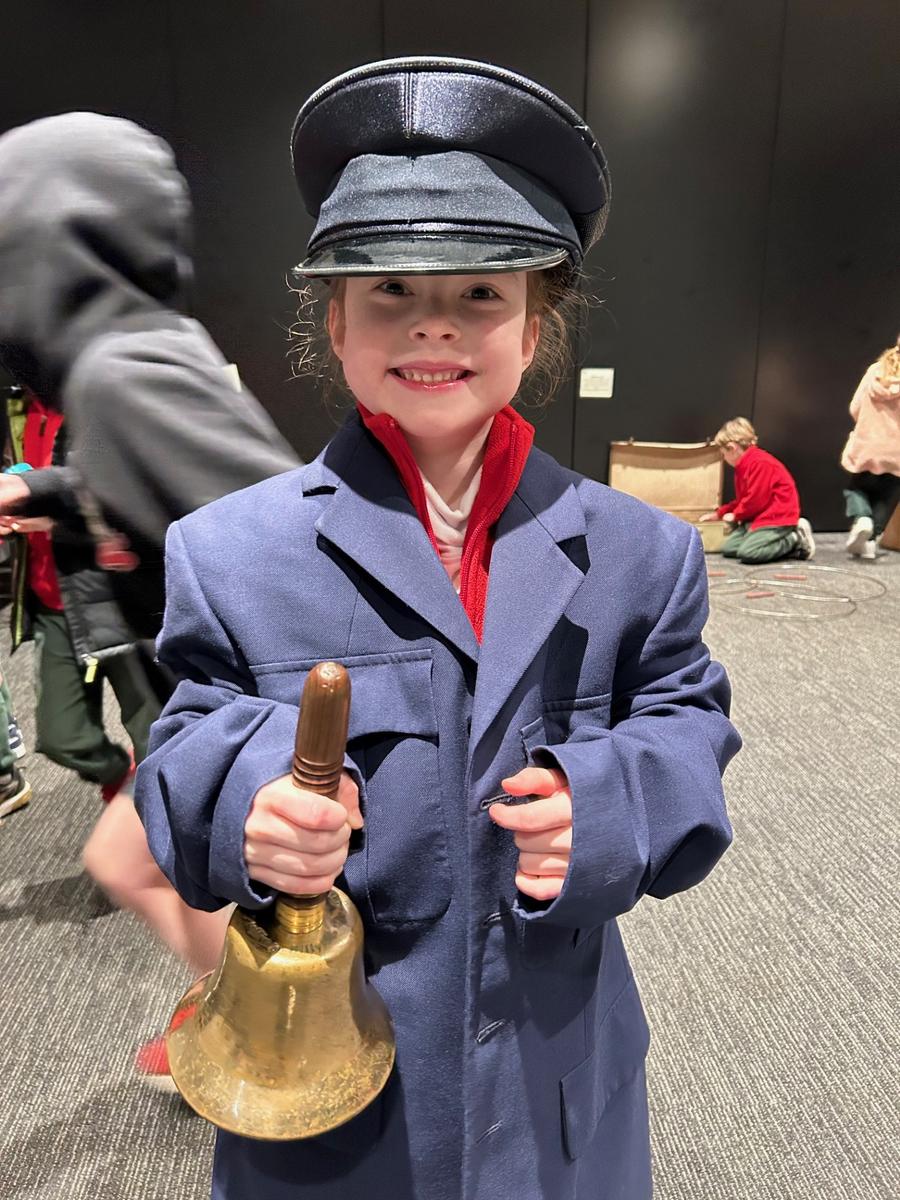
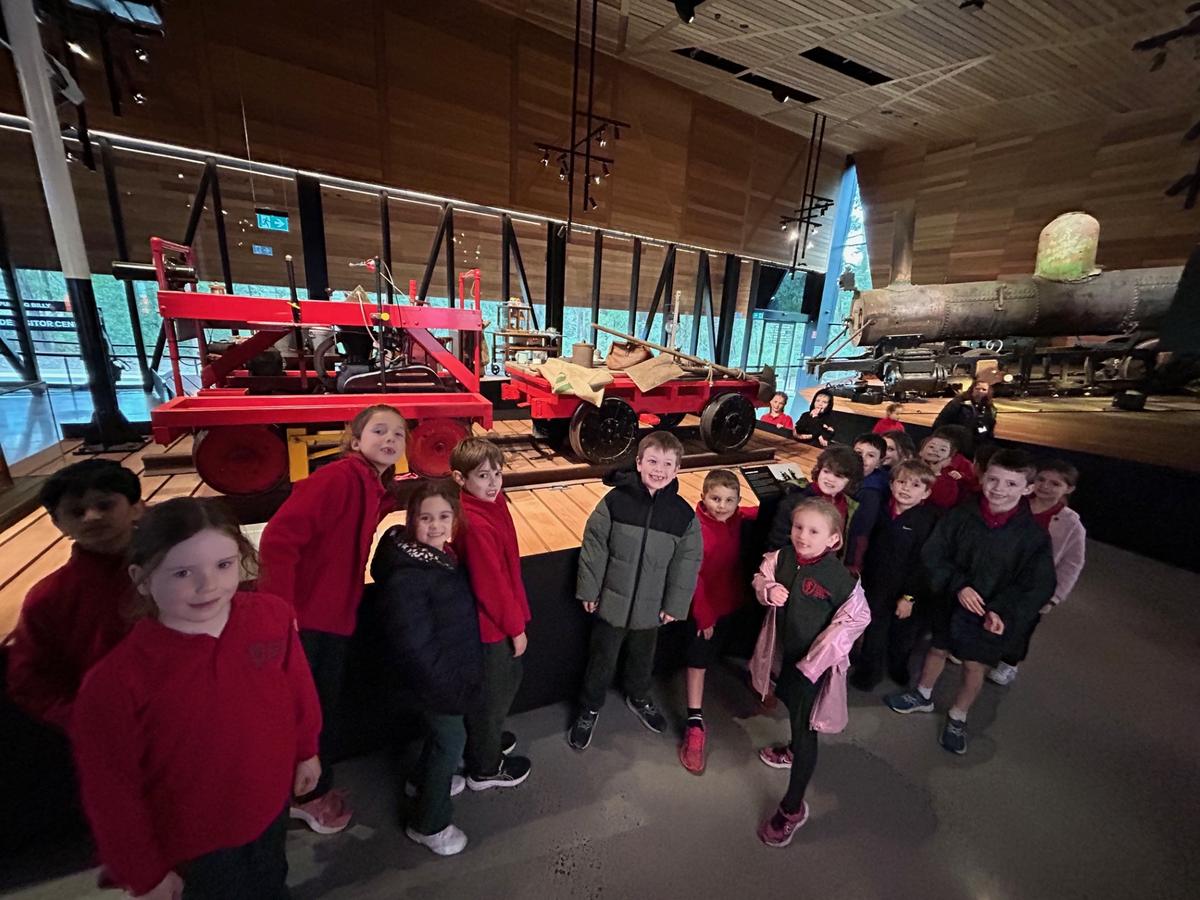
At Lakeside, students rotated between two engaging activities. One group enjoyed a picnic lunch and play at the park, while the other visited the new Lakeside Visitor Centre, where they watched an interactive presentation about the history of the first locomotives and participated in a hands-on workshop linked to our Unit of Inquiry.
The excursion was a fantastic opportunity for students to experience a historic mode of transport while making meaningful connections to their classroom learning. A big thank you to our wonderful parent helpers for supporting us and helping make the day such a memorable experience for our Year 1 students.
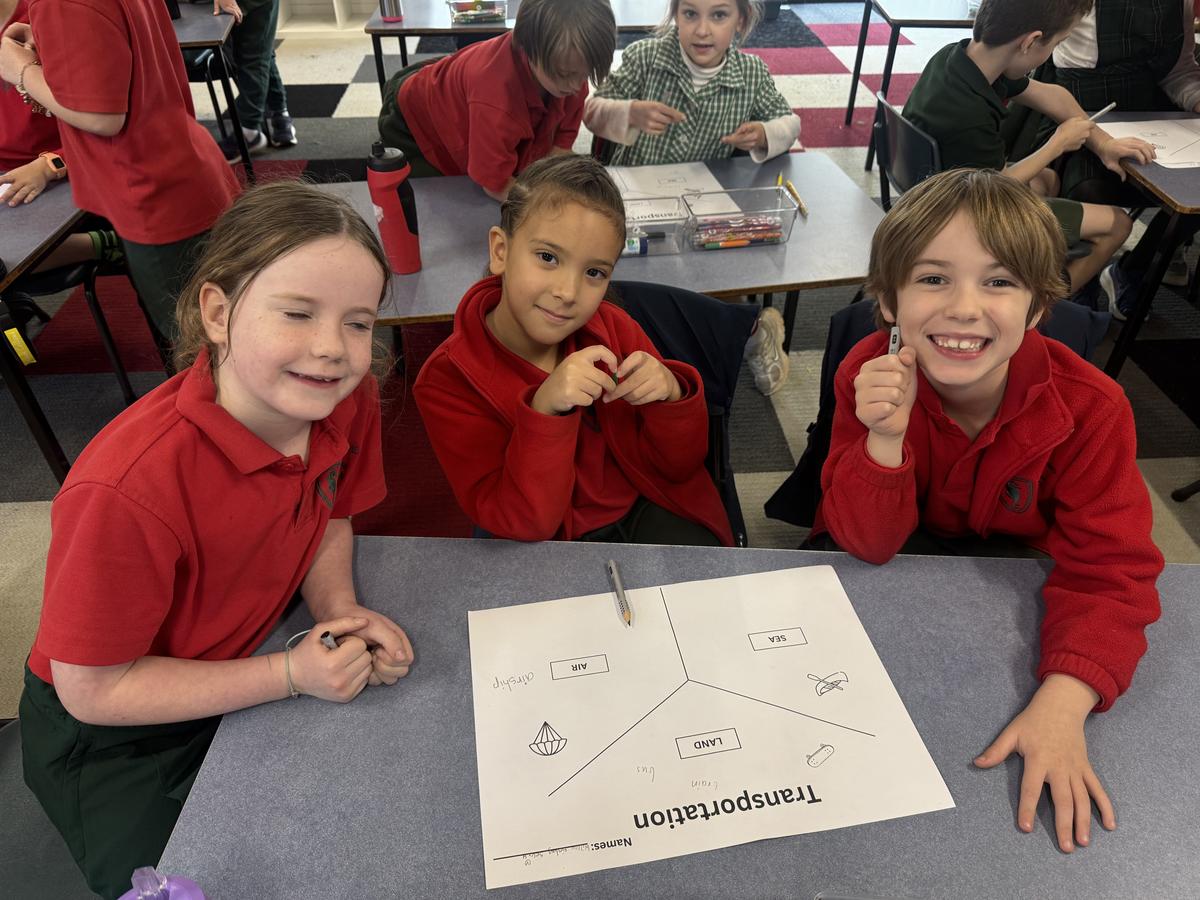
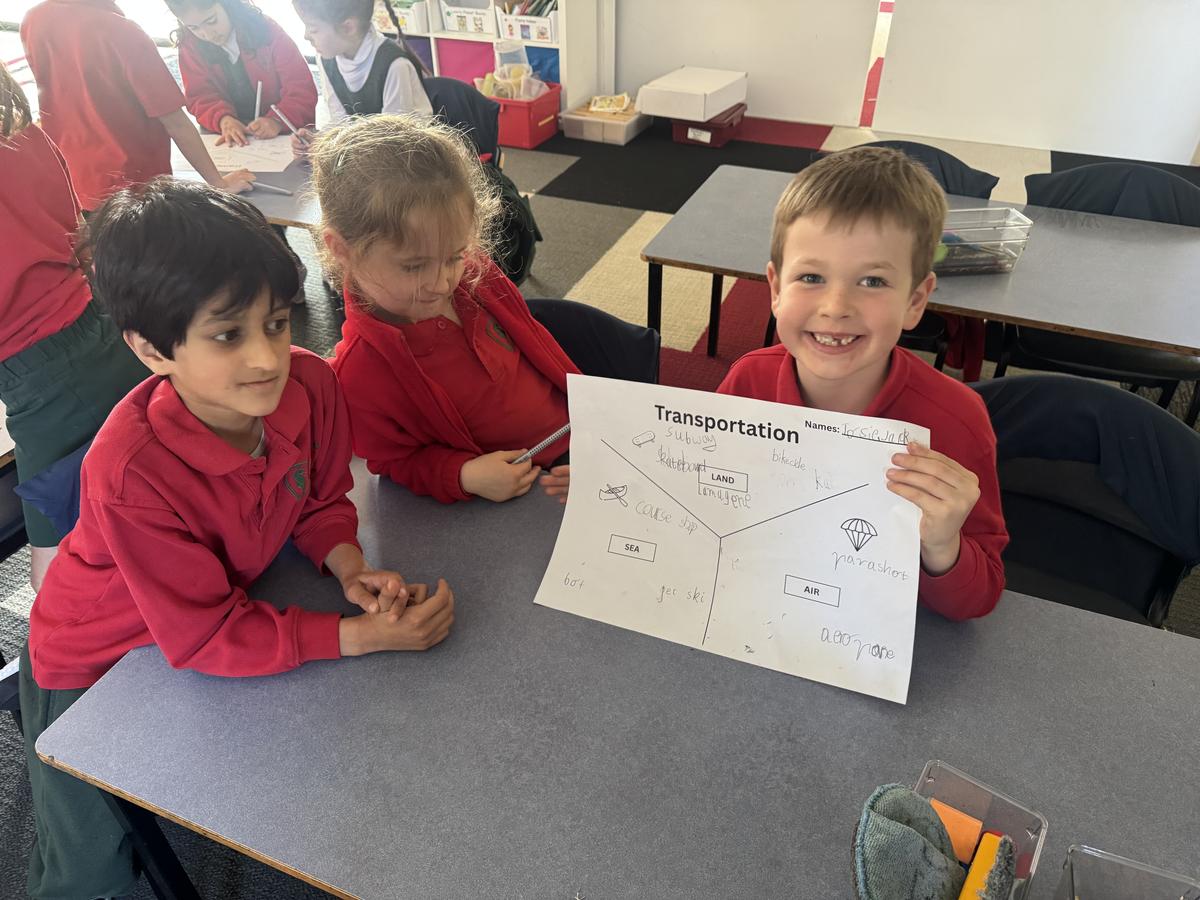
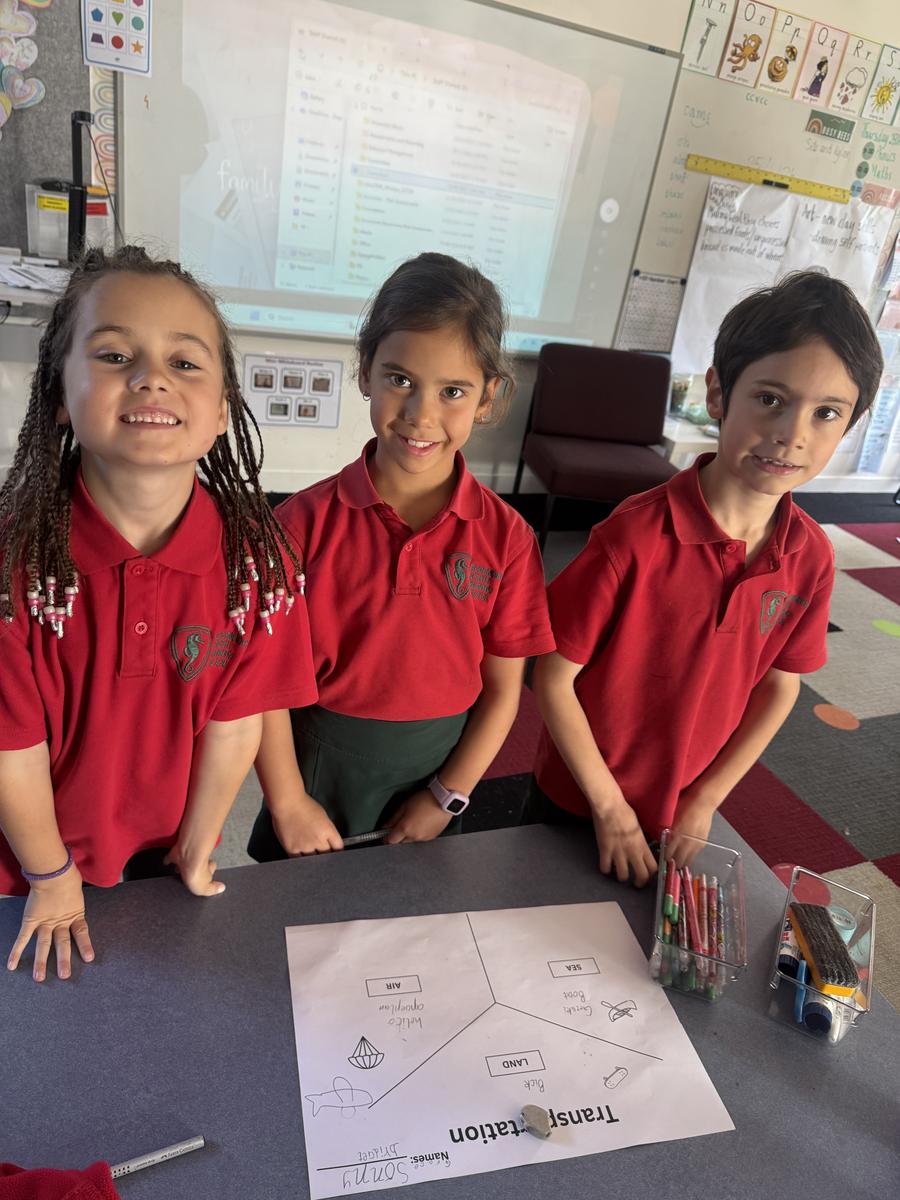
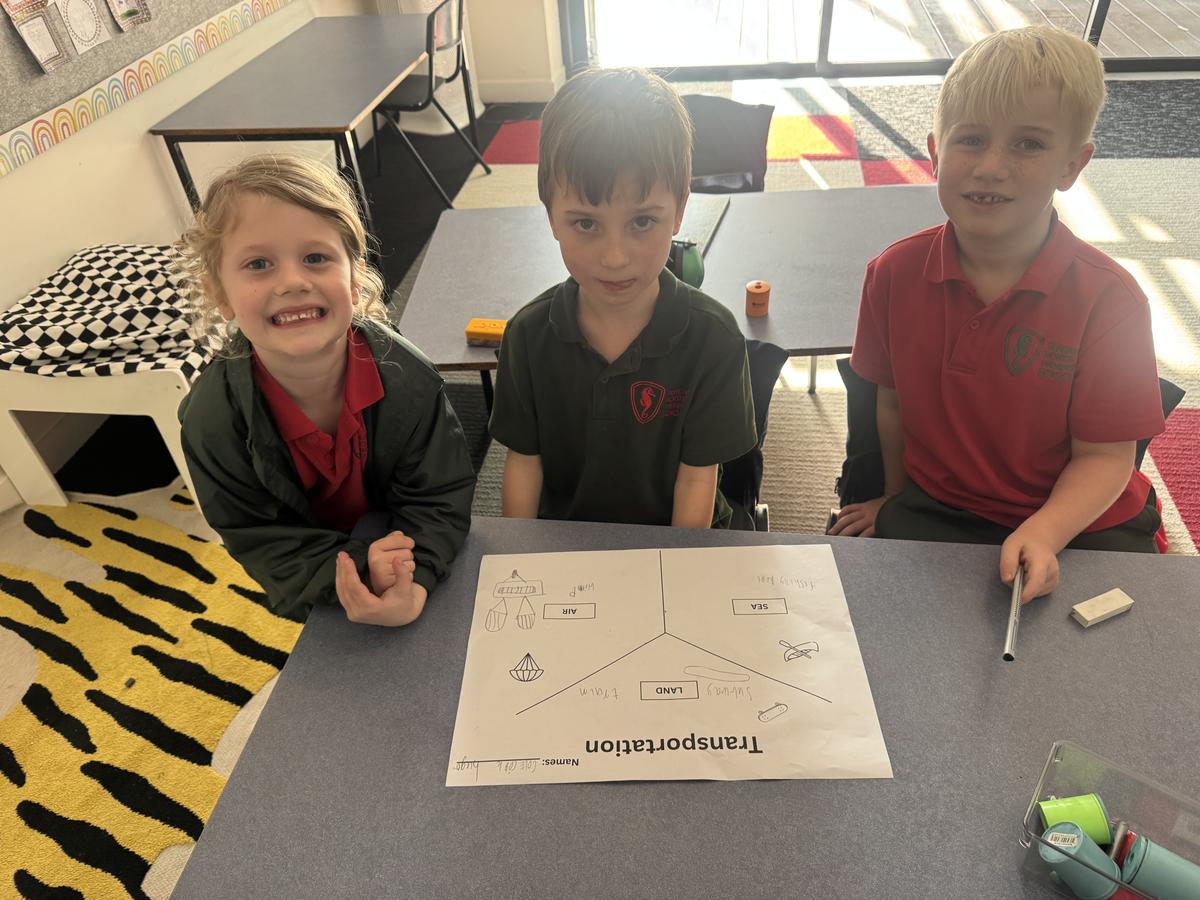
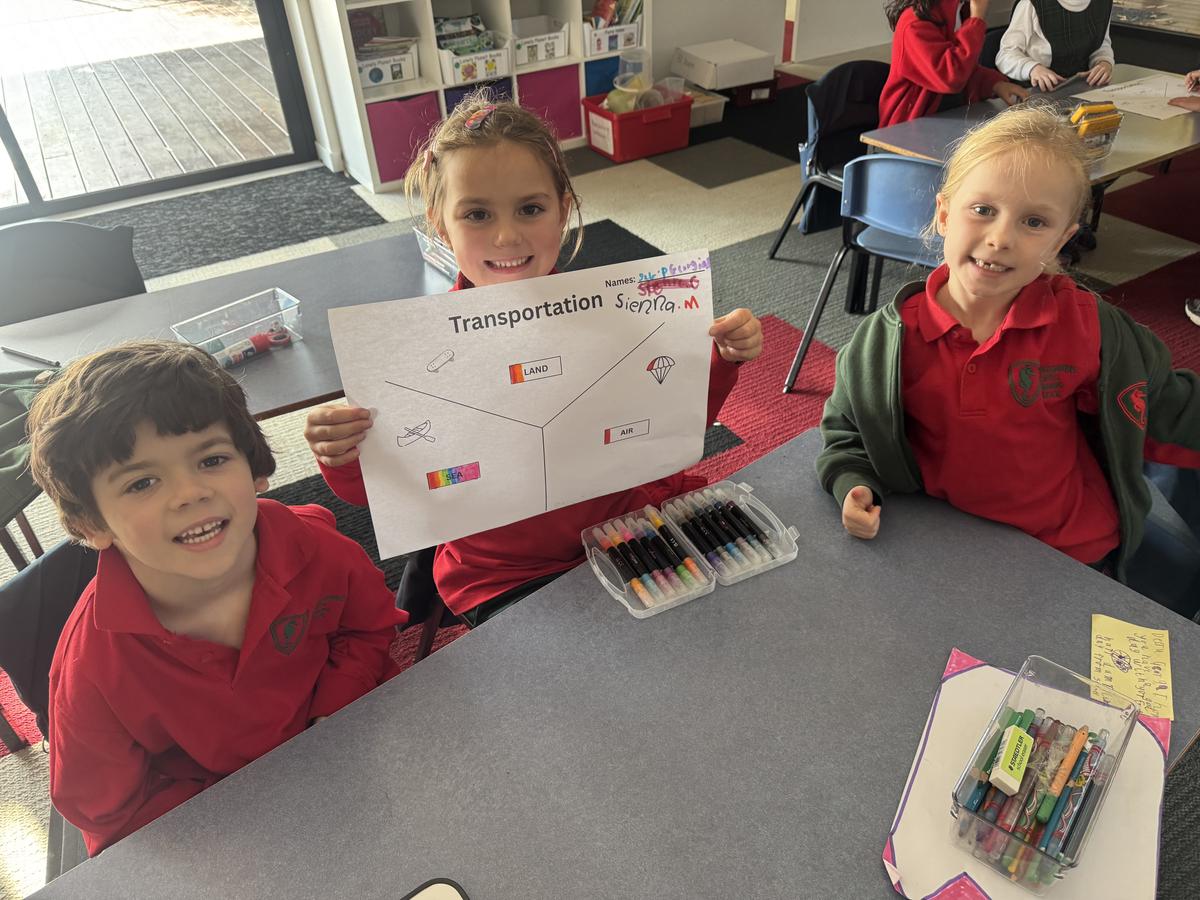
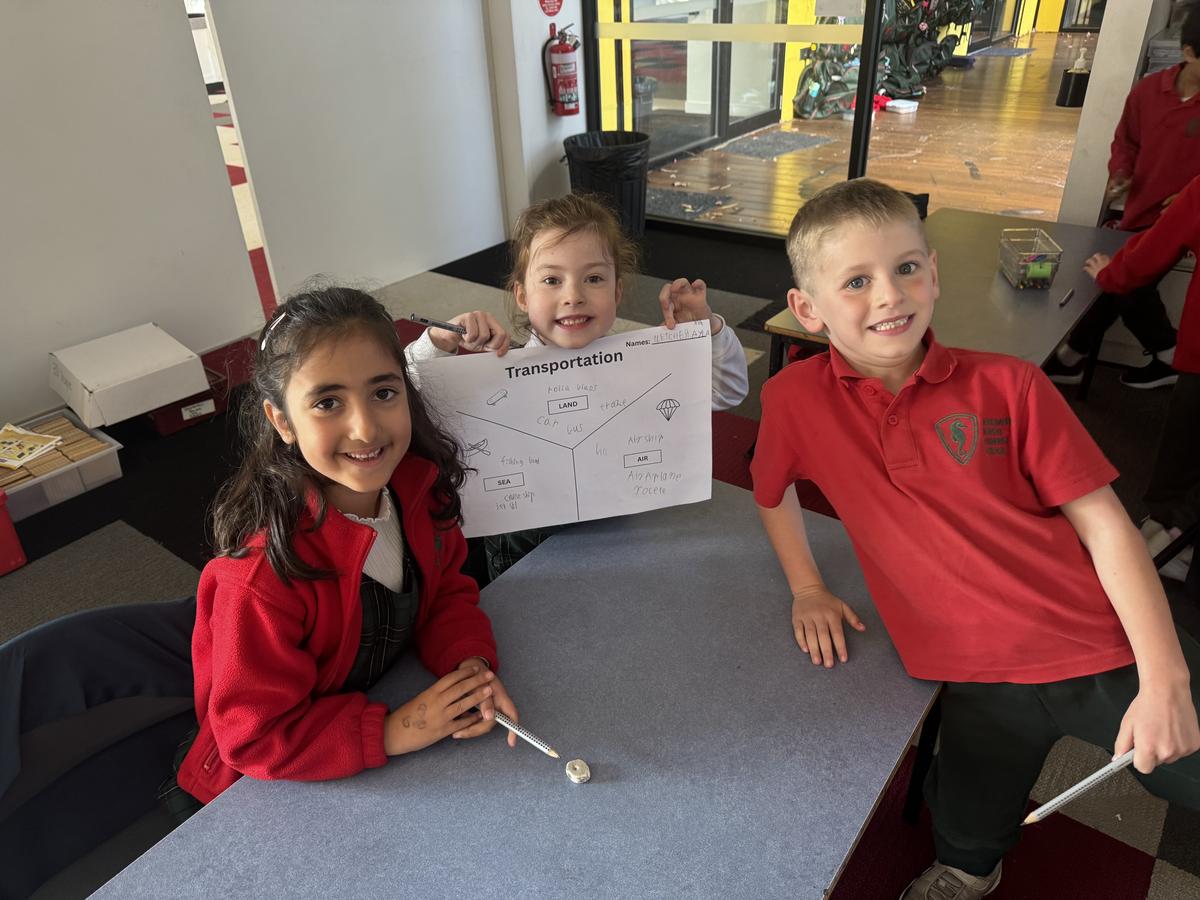
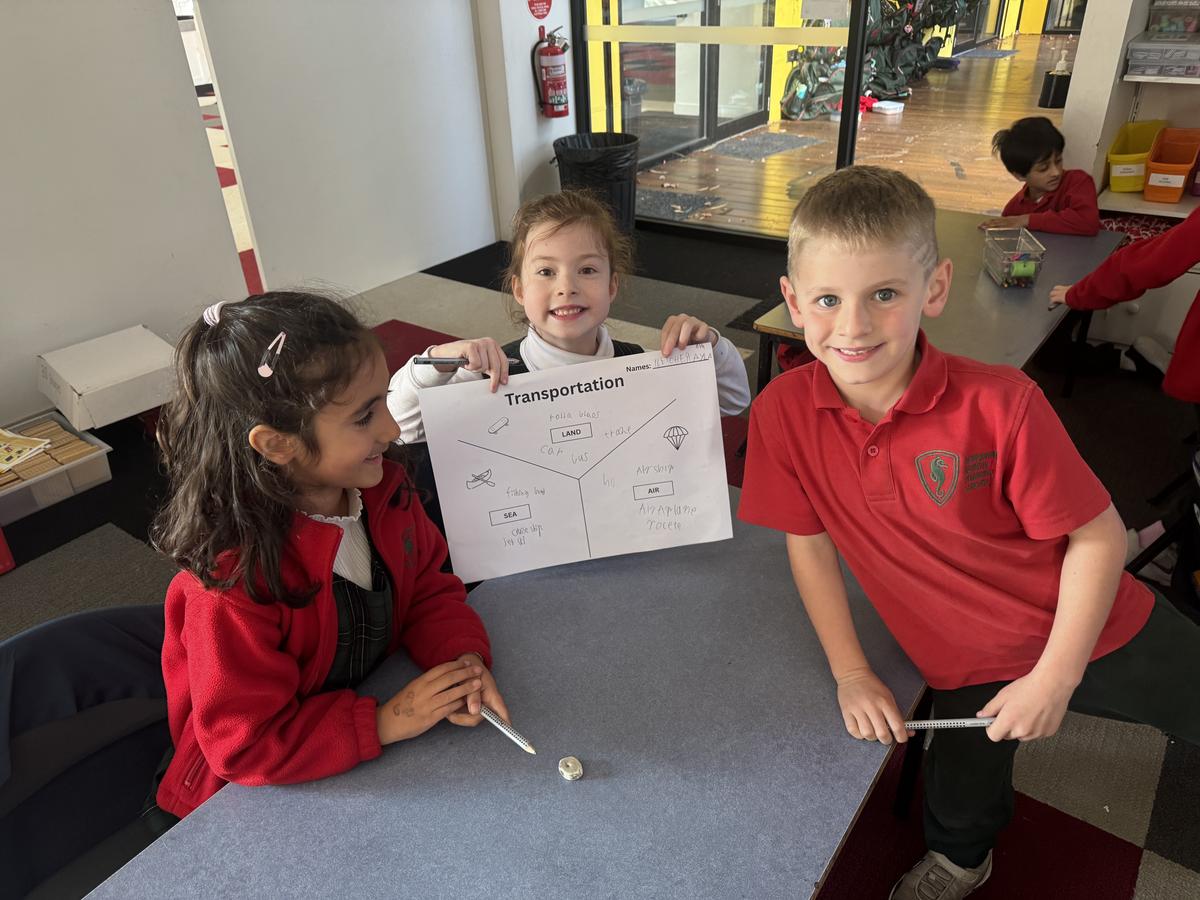
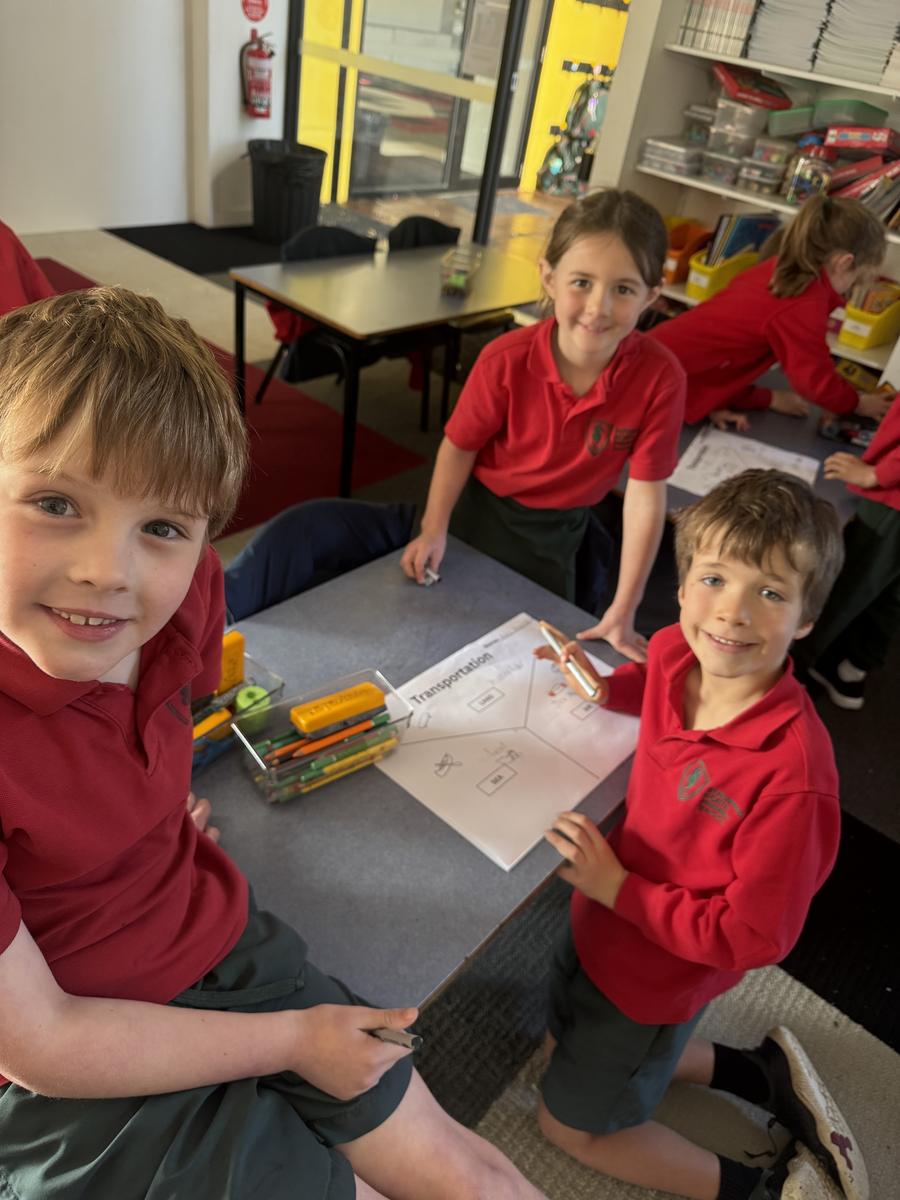
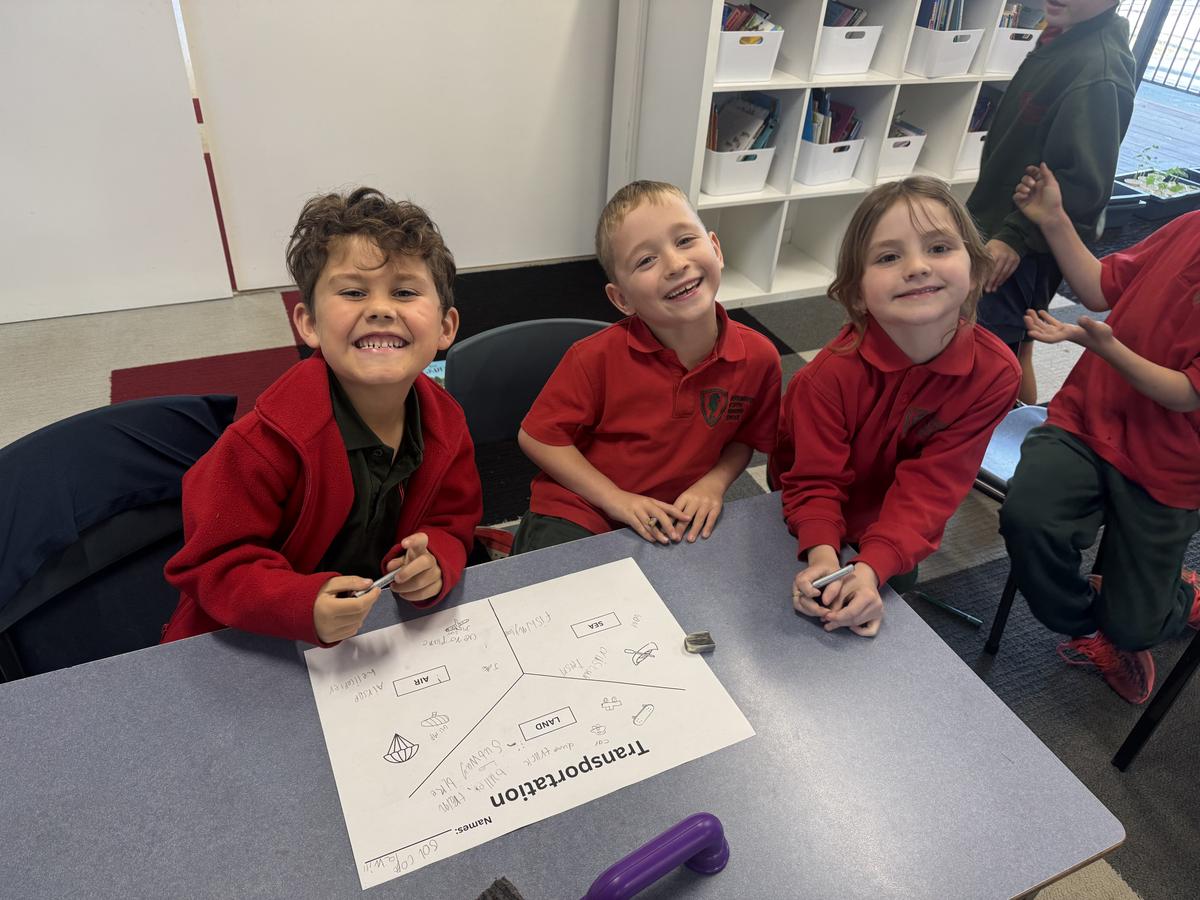
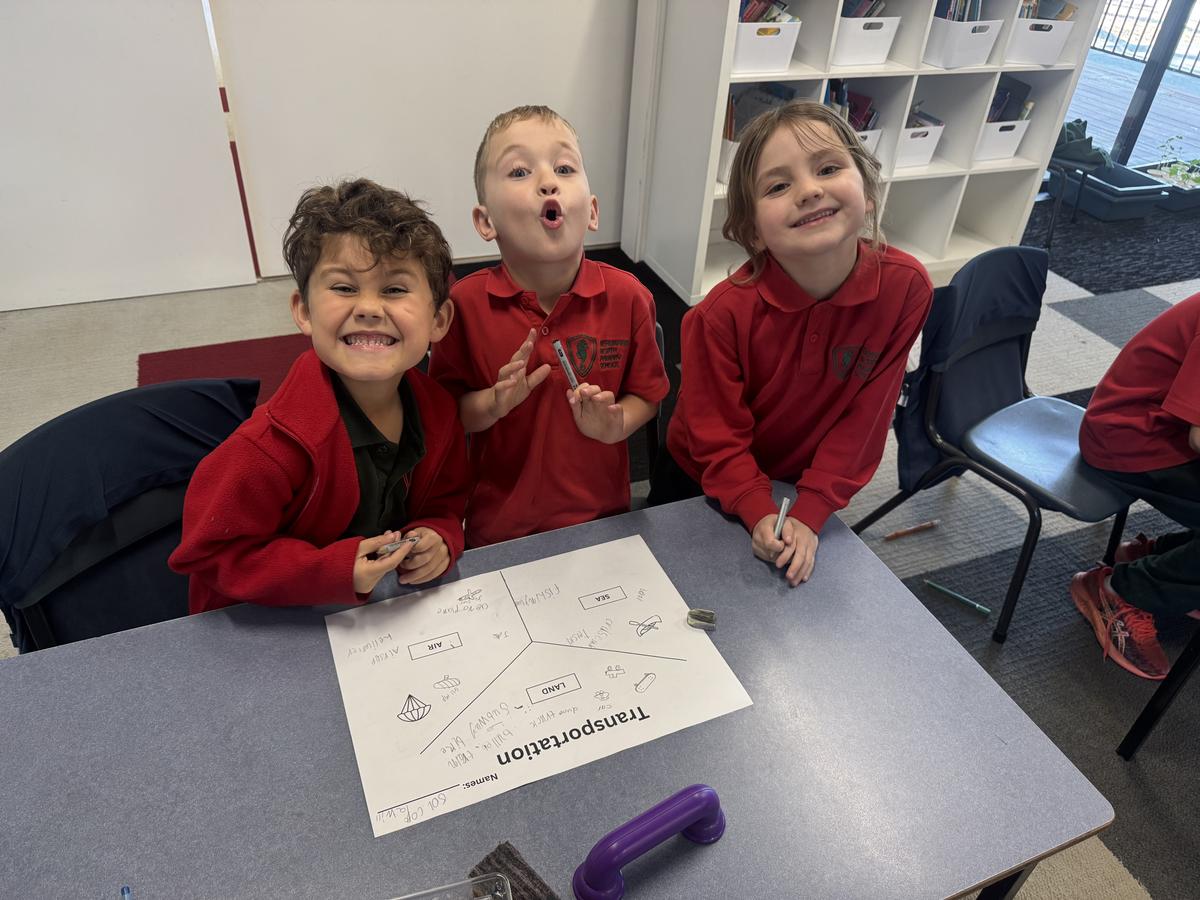
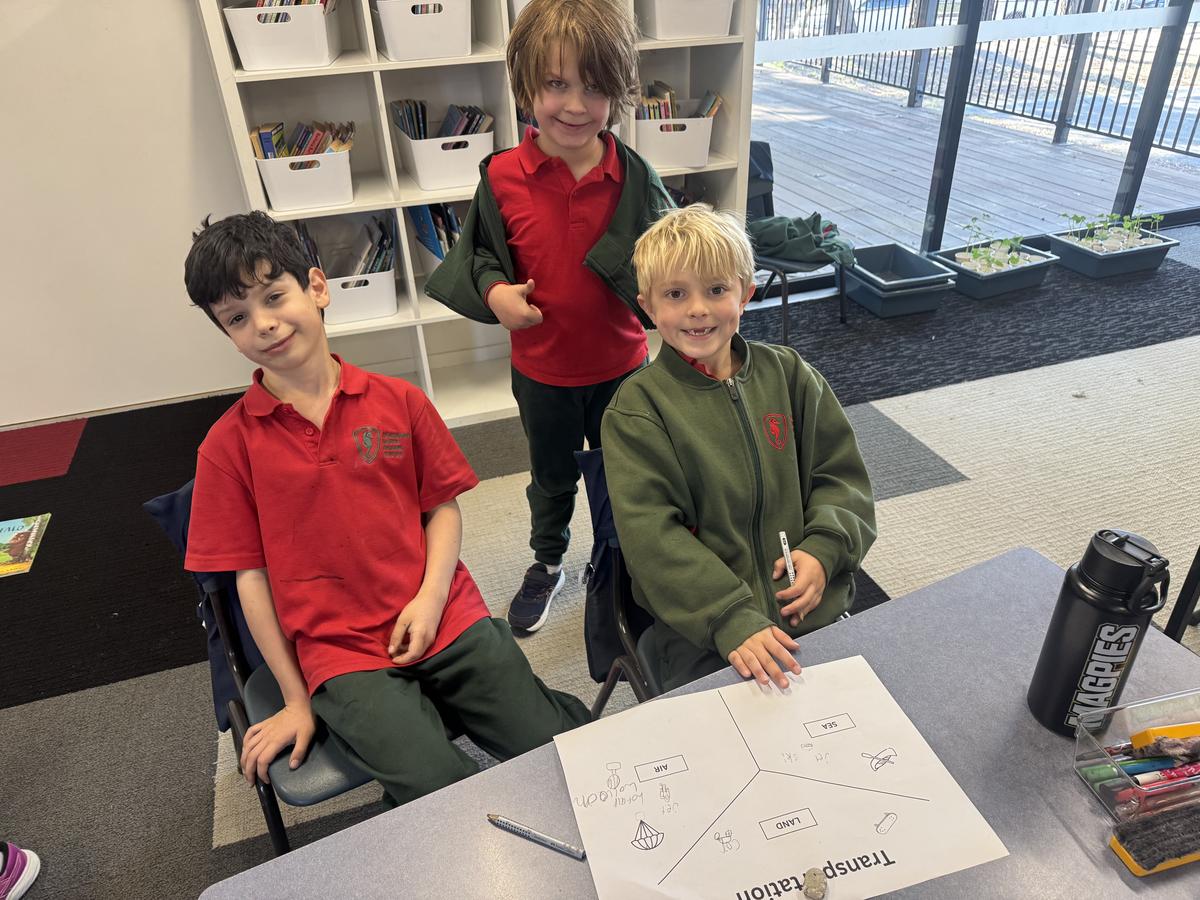
Back in the classroom, students continued exploring how people travelled before the invention of cars. They discovered that, before roads and motor vehicles, many people travelled on foot or used rivers and waterways as important transport routes.
As part of this learning, students investigated how Aboriginal and Torres Strait Islander Peoples have traditionally used natural materials sourced from Country to create practical forms of transport. They learnt that many Aboriginal Peoples made bark and dugout canoes for travelling along rivers and waterways, while Torres Strait Islander Peoples designed outrigger canoes for safe sea travel.
To bring this learning to life, students designed and created their own paper bark canoes inspired by traditional Aboriginal canoes before testing whether their designs would float. This hands-on investigation encouraged students to think like engineers as they explored how different shapes and designs help a canoe stay afloat.
It has been wonderful to see the students' curiosity, creativity and enthusiasm as they continue to investigate how transport has changed over time and develop a deeper understanding of the important connection between people, Country and the ways we travel.
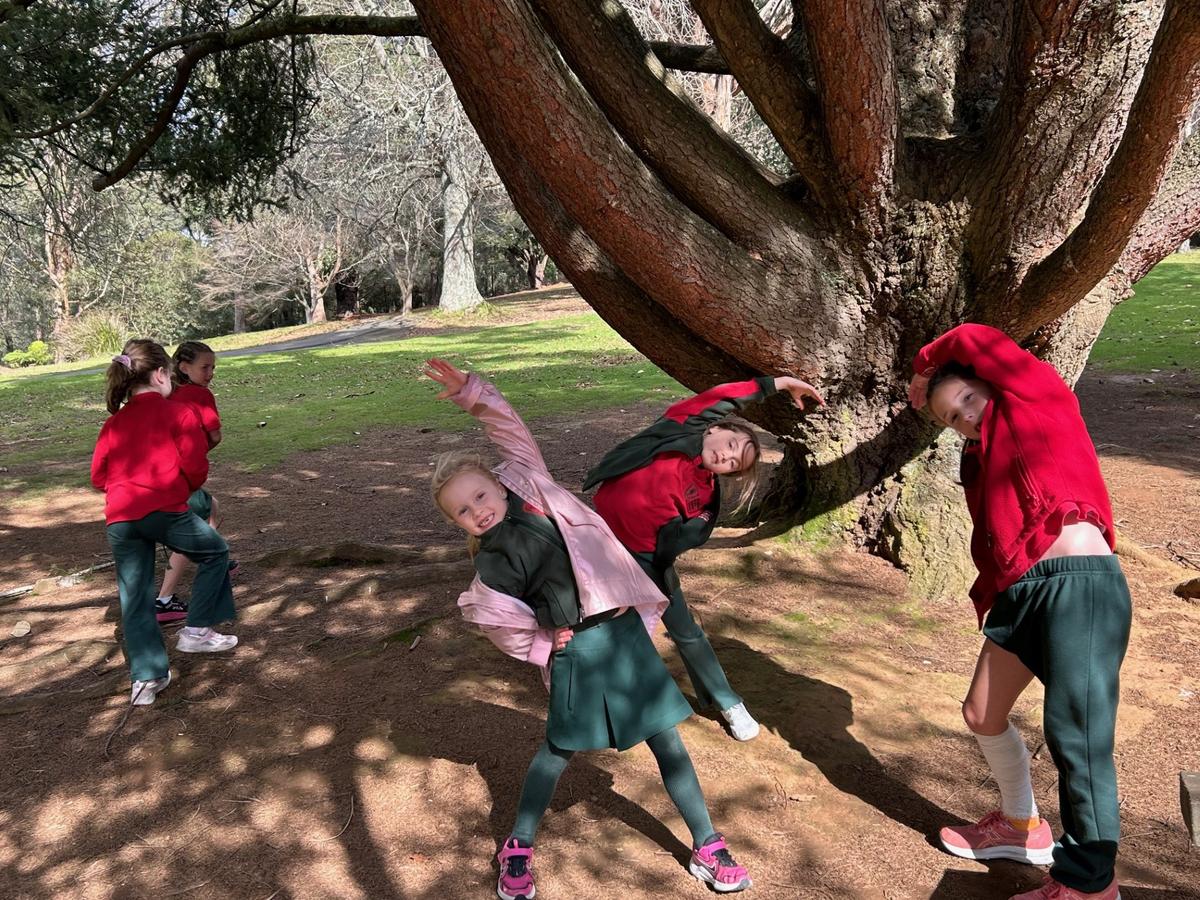
Puffing Billy Photos
Year 1A
Year 1B
Future Learning
Literacy
Phonics Plus
Introduction of new Grapheme-Phoneme Correspondences (GPC’s):
We will be focusing on teaching grapheme-phoneme correspondences (GPCs): ee, ea, ie, e_e. Students will practise decoding and spelling words such as shriek, clean, deep, trapeze, sunscreen, dream, complete, thief.
There will also be a continued focus on developing reading fluency, handwriting skills, and learning high-frequency words.
Students will continue to revise over plural -es, past tense ‑ed, progressive -ing and compound words such as dress, dresses, dressing, dressed, sundress, brush, brushes, brushing, brushed, paintbrush and nailbrush.
Students who are ready will be extended by reading and writing longer words and sentences that include these spelling patterns, as well as applying their phonics knowledge when composing their own simple texts.
Grammar and Punctuation
Developing question sentences
edit sentences for punctuation
Maths
Say and Write 3-digit numbers with zeros
Solving worded problems
Capacity
Length
Recognising and ordering Australian coins