Science Technology Engineering and Maths

National Science Week 2026
From 15–23 August, CPS celebrated National Science Week, giving students even more opportunities to get curious about the amazing world of science.
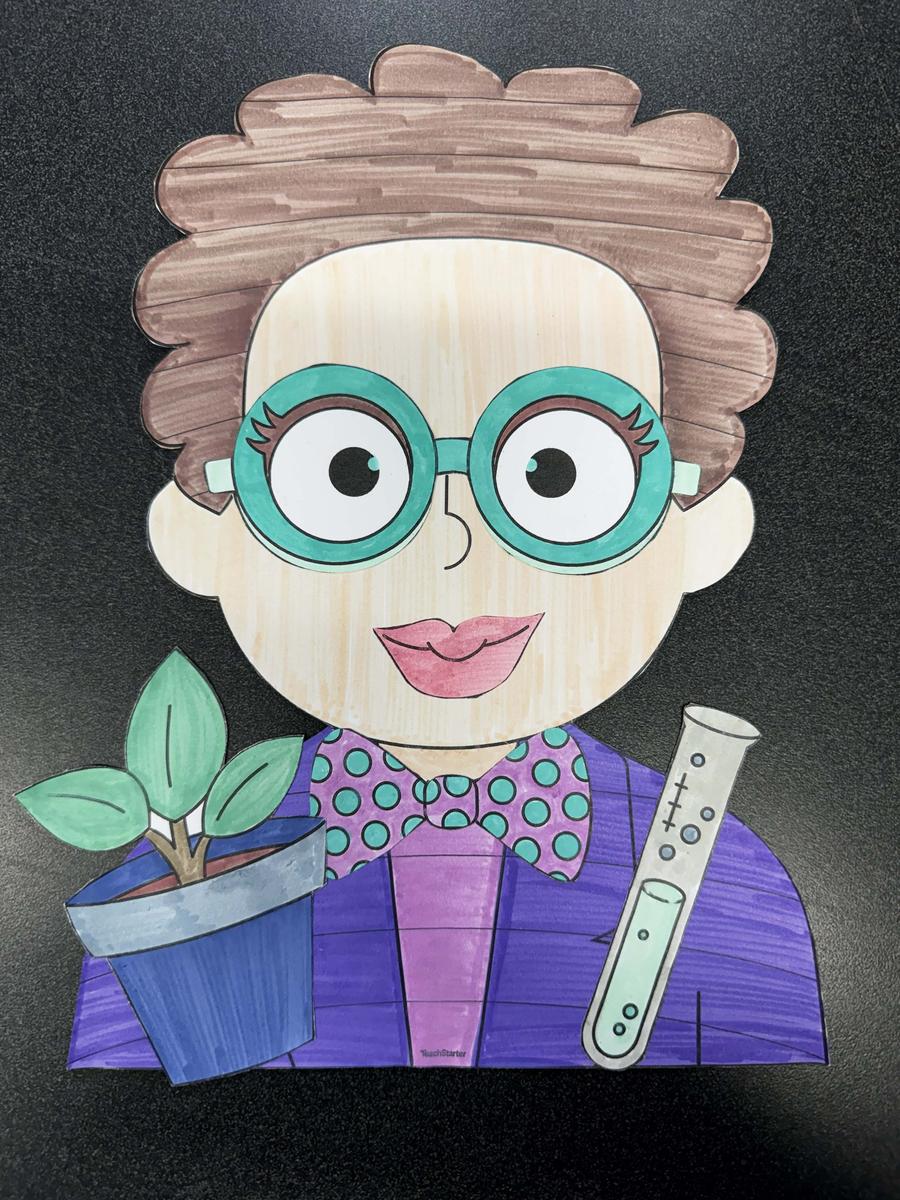
Across the week, students created their very own Funky Scientists, combining creativity and imagination to celebrate the many ways scientists explore and understand our world.
We also held STEM Trivia sessions, where students put both their scientific knowledge and their keen listening skills to the test. Alongside identifying a collection of mystery sounds, students tackled questions covering biology, chemistry, physics, Earth and space sciences, technology and First Nations knowledge.
And there were certainly some surprising discoveries!
Did you know that babies are born with around 300 bones, but as we grow, some fuse together, leaving most adults with 206? Or that a fluffy cumulus cloud measuring 1 km in each direction could contain around 500 tonnes of water?
Our younger scientists discovered some equally unusual facts. Wombats can produce up to 100 cube-shaped droppings in a night, while leaves contain chlorophyll, which helps plants use sunlight to make their own food through photosynthesis.
Students also explored how First Nations peoples are the first scientists and innovators of this land, with Aboriginal and Torres Strait Islander peoples caring for Country in Australia for at least 65,000 years. Our upper-primary students explored examples including cultural burning, with the trivia introducing how these practices have been used for tens of thousands of years to help care for Country and reduce the intensity of bushfires.
Science Week was a wonderful reminder that science is everywhere, from the clouds above us and the plants around us to our own bodies, the technology we use and knowledge passed down through generations.
Year 4 – Sustainable Transport
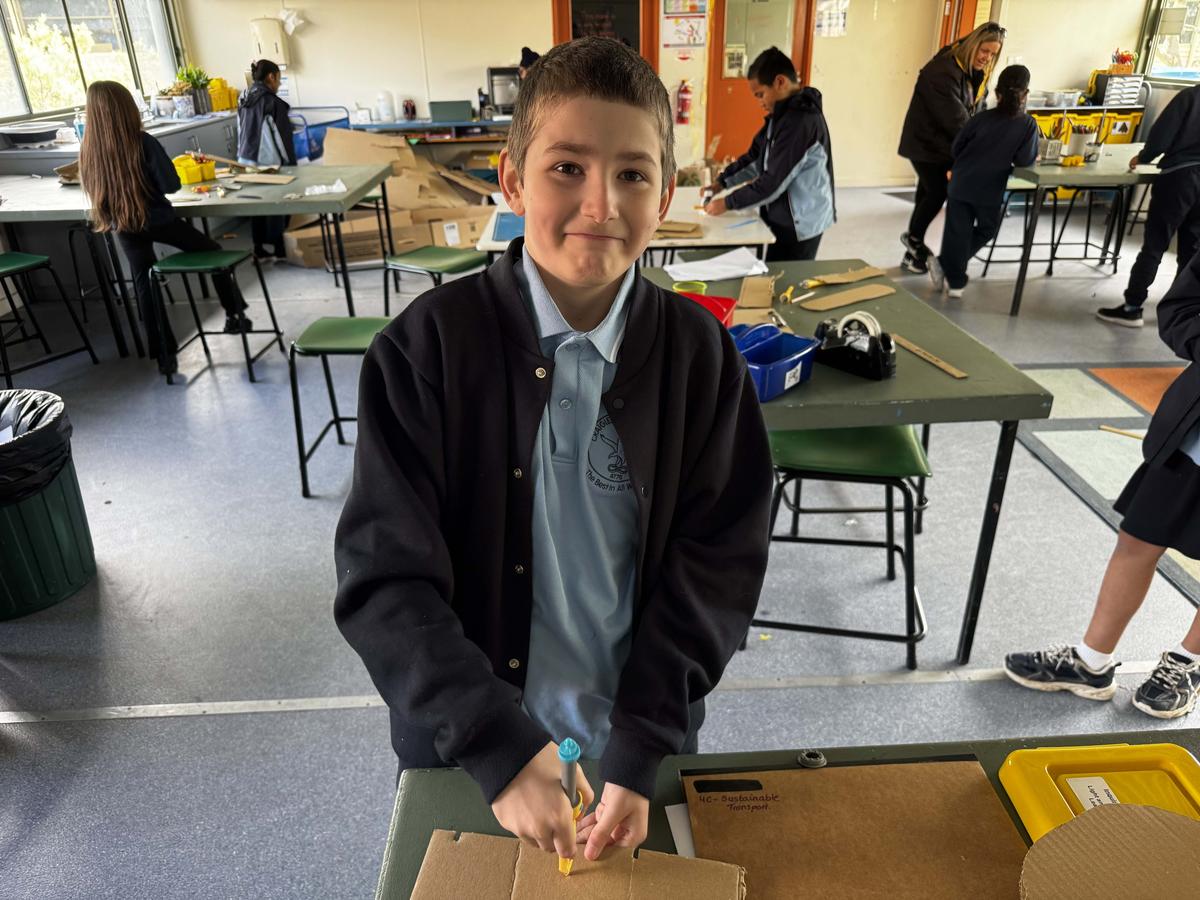
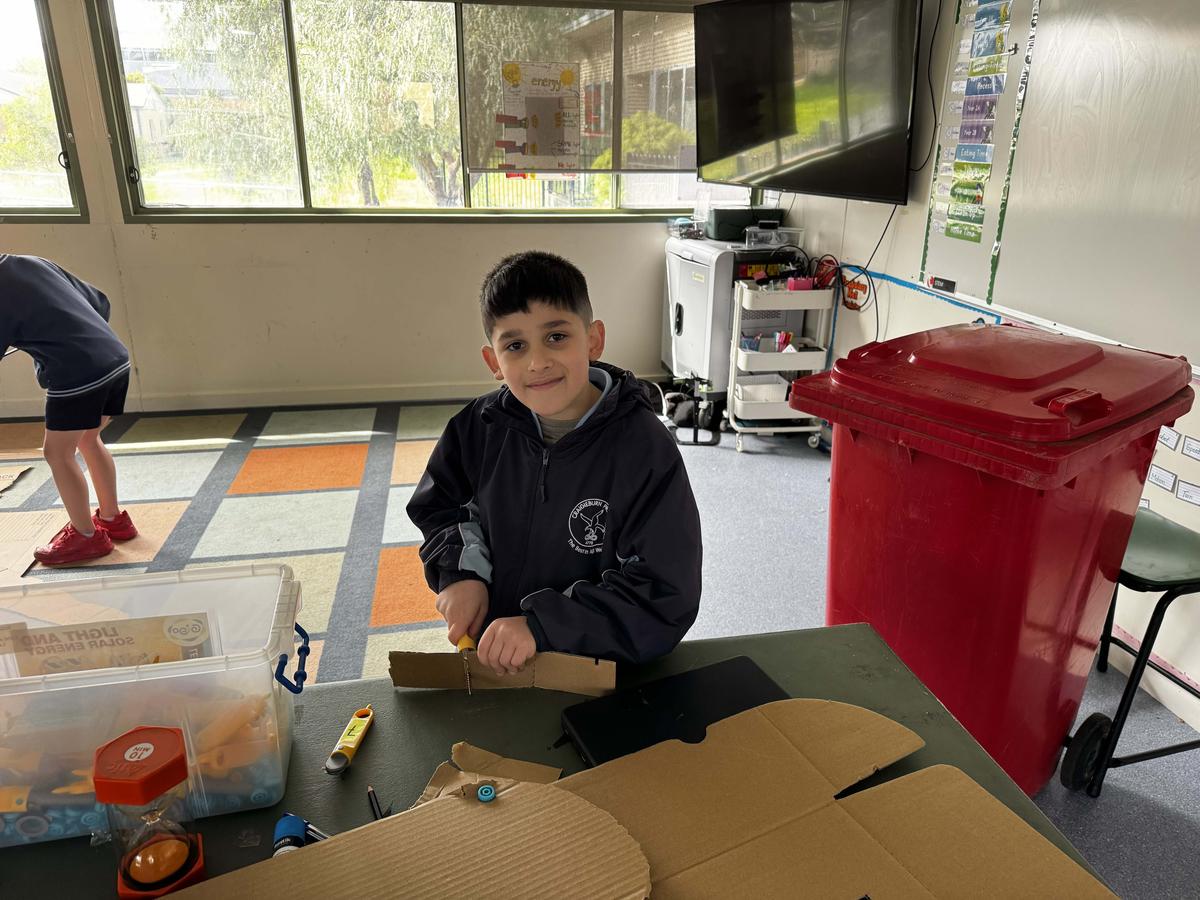
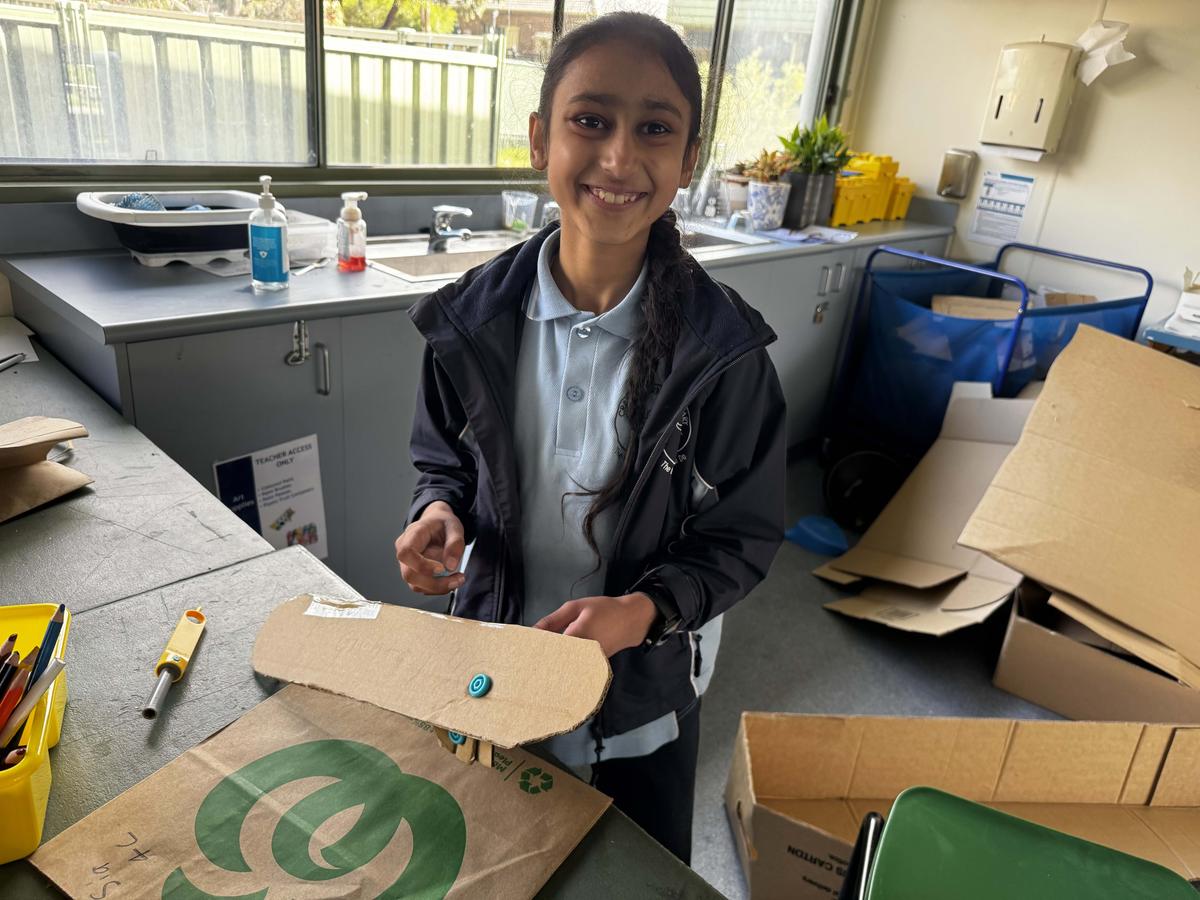
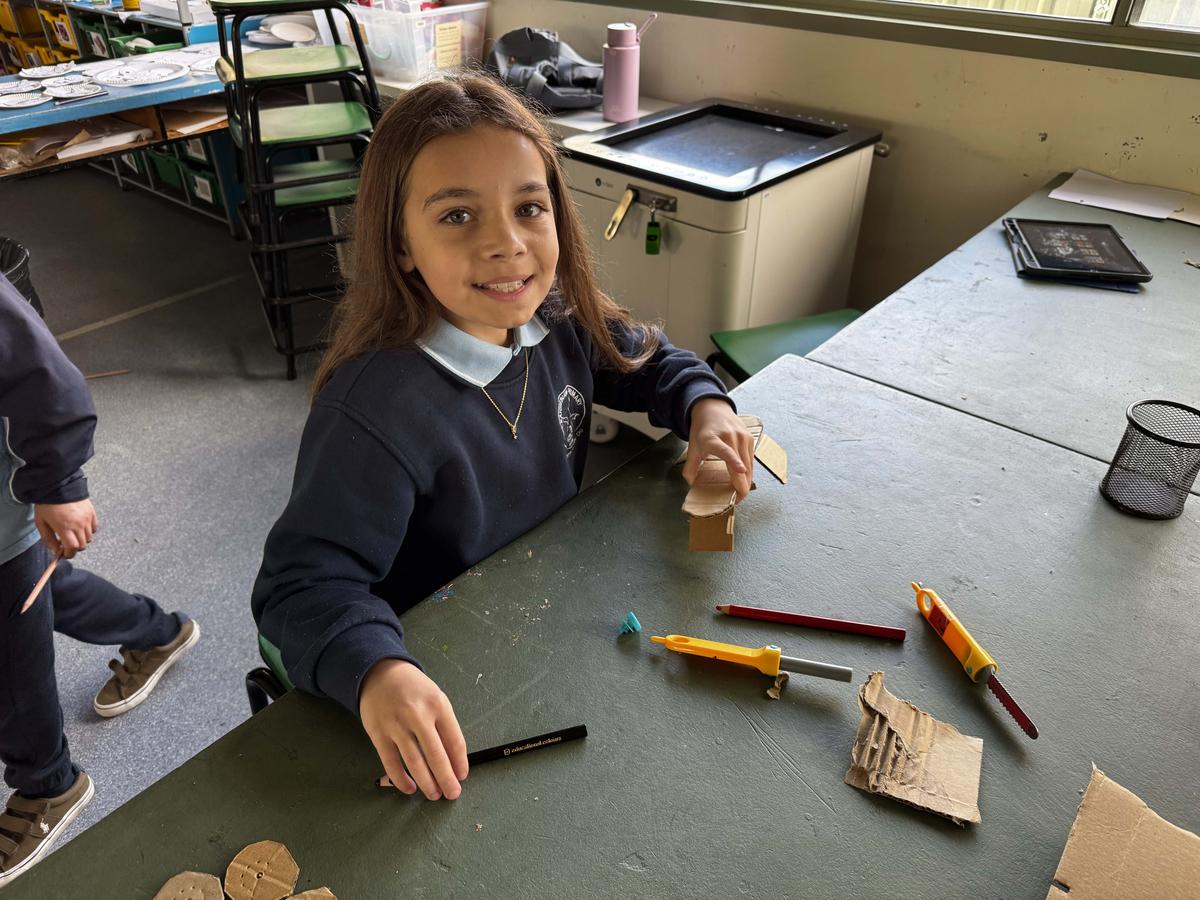
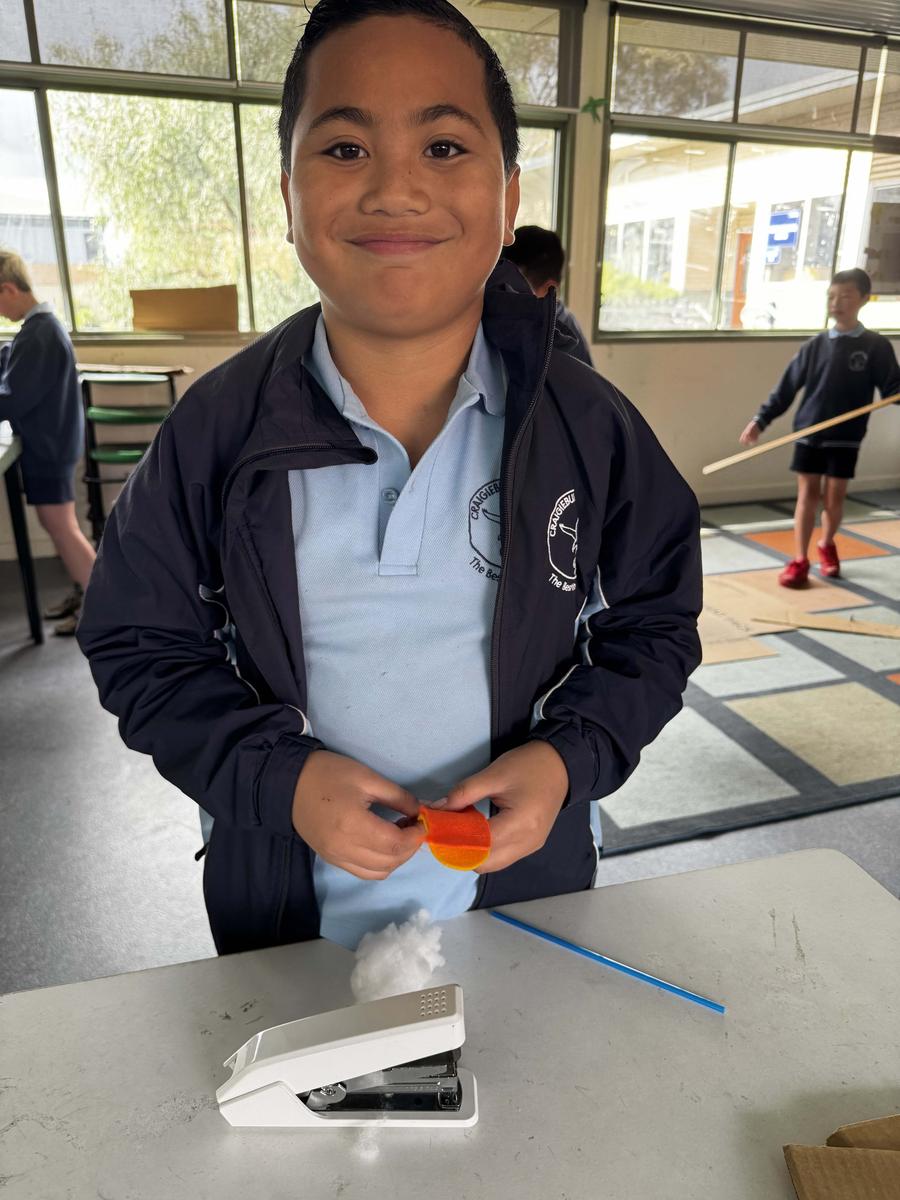
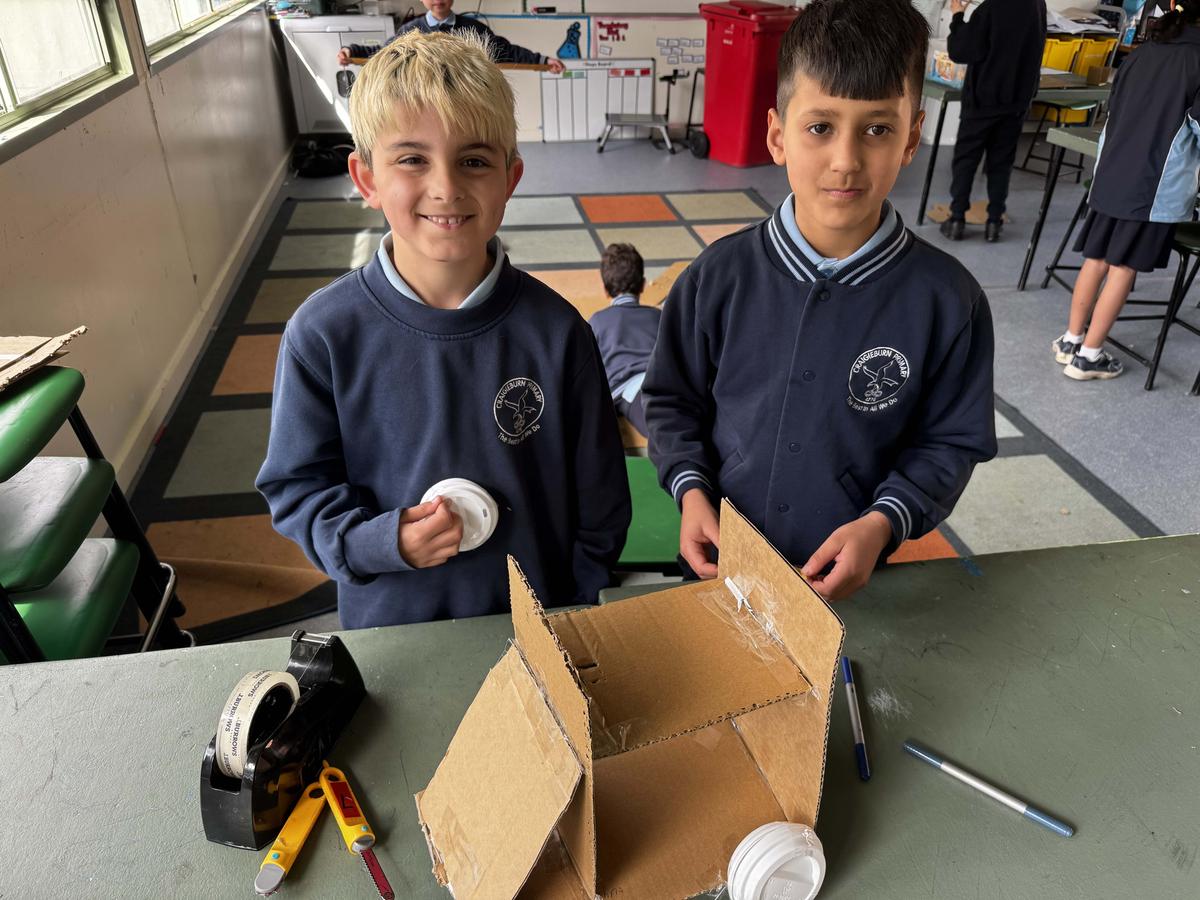
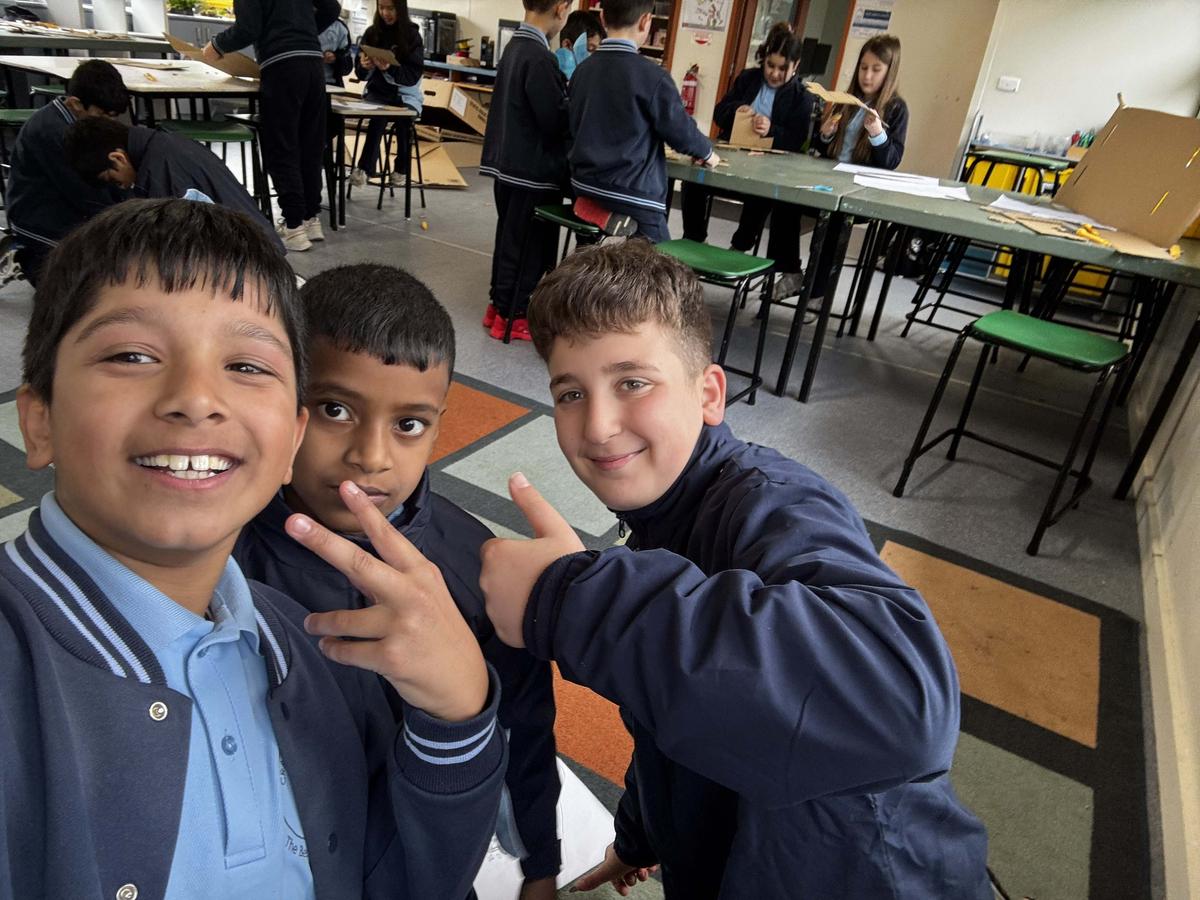
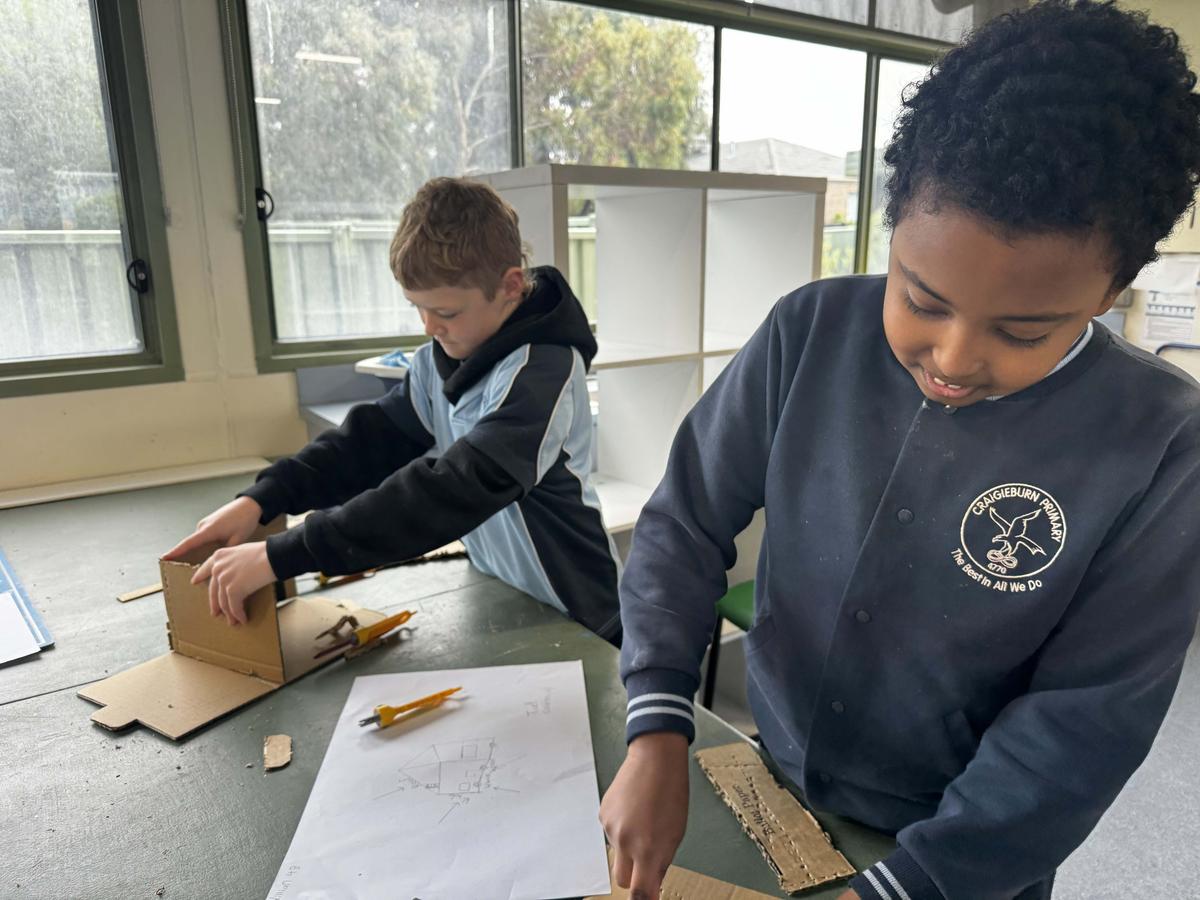
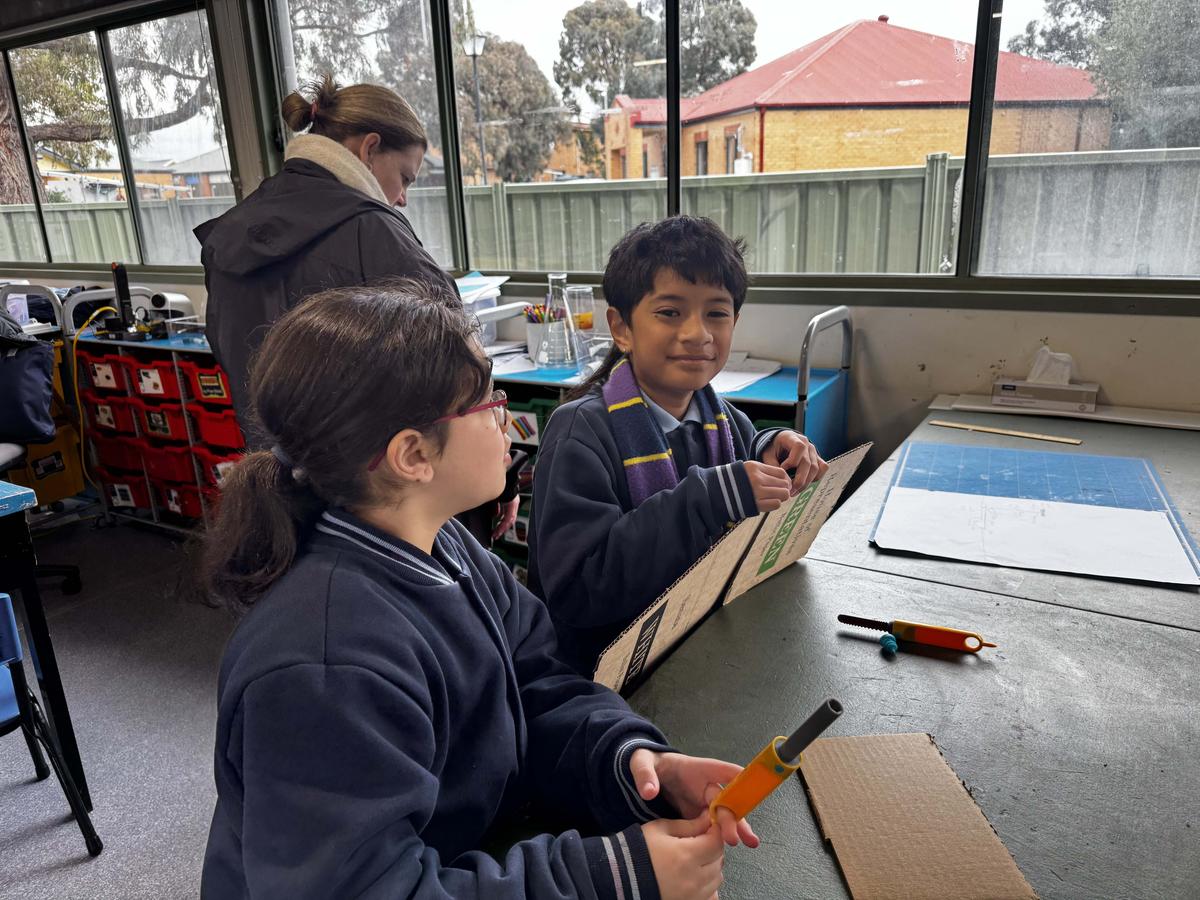
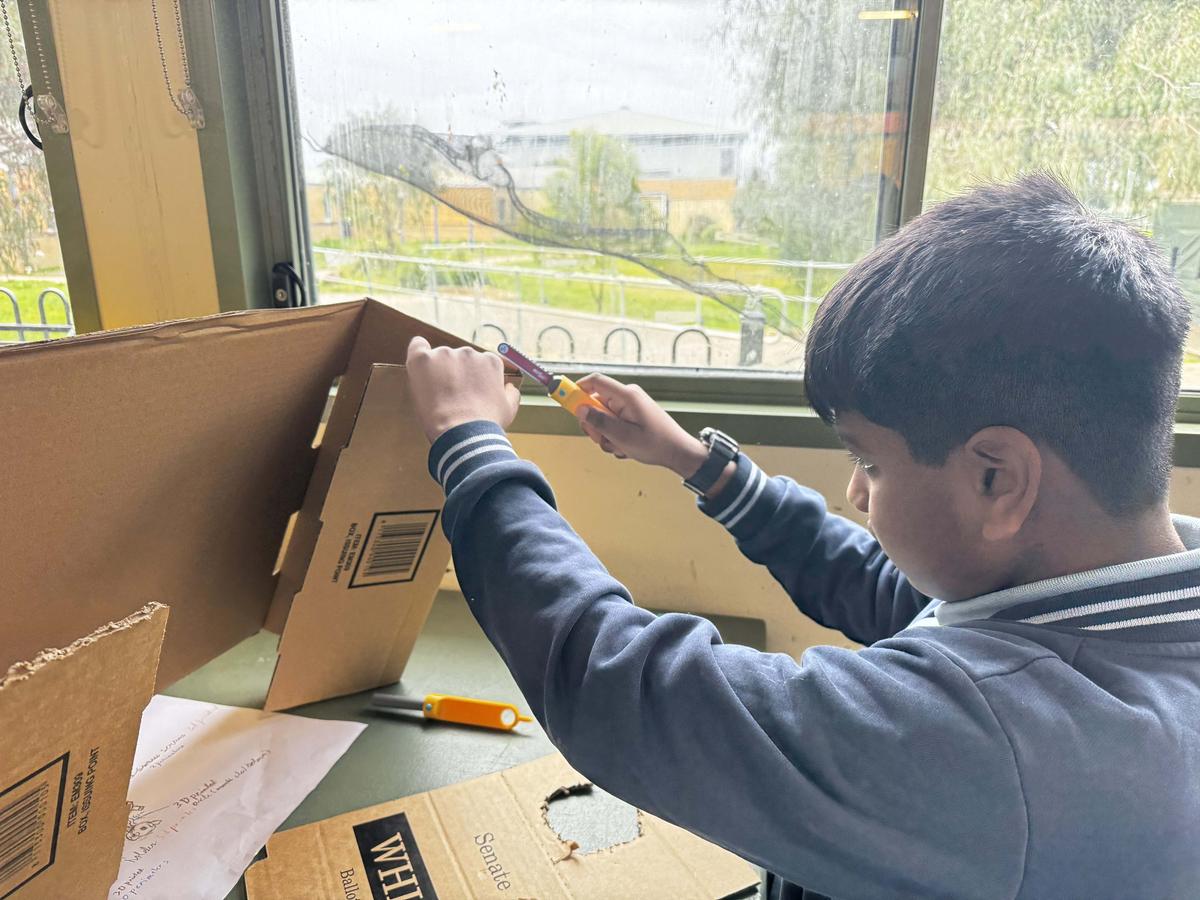
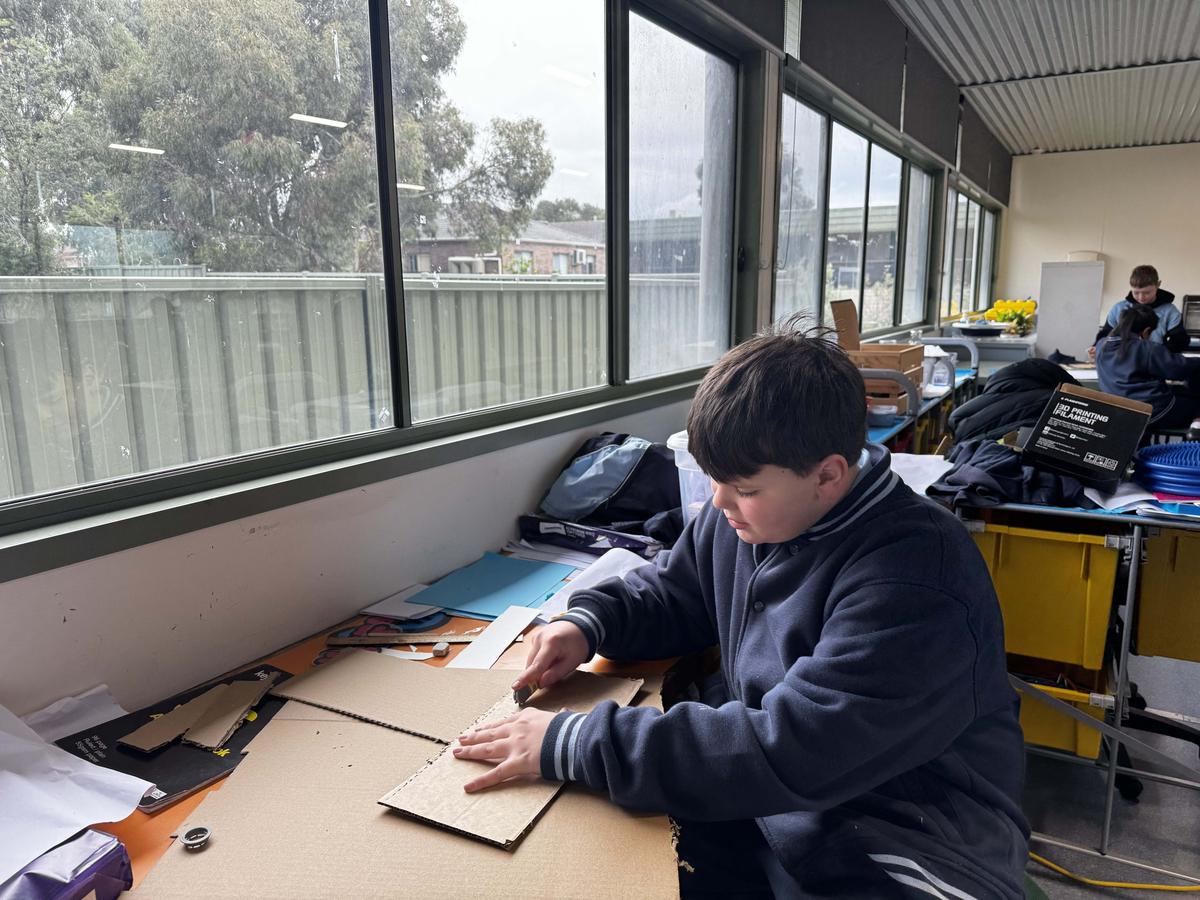
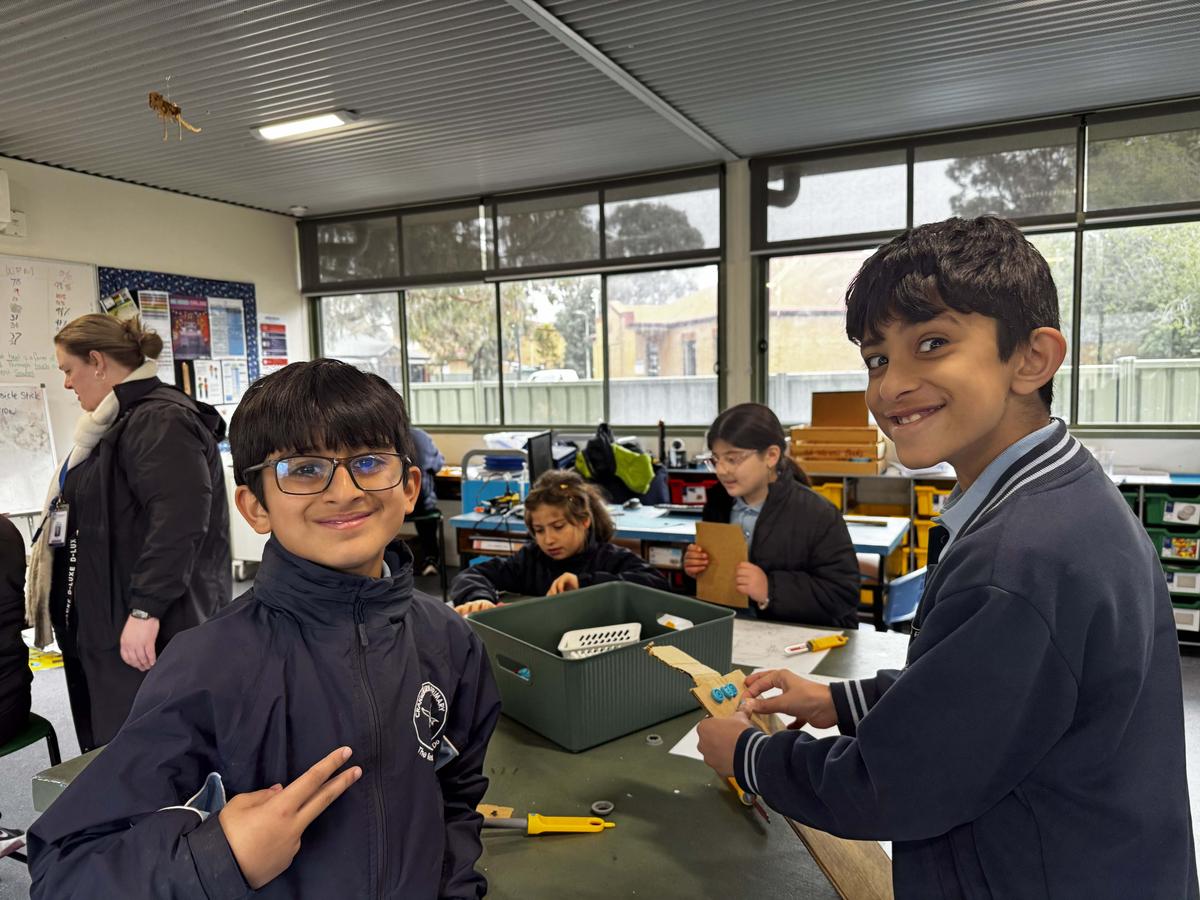
Our Year 4 students have continued working on their Sustainable Transport designs and are now learning how to bring their ideas to life from their original plans.
Students are discovering an important part of the design process: your first idea doesn't always become your final product! As they construct and test their designs, students are evaluating what works, identifying areas for improvement and making changes.
Through this process, students are developing their understanding of designing, prototyping, testing, evaluating and improving solutions to real-world problems.
Year 3 – Conductors and Insulators
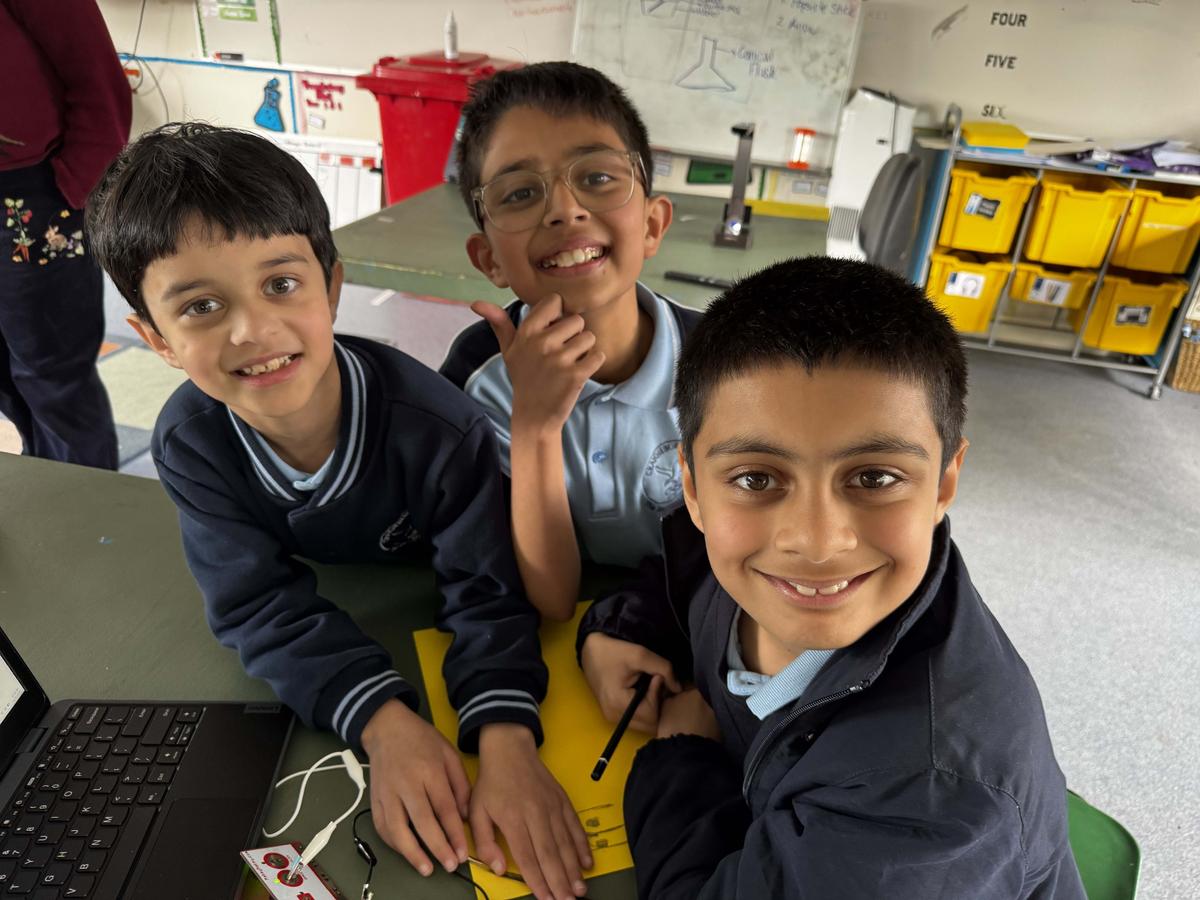
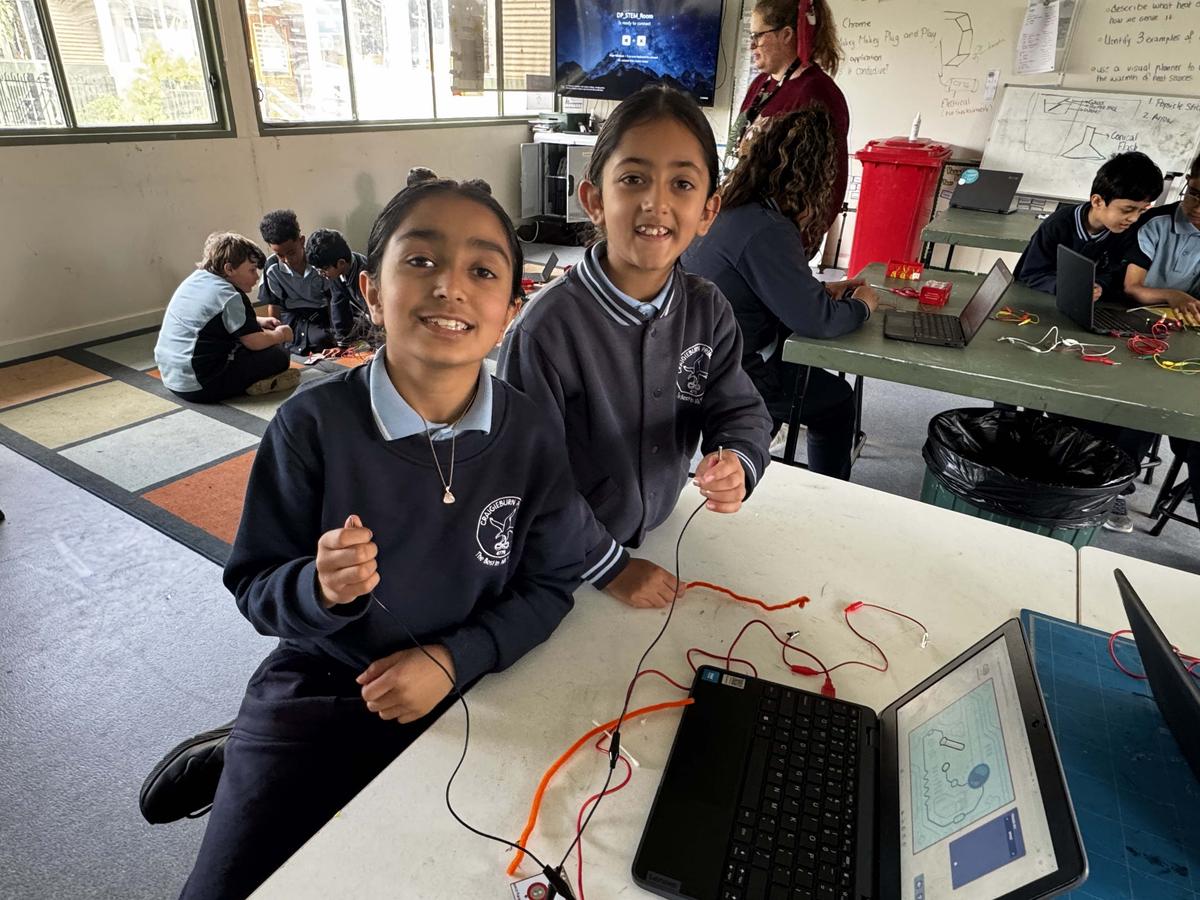
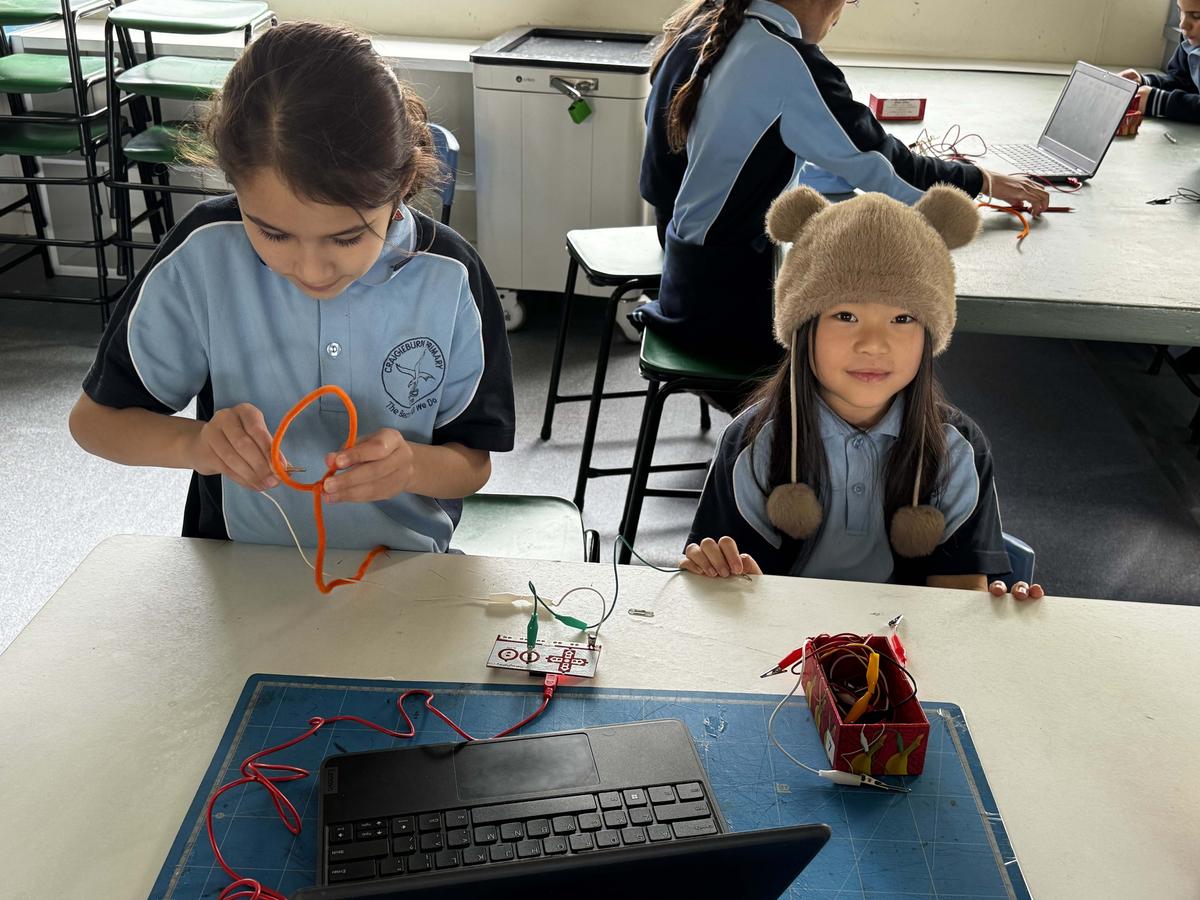
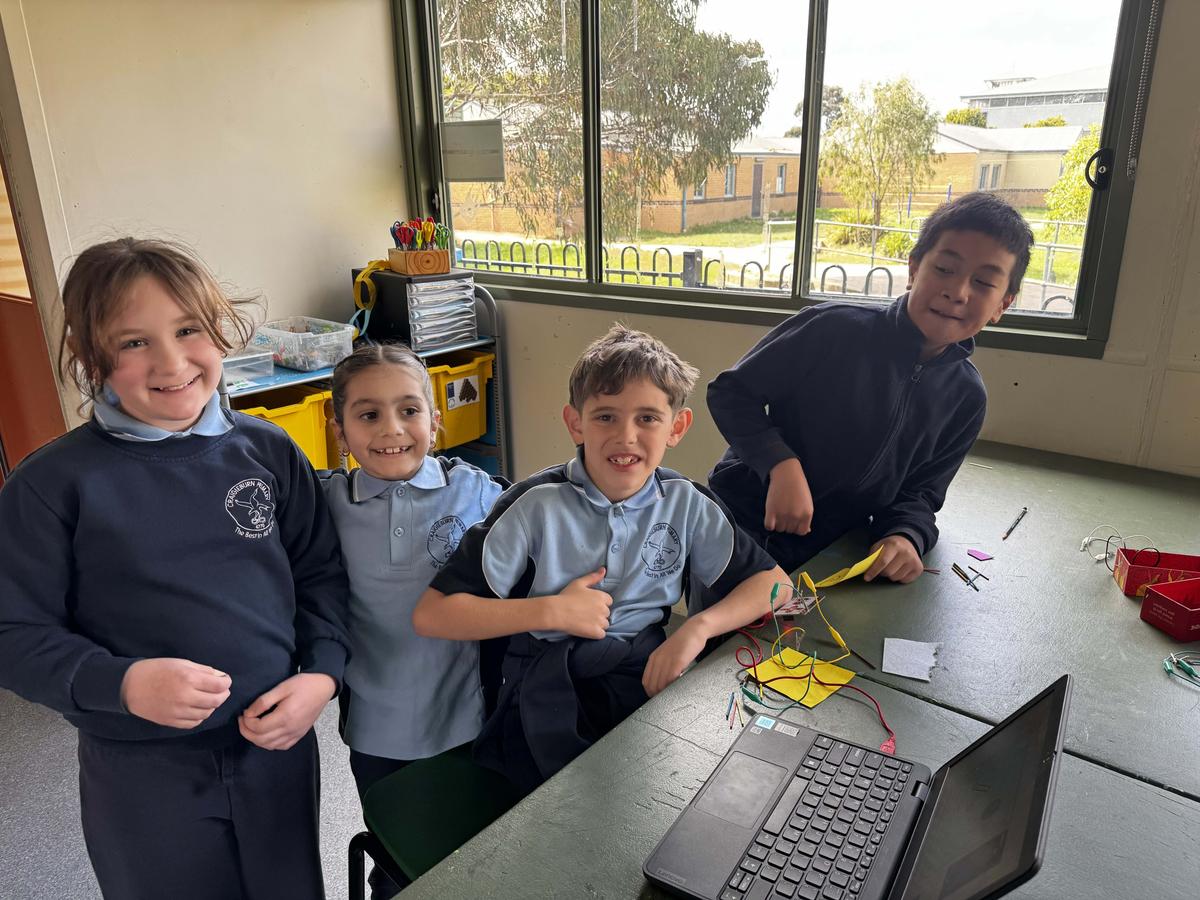
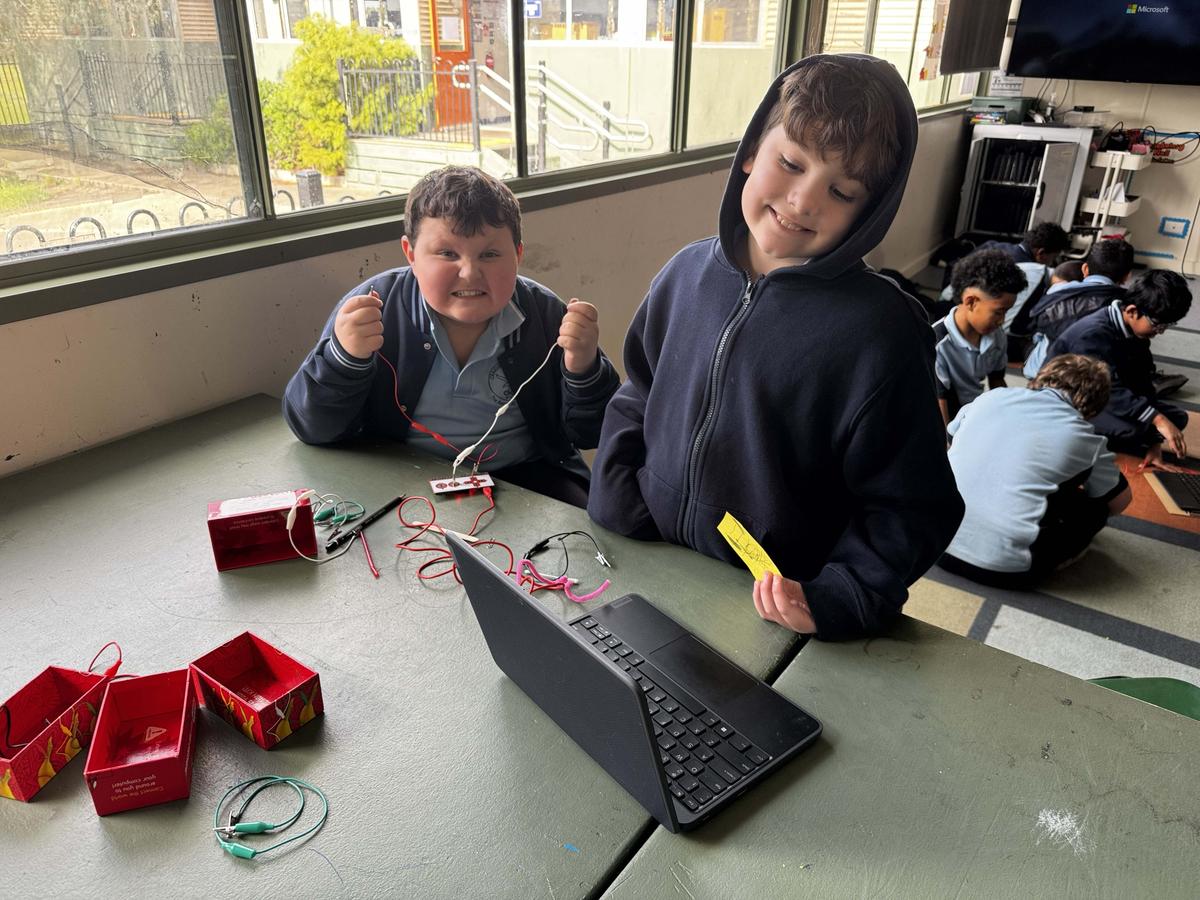
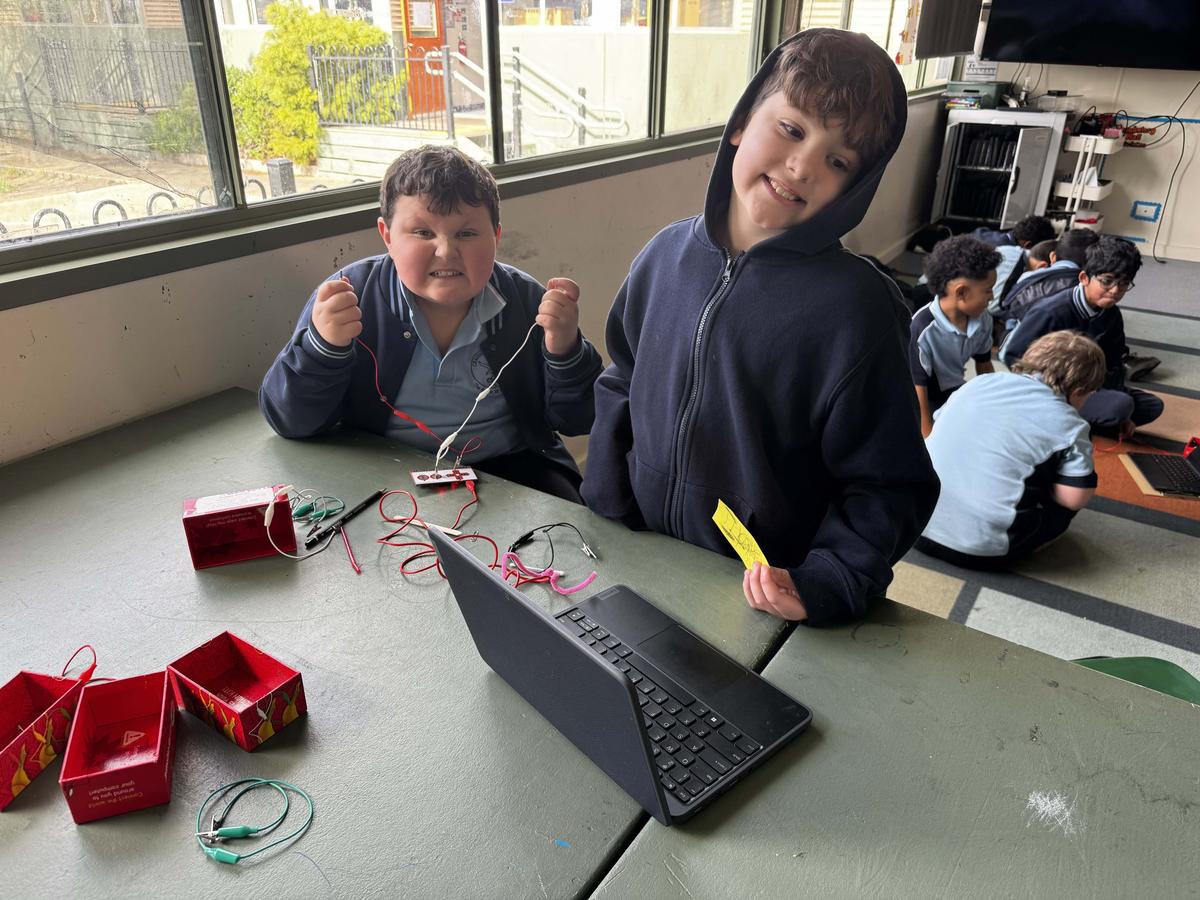
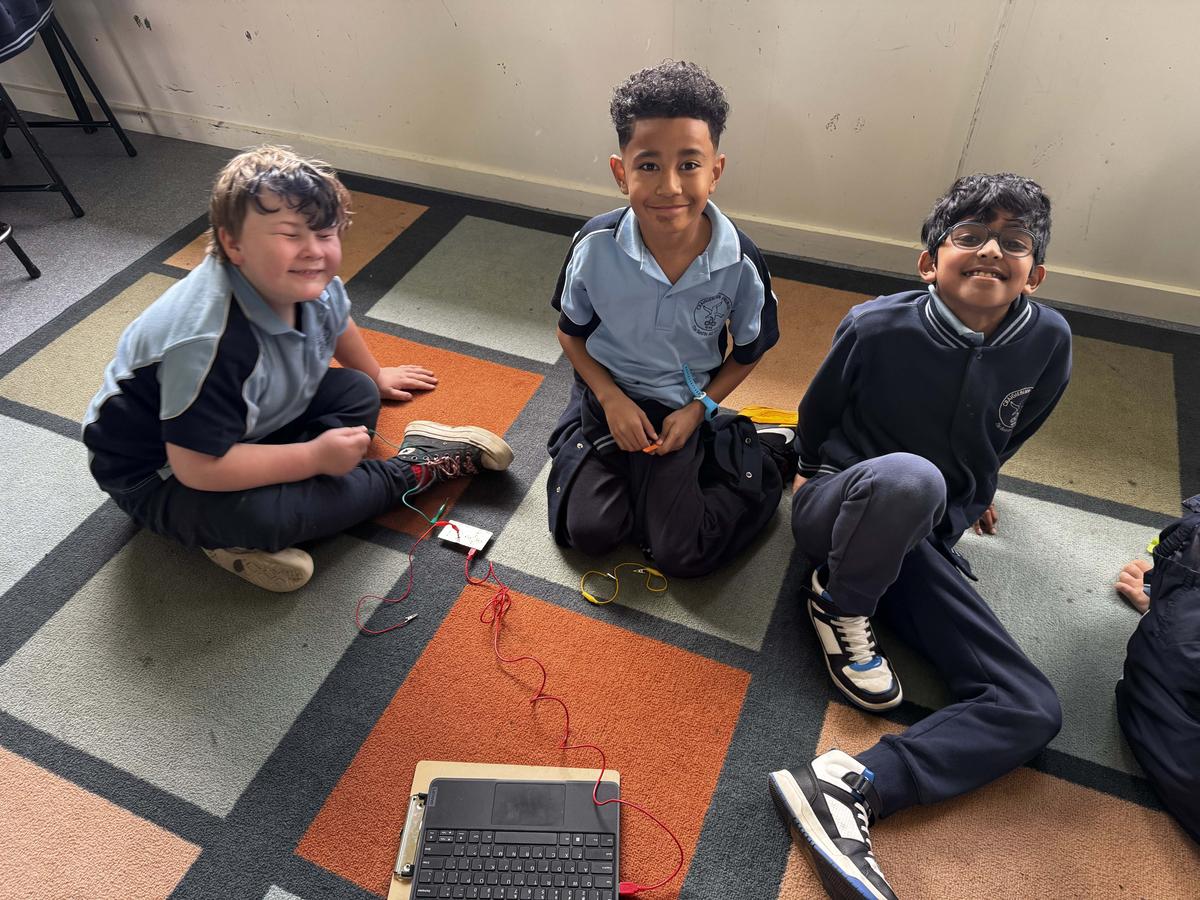
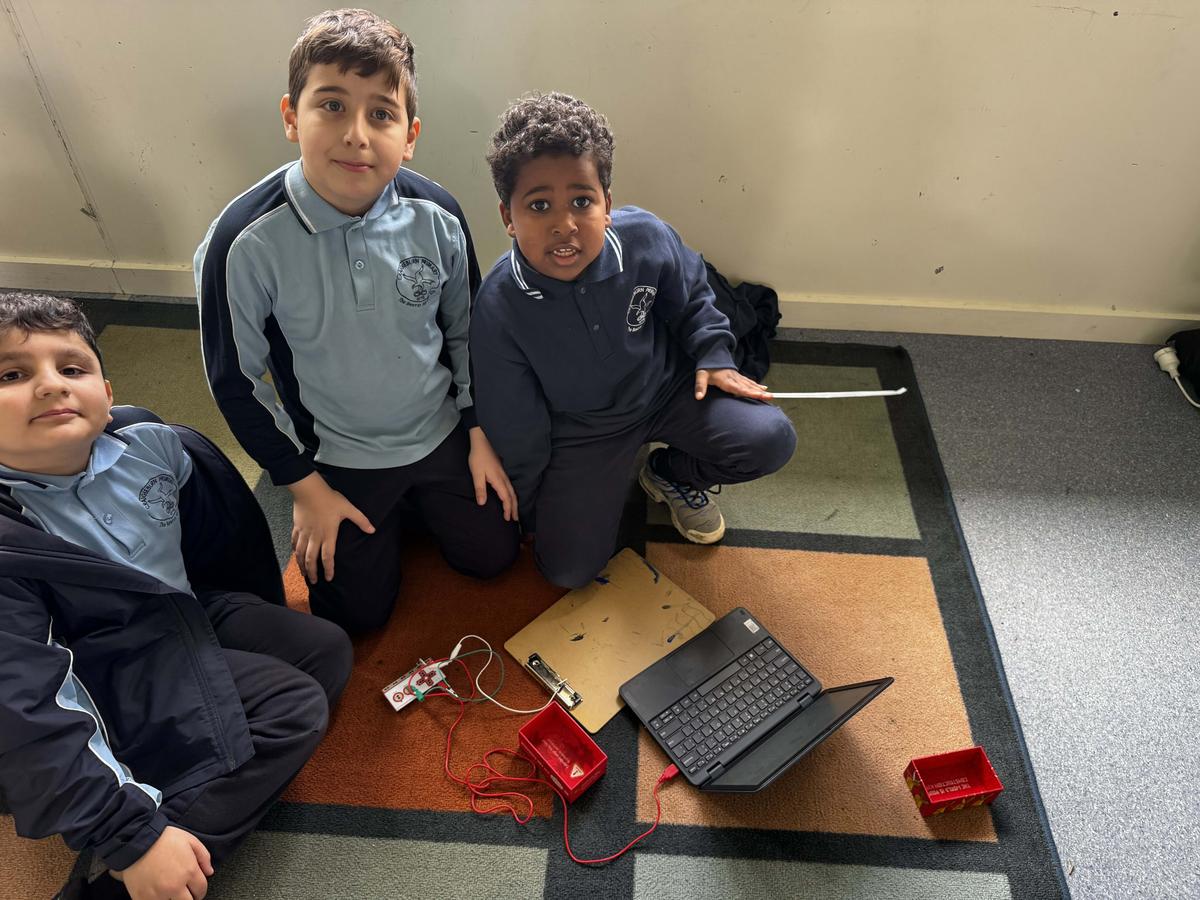
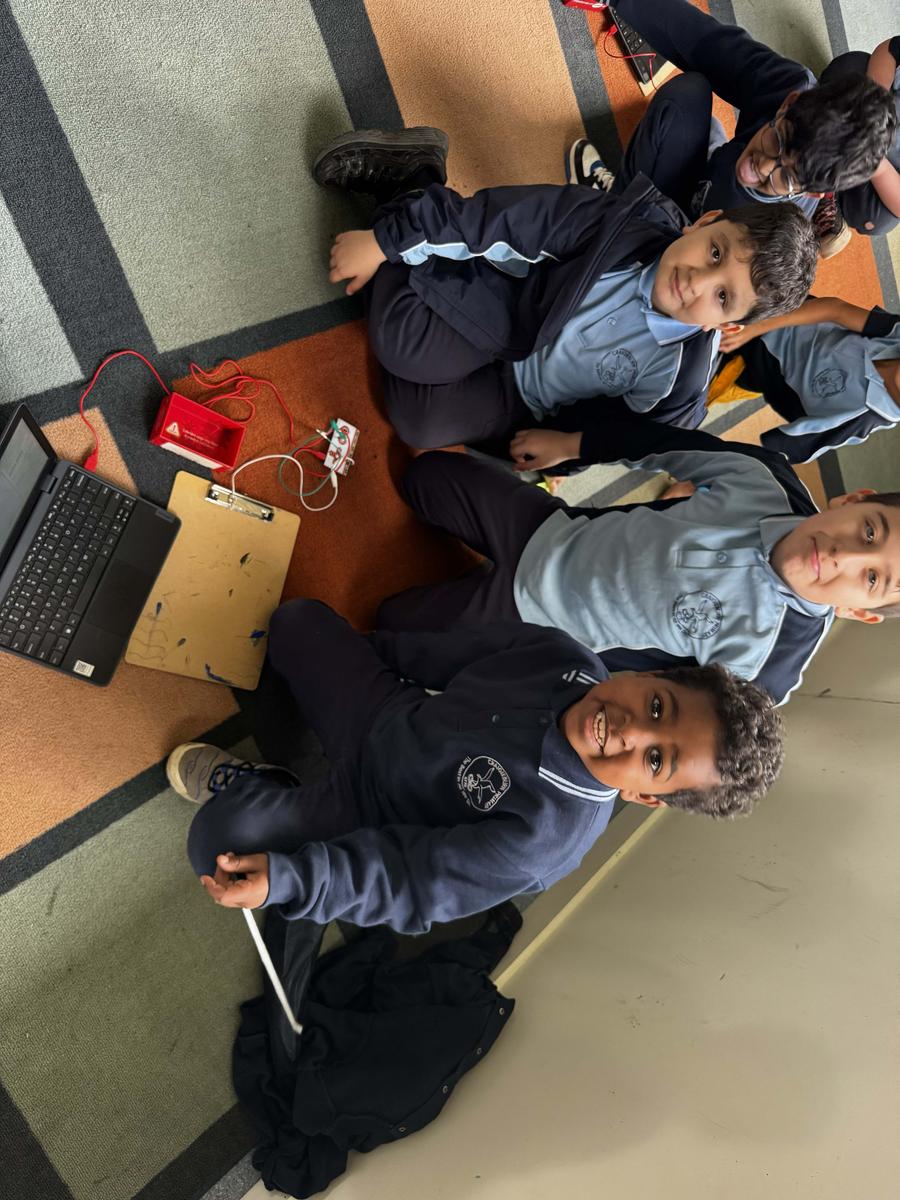
Year 3 students have been experimenting with Makey Makey boards as they explore the fascinating world of electrical conductors and insulators.
Students have been testing different everyday materials to investigate which allow an electrical current to pass through and which prevent it. Makey Makey has provided a fun, hands-on way for students to experiment with circuits while connecting science with digital technologies.
Interestingly, our Science Week trivia also explored how touchscreens can detect the tiny electrical signals from our fingers, a great example of how the science we investigate in STEM connects with technology we use every day!
Year 5 – Which 3D Design Platform is Best?
Year 5 students are getting their 3D design skills on as they begin exploring TinkerCAD!
Students are learning how to manipulate, combine and modify shapes to transform a two-dimensional idea into a three-dimensional digital model. However, learning to use TinkerCAD is only the beginning.
Students will also explore other 3D design platforms, comparing their features, usability and capabilities before answering the big question:
Which 3D design platform is better and why?
Rather than simply choosing their favourite, students will need to justify their decision with evidence, developing both their digital technology skills and their ability to critically evaluate different technologies.
Quantum Print-A-Car Challenge
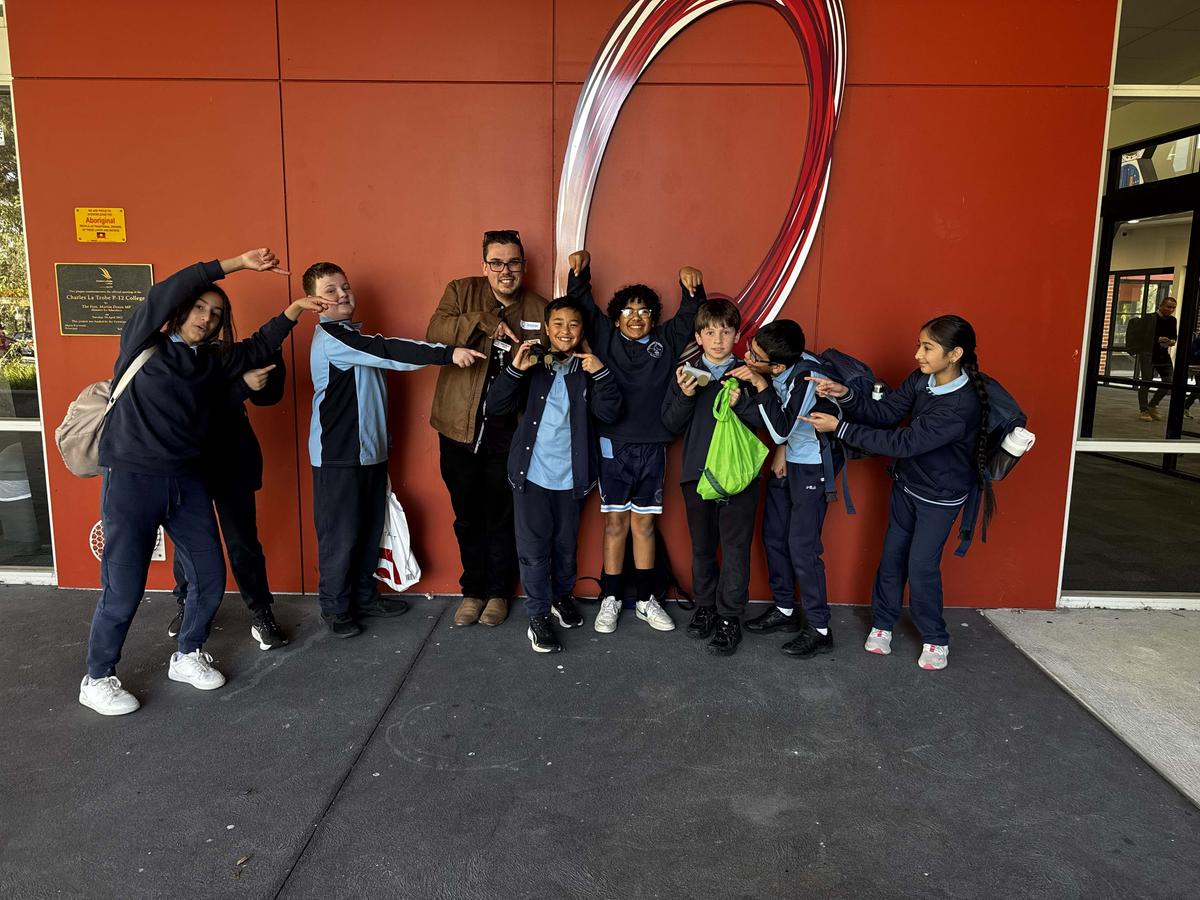
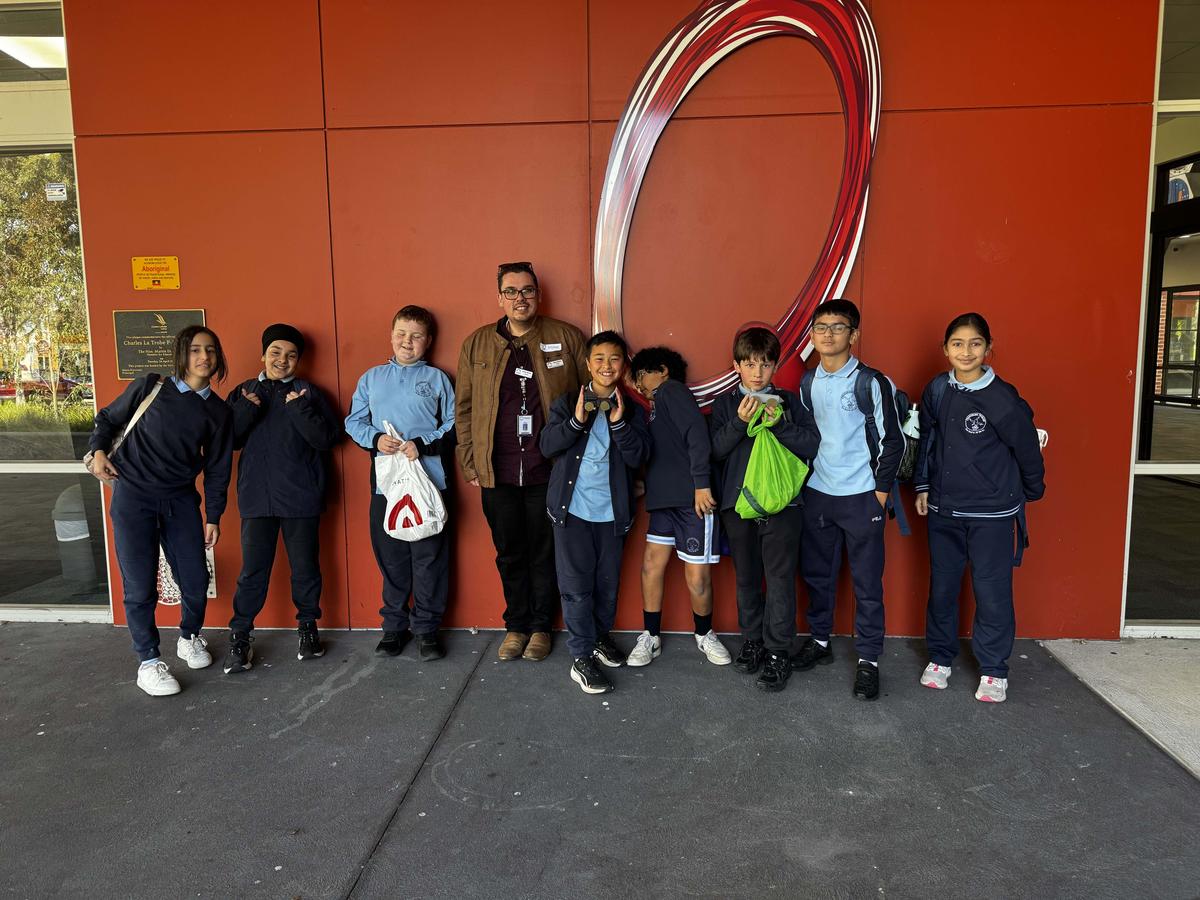
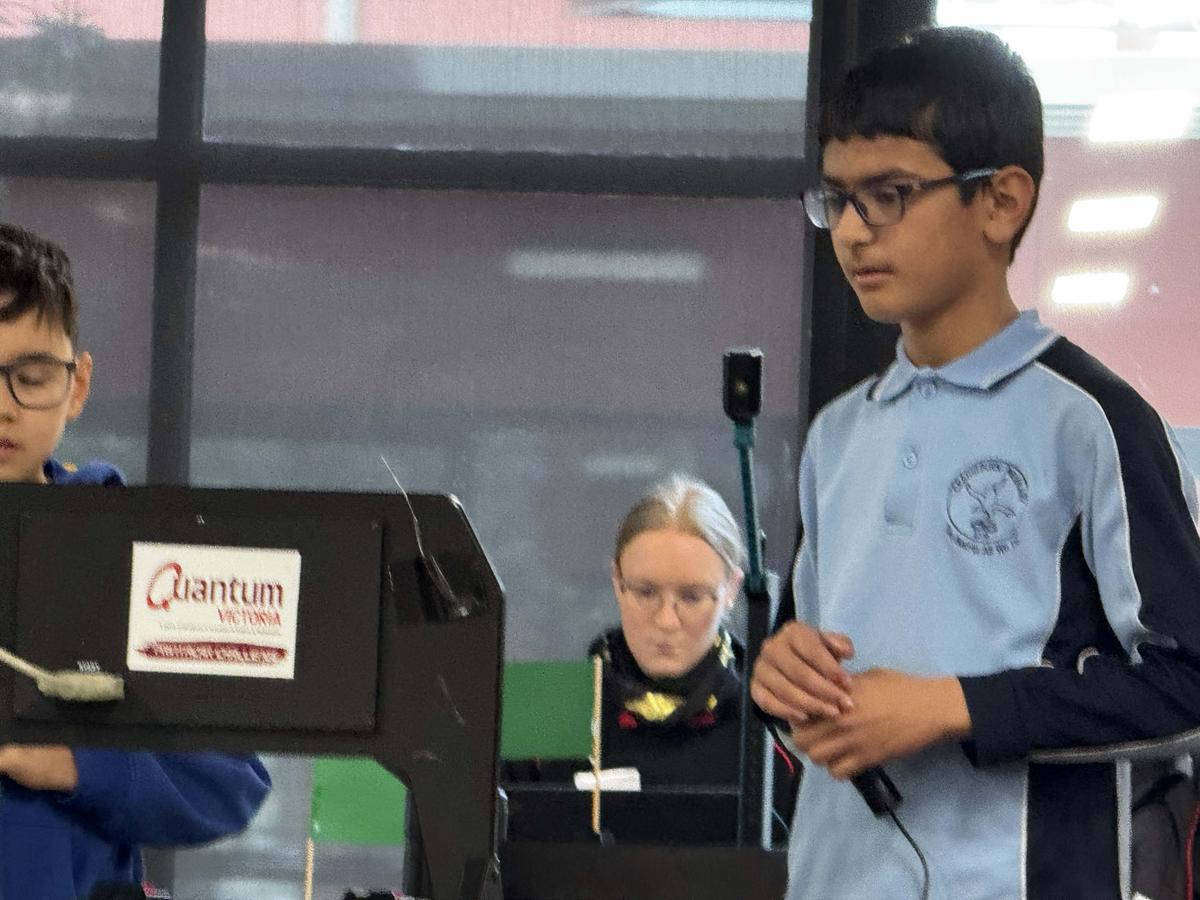
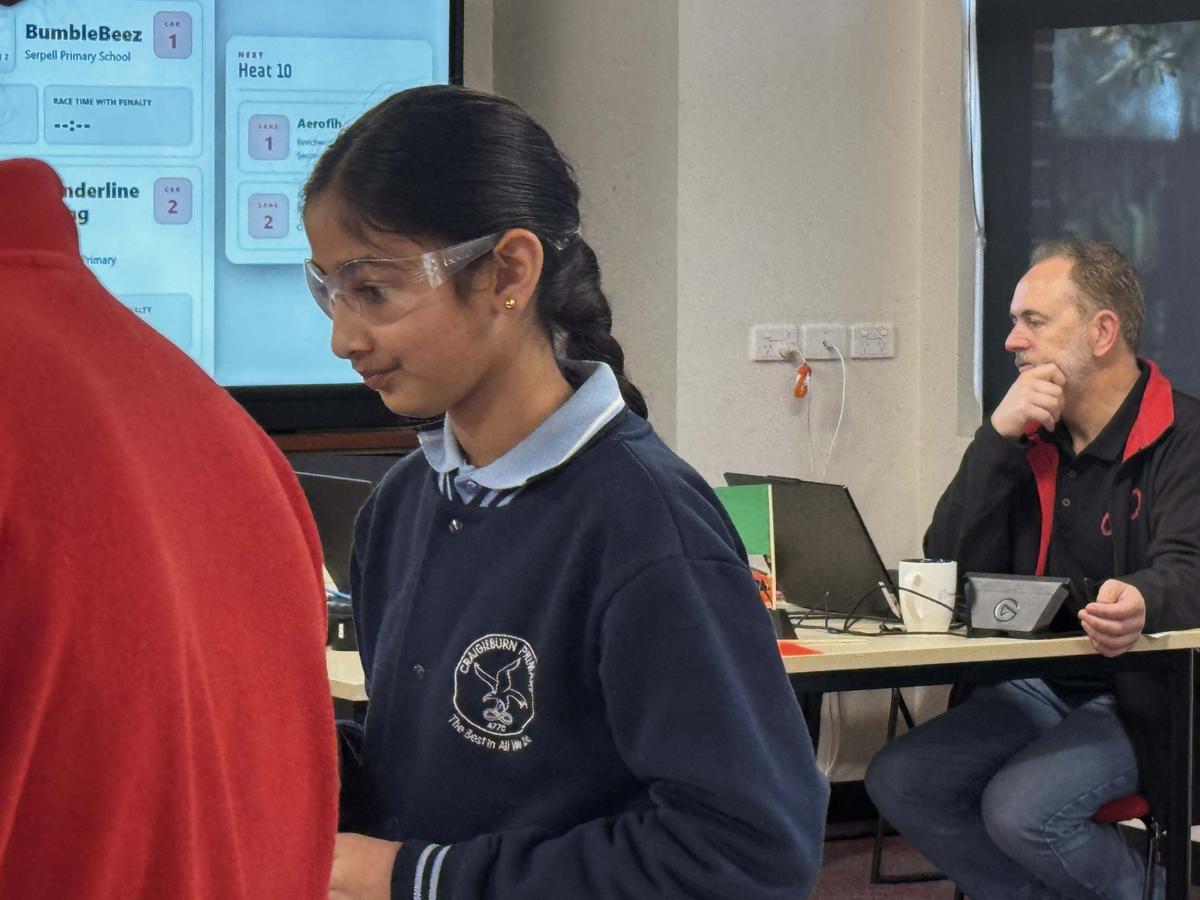
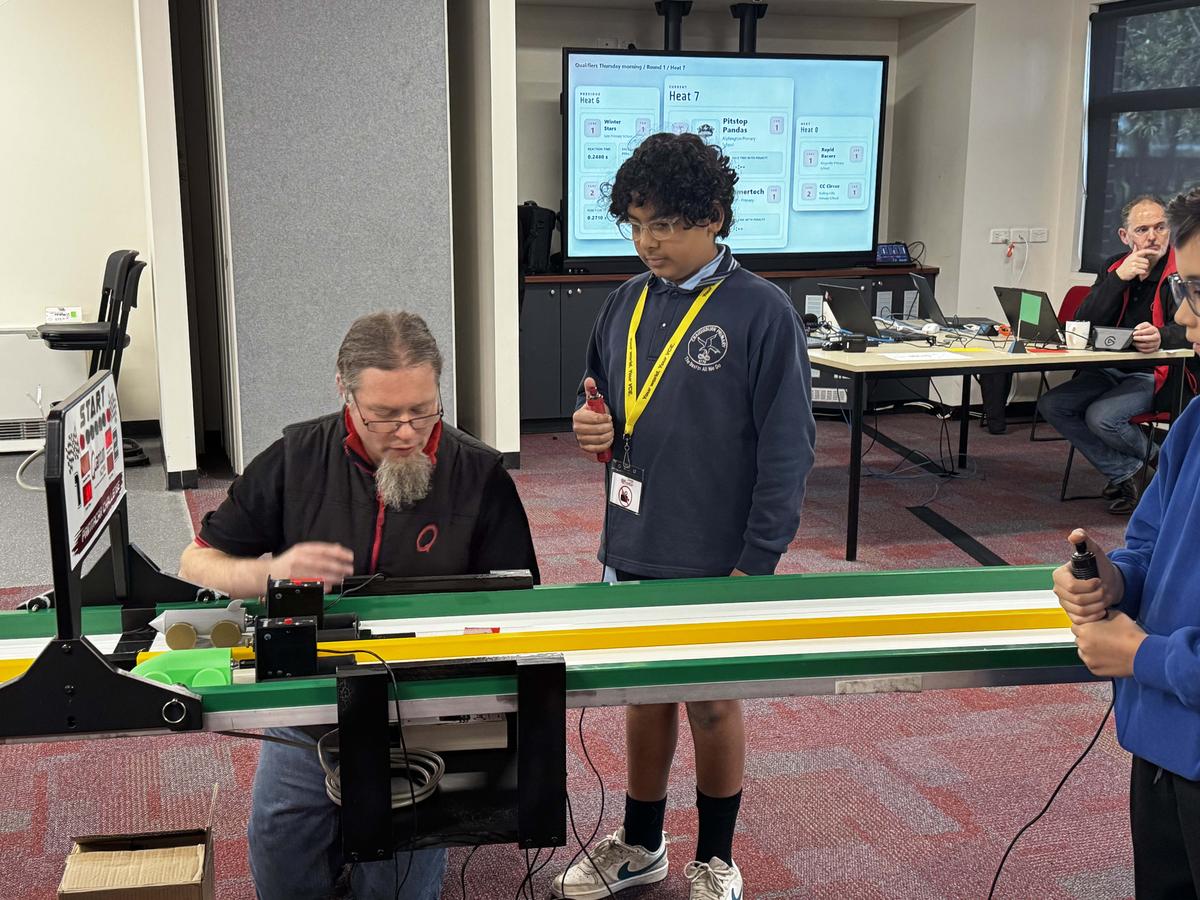
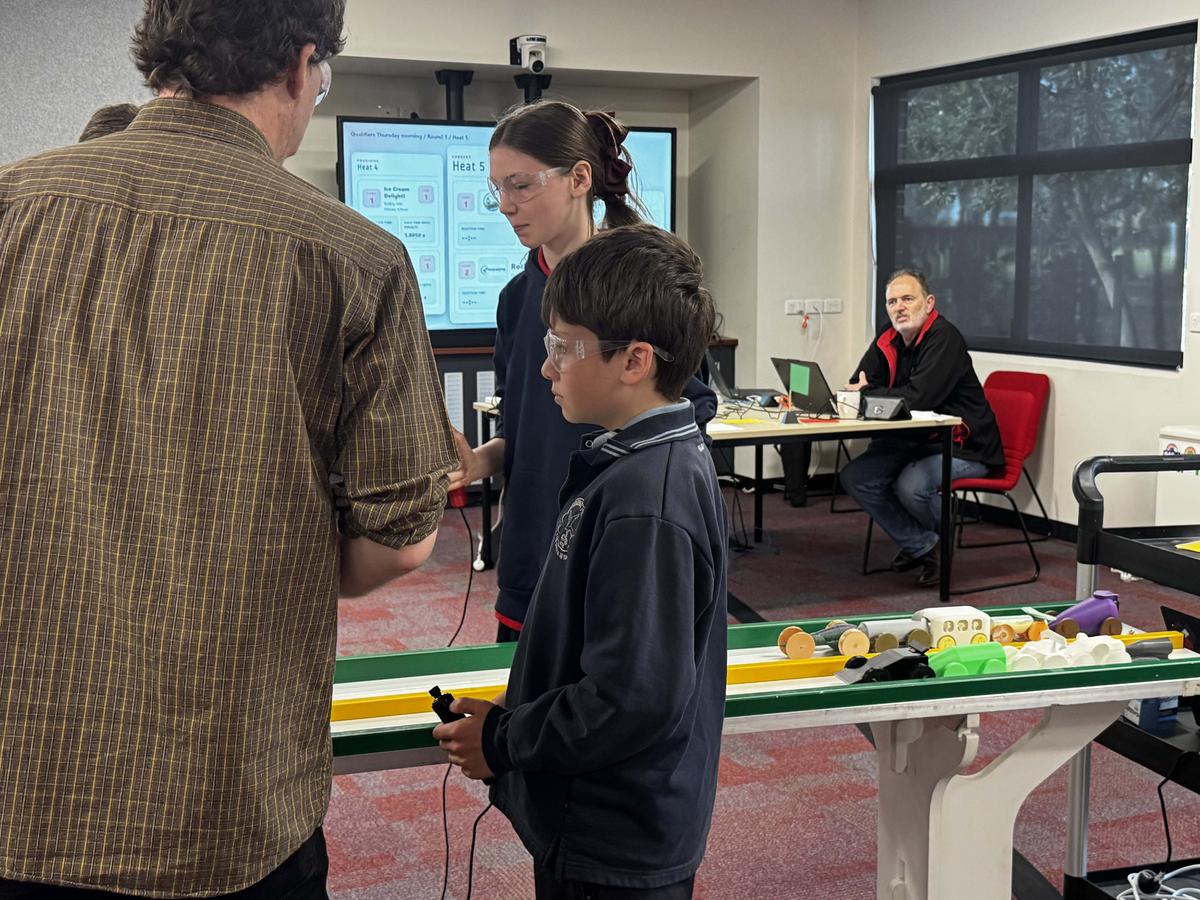
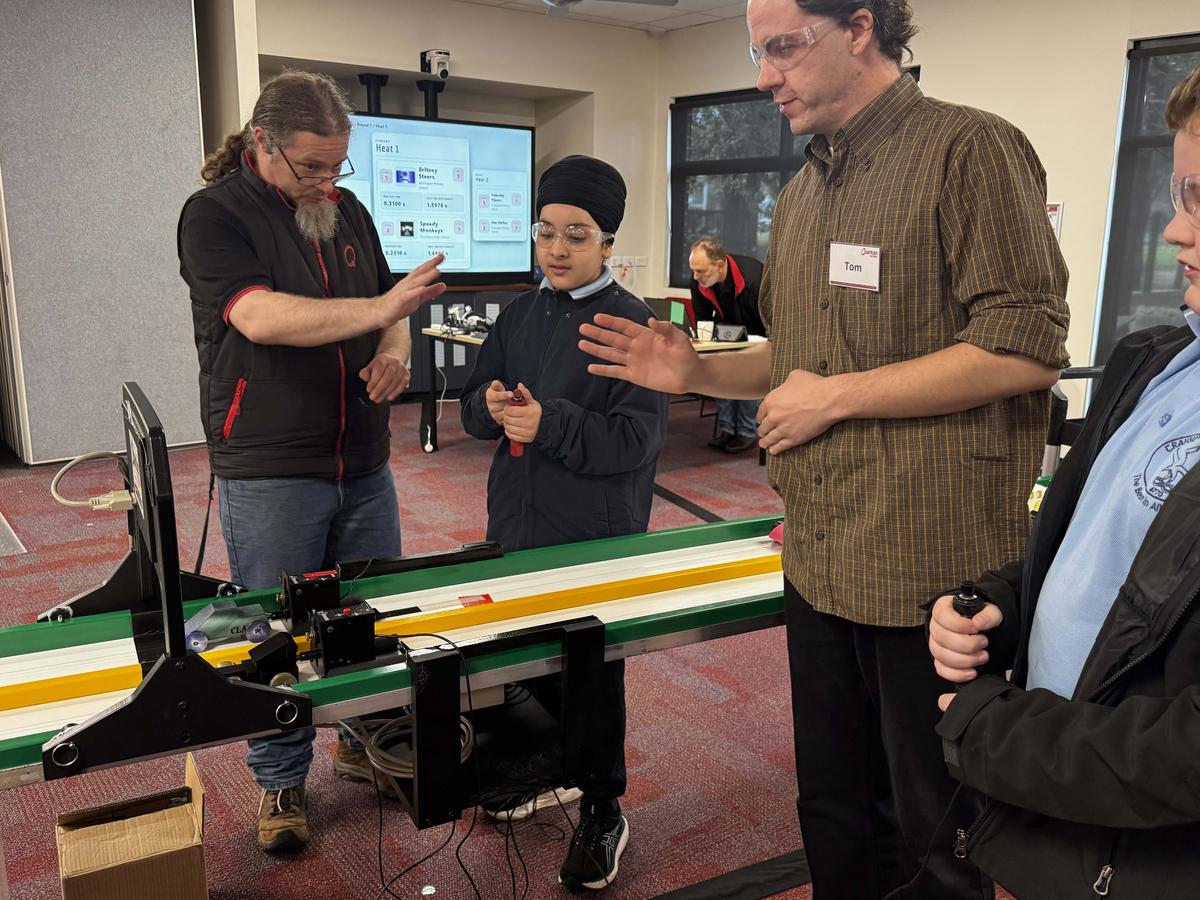
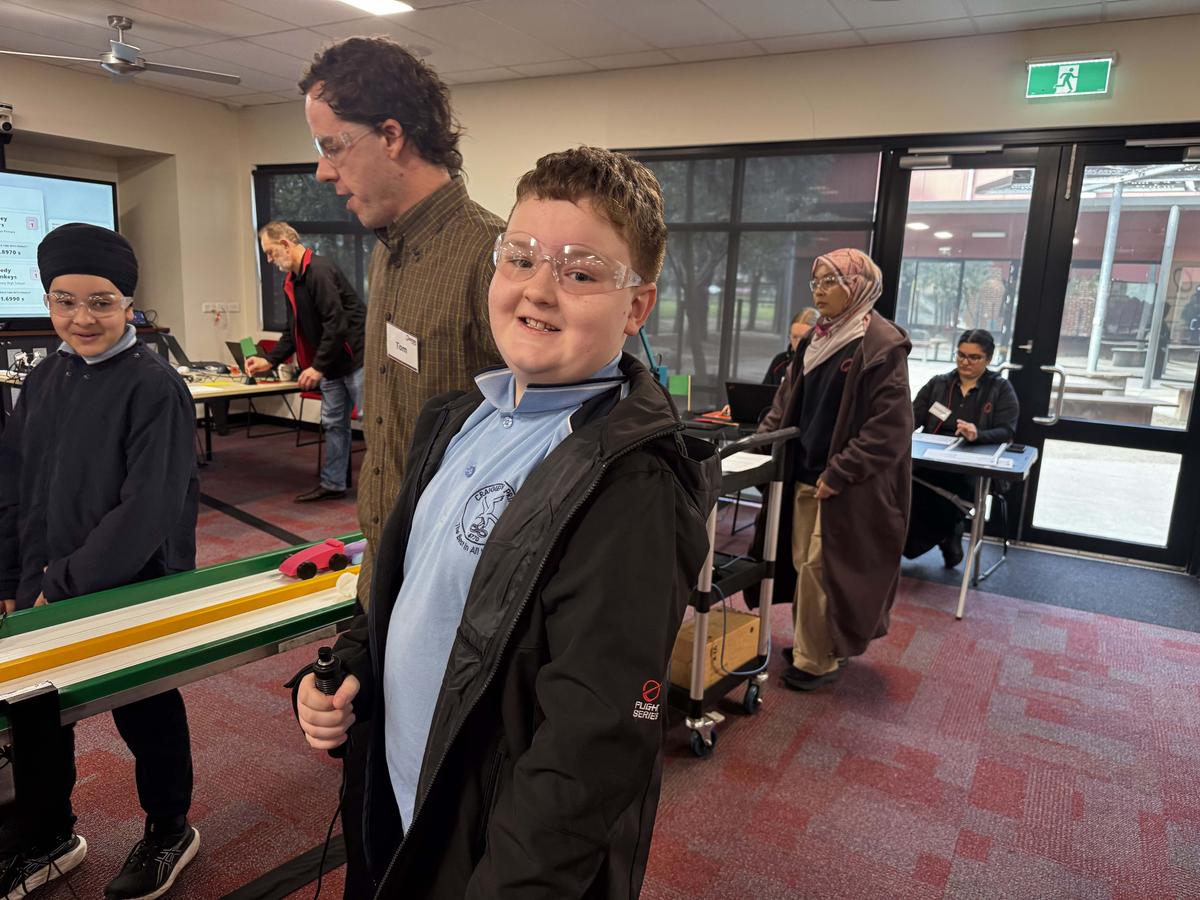
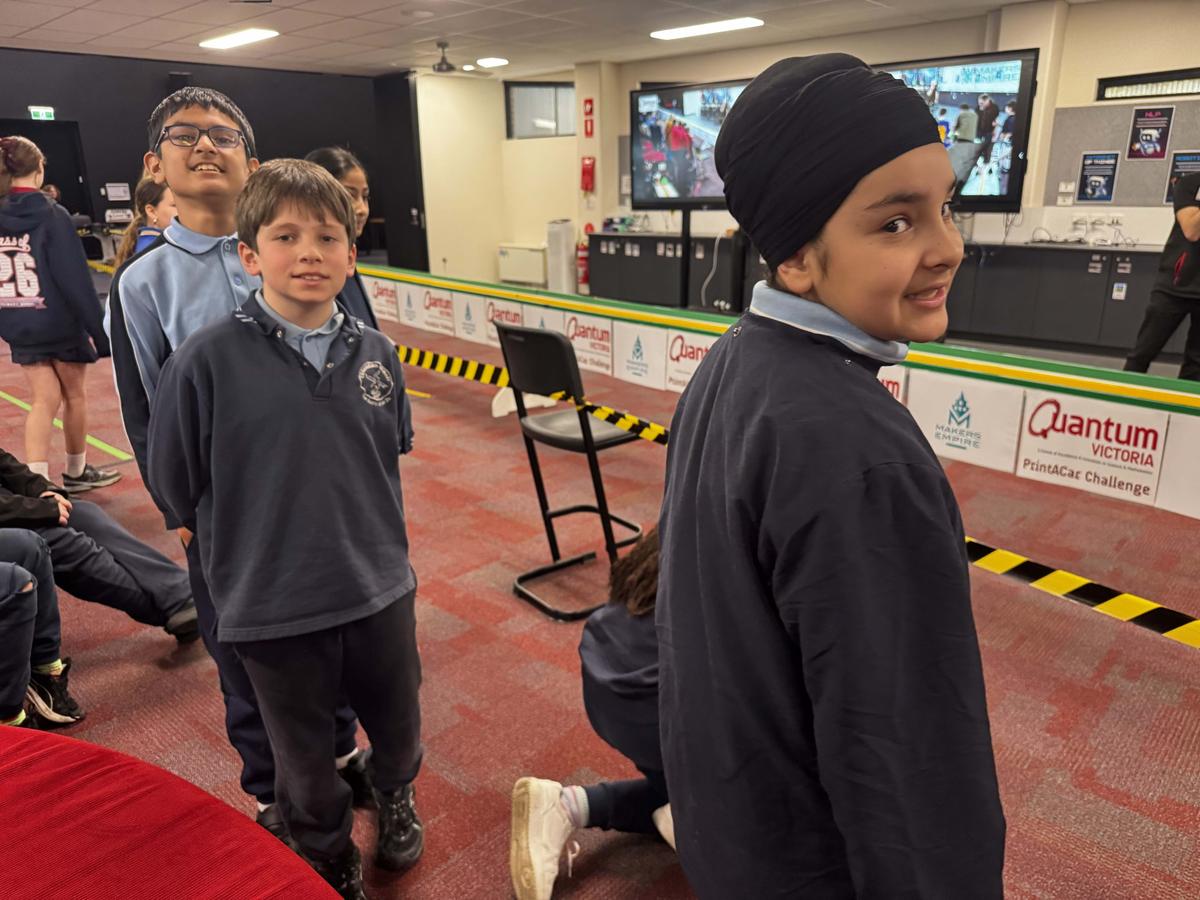
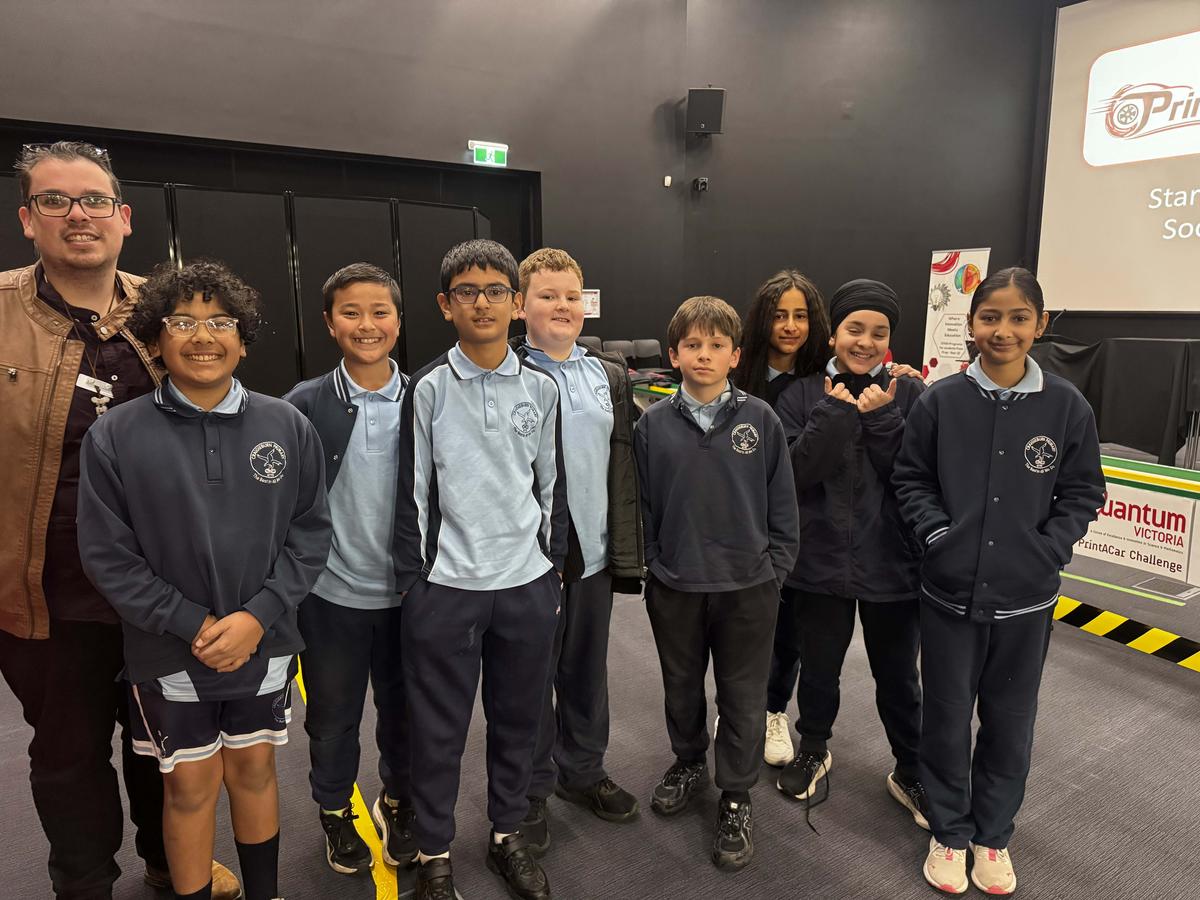
Although we are still eagerly awaiting the official results, our Craigieburn Primary School Print-A-Car teams did a fantastic job representing CPS at the Quantum Print-A-Car Challenge!
Competition day represented the culmination of many hours of designing, testing, problem-solving and teamwork.
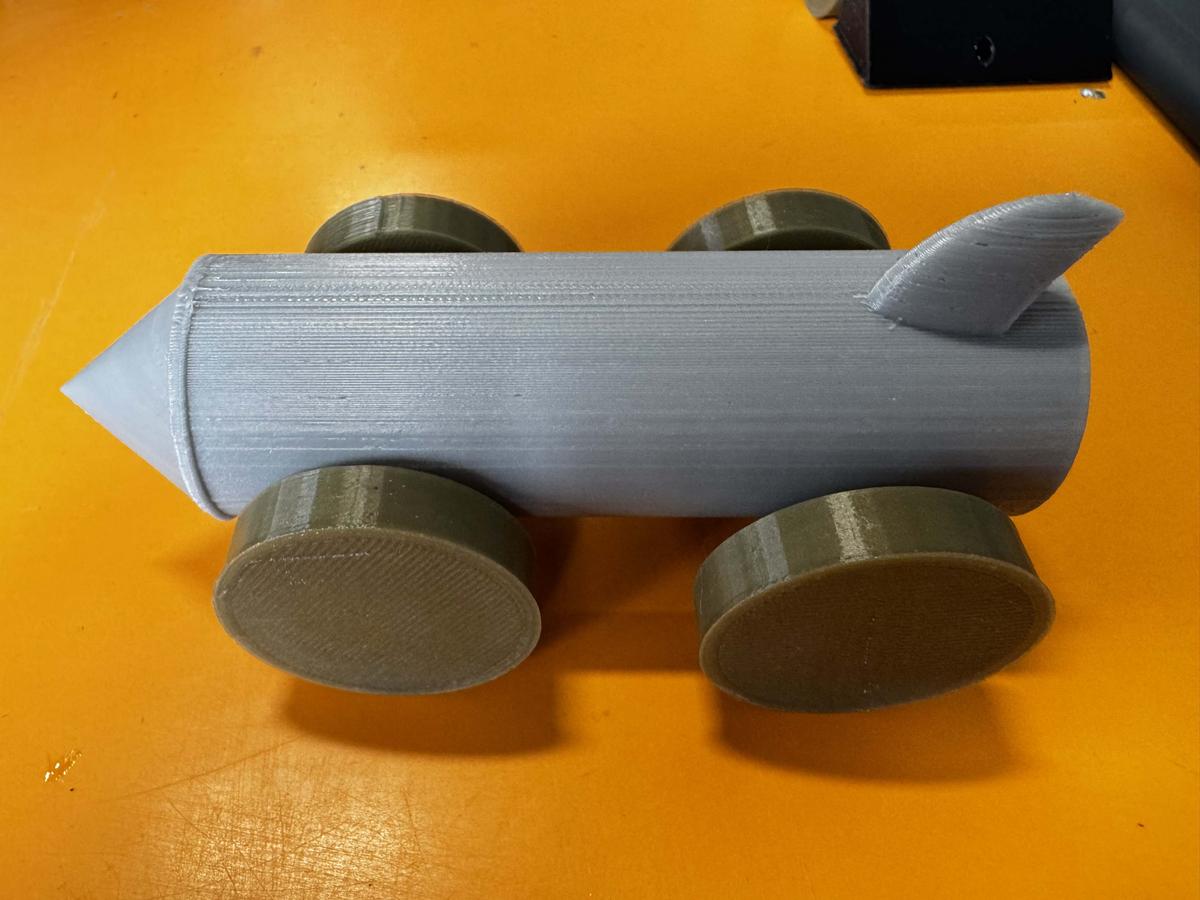
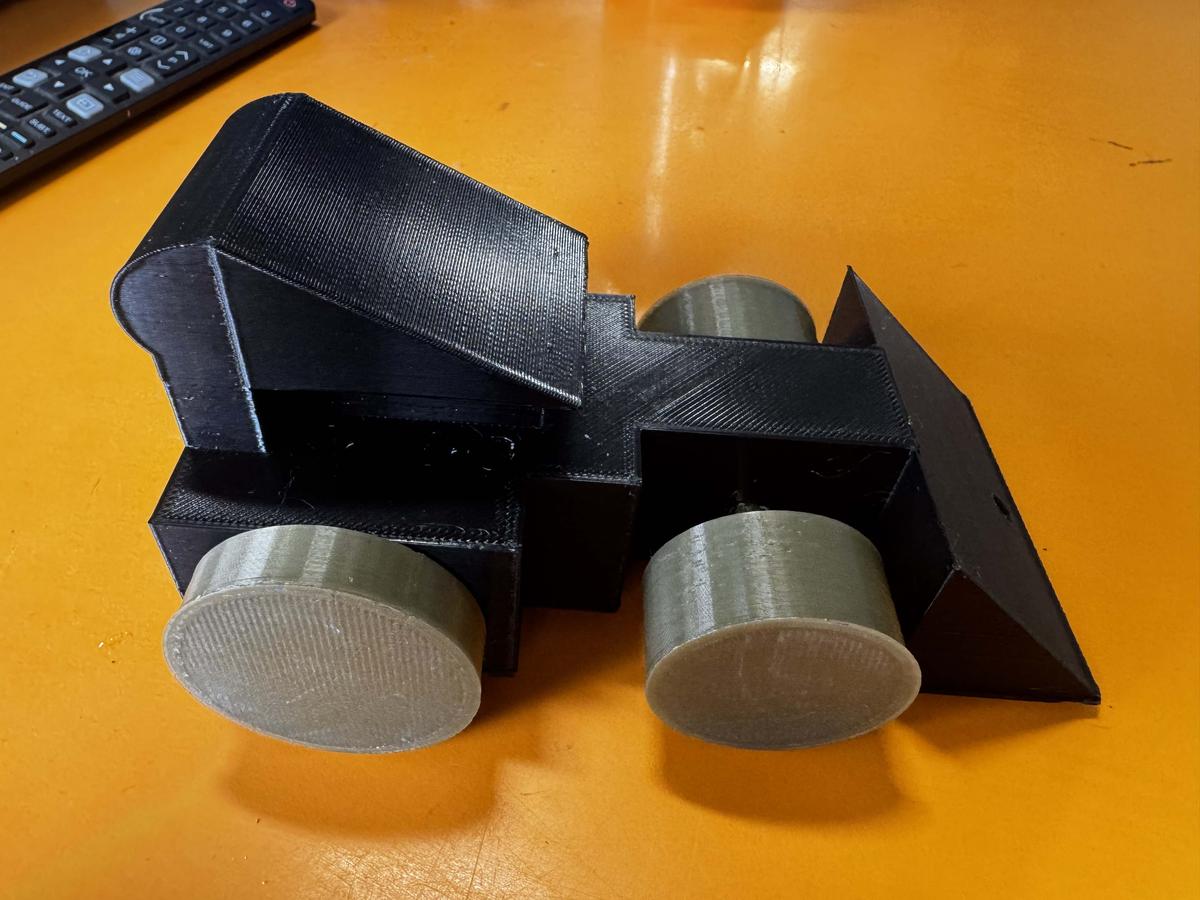
Each team began by designing their car digitally using TinkerCAD, before turning those designs into 3D-printed prototypes. Students tested their cars, identified problems, modified their designs and continued refining their ideas to try to achieve the best possible result.
Importantly, students also documented their journey in a design journal, recording their ideas, testing, observations, changes and the thinking behind their design decisions.
The Print-A-Car Challenge gave our students an authentic opportunity to experience the complete design process, demonstrating that great ideas rarely happen perfectly on the first attempt. They require creativity, persistence, testing, reflection and a willingness to keep improving.
Regardless of the final results, we are incredibly proud of the way our students represented Craigieburn Primary School with pride and showcased their creativity, teamwork, STEM knowledge and innovative thinking.