
Learner Diversity
Misophonia

Learner Diversity
Misophonia
Misophonia is a sensory sensitivity involving the central nervous system. The brain processes everyday sounds like threats which can activate a person’s fight flight or freeze response. This is an automatic and involuntary reflex response and is not in the control of person with Misophonia.
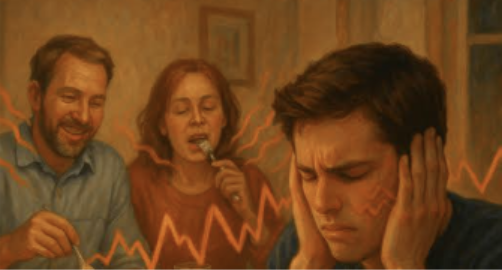
Common trigger noises include chewing, sniffing, sneezing, coughing, loud breathing, and repetitive noises such as tapping. People with Misophonia may react to their trigger sounds by flinching, tensing the body, exploding with anger, crying, removing themselves from the sounds and many internal bodily responses that can't be seen such as raised heart rate.
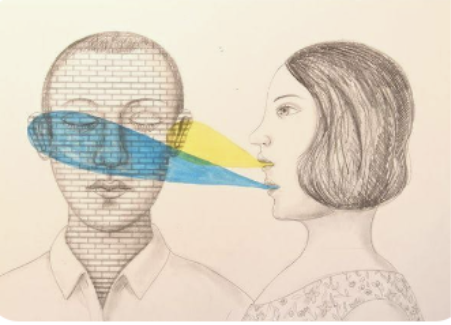
Supporting a person with Misophonia goes beyond saying things like “Just ignore it” offering support with validation, kindness and understanding is a great start. Reducing exposure to known triggers by offering headphones or allowing supervised distancing is helpful as is teaching regulation strategies.
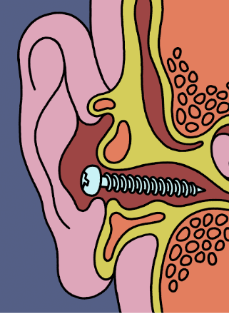
Calm, understanding trusted adults can help calm young people’s central nervous systems, allowing the brain to calm and reduce reactions.