









Deputy Principal – Wellbeing
Ms Vasiliki Spanos
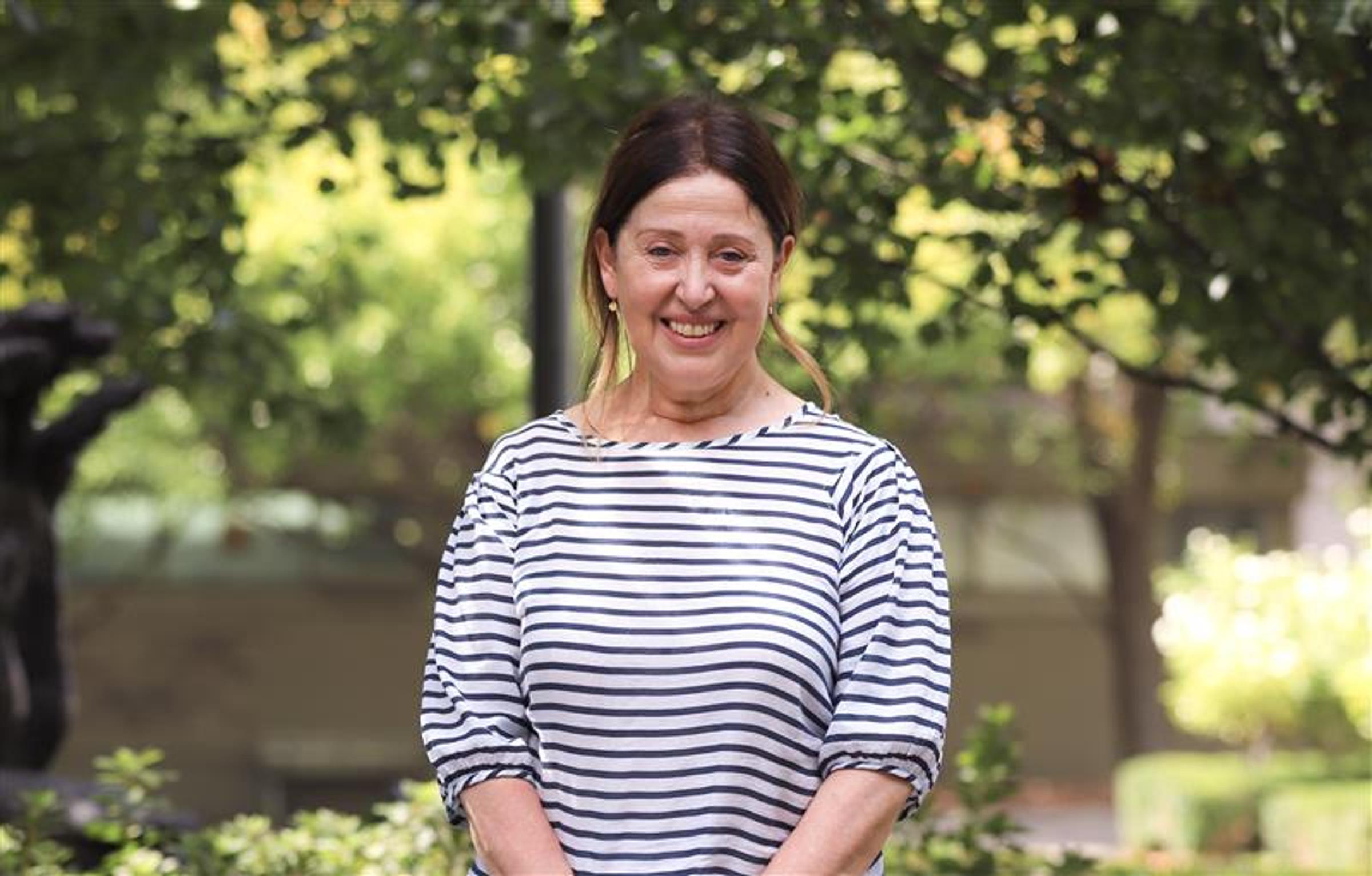
Deputy Principal – Wellbeing
Ms Vasiliki Spanos
With the first week of November upon us, students in Years 9-12 are focused on preparing for examinations. This period marks an important stage in the academic year as students consolidate the learning they have developed throughout the semester. For our VCE students, examinations represent the culmination of not only this year's learning but also many years of growth, perseverance and effort. As they engage with their learning under these conditions, now is more critical than ever to offer support in our young women and provide care that will be most beneficial for their examinations.
Support looks different for every student. What works for one person may not work for another, making conversations about support particularly important. Taking an autonomy-supportive approach by asking your daughter what she needs and listening carefully to her perspective sends a powerful message that you care and that her voice matters.
Often, the most effective forms of support are the simplest. A quiet place to study free from distractions, opportunities to relax and recharge, adequate sleep, nutritious food, regular check-ins and reassurance can all make a significant difference. Most importantly, young people need to know they are valued for who they are, not for the marks they achieve.
According to Professor Martin from the Media Centre for Education Research Australia (MCERA), the ability to adapt is a key feature of a healthy examination period. He continues by asserting that there are three forms of adaptability: behavioural, attitudinal and emotional. These characteristics may encompass the slightest of changes – seeking help when you normally wouldn’t ask, re-framing your mentality to be more positive before heading into examinations or even managing unexpected questions with a sense of composure rather than fear.
Beyond adaptability, there are two important areas of our wellbeing that may benefit how we approach examination periods. They are nutrition and sleep.
Recent research from the University of Sydney, published in Child and Adolescent Mental Health, highlights the connection between nutrition and adolescent mental health. The 2026 study followed more than 6,500 students over four years and found that each additional daily serve of fruit was associated with a lower risk of depression and anxiety. In contrast, higher consumption of sugar-sweetened drinks, such as soft drinks and sports drinks, was linked to an increased risk of both conditions.
While healthy eating is important throughout adolescence, it becomes especially valuable during periods of increased academic demand. The study shows that ‘Nutritious foods provide the energy and concentration required for learning, revision and exam performance.’. The findings remind us that small choices, including an extra piece of fruit each day, can contribute positively to both physical and mental wellbeing.
Sleep is another essential ingredient for successful learning and exam preparation. During sleep, the brain consolidates new information, strengthening memory and supporting attention, self-regulation and learning. Sleep deprivation can reduce a student's ability to retain information, concentrate effectively and perform at their best.
The findings from the Growing Up In Australia Longitudinal Study of Australian Children show that large numbers of Australian adolescents slept less than the recommended minimum for healthy growth, learning and development. Up to half of Australian teenagers do not get enough sleep, with common disruptions including screen time, study pressures and social activities. While staying up late to revise may seem beneficial, it is often counterproductive when it compromises sleep.
Parents can best support their teenagers by helping them establish realistic sleep routines, encouraging healthy study habits and reducing screen use before bedtime. And remember, during examination season, good sleep is not time lost; it is an investment in learning, wellbeing and performance.
Wishing all our students the best of luck in their examinations.
Ms Vasiliki Spanos
Deputy Principal Student and Staff Wellbeing