HUMANITIES LEARNING AREA

YEAR 11 MARKET STALLS
The Year 11 Business Management and VCE VM students successfully ran their business stalls on 14 May after many weeks of planning and writing their business plans.
In order to run a stall, the students were required to complete a business plan, register their business name, fill in a partnership agreement, prepare a cost analysis for their inputs and work out a sell price for their goods, undertake market research to determine how many people would buy their products, what price they were prepared to pay, and much more.
The students also had to prepare a risk assessment that covered hazards such as slips, trips and falls, burns, etc. These steps are an important learning experience for students as it gives them an idea of what current small business owners are having to do in order to continue trading.
Thursday 14 May arrived and it was a beautiful sunny day. We had some stalls operating at recess and a rush of students and staff supported the stall holders. Lunchtime came quickly, and students were met with a large selection of food to buy. The Year 11 stall holders provided tasty food options with friendly service and it appeared that all students enjoyed the day.
I would like to thank every staff member who assisted us to run the stalls, and every student who supported the Year 11 students. It was a great day.








A VISIT TO THE MAGISTRATES' COURT: JUSTICE IN ACTION
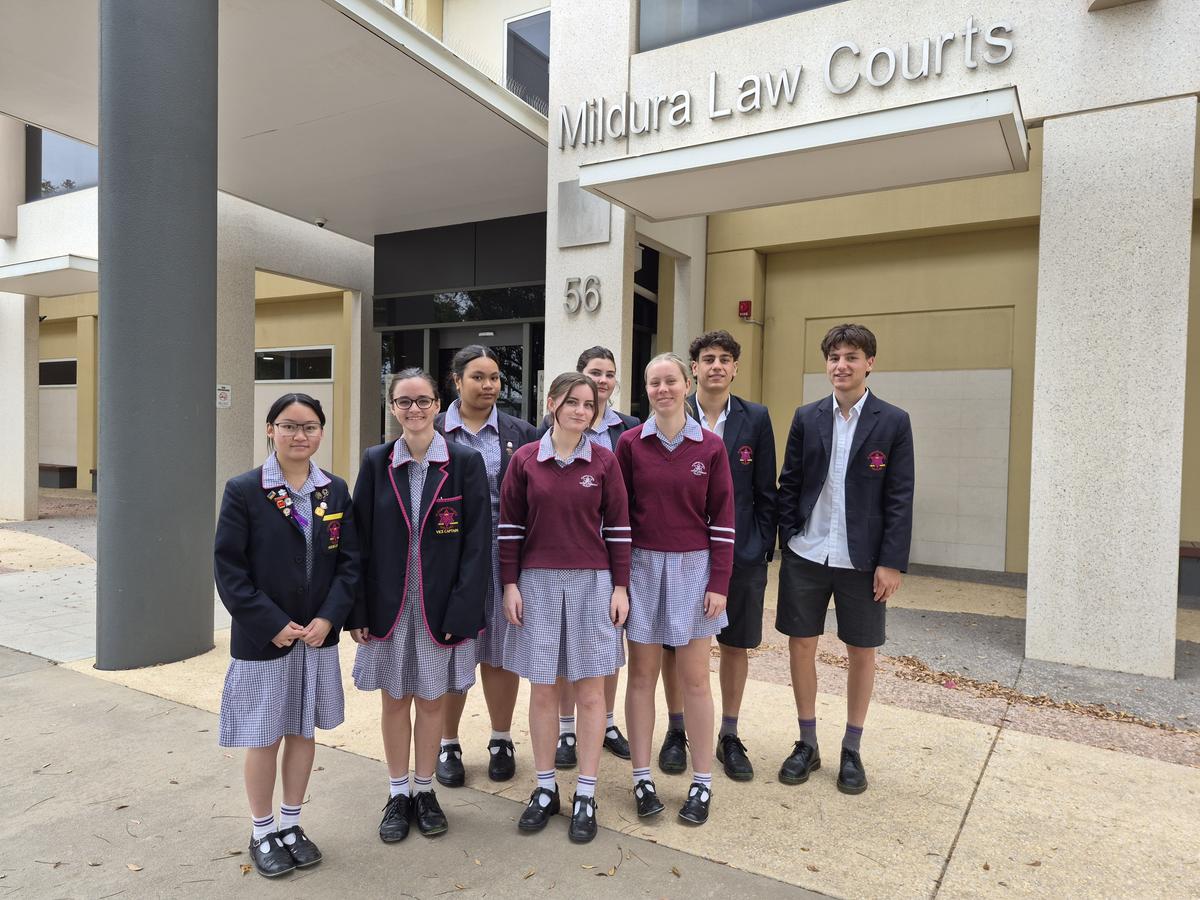
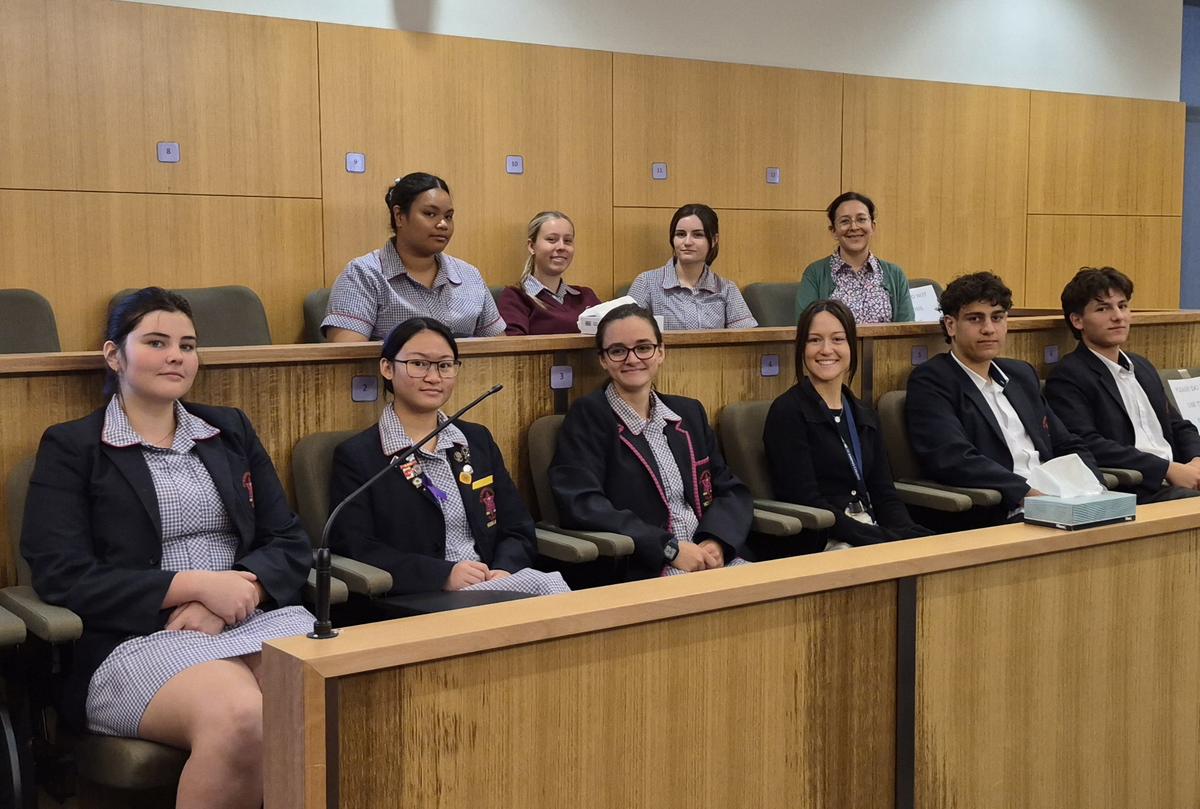
A recent visit to a local Magistrates’ Court by all our Legal Studies classes offered a powerful insight into how the justice system works in everyday life. This visit enabled our students to bring classroom learning to life and demonstrated how legal principles are applied in real situations. Most importantly, it showed that justice is not about quick decisions, but about thoughtful judgement and a commitment to fairness for all.
At the heart of every case is the principle of fairness. Magistrates must listen carefully to both the prosecution and the defence before deciding. Every person who comes before the court is entitled to have their case heard impartially, regardless of their background or circumstances and afforded the presumption of innocence.
One of the key responsibilities of a magistrate is to determine an appropriate sanction, or penalty, when someone is found guilty of an offence. This is not as simple as choosing a punishment. Instead, magistrates must carefully weigh a range of factors to ensure the outcome is just and appropriate. For example, they consider the seriousness of the offence, the harm caused, and whether the offender has committed similar offences in the past.
Importantly, the court also considers the idea of rehabilitation. This means helping offenders to change their behaviour and avoid reoffending in the future. In some cases, rather than imposing a harsh penalty, the court may prioritise programs such as counselling, community service, or treatment for underlying issues like substance abuse. This reflects the belief that the justice system should not only punish wrongdoing but also support positive change. This was a particular highlight for our Year 11 students, who witnessed the magistrate debating whether to send a drug offender to prison even though they had successfully completed 12 months of rehabilitation and had another 10 months to go. In the end, the magistrate determined that sending them to prison would start the drug addiction again and added the rehabilitation into a community corrections order.
Magistrates must also consider aggravating and mitigating factors. Aggravating factors are elements that make an offence more serious, such as if it was premeditated or involved harm to others. Mitigating factors, on the other hand, may reduce the severity of the penalty. These can include showing remorse, having no prior criminal record, or demonstrating cooperation with authorities. Again, in the example above, mitigating factors of a guilty plea and voluntarily undergoing drug treatment were considered as mitigating factors.
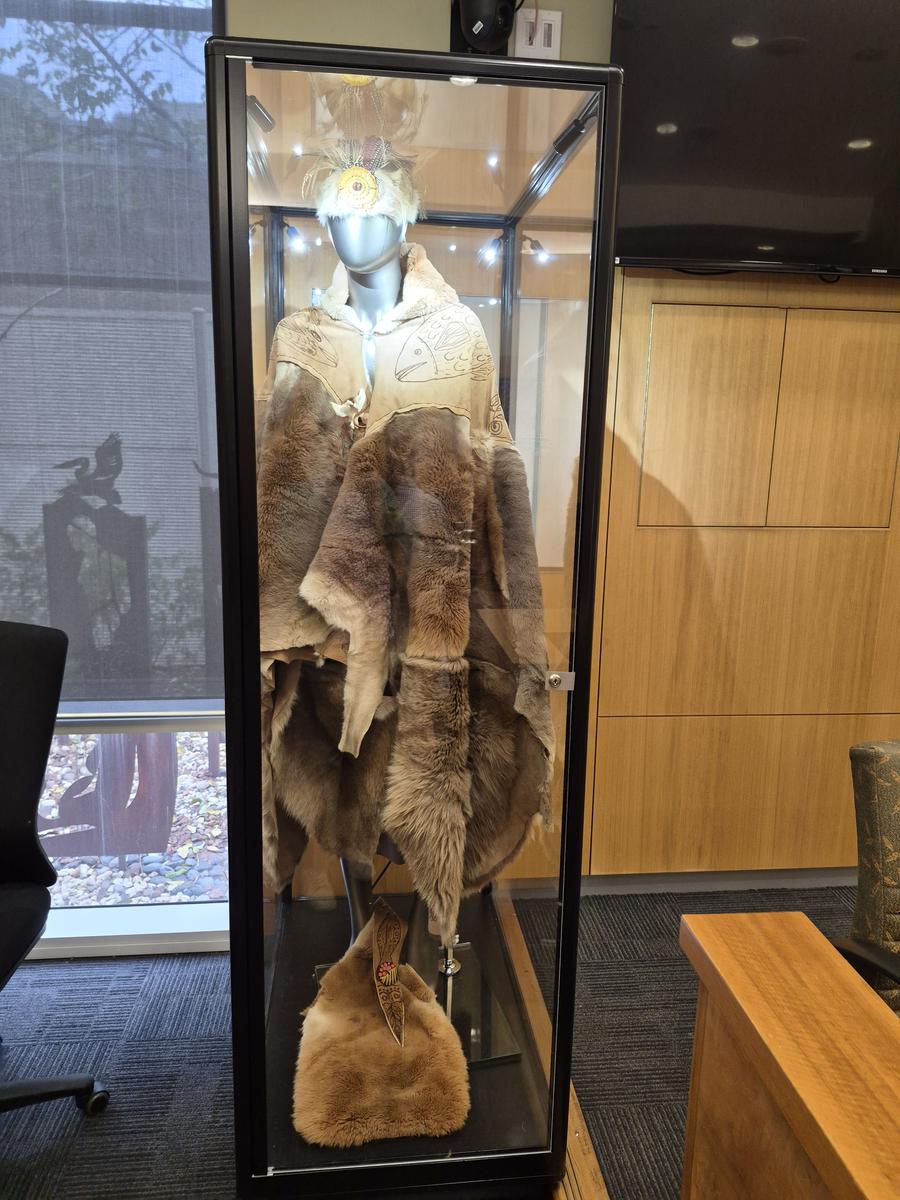
Observing a Magistrates’ Court highlights the careful balance that must be maintained between punishment, fairness, and rehabilitation. Each decision is made with the aim of upholding the law while also considering the broader impact on individuals and the community. We were also given a tour of the County and Supreme Court rooms, the Koori courtroom, the jury room and the link to the Police station by our local court registrar.
Mrs Andrea Chamberlain
Humanities Learning Area Facilitator