
Principal's Message
Jess Davis (Principal)

Principal's Message
Jess Davis (Principal)
Dear MTPS Community,
I hope you’re all well and settled back into school! I am writing this while on a bus leaving Ephesus in Türkiye on the way to Laodicea, one of the seven churches written about in Revelations, known as the 'church of lukewarm faith'.
I wanted to take this opportunity to let you know about my pilgrimage so far, following the footsteps of St Paul. We have had some wonderful opportunities to learn more about St Paul and connect with our faith. I have written reflections about only three - Ancient Corinth, Baptistery of Lydia and the House of the Virgin Mary.
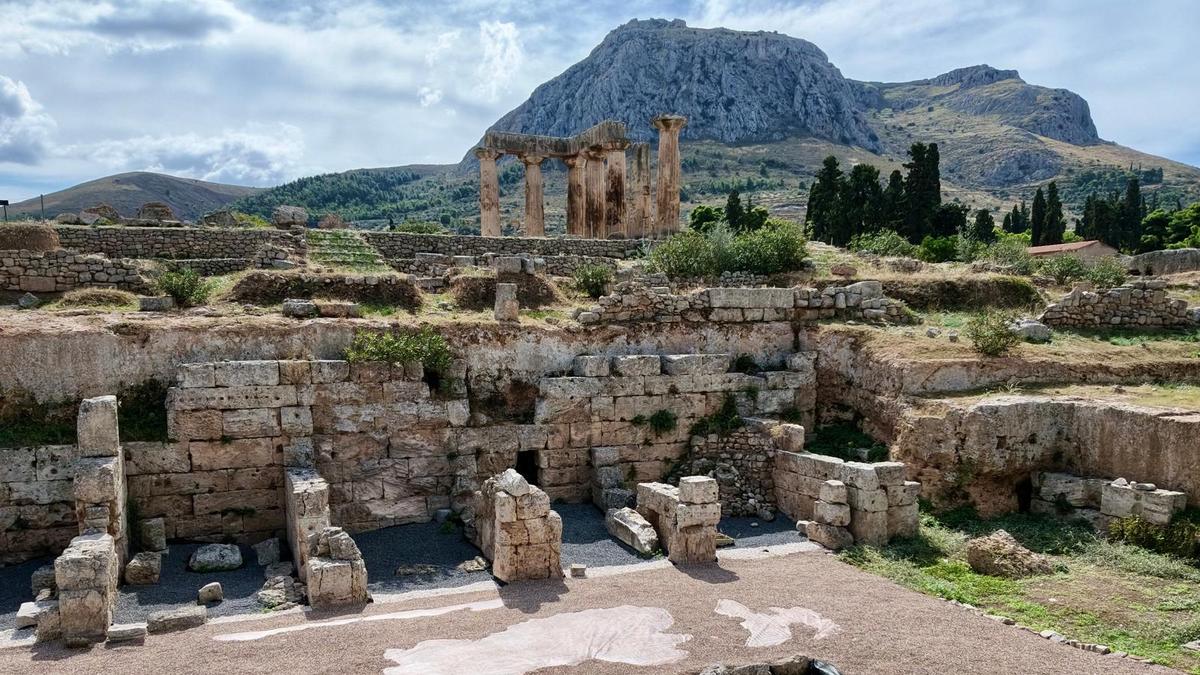
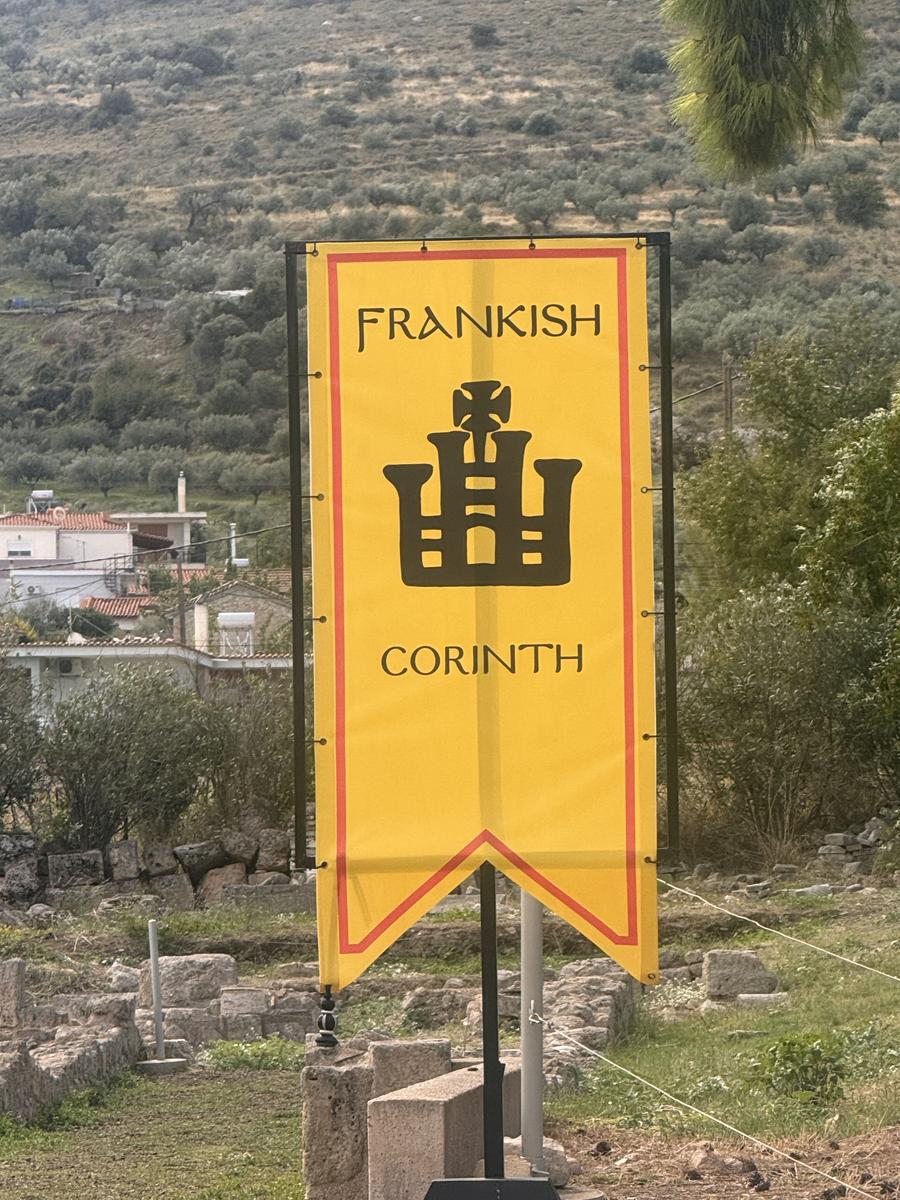
It was incredible standing in the ruins of the ancient town where Paul wrote one of his most famous letters to the people of Corinth reminding them of his and ultimately Christ’s love and care for them.
As a group, we had a prayer service reading through and reflecting on the words from 1 Corinthians and while the verse love is patient, love is kind is often used as the first reading in weddings (certainly was used in my wedding!), this letter to the people of Corinth was more than a romantic love, it was written as a reminder of the love for people. It reminded me of our role as teachers in our Mother Teresa community, of the love we have for ‘our people’ never fails!
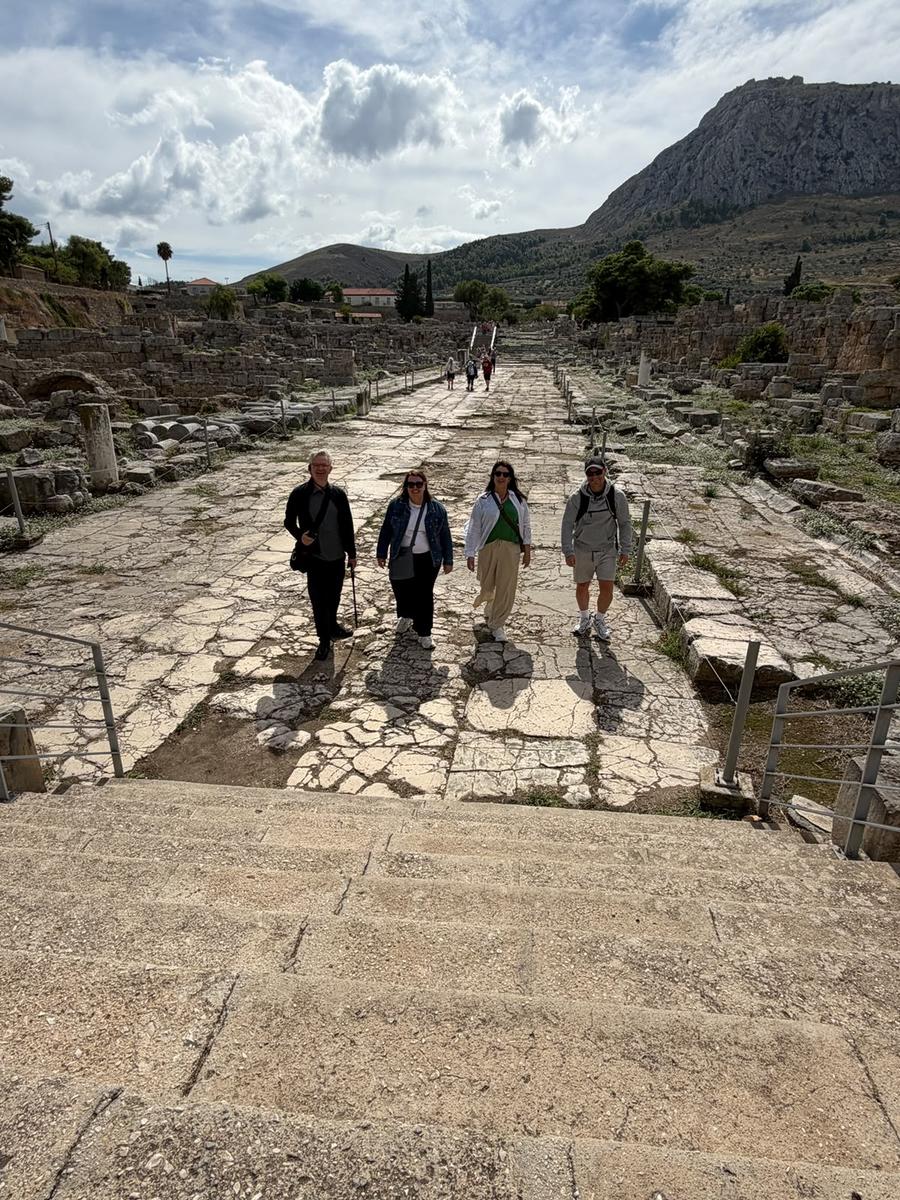
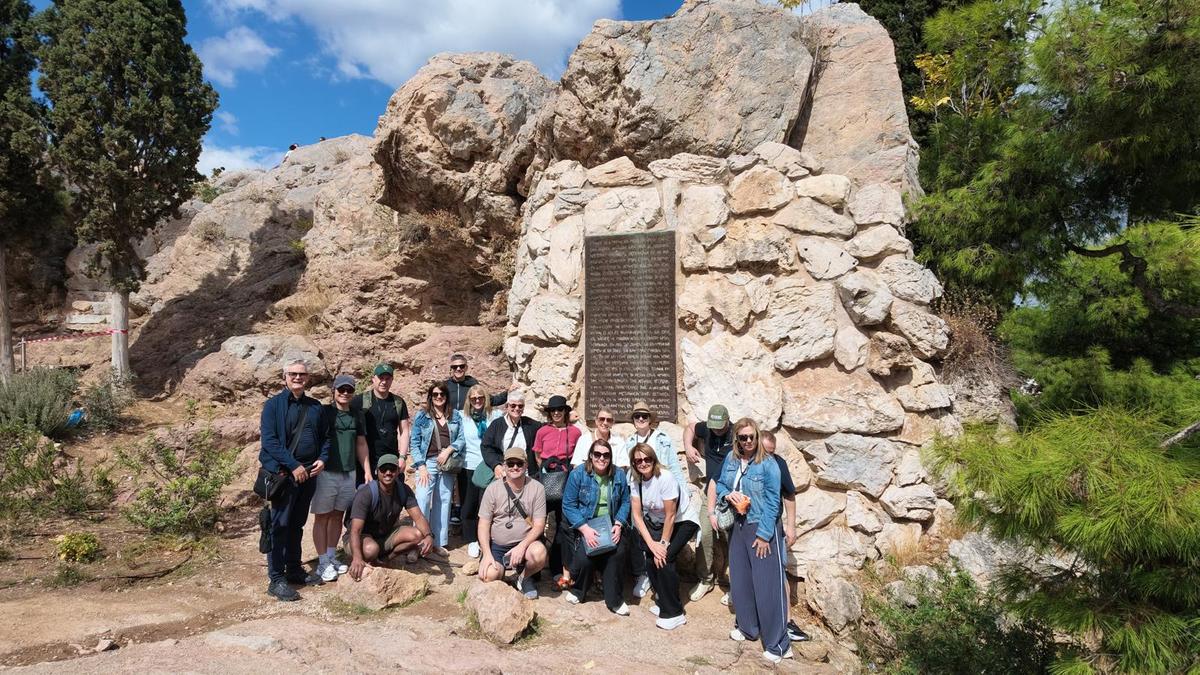
Walking the exact cobble stones that the apostle Paul would have walked (seen in the first photo) seeing the town centre where he possibly sold tents (his trade was as a tent maker) and the Bema of St Paul where the Roman officials sat persecuting St Paul who stood at the bottom (as written about in Acts and show in in the second photo) was such an incredible experience.
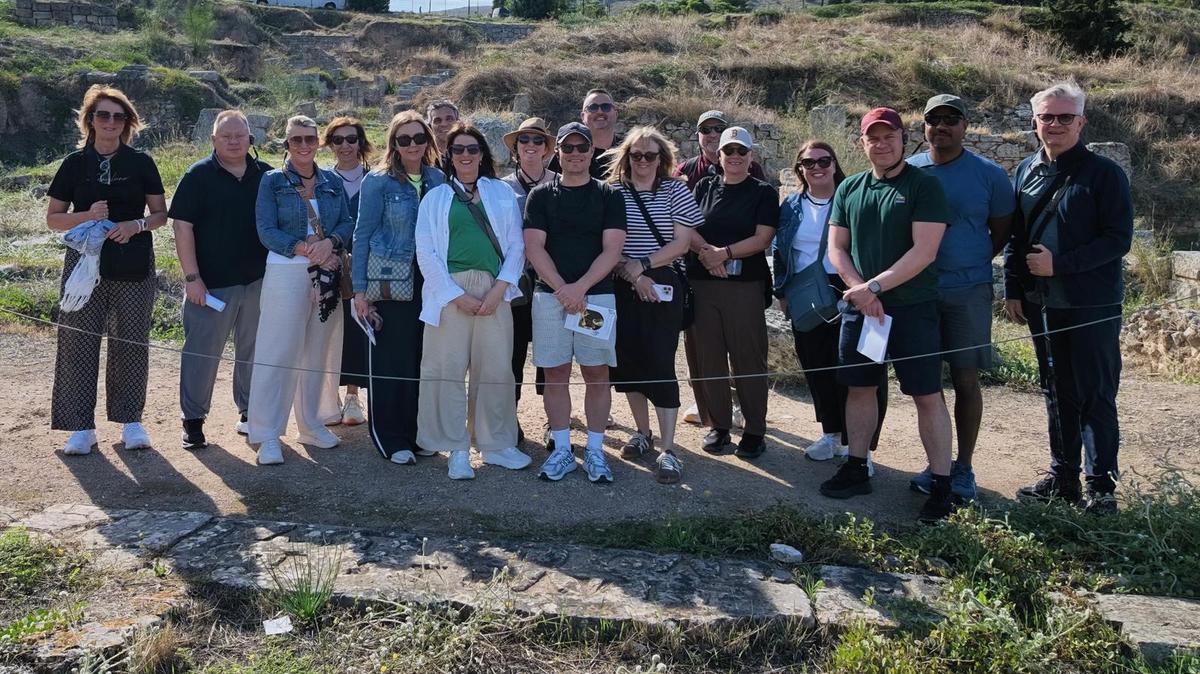
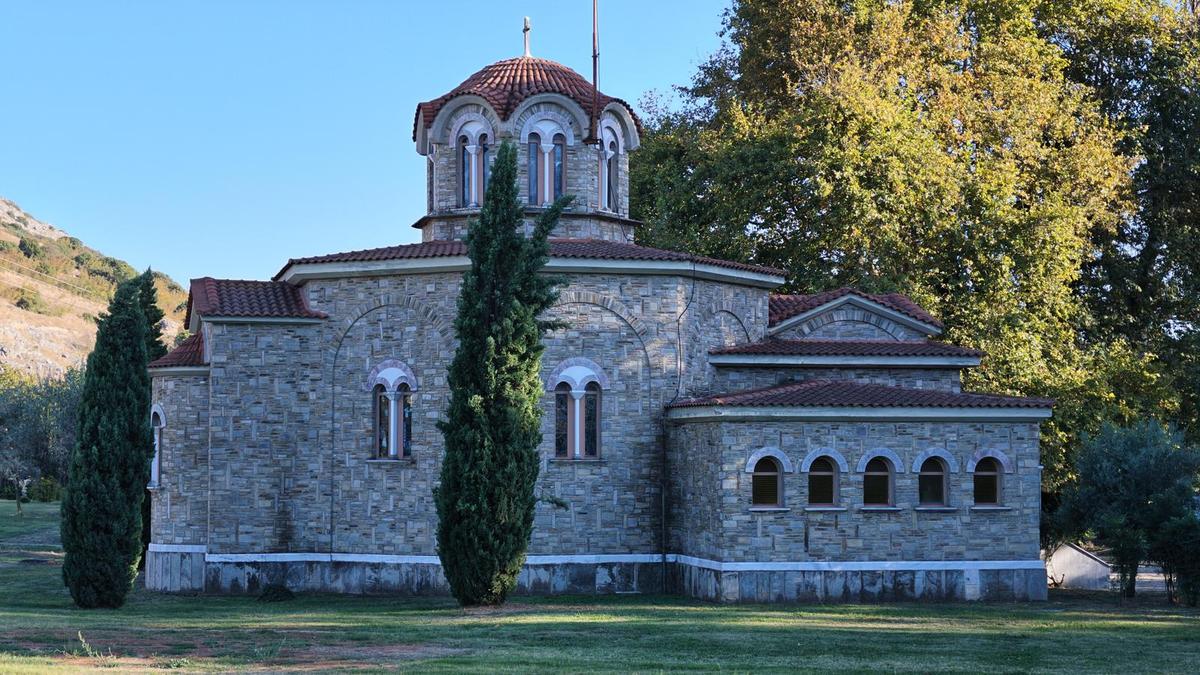
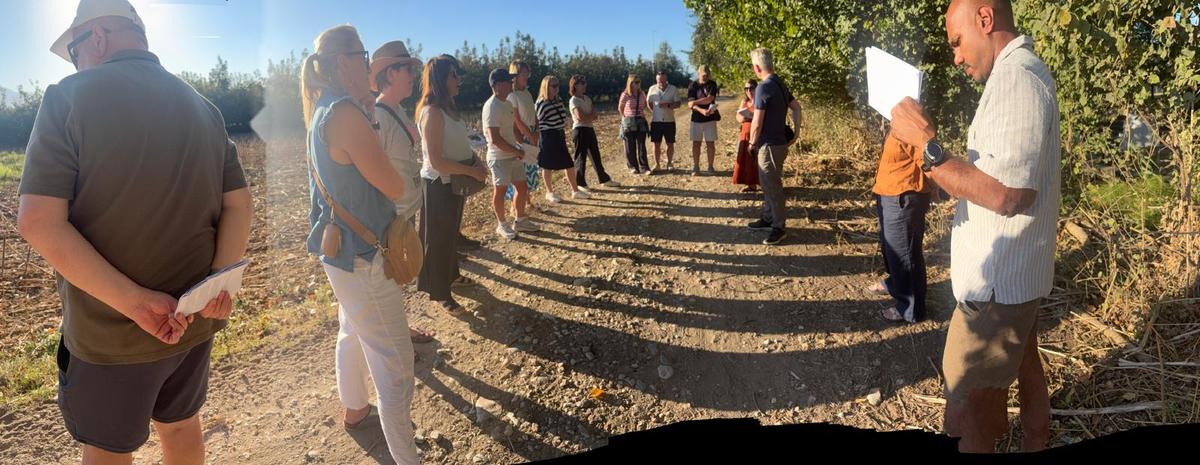
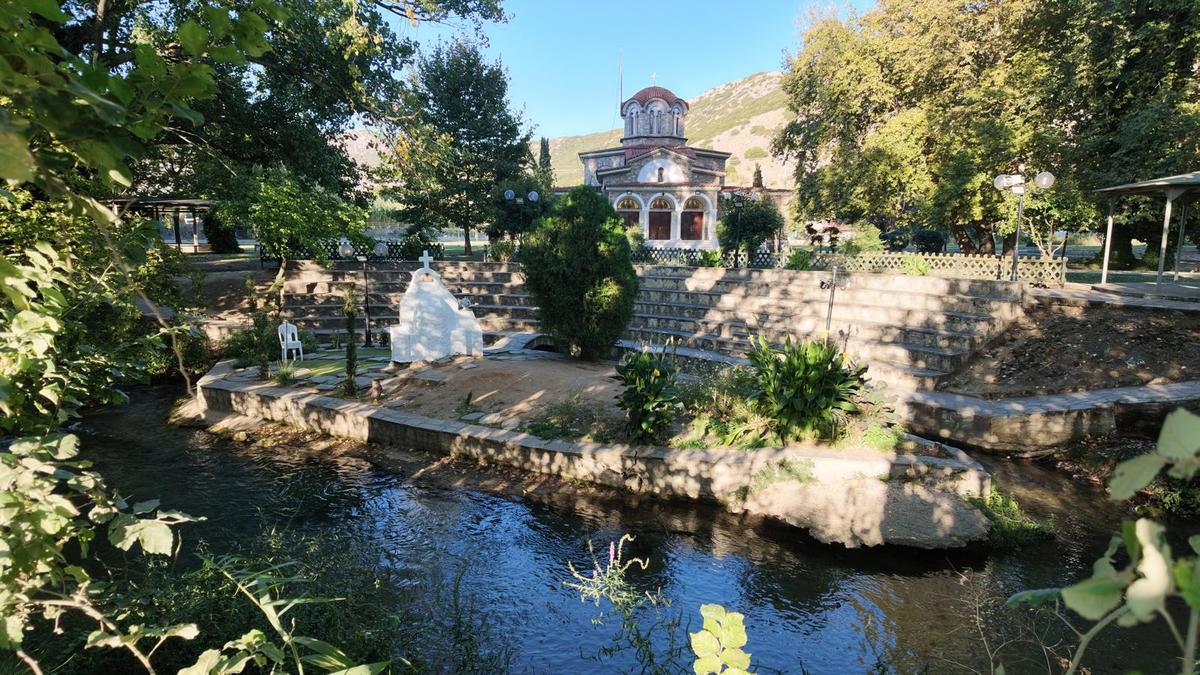
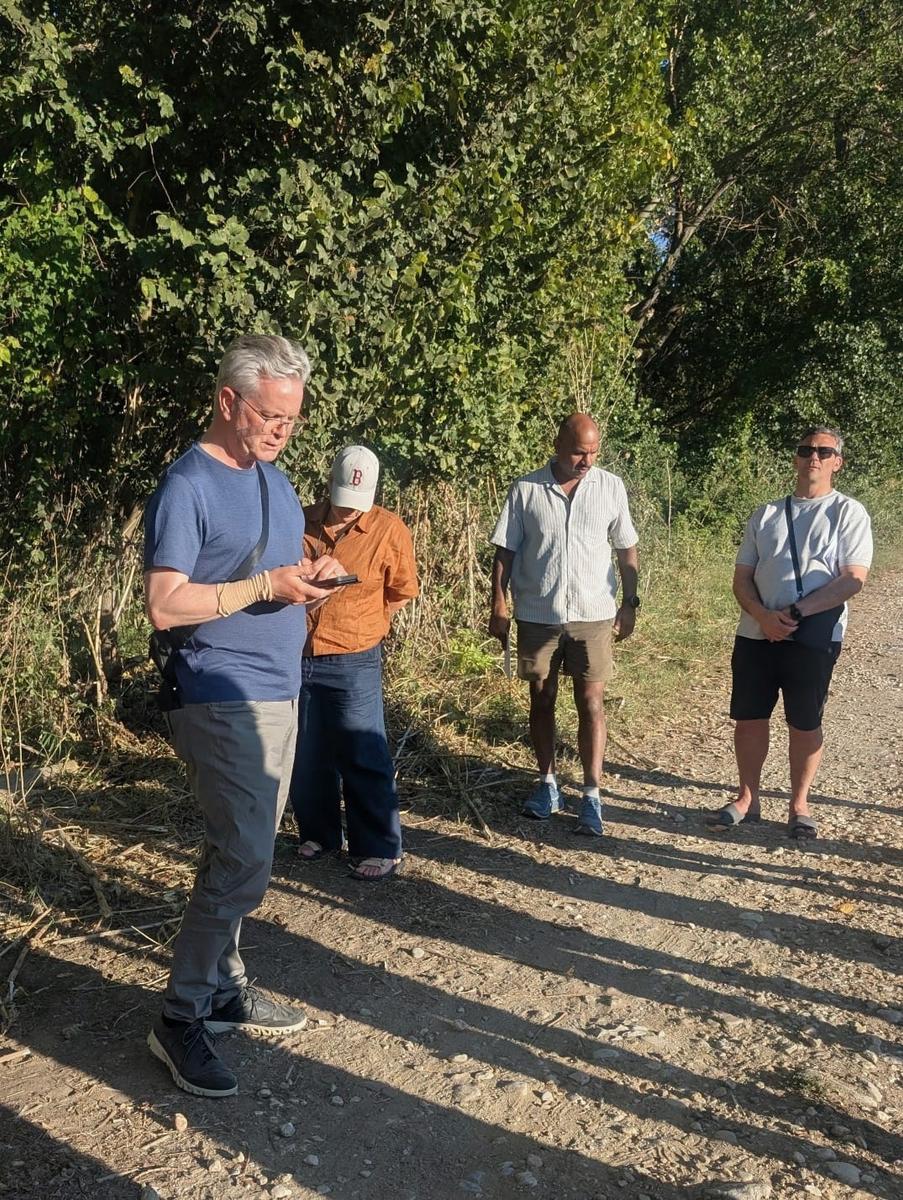
A place that I have always wanted to visit was the baptistery of Lydia. Lydia is a woman of faith who has always fascinated me as a woman being named in the Bible, who is elevated for that reason alone. Whilst the baptistery was unfortunately closed, we managed to find a place outside the fences where we could gather, listen to the babbling creek, see the monuments and learn about Lydia. Ironically, a little like the very early Christians gathering in the dusty roads and hot sun!
We learnt about Lydia's interaction with Paul, the first occasion in Acts that a woman speaks more than two words. Lydia was a Jew, or a god fearer. She was involved at the margins of a women’s assembly in the city of Philippi, but she was influential. Lydia hailed from Thyatira (modern-day Türkiye), which specialised in producing purple dye and purple cloth, luxurious textiles for the elite and nobles of the time, such as modern brands like Hermès, Prada, Gucci today. Working in the trade of luxury fabric, Lydia was an intelligent, successful and independent businesswoman, and as a result, wealthy. Lydia was either an exporter-importer of purple cloth and dye or the sales rep for her own product placed in Philippi. Although it’s common for women to own homes in our day and age, it would have been extremely rare in Lydia’s culture. Her home was large enough for her own family, potentially her employees, and room to spare to host the Philippian church and the four visiting preachers who shared the Gospel with her. We don’t know if Lydia was divorced or widowed when she arrived in Philippi, but some scholars contend she was a hardworking single mother with multiple children. She was married at one time but was no longer married when the apostle Paul, Luke, Timothy, and Silas met her in Acts 16.
On the apostle Paul’s second major missionary trip, he met Lydia. He had set sail from Troas, a Greek city located in today’s Türkiye, with Silas, Timothy, and Luke. When the four men arrived in Europe, their first stop was Philippi, where Lydia was then living. They stayed for a few days in the city, and then on the Sabbath day, the men went outside the city gate by the river, where they found a place of prayer. The way Luke tells the story in Acts 16, Lydia had gathered some of her friends together to pray, when Paul approached her and shared the good news of the Gospel. Although Lydia was not a Christian when she decided to gather with her female friends for a spiritual gathering, the Scriptures make it clear that when she met Paul outside the city gates of Philippi, she already bore the marks of a pious woman, taking leadership of a women’s group formed for prayer. While Paul's companions also spoke to the women (Acts 16:13), it is to Paul's message specifically that Lydia gives assent: "the Lord opened her heart to listen eagerly to what was said by Paul." Lydia’s heart was opened to understand that Jesus was the promised Messiah, and Lydia believed and then recruited her whole family to be baptised. Lydia is the first recorded Christian convert in Europe.
Lydia was committed to her family, to the founding of a church community that would meet in her home, and to using her influence in her city to further the Gospel. After Lydia’s whole family was baptised, she persuaded Paul, Silas, Timothy, and Luke to come to her home as guests.“If you agree that I am a true believer in the Lord,” she said, “come and stay at my home” (Acts 16:15). Luke’s text says Lydia urged them to stay repeatedly until they all agreed. Maybe her insistence was due to her personal awareness of the dangers involved in itinerant travel. Maybe Paul’s reluctance was gender based or some have suggested class-based. To all the saints in Christ Jesus who are in Philippi, including the overseers and deacons. Grace to you and peace from God our Father and the Lord Jesus Christ. I give thanks to my God for every remembrance of you, always praying with joy for all of you in my every prayer, because of your partnership in the Gospel from the first day until now…When Paul addressed his letter, Lydia would have been among those in his target audience. When Paul prayed for the Philippians with thanksgiving, his appreciation would have stemmed from Lydia’s partnership with him in starting this church and leading it together. That’s why Lydia, along with many others, had a special place in the apostle’s Paul’s heart. Together they spread the Gospel.
After learning about Lydia, each of us then chose to renew our baptismal promises, not as planned by walking through the waters, but with a group of fellow believers on a dusty road having to pause when farmers cars came past. Just like the early Christians, making do with what we had, this was such a strong and powerful moment.

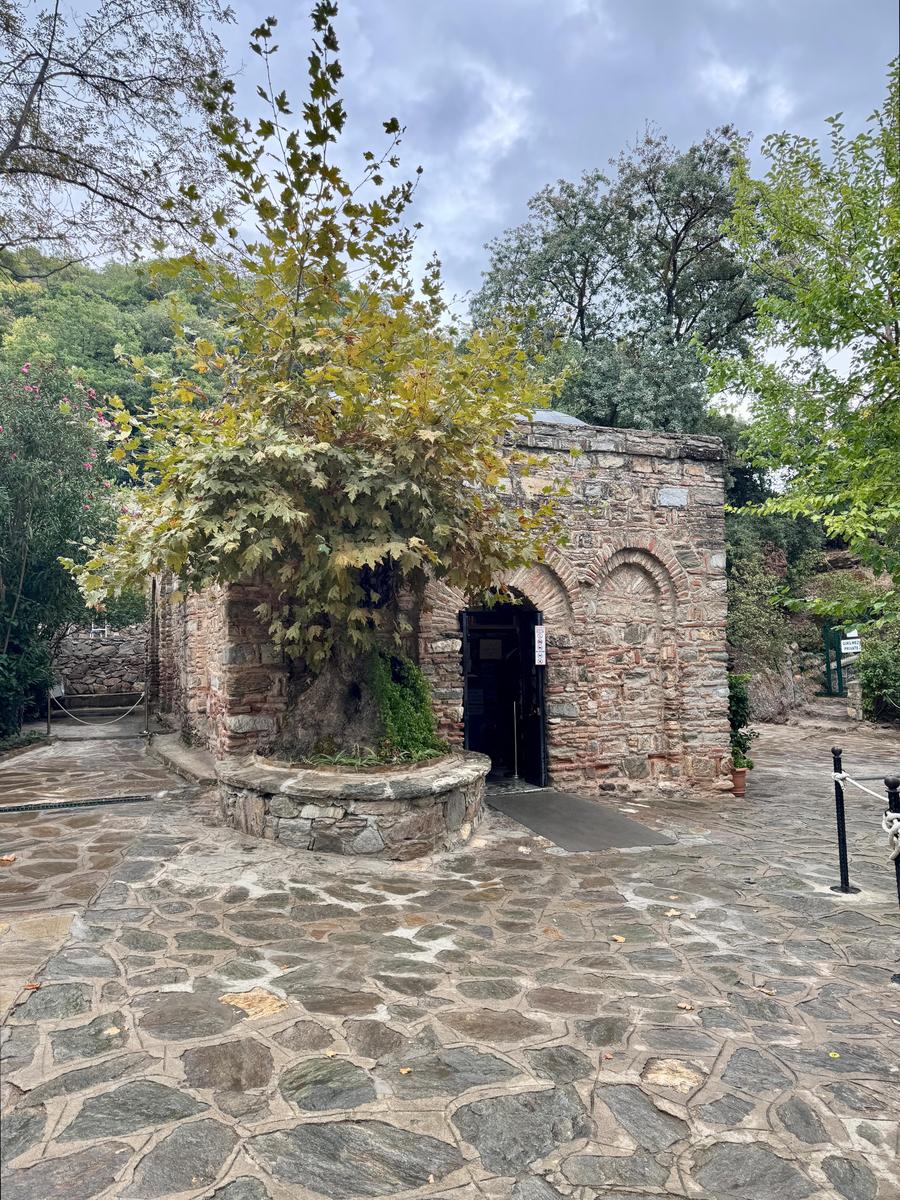
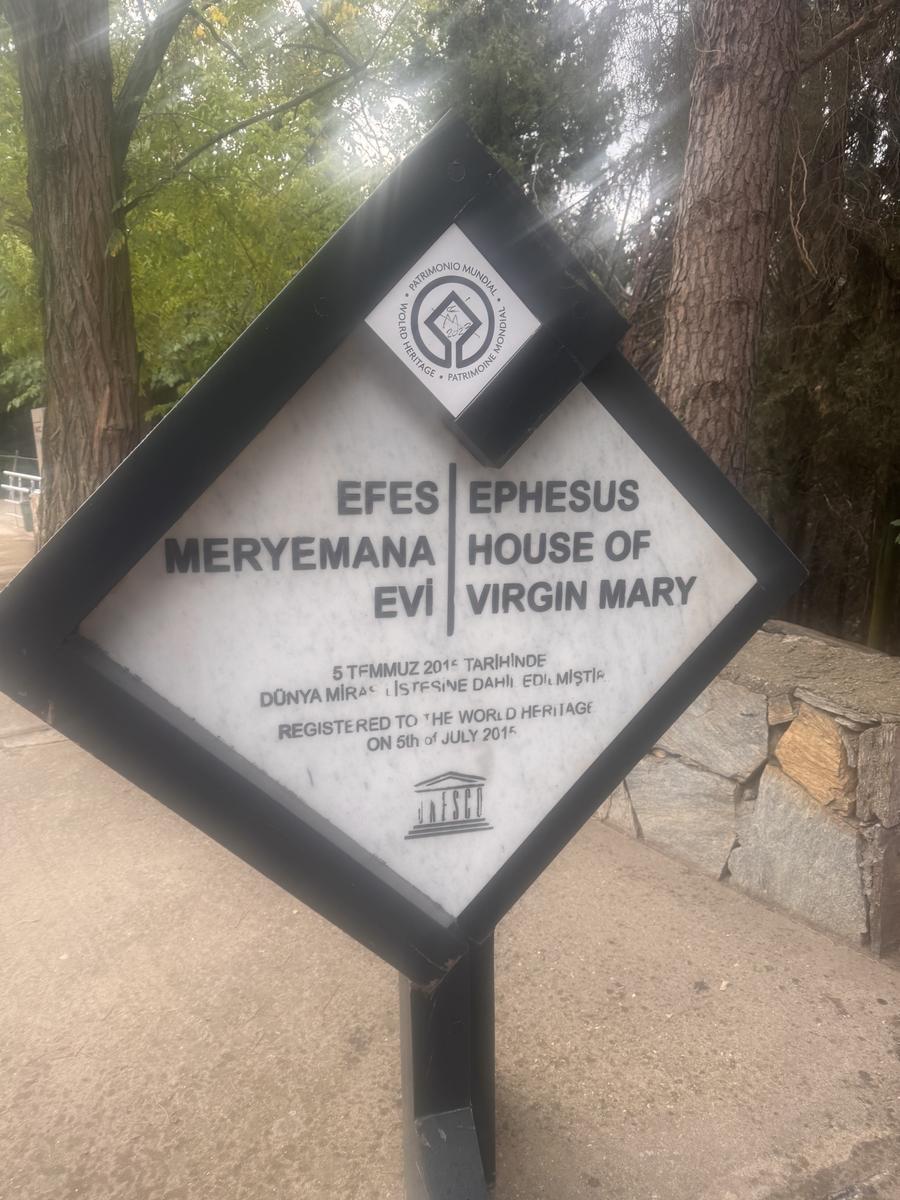
The highlight of our pilgrimage so far was visiting what is known as a possible final resting place for Virgin Mary. Please note that there is also a possible location in Jerusalem.
It is believed that St John the Apostle brought Mary to this quiet location to escape Roman persecution after Jesus' crucifixion, where she lived out her final days until her Assumption. Though its identity was lost to time for centuries, the site was miraculously rediscovered in 1881 by following the remarkably detailed, spiritual visions of an bedridden German nun, Blessed Anne Catherine Emmerich, who had never visited the region but could recount the exact coordinates to this location.
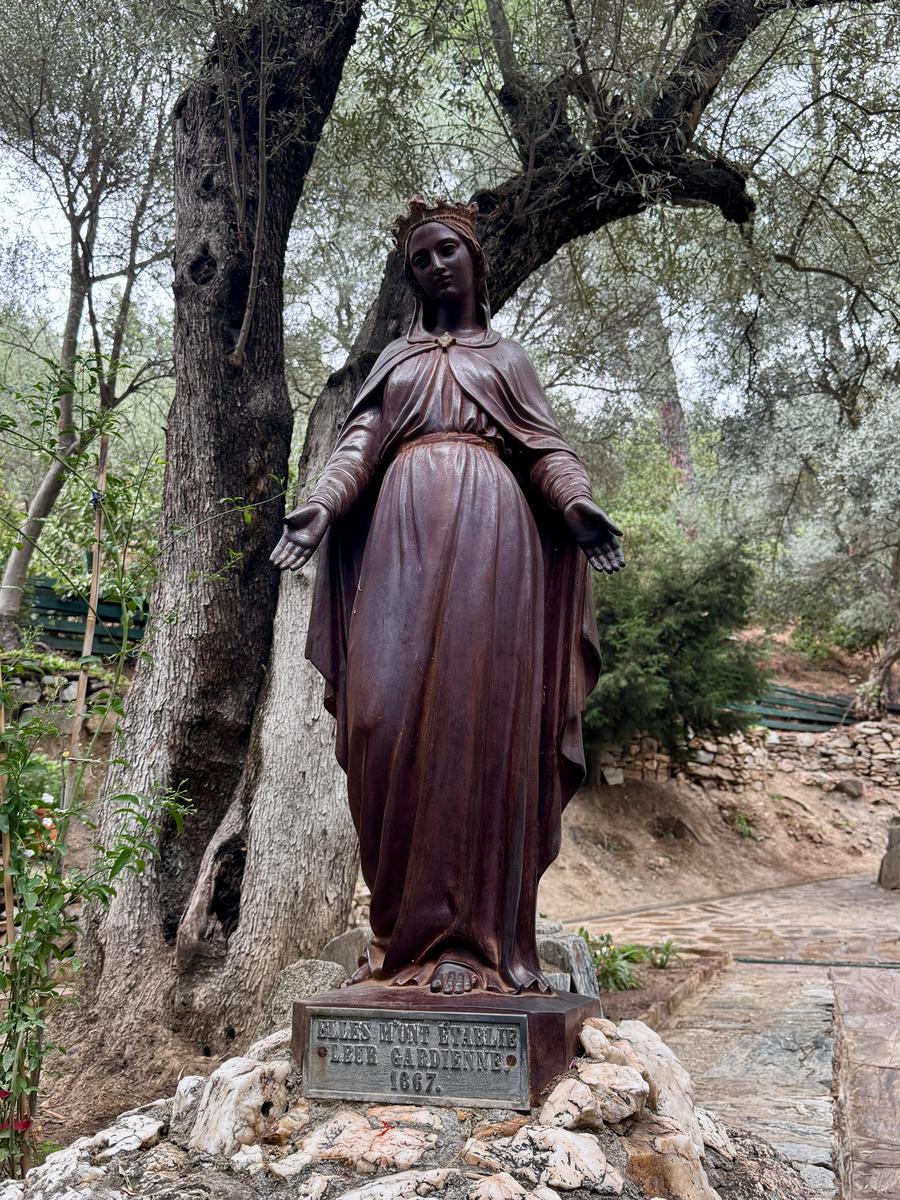
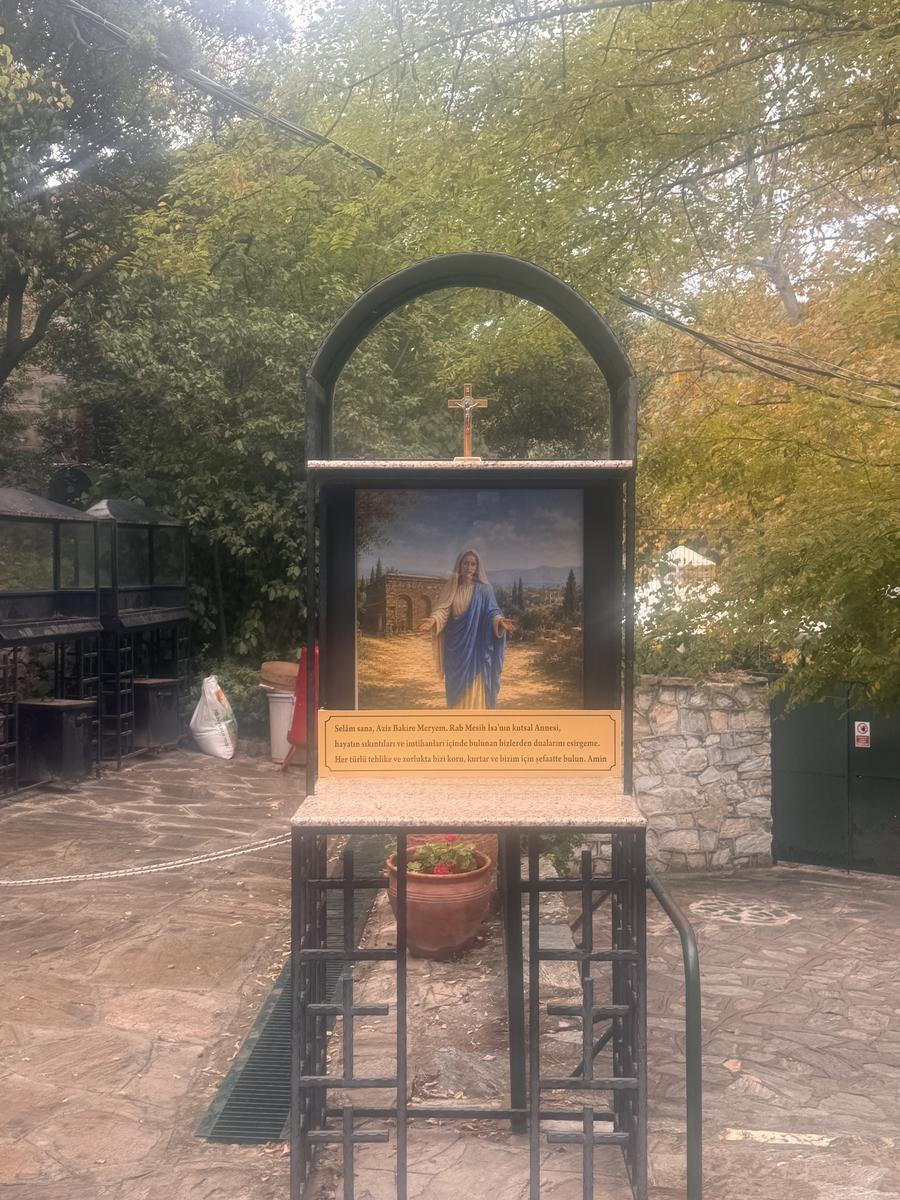
Visiting the reconstructed chapel was a profoundly moving experience. Bowing before a statue of Our Lady in a location where she possibly spent her final days, I was overcome with emotion but also with a sense of calm and peace, very hard to describe but one that will never leave me.
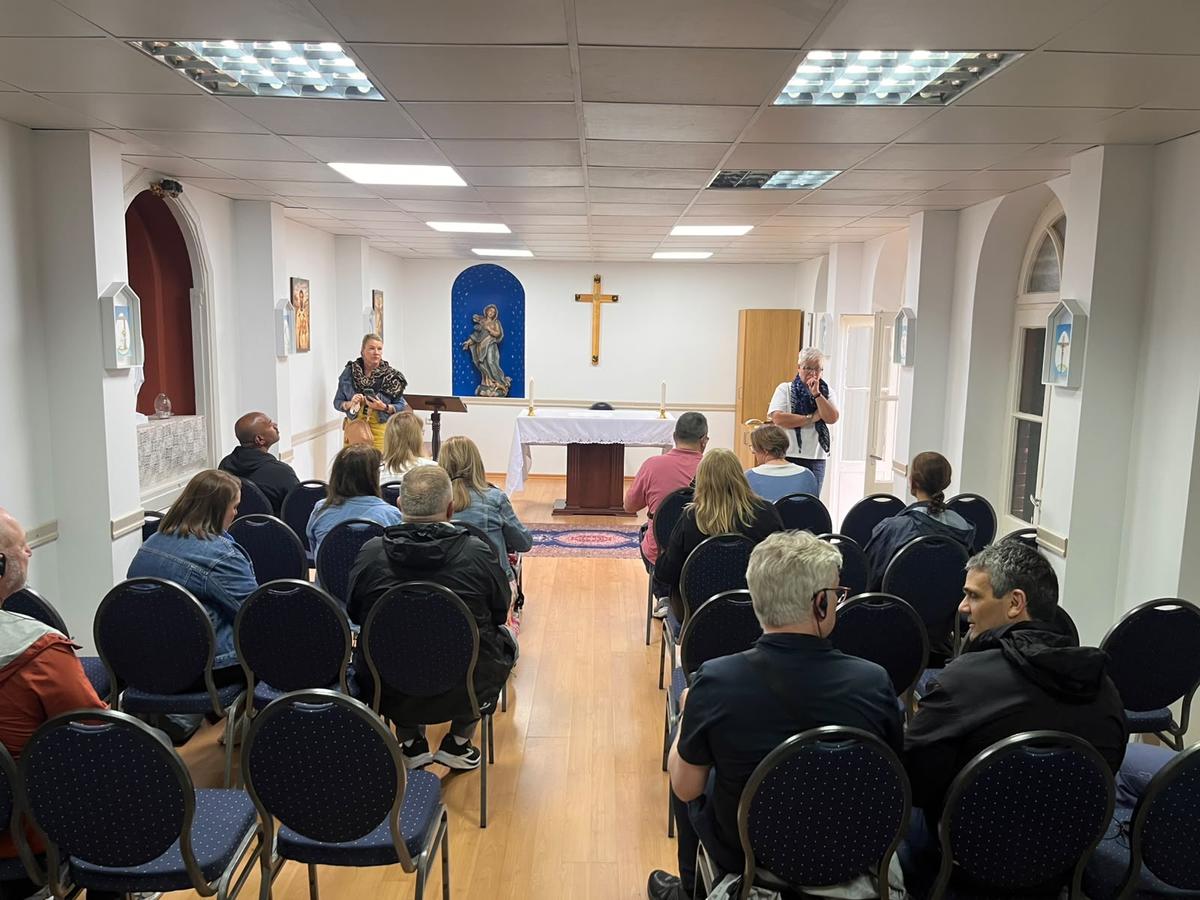
While we were scheduled to have a full mass at the House of Virgin Mary, unfortunately that was unable to happen, however the nun who had been appointed by the Vatican to watch over the site shared with us some consecrated hosts and allowed us into a small Chapel where we were able to hold a liturgy and Eucharist.
I don’t think I have ever been part of such a moving service. As principals we were the church ourselves, as the Greek word used for church in the New Testament is ekklesia, which literally translates to "an assembly," or a "a gathering," of like minded people.
Anne Dougherty, Principal of Our Lady of the Nativity is a secular Franciscan, so was able to deliver a homily and give out Eucharist. Anne reminded us of Mary's story, a young girl who during her whole life said YES to God. Mary placed her trust in God's plan even when that meant standing by her son as he suffered and died on the cross. Anne reminded us that Mary is always a steadfast presence in our lives and someone who we can model ourselves on. Ann asked us to consider the strong women in our lives, in our school communities and for those of us who are mothers and how we can draw upon the strength of Mary.
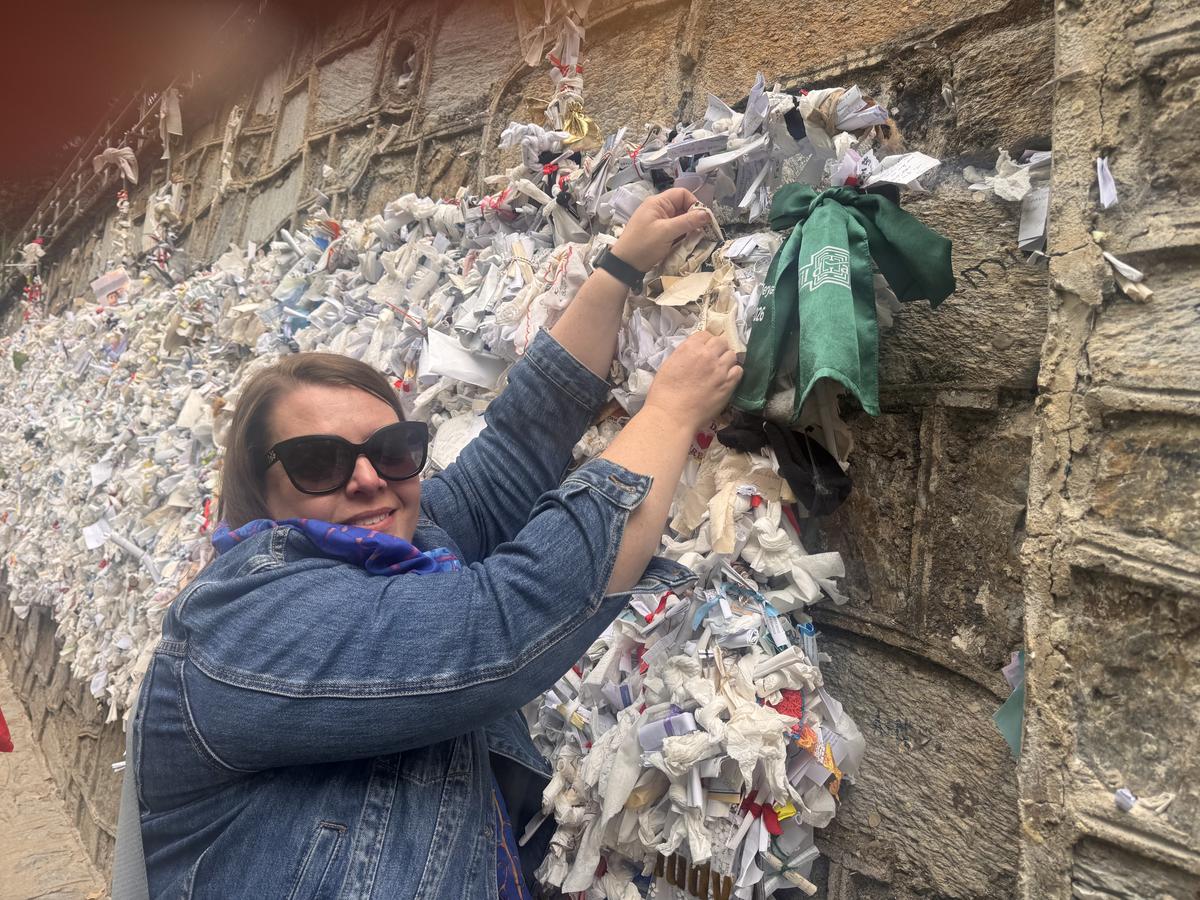
Holding this mass in the possible final resting place of Mary before her assumption was quite overwhelming, we got the opportunity to write a prayer to Mary and tie this to a “wishing wall”. On my fabric, I wrote to Our Lady asking for peace and health for all in our Mother Teresa community. Asking her to watch over us and protect us. Reflecting on this visit even now makes me quite emotional.
Thank you all for your prayers, blessings and well wishes during the pilgrimage. I’m looking forward to returning next week and sharing more of my pilgrimage journey with you throughout the term.
Regards
Jess