Grade 5/6
Miss Stephan and Mr Ward, supported by Miss Clark, Miss Horgan & Miss Haddrick

Grade 5/6
Miss Stephan and Mr Ward, supported by Miss Clark, Miss Horgan & Miss Haddrick
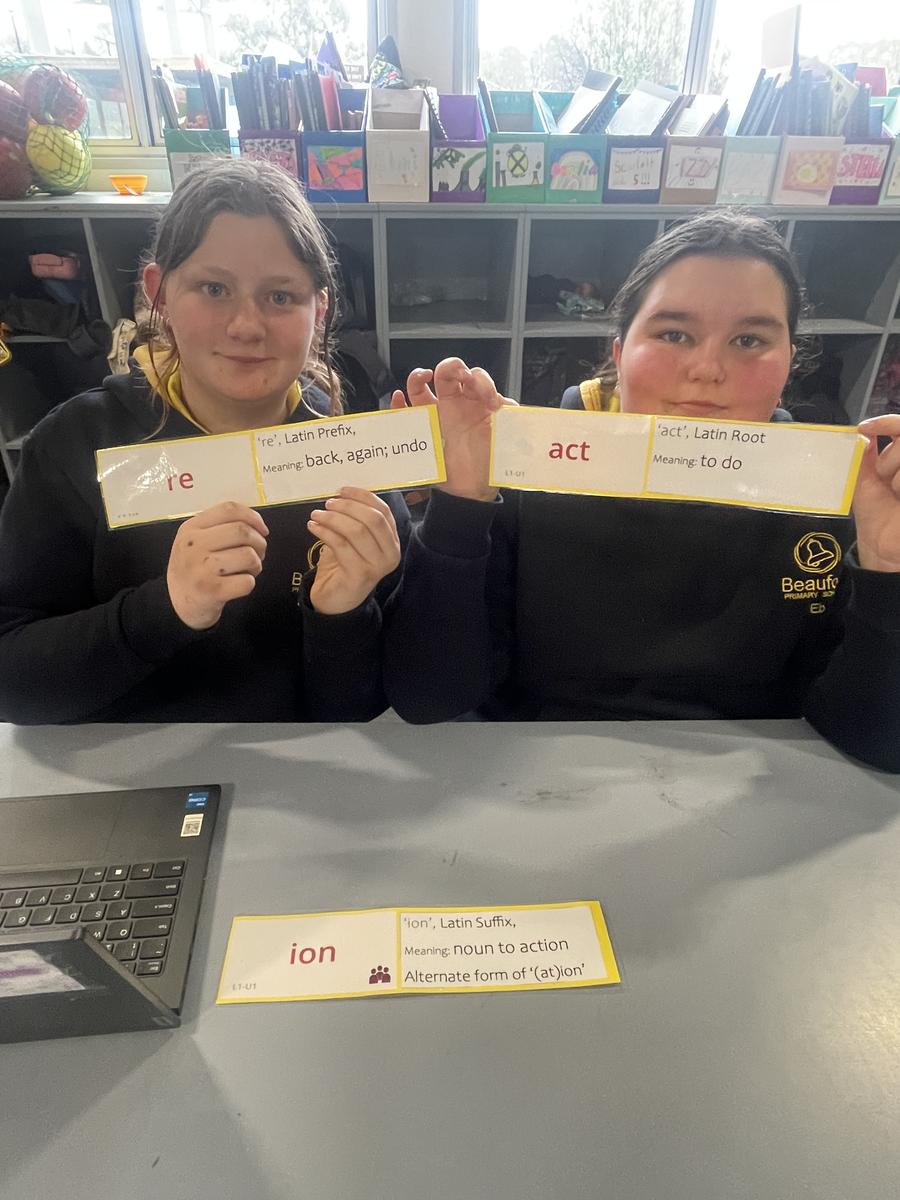
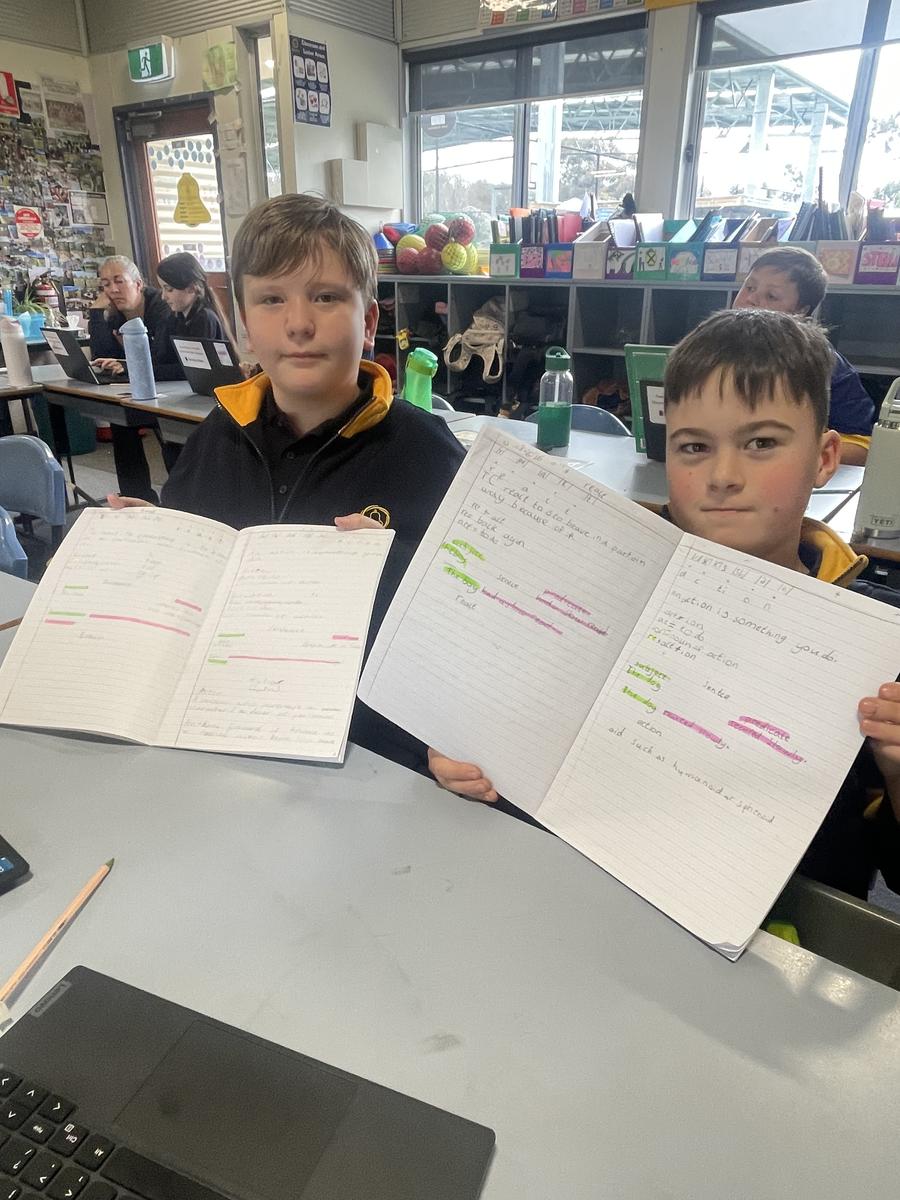
Act = to do
Re+act
To react to something is to behave in a particular way because of it.
React is of Latin origin, from the word reagere, meaning ‘to drive or to do’.
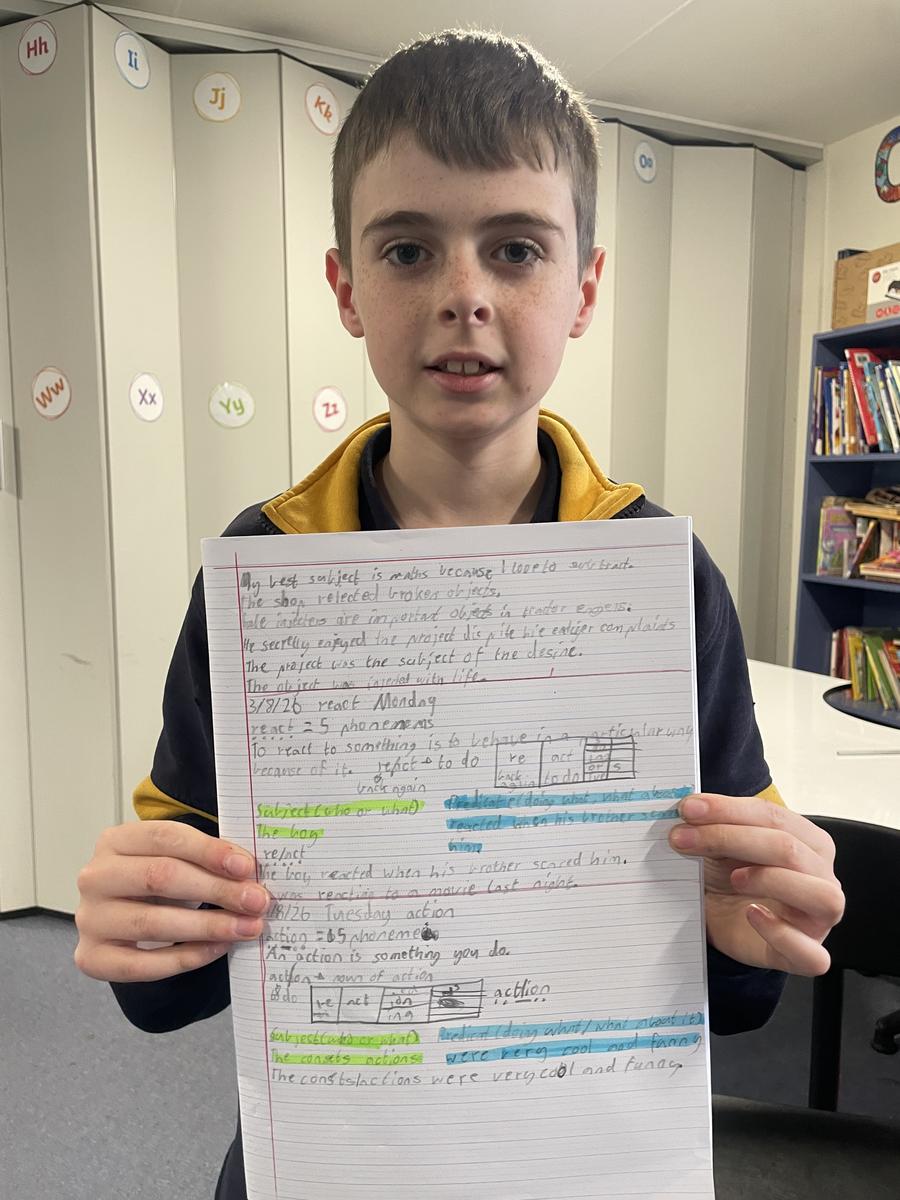
Act+ion
An action is something you do.
Action is of Latin origin.
It first started to be used in the 1400s and at that time, it was not spelled with a ‘t’. The ‘t’ was added back in to the word about 100 years later, so readers could see that ‘act’ and ‘action’ were related words, even though they sounded different.
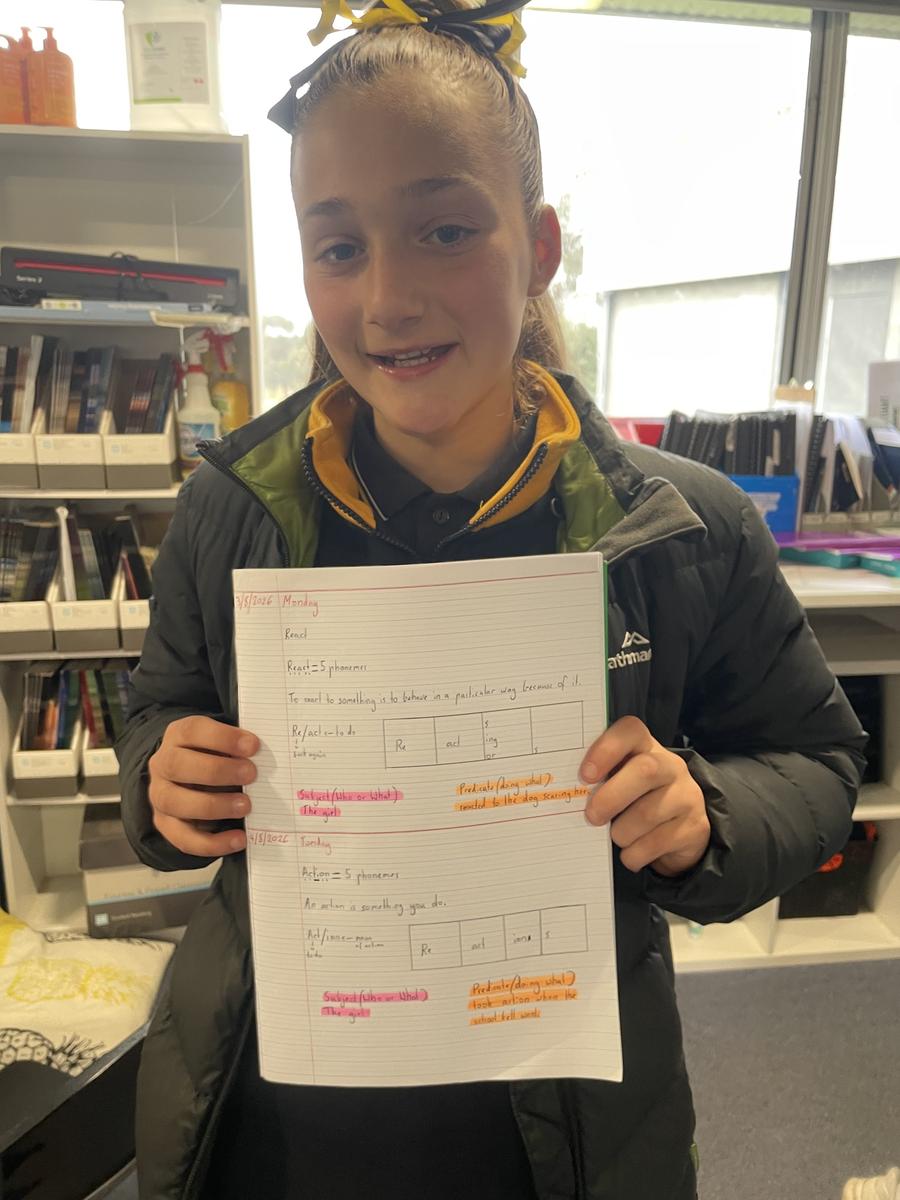
Act is our Latin Root word for week 4. Act means "to do" and we have explored react along with just the word act and adding acting/actor/actors with our suffix of or "one who does or makes"
This is me!
Throughout this unit, students will explore their identity and the characteristics that make them who they are. Students will consider the influence that the media, role models, and pressure from others has on their identity.
Students will learn about the changes associated with puberty and investigate different ways to stay healthy in mind and body. They will create an identity self-portrait to celebrate who they are and share these with visitors at an Art Exhibition.
Stay tune to our end of term expo!
Writing a Bio-Poem - Consists of these key features/traits about people
First name
4 characteristics
Son/Daughter of.. OR Sister/Brother of… OR Friend of…
Lover of… (3 ideas)
Who believes…
Who is scared of… (3 ideas)
Who learned…
Who hopes…
Resident of (Town/Suburb, State, Country)
Last Name
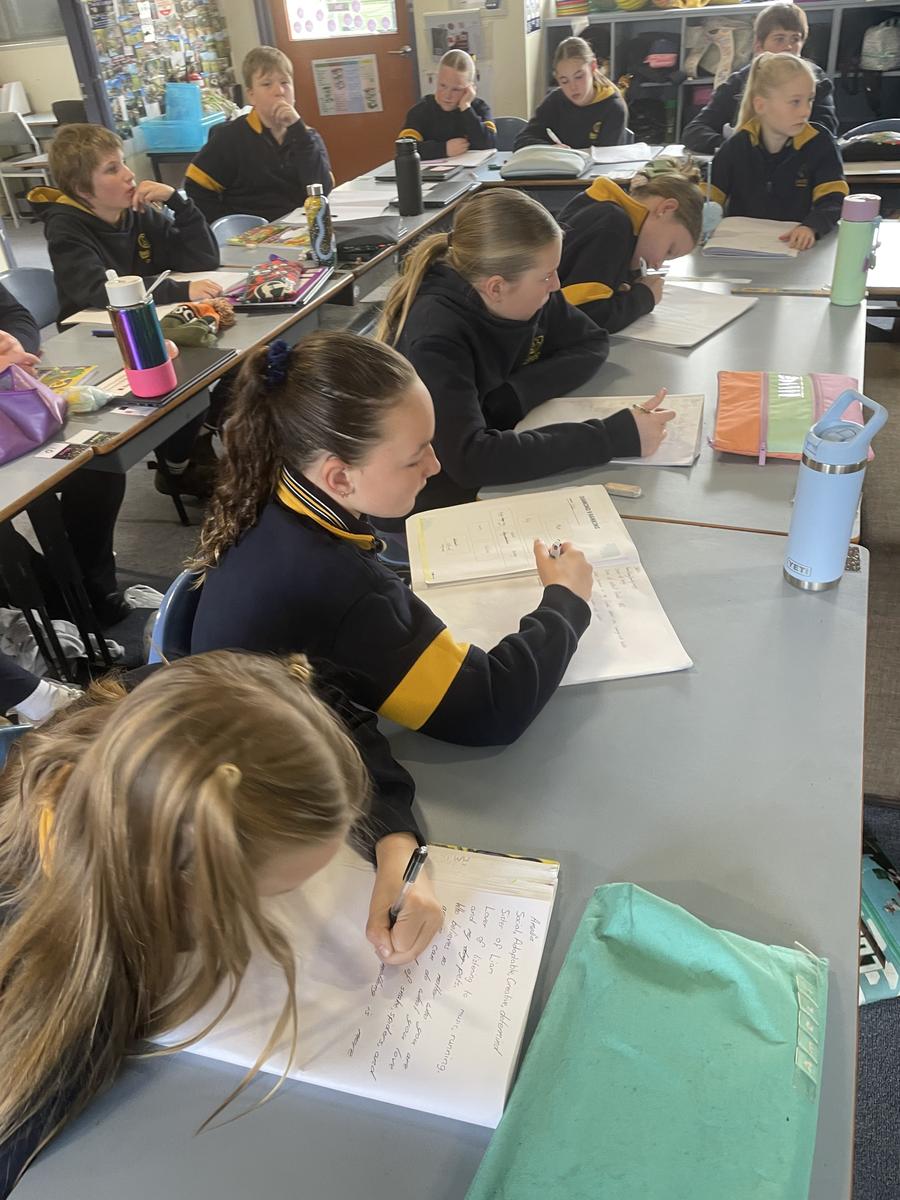
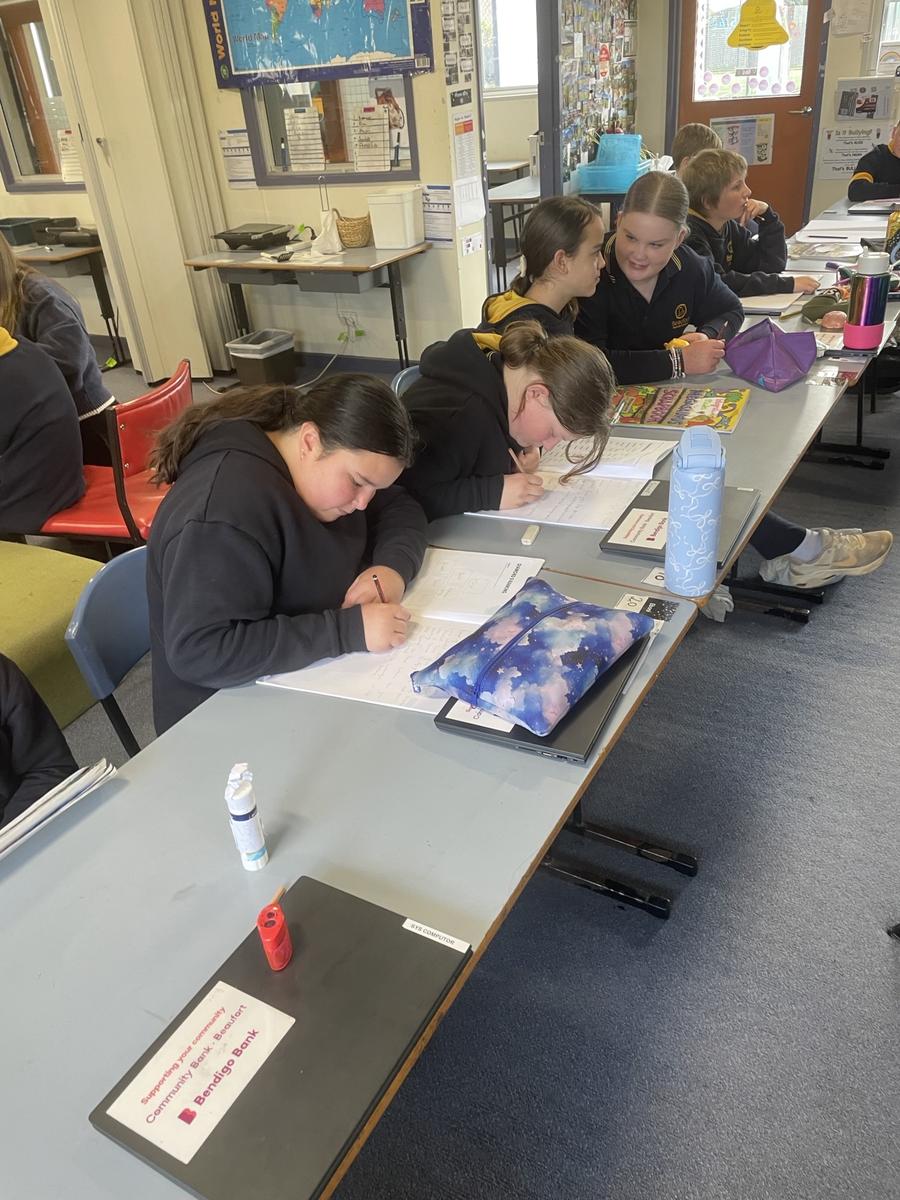
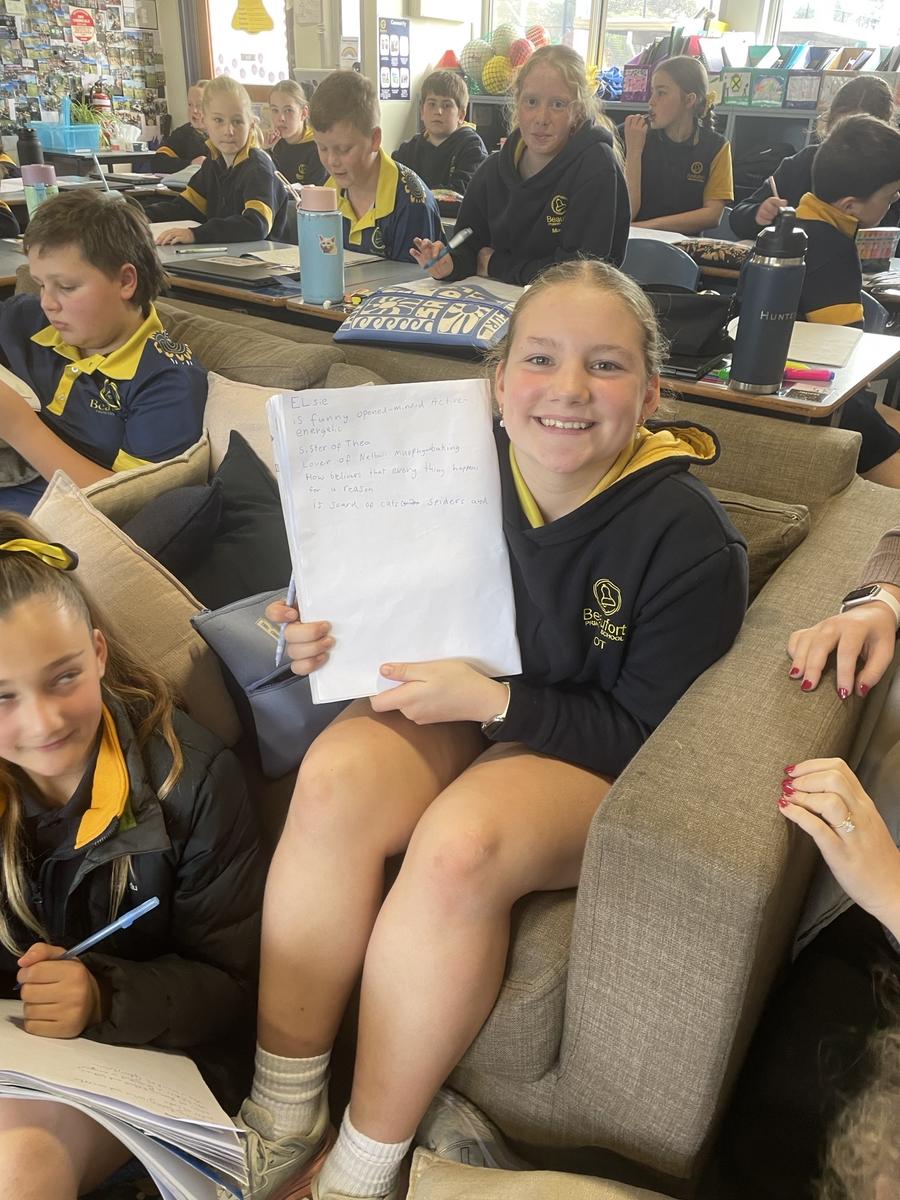
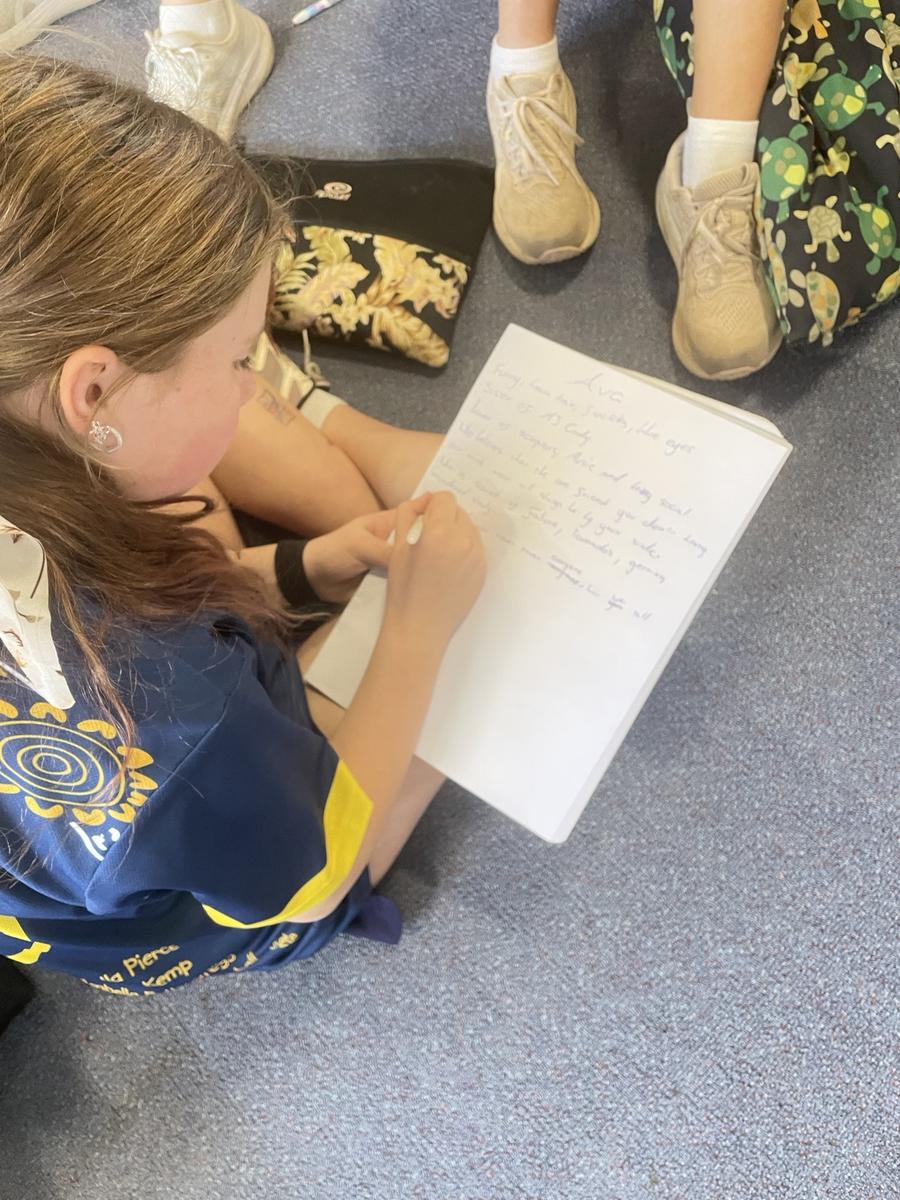
Students had a go at writing one about themselves. Here are some examples below.
Elsie
Funny, open-minded, active and energetic
Sister of Thea
Lover of Netball, Murphy and baking
Who believes that everything happens for a reason
Is scared of cats, spiders and dying
Who learned to chase your dreams
Who hopes to work at NQR
Resident of Beaufort, Australia
Baker
Ava
Funny, brown hair, freckles, blue eyes
Sister of MJ, Cody
Lover of scorpions, music and being social
Who believes that the one friend you don't hang out with most will always be by your side
Who is scared of failure, tornados
Who learned you can't trust everyone, but we all have people we can trust
Who hopes one day she will get accepted to hybe
Resident of Beaufort, Victoria
Venville
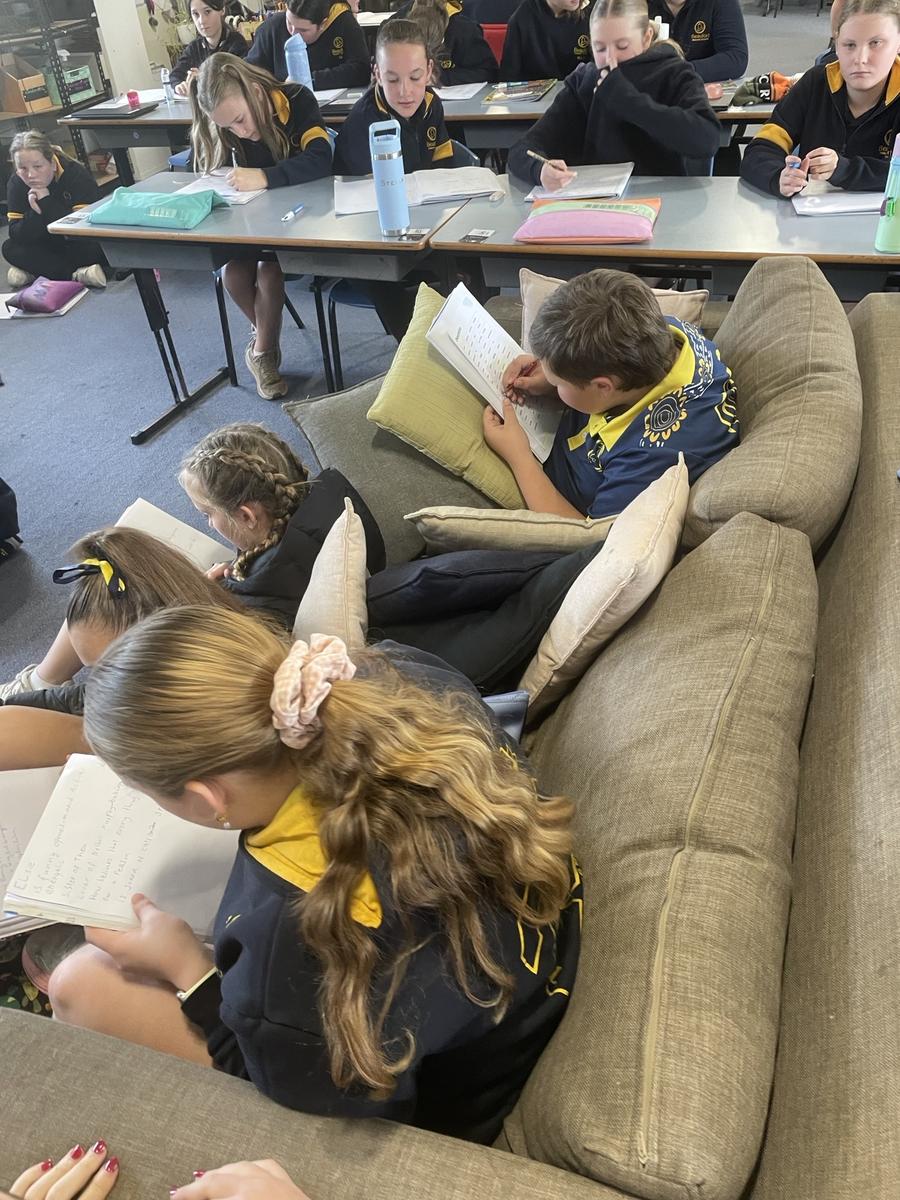
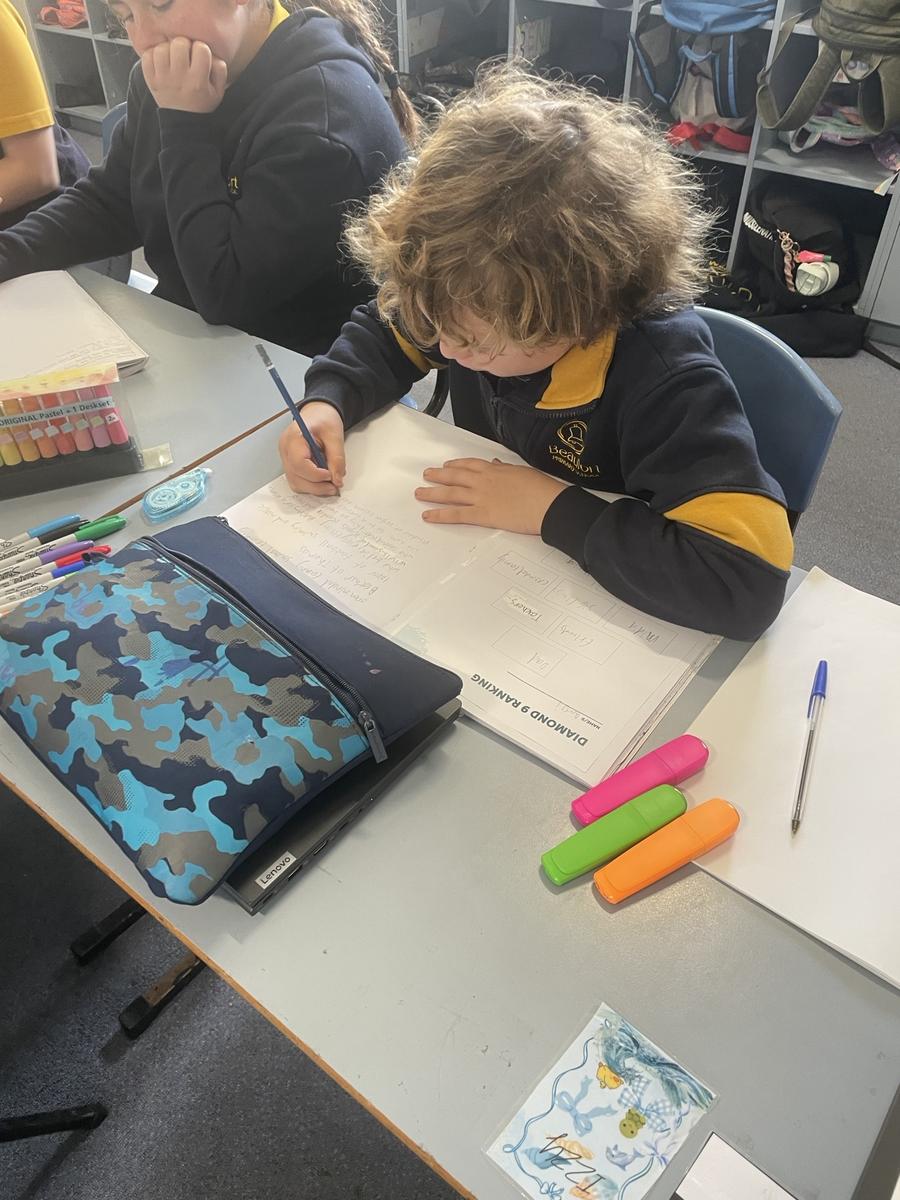
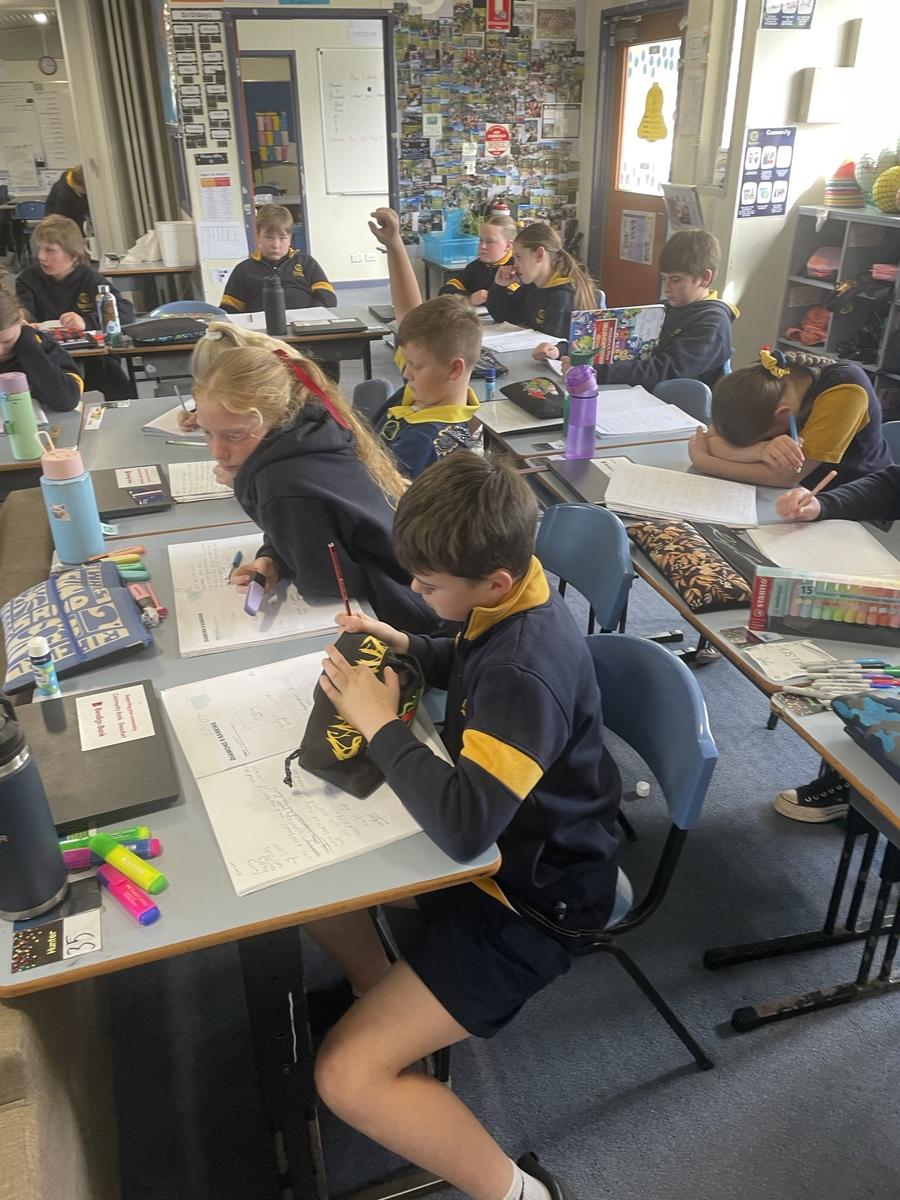
Us Mob - Walawurru!
Central Australia, 1960s ... Ruby lives on a cattle station and goes to the ‘silver bullet' school where she comes across Mr Duncan, her well-meaning teacher. Follow Ruby as she seeks to understand why two cultures are at odds with each other. The more Ruby learns, the harder the journey becomes as she is drawn back to Country to uncover the secrets of her past.
We are half way through our novel Us Mob Walawurru. Ruby is travelling to Tulu to play a week of sport! Along the way, she learns about her culture and learning about how 'whitefellas' and the Indigenous have co-existed.
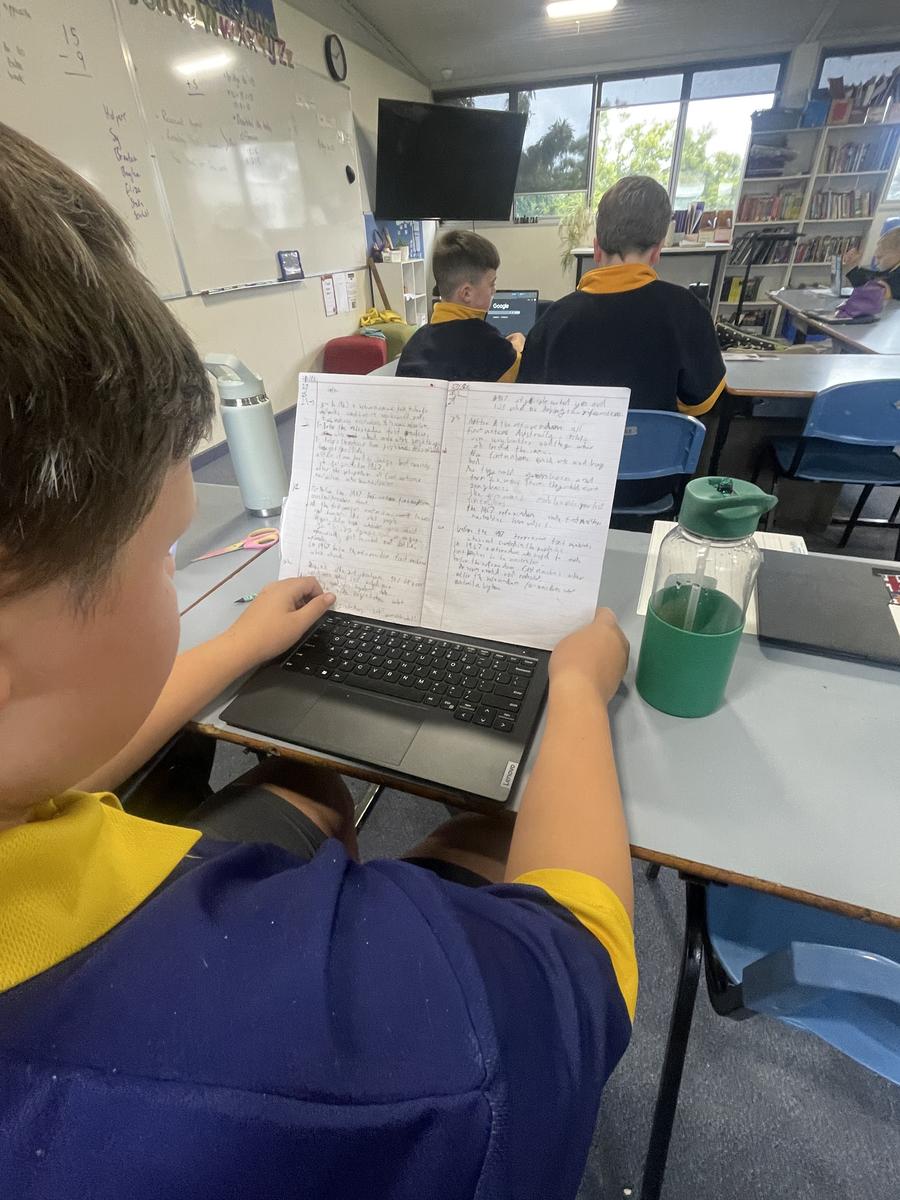
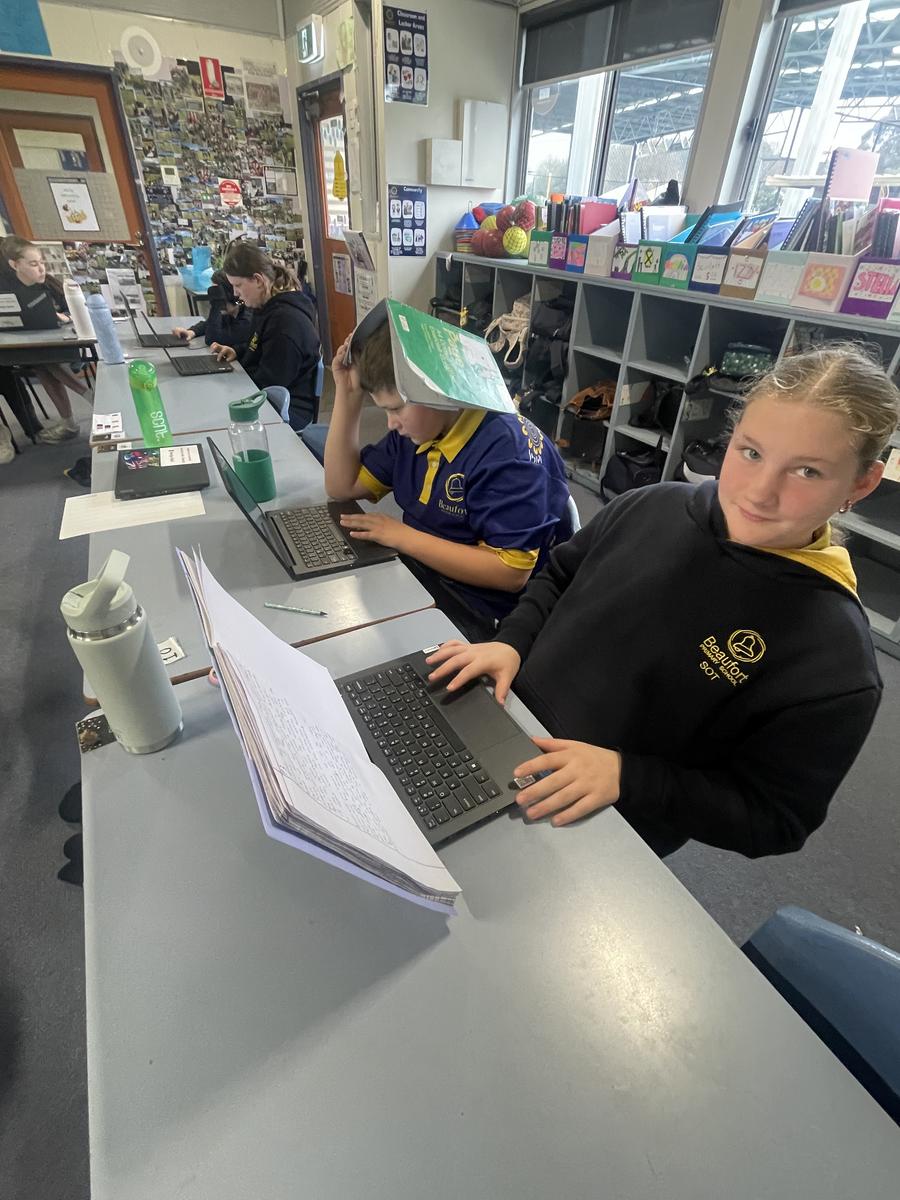
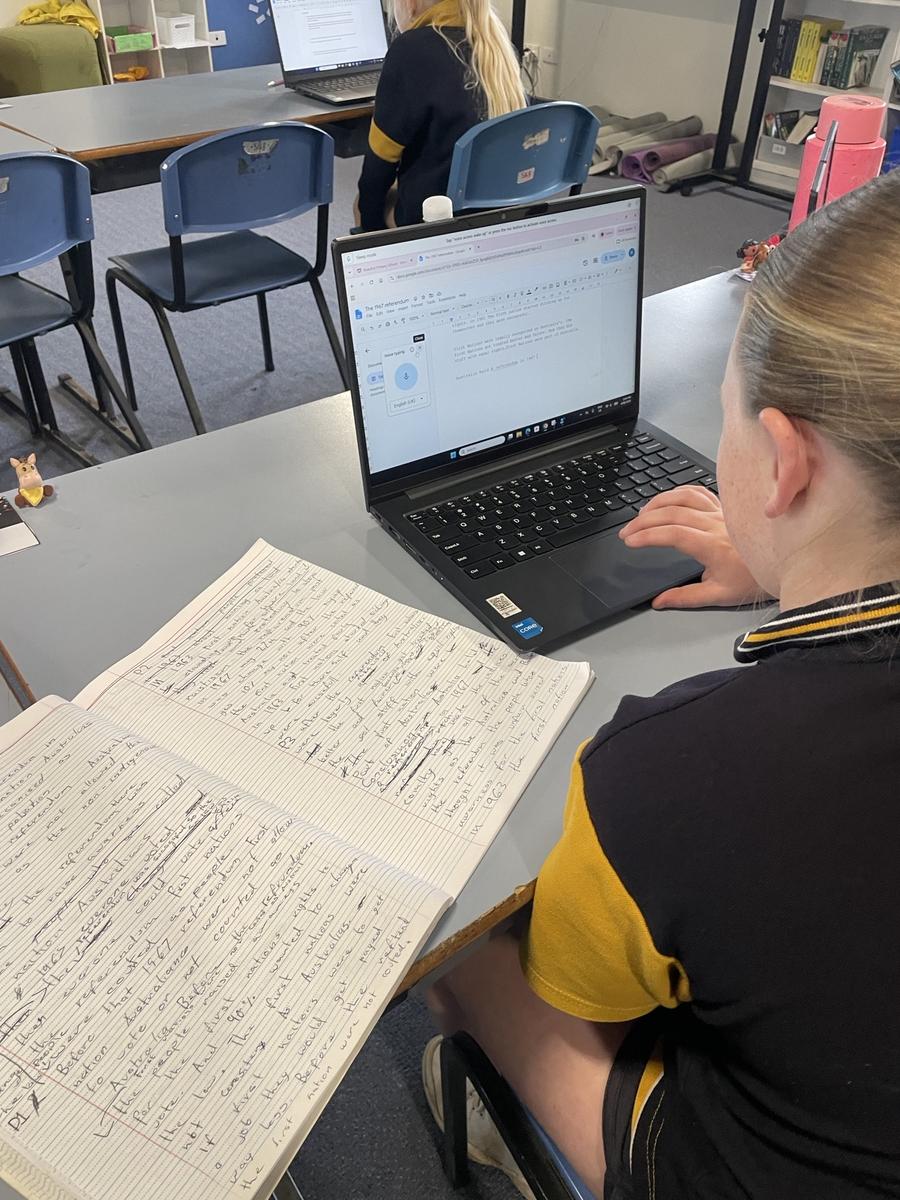
Students are creating a Historical Recount based on the 1967 Referendum that allowed First Nation people the rights to vote and legally become Australians.
Some examples of writing.
Maeve - In 1967, Australia had a referendum to help First Nation people count as Australians. During the referendum, First Nation people did not have the same rights as white Australians and they wanted change.
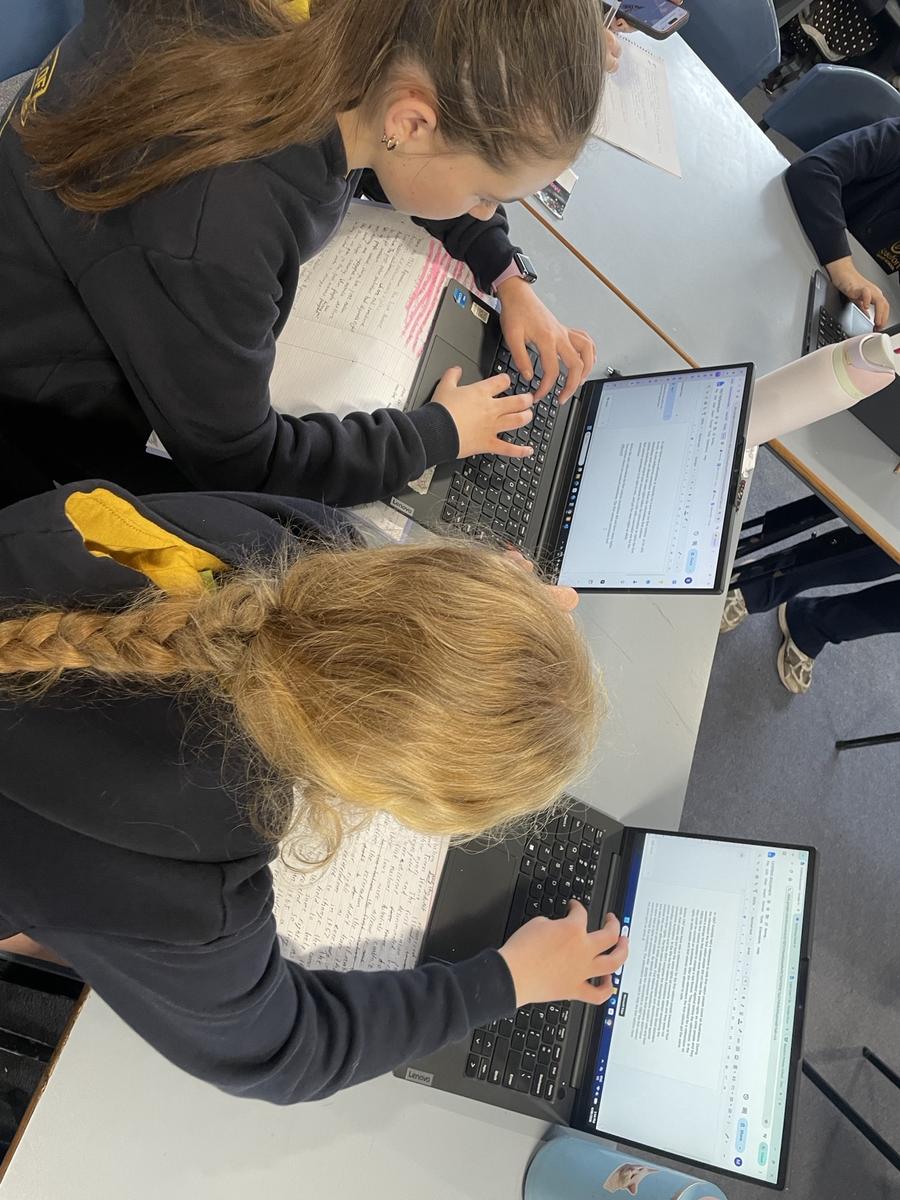
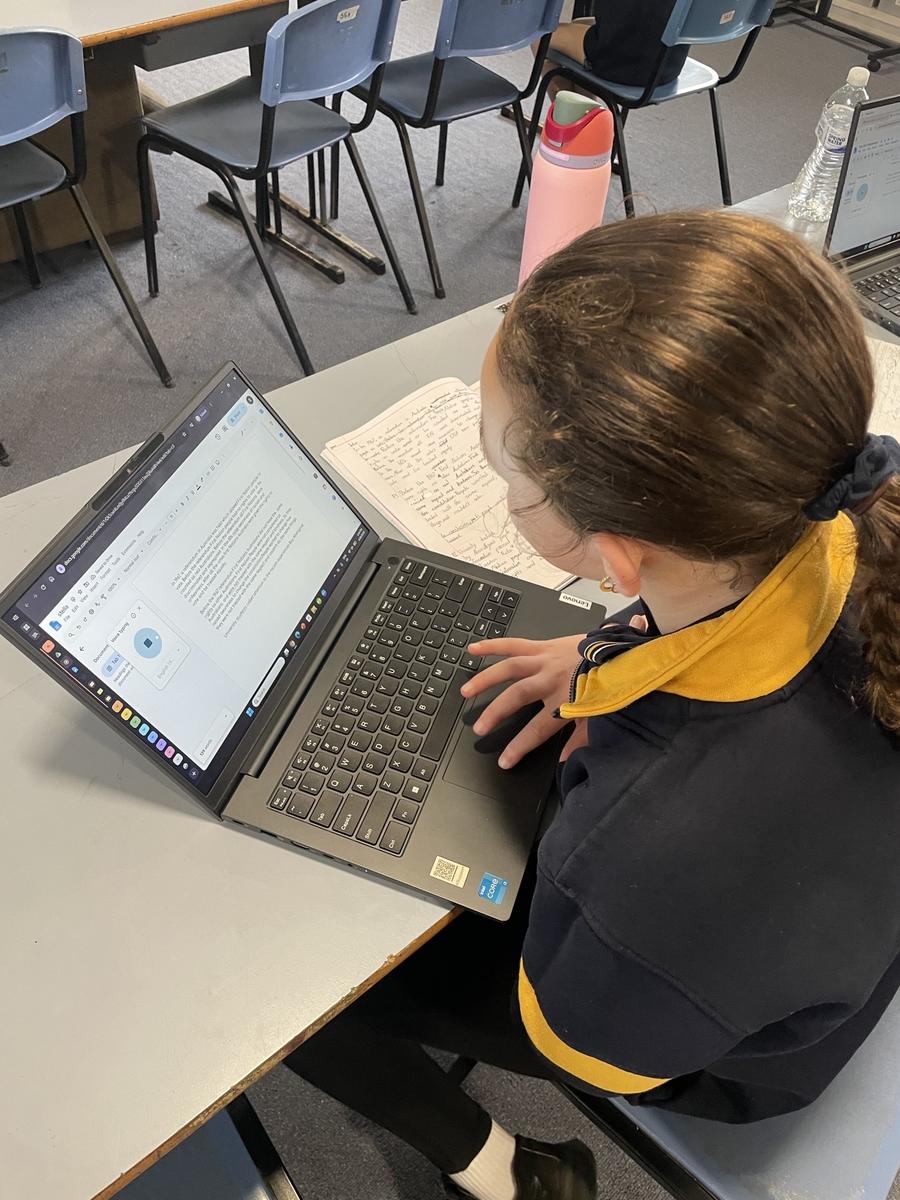
Baylee - Before the 1967 referendum, First Nation Australians did not have many rights and they were not considered in the Australian population.
Stella M - After all the votes, First Nation Australians were given the rights to vote and be treated equally.
Big Idea 7
BIG IDEA STATEMENT:
BASIC FACTS & ALGORITHMS: Basic facts and algorithms for operations with rational numbers use notions of equivalence to transform calculations into simpler ones.
Big Idea 7 is one of the longest concepts of the year. This ties in most of the curriculum we have learnt about. From Number to Algebra and into Measurement. Concepts of fractions, with multiplication and division, to converting of measurements and fact families are explored. Students will work through these concepts with a heavy focus on their multiplication and divisional skills and knowledge.
Home tips to revisit if you would like: