
Student Wellbeing
Assalaamu Alaykum WRWB,
Counselling Corner
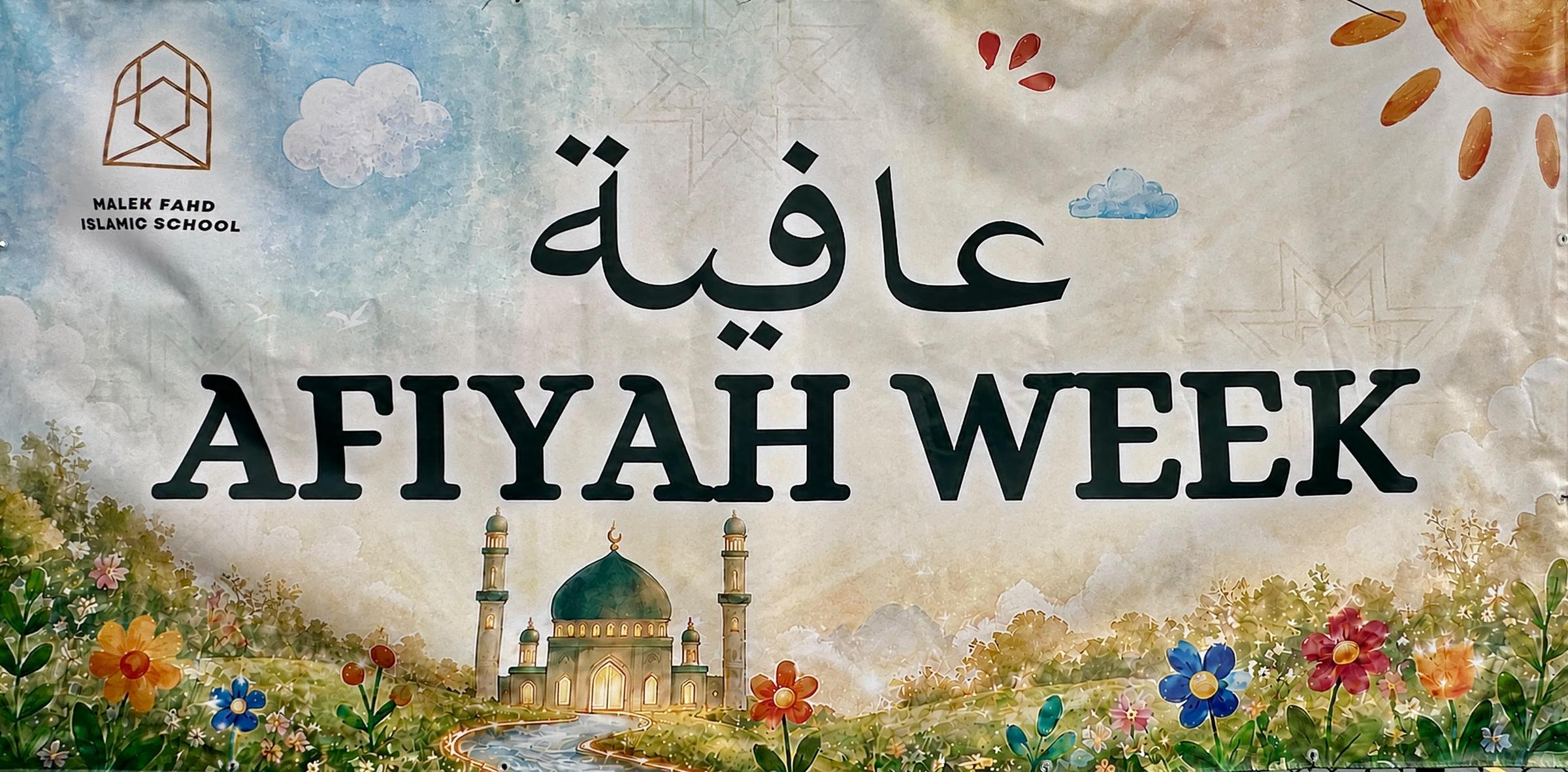
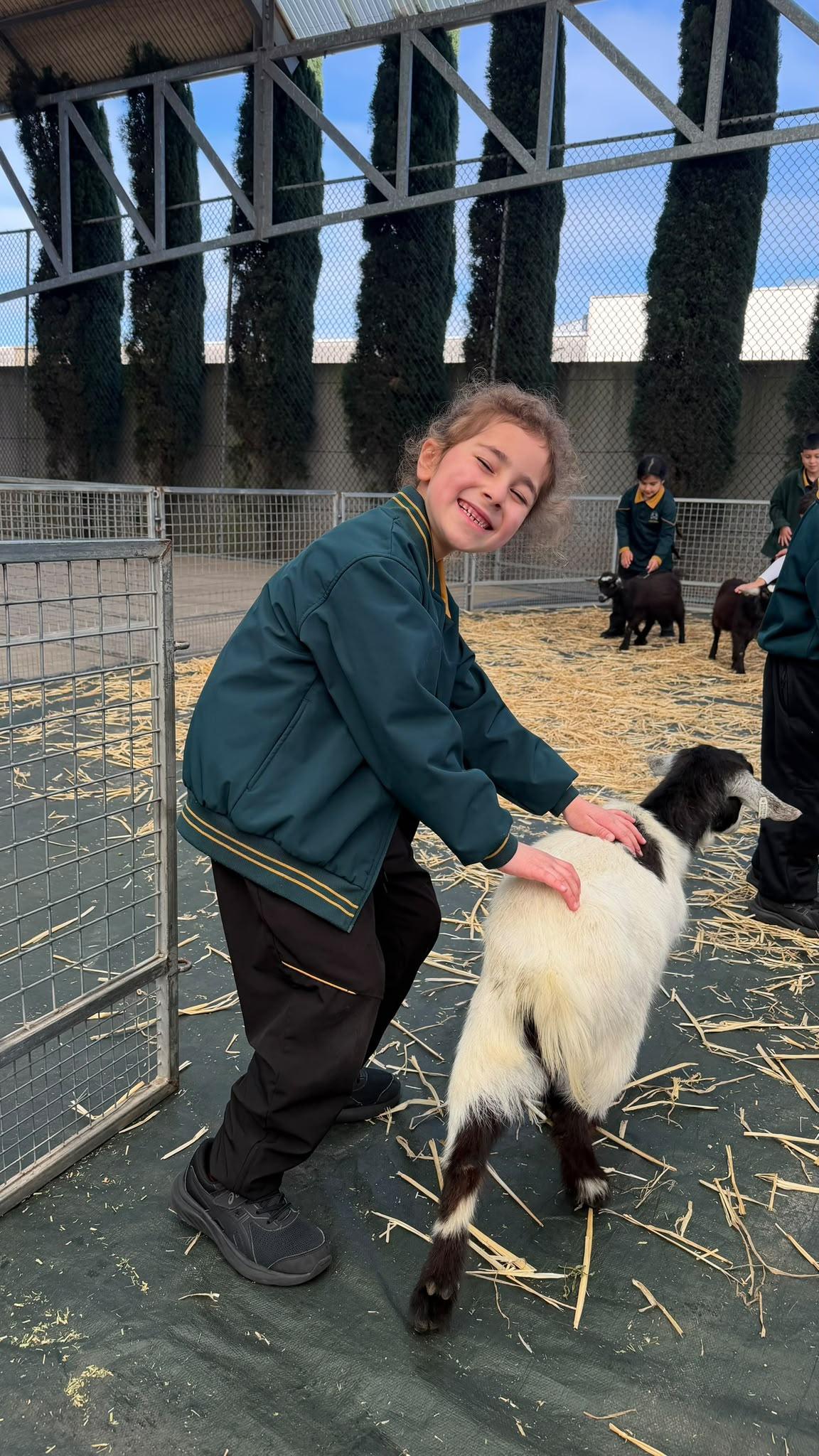
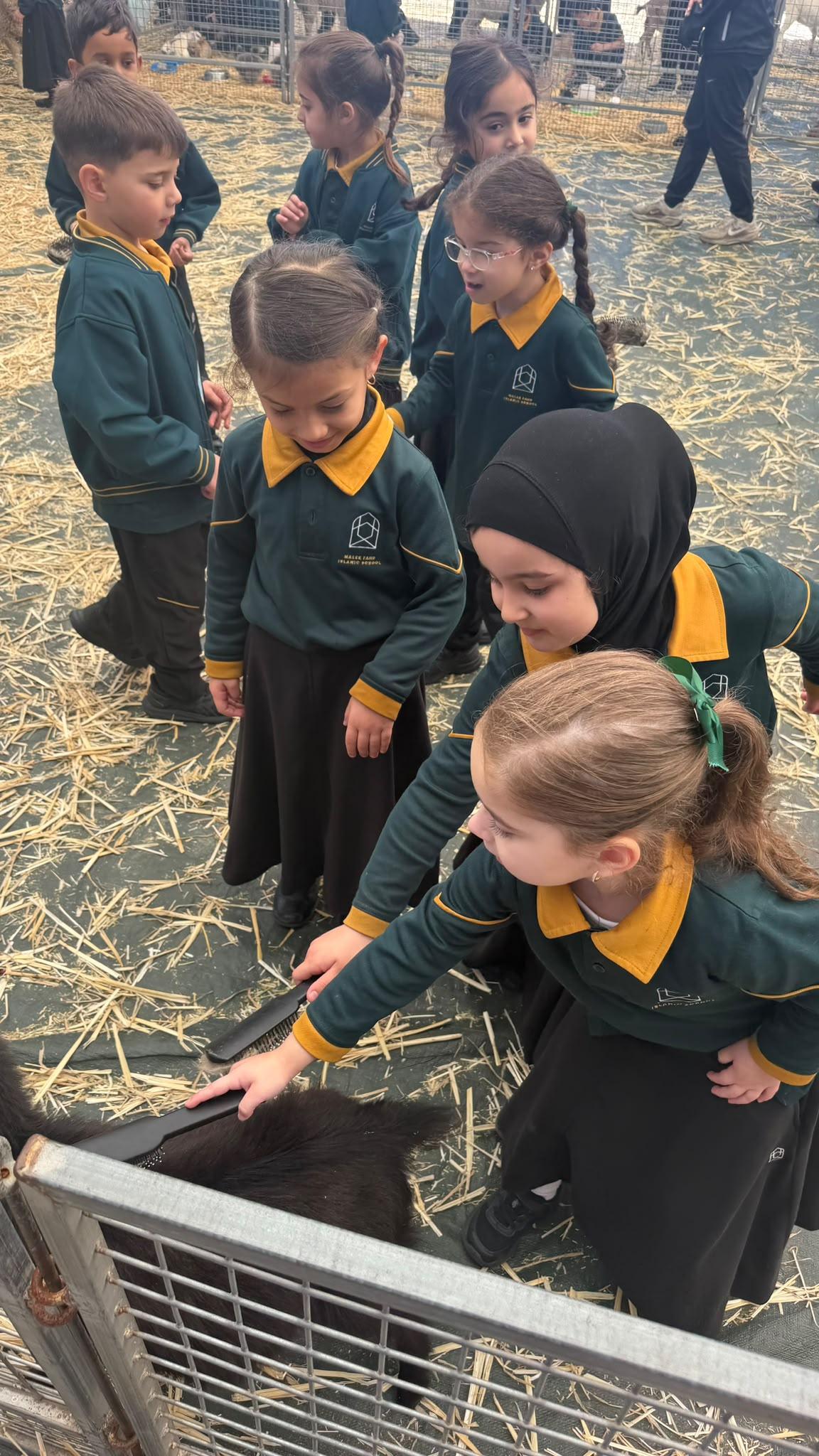
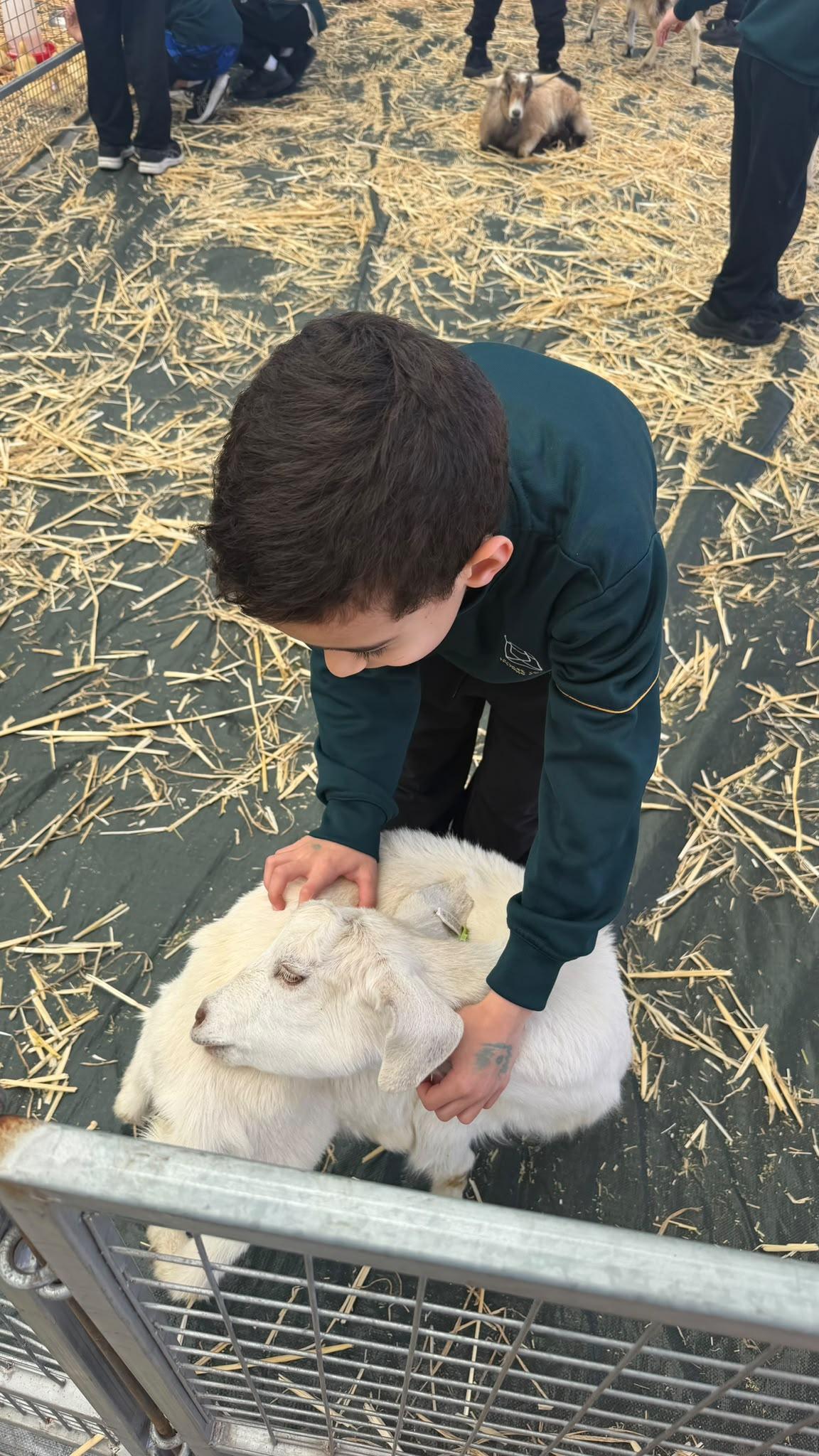
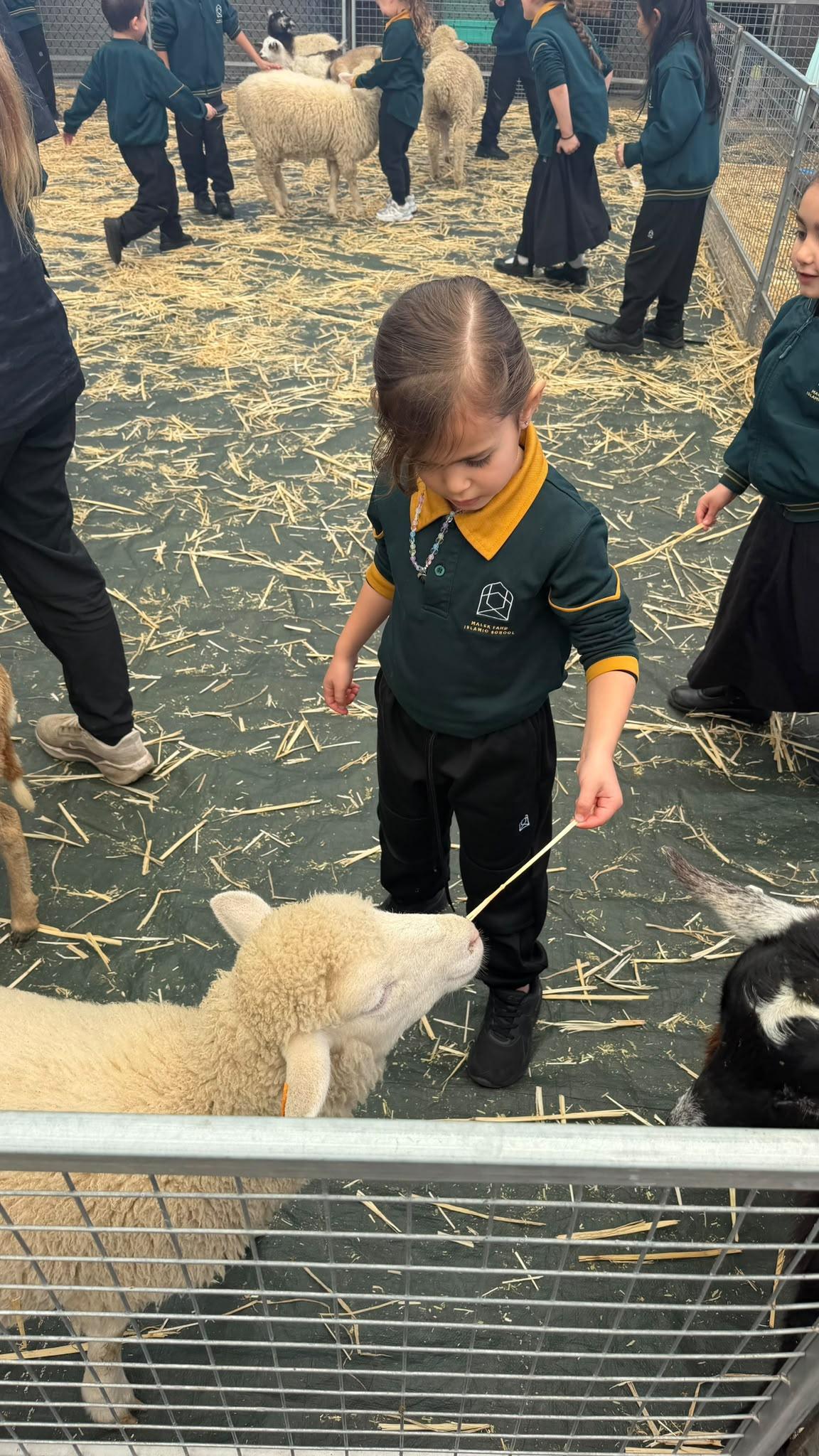
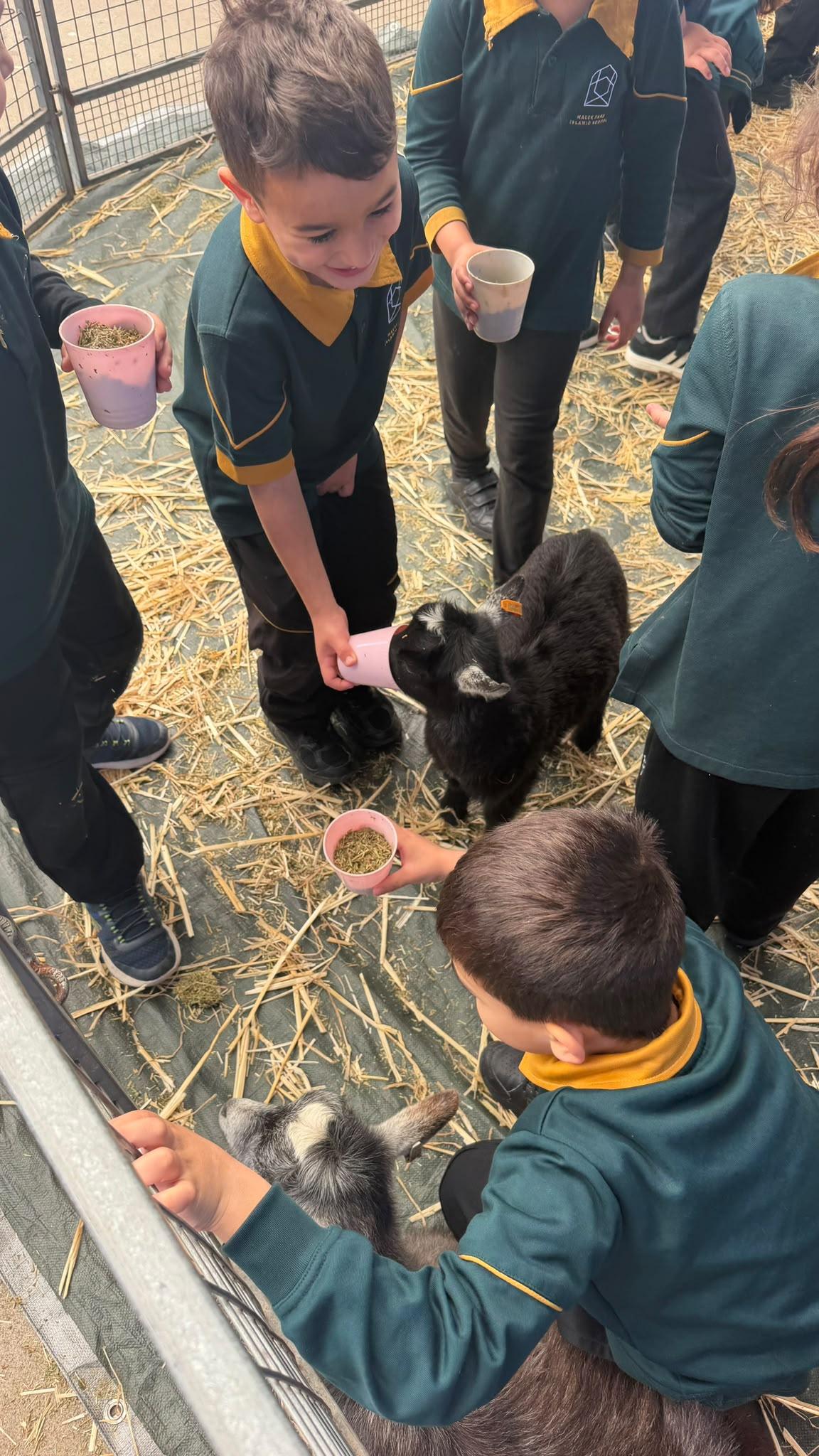
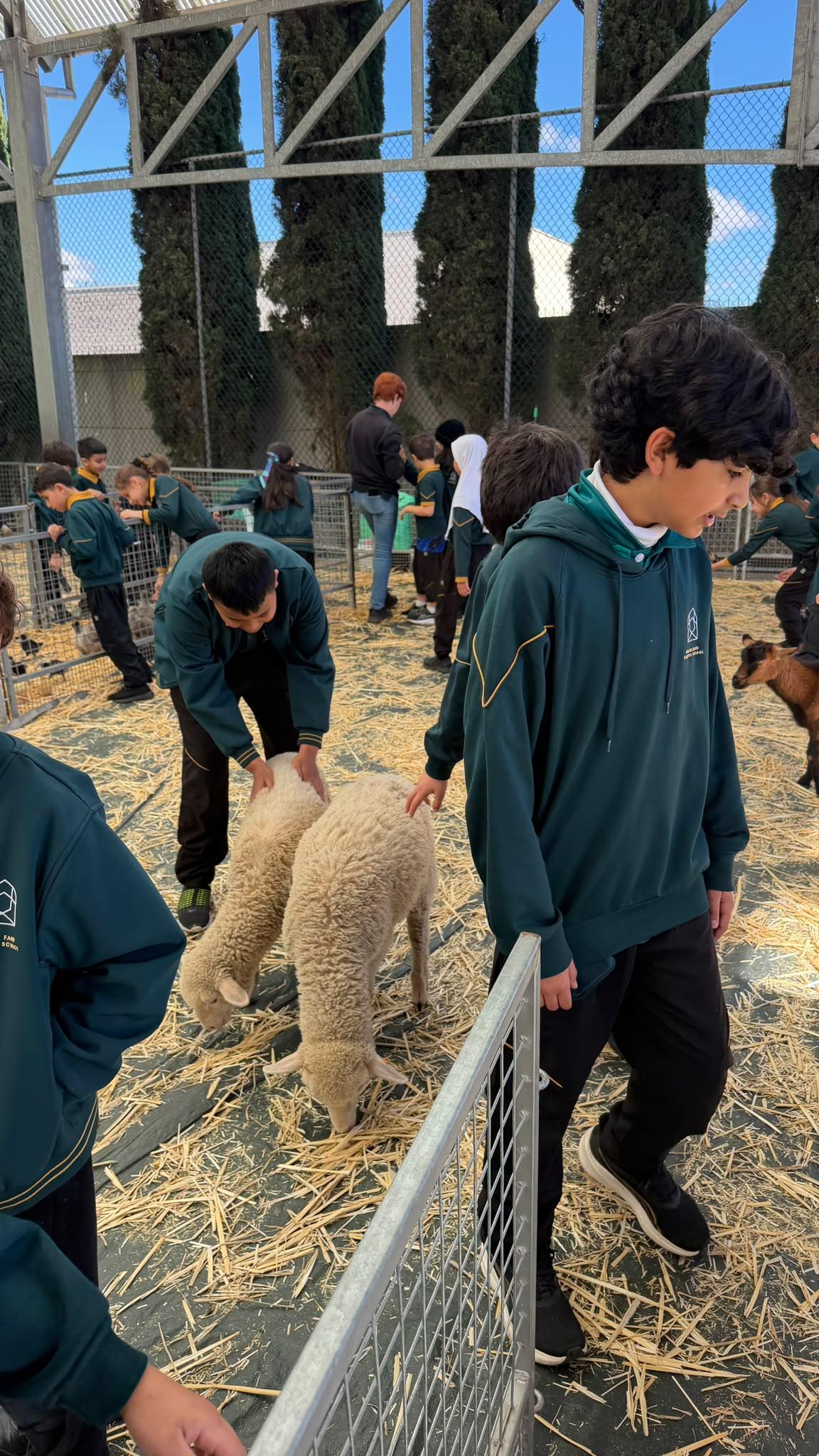
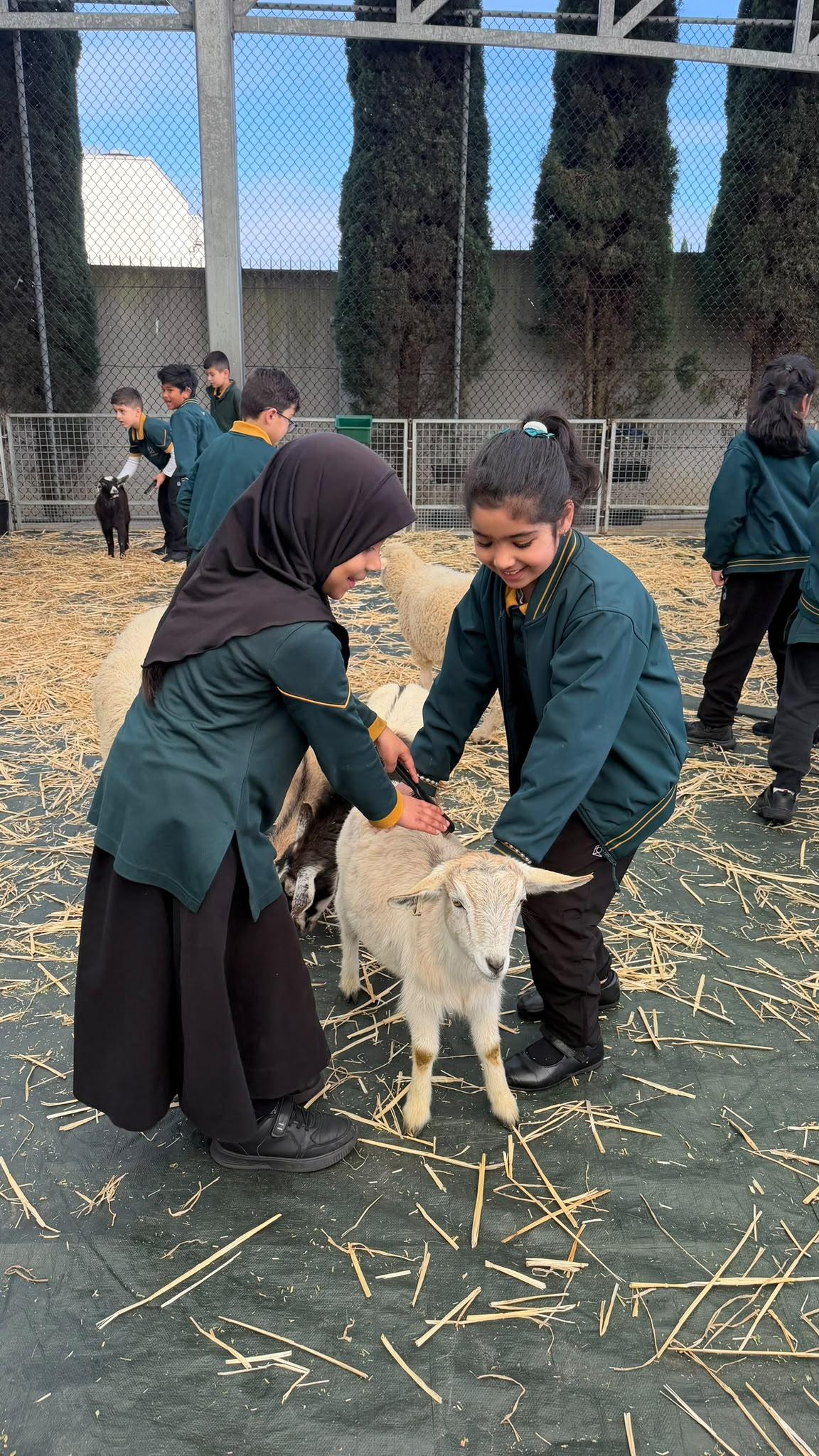
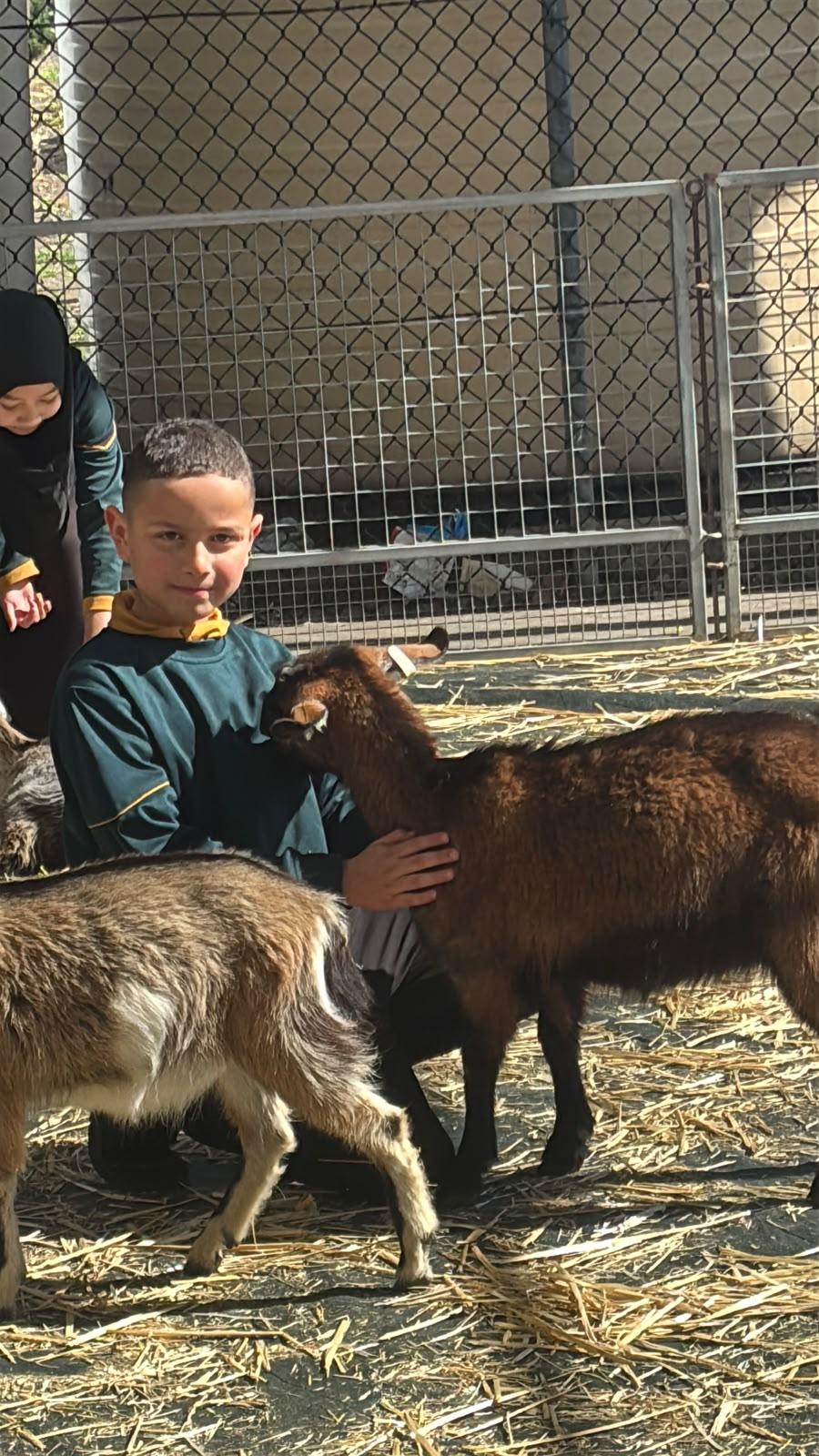
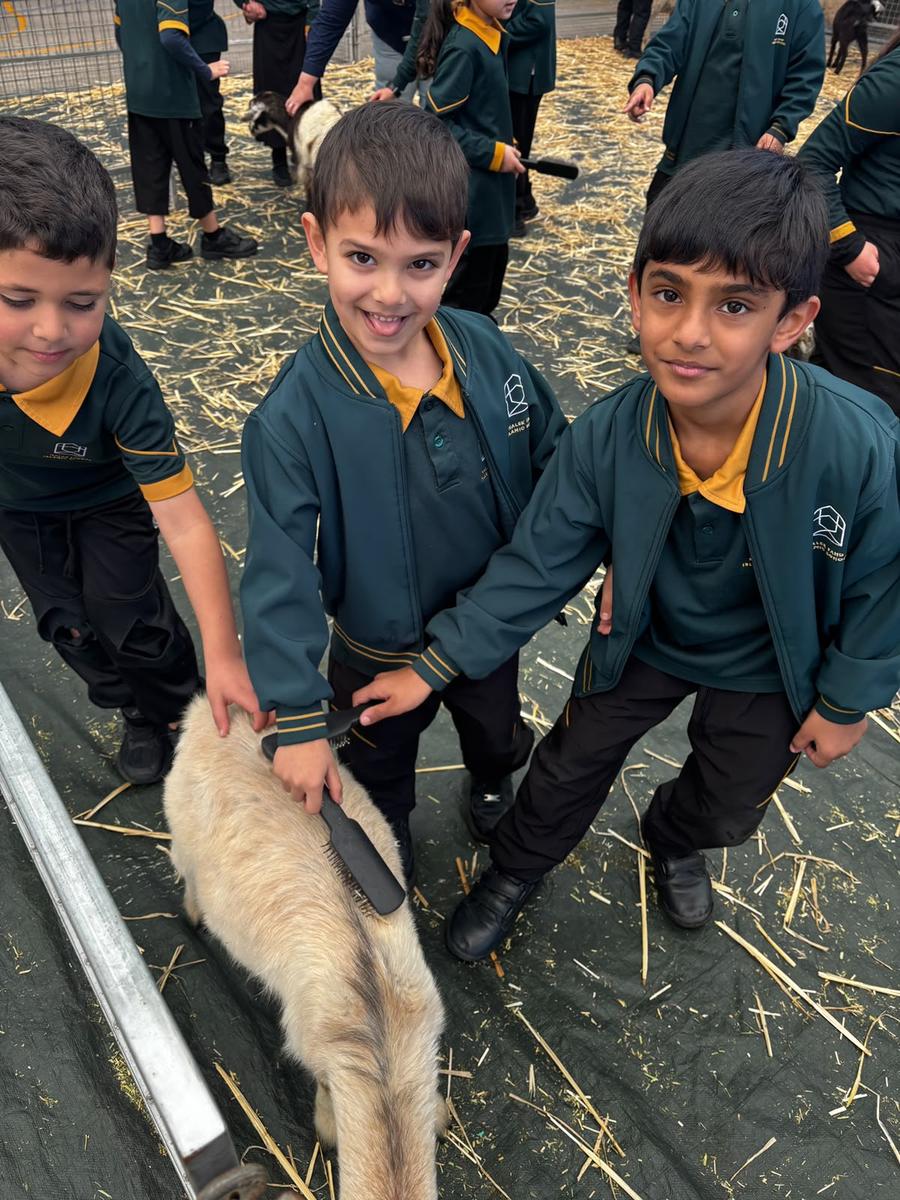
It’s about that time of the year again where we celebrate Afiyah Week at MFIS! We’ve started at Greenacre and will be continuing Afiyah Week at Beaumont Hills and Hoxton Park soon Insha Allah.
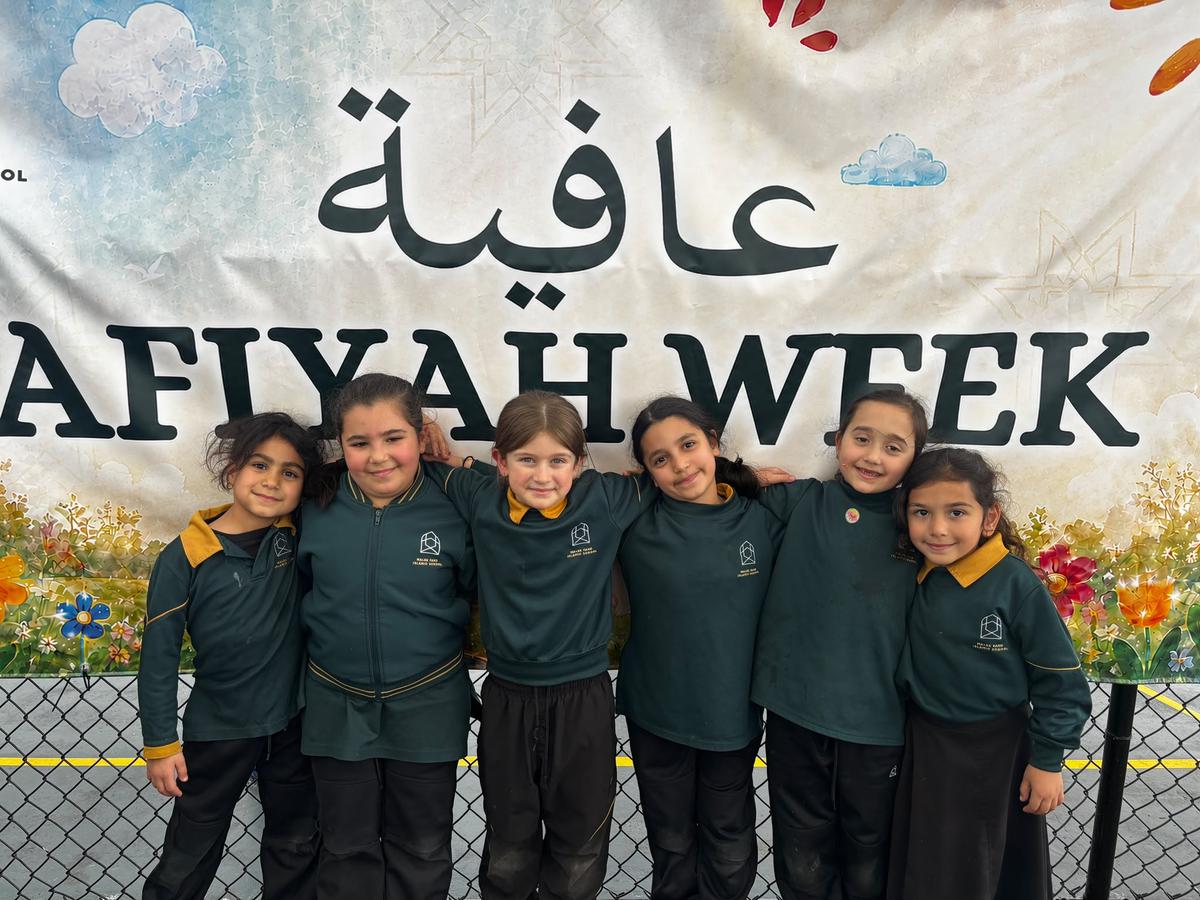
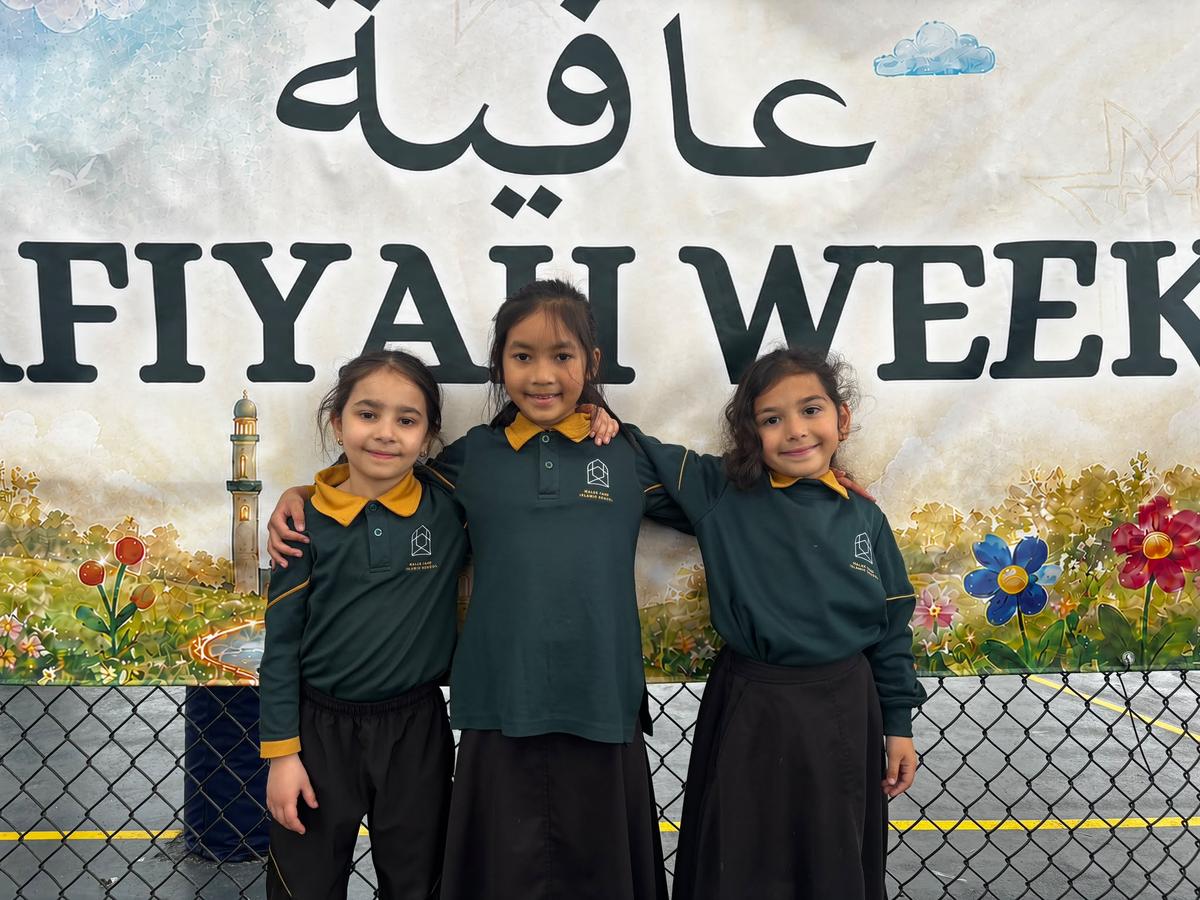
Afiyah is free from harm and having every goodness in this world and the next, including protection, ease, forgiveness, and holistic wellbeing. Afiyah Week focuses on understanding that Afiyah comes from obeying Allah (SWT), following His Messenger (SAW), and sincerely asking Allah (SWT) for Afiyah.
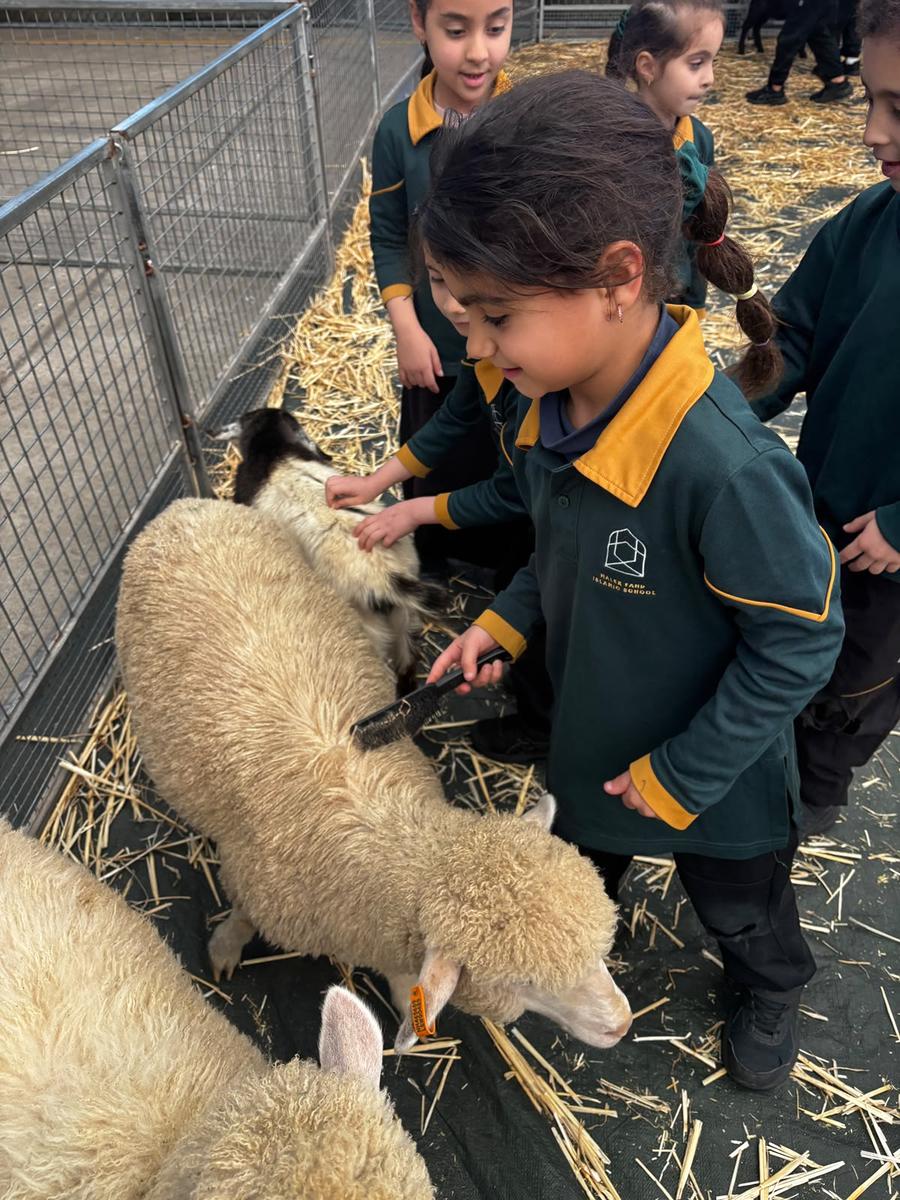
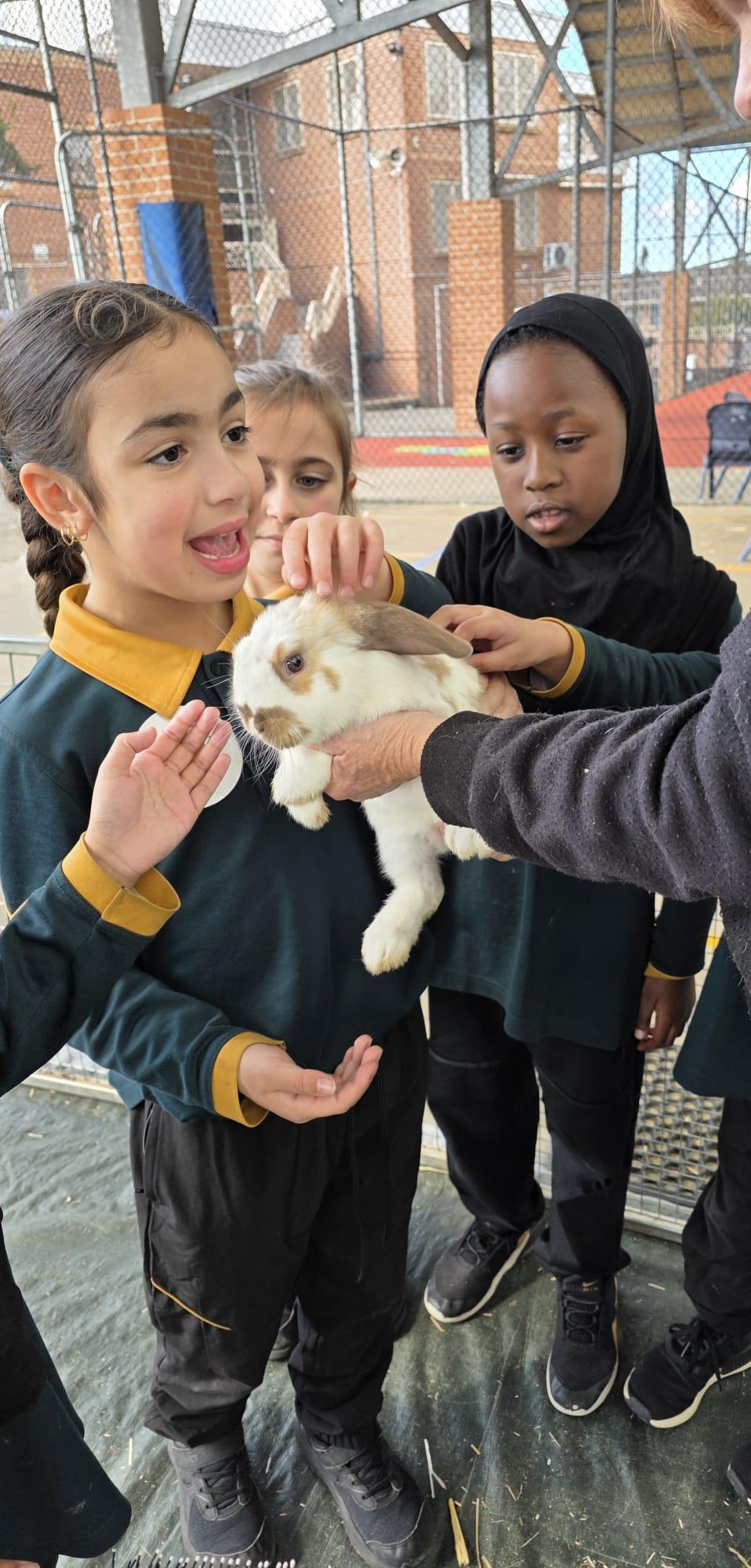
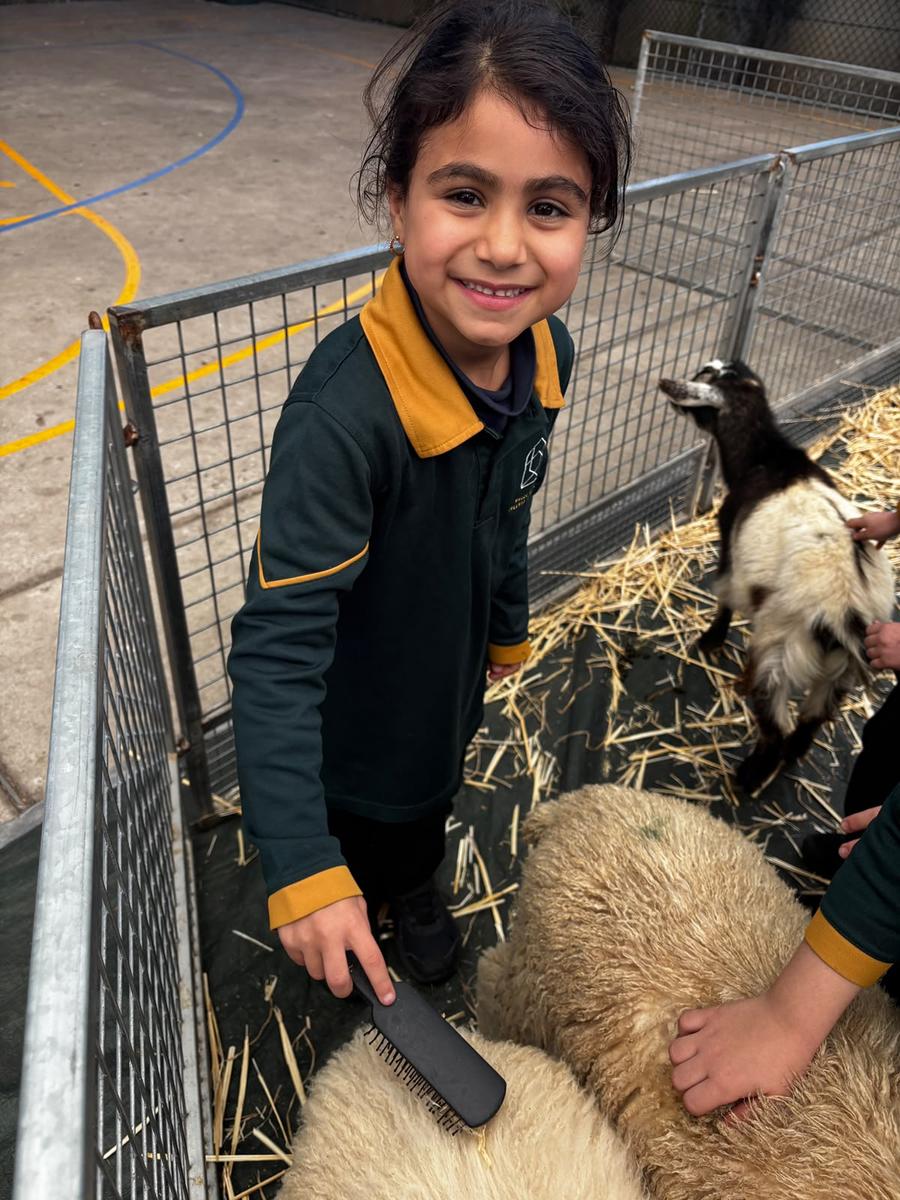
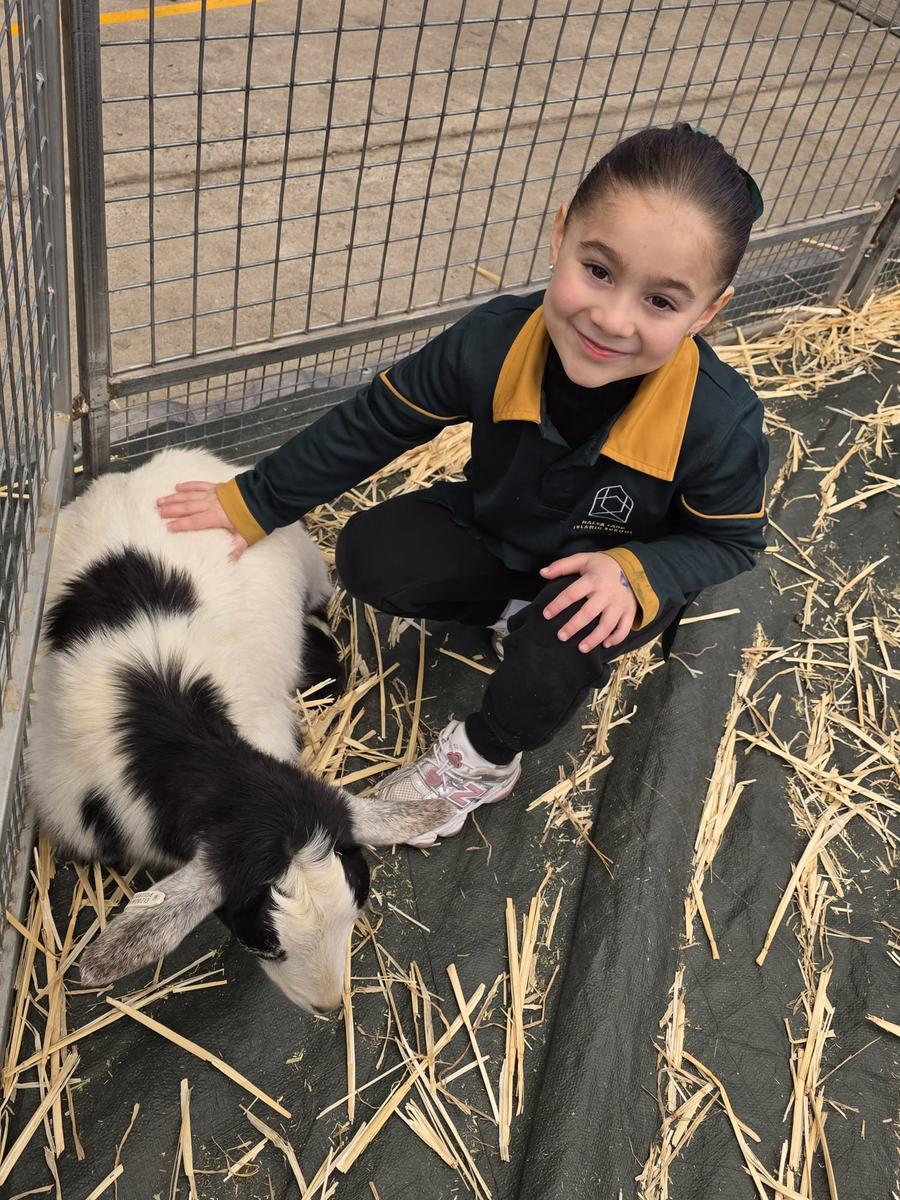
As part of following the Prophet’s (SAW) example, we encourage all families to check in with their children. You can use the following guidelines based on how the Prophet (SAW) beautifully modelled support for Abu Umamah (RA) (in a hadith narrated in Abu Dawud):
Notice the signs: One day he (SAW) noticed that Abu Umamah (RA), was in the masjid outside of prayer time, showing distress in his body language. The Prophet (SAW) noticed the subtle warning signs. that Abu Umamah was somewhere out of the ordinary, and his sullen body posture.
Gently check in by naming what you see: The Prophet SAW then gently asked Abu Umamah what was had brought him to the masjid at that time (i.e. what was wrong). He gently check-in by naming what he had observed.
Listen without judgement: The Prophet SAW then simply listened as Abu Umamah (RA) shared that anxiety and debt were overwhelming him. We all have challenges and the Prophet (SAW) did not belittle, berate or blame Abu Umamah's for having anxiety or debts or suggest that his distress reflected weak Iman.
Gently offer support or help (using a practical, Allah-anchored next step or coping strategy). The Prophet (SAW) gently asked Abu Umamah (RA) if he wanted something that could help, and with Abu Umamah’s agreement, offered a practical, faith-centred solution: a daily Dua ritual that would protect him from anxiety, sadness, incapacity, laziness, cowardice, and being overwhelmed or overpowered. When someone is in the pouring rain, they don’t need someone asking them why they don’t have a raincoat… they need someone to offer to share their umbrella. Likewise, when someone is overwhelmed or in difficulty, it is helpful to ask, “would you like me to listen, or help figure this out” or “how can I help?”
Our students and families are not immune from difficulties and distress – all of us face tests in this life. We need to support our children and each other to see these times as opportunities to build ourselves, to turn back to Allah SWT, to remember our closeness to Him (because He is closer to us than our jugular veins). May Allah SWT bless and protect our school community and grant all Afiyah, in this world and the next.
Ms Fatima Masri, Counselling Coordinator