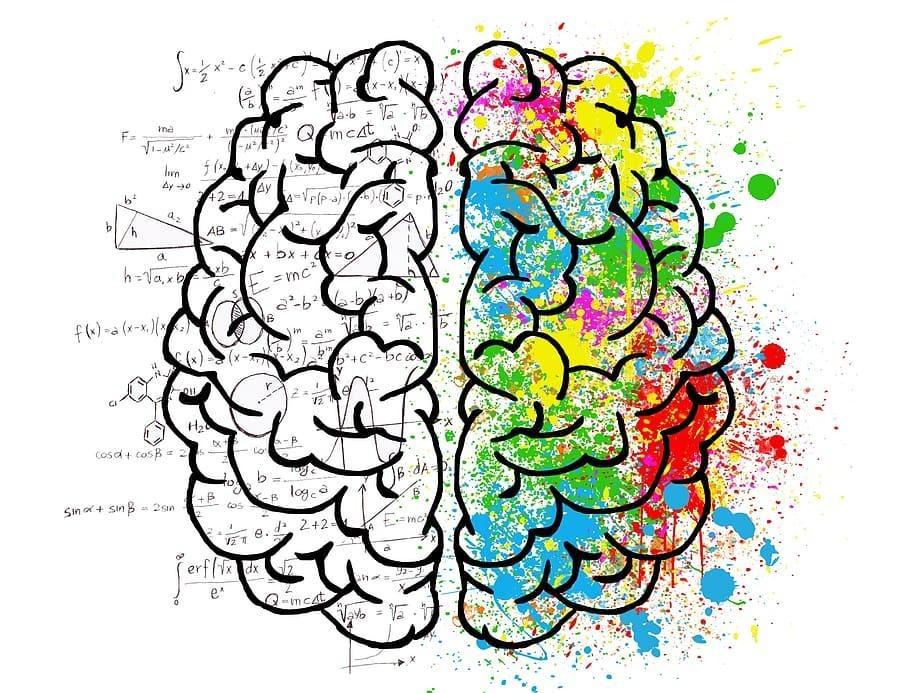
Learning Diversity
Nicole Federico - Learning Diversity Leader

Learning Diversity
Nicole Federico - Learning Diversity Leader
You may have heard the term neurodiversity mentioned more often in recent years. But what does it actually mean, and why is it something we should understand as a school community?
Neurodiversity is about recognising that every brain works in its own unique way.
Every brain is unique! Neurodiversity recognizes that people can experience and respond to the world in different ways, influencing how we communicate, pay attention, process information, regulate emotions and make sense of our experiences. These differences can include a range of learning, developmental and neurological profiles including ADHD, dyslexia, autism, developmental language differences. Some children may have these differences without a formal diagnosis or label.
At school, we aim to understand and support each child as an individual, focusing on their strengths, interests and what helps them learn and participate successfully.
Simple, everyday conversations can help children develop understanding and empathy:
💬 “Everyone’s brain works differently, and that’s okay.”
💬 “Some people need quiet to concentrate, while others learn best when they can move.”
💬 “We don’t all need the same things to help us learn.”
💬 “Some people find reading easy while others are great at remembering facts”.
Our goal is simple: different brains, different strengths, different needs — but every child deserves to feel valued, understood and included.