Room 1 Years 3 -6
🏛️ Non-Fiction – Exploring Ancient Greece
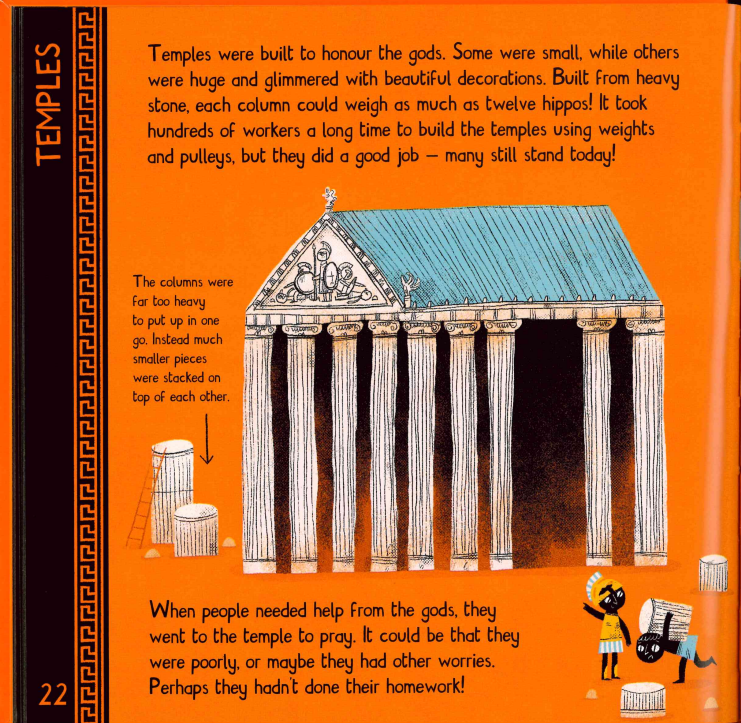
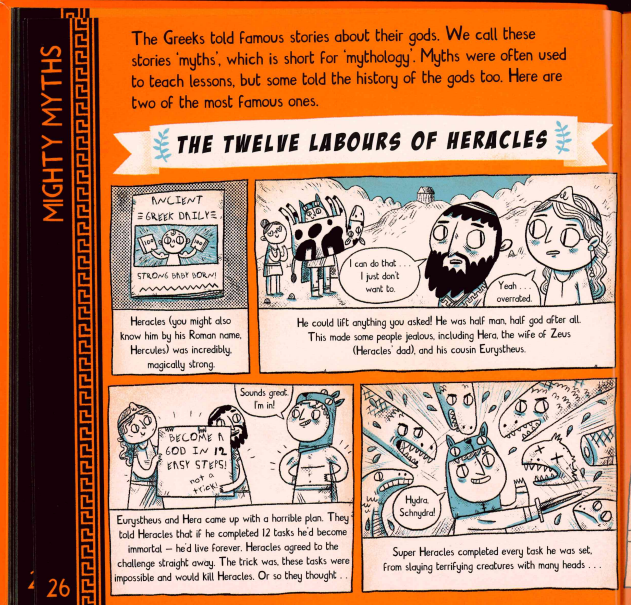
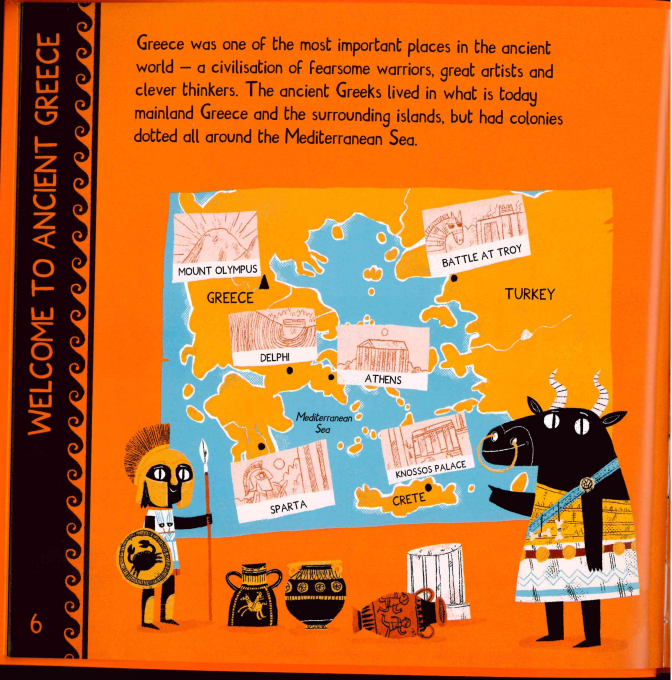
Our Senior Room students have been travelling back in time through Ancient Greece and the Olympics by Mary Pope Osborne and Natalie Pope Boyce.
This non-fiction text is helping us learn about life in Ancient Greece, including what people wore, what they did for fun and the gods and goddesses they believed in. We are also discovering how the ancient Olympic Games began, where they were held, what events were included and what the winners received. Students have enjoyed comparing the ancient Games with the Olympics we know today. 🏅
As we read, we have been learning how to:
- 🔎 use the contents page and index to locate information
- 📖 identify non-fiction features such as headings, captions, photographs and illustrations
- 💡 find key facts and record useful information
- 📝 take notes and rewrite information in our own words
- ⚖️ compare life in Ancient Greece with life today
✏️ organise our research into clear and interesting information texts
The students became researchers and chose their own ancient civilisation to investigate. They asked questions, checked reliability of resources and used evidence from the text to come to conclusions. We found out some fascinating discoveries about the ancient world!
🔢 Numeracy – Shape, Transformation and Angles
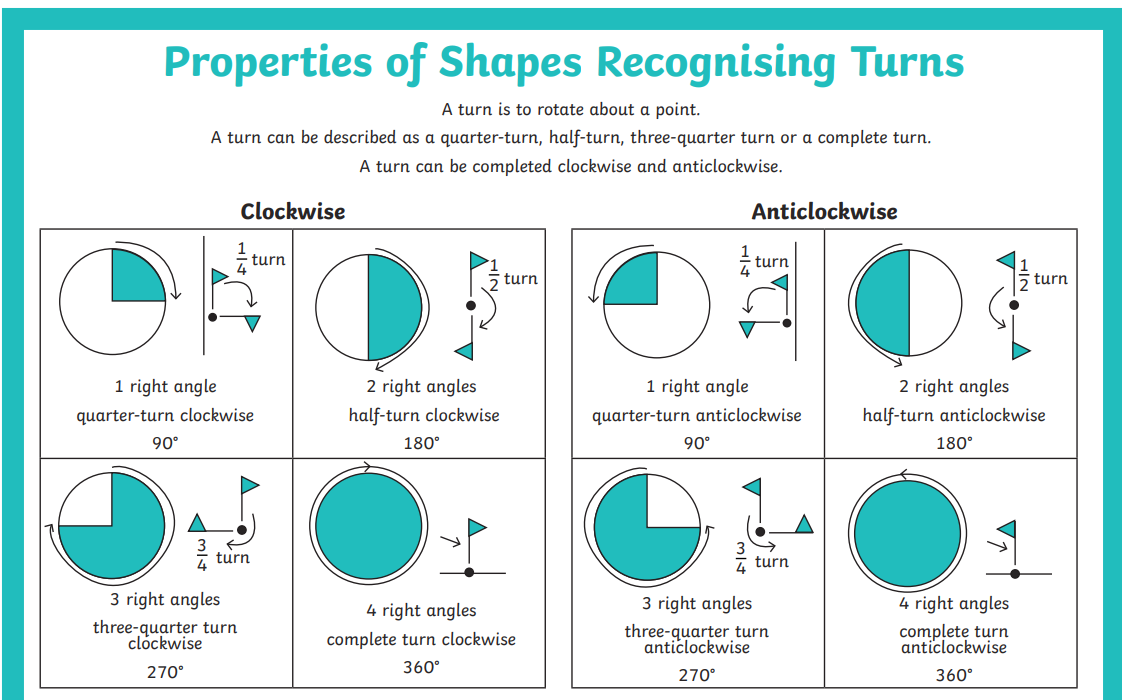
Our Senior Room mathematicians have been busy investigating shapes, transformations and angles.
Students are learning to identify and describe different types of angles, explore the properties of two-dimensional shapes and recognise how shapes can be moved or changed through translation, reflection and rotation.
They are also developing their ability to use mathematical language, explain their thinking and apply their knowledge when solving problems. 📐🧠
🤝 Respectful Relationships – Asking for Help
In Respectful Relationships, we will be focusing on help-seeking strategies. Like any other skill, asking for help is something we can become better at with practice.
Students will explore scenarios involving bullying, racism, unkind behaviour and mean or hurtful comments on social media. Together, we will discuss how these situations might make someone feel, who they could turn to for support and what they could say when asking for help.
Students will also create and perform role-plays to practise responding safely and respectfully in these situations. Our goal is to help students recognise when support is needed and build the confidence to seek help for themselves or others. 💬💛
🛶 The Evolution of Tools – Learning from Gunaikurnai Knowledge
Our students have been exploring how tools have changed over time and how people have always used their knowledge, skills and the natural materials available to them to solve problems.
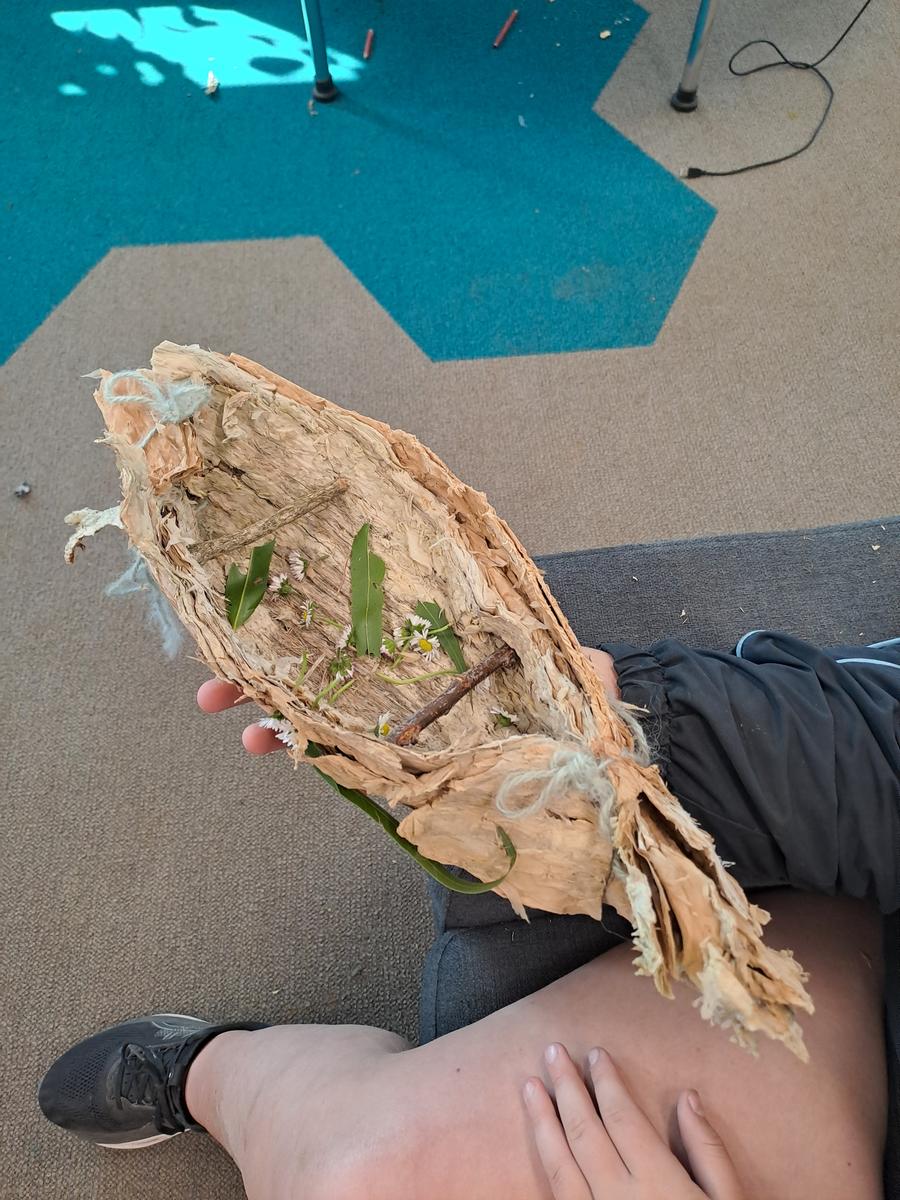
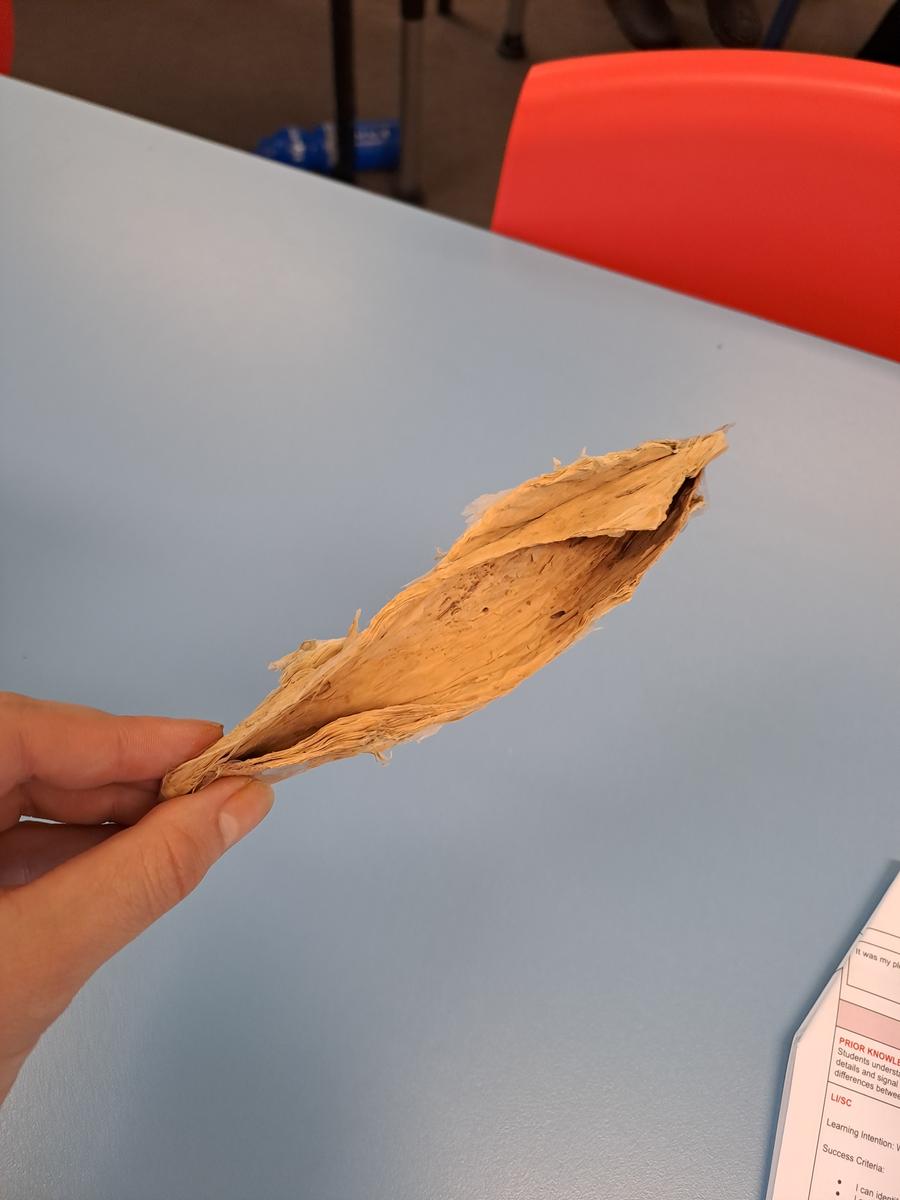
We learned about the important tools and techniques used by the Gunaikurnai people, including the careful use of materials from trees to create canoes. The wood and bark were shaped using traditional tools, while heat was used to make the material more flexible so it could be bent into the correct form. This demonstrated a deep understanding of natural resources and how different materials behave. 🌳🔥
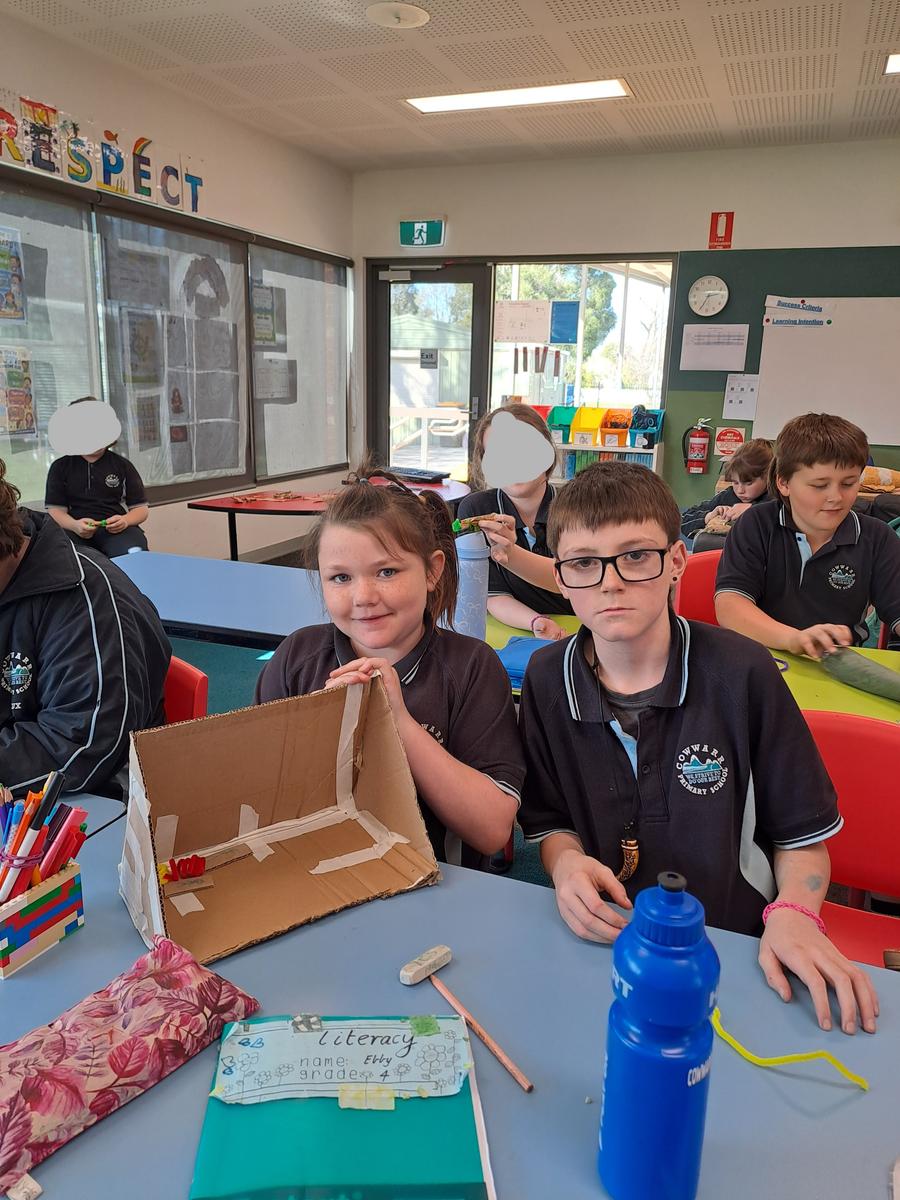
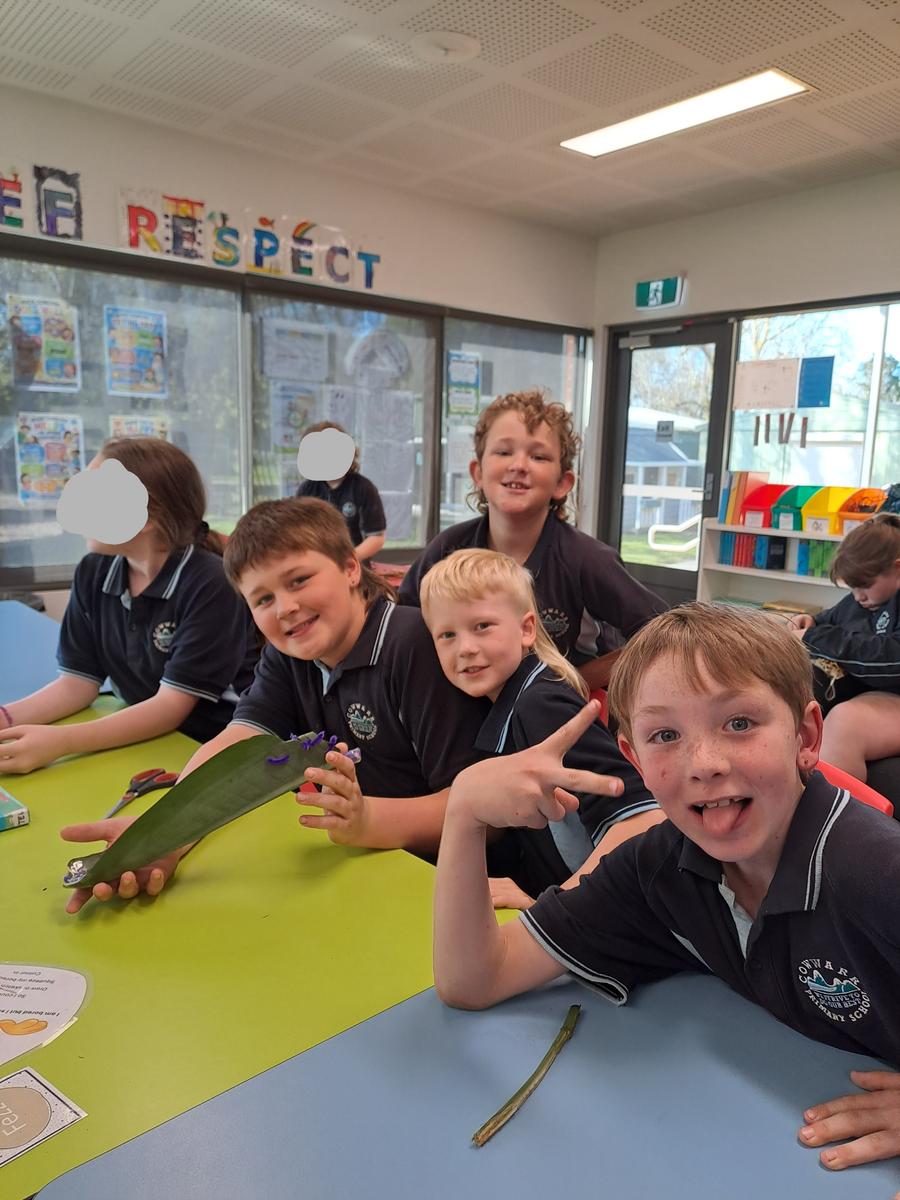
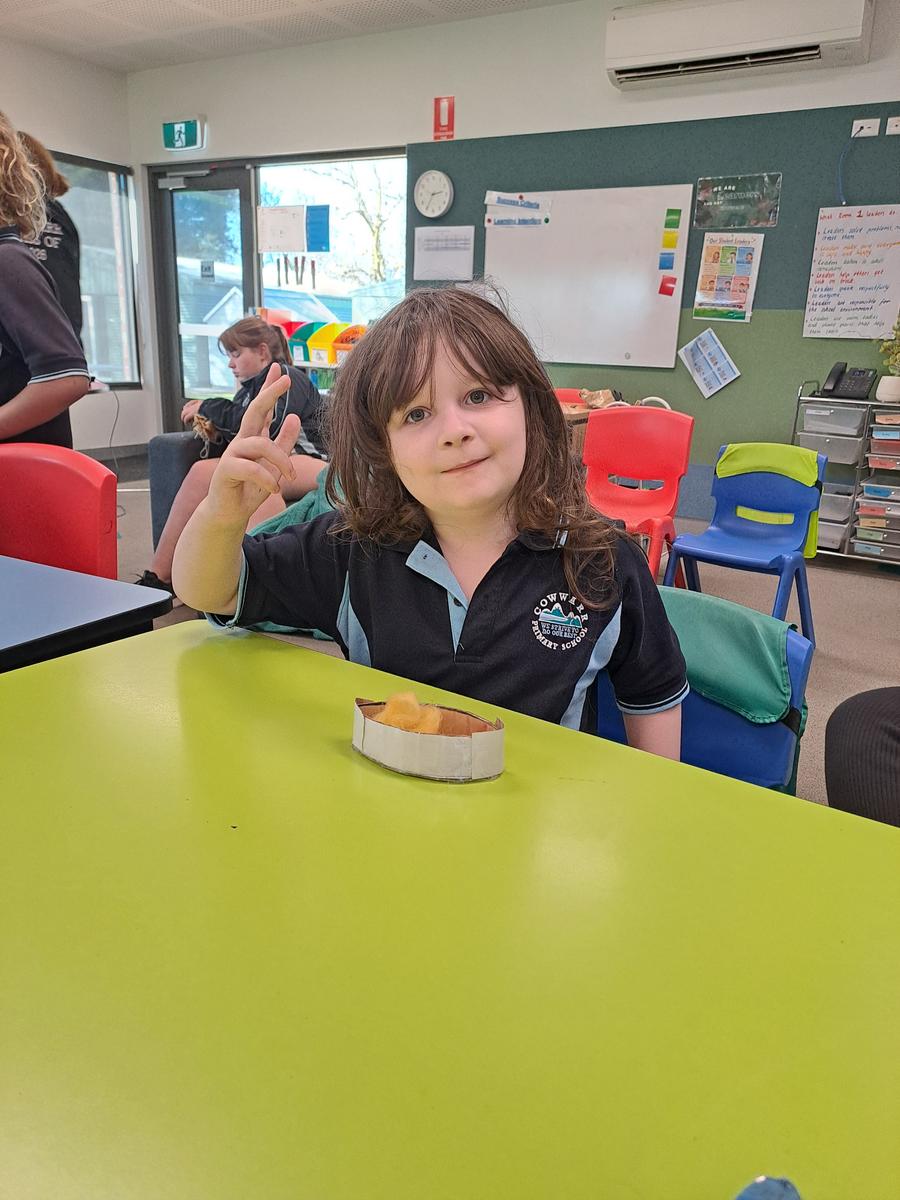
Inspired by this learning, students designed and created their own model canoes. They considered the shape, size and materials they would use before testing whether their designs would float and how much weight they could hold.
Through testing buoyancy, making observations and improving their designs, students discovered that successful tools and technologies develop through knowledge, creativity, problem-solving and experimentation.