Curriculum
A focus upon Teaching and Learning











 Upwey South Primary School

Curriculum
A focus upon Teaching and Learning
In each edition of our school newsletter, we share with our community an insight into the curriculum being taught within our classrooms. This reflects our school's strong focus upon continuous improvement.
Each edition covers a different area of the curriculum, and is supported by our school-wide approaches to teaching and learning.
In this edition we look at the social-emotional wellbeing of our students as we prepare for a staged return to on-site schooling. The teachers from each year level have taken the time to source reputable information that is age-appropriate.
Recently, there has been a saturation of media coverage about the return to on-site schooling. Whilst some students and families may be 'ready and raring to go', for others the return to school can bring mixed feelings, including anxiety.
As we prepare to return to a more familiar way of schooling, it is important to seek information from reputable sources.
The following is an extract taken from the Royal Children's Hospital Melbourne website:
Be open and honest, but age-appropriate
Stick to the facts, but think about your child’s age when sharing information with them. Children of different ages will need different answers. Keep it simple and clear for young kids and provide more detailed information for older children and teenagers.
It’s important to remind children that although they might catch the virus, it is unlikely to make them very unwell. Tell them that if they do get sick it will be similar to a cold that they may have experienced before. They may get a fever, cough, runny nose or sore throat and be sick for a few days or around a week, and they will get better. It’s okay to tell children that adults are more likely to get sick, especially if they are elderly or have a medical condition. Let them know that most of the strategies they see in the community, like hand washing and social distancing, are actually to help protect the most vulnerable. By doing these things they are helping to protect others.
Stay positive and hopeful
It is helpful to stay positive and hopeful when discussing coronavirus with your children. Often the media focuses on worrying and negative aspects, so your children may become overwhelmed and think the situation is hopeless. Explain that there are lots of doctors and scientists working really hard to find out about this virus, and that they are learning new things every day. Let them know that many people around the world have recovered from coronavirus. It’s important for them to know that although things are different at the moment, and may be hard for a while, things will eventually return to normal.
Limit information children get through the media
There is lots of information in the media about coronavirus and it is likely that your children are seeing and hearing this through the TV, radio and online. Try to limit how much your child watches, hears and reads in the news, including on social media. Seeing graphic images or reading about the increasing number of cases of coronavirus can become overwhelming and upsetting. It’s especially important to try to limit your child’s exposure to frightening material in the news or online.
Focus on the things children can control
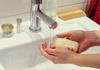
We need to help children focus on what they can do to stay safe and healthy. By giving children practical things that they can do will help them to feel empowered rather than helpless. Remind children about hand hygiene – make sure they know how to wash their hands properly and remind them to do this before and after they eat, as well as after touching their face or blowing their nose. See our video on keeping well. Teach them how to cough or sneeze into their elbow. Remind them to avoid touching their eyes, nose and mouth. Where possible, crowds should be avoided and people should refrain from close physical contact with people outside of their household. Show kids how to greet each other hands-free such as by touching elbows or feet.
Keeping well through physical activity, a healthy diet and plenty of sleep are also really important ways to support your children. Lots of children are disappointed that their regular sport and other activities may be cancelled. Find other ways to keep your kids active, such as spending time in the backyard or going for a family walk, run or bike ride.
Stick to routines where possible
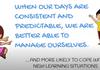
Children need routine more than ever during uncertain and unpredictable times. Maintain as much normality in the house and daily life as you can and include family time. You can structure your child’s routine around meal time and bedtimes, as well as online learning activities for older children. Try to factor some physical activity into the day, as this is important for children of all ages, and good for adults too.
Show your children that you are calm
Children look to their parents and carers as a guide about how to react to situations. Even very young children are sensitive to stress and anxiety in adults. Parents and carers need to manage their own emotions and anxiety to help keep kids calm. Try not to talk to children about coronavirus when you are feeling particularly stressed or overwhelmed. You can ask your partner or another trusted adult to speak with them.
Look out for signs of anxiety or stress in your children
Everyone reacts differently in stressful situations. Some children are naturally more anxious than others, and coronavirus may affect them a lot. Keep an eye out for highly anxious or unusual behaviour in your children. Younger children may show signs such as a change in behaviour, being more emotional, having temper tantrums or trouble sleeping or eating. Older children can show these signs too or they may also appear distracted, have trouble concentrating or become forgetful. Some children may develop repetitive or obsessive behaviours, such as excessive fear of germs or contamination.
Make sure you keep having conversations with your children about other things besides COVID-19. Take the time to sit with your child and listen to what they are worried about. If you are concerned that your child is showing signs of high levels of anxiety or stress, seek advice from your GP.
Look after yourself too
Uncertain and stressful times can put a lot of strain on family relationships. In order to best support children, it is important that parents look after themselves too during this very stressful and difficult time. Try to find time for adequate rest and self-care. If you are feeling particularly stressed, overwhelmed or unsafe, or that you are not able to support your children in the way that you would like, please reach out to family and friends or your GP.
In the next edition of our newsletter, we will be sharing information about how we are taking important steps to 're-establish' classroom norms, following the return to on-site schooling.