NAIDOC Week 2026: “50 Years of Deadly”
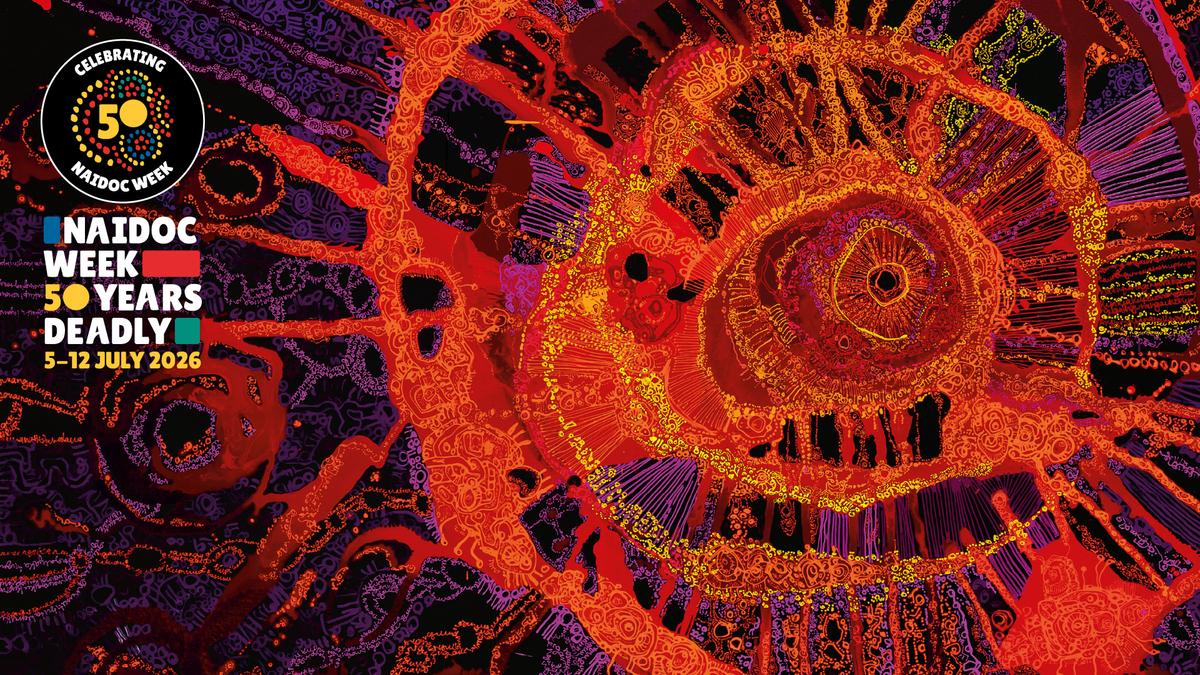
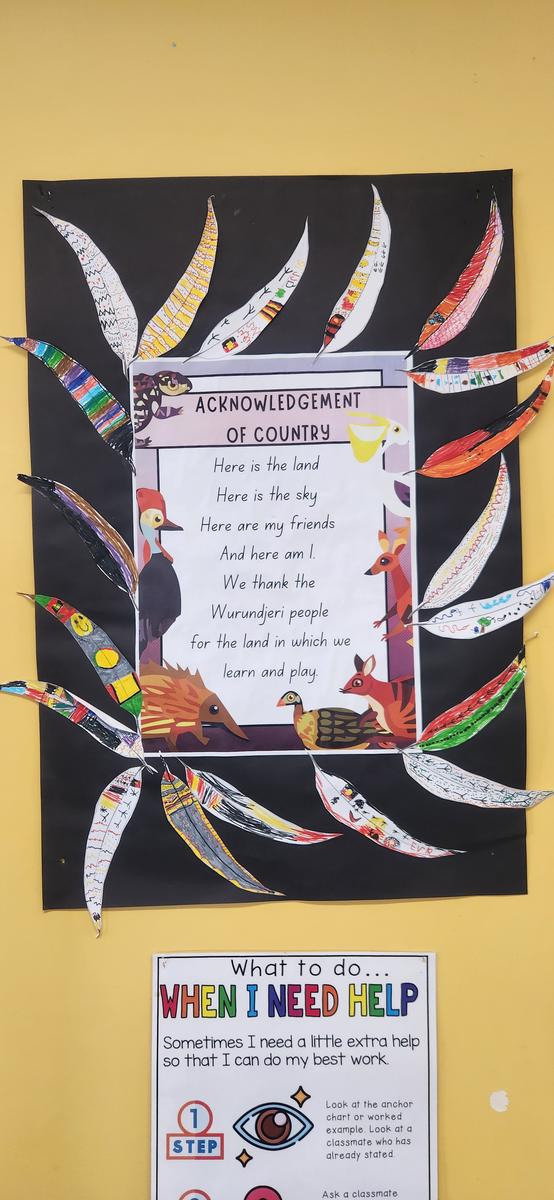
NAIDOC Week was celebrated nationally from 5–12 July, and our school community engaged deeply in learning, reflection and celebration across the week. As a school proudly learning, working and playing on Wurundjeri Country, NAIDOC Week provides an important opportunity to recognise the rich histories, cultures and achievements of Aboriginal and Torres Strait Islander peoples, and to strengthen our collective understanding of Australia’s First Peoples.
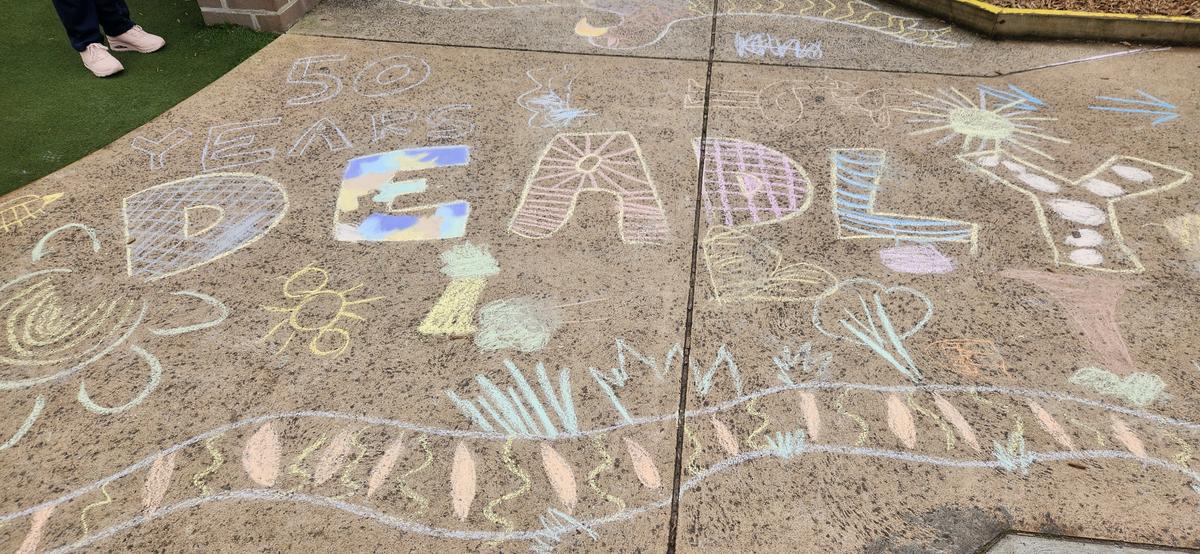
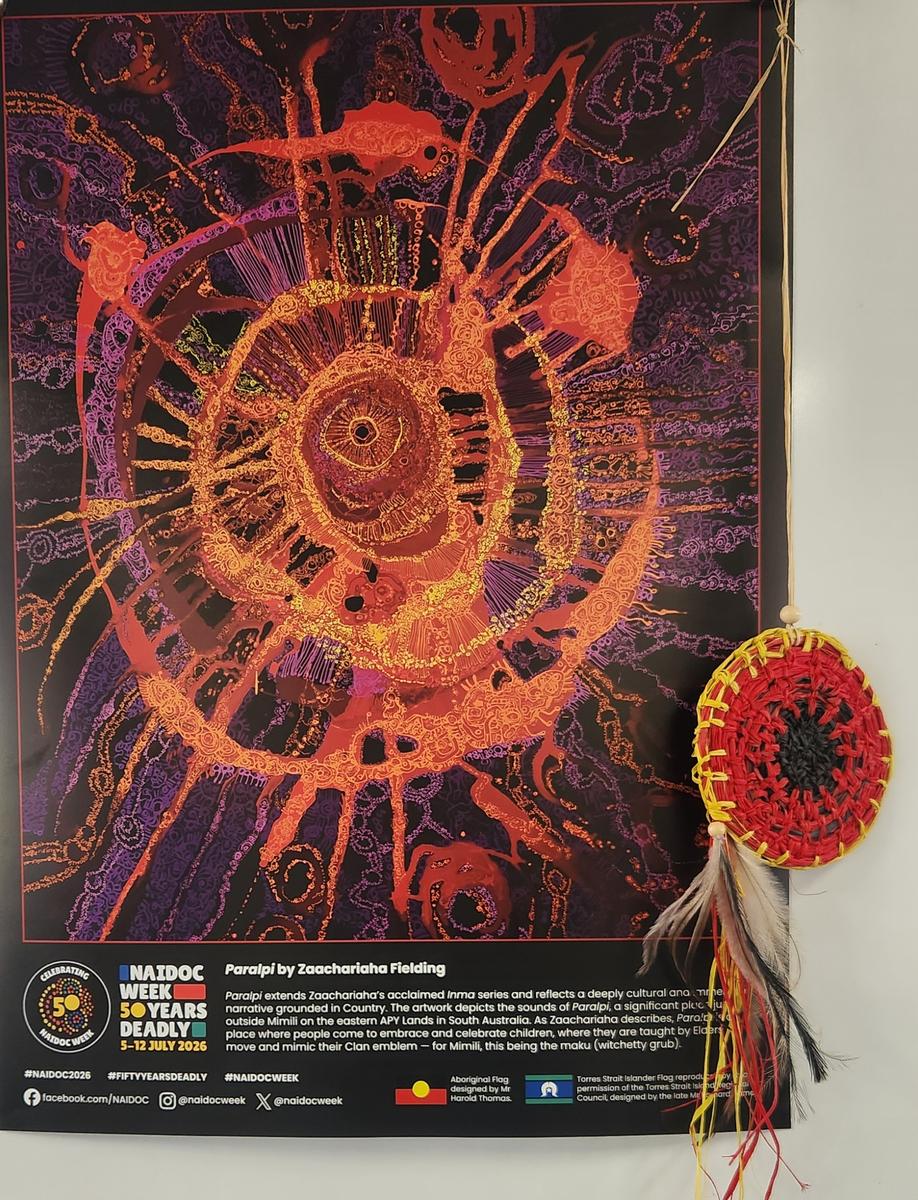
This year’s theme, “50 Years of Deadly”, marks the 50th anniversary of NAIDOC Week being celebrated as a full week. While NAIDOC’s origins stretch back to 1938, when Aboriginal leaders united to demand rights and recognition, it was in 1975 that the celebration expanded to a week-long event. The theme highlights five decades of elevating First Nations voices, honouring resilience and achievement, and looking ahead to the next generation who will continue to lead, share culture and shape Australia’s future. In Aboriginal culture, the word deadly means excellent, strong or amazing—a fitting description of the spirit and impact of NAIDOC Week.
A highlight of our school’s celebration was the student-led NAIDOC assembly on Friday 17 July. Two of our Grade 4 SRC representatives, Anesa and Senna, delivered a thoughtful and confident speech to the whole school during assembly. They explained the history of NAIDOC Week, the meaning of this year’s theme, and encouraged students to continue learning about and respecting Aboriginal and Torres Strait Islander cultures.
Across classrooms, students engaged in a wide range of learning experiences, including:
- exploring the history and milestones of NAIDOC Week
- learning and sharing Woiwurrung language
- reading stories by First Nations authors
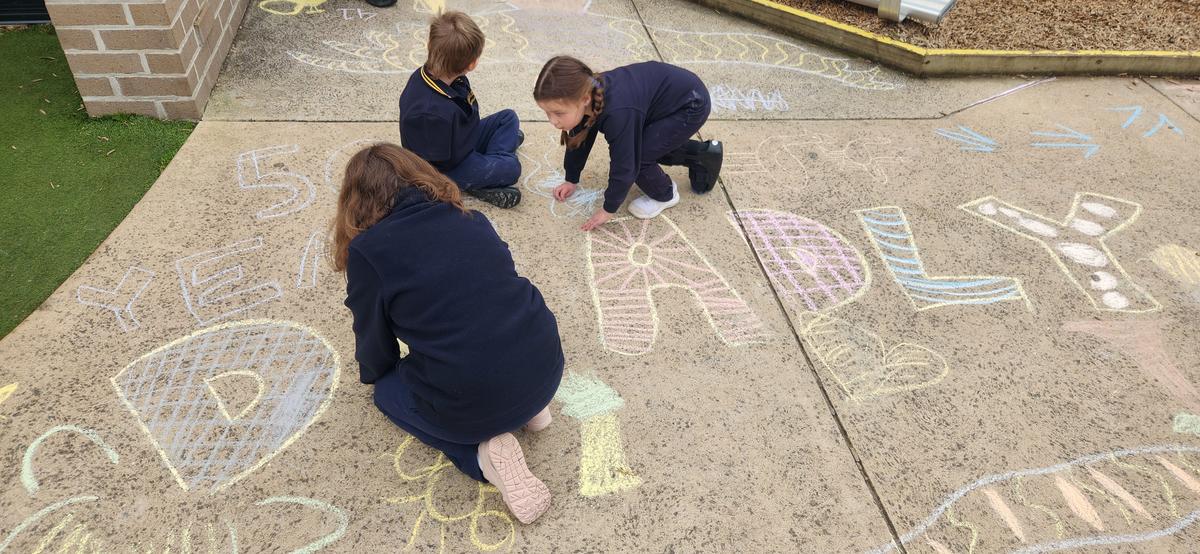
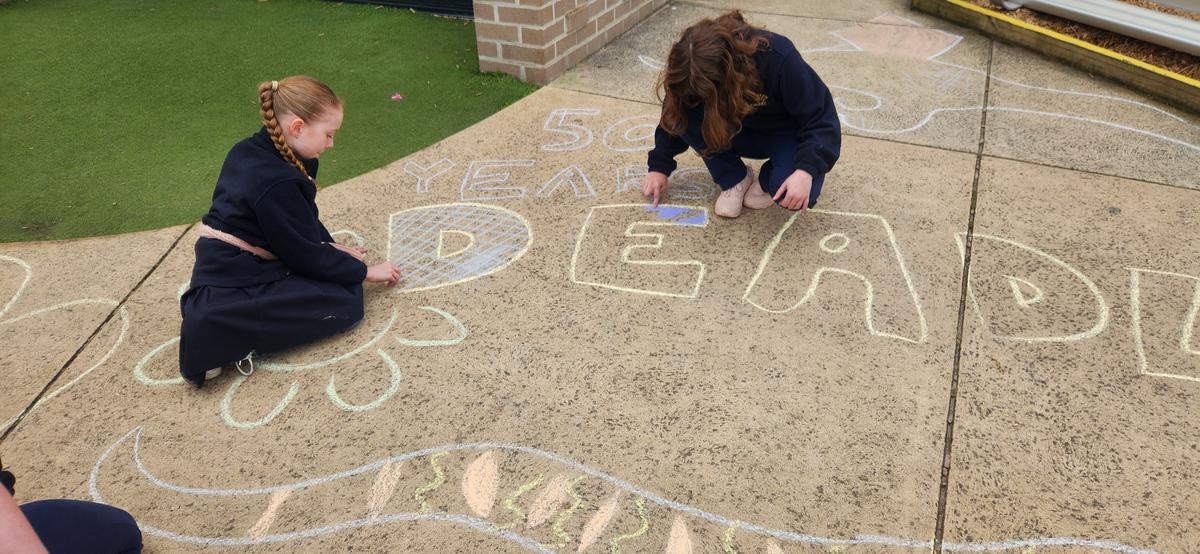
- responding creatively through writing, art and discussion
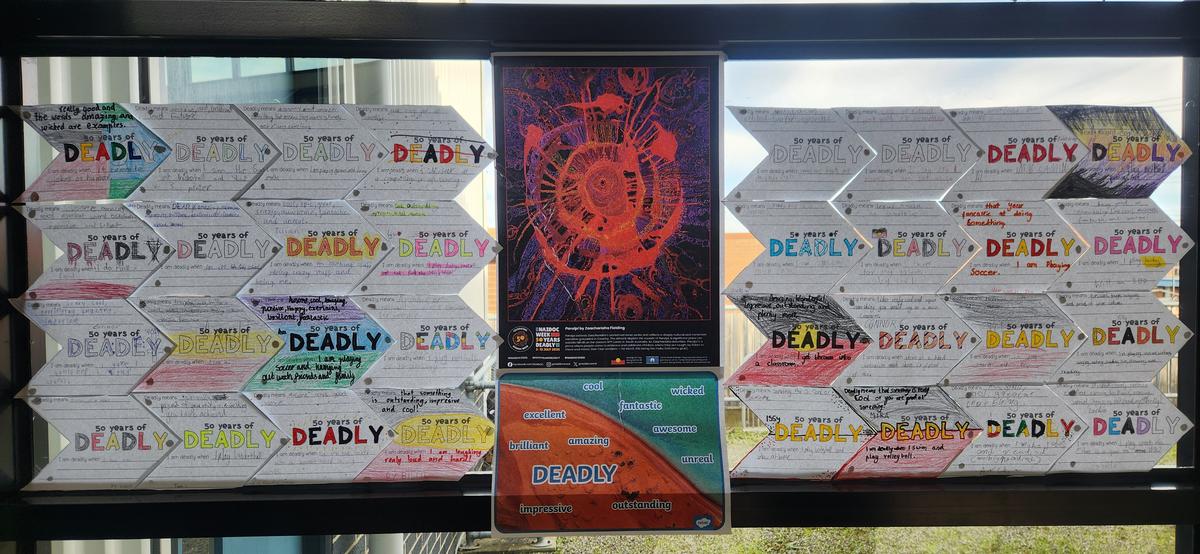
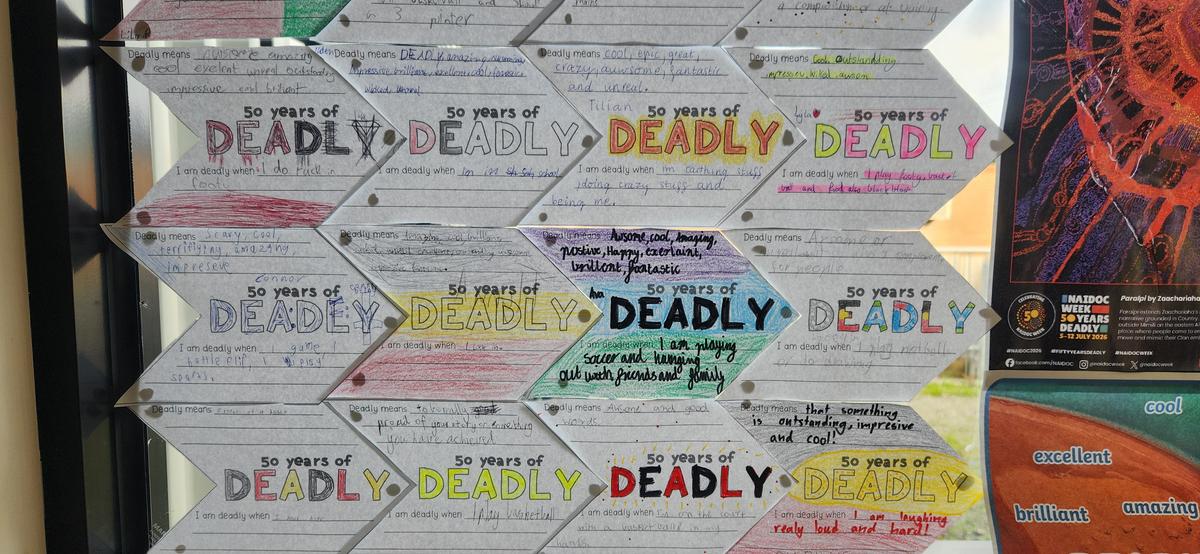
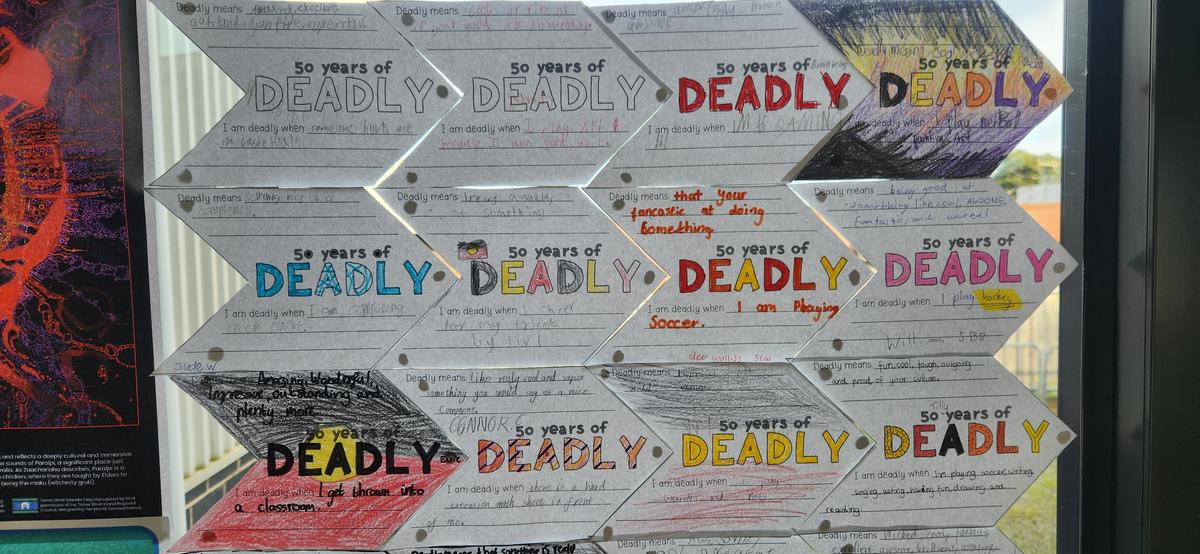
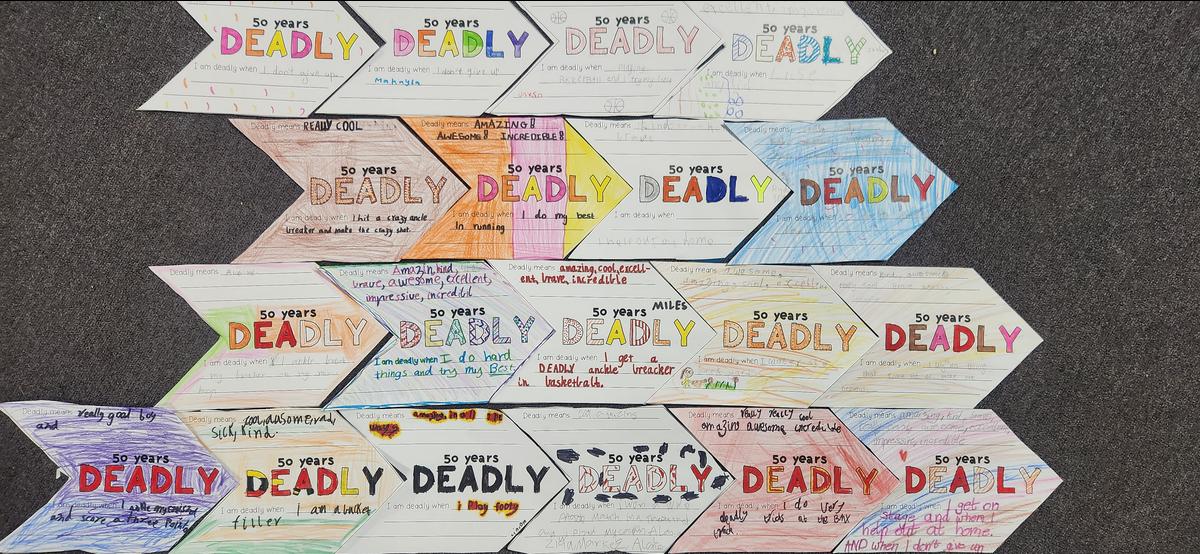
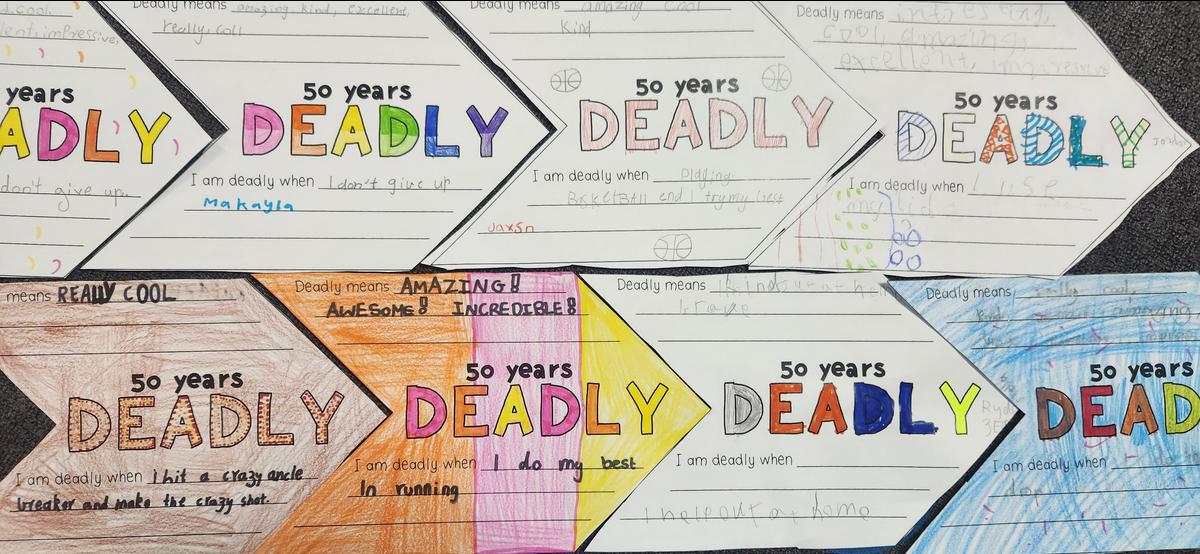
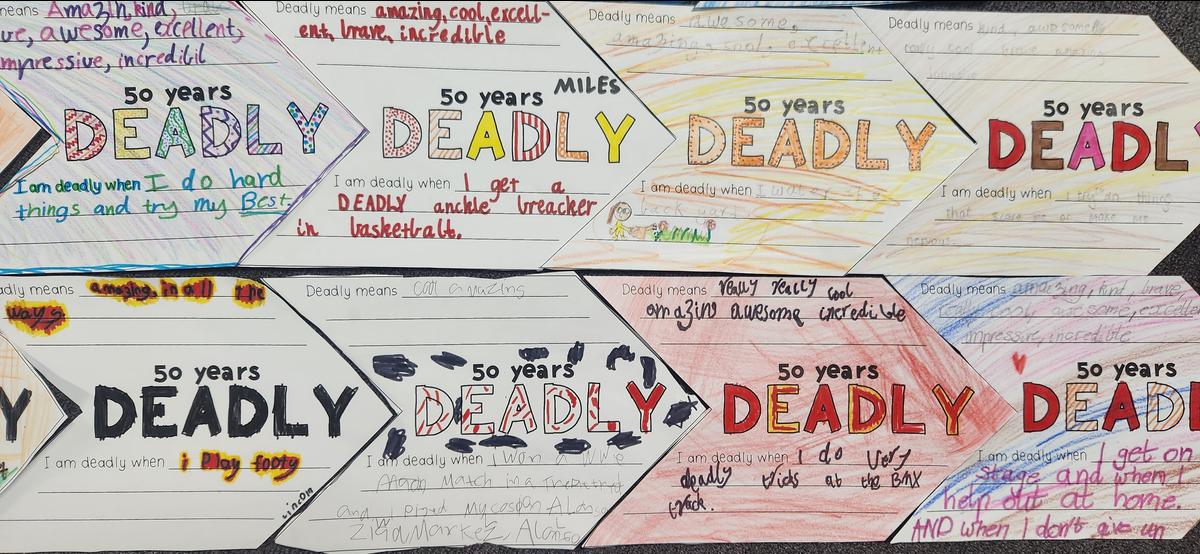
- developing an understanding of the word deadly and reflecting on how they can be “deadly” in their everyday actions
Students across the school shared personal reflections on when they feel deadly.
Responses included moments of perseverance, kindness, courage, teamwork and trying new things. These reflections demonstrated a strong connection between the theme and students’ own developing identities as learners and community members.
Our school community was also encouraged to continue learning beyond NAIDOC Week. Families were provided with practical ways to build curiosity and understanding at home, such as reading books by First Nations authors, watching age‑appropriate programs, exploring local cultural sites, listening to First Nations storytellers, and having open conversations about Country, culture and history.
NAIDOC Week remains an important part of our commitment to fostering respect, curiosity and cultural understanding. Through learning together, we strengthen our connection to Country, to culture and to one another.
Warm regards,
Adele Gregson, Sabrina George, Marty Gill and Bree King